Vacation Plant Care Planner
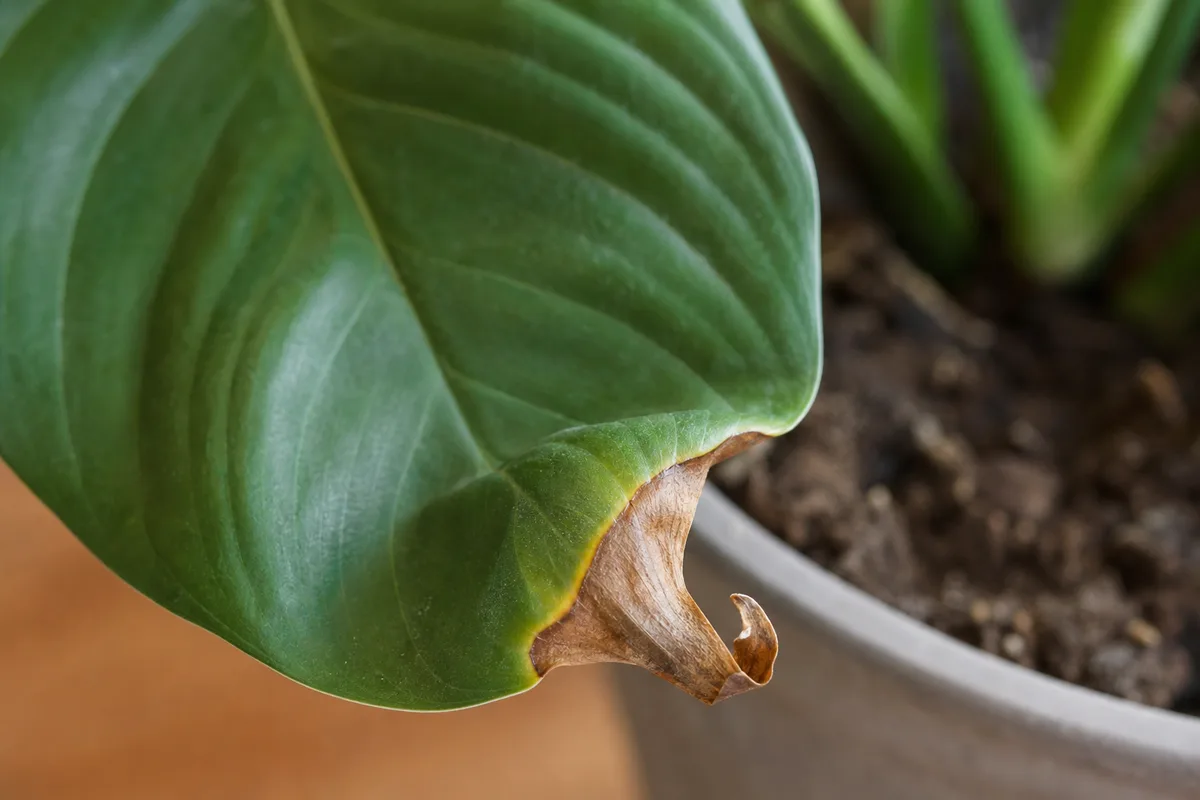
Leaving houseplants alone is less about finding one clever watering hack and more about reducing the number of things that can go wrong while you are not there to correct them. A plant that is already thirsty, sitting in hot direct sun, packed into a small pot, or carrying a small pest problem can decline quickly during travel. A plant that is watered well, moved into steadier light, grouped with similar plants, and matched with the right backup system usually has a much wider margin for error.
The Vacation Plant Care Planner helps turn that judgment call into a practical checklist. It asks you to think about trip length, season, plant type, pot size, soil behavior, indoor light, room temperature, humidity, pest risk, and whether someone can check in. The result is not a promise that every leaf will look perfect when you return. It is a structured plan for keeping roots alive, reducing avoidable stress, and making the handoff simple if another person is helping.
Use the planner before you leave, not the night before your flight. The best vacation setup is tested while you are still home, because self-watering pots, wick systems, moved plants, and sitter instructions can all fail in small ways that are easy to fix early and hard to fix from another city.
What the planner does
The planner converts your absence into a care strategy. A three-day summer trip for a pothos in a large nursery pot needs a different plan from a sixteen-day winter trip for a calathea in a small decorative cachepot. The tool weighs the same factors you would check by hand: how fast the pot dries, how sensitive the plant is to drought or wet soil, how much light and heat will drive water use, and how much intervention is realistic while you are away.
It also separates pre-trip preparation from during-trip support. Pre-trip work includes inspecting leaves and soil, watering correctly, removing debris, moving plants out of punishing conditions, and grouping compatible plants. During-trip support may be as simple as doing nothing for drought-tolerant plants, or as involved as a tested wick reservoir, a self-watering container, or a plant-sitter visit.
What the planner does not do is identify every plant in your home, diagnose hidden root disease, or make a single watering schedule safe for a mixed collection. University of Maryland Extension notes that watering on a fixed schedule can lead to too much or too little water, because potting media, humidity, temperature, and plant condition all affect demand watering on a fixed schedule. The planner gives you a decision framework; your observations make it accurate.
What it does not replace
The planner should not replace plant-specific care knowledge for valuable, rare, newly imported, or already stressed plants. A newly repotted anthurium, a recovering orchid, a succulent with suspected rot, and a fern that wilts if it dries out are not interchangeable just because they are all in six-inch pots. Their roots, storage tissues, and tolerance for dry or wet media are different.
It also cannot replace a competent plant-sitter for long absences when plants need active judgment. If a sitter can visit, the best use of the planner is to produce a short, unambiguous handoff: which plants to water, which ones to leave alone, how to check moisture, where the watering can is, and what warning signs justify a photo or call.
Finally, the planner is not a reason to overwater. Many vacation failures come from trying to store two weeks of water in the potting mix itself. That can suffocate roots in mixes that stay wet too long, especially in low light or cool rooms. The safer goal is to start each plant at an appropriate moisture level, slow its water loss, and add a reservoir only when the plant and pot can use it safely.
The core method
The method is simple: estimate the plant’s water reserve, estimate the plant’s water demand, then choose the least complicated backup that covers the gap. Water reserve comes from pot volume, root health, potting mix, drainage, and how evenly the mix rewets before you leave. Water demand comes from plant type, leaf area, light, temperature, humidity, airflow, and active growth.
This is why the same plant can need different vacation care in June and January. Brighter light, warmer rooms, and moving air usually increase water use; lower light and cooler rooms usually slow it. Cornell Cooperative Extension summarizes the ordinary indoor target as moderate temperatures, with many houseplants growing well around 65 to 75 degrees F by day and 60 to 65 degrees F by night moderate temperatures. You do not need to chill your home for the plants, but you do want to avoid hot window glass, heat vents, and air-conditioning drafts that create extremes.
The planner treats your answer as a risk range, not a single magic number. If a plant is drought-tolerant, in a large pot, recently watered, and moved to bright indirect light, the plan can stay light. If the plant is moisture-loving, root-bound, in a small terracotta pot, exposed to summer sun, or already wilting between waterings, the plan should include a tested backup.
Step 1: Sort plants by drought tolerance
Start by making three groups: plants that tolerate drying, plants that prefer even moisture, and plants that crash when they dry hard. This matters more than the plant’s price or how dramatic it looks on a shelf. A snake plant, ZZ plant, jade plant, cactus, hoya, or many succulents usually has more stored water or lower water demand than a fern, calathea, fittonia, peace lily, or small herb in active growth.
The planner works best when you enter the plant group rather than treating all houseplants as one category. Drought-tolerant plants often need a normal pre-trip watering and a calmer location, but they can be harmed by constant wetness. Moisture-loving plants may need a self-watering pot, wick reservoir, or sitter visit because letting the root ball dry completely can cause leaf collapse, crispy margins, or aborted growth.
If you are unsure where a plant belongs, use its normal behavior. A plant that stays fine when you are two or three days late watering belongs in a lower-risk group. A plant that wilts hard the same day the top layer dries belongs in a higher-risk group. For plant-specific cross-checks, compare your list with LeafyPixels hubs such as /plants/snake-plant/, /plants/pothos/, /plants/monstera-deliciosa/, and /plants/peace-lily/ if those match your collection.
Step 2: Check the pot, mix, and drainage
Pot size changes the plan because a larger volume of mix dries more slowly than a tiny pot under the same conditions. A four-inch nursery pot in a sunny window can dry faster than the same species in an eight-inch pot across the room. Terracotta can also dry faster than plastic or glazed ceramic because moisture can evaporate through the pot wall, while cachepots without drainage can trap water where roots cannot tolerate it.
Drainage is non-negotiable for vacation care. If a pot has no drainage hole, do not treat it like a reservoir. Water can collect below the root zone and stay invisible until roots are already damaged. Illinois Extension advises emptying excess water from detachable saucers so soil can dry somewhat between waterings emptying excess water, and the same logic applies before travel.
Before you rely on a wick, globe, bottle, or self-watering insert, test whether the mix actually moves water evenly. Very dry peat-heavy mixes can repel water at first; dense mixes can stay wet at the bottom while the surface looks dry. Water thoroughly, let the pot drain, then check the weight and the lower drainage holes. A vacation system should extend a working watering pattern, not compensate for a potting problem.
Step 3: Estimate the real trip length
Count the number of days the plant must manage without normal care, not just the number of nights you are away. If you water on Monday morning, leave Monday afternoon, return Sunday night, and will not check plants until Monday after work, the plant is effectively going seven full days between decisions. That difference matters for small pots and thirsty plants.
The planner divides absences into practical bands. Short trips are often covered by normal pre-trip care. Medium trips need attention to light, heat, grouping, and plant-specific moisture. Longer trips need either a reliable reservoir, a sitter, or a decision to move the most sensitive plants to someone else’s care temporarily.
Build in a buffer for delays. A plan that barely covers the exact return date is fragile. For plants that matter to you, aim for a setup that could handle at least one or two extra days without creating saturated soil. That usually means slowing water loss first, then adding water support only where the plant can use it.
Step 4: Adjust light without starving the plant
Light is the vacation lever many people forget. Bright direct sun near glass can heat leaves and pots, speed evaporation, and make a plant drain its water reserve faster. Moving plants slightly back from hot windows can reduce stress during a short absence. UF/IFAS Gardening Solutions specifically recommends moving houseplants away from warm windows and direct sun into indirect light for one- to two-week vacation periods indirect light.
Do not move every plant into a dark hallway. Lower light reduces water use, but too little light weakens plants that are already in active growth. The goal is bright, indirect, stable light: enough light to avoid a sudden crash, less heat than a windowsill, and no direct afternoon sun that bakes the pot while you are gone.
Grow lights can help if they are already part of the plant’s routine, but avoid making major lighting changes right before travel. If you use lights, put them on a timer and test the timing for several days. A light left on too long can dry small pots faster than expected; a light that fails to turn on can leave high-light plants struggling.
Step 5: Manage temperature, humidity, and airflow
Temperature and humidity affect how quickly plants lose water. Warm, dry, moving air pulls moisture from leaves and potting mix faster than a cooler, calmer room. Forced-air vents, heaters, dehumidifiers, and hot window ledges can all make a plant use water faster than its usual schedule suggests.
Grouping plants can create a slightly more humid microclimate, especially when the group is away from intense sun and drafts. Penn State Extension notes that many indoor plants benefit from humidity levels higher than typical heated winter homes, while cacti and succulents are exceptions higher humidity. That exception matters: group tropical foliage plants together, but do not trap succulents in a humid, wet corner.
Pebble trays can help around humidity-sensitive plants, but the pot should sit above the water line, not in it. A humidifier can be useful if you already run one safely, but do not set up an untested electrical device as your only vacation plan. For travel, simple and already-tested beats elaborate and new.
Step 6: Pick the right watering support
For short absences, the best watering support may be no support at all. Water each plant according to its normal need, let excess drain, move the plant to steadier conditions, and leave it alone. Adding a globe or reservoir to a drought-tolerant plant can create a wetter root zone than the plant wants.
For medium absences, choose a system that matches the plant. Self-watering containers work well when the plant is already established in that system, because the roots and wick can draw from a reservoir as the mix dries. UF/IFAS notes that self-watering containers allow plants to take up water as needed from a reservoir self-watering containers. They are less reliable if you transplant into them right before leaving, because roots may not yet be positioned to use the reservoir evenly.
For plants that need even moisture but are not in self-watering pots, a wick system can work if tested. The Royal Horticultural Society describes a simple holiday watering setup using cords or shoelaces from a water-filled bucket into the soil wicking or guttering. Test it for at least two or three days before leaving, because wick thickness, reservoir height, potting mix texture, and plant demand all affect flow.
Step 7: Write sitter instructions that prevent overcare
A plant-sitter is useful only if the instructions are clear enough to prevent enthusiastic overwatering. Do not write “water if needed” for a mixed shelf of plants unless the sitter already knows your collection. Write the decision rule: check the soil two inches down, lift the pot if comfortable, water only the labeled plants, and skip anything marked “do not water.”
Group plants by action, not by appearance. Put blue tape on plants to water, yellow tape on plants to check but probably skip, and no tape on plants that should be left alone. Place a measured cup, small watering can, towel, and drainage tray nearby. If a plant must be watered in a sink and drained before returning to a cachepot, write that down.
Ask for photos rather than guesses when something looks wrong. A sitter may not know whether yellow leaves mean drought, excess water, low light, or normal older-leaf loss. Point them to symptom guides such as /leaves/yellow-leaves/, /leaves/brown-leaf-tips/, and /roots/root-rot/ for your own follow-up after you return, but keep the sitter’s job narrow: observe, water only when instructed, and report changes.
Trip-length scenarios
For a three- to five-day trip, most established houseplants need normal care rather than a special device. Water plants that are due, let them drain, move heat-sensitive plants out of direct sun, and leave drought-tolerant plants alone if their mix is still appropriately moist. The main risk is doing too much because the trip feels important.
For a seven- to ten-day trip, sort by plant group. Succulents, snake plants, ZZ plants, and similar drought-tolerant plants may only need a normal pre-trip watering if they were due. Tropical foliage in small pots may need grouping, steadier indirect light, and a tested wick or sitter check. Newly propagated cuttings, seedlings, herbs, and mounted plants deserve special attention because they often have smaller reserves.
For a two- to three-week trip, the plan should include redundancy. Use a tested reservoir for moisture-loving plants, ask someone to visit at least once if possible, and move the most sensitive plants away from heat and direct sun. Do not assume one large pre-trip soak will cover the whole absence; saturated soil at the start can damage roots before the plant ever benefits from the extra water.
Worked example: one-week summer trip
Imagine a living room shelf with a pothos, snake plant, peace lily, and small calathea. The trip is eight days in summer, the room gets bright afternoon light, and the air conditioner runs during the day. The planner would treat the snake plant as low risk, the pothos as moderate, and the peace lily and calathea as higher risk because they show drought stress faster.
The practical plan would be to water the pothos, peace lily, and calathea thoroughly two days before leaving, confirm drainage, and recheck pot weight the morning of departure. The snake plant would be watered only if its mix is actually dry. The group would move a few feet back from the afternoon window into bright indirect light, with the peace lily and calathea grouped together.
If the calathea normally wilts after four or five days, add a tested wick reservoir or ask for one sitter visit around day five. Do not attach the same wick setup to the snake plant. The planner’s value is that it avoids both extremes: neglecting the thirsty plant and drowning the drought-tolerant one.
Worked example: two-week winter trip
Now imagine a two-week winter trip with a monstera, rubber plant, ZZ plant, orchid, and fern. The home is cooler than usual, daylight is weaker, and a heating vent blows near one window. In this case, many plants will use less water than in summer, but the vent can create a dry, stressful pocket.
The first move is placement. Keep the monstera and rubber plant in bright indirect light but away from the vent. Keep the ZZ plant on the dry side. The fern needs the most protection, so it may need a pebble tray, grouping with other tropicals, or a sitter check. The orchid should be handled according to its own potting medium, because bark, moss, and semi-hydro setups behave very differently.
Fertilizer should usually wait. Illinois Extension advises not fertilizing dry tropical plants because fertilizer treatment can burn roots, and it also advises against fertilizing during winter unless plants are under lights do not fertilize. Right before a winter vacation, the priority is stable moisture and light, not pushing new growth.
Common mistakes
The first mistake is making every pot wetter than usual before leaving. Thorough watering is different from leaving roots in standing water. If a plant is in a nursery pot inside a decorative cachepot, remove the inner pot, water it, let it drain fully, and then return it. Water trapped in the outer pot can turn a careful soak into prolonged saturation.
The second mistake is using a device without a trial run. Water globes can empty too quickly or clog. Wicks can move too much water, too little water, or no water if contact is poor. Self-watering reservoirs can stay unused if roots have not colonized the wick zone. A short test lets you fix those problems while the stakes are low.
The third mistake is ignoring pests. A few fungus gnats, spider mites, or mealybugs can become a larger problem when plants are grouped and nobody is inspecting leaves. Penn State Extension lists aphids, mealybugs, scale, spider mites, whiteflies, and fungus gnats among common indoor plant pests common indoor plant pests. Inspect undersides of leaves, stems, soil surfaces, and new growth before grouping plants together.
Risk signals before you leave
Some plants should not be left on autopilot without extra thought. A sour smell from the pot, mushy stems, blackened roots, wet soil that never lightens, or leaves yellowing while the mix is still wet can point toward root stress. A plant in that condition may decline even if your vacation setup is technically correct, because the underlying problem was already active.
Other warning signs point toward drought risk. A pot that feels light one day after watering, soil pulling away from the pot wall, repeated wilting, crispy margins on new growth, or a root-bound mass that sheds water quickly all reduce the safety margin. The planner should push those plants toward a sitter check, repotting after you return, or a tested reservoir if the species tolerates it.
Avoid major interventions in the final day or two unless the plant is in obvious danger. Heavy pruning, repotting, pest treatments, and fertilizer can all change water demand or root behavior. If you discover a serious issue late, isolate the plant, stabilize moisture, and leave clear instructions rather than rebuilding its whole care routine at the last minute.
The vacation planner is strongest when paired with plant-specific and symptom-specific checks. If you are unsure whether a plant is drought-tolerant, start with the relevant plant page under /plants/. If a plant already has yellowing, drooping, crispy tips, or suspicious soil, use a symptom page before you design the travel setup.
For watering questions outside travel, the /tools/watering-schedule-calculator/ can help you compare normal intervals. If you are adjusting the growing environment, the /tools/light-requirement-calculator/ and /tools/humidity-calculator/ can help explain why one room is safer than another. If the issue is root risk, use /tools/root-rot-risk-checker/ before adding any reservoir.
The point is not to run every tool for every plant. Use the vacation planner as the travel layer, then bring in another tool only when one variable is uncertain. That keeps the plan practical enough to follow.
When to choose a sitter over a system
Choose a sitter when the plant is valuable, recently stressed, very thirsty, mounted, semi-hydroponic, in a tiny pot, or part of a large collection where one failure could spread pests. A sitter is also better when the home environment may change: heat waves, unreliable air conditioning, open windows, active renovations, or a room that gets much hotter than usual.
Choose a system when the plant’s needs are predictable and the system has already been tested. A wick setup for one thirsty fern can be excellent. A room full of untested wicks across succulents, aroids, orchids, and calatheas is not a plan; it is an experiment scheduled for the week you are absent.
For very long travel, combine both. A tested reservoir can handle daily moisture demand, while a sitter checks that nothing has spilled, dried out, clogged, or attracted pests. The sitter should not need to improvise unless the plant is clearly in trouble.
After you return
Do not judge the whole plan by one yellow leaf. Older leaves can yellow from normal aging, prior stress, or lower light during the trip. Judge new growth, stem firmness, root-zone smell, pot weight, and whether the plant resumes its normal rhythm after you return.
Remove failed wicks, empty reservoirs, and check saucers before you restart normal care. Plants that spent the trip in lower light may not need immediate watering even if you usually water on return day. Check moisture first, then move plants gradually back to brighter positions if they were shifted away from windows.
Record what worked. A note that “pothos fine eight days, no wick, moved three feet from west window” is more useful next time than a vague memory. Vacation care gets easier when each trip becomes a small test instead of a fresh guess.
Conclusion
The best vacation plant care plan is conservative, specific, and tested. Sort plants by drought tolerance, check pot and drainage behavior, count the real number of unattended days, reduce heat and direct sun, and choose watering support only for plants that need it. A simple plan that matches the plant is safer than a complicated setup applied to everything.
Use the Vacation Plant Care Planner to turn those choices into a clear routine before you leave. Then test the risky parts while you are still home, label anything a sitter must handle, and leave drought-tolerant plants out of systems they do not need. Your goal is not perfect foliage on return day. It is healthy roots, recoverable stress, and a care record that makes the next trip easier.