Free Seasonal Plant Care Planner for Houseplants
Get plant care tasks for summer, winter, spring, and rainy seasons.
Seasonal Plant Care Planner
Plan seasonal care
Select your season and plant type to get a focused seasonal care checklist.
Free Seasonal Plant Care Planner for Houseplants
Get plant care tasks for summer, winter, spring, and rainy seasons.
Select your season and plant type to get a focused seasonal care checklist.
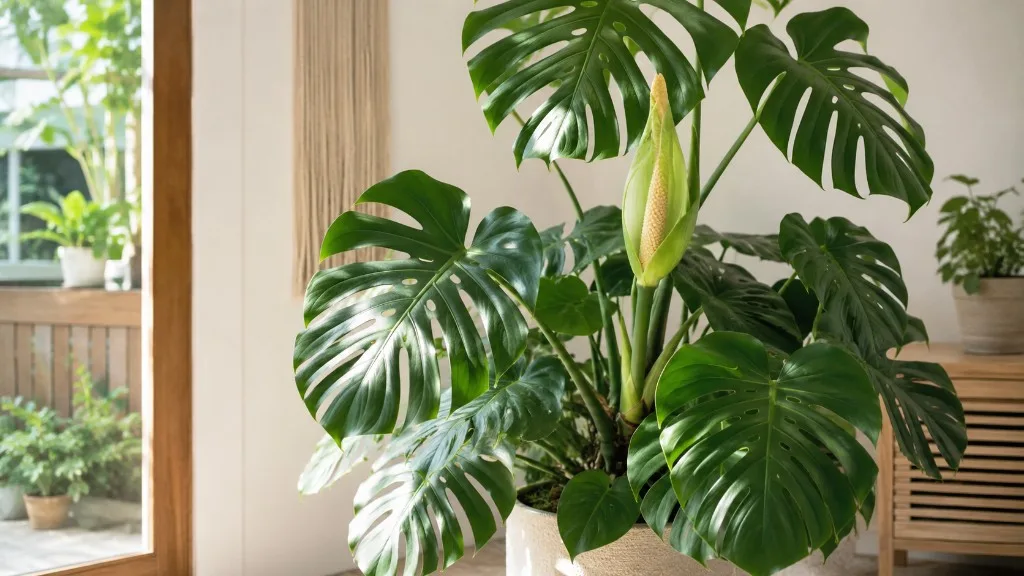
Indoor plants do not live in a sealed-off seasonless world. Even when they never leave the room, they still respond to changes in daylight length, sun angle, room temperature, heating, air conditioning, humidity, cloudy weather, and how quickly potting mix dries. A plant that was easy in May can feel unpredictable in December. A watering rhythm that worked during a bright summer week can become risky once the same pot sits in weak winter light.
The Seasonal Plant Care Planner helps turn those moving parts into a practical care checklist. Instead of asking for a perfect universal schedule, it asks you to think in seasonal layers: What season are you in? Is the plant actively growing or resting? Is the room brighter, darker, hotter, drier, more humid, or more stagnant than usual? How often can you realistically check it? The answer should be a routine you can follow without treating every plant exactly the same.
Use the planner as a seasonal reset, not as a rigid calendar. The best result is a short list of actions: water-check timing, light review, feeding window, pest inspection, cleaning, pruning, repotting review, and any special risk for winter, spring, summer, fall, or rainy-season weather.
The tool turns season, plant type, growth activity, room conditions, and care capacity into a focused seasonal plan. It is especially useful for mixed indoor collections where one plant dries quickly in a small pot, another stays damp in a heavy decorative cachepot, and a third needs more light than its current corner can provide.
The planner does not diagnose every plant problem. If leaves are already collapsing, stems are mushy, roots smell sour, or pests are spreading, use the seasonal plan alongside a more specific tool such as the plant problem diagnosis, yellow leaves diagnosis, brown tips diagnosis, or plant disease identifier. Seasonal care is prevention and adjustment. Active decline still needs diagnosis.
It also does not replace plant-specific care. A cactus, pothos, calathea, moth orchid, fern, carnivorous plant, and bonsai may all be indoors, but they should not receive the same seasonal instructions. The planner gives the seasonal layer. Species traits, potting mix, container size, light exposure, and root health decide how far to apply it.
Most houseplant routines should change because the plant’s environment changes. Light matters most because it drives photosynthesis and growth. Illinois Extension lists light, temperature, humidity, and water as key factors for indoor plant success (key factors). When available light drops, plants usually use water and nutrients more slowly. When light rises and growth resumes, water and nutrient demand can increase.
Temperature and humidity then modify that light signal. Illinois Extension notes that most foliage plants prefer day temperatures between 65 and 75 degrees F, while Missouri Extension says 40 to 60 percent relative humidity is best for most houseplants but difficult to maintain indoors (65 and 75 degrees F, 40 to 60 percent). Heating vents, cold windows, air-conditioning drafts, and dry rooms can stress leaves even when the watering schedule seems sensible.
The planner’s job is to connect those facts to action. In low light, slow growth, cool rooms, or wet potting mix, it should push you toward longer intervals, less fertilizer, and more observation. In active growth, brighter light, warm rooms, and fast-drying pots, it should push you toward closer moisture checks, careful feeding, and earlier support for vines, stems, or new foliage.
Start with the season, but do not stop there. “Winter” in a north-facing apartment with radiator heat is not the same as “winter” in a bright warm sunroom under grow lights. “Summer” in a humid coastal room is not the same as “summer” beside a hot west window and an air-conditioning vent.
The most useful inputs are season, plant group, light level, pot size, potting mix behavior, room temperature, humidity pattern, and recent stress. Recent stress includes repotting, shipping, pest treatment, pruning, relocation, underwatering, overwatering, or moving a plant indoors from a balcony. A plant recovering from stress usually needs steadier care than a vigorous plant in active growth.
Your availability matters too. If you can check plants twice a week, the planner can support a more responsive routine. If you travel often or forget midweek tasks, build a simpler plan: group plants by drying speed, set one inspection day, and use tools like the plant care calendar generator or vacation plant care planner to keep the routine realistic.
Spring is the season for re-entry. Day length increases, window light improves, and many plants begin pushing new leaves, roots, shoots, or buds. The mistake is treating the first warm week as proof that every plant needs summer-level care immediately.
Use spring to resume slowly. Clemson HGIC recommends easing back into the growing-season watering schedule as days lengthen and checking the top 1 to 2 inches of potting mix before watering (top 1 to 2 inches). That is a good planner rule: increase attention before you increase volume. Check more often, but water only when the pot actually needs it.
Spring is also the main review window for fertilizer, pruning, repotting, and propagation. Missouri Extension says fertilizing once a month is adequate for most houseplants that are producing new growth or flowers (producing new growth). That does not mean every plant needs feeding on the same date. Feed when you see active growth and the plant is not stressed.
For repotting, look for roots circling tightly, water running through too fast, a plant drying much faster than before, or a top-heavy plant that no longer fits its container. If the roots are healthy and the plant is actively growing, spring gives it time to recover. If roots are damaged or the plant is declining, use the repotting calculator and inspect carefully before moving up a pot size.
Summer care often feels simple because plants are active, but it can be the easiest season to overdo. More light can support stronger growth, but direct sun through glass can scorch susceptible foliage. The Royal Horticultural Society notes that houseplants can benefit from fuller sunlight in weak winter daylight, while strong summer sunlight through glass can scorch sensitive plants (strong summer sunlight).
The planner should ask whether a plant needs protection from harsh afternoon exposure. A monstera near a bright east window may be fine. A calathea pressed against a hot west window may show curled leaves, faded patches, brown edges, or moisture stress even if the soil is not dry. Use sheer curtains, a small move away from glass, or a different window before assuming the plant needs more water.
Watering checks usually become more frequent in summer because warmth, active growth, and brighter light can dry pots faster. That does not mean watering by calendar. Small terracotta pots, hanging baskets, and rootbound plants may need close attention. Large pots in dense mix may still stay wet for too long. If watering is the main uncertainty, compare the seasonal plan with the plant watering calculator or succulent watering calculator.
Summer is also when air conditioning can create a strange indoor microclimate: bright days, cool drafts, dry air, and uneven room temperatures. Keep leaves out of direct cold airflow. If humidity-sensitive plants keep crisping at the edges, use the humidity calculator and check whether the problem is dry air, inconsistent moisture, excess fertilizer, or root stress.
Fall is a transition season, and transition seasons are where routines fail quietly. The plant may still look fine while daylight drops, windows cool, and growth slows. If you keep the same feeding and watering pattern from summer, the pot can stay damp longer and salts can accumulate because the plant is no longer using water and nutrients at the same pace.
The planner should gradually reduce fertilizer, widen moisture-check intervals, and review plant placement. Illinois Extension advises fertilizing houseplants only when they are actively growing and notes that during short winter days plants usually need little or no added fertilizer (actively growing). Fall is when you start applying that restraint, not when you wait for damage.
Fall is also the right time to inspect any plant that spent summer outdoors. Look under leaves, along stems, in leaf axils, near the soil surface, and around pot rims. Isolate new or returning plants before they rejoin the main collection. Pests are easier to manage when caught before winter, when plants may be less vigorous and indoor air is often drier.
If your home becomes darker in fall because of tree shade, curtains, storms, or a lower sun angle, reassess light. The light requirement calculator and grow light distance calculator can help you decide whether to move a plant closer to a window or add supplemental light.
Winter care is mostly about restraint. Many indoor plants receive less natural light, growth slows, and pots can remain wet longer after the same amount of water. Cornell Cooperative Extension notes that actively growing plants need more water than plants resting during winter, and that fertilization is usually unnecessary during winter because many plants are growing very little or resting (resting during winter).
The planner should reduce automatic watering, pause routine feeding for most plants, and increase environmental checks. Cold drafts, hot radiators, furnace vents, and chilly windows can all produce symptoms that look like watering problems. Illinois Extension warns against extreme temperature changes from cold and hot air blasts, radiators, heating vents, air-conditioning vents, and cold window panes (extreme temperature changes).
Do not let “dry winter air” trick you into flooding the pot. Leaves may lose moisture faster in a heated room, but roots can still sit in cold, wet mix if light is weak and growth is slow. Check deeper than the surface when possible, lift the pot to feel weight, and empty saucers after watering. For winter-specific planning, use the winter plant care planner when the seasonal planner points to low light, heating, and draft issues.
There are exceptions. Plants under strong grow lights in a warm room may keep growing. Some winter-flowering plants and certain succulents have different rhythms. The planner should not force dormancy on a plant that is visibly producing healthy new growth in strong light. It should ask you to prove that growth before continuing fertilizer or frequent watering.
Rainy-season care is not simply “water less.” It is about slower drying, lower light during cloudy spells, higher ambient humidity, wet balconies, reduced airflow, and greater disease pressure in crowded foliage. NOAA describes monsoon as a seasonal wind shift that can bring a rainy season or a dry season depending on region (seasonal wind shift). For many indoor growers, the practical issue is the wet phase: repeated rain, cloudy days, damp air, and pots that do not dry as quickly.
The planner should ask whether plants are indoors only, near open windows, on a balcony, or directly exposed to rain. A balcony plant can become waterlogged even if you did not water it. A plant inside a humid room may still need less frequent watering because evaporation slows. A plant in a dark corner may need a light adjustment before a watering adjustment.
Use rainy-season prompts to increase airflow, space plants farther apart, clean fallen leaves, check drainage holes, and avoid letting cachepots hold hidden water. If you are in a climate with a defined monsoon or wet season, pair this page with the monsoon plant care tool for a more focused checklist.
The planner works best when you group plants by need, not by room decor. Start with drying speed: fast-drying small pots, average pots, and slow-drying large or dense pots. Then group by light demand: high-light succulents and cacti, bright-indirect tropical foliage, lower-light tolerant plants, and plants that need special conditions.
Next, separate sensitive plants from forgiving ones. Calatheas, many ferns, thin-leaved tropicals, mounted orchids, terrariums, carnivorous plants, and bonsai often need more careful seasonal interpretation than pothos, snake plants, ZZ plants, or many philodendrons. If a plant is expensive, rare, newly imported, or recovering from damage, give it its own plan rather than burying it inside a broad collection rule.
Finally, mark plants by risk. Pet-accessible plants need safety review. Pest-prone plants need closer inspection. Plants in decorative pots without visible drainage need extra caution. Plants placed near heaters, AC vents, exterior doors, or cold glass need environmental checks before watering changes.
Run the planner four times a year as a baseline: early spring, early summer, early fall, and early winter. Add extra runs after travel, repotting, pest treatment, moving homes, installing grow lights, changing window coverings, bringing plants indoors, or moving plants outside.
For each run, write down four things: the season, the room condition, the plant group, and the next check date. You do not need a complex spreadsheet. A simple note like “early fall, east window, pothos group, check moisture every 7 to 10 days, stop fertilizer after this month” is more useful than a vague promise to “water less.”
After two weeks, compare the plan to the plant. Are new leaves normal? Is the pot still wet too long? Are leaves curling at the same time every afternoon? Are tips browning after feeding? Are stems stretching toward the window? The planner gives the first draft. Observation edits it.
Imagine a pothos, philodendron, and monstera group near an east window. Winter growth was slow, but new leaves are appearing in March or April. The pots feel lighter sooner than they did in January. There are no active pests, roots look healthy, and light is improving.
The planner should recommend a gradual spring ramp-up: check moisture more often, resume diluted fertilizer only while growth is active, clean leaves, rotate pots, and inspect roots before repotting. It should not recommend a sudden heavy watering schedule just because the season changed.
A sensible first plan might be: check moisture twice weekly, water when the pot has dried to the plant’s normal threshold, feed at a reduced strength every few weeks while growth continues, and review pot size for any plant that dries dramatically faster than the rest. If yellow leaves appear after the ramp-up, use yellow leaves diagnosis before adding more fertilizer.
Now imagine succulents in small terracotta pots near a bright south or west window. They are actively growing, but the glass becomes hot in the afternoon. The soil dries quickly, and a few leaves show pale or tan patches on the sunniest side.
The planner should separate water demand from heat and light stress. More water may not fix scorch. The better plan may be to move the pots a little back from the glass, add a sheer curtain, or shift them where they still receive bright light without the hottest direct exposure. Water checks may still increase, but the decision should be based on pot weight and dry soil, not on the bleached marks alone.
For this group, compare the seasonal plan with the succulent watering calculator and light requirement calculator. Succulents often tolerate dry periods better than constantly damp roots, so the planner should keep drainage and drying speed at the center of the recommendation.
Consider a collection in a rainy-season apartment with cloudy days, open windows, and high humidity. The plants are not in direct rain, but the potting mix dries slowly. A peace lily perks up in the humidity, while a snake plant and a large pothos in dense mix remain damp longer than usual.
The planner should recommend wider watering intervals, more airflow, closer checks for fungus gnats or leaf spots, and a light review. It should not treat all humidity as good. High humidity can reduce moisture stress in leaves, but it can also slow drying and make crowded foliage stay wet.
The best action may be simple: space the plants, remove dead leaves, keep pots out of standing water, move high-light plants closer to usable light, and water only after confirming the root zone needs it. If symptoms appear, match them to the correct next step: overwatering, low humidity, not enough light, or brown leaves.
The first mistake is planning by calendar alone. A calendar is useful, but plants do not know your reminder app. They respond to light, temperature, root health, potting mix, and water availability. Use dates as check-in prompts, not automatic watering commands.
The second mistake is changing too many things at once. If you move a plant, repot it, fertilize it, prune it, and change watering in the same week, you may not know which change caused improvement or stress. Seasonal planning works better when each adjustment has a reason and a review date.
The third mistake is using one routine for the whole collection. A fern in a small pot, a snake plant in dense mix, a mounted orchid, and a newly propagated pothos cutting should not share one watering schedule. Grouping plants is efficient only when the group makes biological sense.
The fourth mistake is treating fertilizer as a cure for low light. Missouri Extension states that insufficient light cannot be cured by extra fertilizer, water, or repotting (insufficient light). If the planner points to low light, solve the light problem first. Feeding a plant that cannot use the nutrients can make the root zone worse, not better.
Trust the planner most when your inputs are specific and the plant is stable. “Bright east window, actively growing philodendron, 6-inch plastic pot, dries in about a week, spring” is useful. “Medium light plant, sometimes dry, not sure what season matters” is less useful.
Slow down when the plant is valuable, newly acquired, recently repotted, pest-stressed, root-damaged, or showing fast decline. Slow down if the plan recommends a major shift, such as moving a plant into direct sun, repotting during low growth, feeding after a long rest, or changing watering sharply. Slow down if you are caring for plants that have special dormancy, flowering, or moisture cycles.
For food crops, toxic plants around pets or children, pesticide use, severe disease, large outdoor containers, or expensive specimens, use the planner as a prompt for better questions rather than a final authority. Local extension services, experienced nurseries, and plant-specific references matter when the risk is higher.
Use this page as the seasonal overview, then move to a narrower tool when one variable becomes the bottleneck. If watering is the uncertainty, use the plant watering calculator. If seasonal feeding is the question, use the fertilizer schedule calculator or fertilizer dilution calculator. If the issue is light, use the light requirement calculator and grow light distance calculator.
If the planner reveals a room mismatch, switch from scheduling to placement. A dry bathroom, a dark shelf, a hot balcony, or a cold windowsill may need a different plant or a different setup. Use the low light plant finder, bathroom plant finder, or balcony plant finder when the room is the real constraint.
If the plant is already symptomatic, do not keep refining the seasonal checklist while the plant declines. Match the symptom first: yellow leaves, brown tips, underwatering, overwatering, high humidity, or not enough light.
The Seasonal Plant Care Planner is most useful when you treat it as a quarterly reset for real indoor conditions. Start with the season, then adjust for light, temperature, humidity, pot size, potting mix, plant type, growth activity, and your actual schedule. The goal is not a perfect rule for every plant. The goal is a care routine that changes before the plant is forced to show stress.
Use spring to restart gently, summer to manage heat and fast drying, fall to taper before low-light problems build, winter to protect roots from slow-drying soil, and rainy seasons to watch humidity, airflow, drainage, and disease risk. Then connect the result to the more specific LeafyPixels tools when watering, fertilizer, light, humidity, placement, or symptoms need a deeper answer. A good seasonal plan makes plant care calmer because it gives every change a reason, a timing, and a follow-up check.
This Seasonal Plant Care Planner was researched and written by . Logic, safety notes, and result copy for Seasonal Plant Care are reviewed against LeafyPixels plant-care data, extension references, and veterinary toxicity sources where pet safety is involved.
We prioritize sources that hold up under scrutiny:
The LeafyPixels editorial team then reviews the draft for clarity, step-by-step usefulness, and fit with real apartment and home conditions-not ideal greenhouse setups. When guidance changes materially, we update the page and note the revision date.
The long-form review for this page covers Seasonal Plant Care Planner. Its bottom source list includes 7 external citations pulled from the long-form guide, then deduplicated with the tool’s frontmatter sources.
In winter, most indoor plants experience reduced light, lower temperatures, and slower growth, which calls for significant care adjustments. Reduce watering frequency and stop fertilizing until spring, as plants cannot process nutrients effectively when growing slowly. Move light-sensitive plants closer to windows to compensate for shorter days, keep them away from cold drafts and heating vents, and avoid repotting during this period when root disturbance can be harder to recover from.
Spring is the most important and productive season for houseplant care, as the return of longer days and warmer temperatures triggers active growth. Resume regular fertilizing with a balanced liquid fertilizer, repot any rootbound plants into fresh soil, begin gradually increasing watering frequency, and take any cuttings you want to propagate. Spring is also a great time to clean leaves, check for pests that may have gone unnoticed during winter, and reposition plants to take advantage of the changing sun angle.
Yes, summer care involves managing the increased heat, light intensity, and humidity fluctuations that come with the season. Some houseplants may need shading from intense afternoon sun through a sheer curtain, and watering frequency typically increases as hotter temperatures cause soil to dry out faster. Avoid placing plants near air conditioning units, which create cold, dry drafts that stress many tropicals.
Fall is the transition period when you begin preparing plants for winter by gradually reducing watering and fertilizing as light levels drop and days shorten. It is a good time to bring any outdoor plants or balcony specimens inside before temperatures drop below their tolerance threshold. Clean your grow lights and set timers to compensate for the shorter daylight hours to help maintain growth through the darker months.
Houseplants are not isolated from seasonal rhythms just because they are indoors - they still respond to changes in light intensity, day length, temperature, and humidity that cycle with the seasons. Failing to adjust care routines seasonally is one of the main reasons otherwise well-cared-for plants decline: overwatering in winter and underwatering in summer are both very common consequences of ignoring seasonal shifts. Aligning your care routine with the seasons produces noticeably healthier, more vigorous plants year-round.