Free Fertilizer Schedule Calculator for Houseplants
Build a seasonal fertilizing schedule for your plants.
Fertilizer Schedule Calculator
Build a feeding schedule
Get a seasonal feeding rhythm based on how actively your plant grows.
Free Fertilizer Schedule Calculator for Houseplants
Build a seasonal fertilizing schedule for your plants.
Get a seasonal feeding rhythm based on how actively your plant grows.
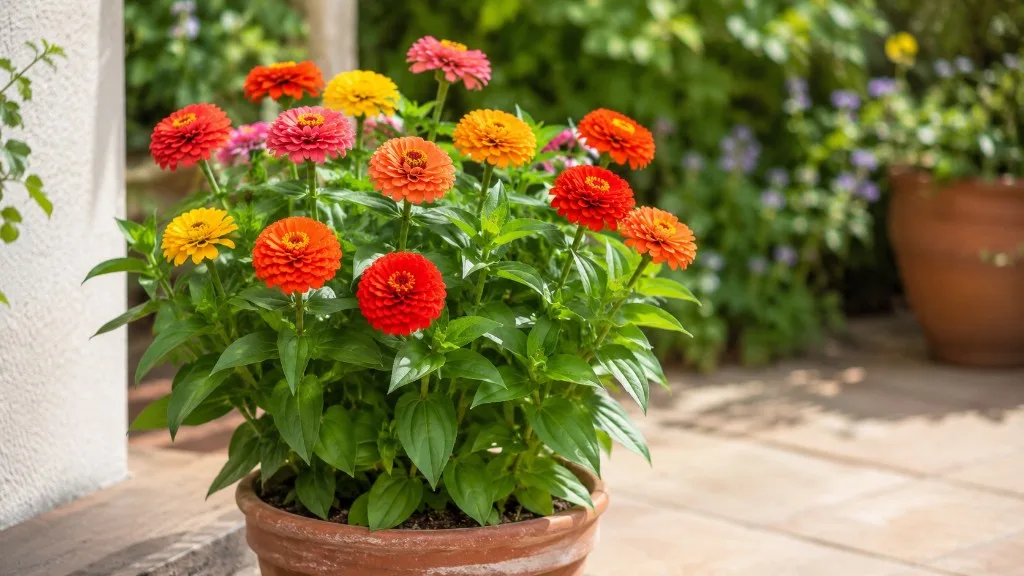
A useful fertilizer schedule is not a calendar copied from a bottle label. It is a rhythm that matches how fast your plant is actually growing, how much light it receives, how often water moves through the pot, and how concentrated the fertilizer is when it reaches the roots. The Fertilizer Schedule Calculator helps turn those moving parts into a practical starting plan, so you are not feeding a slow winter plant like a bright-window summer plant.
The calculator is built for houseplant care, especially foliage plants, flowering indoor plants, succulents, cacti, orchids, and mixed collections where one generic rule quickly breaks down. It helps you decide when to start feeding, how often to repeat it, when to pause, and when to reduce strength because the plant or season calls for caution. It does not replace the fertilizer label, a soil test for edible or outdoor crops, or species-specific care from a grower, but it gives you a cleaner way to make the first decision.
Use the result beside what you see in the pot. New leaves, longer internodes, active roots, brighter seasonal light, and quicker drying usually support more regular feeding. Stalled growth, wet soil, low light, root damage, pest stress, fresh repotting, or cold windows all argue for a weaker schedule or a pause.
The calculator is answering one practical question: how often should this plant receive fertilizer under these conditions? That sounds simple until you separate dose from interval. A plant can receive weak fertilizer often, stronger fertilizer less often, slow-release fertilizer over months, or no fertilizer while it is resting. The right schedule depends on both the product and the plant’s capacity to use nutrients.
For most indoor plant owners, the safest baseline is a conservative active-growth schedule rather than a year-round rule. University of Connecticut Extension says houseplants respond to fertilizer during active growth, usually March through October, and that more frequent dilute applications can replace a stronger monthly dose (active growth). That is the kind of baseline the calculator adapts: moderate when growth is visible, lighter when conditions are marginal, and paused when fertilizer is more likely to accumulate than help.
The result should be read as a schedule band, not a command. If the calculator suggests feeding every four weeks, that does not mean the plant is deficient on day 29. It means the inputs point to a reasonable repeat interval if the plant is healthy, watered correctly, and using nutrients.
The strongest inputs are plant type, light level, season, fertilizer form, pot size, watering frequency, and plant condition. Plant type matters because a fast-growing pothos, ficus, or monstera can use nutrients more quickly than a cactus or slow succulent under the same roof. Nebraska Extension notes that fertilizer amount and frequency depend on plant type, growth rate, available light, soil media, watering frequency, and fertilizer type (depend on plant type).
Light is just as important. Fertilizer does not create growth by itself; it supports growth that light, water, roots, and temperature already make possible. A plant sitting three meters from a north window may be alive but not actively building much tissue, while the same species under a strong grow light may keep producing leaves through winter.
Pot and watering details tell the calculator how quickly salts can concentrate. Small pots dry faster and have less buffering volume. Pots watered with tiny sips may keep fertilizer salts near the root zone instead of flushing them out. Pots with free drainage and occasional thorough watering are usually easier to manage because excess dissolved fertilizer has a path out of the mix.
Fertilizer labels usually show three numbers for nitrogen, phosphorus, and potassium. North Carolina Extension defines a complete fertilizer as one containing nitrogen, phosphorus, and potassium, with examples such as 10-10-10 or 16-4-8 (complete fertilizer). For a schedule calculator, those numbers matter because a high-analysis fertilizer can deliver more nutrient per teaspoon than a milder product.
Nutrient roles also affect expectations. University of Connecticut Extension summarizes the common functions this way: nitrogen promotes leafy green growth, phosphorus supports flowering and root growth, and potassium contributes to stem strength and stress tolerance (nitrogen promotes green, leafy growth). That does not mean every foliage plant needs a high-nitrogen product or every flowering plant needs constant bloom booster. It means the fertilizer’s analysis should make sense for the plant’s main growth goal.
The calculator should not be used to justify stacking multiple fertilizers. If a potting mix already contains controlled-release fertilizer, adding liquid feed on top can push the total salt load higher than you intend. If the product label gives a crop-specific or orchid-specific rate, that label should set the upper limit and the calculator should only help with timing.
Liquid and water-soluble fertilizers give the most schedule control. You can dilute them, skip them, or adjust frequency after one or two watering cycles. That makes them useful for mixed houseplant collections where a fern, philodendron, hoya, cactus, and flowering plant all need different intensities.
Slow-release granules and coated products behave differently. They release nutrients over time, often faster in warm, moist conditions and slower in cool, dry ones. The schedule question becomes less about feeding every two weeks and more about when the product was applied, how long the label says it lasts, and whether the plant is also receiving liquid fertilizer.
Fertilizer spikes are convenient, but they can concentrate nutrients in one part of the pot if the mix is dry or roots are unevenly distributed. If the calculator is being used after spikes are already in the pot, treat that as an existing fertilizer source. Do not use a liquid schedule as though the pot were unfed.
For a healthy foliage plant in bright indirect light during spring or summer, a cautious default is weak liquid fertilizer every two to four weeks. Start at the weaker end if the plant is newly acquired, recently repotted, in a small pot, or still adjusting to your home. Move toward the more frequent end only when you see steady new growth and the plant is drying on a normal rhythm.
For plants in moderate light, the schedule usually stretches. Feeding every four to six weeks, or using a weak dose monthly during active growth, is often more sensible than forcing a twice-monthly routine. Low-light plants may need only occasional feeding during the growing season because their growth rate is limited by light before it is limited by nutrients.
For cacti and succulents, the schedule should be narrower and more seasonal. RHS guidance says cacti and succulents benefit from monthly liquid houseplant or specialist cactus feed from April to September, while foliage houseplants generally benefit from feeding once or twice a month from March to October (cacti and succulents). The calculator should therefore reduce both frequency and season length for plants adapted to leaner conditions.
Season matters because window light changes even when indoor temperature feels stable. Many houseplants slow down in fall and winter because days shorten and light intensity drops. University of Maryland Extension states that indoor plants do not need fertilizer during winter months because reduced light and temperature reduce growth, and recommends fertilizing from March through September (fertilize from March through September).
That rule is a good conservative default, especially for plants grown only by window light in temperate climates. The exception is a plant that is genuinely still growing under strong artificial light, in a warm room, or in a bright climate where seasonal slowdown is modest. In that case, the calculator can produce a low winter maintenance schedule instead of a full pause.
Do not let the month override the plant. A monstera pushing a new leaf under a strong grow light in January may be using nutrients. A snake plant in a dim corner in July may barely be growing. The calculator should treat calendar season as context and visible growth as evidence.
Newly repotted plants often need recovery time more than fertilizer. Roots may be disturbed, the mix may already contain nutrients, and watering patterns change in a fresh pot. If the plant was repotted because of root rot, pest damage, compacted mix, or severe stress, a feeding schedule should wait until new healthy growth appears.
If the new mix contains fertilizer, enter that as an existing nutrient source. Many commercial potting mixes include starter fertilizer or controlled-release prills, so adding a regular liquid schedule immediately can be unnecessary. If the mix is intentionally nutrient-free, the calculator can restart feeding sooner, but still at a reduced strength until roots are active.
A good practical rule is to separate repotting from feeding. Repot, water appropriately, let the plant stabilize, then feed when growth resumes. This makes it easier to tell whether a later yellow leaf is transplant stress, watering adjustment, or a fertilizer issue.
Fertilizer is not medicine for a plant that is failing because of root rot, pests, dehydration, sun scorch, cold damage, or chronic low light. Feeding a stressed plant can make the situation harder to read because the plant now has both the original problem and a higher salt load in the root zone. The calculator should therefore push stressed plants toward a pause or a very weak interval.
Look at the newest growth first. If new leaves are smaller, pale, distorted, or not opening correctly, check roots, moisture, light, and pests before increasing fertilizer. If old leaves are yellowing while new growth is strong, the plant may simply be reallocating resources or shedding older foliage.
Use LeafyPixels diagnosis pages when symptoms are driving the decision. A plant with widespread yellowing belongs near the yellow leaves diagnosis before it belongs on an aggressive fertilizer plan. A plant with brown tips may need water-quality, humidity, or salt-buildup checks through brown tips diagnosis before more nutrients are added.
Most houseplant fertilizer problems are not dramatic poisoning events. They are slow accumulation problems. The University of Nebraska-Lincoln explains that fertilizer dissolved in water becomes soluble salts, and as water evaporates from soil, minerals or salts remain behind; high salt concentration can make it harder for roots to take up water even when soil is moist (soluble salts).
The warning signs are familiar: white crust on the soil surface or pot rim, brown leaf tips, marginal burn, wilting in damp mix, weak growth, or a plant that looks thirsty even after watering. These symptoms can overlap with underwatering, overwatering, low humidity, and root damage, so they are clues rather than proof.
Leaching is the practical correction when the pot drains freely and the plant can tolerate a thorough watering. UC Agriculture and Natural Resources recommends watering, waiting a few minutes, then watering again so excess water flows through the drainage holes and carries dissolved salts out of the pot (leach your house plants). If the pot has no drainage hole, leaching is not a safe fix; repotting into a draining container is usually the cleaner path.
Imagine a pothos in a 6-inch pot near a bright east window. It is producing new leaves, the mix dries enough for watering about once a week, and the fertilizer is a balanced liquid product. The calculator should read those inputs as a healthy active-growth case.
A reasonable output would be half-strength liquid fertilizer every two to four weeks in spring and summer, with a shift toward monthly or paused feeding as growth slows in fall. If the plant is watered thoroughly and drains well, the salt risk is manageable. If the owner only gives tiny sips of water, the same schedule becomes riskier because dissolved fertilizer may not move through the pot.
The important detail is that the schedule follows growth. If the pothos starts producing smaller leaves in late autumn because window light drops, the next move is not stronger fertilizer. It is either more light, a slower feeding interval, or both.
Now take a jade plant or echeveria in a gritty mix. It receives several hours of direct sun, grows slowly, and is watered only when the mix dries thoroughly. Even in good conditions, this plant does not need the same nutrient rhythm as a leafy tropical vine.
The calculator should return a short active-season schedule: weak succulent or balanced fertilizer about monthly during the brighter growing months, then little to none in winter unless the plant is under strong grow lights and visibly growing. That fits the plant’s slower metabolism and lower water frequency.
This is also where dilution matters. Feeding a succulent at full label strength in dry mix can expose roots to a concentrated solution. Watering normally first, using a weak dilution, or feeding only when the plant is already in an active watering cycle is usually safer than treating fertilizer as a separate rescue step.
Flowering indoor plants need a schedule that respects their growth cycle. An orchid with active root tips and a new leaf may use light regular feeding. The same orchid after bloom, sitting cool and dim, may need a lighter schedule. A peace lily or anthurium in steady bright indirect light may tolerate a moderate liquid routine, while a plant in low light may bloom less because of light limitations, not because fertilizer is missing.
Use the calculator to separate bloom support from bloom pressure. Phosphorus is associated with flowering and root growth, but adding more phosphorus does not force a plant to bloom if light, maturity, temperature, or rest period is wrong. If the plant’s main issue is no flowers, compare the schedule with no flowers and the light requirement calculator before increasing fertilizer strength.
For orchids, specialist fertilizer labels often include their own weakly weekly or periodic instructions. The calculator should be used as a timing sanity check, not as permission to exceed label rates.
The safest way to adjust a schedule is to change one lever at a time: dilution, interval, or season length. If you double the strength and halve the interval at the same time, you have not made a small change. You have increased the nutrient load sharply and made it harder to diagnose the result.
For sensitive plants, low-light plants, newly purchased plants, and plants in small pots, reduce strength before you reduce interval. A weak solution every four weeks is easier to recover from than a strong dose that burns root tips. For fast growers in bright light, shorten the interval only after the plant has shown that it can use the current schedule without tip burn, crusting, or weak stretched growth.
If you switch products, rerun the calculator. A 3-1-2 liquid, a 10-10-10 soluble powder, a coated slow-release granule, and an organic fish emulsion do not behave identically. The label analysis, release pattern, and application rate all change the schedule.
Fertilizer is one part of the care system, not a substitute for light, water, roots, and air movement. A plant in poor light cannot be fed into strong growth. A plant in soggy mix cannot use fertilizer well because damaged roots cannot take up water and nutrients normally. A plant in a pot that is too large may stay wet long enough that feeding becomes a secondary issue.
Pair this calculator with other LeafyPixels tools when the schedule points to a bigger care pattern. Use the fertilizer dilution calculator when the issue is mixing strength. Use the plant watering calculator when the feeding plan depends on watering rhythm. Use the soil mix calculator or repotting calculator when the potting medium is holding too much water or drying too fast.
For plant-specific expectations, compare the result with guides for plants such as Monstera deliciosa, pothos, or aloe vera if those pages match your plant. Species traits matter, especially when a general schedule conflicts with what the plant normally tolerates.
The first mistake is feeding by guilt. A plant looks tired, so the owner fertilizes before checking the roots, light, soil moisture, or pest pressure. That can add stress without addressing the cause. The calculator slows that down by asking whether the plant is actually in a condition to use fertilizer.
The second mistake is treating “monthly” as precise. Monthly feeding can be reasonable for many houseplants, but a month in bright May is not the same as a month in dim December. The schedule should breathe with growth, not lock into a repeating reminder forever.
The third mistake is ignoring the fertilizer already in the system. Fresh potting mix, slow-release granules, spikes, compost-heavy blends, and previous liquid feeding all count. If you do not account for them, the calculator may appear conservative when it is actually protecting the plant from a stacked dose.
Do not trust a fertilizer schedule until the basic inputs are stable. If you are still figuring out whether the pot has drainage, whether the soil is staying wet for ten days, whether a pest outbreak is active, or whether the plant is getting enough light to grow, fertilizer timing is not the first decision. Stabilize the care environment first.
Be cautious with edible indoor herbs, hydroponic systems, rare plants, and expensive collections. Edibles may need crop-specific label compliance and food-safety judgment. Hydroponic systems need electrical conductivity, pH, and reservoir management rather than a simple houseplant interval. Rare plants may be more sensitive to salts or may be grown in unusual media.
Also be cautious when a plant is already showing signs that could be salt injury. In that case, the next step may be leaching, repotting, or pausing fertilizer rather than calculating the next dose. University of Connecticut Extension notes that leaching with copious water can reduce excessive fertilizer salt levels, provided water can drain freely (drain freely).
The Fertilizer Schedule Calculator is most useful when you treat it as a disciplined starting point: identify the plant, season, light level, growth rate, fertilizer type, and stress level, then choose the weakest schedule that still supports active growth. Healthy plants in bright seasonal growth can usually handle regular diluted feeding. Slow, shaded, newly repotted, winter-resting, or stressed plants need a lighter hand.
The best schedule is the one your plant can actually use. Watch new growth, check for salt buildup, respect the label, and adjust one variable at a time. If the result feels too aggressive, choose the more conservative interval and verify the rest of the care system before adding more fertilizer.
This Fertilizer Schedule Calculator was researched and written by . Logic, safety notes, and result copy for Fertilizer Schedule are reviewed against LeafyPixels plant-care data, extension references, and veterinary toxicity sources where pet safety is involved.
We prioritize sources that hold up under scrutiny:
The LeafyPixels editorial team then reviews the draft for clarity, step-by-step usefulness, and fit with real apartment and home conditions-not ideal greenhouse setups. When guidance changes materially, we update the page and note the revision date.
The long-form review for this page covers Fertilizer Schedule Calculator. Its bottom source list includes 7 external citations pulled from the long-form guide, then deduplicated with the tool’s frontmatter sources.
Most houseplants benefit from fertilizing every two to four weeks during the active growing season of spring and summer, and little to no fertilizing during fall and winter when growth slows. Fast-growing plants like pothos and monsteras can handle more frequent feeding, while slow growers like cacti and succulents need fertilizing only a few times per year. Our fertilizer schedule calculator creates a personalized feeding plan based on your specific plant and the type of fertilizer you use.
Liquid fertilizers are diluted in water and applied with each watering, providing a quick nutrient boost that plants can access immediately. Slow-release fertilizers come in granule or spike form and are mixed into the soil, releasing nutrients gradually over several months. Liquid fertilizers give you more precise control over feeding frequency, while slow-release options are convenient for low-maintenance care routines.
Yes, over-fertilizing is a common mistake that causes salt buildup in the soil, which draws water away from roots and causes leaf tip burn, yellowing, and wilted growth even when the soil is moist. If you suspect over-fertilization, flush the soil thoroughly with clean water to leach out excess salts. Always follow the recommended dilution on fertilizer packaging, and when in doubt, apply at half strength more frequently rather than full strength less often.
NPK stands for nitrogen, phosphorus, and potassium - the three primary macronutrients that plants need to grow. Nitrogen supports leafy green growth, phosphorus promotes strong roots and flowering, and potassium supports overall plant health and disease resistance. Foliage plants generally benefit from a fertilizer with a higher nitrogen ratio, while flowering plants do better with higher phosphorus to encourage blooms.
It is generally best to wait four to six weeks before fertilizing a newly repotted plant, as fresh potting mix typically contains enough nutrients to sustain the plant while it recovers from transplant stress. Fertilizing too soon after repotting can burn the tender new roots that are establishing themselves. Once the plant shows signs of new growth and has settled into its new pot, you can resume a regular feeding schedule.