Free Cedar Tree Value Calculator - Aromatic Cedar Pricing
Calculate the timber value of an eastern red cedar (aromatic cedar) from DBH.
Cedar Tree Value Calculator
Value a cedar tree
Enter DBH to get the cedar stumpage estimate.
Free Cedar Tree Value Calculator - Aromatic Cedar Pricing
Calculate the timber value of an eastern red cedar (aromatic cedar) from DBH.
Enter DBH to get the cedar stumpage estimate.
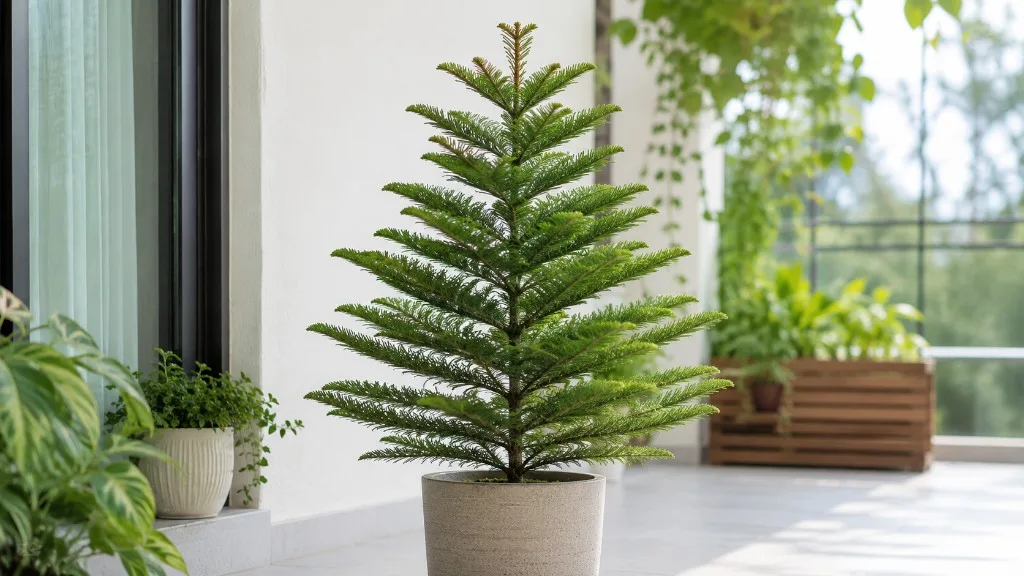
The Cedar Tree Value Calculator gives you a quick stumpage-style estimate for an eastern red cedar, also called aromatic cedar, from one measurement: diameter at breast height. That is useful when you are deciding whether a tree is worth calling a sawyer about, comparing a cedar against another species in the /tools/tree-value-calculator/, or trying to put a realistic number beside wood that looks valuable because it smells good and has red heartwood.
The important word is estimate. A standing cedar is not priced like finished lumber on a rack. Real value depends on diameter, usable log length, heartwood proportion, straightness, knots, rot, metal, access, local buyers, and whether anyone near you is actually buying small aromatic cedar logs. The calculator is best used as a screening tool: strong enough to tell you whether the tree is probably a $20 post tree, a $200 sawlog candidate, or a project worth a forester or portable miller’s time.
This tool estimates the standing timber value of eastern red cedar, Juniperus virginiana. The species is a juniper in the cypress family, not a true cedar, even though the common name has been used for generations; Missouri Botanical Garden lists Juniperus virginiana as red cedar and places it among needled evergreens that commonly reach 30 to 65 feet in suitable settings Missouri Botanical Garden.
The estimate is not retail lumber value. If a hardwood dealer sells surfaced aromatic cedar for several dollars per board foot, that price already includes felling, hauling, milling, drying, sorting, storage, waste, and retail margin. A landowner’s standing-tree value is much lower because the buyer still has to turn the tree into usable material.
It is also not landscape value. A healthy cedar may be worth more to you as screening, wildlife cover, erosion control, shade, windbreak, or privacy than it is as timber. Use this calculator only for the timber side of the decision, then weigh the living tree against that number.
“Cedar” is a market word, not a single timber species. Eastern red cedar is Juniperus virginiana. Western red cedar is Thuja plicata. Incense cedar, Atlantic white cedar, northern white cedar, and true cedars in Cedrus all behave differently in size, regional supply, board-foot yield, durability, and product markets.
This tool is tuned to eastern red cedar because its value is driven by aromatic heartwood rather than big construction logs. The Forest Service FEIS profile describes eastern redcedar as native across much of eastern North America, from southeastern Canada through the eastern United States and into parts of the Great Plains USDA Forest Service FEIS. That wide range means supply can be abundant in some regions, especially where fire suppression has allowed cedar to spread into grassland and pasture.
For timber, abundance cuts both ways. A region with many cedars may have more fence-post, chip, mulch, oil, and small-sawmill buyers. It may also have so much low-grade cedar that only straight, sound, heartwood-rich logs bring a premium. In a region with little local cedar processing, a beautiful yard tree can still be hard to sell because hauling a few logs to a distant buyer can erase the value.
The calculator uses the same simple structure as the broader tree value model:
Estimated cedar value = DBH in inches x DBH in inches x 0.50
The result is rounded to the nearest $10. A 12-inch DBH cedar returns about $70. A 16-inch tree returns about $130. A 20-inch tree returns about $200. A 24-inch tree returns about $290. The square matters because diameter affects cross-sectional area; a modest increase in DBH can mean a much larger increase in potential log volume.
This is a heuristic, not a log rule. Foresters and buyers normally estimate merchantable volume from diameter, usable height, taper, and defects, then scale logs with rules such as Doyle or International. The University of Tennessee Extension notes that DBH is measured outside bark at 4.5 feet above the ground on the uphill side and is used to characterize stand structure and estimate wood volume University of Tennessee Extension. The calculator deliberately compresses those forestry steps into one quick number so you can decide whether a more detailed estimate is worth pursuing.
Measure the trunk 4.5 feet above the ground. If you have a diameter tape, wrap it level around the trunk and read DBH directly. If you only have a regular tape, measure circumference in inches and divide by 3.1416. A 63-inch circumference tree is about 20 inches DBH.
For a tree on a slope, measure from the uphill side. For a leaning tree, measure at a right angle to the stem, not straight across the slope. If a branch swelling, burl, wound, or flare sits exactly at 4.5 feet, move to the nearest normal section of trunk and note that the measurement is adjusted. New York’s tree diameter guidance describes DBH as the standard 4.5-foot measurement and calls out special cases where trunk form can change where the tape should sit New York State DEC.
Do not measure at the base. Cedar trunks can be fluted, buttressed, or swollen near the ground, and measuring too low will overstate value. Do not measure over loose bark plates, vines, old fence wire, or a double stem as if it were one round log. If the tree forks below breast height, treat the stems separately unless a buyer tells you otherwise.
Diameter is the calculator’s input, but it is not the whole value story. The first missing variable is merchantable height: the length of straight, usable stem below the first major fork, heavy sweep, or defect. A 20-inch cedar with one clean 8-foot log is a different tree from a 20-inch cedar with two clean 8-foot logs.
The second variable is heartwood. The red, fragrant heartwood is the part people want for closet lining, chests, posts, craft boards, and decorative stock. Sapwood is paler, less aromatic, and generally less valuable. Forest Products Laboratory research on eastern redcedar products notes the species’ fragrance, beauty, decay resistance, and insect resistance as commercially useful traits, especially in heartwood-rich material USDA Forest Service Treesearch.
The third variable is defect. Cedar often has knots, included bark, sweep, old wire, shake, bird damage, rot pockets, or dead sections. Some defect is acceptable for rustic lumber and turning blanks. Too much defect pushes the tree toward posts, mulch, chips, or firewood.
Suppose your cedar measures 44 inches in circumference at DBH. Divide 44 by 3.1416 and the diameter is about 14 inches. The calculator squares 14 and multiplies by 0.50:
14 x 14 x 0.50 = $98
Rounded, the estimate is about $100. That does not mean a logger will pay $100 to remove it from a backyard. Yard trees often carry hidden metal from clotheslines, fencing, signs, birdhouses, or old hardware. They may also be expensive to remove because of buildings, lawns, utilities, patios, and limited equipment access.
For a 14-inch yard cedar, the practical path is usually not a stumpage sale. If the tree is being removed anyway, ask a local portable sawmill whether the log is worth milling on-site. If removal is optional and the tree is healthy, the living tree’s privacy and wildlife value may easily beat the timber number.
Now take a field-grown cedar with a 63-inch circumference at DBH. That is roughly 20 inches in diameter:
20 x 20 x 0.50 = $200
This is the size where the estimate starts to matter, but only if the bole is straight enough and the heartwood is well developed. A clean lower stem with an 8- to 16-foot usable section may interest a small sawmill, especially if the tree can be felled and loaded without lawn protection, crane work, or traffic control.
If the tree is open-grown with heavy limbs low on the trunk, the apparent size may be misleading. The log may produce many short, knotty boards rather than clean closet-lining stock. In that case, posts or rustic slabs may be more realistic than high-grade lumber.
Single-tree value is one thing; a small group changes the conversation. Ten cedars averaging 12 inches DBH would each estimate around $70, or roughly $700 total before quality and access adjustments. That still may not be enough to attract a commercial timber buyer if the trees are scattered, brushy, or far from a landing.
But the same group could be useful to a fence-post cutter, hobby sawyer, land-clearing contractor, or someone producing cedar mulch, chips, oil, or craft stock. Eastern redcedar is often discussed in land-management contexts because it can expand into open grassland where fire is absent; Oklahoma State Extension describes eastern redcedar encroachment as a major rangeland concern and emphasizes control while trees are still small enough to manage efficiently Oklahoma State Extension.
For a pasture edge, run the calculator on a few representative trees, then separate the stand into value classes: sawlog candidates, post trees, and low-grade removal. That is more useful than averaging everything together.
The strongest cedar value signals are simple: larger DBH, straight trunk, long usable stem, tight bark, sound heartwood, minimal sapwood, limited knots, easy access, and a nearby buyer who wants aromatic cedar. A tree growing in a closed stand may have a clearer lower bole than a wide-open yard tree because shade suppresses lower limbs.
Color matters after milling, but do not overread bark or foliage. You cannot accurately price heartwood from the outside unless you already know the local trees and growth conditions. A small end check, storm-broken limb, stump from a nearby cedar, or increment core can give clues, but most owners should avoid coring a tree unless a forester or buyer asks for it.
Access can be worth as much as wood quality. A cedar beside a field road is cheaper to harvest than one behind a fence, across a septic field, under power lines, or beside a house. If the buyer needs special equipment, protective mats, traffic control, or hand carrying, the standing-tree value drops quickly.
Low value is usually caused by one of four problems: small diameter, poor form, defect, or no market. A 9-inch cedar may be useful as a post, but it will not produce much sawlog volume. A 22-inch cedar with heavy sweep may be large on paper and weak in the sawmill. A dead snag may still contain durable heartwood, but checking, insect damage, decay, and safety issues can reduce its buyer pool.
Sapwood is another value leak. The tree may be the right diameter, yet the aromatic red core may be too small to produce the boards a buyer wants. This is why the calculator assumes reasonable heartwood development rather than promising that every mature cedar of the same DBH has the same value.
Metal is the quiet deal-breaker. Yard and fence-row cedars are notorious for old staples, wire, nails, eye bolts, trail-camera screws, and swallowed fence. A sawmill blade damaged by metal costs real money. If you know a tree has carried hardware, disclose it before anyone cuts.
Stumpage is the price of the standing tree. Log value is the value after the tree is felled, bucked, and delivered or made ready for pickup. Lumber value is the value after the log is sawn, edged, dried, sorted, and sold. Those are three different markets.
Retail aromatic cedar boards can look surprisingly expensive compared with the calculator result. That does not make the calculator too low. It means most of the retail price is earned after the tree leaves the stump. Drying losses, saw kerf, slabs, knots, splits, offcuts, storage, labor, and buyer risk all sit between your tree and a finished board.
For a landowner, the useful question is not “what would this be worth as perfect lumber?” It is “what would a real buyer pay for this standing tree, after accounting for the cost and risk of turning it into saleable wood?” The calculator is aimed at that second question.
Trust the estimate most when the cedar is alive, single-stemmed, easy to access, at least 12 inches DBH, and has a reasonably straight lower trunk. It is also more useful when you already know there are local cedar buyers or small sawmills nearby.
Treat the estimate as a loose range when the tree is small, open-grown, leaning, storm-damaged, hollow, forked low, surrounded by targets, or growing in a yard with possible metal. The result can still help you decide what to ask next, but it should not anchor a sale price.
Do not use the calculator as a contract number. Penn State Extension’s timber-sale guidance emphasizes that timber sales involve ownership goals, sale method, contracts, and professional help because harvesting decisions can have long-term financial and forest-management consequences Penn State Extension. If cedar value affects real money, boundaries, taxes, neighbors, safety, or a larger harvest, get a consulting forester or qualified local professional involved.
Do not cut a cedar just because the calculator returns a number. Eastern red cedar can provide evergreen cover, winter food and shelter for wildlife, wind reduction, privacy, and soil protection. In a landscape, those benefits may be more valuable than a small timber payment.
Also pause if the tree is near structures, utilities, roads, fences, or people. Tree felling is dangerous, and cedar’s dense branching can make hang-ups and unpredictable movement more likely than the clean log shape suggests. If the tree has storm damage, lean, cracks, decay, or target risk, the right professional is an arborist or tree service, not a timber buyer.
On the other hand, removal may make sense where eastern redcedar is invading prairie, pasture, or rangeland. The University of Nebraska-Lincoln notes that eastern redcedar encroachment can reduce grassland production and alter habitat when trees spread unchecked University of Nebraska-Lincoln. In that setting, wood value may be a bonus attached to a land-management goal rather than the main reason to cut.
Measure DBH carefully. Then measure or estimate the length of usable stem in 8-foot sections. Take clear photos from all sides, including the full tree, the lower trunk, the base, major forks, defects, and the access route. If the tree is in a yard, note any known metal or old fence contact.
Next, separate your target outcome. If you want money for a standing tree, you need a buyer who handles stumpage or logs. If you want boards for your own project, you need a portable sawmill or custom sawyer. If you want the tree gone safely, you need a tree service, and any wood value may only offset a small part of removal cost.
Finally, compare with related LeafyPixels tools. Use the /tools/tree-height-calculator/ to estimate merchantable height, the /tools/dbh-basal-area-calculator/ if you are thinking about a group of trees, and the /tools/firewood-cord-calculator/ if the cedar is more likely to become firewood, kindling, or outdoor material than sawlogs.
The first mistake is confusing eastern red cedar with western red cedar. Western red cedar can be much larger and belongs to a different genus; Oregon State’s landscape profile lists western redcedar as Thuja plicata, a Pacific Northwest species with very different growth potential and common lumber uses Oregon State University. A western red cedar pricing assumption should not be pasted onto an eastern red cedar yard tree.
The second mistake is pricing finished boards and expecting that for a standing tree. Retail price sheets are useful for understanding demand, but they are not stumpage reports. A standing tree must absorb every cost between stump and sale.
The third mistake is ignoring the buyer. Timber is local. A cedar with good potential value in Missouri, Oklahoma, Tennessee, Arkansas, or parts of the Appalachian region may be harder to sell in a neighborhood with no cedar sawyers nearby. Before making a cutting decision, ask who would actually take the log and what form they want it in.
When you contact a sawyer, mill, forester, or tree service, be specific. Ask whether they buy eastern red cedar, whether they buy standing trees or only logs, what minimum small-end diameter they require, what lengths they prefer, and whether they accept yard trees. Ask whether they pay by the log, board foot, post, load, or custom milling job.
Ask how they handle defects. Some buyers want clear closet-lining stock. Others like live-edge slabs, posts, turning blanks, rustic boards, or aromatic chips. A tree that is low value for one buyer may still suit another product.
Ask who pays for felling, hauling, loading, cleanup, and damage risk. A buyer offering a good log price may still leave you with removal costs. A tree service may remove the tree safely but place little or no value on the log. Those are different transactions, and the calculator helps you keep them separate.
Use the Cedar Tree Value Calculator as a fast reality check, not a final appraisal. Enter a careful DBH measurement, read the result as standing-tree value, then adjust your expectations for heartwood, form, access, defects, and local demand.
The most useful outcome is a better next question. A small or crooked cedar may be best left standing, used as posts, or treated as removal material. A straight 18- to 24-inch cedar with sound heartwood and easy access may justify a call to a local sawyer. A larger group of trees may belong in a land-management conversation rather than a one-tree pricing conversation.
If money, safety, property damage, or a formal timber sale is involved, bring in a local professional. The calculator gets you oriented; field judgment decides whether the cedar is truly worth cutting.
This Cedar Tree Value Calculator was researched and written by . Logic, safety notes, and result copy for Cedar Tree Value are reviewed against LeafyPixels plant-care data, extension references, and veterinary toxicity sources where pet safety is involved.
We prioritize sources that hold up under scrutiny:
The LeafyPixels editorial team then reviews the draft for clarity, step-by-step usefulness, and fit with real apartment and home conditions-not ideal greenhouse setups. When guidance changes materially, we update the page and note the revision date.
Same formula as the general tree value calculator with the cedar multiplier (0.50) applied. Calibration data: USDA-FS Forest Products Lab and regional cedar reports. A 20-inch DBH eastern red cedar returns ~$200, matching the published sawlog stumpage range of $150 to $350 for aromatic heartwood. Result is rounded to the nearest $10. The calculator assumes a tree with reasonable heartwood development (typical of mature trees over 60 years old).
The long-form review for this page covers Cedar Tree Value Calculator. Its bottom source list includes 9 external citations pulled from the long-form guide, then deduplicated with the tool’s frontmatter sources.
Eastern red cedar (Juniperus virginiana) sawlogs sell for $2 to $5 per board foot for the aromatic heartwood, used for closet lining, blanket chests, and small woodworking projects. The sapwood is not aromatic and is sold at much lower prices. Eastern red cedar is unusual because the heartwood is naturally rot-resistant and aromatic, which gives it premium value. A 20-inch DBH red cedar might yield 50 to 100 board feet of heartwood, but the heartwood may only be 3 to 6 inches deep.
Eastern red cedar (Juniperus virginiana) is actually a juniper, not a true cedar, but it has been called cedar in the US for centuries. Western red cedar (Thuja plicata) is a true cedar from the Pacific Northwest. Both are rot-resistant and aromatic, but western red cedar is much larger (150 feet tall, 6+ foot diameter) and is the source of most cedar siding, decking, and shingles. Eastern red cedar is smaller (40 to 50 feet, 1 to 2 foot diameter) and used for closet lining, fence posts, and small projects.
Eastern red cedar is used for: closet and chest lining (the aromatic oils repel moths and silverfish), fence posts (naturally rot-resistant, lasts 20+ years in the ground), small woodworking projects (jewelry boxes, pens, carvings), kindling and fire-starter (the oils burn hot), and essential oil (cedarwood oil for aromatherapy and insect repellent). Western red cedar is used for: exterior siding, decking, shingles, fence boards, outdoor furniture, and boat building.
Eastern red cedar is a slow to moderate grower, typically 1 to 2 feet of height per year on a good site. A 20-inch DBH tree is 60 to 100 years old. The species is a pioneer - it colonizes old fields, pasture, and disturbed land quickly, often within 10 to 15 years of an area being abandoned. Mature trees are typically 40 to 50 feet tall with a 1 to 2 foot trunk. The oldest known eastern red cedars are over 800 years old.
Eastern red cedar is native to eastern North America, but it has expanded its range dramatically in the last century because of fire suppression. In the Great Plains, red cedar has invaded grasslands that were historically maintained by fire, and is now considered a problematic invasive. Land managers use prescribed fire, mechanical removal, and targeted grazing to control cedar spread. In the eastern US, it is a native pioneer species and not considered invasive.
Late fall to early spring, same as other hardwoods. The aromatic oils in the heartwood are present year-round, so the timing is more about avoiding sap flow and stain than about maximizing fragrance. Cedar logs are not as prone to blue stain as pine, so they can be stored longer. Cut, buck, and stack the logs out of the weather. The bark is thin and easily damaged, so handle logs carefully if you want the wood for high-end projects where the bark is left on.
Eastern red cedar needs to be at least 12 inches DBH with a reasonably straight bole to be worth harvesting for lumber. Smaller trees go for fence post or firewood prices. The heartwood is the valuable part - a tree with 4 to 6 inches of heartwood radius is much more valuable than a tree with mostly sapwood. The bark should be tight, the tree should be alive, and the trunk should be free of major wounds. For trees worth more than $200 in lumber, hire a portable bandsaw mill to come and saw the log on-site.