Humidity Calculator
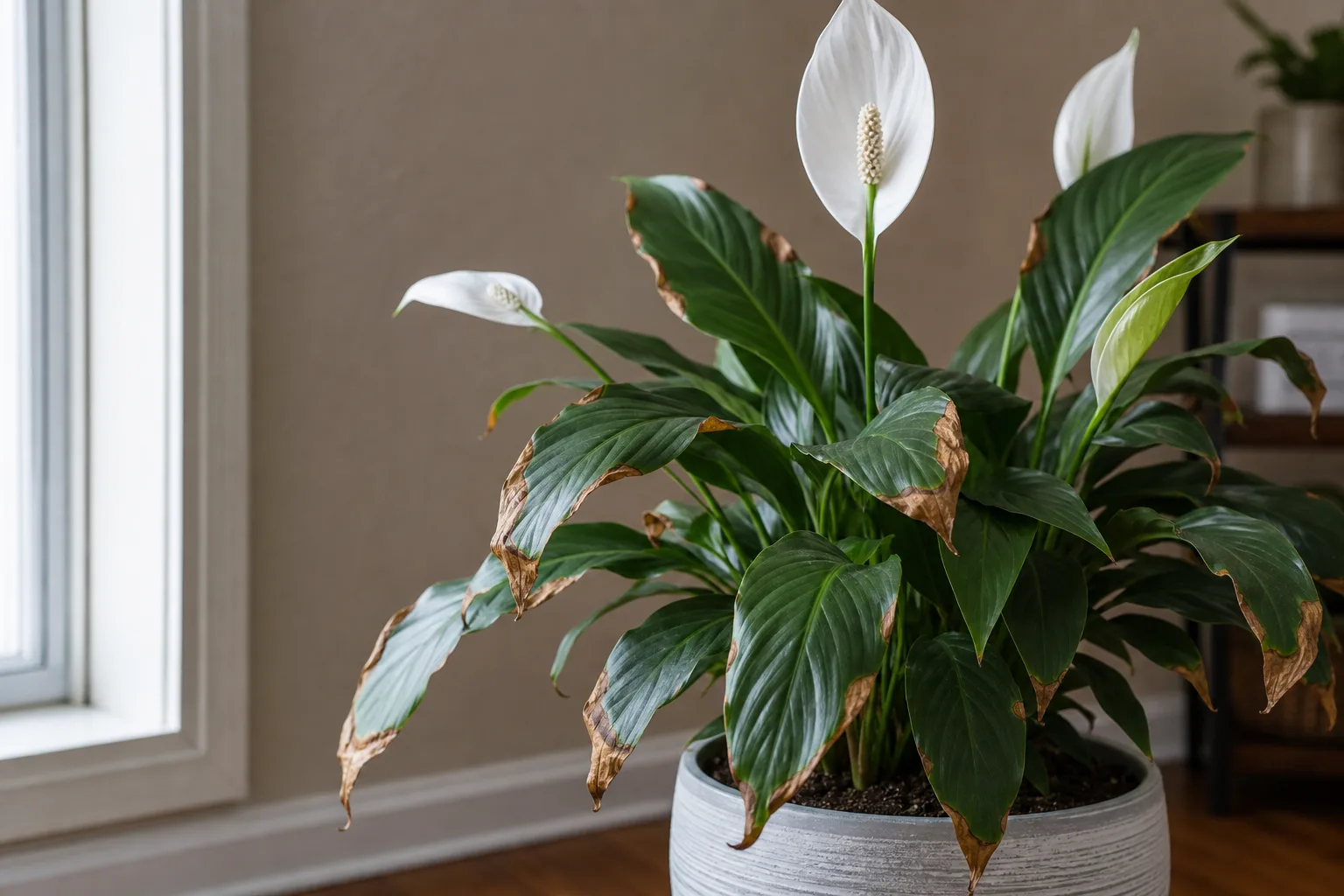
Indoor humidity is one of those plant-care variables that feels simple until the room, the season, and the plant disagree with each other. A fern may crisp at the edges in a heated bedroom. A cactus may sit perfectly happy in the same dry air. A calathea may look dramatic at 35 percent relative humidity, while a pothos nearby barely reacts. The Humidity Calculator gives you a practical target range instead of asking you to treat every houseplant as if it came from the same climate.
Use the calculator when you know, or can estimate, your current room humidity and want to decide whether the air around your plant is too dry, comfortable, or too damp. The result is not a command to chase an exact number all day. It is a starting range you can compare against real plant behavior, household comfort, and building safety. That last part matters because plant humidity goals should never create condensation, mold risk, or a room that is unpleasant for people.
What the Humidity Calculator does
The calculator compares your plant type and room conditions against a sensible humidity range for indoor growing. It is built for houseplant decisions: whether to add a humidifier, move a plant into a different room, group humidity-loving plants, back off from an overly damp setup, or simply stop worrying because the plant is already inside a workable range.
Relative humidity is the amount of water vapor in air compared with the maximum amount that air could hold at the same temperature. Warm air can hold more water vapor than cold air, so the same room can feel different after heating, cooling, or opening a window. That is why a winter reading matters more than a vague memory of “my home is usually humid.” Illinois Extension notes that indoor winter humidity can drop below 30 percent, and some houseplants may suffer under those conditions during the winter.
The tool is most useful for narrowing the action. A reading of 32 percent near a fern tells a different story than 32 percent near a snake plant. A reading of 68 percent in a bathroom tells a different story than 68 percent on a cold bedroom windowsill with condensation on the glass. The calculator helps you sort those cases without turning plant care into a laboratory exercise.
What the calculator does not decide for you
The calculator does not diagnose every brown tip, yellow leaf, or curled leaf. Low humidity can contribute to crispy edges, but so can underwatering, root damage, fertilizer burn, hard water, heat, pests, and sudden light changes. If the plant is declining quickly, pair the humidity result with a symptom check such as the brown tips diagnosis or the broader plant problem solver.
It also does not guarantee that a high-humidity plant will thrive if light, roots, and watering are wrong. Humidity supports water balance, but it cannot compensate for soggy soil, a pot with no drainage, or a plant placed too far from usable light. Illinois Extension lists light, temperature, humidity, and water as key factors for success with indoor plants grown as houseplants, and those factors work together.
Finally, the calculator does not tell you to make your whole home tropical. The best target is the lowest humidity that keeps the plant stable while keeping the room safe and comfortable. A plant cabinet, shelf, bathroom, or grouped display can be a better answer than raising an entire apartment to suit one fussy plant.
The humidity ranges that matter indoors
For many common foliage houseplants, a midrange indoor target is enough. Illinois Extension says most houseplants prefer 40 to 50 percent relative humidity for normal healthy growth during overwintering. Penn State Extension notes that proper humidity can affect African violet health and suggests a small humidifier or pebble-and-water tray when homes have dry heat for African violets.
Humidity-sensitive tropical plants often want more. The Royal Horticultural Society describes many tropical houseplants as needing high humidity and suggests steamy bathrooms, misting, or saucers of damp pebbles for plants that need that support in its houseplant guide. RHS plant profiles for humidity-loving species commonly target 60 percent or higher for plants such as bird’s nest fern, stromanthe, and some philodendrons at the RHS Urban Show.
Dry-adapted plants sit at the other end. Many succulents, cacti, snake plants, ponytail palms, and other drought-tolerant plants do not need a humidity boost in ordinary homes. Some dislike persistently damp air when it is combined with low light, cool temperatures, or heavy soil. For those plants, the better care move is usually stronger light, careful watering, and a fast-draining mix rather than a humidifier.
Use a digital hygrometer if you can. Place it near the plant canopy, not across the room on a thermostat, and let it sit long enough to settle. A single reading taken beside a kettle, shower, sunny window, or open door can mislead you. For plant decisions, the most useful reading is the normal humidity where the plant actually lives.
Measure at least twice if the plant is struggling: once in the morning and once later in the day. In heated or air-conditioned homes, relative humidity can swing as the HVAC system cycles. A room that reads 48 percent at noon may drop much lower near a forced-air vent overnight. If the plant sits on a shelf, measure on the shelf rather than at floor level.
Track the season as well as the number. Winter heating commonly dries indoor air, while rainy seasons, monsoon periods, poorly ventilated bathrooms, and basements can push humidity higher. If your reading comes from a smart thermostat, use it as a rough house-level signal, then confirm near the plant when the decision matters.
Plant type is the main input. Ferns, calatheas, marantas, anthuriums, many philodendrons, orchids, and some begonias generally deserve a higher target than tough low-humidity plants such as snake plants, ZZ plants, jade plants, hoyas, and many succulents. If you do not know the exact plant, choose the closest care group rather than guessing a species name.
Current relative humidity is the second input. A difference between 35 percent and 45 percent matters more than it looks on paper because it may decide whether the plant needs active help or only better placement. A difference between 55 percent and 65 percent matters too, but mainly for mold risk, condensation, airflow, and plants that resent damp leaves.
Room type changes the interpretation. Bathrooms and kitchens can be more humid, but they are not automatically better plant rooms if they lack light. Bedrooms and living rooms are often more stable but may dry out in winter. Basements can be cool and humid, which is a risky combination for some plants because soil dries more slowly.
A simple worked example
Suppose your prayer plant sits in a bedroom at 34 percent relative humidity in January. Prayer plants are humidity-sensitive tropical foliage plants, so the calculator will likely push you toward a higher target than the room currently provides. The practical move is not to flood the room with moisture. Start by moving the plant away from hot airflow, grouping it with other tropical plants, and checking whether a small humidifier can hold the plant shelf closer to the mid-40s or 50s without wet windows.
Now change the plant. A snake plant in the same bedroom at 34 percent relative humidity is a different case. The calculator should not push you into a high-humidity correction because the plant is far more tolerant of dry household air. If that snake plant has brown tips, the better first checks are watering history, physical damage, mineral buildup, cold exposure, or old leaves.
That contrast is the point of the tool. The number alone does not decide the action. The plant’s tolerance and the room’s risk profile decide whether the number is a problem.
Example: tropical shelf in a dry apartment
Imagine a shelf with calathea, bird’s nest fern, and anthurium in a heated apartment that reads 31 to 36 percent most days. The plants show curled leaves by afternoon and crisping on new edges. The calculator will probably flag the setup as too dry for the group, especially because these plants are commonly grown for lush foliage that depends on steady moisture balance.
A reasonable target is not maximum humidity. Try to lift the plant zone into a stable moderate-to-high range, then watch new growth. A small cool-mist humidifier on a timer, placed so vapor disperses around the shelf rather than wetting leaves constantly, is usually more controllable than repeated hand misting. Keep a hygrometer nearby and stop before windows, walls, or shelves stay damp.
Use the light requirement calculator if the shelf is also far from a window. Raising humidity may reduce crisping, but it will not fix a low-energy plant that cannot replace damaged leaves.
Example: bathroom plant with high humidity but weak light
Now picture a bathroom that stays near 65 percent humidity after showers. That sounds ideal for a fern, but the only window is frosted and north-facing. The calculator may show that humidity is sufficient, yet the plant may still thin out because the light is weak. In this case, the right next step is not more humidity. It is a better plant match or supplemental light.
High humidity in a low-light room can also slow potting mix drying. If the plant is in a dense mix or decorative cachepot, roots may stay wet too long. Before adding more water or mist, check pot weight, drainage, and the lower root ball. Pair the humidity result with the plant watering calculator if you are trying to reset the watering rhythm.
The calculator should make this kind of trade-off visible: the air may be humid enough, while light and root-zone moisture are still wrong.
Ways to raise humidity without overdoing it
A humidifier is the most predictable option for a group of humidity-loving plants. It can change the air around a shelf or room for hours instead of seconds. Use clean water as directed by the appliance, clean the tank regularly, and keep the mist path away from walls, electronics, and leaves that stay wet. The goal is stable air moisture, not visible wetness.
Grouping plants can help create a slightly more humid microclimate because water evaporates from potting mix and leaves. It is a modest adjustment, but it is low-cost and often useful when the room is close to the target already. Leave enough space for airflow and inspection so pests and fungal problems do not hide in a dense cluster.
Pebble trays can help near small plants, especially when the pot sits above the waterline. Illinois Extension recommends placing plants on pebbles in a water-filled tray to raise humidity while making sure pots do not sit directly in water on its care page. Treat pebble trays as local support, not a whole-room fix.
Misting, pebble trays, and humidifiers compared
Misting is popular because it feels immediate, but it is usually the least durable way to change humidity. It wets leaf surfaces briefly, then evaporates. Some plants tolerate that, and some RHS guidance includes misting among ways to raise humidity for tropical houseplants, but misting should be used carefully where water can sit in crowns, leaf folds, or cool rooms for humidity-loving plants.
Pebble trays are safer than letting a pot stand in water, but they have limits. They work best when the tray is wide, the water surface is exposed, and the plant is small enough to sit in the humid boundary layer above the tray. They will not turn a dry living room into a greenhouse.
Humidifiers give the strongest control. They also create the strongest building-risk responsibility. If a humidifier pushes a cold room above a safe range, moisture can condense on windows, walls, and furniture. Use the calculator’s target as a plant-care range, then cap the real-world setup based on the room.
When to lower humidity instead
Too much humidity is not always better. If leaves stay wet, soil dries slowly, or the room smells musty, the plant may need airflow and restraint rather than more moisture. High humidity plus low light and cool temperatures is especially risky because plants use water more slowly and potting mixes remain damp for longer.
The U.S. Environmental Protection Agency recommends keeping indoor relative humidity below 60 percent, ideally 30 to 50 percent when possible, as part of mold prevention in its mold course. That does not mean a plant shelf can never be slightly higher for short periods, but it does mean whole-room humidity targets above 60 percent deserve caution in ordinary homes.
Lower humidity by improving ventilation, reducing humidifier runtime, moving plants away from constantly damp rooms, emptying cachepots, increasing light where appropriate, and spacing plants so foliage dries. If the plant needs high humidity but the room cannot safely provide it, use a contained plant cabinet with airflow or choose a more tolerant plant.
Humidity, watering, and root health
Humidity changes how fast plants lose water through leaves, but it does not replace watering judgment. In dry air, some plants transpire faster and potting mix may dry sooner. In humid air, leaf water loss slows and the same pot may stay wet longer. That is why a watering schedule that worked in summer can fail in winter, and a plant moved into a bathroom may need less frequent watering.
Always separate air moisture from root-zone moisture. A plant can have crispy leaves and wet roots at the same time if the air is dry but the potting mix is dense or the roots are damaged. Adding humidity may help future leaves, but watering more would make the root problem worse.
Check the plant before changing two variables at once. If you raise humidity, wait and watch how the pot dries. If you also change light, repot, fertilize, and water more, you will not know which action helped or harmed the plant.
Humidity and pest pressure
Dry, warm conditions can favor spider mite outbreaks on susceptible indoor plants. University of Wisconsin Integrated Pest and Crop Management notes that dry weather, low humidity, and temperatures above 85 degrees Fahrenheit are associated with spider mite population growth in dry conditions. That makes humidity one part of prevention for plants that repeatedly attract mites, especially in heated rooms.
Humidity is not pest control by itself. If you already see webbing, stippling, sticky residue, flying insects, or moving pests, use a pest-specific guide rather than hoping a humidifier will solve it. Higher humidity may slow some mite pressure, but it can also make inspection harder if plants are crowded.
Keep leaves clean, isolate new or infested plants, and inspect undersides of leaves. If a plant is declining and humidity seems only partly responsible, the spider mite treatment guide or the plant pest identifier is a better next step than another humidity adjustment.
How to read the calculator result
Read the result in three layers: plant target, current reading, and action confidence. If the plant target is 45 to 60 percent and your current reading is 43 percent, you are close. Small placement changes may be enough. If the target is 55 to 70 percent and the current reading is 28 percent, the gap is large enough to justify a real intervention.
Then look at the room. A safe humidity boost in a warm, bright plant room may be a bad idea on a cold windowsill where condensation already forms. A humidifier can be useful in a dry office, but it should not run under a shelf until paint, books, or electrical items are damp.
Finally, look at the plant’s response. Old brown tips will not turn green again. Judge success by whether new leaves emerge cleaner, leaves hold shape longer through the day, and the plant stops accelerating into stress. Use the result as a baseline and adjust in small steps.
Common mistakes that skew the answer
The biggest mistake is measuring the wrong place. A thermostat in a hallway, a weather app, or a reading from the opposite side of the room does not describe the air around a plant on a shelf above a radiator. Put the hygrometer where the plant actually sits.
The second mistake is using plant labels too broadly. “Tropical” does not mean every plant needs 80 percent humidity. Many common tropical foliage plants adapt to average homes, while thin-leaved understory plants, ferns, and some aroids complain sooner. Start with the plant’s actual tolerance, not a continent-sized category.
The third mistake is chasing humidity while ignoring light. In low light, higher humidity can make watering mistakes linger. Before trying to create a jungle climate, make sure the plant has enough usable light to grow.
The fourth mistake is treating crisp leaves as reversible. Humidity changes help future growth. Existing dry edges are usually permanent cosmetic damage, so a successful correction may look subtle at first.
Use the VPD calculator when you want a more technical reading of how temperature and humidity combine to drive transpiration. Relative humidity alone is useful for houseplant care, but vapor pressure deficit can be more informative in grow tents, propagation spaces, and controlled environments.
Use the plant watering calculator when the humidity result changes how quickly the pot dries. If you raise humidity and the soil stays wet longer, the watering interval should change too.
Use the best plant for my room finder when your room cannot safely match the plant’s preferred humidity. Sometimes the right answer is not more equipment. It is a plant that fits the room you actually have.
Use the brown tips diagnosis when low humidity is only one possible explanation. That tool helps separate dry air from watering, fertilizer, root, and water-quality issues.
Practical target ranges by plant group
Use these ranges as plain-language starting points, not rigid rules. Tough dry-tolerant plants often do well in ordinary indoor air, roughly 30 to 50 percent, if light and watering are appropriate. General foliage plants often look best around 40 to 60 percent. Humidity-sensitive tropical plants often prefer 50 to 70 percent, with many ferns and thin-leaved tropicals benefiting from the upper half of that range.
Be careful above 60 percent in whole rooms. The plant may like it, but the building may not. A cabinet, terrarium-style setup, or localized shelf can provide a high-humidity pocket while the rest of the room stays safer. Even then, provide airflow and inspect for leaf spots, fungus, and pests.
For succulents and cacti, do not add humidity just because a calculator exists. If the plant is stretching, fading, dropping leaves, or rotting, humidity is rarely the first lever. Light, watering, soil mix, and drainage usually matter more.
Conclusion
The Humidity Calculator is useful because it turns a vague complaint - “my plant seems dry” - into a decision you can test. Measure the air near the plant, choose the closest plant group, compare the result with the room’s safety limits, and change one thing at a time.
For many houseplants, the answer will be moderate: raise a dry winter room a little, group sensitive plants, use a humidifier only where it is needed, and avoid chasing tropical numbers for plants that do not want them. For high-humidity plants, the calculator helps you decide whether the gap is large enough to justify a dedicated setup. For dry-adapted plants, it can save you from solving a problem they do not have.
The best result is not a perfect percentage. It is a stable plant in a room that still works for people, walls, windows, and daily life.