Summer Heat Stress Checker
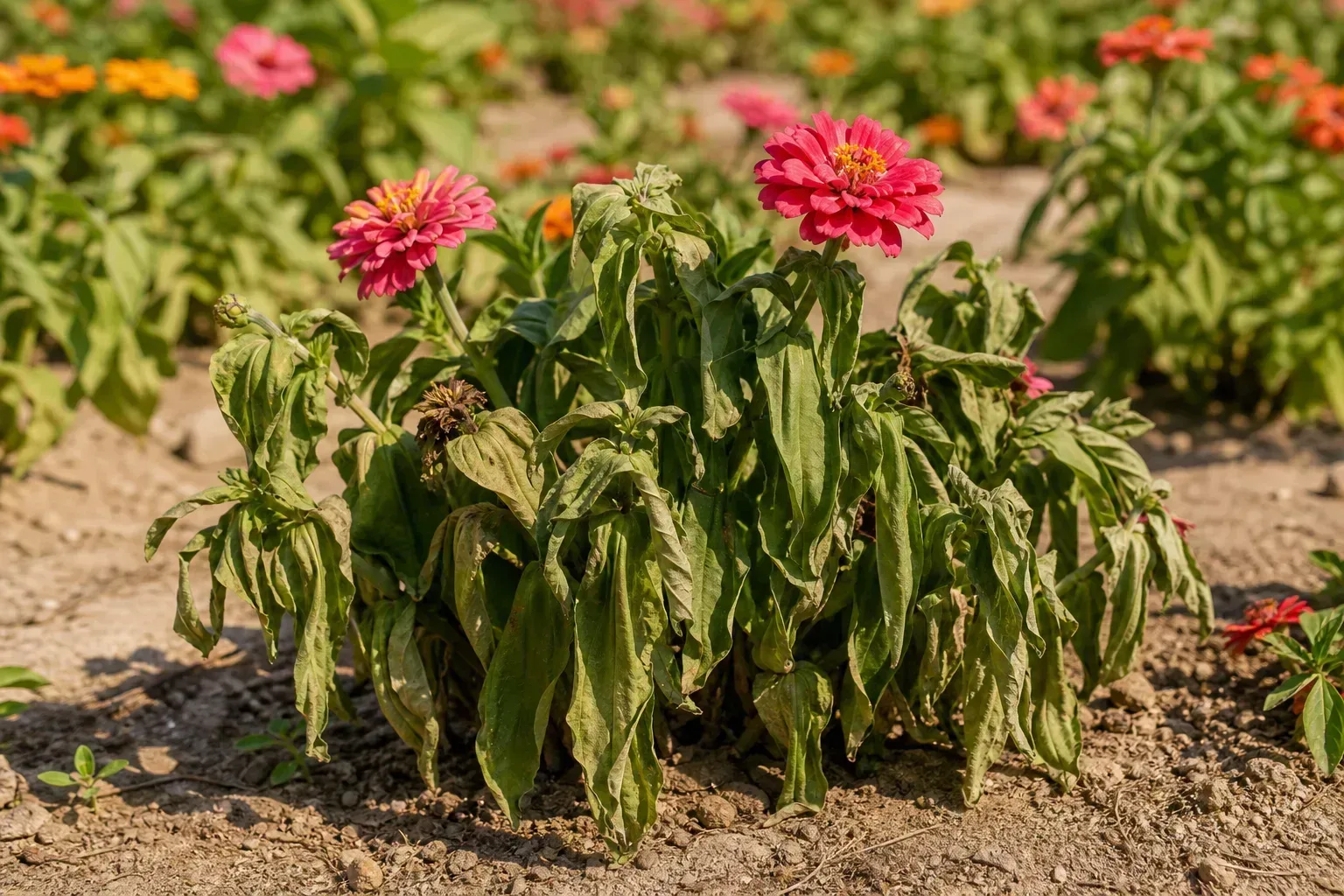
Summer heat stress is easy to misread because the plant usually tells the truth in fragments. A leaf curls, a pot feels dry earlier than usual, a west window suddenly feels punishing in late afternoon, or a plant that looked fine in May starts dropping older leaves after a hot week. The Summer Heat Stress Checker helps you sort those clues before you overwater, fertilize, repot, or move the plant into an even harsher spot.
Use it as a triage tool for indoor plants and sheltered balcony plants during hot weather. It is not a laboratory diagnosis, and it cannot know every species tolerance. What it can do is connect the inputs you can observe - temperature near the plant, sun or heat exposure, and current symptoms - to a practical risk level and a calmer next step.
What the Summer Heat Stress Checker Does
The checker asks for the daytime peak temperature near the plant, the kind of heat exposure it receives, and the symptoms you can see. Those three inputs cover most household heat-stress patterns: hot glass, direct afternoon sun, bright indirect warmth, and air-conditioned rooms that feel comfortable to people but dry out leaves and potting mix.
The result is meant to answer one immediate question: does the plant look heat-stressed enough that you should change the environment today? A high-risk result usually means the plant needs shade, distance from hot glass, a moisture check, or a cooler but still bright location. A moderate result means the plant may be coping, but the setup deserves watching. A lower-risk result suggests that another problem, such as underwatering, overwatering, pests, or low light, may deserve equal attention.
The tool does not identify a specific species, diagnose every pest, or replace plant-specific care advice. A cactus, a jade plant, a fern, and a calathea can sit in the same room and react very differently. After using this checker, compare the result with the plant’s normal care profile and related LeafyPixels pages such as Humidity Calculator, Leaf Curl Diagnosis, Brown Tips Diagnosis, and Plant Problem Diagnosis.
Why Heat Stress Builds So Fast Indoors
Plants cool themselves mainly by moving water from roots to leaves and losing some of that water through leaf pores. When the air is hot, dry, or moving, that water demand rises. University of Maryland Extension describes short hot-day wilting as a sign that moisture is evaporating from leaves faster than roots can supply it, while prolonged drought can cause yellowing, leaf scorch, browning, leaf drop, and stunted growth (University of Maryland Extension).
This is why the same watering routine can work in spring and fail in July. The root ball may dry faster, the plant may transpire more, and the warm air near a window may not match the room thermostat. A plant does not experience the average temperature of your home. It experiences the microclimate around its leaves, pot, roots, and window.
Humidity matters too. Michigan State University Extension explains that vapor pressure deficit is a better way to predict plant transpiration and water loss than relative humidity alone, because warmer air can hold more water and can pull moisture from leaves more strongly (MSU Extension). You do not need to calculate VPD to use this checker, but the concept explains why 32 degrees C near a dry window feels more stressful to a plant than the same temperature in a humid, shaded conservatory.
Start with the temperature near the plant, not the temperature in the weather app. A plant on a windowsill, metal stand, balcony shelf, or enclosed sunroom may sit several degrees hotter than the rest of the room. If you can, place a small thermometer at leaf height during the hottest part of the day and record the peak.
Next, choose the exposure that best describes the plant’s real stress point. Direct afternoon sun is usually harsher than morning sun because the room, glass, wall, and pot may already be warm. A plant near glass can also experience heat even when the light looks attractive. RHS guidance for houseplants notes that strong summer sunlight can scorch susceptible plants through glass, while bright shade is generally suitable for many houseplants in summer (Royal Horticultural Society).
Finally, choose symptoms you can verify. Wilting, curled leaves, crispy margins, bleached patches, flower bud scorch, sudden droop, and dry potting mix point in different directions. Heat stress is most convincing when symptoms line up with a recent hot spell, a hot window, a sudden outdoor move, or a pot that is drying much faster than usual.
How to Read the Temperature Number
The checker uses Celsius because the input field is labeled that way, but the logic is simple in either scale. Around 20 to 26 degrees C, many tropical foliage plants are usually in a comfortable household range if light, humidity, and watering are appropriate. Around 27 to 32 degrees C, water demand rises and sensitive plants may begin to show stress if the air is dry or sun is direct. Above roughly 32 degrees C, the setup deserves closer inspection, especially for plants close to glass, in small pots, or in airy potting mixes.
Those ranges are not universal limits. Penn State Extension notes that indoor plant selection should start with the light, temperature, and humidity of the exact space, because plants have different preferences (Penn State Extension). Some palms, succulents, orchids, and tropical species handle warm conditions well when acclimated. Other plants that prefer cooler conditions may wilt, shed flowers, or show margin burn sooner.
The number is also only one piece of the risk. A plant at 31 degrees C in humid bright shade may cope better than a plant at 29 degrees C against a hot west-facing window. This is why the checker asks for exposure and symptoms instead of using temperature alone.
Exposure: Direct Sun, Hot Glass, Bright Shade, and AC
Direct afternoon sun is the highest-alert exposure for many foliage houseplants. The plant receives light energy, radiant heat, and reflected heat from nearby surfaces. If the leaves are thin, newly unfurled, recently moved, or normally adapted to indoor shade, they can bleach or scorch before the root system can compensate.
Hot glass is a separate risk. A plant can be just a few inches from a window and sit in a pocket of trapped heat even when the room feels normal. The RHS specifically warns that susceptible houseplants can scorch through glass in summer (Royal Horticultural Society). Moving the pot back a short distance, using a sheer curtain, or shifting the plant to bright shade can reduce the heat load without plunging it into darkness.
Bright indirect light is usually safer, but it is not automatically cool. A bright room with poor airflow, dark surfaces, or a small pot can still dry the root ball quickly. Air-conditioned rooms create the opposite puzzle: the temperature may be lower, but air movement and low humidity can increase leaf drying. Missouri Extension notes that hot air blowing on plants can brown leaf edges and that many houseplants do best around 40 to 60 percent relative humidity, a range that is often hard to maintain indoors (MU Extension).
Symptoms That Point Toward Heat Stress
Heat stress usually shows up as a water-balance problem first. Leaves may wilt during the hottest part of the day, curl inward, or feel thinner than normal. If the plant firms up in the evening while the pot still contains moisture, the issue may be temporary heat load rather than dry soil alone. If the pot is very light and the mix has pulled from the sides, drought stress is more likely.
Scorch is more permanent. Missouri Botanical Garden describes leaf scorch as a noninfectious disorder that often follows dry, windy weather or bright sunshine when roots cannot supply water as quickly as foliage loses it through transpiration (Missouri Botanical Garden). Indoors, that can translate into crispy margins, tan patches, papery tips, or bleached sections on the side facing the window.
Flowering plants can show heat stress through buds and blooms. University of Maryland Extension notes that severe heat and water stress during bloom can scorch or brown flower buds and blossoms (University of Maryland Extension). If a plant drops buds after several hot afternoons, do not assume fertilizer is the answer. Check temperature, moisture, and exposure first.
Symptoms That May Be Something Else
Not every summer decline is heat stress. Yellow leaves can come from drought, overwatering, low light, natural aging, nutrient imbalance, or root damage. Drooping can mean dry roots, rotted roots, recent repotting, or a pot that is too hot. Brown tips can point to dry air, salts, inconsistent watering, or a species that dislikes the room’s humidity.
Use the checker result as a filter, then inspect the plant. Look at the underside of leaves for mites, thrips, scale, and webbing. Feel the pot weight. Check the lower root ball with a wooden skewer or moisture probe if the surface is misleading. Smell the drainage holes if the plant is drooping in wet mix. Heat can amplify root stress, but watering a rotting plant more heavily because it wilted on a hot day can make the real problem worse.
If the plant has fine stippling, webbing, sticky residue, distorted new growth, black spots, or rapidly spreading lesions, run a more specific diagnostic path. The Pest Identifier, Plant Disease Identifier, Black Spots on Leaves Checker, and White Spots on Leaves Checker are better follow-ups when symptoms point beyond heat and water balance.
A Simple Worked Example
Imagine a peace lily sitting one foot from a west-facing window. The thermometer at leaf height reads 34 degrees C at 4 p.m. The plant droops daily, two leaves have crispy tan edges, and the pot feels light by evening even though it was watered two days ago.
Those inputs create a strong heat-stress signal. The temperature is high, the exposure is direct afternoon or near-glass heat, and the symptoms fit moisture loss plus scorch. The first move is not fertilizer or repotting. Move the plant back from the glass, add a sheer curtain, water thoroughly if the root ball is genuinely dry, and check the plant again after one or two hot afternoons.
Now change the example. A snake plant sits in bright indirect light at 30 degrees C. The leaves are firm, the pot is still moderately heavy, and the only issue is one older lower leaf yellowing. That is a weaker heat-stress match. The checker may still tell you to monitor summer conditions, but the next step is observation rather than emergency action. The species, symptom pattern, and moisture status do not support the same level of risk.
What to Do After a High-Risk Result
First, reduce heat load. Move the plant out of direct afternoon sun, pull it back from hot glass, open a sheer curtain, or shift it to a bright east or north-facing spot during the hottest weeks. Do not move a shade-grown foliage plant straight outdoors into summer sun. Illinois Extension notes that houseplants moved outside should transition slowly so they are not sunburned, with bright shade and protection from afternoon sun as a safer starting point (Illinois Extension).
Second, check moisture deeply. If the root ball is dry, water thoroughly until water drains from the bottom, then empty the saucer. If the surface is dry but the lower root ball is wet, do not water just because the leaves are drooping. Improve shade and airflow first, then reassess.
Third, pause fertilizer. Missouri Extension advises against using fertilizer to stimulate growth in poor growing conditions and says never to apply liquid fertilizer to a wilted plant; water first and fertilize only after recovery and slight drying (MU Extension). A heat-stressed plant needs a stable environment before it needs a push.
What to Do After a Moderate Result
A moderate result means the plant is not in crisis, but the setup has a weak point. That weak point might be a warm window, dry AC airflow, a small pot, or a species that wants higher humidity. Your best move is to change one variable and watch new growth.
For a near-glass plant, move it back 12 to 24 inches and see whether midday wilting stops. For an AC-room plant with crispy tips, redirect the vent or group humidity-loving plants together. For a small pot that dries in one day, consider whether the plant is root-bound, sitting in a porous terracotta pot, or growing in a very airy mix.
Do not chase the plant around the house every few hours. Repeated moves create new light changes, temperature changes, and watering confusion. Choose a sensible adjustment, record the date, and judge progress by new leaves and symptom spread rather than by old damaged tissue.
Watering During Summer Heat
Summer watering should be based on moisture status, not the calendar. University of Maryland Extension recommends watering plants when needed and notes that potting media, growth stage, pot type, humidity, and temperature all influence watering (University of Maryland Extension). That is the practical rule behind the checker: hot conditions change demand, but they do not make every plant thirsty every day.
Small pots, terracotta pots, barky mixes, hanging baskets, and plants in active growth can dry quickly. Large glazed pots, dense peat-heavy mixes, cachepots without drainage, and recently repotted plants can stay wet below the surface. If you only touch the top half inch, you may miss the real moisture status.
When a plant is genuinely dry, water thoroughly rather than giving a tiny sip. A severely dried potting mix can repel water or pull away from the pot edge, so it may need slow watering, a short soak, or repeated passes to rehydrate. Once it drains, empty the saucer. Heat stress and root rot can look similar above the soil, so the drainage step matters.
Humidity, Airflow, and the AC Problem
Air conditioning protects many plants from extreme heat, but it can also create low humidity and direct drafts. The plant may be cool enough while still losing water from leaf edges. This is especially common for calatheas, ferns, anthuriums, alocasias, marantas, and other plants that react strongly to dry air.
RHS guidance explains that low humidity increases transpiration and can put plants at risk of wilting when leaves lose water faster than roots can absorb it (Royal Horticultural Society). Missouri Extension’s 40 to 60 percent relative humidity range is a useful target for many houseplants, even if some tropical plants prefer higher and some succulents tolerate lower (MU Extension).
A small hygrometer helps because people are poor humidity sensors. If humidity is low, group compatible plants, use a humidifier, move humidity lovers away from vents, or place pots above moist pebbles without letting the pot sit in water. Misting can briefly wet leaves, but it is not the same as stable humidity and can be risky if leaves stay wet in stagnant air.
When Moving Plants Outside Makes Heat Stress Worse
Outdoor summer air can be excellent for some houseplants, but only when the move is gradual and the site fits the plant. Indoor leaves develop under lower light and steadier temperatures. Sudden outdoor exposure adds stronger light, wind, larger day-night swings, rain, pests, and hotter pot surfaces.
Illinois Extension recommends placing outdoor-transitioned houseplants in bright shade and protecting them from afternoon sun (Illinois Extension). That advice matters for the checker because an outdoor move can make heat symptoms look sudden and mysterious.
If a plant scorches after being moved outside, do not trim every damaged leaf immediately unless the tissue is rotting or pest-infested. Damaged leaves can still shade the plant and support some photosynthesis. Move the plant to bright shade, stabilize watering, and wait for new growth before making cosmetic cuts.
Species Differences and Plant-Specific Judgment
The checker gives a heat-stress starting point, but species still matters. Succulents and cacti with thick, water-storing tissues often tolerate brighter, warmer conditions than thin-leaved understory plants, though even succulents can sunburn if they are not acclimated. The RHS notes that many succulents come from desert habitats and suit sunny rooms better than rainforest plants (Royal Horticultural Society).
Tropical foliage plants are not all the same either. A monstera, pothos, croton, calathea, orchid, and peace lily may all be sold as houseplants, but their tolerance for sun, humidity shifts, and drying varies. Use the checker to identify environmental pressure, then confirm with the plant’s own profile in Plants.
Recent history also changes tolerance. A newly shipped plant, a fresh cutting, a recently repotted specimen, or a plant recovering from root rot has less margin. A mature, well-rooted plant that has spent weeks adapting to brighter summer light may handle the same temperature with less damage.
Common Mistakes the Checker Helps Prevent
The first mistake is watering every wilted plant. Wilting is a symptom, not a watering instruction. If the mix is wet and the plant is hot, more water can suffocate stressed roots. If the mix is dry, the plant needs a thorough drink and a better heat setup.
The second mistake is fertilizing a stressed plant. Heat-stressed roots and leaves need recovery conditions first. Fertilizer cannot repair scorched tissue, and excess fertilizer can burn restricted potted roots. Wait until the plant is stable and actively producing healthy new growth.
The third mistake is treating old damage as active decline. A scorched patch will not turn green again. A crispy margin will not refill. What matters is whether new leaves emerge normally and whether existing damage stops spreading after the heat load is reduced.
The fourth mistake is making five changes at once. If you water deeply, move the plant, prune it, fertilize it, repot it, and spray for pests on the same day, you may never know what helped or harmed it. Make the smallest environmental correction first unless the plant is in severe distress.
Use the Humidity Calculator if the checker points toward dry air, brown tips, or AC-related stress. Use the Water Amount Calculator if you know the plant is drying fast but want a more structured way to think about pot size and watering volume.
Use Root Rot Risk Checker when the plant droops in wet soil, smells sour, or has blackened lower stems. Use Grow Light Distance Calculator if you moved the plant away from a hot window and need to replace some light without adding heat. Use Best Plant for My Room when a plant repeatedly fails in a hot room and replacement is more realistic than constant rescue.
For visible symptom work, start with Brown Tips Diagnosis, Yellow Leaves Diagnosis, Drooping Leaves Diagnosis, or Leaf Curl Diagnosis. Heat is one possible cause in each of those patterns, but it is rarely the only one.
Accuracy Limits and Safety Notes
The checker works best when your inputs are measured and recent. A thermometer reading near the plant is better than a room thermostat. A moisture check near the root zone is better than a glance at the surface. A symptom that appeared after three hot afternoons carries more diagnostic weight than a leaf mark that has been unchanged for months.
The biggest limitation is hidden root condition. A plant with compromised roots cannot keep up with heat as well as a healthy plant. The second limitation is species tolerance. General houseplant guidance can narrow the decision, but it cannot turn a fern into a cactus or make a cool-growing plant love a hot window.
Be cautious with plants that are valuable, rare, recently imported, part of a business display, or already declining fast. In those cases, use the result to frame the next question for a local extension office, experienced grower, or plant professional. For pet and child safety, heat stress is separate from toxicity; if plant chewing is possible, check species safety through a reliable toxicity reference and keep risky plants out of reach.
Conclusion
The Summer Heat Stress Checker is most useful when you treat it as a structured observation tool. Measure the peak temperature near the plant, describe the real exposure, choose symptoms you can see, and then let the result guide the next low-risk adjustment.
Most summer plant rescues are not dramatic. They are practical: reduce afternoon heat, move back from hot glass, water only when the root ball needs it, improve humidity where it matters, and stop asking a stressed plant to grow harder. Once the environment is steadier, judge recovery by new growth and by whether damage stops spreading.
If the checker points to heat stress, act on the environment first. If the clues do not line up, use the related diagnostic tools and inspect roots, pests, light, and watering more closely. The goal is not to win an argument with one symptom. The goal is to make the plant’s next week less stressful than the last one.