Free Winter Plant Care Planner for Houseplants
Adjust watering, light, humidity, and fertilizer during colder months.
Winter Plant Care Planner
Plan winter care
Adjust your plant care for colder months with a tailored winter routine.
Free Winter Plant Care Planner for Houseplants
Adjust watering, light, humidity, and fertilizer during colder months.
Adjust your plant care for colder months with a tailored winter routine.
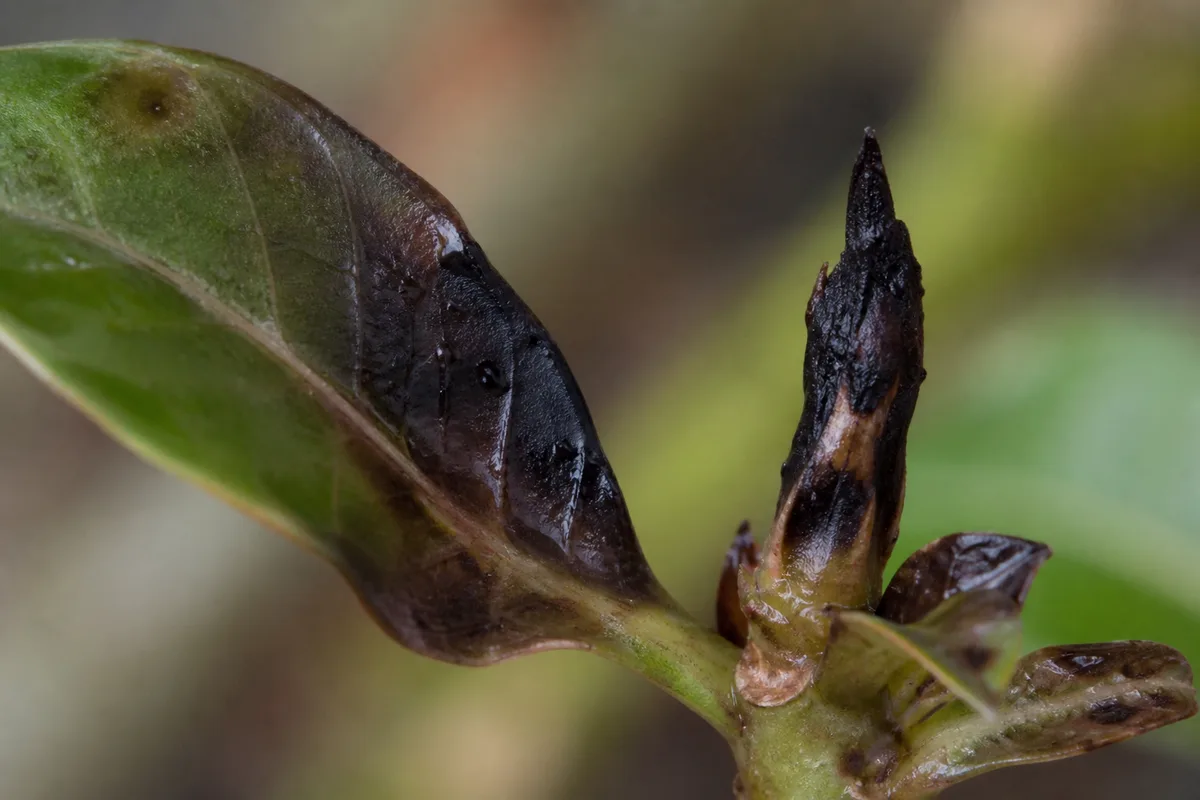
Winter changes houseplant care because the room changes before the plant does. Day length shortens, window light shifts lower, heaters run longer, air dries out, and many indoor plants slow their growth. A plant that handled weekly watering in September may sit wet for too long in January. A sunny shelf may become only medium light. A tropical foliage plant that looked steady all summer may suddenly show brown tips, curled edges, spider mites, or yellow lower leaves.
The Winter Plant Care Planner is built for that seasonal handoff. It helps you turn a vague reminder like “water less in winter” into a routine you can actually follow: when to check moisture, how to adjust light, whether to pause fertilizer, when humidity deserves attention, and which plants need closer watch. Use it as a planning tool, not as a rigid calendar. The goal is a winter routine that fits your home, your plant collection, and the amount of checking you can realistically do.
The planner organizes winter care around four big variables: light, water, humidity, and growth. Those are the levers that change most dramatically indoors once cold weather arrives. University extension guidance consistently treats winter houseplant problems as a mix of lower light, low humidity, cold drafts, drying heat, and overwatering risk; NDSU Extension summarizes the winter trouble spots as lack of light, low humidity, cold drafts, and drying heat winter trouble spots.
The tool gives you a starting plan for routine care. It can help you decide whether a plant should move closer to a window, whether the watering interval needs to stretch, whether fertilizer should stop or be reduced, and whether a humidifier or grouping strategy belongs in the plan. It is especially useful for mixed collections where a cactus, a pothos, a fern, a calathea, and an orchid should not all be treated as if they share the same winter needs.
What it does not do is diagnose every possible plant problem from one input. Yellow leaves can come from overwatering, underwatering, low light, pests, cold shock, root damage, or natural aging. Brown tips can come from dry air, mineral buildup, inconsistent watering, fertilizer salts, or past stress. Use the planner to set a safer baseline, then use /symptoms/ guides when the plant is already showing a specific pattern.
Light is the first winter input because it controls the rest of the routine. Plants need light for photosynthesis, and without enough light they cannot manufacture the energy reserves needed for growth and maintenance; University of Minnesota Extension explains that light is required for plants to convert carbon dioxide and water into energy light for photosynthesis. When light drops, the plant usually uses less water and less fertilizer, even if the room feels warm to you.
Human eyes are poor light meters. A room can feel bright because your eyes adapt, while the plant is receiving a fraction of the light it had in summer. Window angle matters too. A south-facing window in the Northern Hemisphere may become more useful in winter because the sun tracks lower, while an east or west window may change less. Exterior trees lose leaves in some climates, buildings cast different shadows, and blinds that were used to block summer heat may now be stealing the best winter light.
The practical winter move is to rank each plant by light need. High-light plants, flowering plants, many succulents, citrus, herbs, and variegated foliage deserve first claim on the brightest unobstructed windows. Medium-light tropical foliage can often move closer without needing direct afternoon sun. Low-light tolerant plants can stay farther back, but “tolerant” does not mean actively thriving in deep shade for months.
The planner treats winter watering as a moisture-check routine, not a fixed schedule. University of Maryland Extension warns that watering on a schedule can give plants too much or too little water and recommends checking moisture about two inches deep for many houseplants watering on a schedule. That matters more in winter because dry surface soil can hide a still-wet root ball, especially in large pots, dense mixes, cachepots, and cool rooms.
Start with the old interval, then stretch it cautiously. If a plant was watered every seven days in active summer growth, winter may push it to ten, fourteen, or even twenty-one days depending on light, pot size, species, and indoor temperature. Succulents and cacti may go much longer. Ferns, calatheas, peace lilies, and thin-leaved tropical plants may still need regular checks, but they usually need those checks because they dislike drying completely, not because the calendar says water today.
Use pot weight, soil feel, drainage behavior, and leaf response together. A light pot with dry mix and slight softening usually needs water. A heavy pot with yellowing lower leaves, limp stems, fungus gnats, or a sour smell needs restraint and possibly a root check. If the planner suggests less frequent watering, do not interpret that as neglect. Winter care often improves when you check more deliberately but water less automatically.
Fertilizer is one of the easiest winter mistakes because it feels proactive. The plant looks slow, so the owner feeds it. But if low light is the limiting factor, fertilizer does not create more usable light. Nebraska Extension notes that houseplants require less fertilizer under low-light winter conditions and warns that over-fertilization can cause salt buildup and root damage less fertilizer.
For most foliage plants, the planner should push you toward pausing fertilizer until active growth resumes. Active growth means new leaves, extending vines, emerging shoots, or visible root activity, not just the date changing to January. If your home has strong grow lights, warm temperatures, and plants are clearly producing new growth, a reduced winter feed may be reasonable for some species. If the plant is holding steady, skip it.
There are exceptions. Some orchids, African violets, citrus, winter bloomers, and plants under consistent artificial light may not follow the same pause. Even then, the safer winter default is reduced strength and reduced frequency. If the plant has brown tips, white crust on soil, recent repotting stress, root damage, or slow drying mix, solve those problems before adding fertilizer.
Winter heating often lowers indoor relative humidity, and many tropical foliage plants respond with crisp edges, curled leaves, stalled new growth, or more visible spider mite problems. Wisconsin Extension notes that many houseplants favor 40 to 50 percent relative humidity in winter and that humidifiers or grouping plants can help raise humidity around them 40 to 50 percent. That is a useful plant-care target for many tropical collections.
Your home has a separate limit. The U.S. EPA recommends keeping indoor humidity between 30 and 50 percent to reduce indoor air-quality and mold problems 30 and 50 percent. That means a winter plant room should not chase rainforest humidity at the expense of condensation, mold, or damp window frames. A practical range for many homes is often the upper part of the EPA comfort range, adjusted downward if windows sweat or surfaces stay damp.
The planner should help you choose the right intervention. A humidifier with a hygrometer gives the most control. Grouping plants creates a small local microclimate. Pebble trays may help slightly right around a pot but are rarely enough for humidity-sensitive plants in a dry heated room. Misting gives only a brief surface wetting and can be a poor fit for fuzzy leaves, crowded shelves, or disease-prone plants.
Winter temperature stress is not only about the thermostat setting. A room set to 68 degrees Fahrenheit can still have a cold window pocket, a hot radiator zone, a dry furnace blast, or a draft line from an exterior door. Tropical houseplants are often damaged by cold exposure well before a room feels dangerously cold to a person. University of Minnesota Extension advises bringing many tropical houseplants indoors before night temperatures drop below 50 degrees Fahrenheit below 50 degrees.
The planner works best when you think in microclimates. A plant touching cold glass can be colder than the room. A plant above a heater may dry faster than the same plant three feet away. A plant near a frequently opened door may get repeated cold blasts. A plant tucked behind a curtain may be trapped in a cold pocket overnight.
Winter placement should avoid extremes. Move sensitive foliage a few inches back from icy glass, keep leaves out of heat-vent airflow, and avoid putting thin-leaved tropical plants where they alternate between cold nights and hot forced air. If a window is bright but drafty, a plant stand slightly back from the glass can be better than a sill. If a heater is unavoidable, humidity and watering checks need to be more frequent because the microclimate will dry faster.
The planner becomes more useful when you enter real observations instead of guesses. Start with plant group: succulent or cactus, tropical foliage, fern or prayer plant, orchid, herb, flowering houseplant, or mixed collection. Then note light: window direction, distance from glass, direct sun hours, obstacles, and whether you use grow lights. If you have a light meter or a reliable phone approximation, record the reading at leaf height.
Next, capture the watering setup. Note pot diameter, drainage holes, cachepot use, mix texture, last watering date, how heavy the pot feels, and how far down the soil is dry. A large plant in a glazed pot with dense mix may need a very different plan from the same species in terracotta with a chunky mix. If you bottom-water, remember that the surface may stay dry while the lower mix is wet.
Finally, record home conditions. Use a small hygrometer for humidity and temperature near the plants, not across the room. Note heater type, vent location, window drafts, and how often you can check plants. A good winter plan should match your real schedule. If you can only inspect plants once a week, the plan should be simpler and more conservative than one designed for daily checks.
Use a four-step method: rank, reduce, stabilize, and observe. Rank the plants by winter risk. High-risk plants include recent purchases, recent repots, pest-prone plants, thin-leaved tropicals, plants near windows or heaters, plants in dense mix, and plants already showing symptoms. Lower-risk plants include established pothos, ZZ plants, snake plants, hoyas, many philodendrons, and mature succulents in bright light and fast-draining pots.
Reduce the inputs that winter weakens. Reduce watering frequency where soil is drying more slowly. Reduce or pause fertilizer where growth has slowed. Reduce unnecessary moves, repotting, pruning, and heavy cleaning if the plant is already stressed. Winter care is often about removing pressure, not adding interventions.
Stabilize the environment. Improve light before feeding. Fix cold drafts before blaming fertilizer. Raise humidity carefully before misting every morning. Keep plants away from heat vents before assuming they are “thirsty.” Then observe new growth and root-zone behavior. Old damaged leaves may not repair themselves, so judge the plan by whether fresh growth emerges cleanly and whether new stress slows down.
Say you have a pothos, philodendron, calathea, and peace lily on a north-facing windowsill in a cold climate. In summer, the plants looked fine with weekly watering. In December, the calathea has crisp edges, the peace lily wilts unpredictably, and the pothos has yellow lower leaves. The room thermostat reads 69 degrees, but the leaves touch cold glass at night.
The planner would likely flag low light, draft exposure, humidity stress, and overwatering risk. The first move is not fertilizer. Move the plants a little back from the glass while keeping them close to the brightest available exposure. Check the potting mix at root depth before watering. Group the tropical plants or add a small humidifier with a hygrometer. Stop feeding unless one plant is actively growing under reliable light.
The plants do not all get the same adjustment. Pothos may simply need a longer watering interval. Peace lily may still need regular moisture checks but should not sit wet in dim light. Calathea may need steadier humidity and warmer placement. The plan works because it separates the causes instead of forcing a single winter rule across the whole shelf.
Now take a jade plant, echeveria, aloe, and haworthia on a bright summer sill that becomes shaded by a neighboring building in winter. The room stays warm, but direct sun drops sharply. The owner keeps watering every ten days because the top of the gritty mix looks dry.
The planner should treat this as a light-first problem. Succulents store water and generally tolerate dry intervals better than wet roots in low light. Move them to the brightest available window, consider a grow light if they begin stretching, and lengthen the watering interval until the pot is dry deeper down. If leaves wrinkle slightly on a jade or aloe, that is useful feedback; if leaves turn translucent, mushy, or drop while the mix is damp, the plan is too wet.
Fertilizer should stay off the table unless the plants are actively growing under stronger light. A small succulent in winter low light usually needs patience, not food. The better winter win is compact growth, firm tissue, and no rot by spring.
Grow lights change the winter plan because they can keep a plant in active growth when window light would not. That does not mean every plant under a lamp should stay on a summer routine. Light intensity, distance, daily duration, room temperature, potting mix, and plant species still matter. University of Maryland Extension notes that indoor plants should be selected for available natural light or supported with artificial lighting where natural light is not enough artificial lighting.
If a shelf has strong full-spectrum lights on a consistent timer, the planner may keep watering and feeding closer to shoulder-season levels. But the routine should still follow evidence. Are new leaves forming? Is the pot drying at a predictable rate? Are roots healthy? Is the plant stretching toward the lamp or bleaching from being too close? Those signals matter more than the existence of a grow light.
For a mixed shelf, put high-light plants near the center of the fixture and shade-tolerant plants toward the edges. Keep foliage far enough from bulbs or panels to avoid heat and light stress. If you increase light suddenly, acclimate plants over several days rather than jumping from dim winter window to intense artificial light in one step.
The biggest mistake is watering by memory. A schedule that worked during active growth can become too wet when light and growth slow. The second mistake is trying to fertilize a plant out of dormancy or low-light stress. If the plant lacks usable light, fertilizer may add salt pressure without solving the cause of slow growth.
Another mistake is trusting the surface of the soil alone. Heating can dry the top layer while the lower root ball remains wet. This is common in large pots, dense mixes, self-watering containers, and decorative cachepots. Check deeper, lift the pot, and make sure water is not collecting in the outer container.
Placement mistakes are just as common. A bright sill can be too cold. A warm spot can be too dry. A bathroom can offer humidity but not enough light. A plant grouped tightly for humidity can develop pest or disease problems if airflow is poor. The planner is useful because it asks you to balance these trade-offs instead of optimizing one variable in isolation.
Winter does not pause pest problems. In fact, warm dry rooms can make spider mites more noticeable, and crowded plant shelves can hide scale, mealybugs, aphids, and fungus gnats until the population is established. North Carolina Cooperative Extension notes that indoor humidity can drop very low in winter and that many houseplants prefer higher humidity than winter homes provide humidity can drop, a dry-stress pattern that often overlaps with mite-prone conditions.
Build pest checks into the plan. Inspect leaf undersides, petioles, new growth, stems, soil surface, and pot rims every one to two weeks. Use a bright flashlight. Look for fine webbing, stippling, sticky residue, cottony clusters, raised brown bumps, flying gnats, or distorted new leaves. Isolate new purchases and plants returning from outdoors before placing them with the main collection.
Do not respond to every winter symptom with pesticide. If leaves are yellowing because roots are wet and light is low, spraying does not fix the cause. If spider mites are present, environmental correction and repeated treatment may both be needed. Use /symptoms/ guides to match the sign before choosing a treatment.
Use the planner as the seasonal overview, then move into a narrower tool when one factor is clearly driving the result. If light is the weak point, use /tools/light-requirement-calculator/ to compare window direction, distance, and plant needs. If dry air is the major stressor, use /tools/humidity-calculator/ before buying a humidifier or crowding plants together.
If watering is the unstable variable, use /tools/watering-calculator/ and compare the result against actual pot weight and soil depth. If a plant is already declining, switch from planning to diagnosis with /tools/plant-problem-diagnosis/ or the relevant /symptoms/ page. Seasonal planning is most useful before damage becomes severe; once symptoms are obvious, diagnosis should lead.
For plant-specific decisions, pair the result with /plants/ care pages. A fern, jade plant, pothos, orchid, and calathea may all live in the same room, but they do not share the same winter risk profile. The planner sets the framework; plant-specific care tells you how far to adjust.
Trust the planner when your inputs are current, the plant is stable, and the recommendation matches what you observe. If the result suggests watering less and the pot is still heavy after a week, that is a strong signal. If it suggests more light and the plant is stretching or dropping lower leaves, that is also coherent.
Override or slow down when the plant is rare, recently imported, freshly repotted, pest-infested, rooted poorly, or already collapsing. Also override when the room has an unusual microclimate: a sunroom that drops cold at night, a plant cabinet with fans and lights, a radiator shelf, a basement grow room, or a very dry forced-air heating system. The tool cannot see those details unless you account for them.
The safest winter adjustments are usually reversible: move a plant slightly closer to light, lengthen the watering interval by a few days, pause fertilizer, add a hygrometer, or improve humidity within a home-safe range. The riskiest adjustments are stacked: repotting, pruning, fertilizing, pest treating, and moving a stressed plant all at once. Change one major variable, then watch.
Winter plant care is not a single instruction to “water less.” It is a seasonal reset built around weaker light, slower growth, drier indoor air, temperature swings, and different pest pressure. The Winter Plant Care Planner helps you turn those changes into a practical routine: check moisture before watering, move plants according to real light, pause fertilizer unless growth justifies it, manage humidity without creating home moisture problems, and watch high-risk plants more closely.
Use the planner once at the start of winter, then update it when conditions change. A cold snap, new heater schedule, grow light setup, plant move, pest issue, or long cloudy stretch can all change the plan. The best winter routine is steady, observable, and easy enough to repeat. If the plant reaches spring with firm roots, fewer stress spikes, and healthy new growth ready to resume, the planner has done its job.
This Winter Plant Care Planner was researched and written by . Logic, safety notes, and result copy for Winter Plant Care are reviewed against LeafyPixels plant-care data, extension references, and veterinary toxicity sources where pet safety is involved.
We prioritize sources that hold up under scrutiny:
The LeafyPixels editorial team then reviews the draft for clarity, step-by-step usefulness, and fit with real apartment and home conditions-not ideal greenhouse setups. When guidance changes materially, we update the page and note the revision date.
The long-form review for this page covers Winter Plant Care Planner. Its bottom source list includes 9 external citations pulled from the long-form guide, then deduplicated with the tool’s frontmatter sources.
Winter care for indoor plants centers on adjusting to reduced light, lower temperatures, and the plant’s natural slowdown in growth. Reduce watering frequency significantly, stop fertilizing until spring, keep plants away from cold drafts and heating vents, and consider supplementing with a grow light if your home becomes noticeably darker. Most houseplants simply need less attention in winter, not more - resist the urge to overwater or over-tend.
Leaf drop in winter is commonly triggered by reduced light levels, the sudden transition to drier indoor heating air, cold drafts from windows, or overwatering in lower-light conditions. Some leaf drop is natural as plants shed older leaves during a period of reduced growth. If more than a few leaves drop and the plant looks generally stressed, assess all environmental factors - light, watering frequency, humidity, and temperature - and adjust accordingly.
No, most houseplants should not be fertilized in winter when they are in a period of reduced or dormant growth. Fertilizing a resting plant can cause a buildup of unused nutrient salts in the soil that damages roots. Wait until you see active new growth in late winter or early spring before resuming a regular fertilization schedule. Some year-round bloomers like orchids may benefit from a very light, reduced feed in winter, but the majority of foliage plants do not.
Household heating systems reduce indoor humidity significantly, often dropping it below 30 percent, which is far below the 40 to 60 percent that most tropical houseplants prefer. This dry air causes brown leaf tips, leaf curl, and increased susceptibility to spider mite infestations, which thrive in warm, dry conditions. Running a humidifier near your plants, placing them on pebble trays with water, or grouping plants together helps counteract winter heating’s drying effects.
Cold drafts from single-pane windows or gaps around window frames can expose plants to temperatures well below the ambient room temperature, causing cold shock and leaf damage in tropical species. Tropical houseplants are sensitive to temperatures below 50 to 55 degrees Fahrenheit, so even brief cold exposure from drafts can cause significant damage. Move plants a foot or two back from drafty windows during the coldest months, or add insulating plastic film to the window frame.