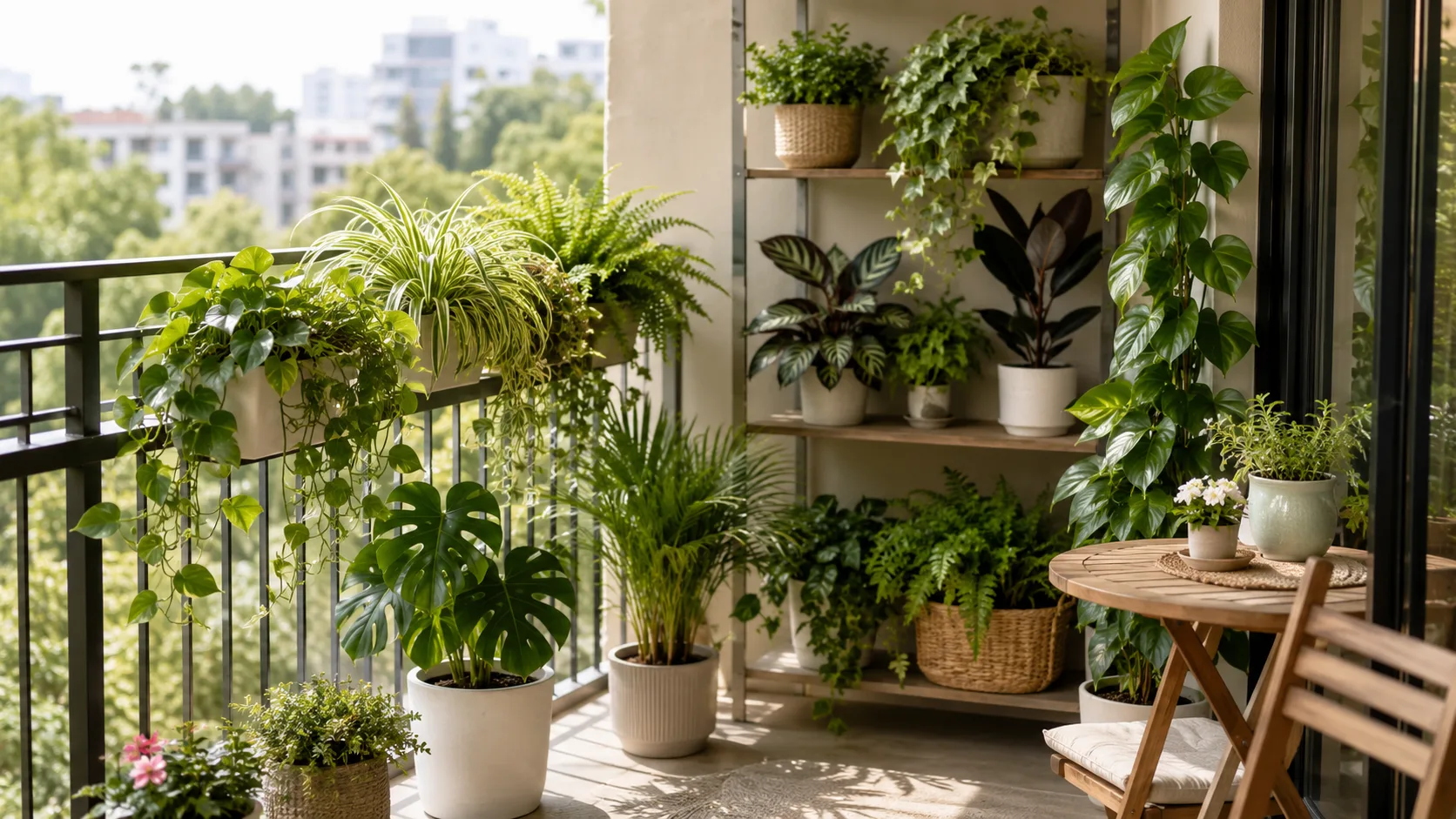
Balconies exaggerate every stress: wind strips leaves, pots dry in an afternoon, reflected glass boosts heat, and winter arrives without ground insulation. The best balcony plants either love sun and breeze or tolerate seasonal moves indoors when frost threatens.
If you store tropicals inside each winter, cross-check Plants for Living Room for indoor spots before you buy outdoor scale. This guide compares ten balcony performers: sun needs, wind tolerance, watering on ledges, and hardiness reality.
The 10 best balcony plants are bougainvillea, geranium, hibiscus, lavender, jasmine, rosemary, jade plant, snake plant, aloe vera, and marigold.
Editor note (pot weight): On windy high-rise balconies, a lightweight plastic pot that looked fine indoors will sail. Ceramic or concrete with saucer clips beats decorative fiber on exposed rails.
Quick Pick: Best Balcony Plant for Your Exposure
For full-sun south or west balconies with shelter from constant gales, choose bougainvillea or geranium—color payoff when light is strong.
For fragrant summer evenings on bright rails, choose jasmine or lavender—lavender wants sharper drainage; jasmine wants steady moisture.
For tropical flowers in large pots you can move indoors, choose hibiscus—treat as seasonal outdoors in temperate zones.
For low-water sunny ledges, choose rosemary, jade plant, or aloe vera.
For shaded or part-sun enclosed balconies, choose snake plant—also the easiest winter indoor refugee.
For pest-deterring annual color on sunny rails, choose marigold in fresh potting mix each spring.
How to Choose Balcony Plants
Map your balcony in sun hours, wind exposure, and frost timeline before buying trailing baskets for aesthetics alone.
Count Sun Hours Honestly
Morning sun on an east balcony differs from baking west-afternoon exposure. Geranium and bougainvillea need four to six hours of direct sun for heavy bloom; snake plant and jade tolerate bright shade on north-facing enclosed patios.
Plan Seasonal Moves
Tropical hibiscus, jasmine, jade, aloe, and snake plant often overwinter indoors in USDA zones with freezing nights. Budget floor space before you buy a pot you cannot lift.
Secure Pots and Drainage
Extension container guidance emphasizes drainage holes and appropriate pot volume—roots heat and dry fast in small dark pots on concrete ledges. (University of Florida IFAS - Container Gardening)
How We Selected These Ten
Chosen for container performance, balcony-relevant sun/wind profiles, flower or foliage payoff, and LeafyPixels care coverage. Large indoor trees from Large Indoor Plants are poor balcony defaults without protected conservatories.
Balcony Plants Compared
The 10 Best Balcony Plants
1. Bougainvillea
Best for: hot sunny balconies, vertical color on trellis.
Difficulty: Medium | Light: Full sun | Water: Dry between thoroughly
Season note: Thrives summer heat; protect from hard frost
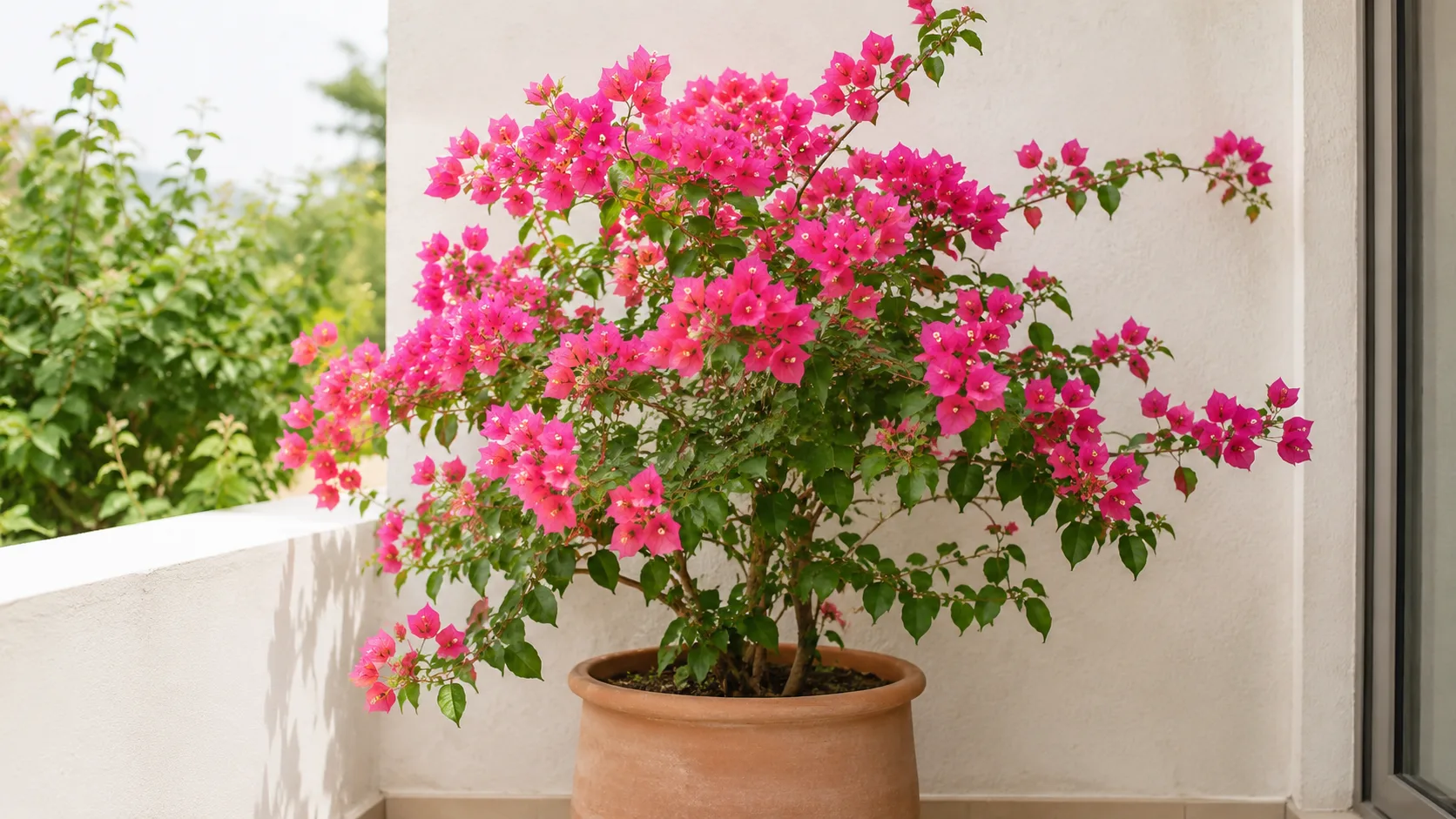
Bougainvillea delivers the most color per square foot on sun-baked rails. Bracts—not petals—provide long-lasting hue. It blooms best when slightly stressed between waterings.
Why it works: Sun-loving drama in containers.
Care tip: Use terracotta; avoid oversized pots that stay wet.
Common mistake: Shaded north balcony with weekly heavy watering—leaf drop, no color.
Avoid if: Your balcony is enclosed shade year-round.
Useful care guides:
2. Geranium
Best for: classic railing pots, full sun.
Difficulty: Easy | Light: Full sun | Water: Dry between
Season note: Annual or overwinter indoors in cold zones
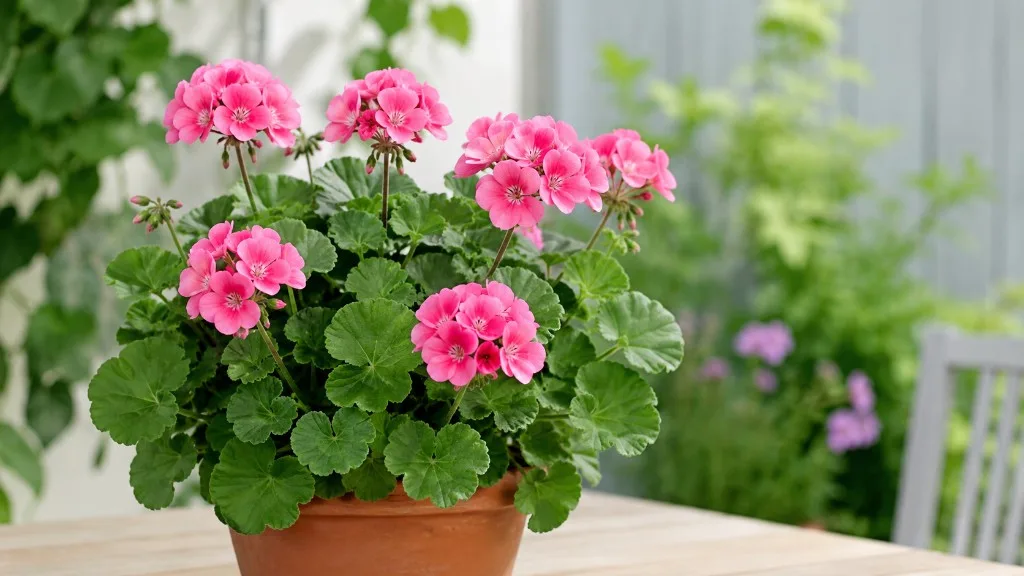
Geranium (Pelargonium spp.) is the balcony workhorse—upright flower clusters, tolerates wind in weighted pots, forgives occasional dry spells. (Iowa State Extension)
Why it works: Reliable bloom with simple care.
Care tip: Deadhead spent clusters to push new flowers.
Common mistake: Keeping soil soggy in cool spring weather—rot.
Avoid if: Balcony gets fewer than four hours direct sun.
Useful care guides:
3. Hibiscus
Best for: large sunny balconies, tropical flowers.
Difficulty: Medium | Light: Full sun | Water: Steady moisture
Season note: Move indoors before frost in temperate climates
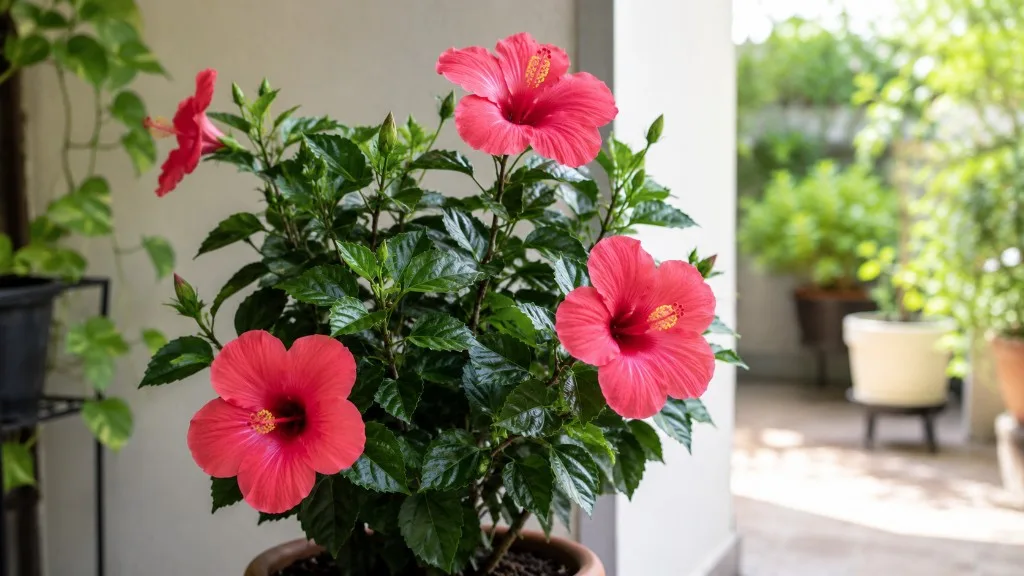
Hibiscus produces dinner-plate flowers when roots are warm and sun is strong. Wind tears large blooms—shelter behind glass or railings helps.
Why it works: Maximum flower size outdoors.
Care tip: Expect bud drop after moving indoors in fall—normal stress.
Common mistake: Small pot on a windy ledge—tips daily.
Avoid if: You cannot lift a heavy pot for winter storage.
Useful care guides:
4. Lavender
Best for: dry sunny west balconies, fragrance.
Difficulty: Medium | Light: Full sun | Water: Dry between
Season note: Hardy in mild dry climates; protect from wet winter roots
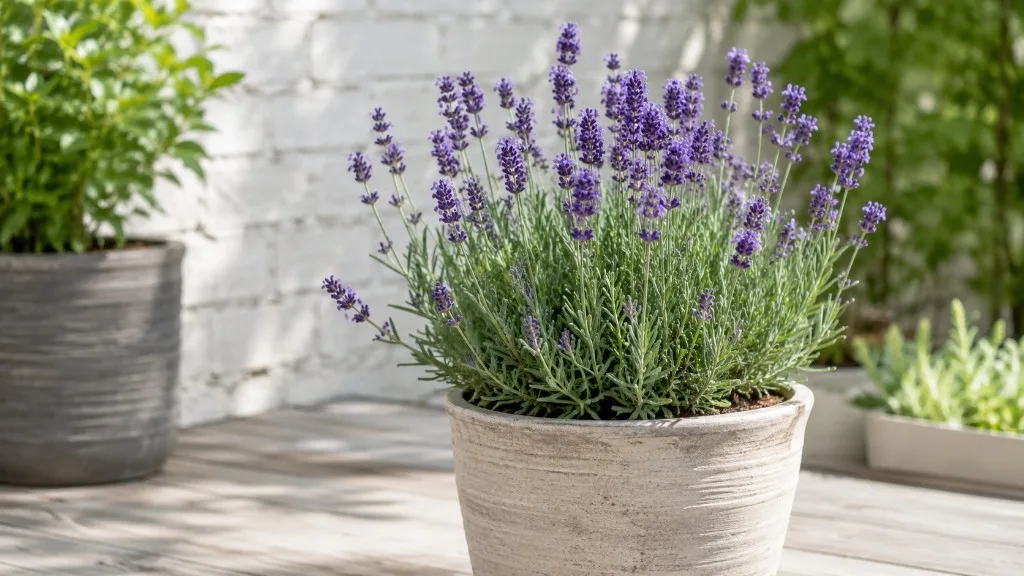
Lavender hates humid, stagnant balcony corners. Open windy rails with fast-draining mix mimic its native hills better than enclosed steamy patios.
Why it works: Fragrance and pollinators on sun ledges.
Care tip: Add grit to potting mix; never let pot sit in saucer water.
Common mistake: Pairing with daily sprinkler overspray from neighbors.
Avoid if: Balcony is shaded and humid.
Useful care guides:
5. Jasmine
Best for: fragrant summer evenings, trellis on rail.
Difficulty: Medium | Light: Bright sun to part shade | Water: Steady moisture
Season note: Often tender—plan indoor winter
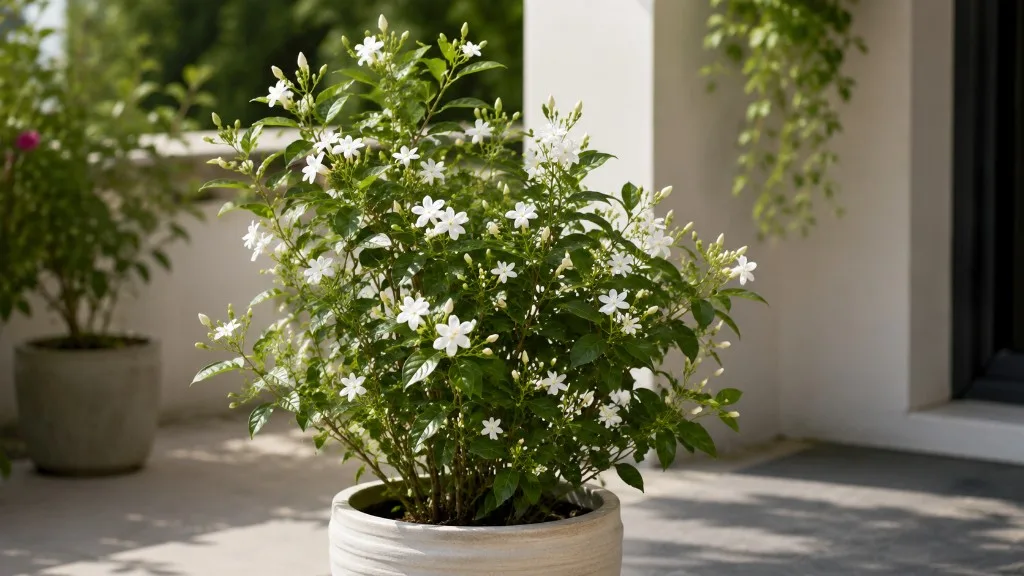
Jasmine perfumes enclosed balconies at dusk when flowers open. Train on vertical trellis to save floor space on narrow ledges.
Why it works: Scent payoff in small outdoor rooms.
Care tip: Group with other pots to buffer wind on flowers.
Common mistake: Letting soil dry completely during bud formation—buds drop.
Avoid if: You cannot provide winter indoor bright window.
Useful care guides:
6. Rosemary
Best for: culinary rail herbs, dry sun.
Difficulty: Easy–medium | Light: Full sun | Water: Dry between
Season note: Hardy in many zones; protect pot roots from freezing
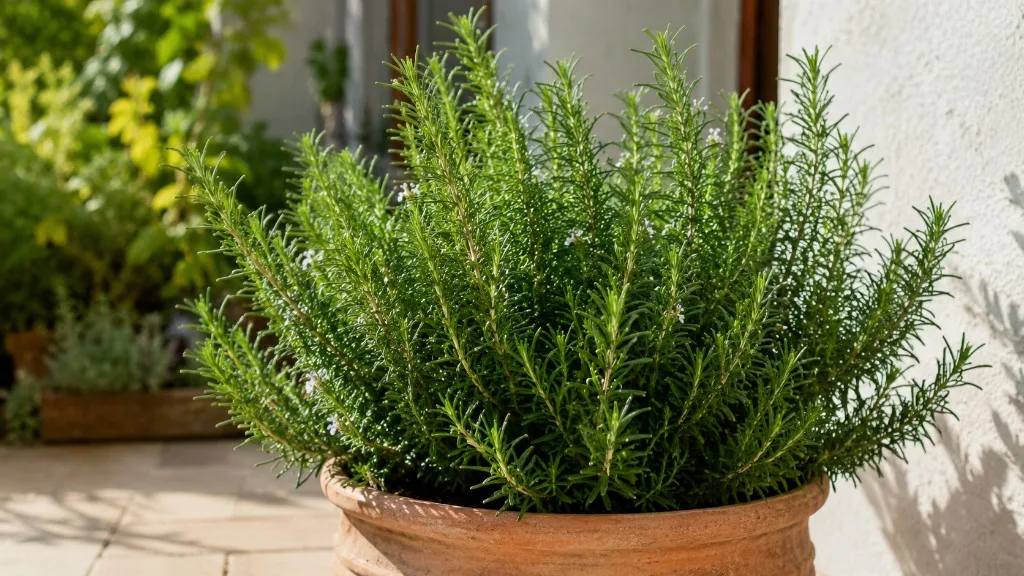
Rosemary on a balcony rail gives fresh clipping for cooking and tolerates wind better than tender basil. Woody structure resists light gusts when potted heavily.
Why it works: Edible, aromatic, drought-tolerant outdoors.
Care tip: Rotate pot monthly for even sun on all sides.
Common mistake: Enclosed balcony with low airflow—powdery mildew.
Avoid if: Balcony is deep shade.
Useful care guides:
7. Jade Plant
Best for: sunny sheltered rails, low water.
Difficulty: Easy | Light: Bright sun | Water: Dry between
Season note: Move indoors before hard frost
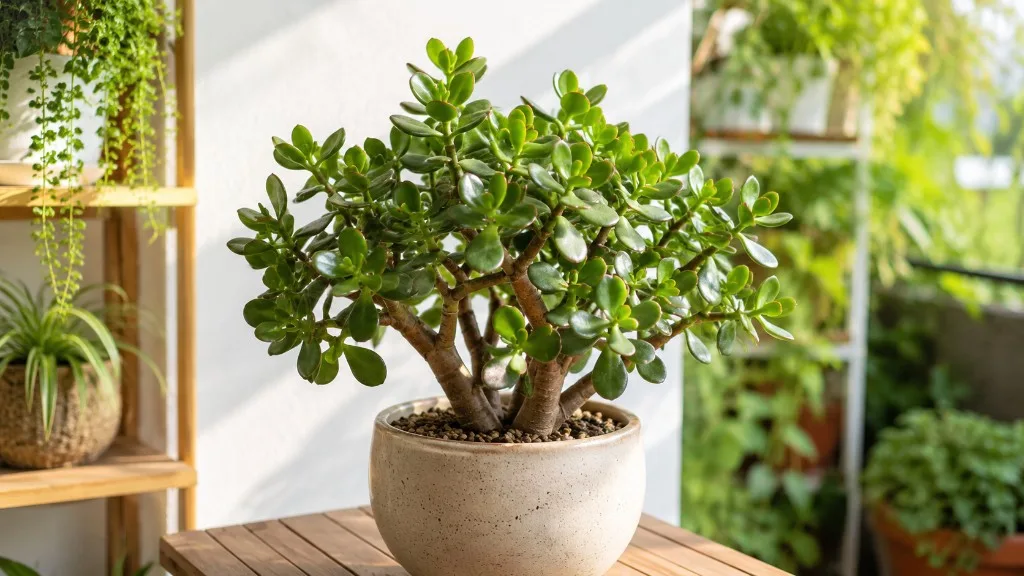
Jade plant handles reflected heat from glass doors—common on high-rise balconies. Thick leaves store water when you travel weekends.
Why it works: Succulent structure survives ledge dry spells.
Care tip: Acclimate to full sun gradually in spring to prevent sunburn.
Common mistake: Leaving outdoors after first frost—mushy stems.
Avoid if: Balcony is north-facing shade only.
Useful care guides:
8. Snake Plant
Best for: enclosed shaded balconies, winter indoor ease.
Difficulty: Easy | Light: Bright shade to sun | Water: Very dry between
Season note: Move indoors in freezing climates
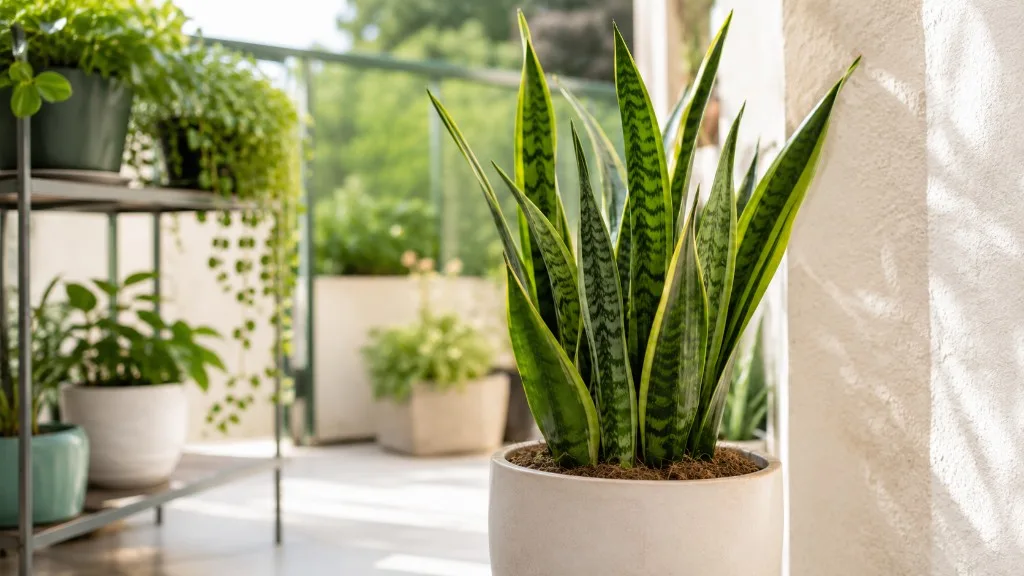
Snake plant survives the balcony that gets no direct sun—useful on north-facing apartment ledges where flowers fail.
Why it works: Lowest-maintenance balcony foliage.
Care tip: Reduce watering when outdoor temps cool in fall.
Common mistake: Full desert sun overnight without acclimation—bleached leaves.
Avoid if: You want flowers—choose geranium.
Useful care guides:
9. Aloe Vera
Best for: hot sunny rail corners, medicinal gel access.
Difficulty: Easy | Light: Full sun | Water: Dry deeply
Season note: Frost tender—indoors in winter
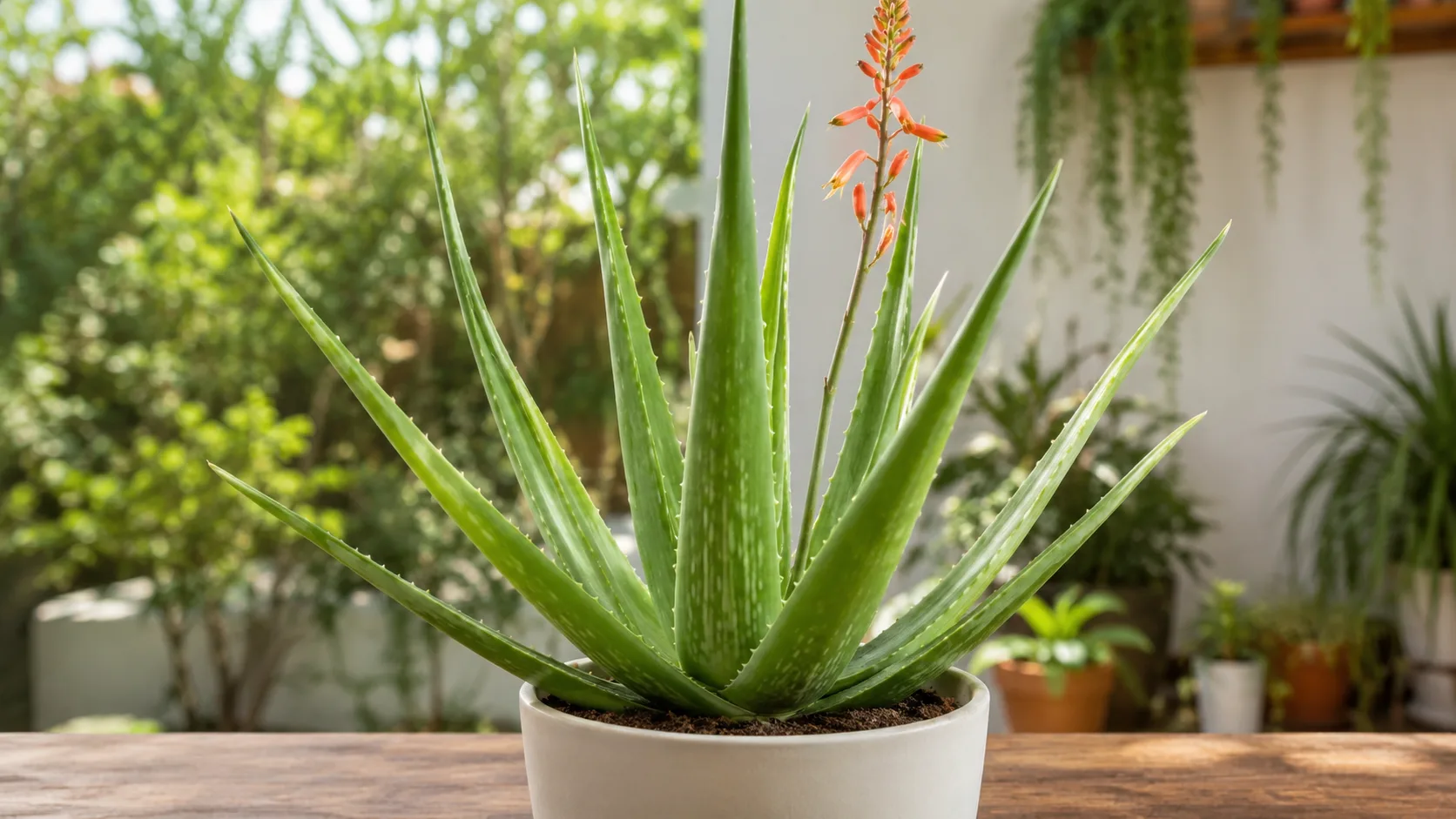
Aloe vera loves balcony heat if drainage is sharp. Pups multiply—share offsets instead of overcrowding one windy pot.
Why it works: Sun succulent with practical gel use.
Care tip: Tilt pot slightly so rain does not pool in rosette.
Common mistake: Leaving in saucer water after summer storms.
Avoid if: Pets chew balcony plants—aloe is toxic per ASPCA.
Useful care guides:
10. Marigold
Best for: annual color, pest-deterring companion on sunny rails.
Difficulty: Easy | Light: Full sun | Water: Even moisture
Season note: Frost-killed annual; replant each spring
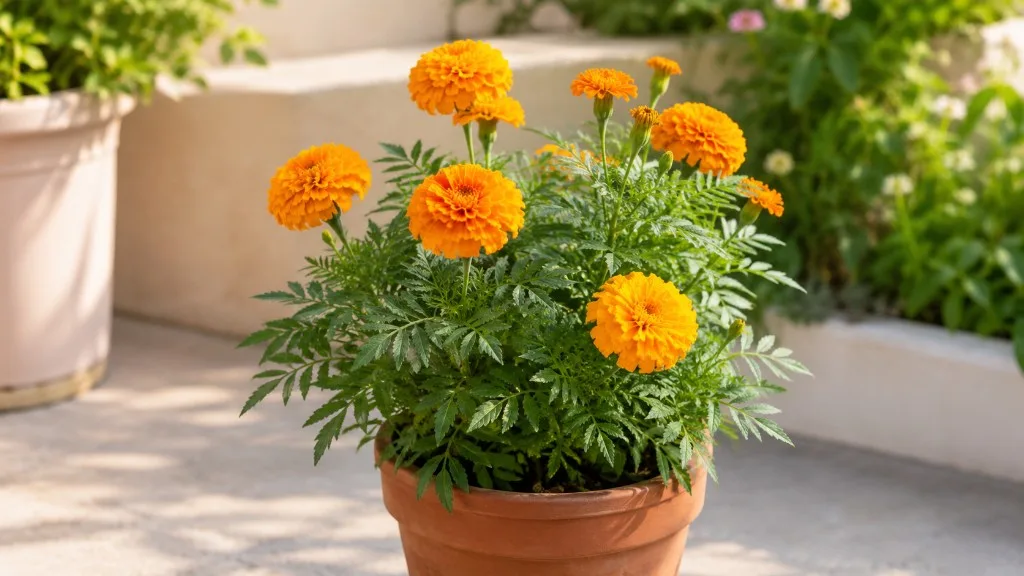
Marigold is the cheapest balcony color reset each year. Strong scent may deter some pests—do not treat as guaranteed pest control, but useful in mixed containers.
Why it works: Fast flowers in small pots on rails.
Care tip: Deadhead to extend bloom into fall.
Common mistake: Overhead watering late evening—mildew on crowded leaves.
Avoid if: You refuse annual replanting—choose rosemary instead.
Useful care guides:
Common Balcony Plant Mistakes
Underestimating wind on high floors—stake climbers and weight pots.
No frost plan for hibiscus, jasmine, jade, aloe, and snake plant in temperate cities.
Saucers holding rainwater rot roots in species that need dry cycles—lavender and bougainvillea especially.
Same potting mix for succulents and hibiscus—drainage needs differ sharply.
Conclusion
Full sun: bougainvillea, geranium, marigold. Fragrance: lavender and jasmine. Low water: rosemary, jade, aloe. Shade ledge: snake plant. Tropical blooms with winter storage plan: hibiscus.
Measure sun and wind before color. A thriving boring pot beats a dead showpiece.