How to Propagate Boston Fern: Runners, Division, and Spores
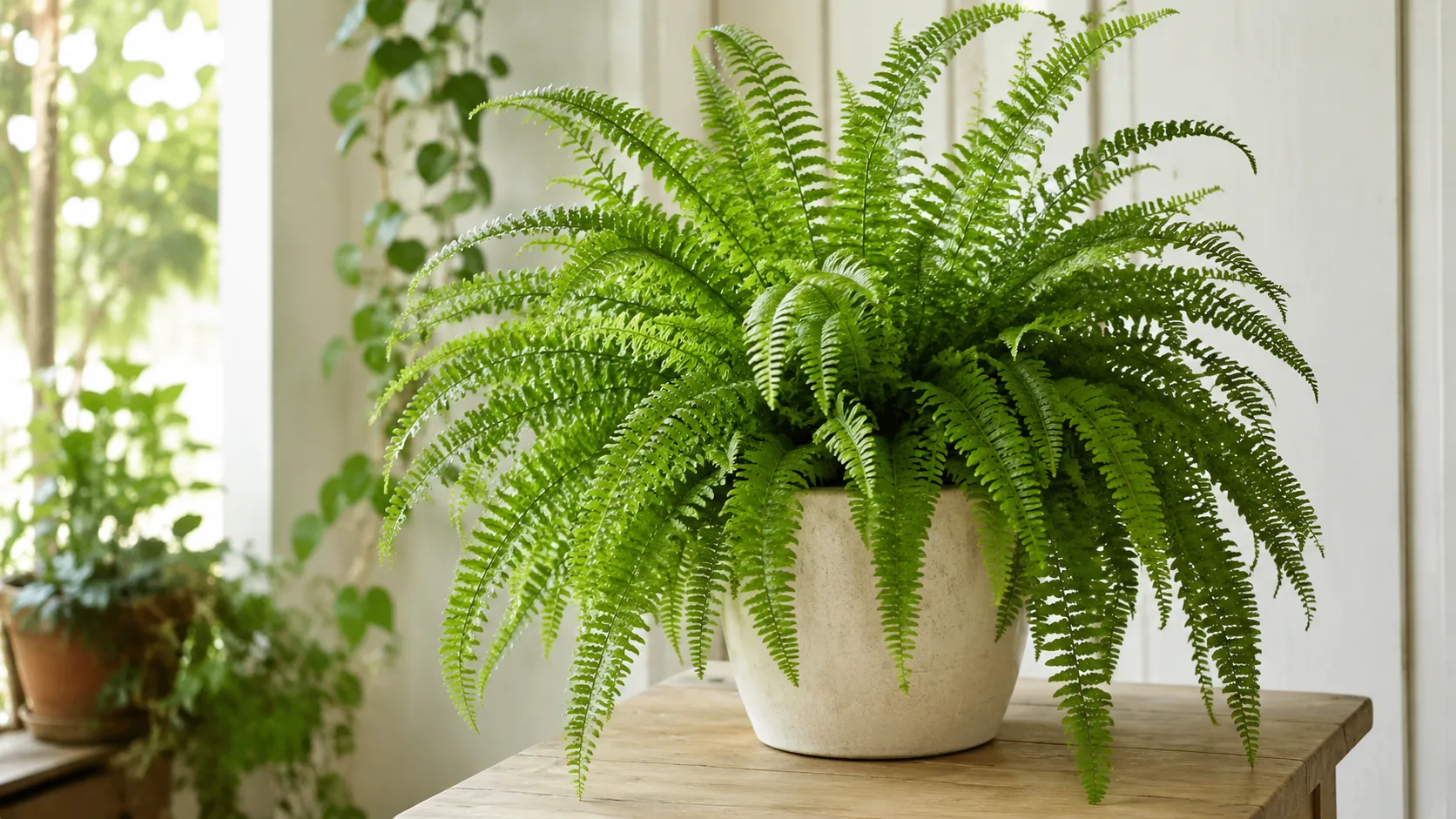
How to Propagate Boston Fern: Runners, Division, and Spores
How to Propagate Boston Fern: Runners, Division, and Spores
How Boston Fern Reproduces in Nature
Boston fern (Nephrolepis exaltata var. Bostoniensis) is a naturally occurring variant of the tropical sword fern, first noted in a shipment of ferns sent from Philadelphia to Boston in 1894. In humid forests from northern South America through Mexico, Florida, and the West Indies, the species spreads in two main ways: by spores released from clusters called sori on the undersides of mature pinnae, and by runners - thin, wiry stolons that arch outward until their tips contact soil and root into new plantlets. University of Wisconsin–Madison Extension notes that these stolons behave like living bridges: the parent plant feeds the developing offset until it can stand alone.
That natural history explains why indoor propagation feels intuitive once you match method to biology. You are not rooting a single detached frond the way you might with a pothos cutting; you are either splitting an established rhizome-and-root mass that already supports multiple crowns, encouraging a runner-attached plantlet to root while still connected to the mother, or - in the slowest path - raising ferns from microscopic spores through a two-stage life cycle that most houseplant guides barely mention. Boston fern has fine, fibrous roots and fronds that lose turgor quickly when air is dry, so every method succeeds or fails on moisture control, humidity, and gentle handling more than on fancy equipment.
Understanding those basics prevents the most common beginner mistake: treating Boston fern like a succulent or a stem-cutting plant. Fronds without crown tissue cannot regenerate a full plant. Divisions need living roots and growing points. Runners need time and contact with moist medium while still attached. Spores need sterile conditions and months of patience - and for the classic Bostoniensis cultivar, extension sources consider them sterile, as explained later in this guide.
Choosing the Right Propagation Method
The easiest way to propagate Boston fern at home is division during active growth. Splitting the root ball gives each section an immediate supply of roots and fronds, which is why extension guides rank it first for reliability over spore sowing for named cultivars. Runner propagation is the second choice: low-stress for the parent, visually satisfying, and well suited to hanging baskets where stolons already dangle toward neighboring pots. Spore propagation belongs in a separate category - fascinating for fern enthusiasts, aligned with how wild sword ferns reproduce, but slow, contamination-sensitive, and not dependable for named Boston fern cultivars that produce deformed or sterile spores.
Use this decision framework before you gather tools. Choose division when the plant is rootbound, you want two or three full-looking pots quickly, or you are Boston Fern repotting guide anyway in spring. Choose runners when you see healthy plantlets on stolons and prefer not to disturb the main root ball. Choose spores only if you have confirmed fertile sori on a spore-producing plant, accept a 12–18 month timeline to transplantable size per Royal Horticultural Society guidance, and want the experience - not because it is the practical route to more Boston ferns for your living room.
Water propagation is not a viable Boston fern method. Fern crowns and fronds rot in standing water long before they root. Some social posts show fronds suspended in jars; those experiments usually end in mushy tissue, not new plants. Stick to moist peat- or coco-based mix, humidity retention, and Boston Fern light guide - the same conditions that keep a mature Boston fern happy.
When to Propagate Boston Fern
The best time to propagate Boston fern is spring through early summer, when lengthening days and warm room temperatures push new fiddleheads unfurling from the crown. Promesse de Fleurs and multiple extension-style sources tie division to repotting season for good reason: the plant is exiting dormancy, roots are metabolically active, and recovery happens fast enough that you see fresh fronds within weeks rather than months.
You can propagate outside that window, but expectations change. Late summer divisions often succeed if humidity stays high and the plant is not heat-stressed. Fall and winter propagation is risky indoors: lower light slows root regeneration, heated air dries fronds, and wet mix stays cold longer in dim corners. If you must divide in winter, keep new pots warmer (65–75°F / 18–24°C), boost humidity toward 50–70%, and accept slower progress.
Timing is also about plant condition, not calendar alone. Propagate when the parent shows firm green fronds, active new croziers (coiled fiddleheads), and no active pest outbreak. Skip propagation immediately after shipping, a recent repot, or a bout of root rot on Boston Fern - stabilize first, then multiply. A healthy Boston fern that has outgrown its basket is an ideal candidate; a dehydrated fern shedding yellow pinnae is not.
Supplies You Will Need
Good Boston fern propagation starts with clean, simple materials matched to the method you chose.
For division and runners, gather a sharp knife or pruning shears disinfected with 70% isopropyl alcohol, several pots with drainage holes (typically 4–6 inches for divisions, smaller for single runner plantlets), and a moisture-retentive but well-drained mix. UW Extension recommends peat-based media with components like vermiculite or perlite - the same blend you use for mature plants. Pre-moisten the mix until it feels like a wrung-out sponge, not mud.
For runners specifically, add U-shaped wire pins, hairpins, or small stones to hold stolons against the soil surface in a satellite pot while roots form. A clear plastic bag or humidity dome large enough to cover the pot without crushing fronds helps prevent desiccation during the first two weeks.
For spore sowing, level up sterility: sterilized seed compost or a sieved mix of peat and fine sand, paper envelopes for spore collection, clear polythene or a lidded transparent container, labels, and optionally a heated propagator set around 68–72°F (20–22°C). The RHS emphasizes that fern spores are easily contaminated; washed hands, clean trays, and dedicated space reduce mold that wipes out a sowing overnight.
Optional but useful for all methods: a spray bottle for misting, a humidity tray or small humidifier, and bright indirect light - an east window or a few feet back from south or west glass behind a sheer curtain, matching Wisconsin Horticulture’s medium-bright indoor recommendation.
Method 1: Propagating Boston Fern by Division
Division is the most reliable Boston fern propagation method for home growers. You are not inventing new growth; you are reallocating pieces of an existing root system, each with enough fronds and roots to survive independently.
Identifying When the Plant Is Ready to Divide
Look for signs the plant has filled its pot: roots circling the surface, the root ball lifting as a solid mass when you slip the plant out, or water running straight through because the mix is full of roots. Mature plants at least one to two years old divide more gracefully than young nursery pots with only a single crown. Each future division should include several fronds - aim for at least three to five healthy pinnae-bearing stems - plus a visible section of white or tan fibrous roots. Smaller pieces can work but wilt faster and need tighter humidity control.
Water the parent 12–24 hours before dividing so fronds are turgid and roots are flexible. Dry, brittle root balls tear; hydrated ones separate along natural lines with less damage.
Step-by-Step Division Process
- Unpot gently. Tip the fern on its side, support the frond mass with one hand, and slide the root ball out. If it sticks, run a knife around the pot wall rather than yanking fronds.
- Inspect the root ball. Shake or rinse away loose old mix so you see where crowns and rhizomes naturally fork. Boston fern often forms multiple growing points in one mass.
- Separate or cut. Pull apart sections that release easily with minimal tearing. Where the mass is dense, use a sterile sharp knife to cut vertically through the root ball - UW Extension advises cutting into halves or quarters while keeping as many leaves as possible on each piece.
- Trim only what is necessary. Remove blackened roots or completely brown fronds, but keep healthy green tissue even if it looks uneven. Over-pruning weakens small divisions.
- Pot immediately. Place each division at the same depth it grew before. The crown where fronds emerge should sit at or slightly above the mix surface - never buried deeply.
Work quickly once roots are exposed. Exposed fern roots desiccate within minutes in dry indoor air.
Potting Divisions and Maintaining Humidity
Fill each pot with pre-moistened mix, set the division, and settle the medium with gentle watering from above rather than packing it down hard. Boston fern roots need air as much as water; compacted peat suffocates them.
For the first 10–14 days, enclose each pot in a clear plastic bag with three or four small ventilation holes, or use a humidity dome. Place the setup in bright indirect light, not direct sun - magnified heat inside plastic cooks fronds fast. Open the cover briefly every 2–3 days to exchange air and prevent mold.
Water lightly when the top centimeter of mix begins to dry. Divisions with large root mass need less frequent watering than tiny sections. Expect new fiddleheads within 2–4 weeks in spring conditions; slower in cool or dim rooms. Division also rejuvenates an old plant: the parent and offspring often push fresher fronds after the stress settles.
Method 2: Propagating Boston Fern from Runners
Boston fern runners are thin stolons that emerge from the plant and arch outward. When the tip touches moist substrate, it forms roots and a miniature fern - a clone of the parent. Wisconsin Horticulture describes this as the plant’s natural ground-layering habit. Indoors, you replicate that by pinning the plantlet to soil while it is still attached.
Finding and Selecting Healthy Runners
Inspect hanging baskets and pot edges for wiry stems with a small rosette of fronds at the tip. Choose runners that are green and pliable, not brown or shriveled. The plantlet should have at least a few pinnae and show no pest damage. One healthy runner per small pot is enough; overcrowding multiple plantlets in one container invites rot.
If your fern never produces runners, division remains your path. Runner frequency varies by cultivar, light, and age - ‘Compacta’, ‘Dallas’, and related selections are often described as spreading quickly, while a stressed fern in dry air may not stolon at all.
Pinning Runners Until Roots Form
- Fill a small pot (often 3–4 inches) with pre-moistened peat-based mix.
- Place it beside the parent pot so the runner reaches without tension.
- Lay the plantlet on the mix surface, lightly press contact points, and pin the stolon with a U-wire or small stone - not so tight that you crush the stem.
- Keep the mix evenly moist and humidity high. A loose clear bag over the satellite pot works well.
- Wait. Healthy runners typically develop anchoring roots in 4–6 weeks during active growth, though cool or dry conditions extend that to 8 weeks.
Do not sever early. Tugging a runner that has only begun to root tears fragile tissue. Gently lift the pin and check for white root tips gripping the mix before you cut.
Severing and Potting Rooted Runners
Once roots hold the mix when you give a very gentle tug, sterilize scissors and cut the stolon between the parent and the new plant, leaving a short stub on the offspring side. Move the rooted plantlet to its permanent location - still bright indirect light, still humid - and care for it as a small mature fern.
The parent plant keeps feeding the runner until you cut it, which is why this method stresses the mother less than aggressive division. You can pin multiple runners to separate pots in one season if the plant is vigorous, spacing satellite pots around the parent like satellites on a mobile.
Method 3: Propagating Boston Fern from Spores
Spore propagation completes the biological picture: ferns are seedless vascular plants that reproduce through spores rather than flowers and seeds. For gardeners who enjoy propagation as craft, sowing spores reveals the prothallus stage - a tiny heart-shaped gametophyte - before true fronds appear. For most Boston fern owners, though, this method is optional at best.
Viable Spores and the Bostoniensis Limitation
On fertile ferns, sori appear as round brown or black clusters near pinna margins on the underside of fronds. The Royal Horticultural Society notes that sori ripen sequentially along a frond, so mid- to late summer often yields both ripe and unripe patches on the same leaf.
Here is the critical caveat for this article’s namesake plant: University of Arkansas Cooperative Extension notes that unlike most ferns, Boston fern and its many cultivars are considered sterile and propagate primarily by stolons rather than viable spores. Harvesting brown sori from a typical living-room Boston fern often yields powder that does not germinate reliably, no matter how perfect your setup. Division and runners remain the practical multiplication routes for that cultivar.
Spore sowing does apply if you grow fertile Nephrolepis selections or species with confirmed viable spores, or if you want to experiment with species-level N. exaltata material - understanding that named cultivars will not come true from seed-like spores, per UW Extension. Commercial growers use tissue culture for uniform cultivars at scale; home spore raising produces genetic variation.
Collecting, Sowing, and Raising Sporelings
Collection: Snip a frond segment bearing dark brown or black sori (not pale green unripe heaps). Place it in a dry paper envelope for 1–3 days in a warm, dry spot. Ripe spores fall as fine dust - brown, yellow, or black - visible against the paper.
Sowing: Sterilize pots and use fresh, fine, moist substrate. The RHS advises sprinkling spores very thinly on the surface and not covering them, because fern spores need light to germinate. Seal the container with clear polythene immediately to maintain humidity.
Germination environment: Keep at roughly 65–72°F (18–22°C) in bright indirect light. A green film - prothalli - typically appears within 1–2 months, followed by the first tiny sporophyte fronds weeks later. From a midsummer sowing, RHS guidance suggests true fronds by winter; autumn sowings may wait until spring.
Transplanting: When sporelings show two or three fronds, prick them out in clumps into small pots of sterilized mix, then return them to a humid bag for a few days while they settle. Young ferns need 1–2 years before they resemble a shop-sized plant - a timeline measured in seasons, not weeks.
If mold appears early, discard the batch and restart with cleaner technique rather than fighting contamination for months.
First-Month Care After Propagation
Whether you divided, severed a runner, or eventually moved sporelings, the first 30 days share the same priorities: stable humidity, controlled moisture, bright indirect light, and patience.
Keep temperatures in the 65–75°F (18–24°C) comfort band Boston fern prefers. Avoid placing new pots directly under AC vents, radiators, or cold window glass in winter. Frond tips brown quickly when air drops below 40–50% relative humidity for extended periods; a humidifier or grouped plants helps more than occasional misting, which only briefly raises humidity and can encourage foliar fungal spots if fronds stay wet overnight.
Watering: Use the same discipline as for mature plants - consistent moisture without waterlogging. Check the top 1–2 cm of mix; water when it begins to dry, using room-temperature water until it runs from drainage holes, then empty the saucer. Divisions with reduced root mass need lighter, more frequent checks than the original pot, not the same volume on the same schedule.
Light: Bright indirect exposure supports photosynthesis while roots rebuild. Direct sun through glass scorches recovering fronds. If the plant sits farther from windows than before, expect slower recovery - not failure - and avoid compensating with extra water.
Fertilizer: Hold all fertilizer until you see new unpolluted growth - typically 4–6 weeks post-division or post-sever for runners. Early feeding on stressed roots can brown frond tips, the same symptom as over-fertilizing established Boston ferns per extension guidance.
Success signals: New croziers emerging from the crown, firm green pinnae, and roots visible at drainage holes in small pots mean the plant has turned the corner. Static but green and turgid divisions may simply be rooting quietly; constant digging destroys progress.
Troubleshooting Failed Propagations
Most Boston fern propagation failures trace to a short list of cultural errors rather than mysterious fern temperament.
Whole division collapses and fronds go limp: Usually insufficient roots per section, low humidity, or underwatering on Boston Fern after over-handling. Trim only dead fronds, re-bag for humidity, and verify mix moisture - not sopping, not dust-dry.
Crown mush or sour-smelling mix: overwatering on Boston Fern on a division with trimmed roots. Remove affected tissue if limited, repot into fresh mix, and reduce water until new growth appears.
Runner plantlet shrivels while mix is wet: The stolon may still be feeding from the parent - confirm you have not severed early - or the plantlet lacks enough leaf area to transpire in dry air. Re-pin, raise humidity, and reduce direct exposure.
Spore tray turns green then goes fuzzy: Contamination or algae outcompeting prothalli. Sterile technique matters more than brand of peat. Start over rather than salvage a mold-dominated surface.
Yellowing lower fronds on an otherwise stable new plant: Often normal acclimation as older pinnae senesce. Worry when new growth yellows or the crown softens.
Pests after propagation: Scale and mealybug hitchhike on divided fronds. Inspect undersides before you merge new plants into a collection; quarantine for 2–3 weeks when possible.
If a division fails but the parent remains healthy, you still have the original plant - propagation is multiplication, not all-or-nothing surgery.
When Not to Propagate Boston Fern
Propagation is a reward for good care, not a rescue for bad care. Do not divide or pin runners on a plant suffering active root rot, severe dehydration, or a spider mite outbreak until you have corrected the underlying problem and seen stable new growth. Dividing a wilted fern spreads stress across smaller root systems and often accelerates loss.
Skip propagation when you cannot maintain humidity for two weeks - for example, during a dry winter heat season with no humidifier and no bag or dome. Wait until conditions favor recovery.
Avoid over-fragmentation: turning one basket into six tiny divisions in a single session leaves each piece with too little root mass to support its frond load. Two or three reasonable sections beat six starving ones.
Finally, do not propagate solely because the plant looks messy. Old brown pinnae may need grooming, not surgery. Sometimes a repot into fresh mix without cutting satisfies the goal.
Conclusion
Boston fern propagation works best when you align method with the plant’s natural habits. Division in spring or early summer remains the most dependable route for home growers: each section keeps roots and fronds, recovers under humidity cover in bright indirect light, and often rejuvenates an tired parent. Runners offer a gentler, slower spectacle - pin the plantlet, wait 4–6 weeks, sever when roots hold, and treat the offspring like a small established fern. Spores teach the full fern life cycle but demand sterile technique, months of waiting, and acceptance that classic Bostoniensis is considered sterile; for most readers, spores are a curiosity, not the main plan.
Across every method, the aftercare rhyme is the same: moist but airy mix, 50–70% humidity while roots recover, no fertilizer until new croziers appear, and patience instead of daily root inspection. Get those right and a single lush basket becomes two or three without replacing your favorite cultivar at the nursery - and the parent plant often looks fuller for the effort.
When to use this page vs other Boston Fern guides
- Boston Fern overview - Start here for whole-plant context before deep-diving this topic.
- Boston Fern problems hub - Jump to symptom-specific fix guides when this care topic does not resolve the issue.
Related Boston Fern guides
- Boston Fern overview
- Boston Fern watering
- Boston Fern light
- Boston Fern soil
- Boston Fern fertilizer
- Boston Fern repotting
- Boston Fern problems
Related tool
Try the Propagation Success Calculator with boston-fern pre-selected to estimate needs for your setup.