Boston Fern Light: Best Window & Warning Signs
Boston Fern Light: Best Window & Warning Signs
Boston Fern Light: Best Window & Warning Signs
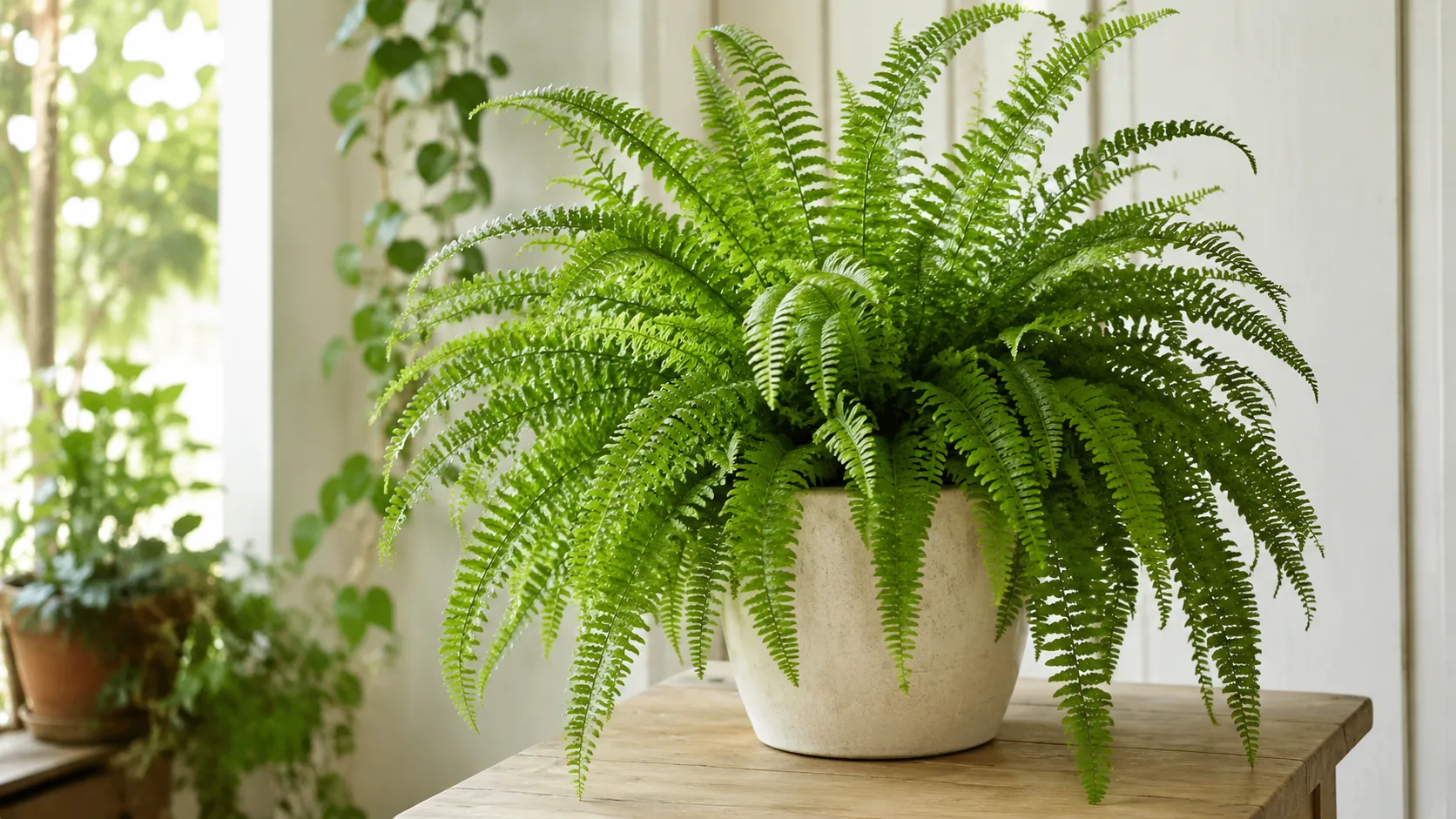
A Boston fern with the right light looks effortless: arching fronds, fresh green pinnae, and steady new growth at the crown. Get the exposure wrong and the same plant becomes a shedding, browning mess that makes you wonder whether you are underwatering on Boston Fern, overwatering on Boston Fern, or failing at humidity. Most of the time, the real issue is simpler than that. Boston fern light needs are specific. This is not a plant that wants a dark corner, and it is not a plant that wants a blazing south window either. It wants the kind of bright, filtered illumination you would find on a tropical forest floor - steady, indirect, and consistent enough that photosynthesis keeps pace with the plant’s enormous leaf surface area.
Understanding that middle ground saves you from two expensive mistakes: parking a lush hanging basket in direct afternoon sun because “plants need light,” or tucking it into a dim hallway because the shop tag said “low-light tolerant.” The tag is technically true in the weakest sense. A Boston fern can survive low light for a while. It will not look good there for long. This guide walks through what bright indirect light actually means in a real home, which window to choose, how to read warning signs on both ends of the spectrum, and what to do when winter steals your daylight.
What Light Boston Ferns Actually Need
Nephrolepis exaltata, the species behind the classic Boston fern and its popular cultivar ‘Bostoniensis’, evolved under tree canopy in humid tropical and subtropical regions of the Americas. Missouri Botanical Garden describes the indoor requirement plainly: site the plant in bright indirect light with no direct sun, noting tolerance of some shade but not a preference for darkness. Better Homes & Gardens puts the practical target at an east- or north-facing window indoors, with rotation for even growth. That consensus matters because it frames the entire care conversation. You are not trying to maximize photons the way you would for a cactus. You are trying to deliver enough energy for dense frond production without the leaf-scorching intensity of unfiltered midday sun.
Bright Indirect Light in Plain Terms
Forget the jargon for a moment. Bright indirect light means the plant can see a generous slice of sky from its position, but the sun’s beam does not land directly on the fronds for hours at a time. Stand where your fern sits and look toward the window. If you can see bright sky and the light on your hand is soft - not a sharp, hot spotlight - you are probably in the right zone. A useful indoor benchmark cited by several horticultural references falls roughly between 1,000 and 2,500 foot-candles: bright enough for active growth, diffuse enough to avoid scorch. You do not need a meter to succeed, but if you own one, that range is a helpful confirmation rather than a rigid rule.
What separates Boston fern from many tough foliage houseplants is leaf area. Each frond carries dozens of small pinnae with thin tissue and high transpiration rates. More light drives more photosynthesis, but more direct sun also drives faster water loss and heat buildup on the leaf surface. That is why “bright” and “indirect” travel together for Boston Fern overview. The goal is energy without assault. In practice, most healthy indoor Boston ferns receive somewhere between ten and fourteen hours of usable ambient daylight, supplemented in winter if needed. Growth should look full and upright, not stretched, and new fronds should emerge regularly during the active season.
Why Forest-Floor Origins Change Your Window Choice
Picture the native habitat: filtered sun slipping through layers of leaves, high humidity holding moisture in the air, and soil that stays evenly damp but never stagnant. The canopy does not starve the fern. It softens the light. That is the condition you are replicating indoors - not the dark understory myth, and not open-field sun. Retail language often compresses this into “shade plant,” which sends people toward dim rooms. A better mental model is dappled brightness. The fern wants to feel protected from harsh rays while still participating in the day’s light cycle.
That origin story also explains why Boston ferns react dramatically to sudden moves. A plant grown under gentle exposure cannot jump to a south window in June without protest. Fronds formed in softer light lack the structural tolerance for intense radiation. Acclimation matters, and we will return to it. For now, hold this principle: choose a window that delivers canopy-style light, then adjust distance and filtration rather than chasing extremes.
Best Window Placement for Boston Fern
Window direction is not destiny, but it is the fastest way to predict how intense exposure will be through the day. Glass type, outdoor shading from trees, overhangs, nearby buildings, and sheer curtains all modify the raw orientation. Still, the compass gives you a reliable starting map.
East-Facing Windows
An east-facing window is the gold standard for Boston fern indoors in the Northern Hemisphere. Morning sun is lower in angle, cooler, and shorter in duration - often three to four hours - before the day shifts to bright indirect ambient light. Place the pot one to three feet from the glass, or hang the basket slightly closer if the morning beam is gentle and the fronds do not touch hot glass. Many growers report their best long-term results with east exposure combined with consistent humidity, because the plant receives a strong daily signal without the punishment of afternoon heat.
Watch the first few weeks after placement. New fronds should unfurl cleanly, without pale bleaching on the side facing the window. If you see crisp browning only on the sun-facing pinnae, pull the plant back six inches and reassess. East windows rarely need heavy filtration unless you are in a high-altitude or desert climate where morning intensity still runs sharp.
North-Facing Windows
A north-facing window can work very well for Boston fern, especially in a bright room with light-colored walls that bounce illumination deeper into the space. North light is consistent: cool, even, and free of direct sun beams for most of the day. Mature, established ferns often settle happily here, producing dense foliage without the seasonal scorch risk that south exposures carry.
The critical variable is whether the north window is actually bright. In an urban courtyard, a deeply recessed window, or a room shaded by porches and neighboring structures, north light can drop below what this plant needs for vigorous growth. Do not assume orientation alone guarantees success. Look at the plant’s response.
When a North Window Falls Short
If your north window is dim, you will see slow frond production, smaller new leaves, and a gradual thinning of the crown over months - not days. The soil may stay wet longer than expected because the plant is using less water, which can invite root issues if you keep watering on a summer schedule. That combination - damp soil plus weak growth - is a classic low-light fingerprint. Before abandoning the window, try moving the fern to the closest point where it still receives indirect sky light, cleaning the glass, and removing obstructions outside if possible. If growth remains weak through an entire growing season, add a grow light or relocate to an east exposure rather than accepting a permanently sparse plant.
South and West Windows with Filtering
South- and west-facing windows deliver the strongest indoor light. Unfiltered, they will burn Boston fern fronds in a hurry, especially from late morning through afternoon when sun angle and heat peak. These orientations are usable only with deliberate softening: sheer linen or voile curtains, window film, blinds angled to diffuse, or physical distance of three to six feet from the glass. The aim is to knock intensity down to bright indirect while preserving enough spectrum for healthy color.
West windows deserve extra caution in summer. A fern that looked fine in March can scorch in July when the setting sun slams through the pane for hours. Seasonal repositioning is not optional in many homes - it is part of the care routine. If your only bright room faces south or west, hang the fern off to the side of the window rather than dead center in the beam, and use the symptom checklist later in this article as your early warning system.
Direct Sun: Tolerance, Limits, and Acclimation
Can Boston fern take direct sunlight? Only in a narrow, qualified sense. A few hours of gentle early morning sun on an east windowsill is often tolerated, especially if fronds do not press against hot glass. Midday and afternoon direct sun is a different story. Unfiltered south or west exposure produces bleached patches, crispy margins, and rapid desiccation even when soil moisture is adequate. Missouri Botanical Garden’s guidance - bright indirect, no direct sun - reflects what most indoor growers should treat as the default rule.
Acclimation is the exception path. If you want to push slightly brighter exposure - moving from a dim corner toward a filtered south window, for example - do it in stages over two to three weeks. Shift the pot six inches closer every few days, or increase curtain transparency gradually. Watch new growth, not old damage. Existing browned pinnae will not green up again; recovery shows up in the next fronds. If you see widespread yellowing, curling during peak sun hours, or sudden mass drop after a move, retreat to softer light immediately and stabilize watering before trying again.
Outdoor summer shade is the outdoor analogue: dappled shade or morning sun with afternoon protection. Never move an indoor fern straight to a sunny patio without hardening it off. The shock can defoliate the plant within days.
Low-Light Limits: Survival vs Thriving
Boston fern is often sold as low-light tolerant, and that label causes more casualties than honest shade requirements would. Tolerance means the plant may persist for weeks or months in a dim spot without dying outright. It does not mean the plant will remain full, green, and fast-growing. In low light, the fern stretches toward the brightest vector, internodes lengthen, new fronds emerge smaller and paler, and the overall habit opens up until the arching silhouette looks thin rather than lush.
Long-term low light also skews your Boston Fern watering guide. Photosynthesis slows, water uptake drops, and soil that used to dry on a predictable schedule stays wet longer. Many owners respond by watering less - correctly - but miss that the underlying fix is more light. You can compensate only so far with perfect humidity and careful watering. Without adequate illumination, the plant is running on reserves.
If your only available spot is marginal, consider a compact or tougher relative for that location. Kimberly Queen fern (Nephrolepis obliterata ‘Kimberly Queen’), often grouped with Boston fern in retail displays, generally tolerates lower light and drier air more gracefully. For the classic Boston look, though, plan on brighter placement or supplemental lighting rather than forcing the species into a hallway niche.
Warning Signs Your Fern Is Getting Too Much Sun
Too much light announces itself on the foliage before the roots complain. Learning to read those signs keeps you from misdiagnosing sun stress as underwatering and drowning an already stressed plant.
The earliest signal is often color wash: pinnae on the window-facing side turn pale yellow-green or silvery, as if bleached. Next comes crisp browning along margins and tips, concentrated on the exposure side rather than evenly distributed. You may notice curling or folding during the brightest hours as the plant reduces exposed surface area. Soil can dry unusually fast because transpiration spikes, which tempts owners into heavier watering that does not fix the underlying burn. In severe cases, whole fronds collapse and drop within days of a bad move.
Heat magnifies the problem. Fronds resting against hot glass cook even when ambient light seems acceptable. Hanging baskets sway closer to the pane than intended. Air conditioning drafts and heating vents near south windows create dry microclimates that accelerate tip burn. When you see sun-type damage, reduce light first - pull back, filter, or shift orientation - before overhauling your entire watering regimen.
How to Read Browning and Bleaching Patterns
Pattern recognition separates light damage from other common causes. Sun scorch is asymmetric: worst on the side facing the window, often with a sharp line between bleached and healthy tissue. Low humidity or fluoride browning tends to attack tips more evenly across the plant, sometimes with crusty margins on older fronds regardless of orientation. Underwatering produces limp, dull fronds with dry soil and weight loss in the pot; browning follows wilting rather than preceding it. Overwatering in dim light pairs yellowing lower fronds with soggy soil and a musty smell, not bleached upper pinnae.
When multiple stresses overlap - and they often do in summer - address light first because it is the fastest lever. Move the fern to softer exposure, trim severely damaged fronds if they are mostly brown (sterile scissors, clean cuts), and wait for new growth before judging success. Old damage is a historical record; new fronds are the verdict.
Warning Signs Your Fern Needs More Light
Insufficient light produces a different vocabulary of symptoms, usually slowly enough that owners normalize the decline. Etiolation - stretched, sparse growth leaning toward the window - is the classic tell. New fronds may be smaller and thinner than older ones, and the crown produces fewer of them across a growing season. Color shifts toward dull yellow-green rather than rich emerald. The plant may stop replacing dropped fronds, so overall density falls month by month.
Because photosynthesis lags, soil stays wet longer and the fern uses less water. That invites fungal issues and root decline if watering habits do not adjust. Some owners mistake the limp look for thirst and water more, compounding the problem. If humidity is high and soil is chronically damp yet growth is weak, suspect light before reaching for fertilizer.
The fix is incremental brightening: move closer to an east or filtered south window, open shear curtains slightly, or add a grow light. Do not jump from a dark interior room to unfiltered sun. Increase exposure one step at a time and let new fronds guide you.
Seasonal Light Shifts Indoors
Day length and sun angle change your fern’s world even when you never move the pot. In late spring and summer, intensity rises and daylength extends. A placement that was perfect in February can scorch in August. Pull south- and west-facing ferns back, tighten filtration, or shift them sideways out of the direct beam during the hottest months. Monitor soil dryness - brighter light increases water use, but heat and AC can dry pots faster than you expect.
Autumn and winter reverse the pattern. Shorter days and lower sun angle reduce effective light at every window. Growth slows, which is normal, but chronic winter dimness produces pale, sparse fronds by March if you do nothing. Move the fern closer to the glass temporarily, clean windows to maximize transmission, and consider running a full-spectrum LED grow light for twelve to fourteen hours daily from late fall through early spring in northern latitudes. Rotate the pot a quarter turn each week so one side does not dominate.
Heating season adds a parallel stress: dry air browns tips even when light is technically adequate. Humidity support - a pebble tray, grouped plants, or a humidifier - pairs with winter light adjustments. Treat light and humidity as linked variables, not isolated checkboxes.
Grow Lights When Natural Light Is Weak
When architecture, weather, or room layout deny you a good window, grow lights bridge the gap effectively for Boston fern. Full-spectrum LEDs in the 3,000K–5,000K range mimic daylight balance without the heat load of older incandescent bulbs. Position the fixture twelve to twenty-four inches above the crown, angled to bathe the fronds evenly rather than spotlighting the center. Start with twelve to fourteen hours on a timer, leaving a dark period overnight so the plant can respire normally. Increase duration toward sixteen hours only if growth remains sluggish after several weeks - more is not automatically better.
Setup, Distance, and Daily Duration
Distance controls intensity. Too close, and you recreate sun scorch under artificial light: pale patches, crisp tips, and heat stress at the crown. Too far, and the fern etiolates despite a visible glow in the room. Adjust height until new fronds look firm and properly colored after three to four weeks. Pair lighting changes with a modest watering check-in; brighter conditions, even artificial ones, increase uptake during active growth.
For hanging baskets, suspend the light above the droop line so lower fronds still receive usable intensity. Reflective walls help. Avoid leaving grow lights on twenty-four hours - Boston fern is not a plant that benefits from constant illumination, and continuous light disrupts normal metabolism.
How Light Changes Watering and Humidity Needs
Light is the throttle on water use. A Boston fern in bright, filtered east light during summer may need watering when the top inch of soil begins to dry, sometimes every few days in a small pot. The same plant in dim winter light might take a week or longer to reach that point. If you water on autopilot without regard to season and placement, you will oscillate between drought stress and soggy roots.
Humidity interacts on the same axis. High light plus dry air is the worst combination for tip burn. Bathrooms and kitchens often work well not because ferns magically love rooms with tiles, but because those spaces combine decent indirect light with periodic humidity spikes. If your bright spot is a dry living room, add humidity support rather than dimming the plant to reduce transpiration losses. Fixing light without humidity still leaves you with browned pinnae.
When you move a fern brighter, increase watering frequency slightly and watch weight and soil moisture for two weeks before locking in a new schedule. When you move it dimmer, stretch intervals and verify drainage is excellent so the root zone does not stagnate.
How to Test and Move a Fern Without Shock
Major relocations cause frond drop in Boston ferns more readily than in many houseplants. Treat moves as experiments, not renovations. Before shifting the only fern in your collection across the house, stage a trial: place the pot in the candidate spot for a few hours daily, increasing time over a week, or move a smaller division if you have one. Watch the youngest fronds first. Firm, green new pinnae mean the trial is succeeding. Widespread yellowing or drop within seventy-two hours means retreat.
When the new spot wins, commit during a stable season if possible - early spring or early autumn - rather than mid-summer heat or mid-winter dryness. Make one change at a time. Do not simultaneously repot, fertilize heavily, and jump to a brighter window. The plant cannot tell you which variable failed.
Keep a simple log if you are troubleshooting: window direction, distance, curtain type, date moved, and a photo of the crown each week. Patterns emerge fast when they are visible. Rotate the pot weekly for even growth once the location is settled. Symmetry is not vanity for hanging baskets; it is how you catch one-sided light stress before it scalds half the plant.
Conclusion
Boston fern light care is less about finding a mythical perfect foot-candle number and more about matching forest-floor logic to your actual rooms. Give the plant bright indirect exposure with protection from harsh direct sun, prioritize east or bright north windows, and filter or distance south and west glass aggressively. Read the fronds: bleaching and one-sided crisp browning mean pull back; stretch, thin new growth, and chronic wet soil in a dim corner mean brighten up. Adjust watering and humidity whenever light changes, seasonally or because you moved the pot, and use grow lights to cover winter shortfalls rather than accepting a sparse plant until spring.
Get the window right and the rest of Boston fern care - moisture, humidity, Boston Fern repotting guide rhythm - becomes easier to calibrate. Get it wrong and you will chase brown tips forever while the plant slowly sheds its volume. Start with placement, confirm with new growth, and let the crown tell you whether you have arrived.
When to use this page vs other Boston Fern guides
- Boston Fern overview - Start here for whole-plant context before deep-diving this topic.
- Boston Fern problems hub - Jump to symptom-specific fix guides when this care topic does not resolve the issue.
- Not Enough Light on Boston Fern - Escalate here when light adjustments are not enough.
- Leggy Growth on Boston Fern - Escalate here when light adjustments are not enough.
Related Boston Fern guides
- Boston Fern overview
- Boston Fern watering
- Boston Fern soil
- Boston Fern propagation
- Boston Fern fertilizer
- Boston Fern repotting
- Not Enough Light on Boston Fern
- Leggy Growth on Boston Fern
- Boston Fern problems
Related tool
Try the Plant Problem Diagnosis Tool with boston-fern pre-selected to estimate needs for your setup.