Spider Plant Watering: Schedule, Checks & Mistakes
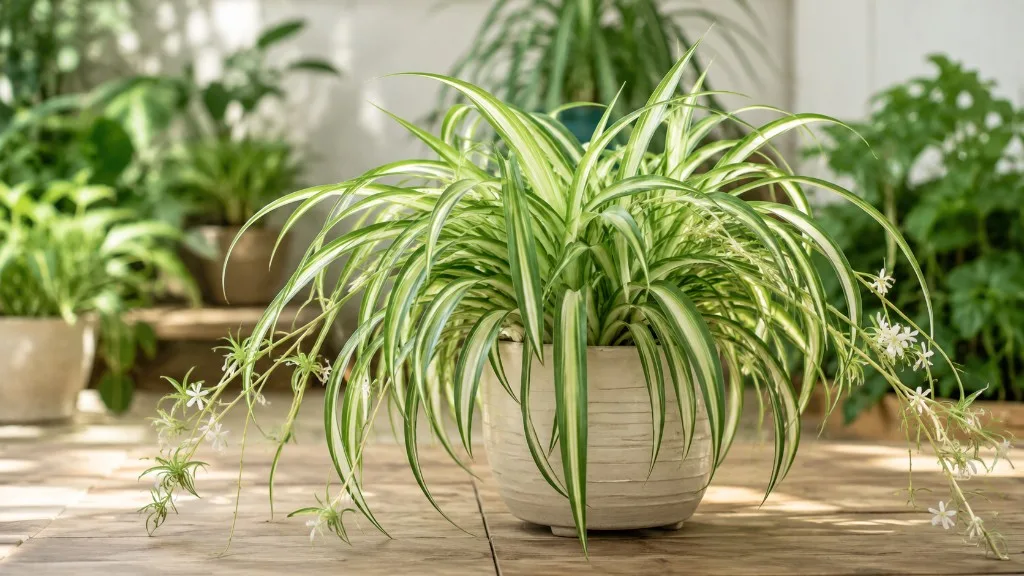
Spider Plant Watering: Schedule, Checks & Mistakes
Spider Plant Watering: Schedule, Checks & Mistakes
Spider plant watering is one of those houseplant topics where the internet gives you a number - “once a week” - and your plant still looks unhappy. Chlorophytum comosum is genuinely forgiving. It stores water in thick, tuberous roots, tolerates missed drinks better than most foliage plants, and often survives the kind of inconsistent care that would stress a calathea or fern. But forgiving is not the same as indifferent to water quality, drainage, or a saucer full of stale runoff.
The reliable rule is simpler than a calendar: water when the top 1 to 2 inches of potting mix feel dry, then soak until excess drains freely and discard what collects underneath. In bright, warm, active growth, that might mean every 5 to 10 days. In a cool, dim winter room, the same pot might need water only every 2 to 3 weeks. The interval changes with light, pot size, humidity, and how root-bound the plant has become - which is why checking the soil beats memorizing a schedule.
This guide covers how often to water, the moisture checks that actually work, top vs bottom watering, tap water and fluoride brown tips, seasonal adjustments, hanging-basket routines, and how to recover when you have gone too far in either direction.
Why Watering Rhythm Matters More Than a Calendar
Spider plants evolved in the understory and coastal margins of southern and West Africa, where rainfall is periodic rather than constant. Their fleshy, tuberous roots function like small reservoirs: they absorb water quickly when it is available and release it slowly when the surrounding soil dries. That physiology is why your spider plant can look fine for a week after you forgot it, and also why it can sit in wet soil longer than you expect before showing distress.
The practical takeaway is a dry-down rhythm, not perpetual moisture. UF/IFAS Gardening Solutions recommends allowing the upper inch of soil to dry briefly between waterings. University of Saskatchewan’s houseplant guidance similarly advises watering regularly while letting soil dry slightly between drinks and ensuring the plant does not sit in water. Both sources emphasize the interval between waterings over a fixed day count.
A calendar reminder is useful - it prompts you to check the pot. It should not automatically trigger watering. Two identical spider plants in different rooms can have completely different dry-down speeds. Treat “every seven days” as a prompt to inspect soil moisture, pot weight, and leaf tone, then decide.
How Often to Water a Spider Plant
There is no single answer that fits every home, but there is a starting framework most growers can adapt quickly. During active spring and summer growth, in typical indoor conditions with Spider Plant light guide and a well-draining potting mix, many spider plants need water roughly every 7 to 10 days. In brighter, warmer, or drier conditions - a south-facing window with sheer curtain, a heated room, or a small pot that dries fast - the interval may shrink to every 5 to 7 days. In cooler, darker winter conditions, every 14 to 21 days is common.
Those ranges are starting points. The decision trigger is always the same: Is the top 1 to 2 inches of mix dry? If yes, water thoroughly. If no, wait. Clemson HGIC and extension sources emphasize checking soil moisture rather than rigid weekly watering, because air temperature, humidity, light intensity, and soil composition all shift how fast water leaves the pot.
Spider plants are drought tolerant, not desert plants. They can survive dry spells, but steady moderate moisture during active growth produces fuller crowns, faster spiderette production, and cleaner leaf tips. The goal is a full drink followed by an appropriate dry-down - not bone-dry soil for weeks, and not permanently damp mix.
Growing Season vs Winter Schedule
Growth rate is the hidden variable behind every watering schedule. When days lengthen and temperatures rise, spider plants push new leaves, extend stolons, and produce plantlets. That metabolic activity increases water uptake. When growth slows in late fall and winter - even indoors, where the plant stays green - roots move water more slowly and the pot stays wet longer.
A practical seasonal framework:
| Season / condition | Typical check frequency | Typical watering interval |
|---|---|---|
| Spring–summer, bright indirect light | Every 3–4 days | Every 5–10 days |
| Spring–summer, moderate/low light | Every 5–7 days | Every 10–14 days |
| Fall transition | Weekly checks | Stretch interval as growth slows |
| Winter, cool room, low light | Weekly checks | Every 14–21 days |
| Winter, heated dry air | Every 4–5 days | Every 7–10 days (dry air speeds surface evaporation) |
The winter row deserves extra attention. Some older houseplant guides suggest keeping spider plants “moist in all seasons.” In modern centrally heated homes with reduced winter light, that advice often leads to overwatering - wet soil, reduced root function, yellow lower leaves, and fungus gnats. Let winter dry-down extend. If the top 2 inches are still moist after two weeks in a north-facing window, you do not need to water just because the calendar says so.
How to Check Soil Moisture Before You Water
The most common spider plant watering mistake is not wrong technique - it is watering without checking. Surface soil can look pale and dry while the root zone remains moist, especially in peat-heavy mixes or root-bound pots where water channels down the sides. Conversely, a lightweight pot with visibly dry top soil is a clear green light.
Build a consistent check routine you repeat every time:
- Finger test: Insert your finger to the second knuckle (roughly 2 inches). If the mix feels cool and clings to your skin, wait. If it feels dry and crumbly, water.
- Skewer or chopstick test: Push a dry wooden skewer to the bottom of the pot. Pull it out. Moisture on the stick means wait; clean and dry means water.
- Pot weight: Lift the pot after a fresh watering while the soil is evenly moist - note the heft. Lift again before watering. A noticeably lighter pot usually means the root ball has dried enough to need a drink.
- Moisture meter (optional): A simple probe meter reading “dry” in the mid-root zone confirms what your finger suggests. Meters help in deep pots where finger depth is limited.
The best check combines at least two signals. Finger plus pot weight catches most errors. If the top is dry but the pot still feels heavy and cool, the center is likely wet - skip watering. If the top is dry, the pot is light, and lower leaves look slightly softer than usual, water soon.
Finger Test, Skewer, and Pot Weight
Each method has strengths. The finger test is free, immediate, and works in any pot size. Its weakness is shallow depth in large containers - you might only assess the top layer while the bottom stays saturated. The skewer test reaches deeper without disturbing roots much, which matters when a spider plant has filled its pot with tuberous roots that create odd dry pockets. Pot weight is the most honest signal for experienced growers because it reflects total root-zone moisture, not just the surface.
For hanging baskets, pot weight is especially valuable. You cannot always reach the top comfortably, but lifting the basket by its hanger hook tells you quickly whether the soil mass has dried. A basket that felt substantial on Monday and feels almost alarmingly light by Thursday is ready - even if the very top crust still looks slightly pale.
Learn your specific container. A terracotta pot dries faster than glazed ceramic. A plastic nursery pot inside a decorative cachepot dries slower because the outer shell traps humidity. Your spider plant’s rhythm lives in that container combination, not in a generic blog schedule.
Step-by-Step: Watering a Spider Plant Correctly
Once the top 1 to 2 inches are dry, water thoroughly and evenly until roughly 10 to 20 percent of the volume drains from the bottom holes. Partial sips - a half-cup every day - keep the surface damp while leaving the root core alternately too wet and too dry. Spider plants respond better to a full drink, then a real dry-down.
A reliable top-watering routine:
- Remove decorative cachepots so you can see drainage.
- Water slowly across the soil surface, not in one concentrated stream, so the mix wets evenly instead of tunneling.
- Pause if water runs straight through - lightly poke the surface with a fork to break hydrophobic crust, then continue.
- Stop when water exits the drainage holes steadily.
- Empty the saucer within 30 minutes. Never let the pot sit in standing water overnight.
- Return to cachepot only after dripping stops.
Aim water at the soil, not the leaf crown. Spider plants tolerate occasional splashing, but repeated wet crowns in low airflow encourage rot at the base of leaves. For variegated cultivars like ‘Vittatum’ or ‘Variegatum’, keeping foliage dry during watering also reduces spotting on pale leaf sections.
Top Watering vs Bottom Watering
Top watering is the default for routine care. It flushes salts and minerals downward (important if you use tap water), distributes moisture across the mix, and lets you see drainage immediately. Use it for every normal watering cycle.
Bottom watering - setting the pot in a basin of water for 20 to 45 minutes so the mix wicks moisture upward - helps when soil has become hydrophobic from repeated drought cycles. Dry, compacted peat shrinks away from pot walls; top watering runs down the sides without rewetting the root ball. Bottom watering rehydrates the core gently. After a bottom-water session, still allow excess to drain and empty the saucer.
Bottom watering alone is a poor long-term sole method because it does not leach accumulated salts. Alternate: bottom water to recover from severe dryness, then return to top watering for maintenance. If you rely on bottom watering weekly, flush the pot with plain water from the top every 4 to 6 weeks to move minerals out - especially if you see creeping brown tips despite correct moisture timing.
Water Quality and Brown Leaf Tips
You can water on a perfect dry-down schedule and still get brown, crispy leaf tips. Spider plants are among the most fluoride-sensitive common houseplants. Municipal tap water in many regions contains fluoride (often around 0.7 mg/L in fluoridated systems) and chlorine or chloramine disinfectants. Chlorine largely off-gasses if tap water sits open for 24 hours. Fluoride does not evaporate and accumulates in soil and leaf tissue over months of routine watering, as University of Saskatchewan Extension notes for fluoride-sensitive houseplants.
UF/IFAS explicitly notes spider plants are particularly sensitive to fluoridated water and recommends rainwater or distilled water when fluoride is present in the supply. Brown tips starting at the very end of leaves and progressing inward, on an otherwise healthy plant with good drainage and reasonable watering timing, strongly suggest water chemistry - not underwatering.
Other tip-burn contributors include low humidity, excess fertilizer salts, and bone-dry soil episodes, so diagnose before changing everything at once. If tips brown on newest and oldest leaves alike while soil moisture has been consistent, prioritize water quality. If tips brown only after you fertilized heavily on dry soil, suspect salt burn first.
Tap Water, Fluoride, and Better Alternatives
A practical water-quality hierarchy for spider plants:
| Water source | Fluoride | Chlorine/chloramine | Best use |
|---|---|---|---|
| Rainwater | Absent | Absent | Ideal when collected cleanly |
| Distilled water | Absent | Absent | Ideal; add cost consideration |
| Reverse osmosis (RO) | Removed | Removed | Excellent long-term solution |
| Tap water, rested 24 hrs | Still present | Reduced chlorine | Acceptable short-term if tips stay clean |
| Standard carbon filter (Brita-style) | Still present | Partially reduced | Improves taste; may not fix fluoride tips |
| Hard tap water, fluoridated | Present | Present | Likely to cause tip burn over time |
You do not need to panic over every glass of tap water. Many growers use tap water for years with minor tip browning they trim away. If tips are cosmetic and the plant grows vigorously, tap may be fine in your municipality. If browning is progressive and new leaves show damage early, switch sensitive plants to rainwater, distilled, or RO water for a full growing season and compare.
When switching water sources, flush the pot once with the new water - water until copious drainage - to dilute old mineral buildup in the mix. Trim existing brown tips with clean scissors for appearance; trimming does not fix the cause, but it clarifies whether new growth emerges clean.
Signs You Are Overwatering
Overwatering kills more spider plants indoors than underwatering, despite the species’ drought tolerance. Wet soil with reduced oxygen suffocates fine roots. Tuberous storage roots rot when surrounded by stagnant moisture. Low winter light makes this worse because the plant uses water slowly while you maintain a summer schedule out of habit.
Watch for these overwatering signals - especially when several appear together:
- Yellowing lower leaves that feel soft or mushy at the base, not crisp
- Black or brown soft spots at the crown where leaves meet the soil
- Sour or musty smell from the potting mix
- Persistent fungus gnats hovering near the surface
- Wilting despite wet soil - a classic sign of root damage, not thirst
- White mold on soil surface in low airflow rooms
- No new growth for weeks while soil stays constantly damp
If you suspect overwatering, stop watering until the top half of the mix dries. Slide the plant partly out of the pot if you can do so gently - healthy spider plant roots are white to pale tan and firm. Brown, slimy, or hollow roots confirm rot. Trim affected roots with sterile scissors, repot into fresh well-draining mix if damage is significant, and resume watering only on a strict dry-down check. Do not fertilize during recovery.
Prevention is simpler: drainage holes, empty saucers, no weekly auto-watering without checking, and extended winter intervals.
Signs of Underwatering
Underwatering is usually easier to fix and less deadly if caught early. Spider plants store water in tuberous roots, so they wilt, then perk up after a thorough drink - a recovery pattern that tempts owners to push drought too far repeatedly.
Underwatering signs include:
- Limp, arching leaves that feel thin and flexible rather than firm
- Leaf folding or curling lengthwise during dry spells
- Crispy brown tips that are dry, not soft - especially if soil has pulled away from pot edges
- Slowed spiderette production or stunted new leaves during active season
- Hydrophobic soil where water runs straight through the pot
- Pale or dull variegation on cultivars during prolonged drought stress
A single dry episode rarely kills a mature spider plant. Repeated drought cycles damage fine root hairs, making the plant react badly when water finally returns - sudden heavy watering after long dryness can shock compromised roots. When you have let a plant go too dry, rehydrate thoroughly once, let it drain, then resume normal dry-down checks rather than giving tiny daily splashes that never reach the root core.
If soil has shrunken and separated from the pot wall, bottom water for one session or poke holes gently into the surface before top watering so moisture penetrates instead of racing down the gap.
Adjusting for Light, Temperature, and Humidity
Watering frequency is really a light and temperature story told through soil dryness. A spider plant 6 feet from a south-facing window with sheer curtain may use water twice as fast as the same plant 10 feet into a room with only ambient light. Wisconsin Horticulture Extension advises allowing soil to dry slightly between thorough waterings - always verified by checking the pot rather than following fixed dates.
Temperature affects metabolism and evaporation. Spider plants tolerate roughly 55–80°F (13–27°C), with most active growth between 65–75°F. In warm rooms above 75°F, expect faster dry-down. In cool rooms near 55°F, slow down - wet soil persists dangerously long.
Humidity at 40–60% is comfortable for spider plants. They are not humidity divas, but very dry heated air increases transpiration and can accelerate surface drying without fully drying the root zone - another reason pot weight helps. A pebble tray or humidifier addresses leaf tip dryness from air moisture, not substitute for correct soil watering.
Pot size and material matter after Spider Plant repotting guide or when root-bound. Fresh repot into a much larger container slows drying for weeks. A root-bound plant may dry unevenly - some growers wait until roots visibly circle the pot bottom before upsizing, because slightly tight roots often produce more spiderettes.
Watering Hanging Basket Spider Plants
Hanging baskets change the physics. Elevated pots receive more airflow around all sides, so mix often dries faster than a floor pot of the same size - especially unglazed moss or fiber liners. They also drip onto furniture if you water carelessly, which leads some owners to under-water rather than soak properly.
For hanging spider plants:
- Take the basket down to the sink or bathtub for watering when possible. Soak until drainage runs free, then let it hang over the tub until dripping stops.
- Use pot weight as your primary check - the hanger makes finger tests awkward at height.
- Verify liner drainage. Moss baskets and some decorative hangers trap water in creases. Ensure no pooled water sits in the bottom fold.
- Watch the crown from below. Leaves arch downward; crown rot from repeated splashing is harder to spot until leaves pull away at the base.
Spider plants are classic hanging-display plants precisely because their stolons and spiderettes cascade. That display value depends on consistent moisture during growth season - a chronically dry hanging basket produces fewer plantlets and thinner leaves even if the plant survives.
Watering Propagated Spiderettes and Cuttings
Spiderettes - the small plantlets at the ends of stolons - have different water needs depending on how you root them. A spiderette still attached to the mother plant receives water indirectly through the stolon and shared root system. Once you cut or pot a spiderette, it has a tiny root zone with little storage capacity.
For newly potted spiderettes:
- Keep mix evenly lightly moist, not wet, for the first 2 to 4 weeks while roots establish.
- Use a small pot with drainage - oversized pots stay wet too long and rot fragile new roots.
- If rooting in water first, change water weekly and transplant to soil when roots reach 3 to 5 cm (1–2 inches). Water lightly after transplant, then transition to the standard top-1-to-2-inches-dry rule as roots fill the pot.
Water-propagated cuttings accustomed to constant moisture need gradual adjustment. After moving to soil, do not let them crash into full drought tolerance immediately - one dry cycle to the wilting point sets back rooting. Check small pots every 2 to 3 days until the plant shows new leaf growth.
Watering After Repotting
Repotting disrupts your established rhythm. Fresh potting mix holds moisture differently than old, root-filled soil. A spider plant moved into a larger pot dries more slowly because extra mix retains water and roots have not yet colonized it. Overwatering after repot is extremely common - owners keep the old weekly schedule on a pot that now takes 14 days to dry.
After repotting:
- Water once thoroughly at repot time to settle mix around roots.
- Wait longer before the next watering than you would have in the old pot - often 3 to 5 extra days beyond your previous interval.
- Do not fertilize for 4 to 6 weeks; focus on moisture stability first.
- Inspect drainage - new mix should be well-draining; heavy garden soil or moisture-retentive additives slow drying dangerously.
If you divided a crowded plant during repot, each division has reduced root mass relative to foliage. Divisions need slightly more attentive moisture checks for the first month - not wet soil, but less tolerance for full dry-down to wilting.
How Tuberous Roots Affect Water Needs
The signature feature of Chlorophytum comosum root systems is thick, white, tuberous storage roots alongside finer absorbing roots. These tubers hold water and carbohydrates, buffering the plant against short droughts. They also explain two behaviors that confuse new owners.
First, a spider plant can look fine while soil is dry because tubers supply moisture internally - until suddenly it does not look fine. Do not wait for dramatic wilt every time; use soil checks before visible stress.
Second, root-bound plants develop dense tuber masses that can occupy most of the pot volume. When you water, liquid may channel through gaps along the pot wall rather than saturating the root ball. The pot drains quickly, you assume you watered well, and the center stays dry. Bottom watering or repeated slow top watering fixes this. Upsizing the pot 1 to 2 inches when roots circle heavily also restores even moisture distribution - spider plants tolerate and even benefit from slightly snug pots, but extreme binding creates watering dead zones.
Understanding tubers reframes spider plant watering: you are managing soil dry-down around a storage system, not feeding a plant that lives hand-to-mouth on every drop.
Common Spider Plant Watering Mistakes
Even experienced growers slip on predictable errors. Avoid these:
- Calendar watering without checking - the most widespread mistake across all houseplants, especially damaging in winter.
- Leaving runoff in the saucer - roots sit in anaerobic water; rot follows in low light.
- Decorative cachepots without drainage - water has nowhere to go; soil stays saturated at the bottom.
- Misting instead of watering - misting raises humidity briefly; it does not replace root-zone moisture.
- Assuming brown tips always mean underwatering - fluoride and salt burn cause similar cosmetic damage on well-watered plants.
- Letting tap water sit overnight to “fix” fluoride - chlorine may off-gas; fluoride remains per University of Saskatchewan Extension.
- Watering at night on cold windowsills - foliage stays wet longer; crown issues increase. Morning watering is a minor preference, not a rule, but helps in cool glass-adjacent placements.
- Changing pot, water source, and location simultaneously - if problems appear, you cannot diagnose which variable caused them.
Spider plants are non-toxic to cats and dogs per ASPCA listings, which matters for pet owners who leave saucers accessible - stagnant water and chewed leaves are separate issues from toxicity, but empty saucers reduce gnats and mess.
Recovering from Water Stress
Recovery depends on which stress occurred and how long it persisted.
After overwatering / root rot on Spider Plant early stage: Stop watering. Improve airflow. Let soil dry halfway down if roots are still mostly firm. Remove soft leaves. If roots are slimy, unpot, trim rot, repot in fresh mix, water lightly once, then strict dry-down. Expect 4 to 8 weeks before normal growth resumes.
After underwatering: Soak thoroughly once. If soil is hydrophobic, bottom water until the pot feels heavy. Remove fully crisp dead leaves. Do not fertilize until new growth appears. The plant often rebounds within days to two weeks if tubers were still plump.
After fluoride tip burn: Switch water source. Flush soil monthly with clean water during active growth. Trim brown tips. Judge success by new leaves emerging with clean edges - old damaged tissue will not green up.
Wilting with wet soil: Root function is compromised - almost always overwatering or poor drainage, occasionally cold wet soil. Do not add more water. Investigate roots and adjust conditions before the next drink.
Patience matters. Spider plants are recovery champions when the root system is intact. One corrected watering cycle does less than two to three weeks of consistent dry-down discipline after you fix the underlying mistake.
Conclusion
Spider plant watering succeeds when you treat moisture as a check-first habit, not a calendar commitment. Allow the top 1 to 2 inches of soil to dry, water thoroughly until drainage runs free, empty the saucer, and adjust your interval as light, season, and pot size change. Expect roughly 5 to 10 days between drinks in active growth and 2 to 3 weeks in slow winter conditions - always verified by soil and pot weight, not memory.
Pay attention to water quality if brown tips persist despite good timing; fluoride-sensitive spider plants often improve on rainwater, distilled, or RO water with occasional flushing. Watch for overwatering - yellow soft leaves, gnats, wilting wet soil - more than drought, which usually recovers with one good soak. Hanging baskets, fresh spiderettes, and post-repot plants each need small adjustments, but the same dry-down principle holds.
Master the check, respect the dry-down, and your Chlorophytum comosum will do what it does best: grow arching leaves, send out stolons, and forgive the occasional missed week while you learn its rhythm.
When to use this page vs other Spider Plant guides
- Spider Plant overview - Start here for whole-plant context before deep-diving this topic.
- Spider Plant problems hub - Jump to symptom-specific fix guides when this care topic does not resolve the issue.
- Root Rot on Spider Plant - Escalate here when watering adjustments are not enough.
Related Spider Plant guides
- Spider Plant overview
- Spider Plant light
- Spider Plant soil
- Spider Plant propagation
- Spider Plant fertilizer
- Spider Plant repotting
- Root Rot on Spider Plant
- Spider Plant problems
Related tool
Try the Plant Watering Calculator with spider-plant pre-selected to estimate needs for your setup.