Watering Cast Iron Plant: Schedule, Soil Checks & Mistakes
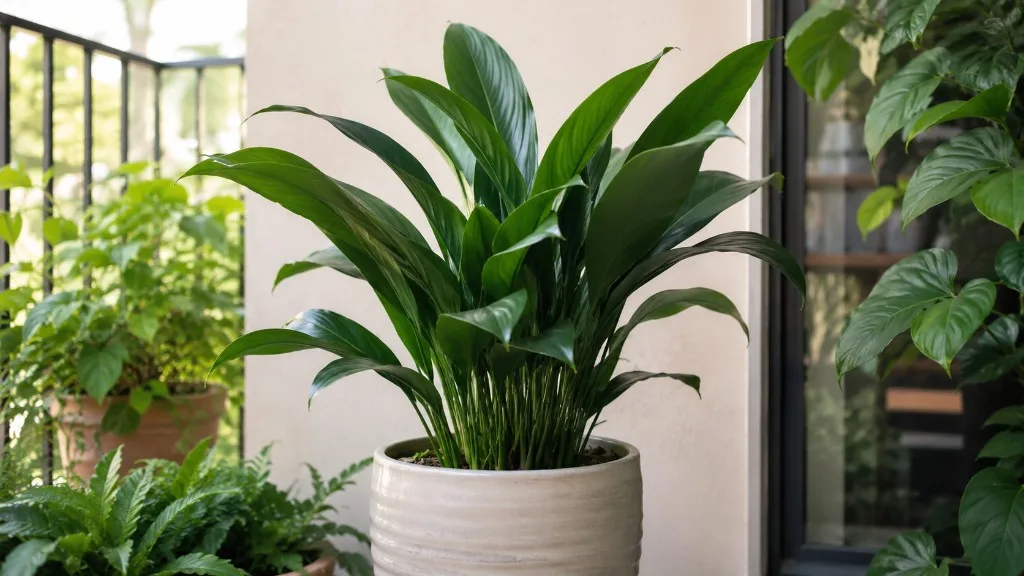
Watering Cast Iron Plant: Schedule, Soil Checks & Mistakes
Watering Cast Iron Plant: Schedule, Soil Checks & Mistakes
The cast iron plant earned its nickname by surviving neglect that would kill most houseplants - dim corners, irregular attention, and long stretches without fuss. That reputation creates a paradox for watering. Beginners assume the plant wants almost no water and let it go bone dry for weeks. Others hear “houseplant” and water on a weekly calendar, slowly drowning the rhizomes in a dark hallway. Both approaches miss the point. Aspidistra elatior is drought-tolerant, not drought-proof, and it is far more likely to die from too much water than from a missed week. The practical routine is simple: check the soil, water thoroughly when the root zone is ready, let the pot drain completely, and adjust for season, light, and pot size. This guide gives you the checks, the realistic schedules, and the mistakes that turn an indestructible plant into a yellowing, mushy-rooted rescue project.
Why Cast Iron Plant Watering Catches People Off Guard
Cast iron plant sends contradictory signals because it is built for a different world than your living room. In its native understory habitats of China and Japan, it grows slowly in dry shade, spreading by thick underground rhizomes that store moisture between infrequent rains. Missouri Botanical Garden notes that it tolerates less-than-regular watering and low light indoors, which is why it became the classic bar room plant - a foliage plant that could survive spittoons, tobacco smoke, and gaslight-era interiors. (Missouri Botanical Garden) That history makes people underestimate how dangerous constant dampness is.
The confusion deepens because cast iron plant wilts and yellows in ways that mimic both thirst and drowning. Older leaves naturally age out, but a cluster of yellow leaves with cool, heavy soil usually means overwatering on Cast Iron Plant, especially in a low-Cast Iron Plant light guide where evaporation is slow. Brown leaf tips can follow a long dry spell, but they can also trace to inconsistent watering or mineral buildup in tap water. Without a consistent check routine, you end up reacting to leaf color instead of reading the root zone - and by then the rhizomes may already be compromised.
Another trap is treating “drought-tolerant” as “does not need water.” Clemson HGIC states that indoor plants should be watered when soil is dry 2 to 3 inches down, with all excess drained from the saucer. (Clemson HGIC) The skill is timing full drinks around genuine dry-down, not dribbling on a fixed day or ignoring the pot for months out of misplaced confidence.
How Cast Iron Plant Stores and Uses Water
Understanding rhizome anatomy changes how you water. Unlike fibrous-rooted herbs that need constant surface moisture, cast iron plant anchors itself with fleshy, horizontal rhizomes just below the soil line. Those rhizomes act as internal reservoirs. When the surrounding mix dries, the plant draws on stored moisture and keeps its glossy, lance-shaped leaves firm for longer than you might expect. NC State Extension describes the species as spreading slowly via rhizomes and tolerating occasionally dry soil with good drainage - a combination that explains both its toughness and its rot vulnerability. (NC State Extension)
That storage system means cast iron plant uses water slowly. It is not a fast transpirer like a fiddle-leaf fig in a sunny window. In low to medium indirect light - its preferred indoor range - the leaves lose moisture gradually and the mix dries from the bottom up. A rhizome-heavy root ball in a glazed ceramic pot in a north-facing room might take three weeks to reach the dryness threshold. The same plant in a terracotta pot near a bright east window might need attention in ten days. The plant’s biology sets a wide possible range; your room decides where you land inside it.
Water also needs to reach the full root mass, not just the surface. A light sprinkle that wets the top half-inch while the center stays dry forces roots toward the surface and encourages uneven dry-down. When you do water, the goal is a full soak that rewets the entire mix, followed by a real dry-down before the next session. The cast iron plant rhythm is soak, wait, check, soak - not perpetual dampness and not endless drought.
How Often to Water Cast Iron Plant Indoors
Indoor cast iron plants are typically watered every 10 to 14 days during active warm-season growth, but only when the top 3 to 5 centimeters (about 2 to 3 inches) of soil feel dry. That range is a starting point, not a rule. A plant in a large pot in a cool, dim office may stretch toward every 14 to 21 days. A smaller pot in brighter, warmer air may land closer to every 7 to 10 days in midsummer. Clemson HGIC’s 2-to-3-inch dryness guideline is the decision point; the calendar is just a reminder to run the check. (Clemson HGIC)
If you are new to the plant, check it twice a week for the first month and note how many days pass between a thorough watering and dry soil at depth. That observed interval beats any generic chart. Missouri Botanical Garden recommends reducing watering in winter as the plant rests. (Missouri Botanical Garden) The same pot that dried in twelve days in July might take twenty-five days in January - reduce frequency by checking more patiently, not by pouring less when the soil is genuinely dry.
Typical Frequency Ranges by Season
During spring and summer, when new leaves occasionally emerge and room temperatures climb, most indoor cast iron plants land in the 10-to-14-day check cycle, watering only when depth tests confirm dryness. Bright indirect light and warm drafts from heating vents can shorten that window. Air conditioning that dehumidifies a room may lengthen it. During fall and winter, shift your expectation to every 14 to 21 days or longer, with some low-light plants in large pots going three to four weeks between drinks. The soil tells you when; the season tells you how skeptical to be of a still-damp surface.
Variegated cultivars like Aspidistra elatior ‘Variegata’ follow the same moisture logic. White-striped leaves do not change the rhizome’s water storage or rot risk. If anything, variegated plants in slightly brighter placements to maintain color may dry marginally faster than solid green specimens in the darkest corner. Run the same checks; adjust only when your specific pot proves a different rhythm.
Soil Moisture Checks That Actually Work
Calendar watering fails for cast iron plant because five variables change drying speed every week: light intensity, air temperature, humidity, pot volume, and soil composition. A reliable routine uses two or three quick physical tests before every watering decision. The goal is not laboratory precision. The goal is avoiding the two catastrophic errors - watering into already-wet soil and letting the root ball stay dust-dry for so long that fine roots die back.
The most important measurement is depth, not surface appearance. Peat-based mixes often look pale and cracked on top while remaining damp an inch down. Mineral-heavy mixes can look dark and wet on the surface while the core has dried. Always probe below the surface. For cast iron plant, the actionable zone is the top 2 to 3 inches per Clemson HGIC guidance. Below that, rhizomes still hold reserves; above that dry line, you are approaching the moment for a full soak.
Combine depth checks with pot heft. After a thorough watering, lift the pot and notice the weight. As moisture leaves the mix, the pot becomes noticeably lighter. Many experienced growers water cast iron plant primarily by weight once they know the plant’s post-drink heft. If the pot is still heavy and your finger finds cool soil at depth, skip watering even if the leaves look slightly less perky than yesterday. Limp foliage with wet soil is a danger sign, not a thirst signal.
Finger Test, Skewer, and Pot Weight
The finger test is the fastest daily tool. Insert your index finger to the second knuckle - roughly 2 inches - near the pot rim, not against the crown. If soil clings cool and damp, wait. If it feels dry and falls away cleanly, water. If it is ambiguous - slightly cool but not wet - give it two more days and test again. Cast iron plant forgives a short delay far more readily than another soak into saturated mix.
A wooden skewer or chopstick helps when the pot is deep or your fingers cannot reach mid-depth. Push it to the bottom third, wait thirty seconds, pull it out. Damp skewer with soil particles clinging means wait. Clean, dry skewer plus a light pot means water. This method is especially useful right after Cast Iron Plant repotting guide when you are still learning how the new mix dries.
Moisture meters can assist, but treat them as a second opinion in chunky mixes. If a meter says “moist” but the pot is light and the skewer is dry at depth, trust the physical tests.
Seasonal Watering Schedule for Cast Iron Plant
Seasonal adjustment is not optional for indoor cast iron plant. The same watering habit that worked in June will overwater the plant in December even if you never moved the pot. Shorter photoperiods slow growth. Cooler rooms reduce evaporation. Heating systems cycle on and off, creating brief dry air that pulls moisture from leaf surfaces but does not always dry the soil core evenly. Your job is to scale frequency, not to change the soak-and-drain technique.
In the active growing season - roughly spring through early fall for most homes - check the plant every five to seven days and water when depth tests confirm dryness. Expect roughly every 10 to 14 days between soaks in typical low-to-medium light conditions. If you fertilize lightly during this period, healthy new leaves may increase water use slightly. Still let the soil lead; never fertilize a plant sitting in soggy mix.
In the slow season - late fall through winter - stretch your patience. Missouri Botanical Garden explicitly advises reducing irrigation as the plant rests. (Missouri Botanical Garden) Check every seven to ten days, but expect 14 to 21 days or more between actual waterings. A cast iron plant in a large container in a north window during January may need nothing for three weeks while the mix slowly equilibrates. That is normal, not neglect - provided the depth test eventually shows dryness and you then water thoroughly.
Growing Season vs Winter Slowdown
The shift between seasons should be gradual. When you notice the first slowdown in new leaf production or the room temperature drops consistently below about 18°C (65°F), start extending the interval between checks before you extend the interval between waterings. Many overwatering cases in winter happen because the grower keeps a summer calendar while the plant has already entered rest mode. If fungus gnats appear in winter, suspect soil that stays wet too long, not a need for more water.
Outdoor plants in USDA zones 7 through 11 follow natural rainfall; indoor plants have no such backup. Respect dormancy by checking more and watering less.
How Light and Room Temperature Affect Watering
Light and water are linked for every houseplant; for cast iron plant, the link is especially strong because the species is commonly placed in low light, where soil dries slowly. A plant three meters from a window may use half the water of the same cultivar on a plant stand near an east-facing sill. If you move cast iron plant to a brighter spot to encourage growth, increase check frequency. If you tuck it into a darker corner because it “does not need sun,” decrease watering frequency even though the leaves look fine.
Temperature changes evaporation and root activity. Missouri Botanical Garden recommends regular summer temperatures indoors and a minimum around 10°C (50°F) in winter. (Missouri Botanical Garden) Cooler rooms slow drying and metabolic demand. A plant near a drafty single-pane window in winter may experience cold root-zone temperatures that further reduce uptake - meaning wet soil persists even longer. Warm rooms above 24°C (75°F) with dry air can pull leaf moisture faster without drying the pot core, creating a false impression that the plant needs water when the rhizome zone is still damp.
Humidity in the 40 to 50 percent range is comfortable and does not require misting for watering purposes. Do not compensate for dry winter air by leaving soil wet - a humidifier addresses leaves; soil depth and pot weight still decide when to pour.
Pot Size, Soil Mix, and Drainage Speed
The pot is part of the watering system. Oversized pots are one of the most common hidden causes of cast iron plant decline. When a small rhizome mass sits in a large volume of mix, the unused soil stays wet for weeks after each watering. Roots cannot colonize that space quickly, so water lingers with minimal root uptake - exactly the anaerobic condition rhizomes hate. Choose a container only slightly larger than the root ball, with a drainage hole mandatory for long-term indoor care.
Pot material changes drying speed. Unglazed terracotta breathes and pulls moisture from the mix walls, often shortening the cycle by several days. Glazed ceramic and plastic retain moisture longer. Neither is wrong; both require adjusted check frequency. After repotting into fresh, less root-bound mix, expect slower dry-down until roots re-establish - sometimes four to six weeks of caution before the pot behaves predictably again.
Soil must be well-draining potting mix in the pH 6.0 to 7.0 range, per standard houseplant guidance for Cast Iron Plant overview. NC State Extension lists good drainage and occasionally dry conditions as core cultural requirements. (NC State Extension) A heavy, compaction-prone mix that holds water like a sponge will defeat even careful watering technique. If water sits on the surface or the pot weight stays high for weeks, refresh the mix with perlite, bark, or coarse components rather than watering less timidly. Stones at the pot bottom do not fix poor mix structure; better ingredients and a drainage hole do.
The Right Way to Water Cast Iron Plant Cleanly
When depth and weight tests say water, water thoroughly. Use a narrow-spout watering can and moisten the entire soil surface evenly. Continue until water runs freely from the drainage holes - usually after a slow pass or two that lets the mix absorb rather than channel down the sides. A half-cup dribble every few days keeps the top wet and the center unpredictable. Cast iron plant wants a full drink followed by a real dry-down, not perpetual dampness.
Many growers water at the sink: saturate the mix, let excess drain for a few minutes, then return the plant to its saucer empty. Clemson HGIC is explicit - do not leave water standing in the saucer. (Clemson HGIC) If you use a decorative cachepot, lift the inner grow pot, water at the sink, drain completely, and only then set it back. Thirty minutes after watering, check the saucer again and pour off any collected runoff. “Wet feet” from standing water is one of the fastest routes to rhizome rot, even if the top inch felt dry when you started.
Avoid splashing water into the crown or leaving droplets on leaves for long periods in dim, low-airflow spots. Cast iron plant foliage is tough, but chronic wet crowns in stagnant corners can encourage fungal spotting. Base watering keeps the focus where it belongs - the rhizome zone underground. If leaves collect dust, wipe them with a damp cloth on a separate maintenance day rather than using overhead watering as a cleaning shortcut.
Signs You Are Overwatering Cast Iron Plant
Overwatering is the single biggest watering mistake for Aspidistra elatior. Missouri Botanical Garden lists root rot on Cast Iron Plant from overwatering as a primary problem for the species indoors. (Missouri Botanical Garden) The symptoms creep before they crash. Watch for yellowing leaves - especially multiple leaves yellowing at once - while the soil smells earthy-sour or stays cool and heavy days after you last watered. Older bottom leaves naturally senesce, but rapid yellowing with wet soil is a red flag.
Other overwatering signs include soft, darkened rhizomes at the soil line when you probe gently, mold or algae on the mix surface, fungus gnats hovering near the pot in low light, and a plant that feels loose or wobbly in the pot because deteriorating roots no longer anchor it. Leaf tips may brown, but the combination of yellow plus wet soil plus slow growth points to excess moisture more than drought. In dim placements, overwatering is compounded because the mix cannot dry between your good intentions.
If you suspect overwatering, stop watering and inspect. Healthy rhizomes are firm and pale cream; rotting tissue is brown and mushy. Trim rotten sections with clean shears and repot into fresh, dry mix only if you found damage. Do not fertilize a stressed, wet plant.
Signs Cast Iron Plant Is Thirsty or underwatering on Cast Iron Plant
Underwatering cast iron plant is less common but not harmless. The species survives drought, yet repeated extreme dry-down can kill fine root hairs and cause leaf tip browning, curling, and drooping that does not recover overnight after watering. If the mix has shrunk away from the pot sides and water runs straight through without absorbing, you have hydrophobic dry mix. Fix it with a slow bottom soak: set the pot in a basin of water for twenty to thirty minutes, let it drain fully, then resume normal top watering once the mix rehydrates.
A single missed watering rarely kills cast iron plant. Chronic underwatering - months in bone-dry soil with progressive tip necrosis and stunted new leaves - stresses rhizomes and makes the plant vulnerable when water finally returns. After a long drought, water thoroughly once, drain, and wait. Do not compensate with daily sips that keep the surface wet while the core remains confused. One full soak plus a return to the check-first routine is the right recovery path.
Distinguish underwatering from natural old-leaf drop. Cast iron plant occasionally sheds its oldest leaves as it ages. One yellow leaf at the base every few months is different from five yellow leaves in a month with parched, dusty soil. Context matters: dry soil plus light pot plus crispy leaf margins equals thirst. Wet soil plus yellowing equals the opposite problem.
Water Quality, Temperature, and Timing
Cast iron plant is less fussy about water chemistry than calatheas or dracaenas, but chronic tip burn in otherwise well-managed plants sometimes traces to fluoride, chlorine, or high mineral content in tap water. If you water on a correct schedule, drainage is good, and tips still brown, try filtered water, rainwater, or tap water that sat overnight in an open container to off-gas chlorine. The improvement is incremental, not magical - fix watering frequency and saucer drainage first, then refine water quality.
Use room-temperature water. Cold water straight from the tap can shock slow-metabolism roots in winter. There is no need for ice-water experiments on a plant that already prefers moderation. Water in the morning when possible so any incidental leaf wetness dries during the day, though for base-focused watering the timing matters less than for overhead sprinklers on outdoor beds.
Do not mist cast iron plant as a substitute for soil watering. Misting in low light without airflow leaves foliage wet for hours without rehydrating rhizomes. The watering decision lives in the pot, not on the leaf surface.
Watering Cast Iron Plant Outdoors in the Garden
In USDA zones 7 through 11, cast iron plant serves as a dry-shade ground cover, spreading slowly by rhizomes under trees and along north foundations. Clemson HGIC recommends dappled to full shade outdoors and notes the plant does not like wet soil even though it tolerates drought. (Clemson HGIC) Established outdoor clumps rarely need scheduled irrigation except during prolonged heat without rain. A deep soak every two to three weeks in a dry summer month is usually enough for mature plantings in amended shade soil.
Newly planted outdoor divisions need weekly checks during dry spells their first season. Never plant in a low spot where rainwater pools. Patio containers follow indoor logic - use drainage holes and move pots under eaves if seasonal rains prevent dry-down.
Common Cast Iron Plant Watering Mistakes and Quick Fixes
The most damaging mistake is watering on a calendar without checking soil - every Sunday, whether the pot needs it or not. Cast iron plant in low light can still be wet from last Sunday when the next Sunday arrives. Fix: treat calendar dates as reminders to check, not commands to pour. Run finger, skewer, and weight tests first. If the soil is not dry to depth, walk away.
The second mistake is leaving standing water in saucers or cachepots. Fix: drain after every watering without exception. If your decorative pot has no hole, never water inside it. Always remove the grow pot, water at the sink, drain, then replace.
The third mistake is pairing low light with summer watering frequency. A plant that dried in ten days near a window in July may need twenty-one days in October in a darker spot - even in the same pot. Fix: re-baseline after every seasonal or placement change instead of assuming the old interval still applies.
The fourth mistake is repotting into an oversized container and watering the full volume each time. Fix: match pot size to roots and refresh mix without creating a swamp around a small rhizome mass.
The fifth mistake is panic-watering wilting leaves without checking soil moisture. Limp leaves with heavy, cool soil mean root trouble, not thirst. Adding more water accelerates rot. Fix: verify moisture at depth before every pour. When in doubt with cast iron plant, waiting a few extra days is usually safer than watering early.
Calendar Schedules and Standing Water
Calendar schedules feel responsible because they create a habit. The habit should be checking, not pouring. Set a phone reminder twice weekly to test soil depth and pot weight. Water only when tests agree the root zone is ready. Standing water is equally insidious because it bypasses your best top-watering technique - you can soak perfectly and still rot roots if the saucer refills. Make draining the saucer part of the same ritual as watering itself, not an optional step you forget when busy. Thirty seconds after every session prevents weeks of decline.
Building a Simple Weekly Watering Routine
A sustainable routine fits into five minutes twice a week. On check day one, walk your plants with dry hands. For each cast iron plant, lift the pot, press your finger two inches into the mix near the rim, and note whether the soil is cool-damp or dry. If dry at depth and the pot is light, water at the sink, drain, and empty the saucer. If not, skip. On check day two, repeat only for plants that were borderline - slightly cool soil, medium pot weight. Everyone else waits.
Keep a simple log for the first month: date watered, days since last watering, room location. Patterns emerge fast. Most growers discover their cast iron plant becomes a ten-day plant or an eighteen-day plant, and the log prevents guesswork when life gets busy. After a month, the log is optional; your hands remember the weight.
When you travel, a healthy cast iron plant in low light often tolerates two to three weeks without water. Empty the saucer before you leave and avoid a pre-trip overwatering “just in case.” Slightly dry is the safer vacation default.
Conclusion
Watering cast iron plant well is less about memorizing a number and more about respecting how rhizomes store water, how low light slows drying, and how root rot - not drought - is the usual fatal mistake. Check the top 2 to 3 inches of soil, confirm with pot weight, soak thoroughly when dry, drain every drop from the saucer, and stretch your interval in winter or dim corners. Expect roughly every 10 to 14 days in active growth and every 14 to 21 days or longer when the plant rests, always led by the mix rather than the calendar. Get that rhythm right and Aspidistra elatior lives up to its name: steady, glossy leaves with almost no drama. Get it wrong - especially by loving the plant with constant moisture - and the toughest houseplant in the shop becomes a yellowing rescue with mushy roots. Check first. Water second. That order is the whole job.
When to use this page vs other Cast Iron Plant guides
- Cast Iron Plant overview - Start here for whole-plant context before deep-diving this topic.
- Cast Iron Plant problems hub - Jump to symptom-specific fix guides when this care topic does not resolve the issue.
- Overwatering on Cast Iron Plant - Escalate here when watering adjustments are not enough.
- Underwatering on Cast Iron Plant - Escalate here when watering adjustments are not enough.
- Root Rot on Cast Iron Plant - Escalate here when watering adjustments are not enough.
Related Cast Iron Plant guides
- Cast Iron Plant overview
- Cast Iron Plant light
- Cast Iron Plant soil
- Cast Iron Plant propagation
- Cast Iron Plant fertilizer
- Cast Iron Plant repotting
- Overwatering on Cast Iron Plant
- Underwatering on Cast Iron Plant
- Root Rot on Cast Iron Plant
- Wilting on Cast Iron Plant
- Drooping Leaves on Cast Iron Plant
- Mold on Soil on Cast Iron Plant
Related tool
Try the Plant Watering Calculator with cast-iron-plant pre-selected to estimate needs for your setup.