Cast Iron Plant Repotting: When, How, and Mistakes to Avoid
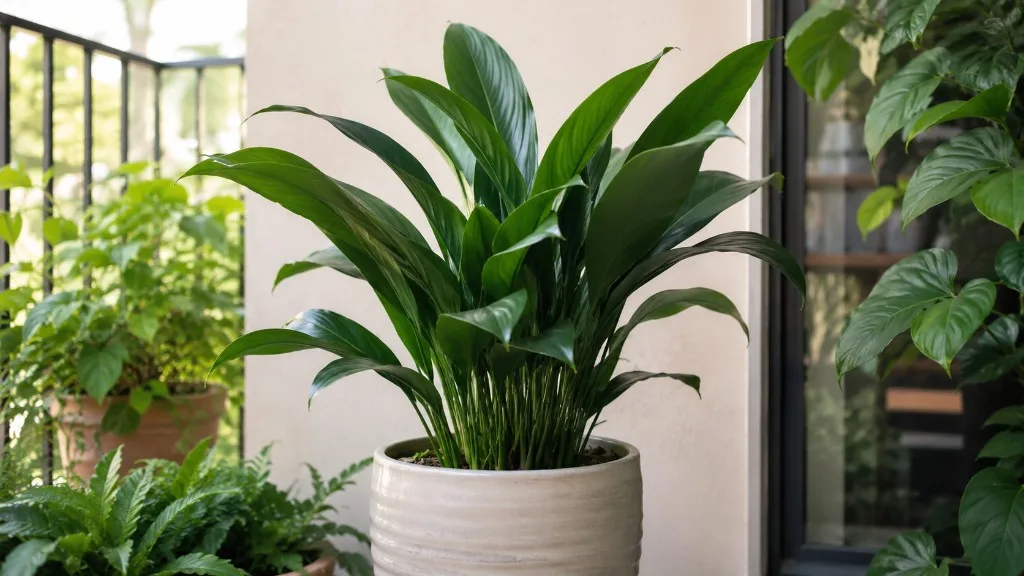
Cast Iron Plant Repotting: When, How, and Mistakes to Avoid
Cast Iron Plant Repotting: When, How, and Mistakes to Avoid
Cast iron plant (Aspidistra elatior) earned its nickname for a reason. It survives low light, irregular watering, and the kind of neglect that would finish off most houseplants. That same toughness creates a repotting paradox: owners either ignore the plant for a decade and then panic when roots burst through the drainage holes, or they repot on a calendar schedule and wonder why a previously bulletproof plant sulks for months. Neither approach fits how Cast Iron Plant overview actually grows.
Cast iron plant is a slow, rhizomatous evergreen that pushes new leaves from thick underground stems rather than from a visible above-ground trunk. Its roots do not race to fill a pot the way a pothos or spider plant does. The Royal Horticultural Society notes that aspidistras “usually grow quite slowly” and can stay in their original container for several years until roots emerge through drainage holes. Repotting is a maintenance task, not a yearly ritual - and when you do it, the goal is to disturb the root ball as little as possible while refreshing the soil and giving the rhizome modest new room.
This guide covers every decision: the signs that actually warrant a move, the best season and frequency, pot and soil choices, how to divide rhizomes if you want more plants, and the post-repotting care that determines whether your Aspidistra settles in or sits in shock. It draws on guidance from the RHS, Mississippi State University Extension, the Missouri Botanical Garden, and current indoor-growing references.
Why Cast Iron Plants Rarely Need a New Pot
Most houseplant repotting advice assumes fast growth. Cast iron plant breaks that assumption. Mississippi State University Extension describes aspidistras as slow-growing perennials whose leaves emerge from horizontal underground rhizomes; young plants may produce only two leaves per year, though established clumps accelerate as the rhizome mass expands. In a typical indoor setting, that translates to a repot interval measured in years, not months.
The plant also tolerates - and in some cases prefers - being slightly root-bound. A snug pot limits excess wet soil around a root system that has not yet expanded to fill the container, which reduces the risk of the soggy, low-oxygen conditions that cause root rot on Cast Iron Plant. The RHS notes that aspidistras can stay in their original pot for several years until roots appear through drainage holes. The practical takeaway: repot when the plant shows clear physical signs, not because a date on the calendar says so.
What Repotting Does for a Rhizomatous Plant
Repotting is not simply “giving the plant more room.” For a rhizomatous species like Aspidistra elatior, three things happen at once, and all of them matter.
First, the soil is replaced or refreshed. Even a well-draining indoor mix compacts over time. Organic matter breaks down into finer particles, pore spaces close, and the mix holds moisture longer than it did when new. Salt from tap water and fertilizer can accumulate at the surface. A sour smell or a crusty white film on the soil are both signals that the root zone has degraded. Fresh mix restores the air-to-water balance the rhizome needs.
Second, the root system is inspected. Repotting is your best opportunity to see what is happening below the soil line - circling roots, dead material, early rot, or a rhizome that has outgrown its space. Catching a small problem during a planned spring repot is far easier than diagnosing it from yellowing leaves six months later.
Third, the plant can be divided. Division is the standard propagation method for cast iron plant. The RHS describes it as easy: cut through the thick fleshy rhizomes in spring, making sure each new section has several leaves. A repot session can be a simple upsize, a soil refresh in the same pot, or a division that produces two or more new plants - but the choice should be deliberate, not automatic.
Root-Bound vs Ready to Move
“Slightly root-bound” and “desperately overcrowded” are not the same condition, and treating them the same way causes unnecessary stress. A mildly root-bound cast iron plant still has enough soil volume to hold moisture between waterings, drains at a predictable rate, and produces steady if slow new growth. A plant that is ready to move shows multiple signs at once: roots circling the pot interior or emerging from drainage holes, water that runs straight through without soaking in, soil that dries within a day or two of a thorough watering, or visible rhizome pushing above the soil surface.
If only one sign is present, investigate before repotting. A single root tip through a drainage hole may be exploratory growth, not a crisis. Lift the pot and slide the plant out. If the root ball still has visible soil between the roots and the pot wall, you likely have time. If the root mass is a solid mat with almost no loose soil, the move is overdue.
When to Repot Cast Iron Plant: Clear Signs
Cast iron plant does not wave a flag when it needs a new pot. It communicates through slower, subtler signals that are easy to miss if you are not looking. Scan for these conditions every few months, especially in spring when the plant is entering active growth.
- Roots growing through drainage holes. Not a single white tip, but thick roots visibly protruding and curling. This is the clearest sign the plant has outgrown its container.
- Roots circling the inside of the pot. Visible when you slide the plant out. A tight root mat with little free soil means the plant is physically out of room.
- Rhizome pushing above the soil surface. The thickened underground stem is migrating upward because it has nowhere else to go.
- Water runs straight through the pot. The root mass has displaced enough soil that water has nowhere to absorb.
- Soil dries unusually fast. The same symptom viewed from the watering can - the pot goes from wet to bone dry in one to two days.
- Growth has stalled despite adequate light and feeding. If no new leaves appear during the warm months, the roots may be the limiting factor.
- Soil is breaking down. Compacted, hydrophobic mix that repels water, smells sour, or stays wet for days without drying.
- Salt crust on the soil surface. White mineral deposits that persist after flushing usually mean the mix is exhausted.
Two or more of these signs together are a reliable trigger. A single sign warrants investigation, not necessarily an immediate repot.
Roots, Drainage, and Stalled Growth
Two signs deserve extra attention because they are easy to misread. Fast-drying soil is not always a root-bound signal. A small pot in a bright, warm room will dry quickly even when the plant has room to grow. Compare the pot size to the plant’s mature spread - a 30 cm (12 inch) cast iron plant in a 15 cm (6 inch) pot that dries in a day is probably root-bound; the same plant in a 25 cm (10 inch) pot that dries in a day may simply need more frequent watering.
Stalled growth is similarly ambiguous. Cast iron plant is inherently slow. A healthy specimen may push only two to four new leaves per year in moderate indoor light. Stalled growth means no new leaves across an entire active season despite stable care, not merely “it has not grown much this month.” Check the root ball before you assume the plant needs a bigger pot - sometimes the issue is low light, cold drafts, or overwatering on Cast Iron Plant in degraded soil rather than crowding.
When a full repot feels premature but the soil is tired, top-dressing is a useful middle step. Scrape off the top 3–5 cm (1–2 inches) of old mix in spring and replace it with fresh, well-draining potting mix. This refreshes the upper root zone without disturbing the rhizome. Top-dressing every one to two years can extend the interval between full repots by a year or more.
Best Season and How Often to Repot
The RHS recommends repotting aspidistras in spring, when the plant is entering active growth and can recover from root disturbance more readily. Early summer is a reliable backup. Clemson HGIC advises dividing plants when they are actively growing, in spring and early summer. Water the plant when it is ready to be watered, since a thorough watering after the move helps settle fresh mix around the roots.
Avoid repotting in late fall or winter unless the situation is urgent - severe root rot, a cracked pot, or a plant so root-bound that drainage has failed completely. During the cooler, dimmer months, cast iron plant’s metabolism slows. Fresh soil stays wet longer, roots heal more slowly, and the margin for error shrinks. If you must repot in winter, keep the plant in its normal low-to-medium light location, water lightly, skip fertilizer for at least six weeks, and accept a longer recovery timeline.
How often depends on the plant’s age, pot size, and growing conditions:
- Young plants in small pots: every two to three years, or sooner if growth is visibly vigorous.
- Mature, established plants: every three to five years is typical for slow indoor growers.
- Plants in very large display pots: five years or longer between full repots, with annual top-dressing to refresh the upper soil layer.
- Immediately if you see black, mushy roots, foul-smelling soil, or a sudden collapse of multiple leaves at the base.
The guiding principle from the RHS and Mississippi State Extension is to repot as rarely as possible. Cast iron plant does not enjoy having its roots disturbed. Doing it only when the plant clearly needs it saves both you and the plant unnecessary stress.
Choosing the Right Pot: Size, Material, and Drainage
Three choices define the container: size, material, and whether it has a drainage hole. The first two deserve careful thought. The third is non-negotiable. Every authoritative source insists on drainage holes. A decorative pot without holes is a cachepot - the grow pot sits inside it, and excess water must be emptied after every watering. Planting directly into a sealed container is the fastest route to root rot, even for a plant as tough as Aspidistra elatior.
Pot Size: One Step Up, Not Three
The universal rule for cast iron plant: go up one pot size only - roughly 2–5 cm (1–2 inches) wider in diameter than the current container. The RHS specifically warns against overpotting and recommends a container “only slightly larger” than the existing one.
The reason is moisture physics, not aesthetics. A pot that is dramatically larger holds a ring of fresh, wet soil around a root ball that is too small to absorb it. That wet ring stays saturated for days, suffocating fine root hairs and inviting fungal infection. Cast iron plant’s slow growth means it may take a year or more to colonize a modest upsize. Jumping from a 15 cm pot to a 30 cm pot creates a moat of unused, perpetually damp soil - the single most common cause of post-repot decline.
If you are dividing the plant, each section gets its own appropriately sized pot, not one oversized container for everything. A division with two to three leaves and a small rhizome section belongs in a 10–13 cm (4–5 inch) pot, not a 20 cm (8 inch) one.
Depth matters too. Cast iron plant has shallow, spreading rhizomes rather than a deep taproot. A wide, shallow pot often suits the root habit better than a tall, narrow one. Match depth to the root ball you actually have, not to the height of the leaves.
Terracotta vs Plastic vs Ceramic
Unglazed terracotta is the most forgiving choice for indoor cast iron plant. Clay is porous, wicking moisture through the walls and allowing oxygen to diffuse into the root zone. For a plant that prefers evenly moist but never waterlogged soil, terracotta provides a built-in safety margin against overwatering. The trade-off is weight and faster drying - in very dry homes, you may need to water slightly more often.
Plastic grow pots are lighter, cheaper, and retain moisture longer. They work well for cast iron plant in low-light hallways and offices where the soil already dries slowly. Compensate by using a well-aerated mix with extra perlite or bark, and be conservative with watering after repotting.
Glazed ceramic sits between the two: attractive and stable, but non-porous. Without careful watering habits and a gritty mix, glazed pots hold moisture longer than the roots can use. If you choose ceramic, prioritize drainage holes and a mix with strong aeration.
The Best Soil Mix for Repotting Cast Iron Plant
Soil is the second most important variable after pot size. Cast iron plant wants a mix that drains freely, holds enough moisture for the rhizome to access between waterings, and stays open and airy for years rather than compacting into a dense block after a few months.
The RHS recommends a 50:50 blend of peat-free loam-based compost and peat-free multi-purpose compost for repotting aspidistras. Loam-based mixes provide structure and weight; multi-purpose compost adds organic matter and moisture retention. Together they create a balanced medium that neither dries out in hours nor stays soggy for a week.
Why Structure Matters More Than Fancy Ingredients
Cast iron plant is not picky about exotic amendments, but it is sensitive to poor drainage and compaction. The Missouri Botanical Garden and Mississippi State Extension both describe Aspidistra elatior as preferring well-drained, loamy soil with a slightly acidic to neutral pH range of roughly 6.0 to 7.0. In practice, a normal indoor mix in that pH range works without adjustment.
What fails is heavy, peat-dominated potting soil used straight from the bag without amendment. Over time, fine peat particles compress, eliminating the air pockets roots need. Water sits in the lower third of the pot. The plant looks fine for months, then yellows from the bottom up as roots suffocate.
A practical DIY mix for repotting:
- 2 parts peat-free multi-purpose potting mix or coco coir
- 1 part peat-free loam-based compost (John Innes No. 2 or equivalent)
- 1 part perlite, orchid bark, or coarse horticultural sand for aeration
If you are buying a pre-made mix, choose one labeled for houseplants or foliage plants and stir in a handful of perlite or bark per liter. Avoid cactus-only mixes unless you amend them with organic matter - they drain too fast for a plant that prefers consistent, moderate moisture.
Before repotting, pre-moisten the mix slightly. Bone-dry peat or coir can repel water on first watering, leaving dry pockets around the root ball. Aim for evenly damp, not wet.
How to Repot Cast Iron Plant: Step-by-Step
The procedure is straightforward once you have the right pot and mix. The defining principle for cast iron plant is minimal disturbance - keep as much of the original root ball intact as the situation allows, and resist the urge to shake off every crumb of old soil.
Gather your materials before you start: the new pot with drainage holes, pre-moistened fresh mix, a hand trowel, clean sharp scissors or a knife, a soft brush, and a watering can. Work on a surface you can wipe clean - newspaper or an old towel - because rhizome divisions can be messy.
Preparing the Plant Before You Unpot
Water the plant one day before repotting. This is the opposite of succulent repotting advice, and it matters here. A lightly moist root ball holds together when you slide the plant out, protecting fine root hairs from tearing. Dry, brittle roots snap easily during handling. The goal is damp cohesion, not saturated mud.
Choose a calm morning during the active growth window. Avoid repotting a plant that is already stressed - recent cold damage, pest infestation, or severe underwatering on Cast Iron Plant should be resolved before you add root disturbance to the problem list.
Inspecting Roots and Dividing Rhizomes Safely
Turn the pot on its side and gently slide the plant out. If it resists, squeeze flexible plastic pots or run a clean knife around the inside edge. Do not yank on the leaves; they tear at the base where they connect to the rhizome.
Once the plant is free, inspect the root ball. Healthy roots are firm, pale tan to white, and evenly distributed through the soil. Trim away anything brown, black, mushy, or papery with clean scissors. If you find rot, cut back to healthy tissue and consider dusting cut surfaces with cinnamon or sulphur powder as a mild antifungal.
Tease, do not bare-root. Gently loosen circling roots at the bottom and sides with your fingers or a soft brush. Leave the core of the root ball intact with most of its original soil attached. Stripping all old soil away removes the fine root hairs that absorb water and nutrients - the primary cause of prolonged transplant shock on cast iron plant.
Dividing rhizomes is optional but useful when the clump is large enough to split. The RHS and Mississippi State Extension both recommend division in spring, with each section carrying at least two to three leaves and healthy roots attached. Identify natural separation points where the rhizome has formed distinct clumps. Gently pull apart if the roots separate easily. If they resist, cut through the rhizome with a clean, sharp knife, ensuring each piece retains part of the thickened rhizome - not just fine roots.
Both the parent section and the divisions need their own pots sized to the root mass, not to the leaf spread. A division with two leaves and a small rhizome goes into a 10–13 cm pot. The remaining parent either returns to its original pot with fresh soil or steps up one size.
Setting the Plant at the Right Depth
Add a layer of fresh mix to the bottom of the new pot - enough to position the root ball so the rhizome sits at the same depth it was growing before. Burying the rhizome deeper than its previous level is a common mistake that leads to crown rot and leaf yellowing at the base. The point where leaves emerge from the rhizome should sit at or just above the soil surface, exactly as it was in the old pot.
Set the plant in place and fill around the sides with fresh mix. Use a chopstick or pencil to settle soil into gaps without compacting it. Firm gently with your fingertips and stop - pressed-down soil eliminates the air pockets roots need.
Water thoroughly until water runs from the drainage holes. This settles the mix and eliminates dry pockets. Empty the saucer so the pot is not sitting in standing water.
Post-Repotting Care: Watering, Light, and Feeding
The first four to six weeks after repotting determine whether the plant settles or struggles. Cast iron plant recovers more slowly than fast-growing tropicals, so patience is part of the care routine.
Watering: After the initial settling water at repotting time, return to your normal rhythm - checking the top 3–5 cm (1–2 inches) of mix and watering when it approaches dry. Do not water on a fixed calendar. The fresh mix may dry at a different rate than the old compacted soil, so check with your finger or a chopstick rather than assuming the old schedule still applies. Avoid letting the plant dry out completely during recovery, but also avoid keeping the mix constantly wet. The balance is evenly moist, never waterlogged.
Light: Keep the plant in its normal location. Cast iron plant tolerates low to medium indirect light and does not need bright sun to recover. Moving it to a brighter spot “to help it grow” after repotting adds stress without benefit. If anything, pull it slightly back from any direct sun for the first two weeks while roots re-establish.
Temperature: Maintain stable indoor temperatures in the 15–24°C (60–75°F) range. Avoid cold drafts from windows and hot air from heating vents. Sudden temperature swings slow root healing.
Fertilizer: Hold off for at least four to six weeks. Fresh mix contains enough nutrients for the initial recovery period, and feeding a disturbed root system risks salt burn on tender new root tips. When you resume, use a balanced liquid fertilizer at half the label strength during the active growing season only.
What normal recovery looks like: Mild leaf dullness or a brief pause in new growth for one to two weeks is expected. New leaf emergence within four to six weeks is the clearest sign that roots have re-established. Old leaves that yellowed during the process will not green up again, but new leaves arriving at full size and color mean the plant is back on track.
Common Cast Iron Plant Repotting Mistakes
Most cast iron plant losses after repotting are preventable. These mistakes account for the majority of post-repot problems.
- Jumping to a much larger pot. A pot more than one size up holds wet soil the roots cannot use, leading to slow rot. One step up is the safe rule.
- Bare-rooting the plant. Stripping all old soil removes fine root hairs and extends shock by weeks. Tease circling roots; keep the core intact.
- Burying the rhizome too deep. Leaves should emerge at the same soil level as before. Deeper planting invites crown rot.
- Repotting too frequently. Annual repotting on a schedule stresses a plant that prefers stability. Wait for clear signs.
- Repotting in winter without urgency. Cold, slow metabolism plus fresh wet soil equals prolonged stress. Wait for spring unless rot or structural failure forces your hand.
- Using unamended heavy potting soil. Fine, peat-heavy mixes compact and suffocate roots within a year. Add perlite, bark, or sand.
- Skipping the drainage hole. Even cast iron plant cannot survive indefinite standing water at the root zone.
- Fertilizing immediately. Salt burn on healing roots stalls recovery for months. Wait four to six weeks.
- Dividing too aggressively. Sections with fewer than two leaves and minimal rhizome tissue often fail. Keep divisions generous.
- Ignoring rot during inspection. Repotting into fresh mix without trimming diseased roots spreads the problem into clean soil.
Troubleshooting Transplant Shock and Root Rot
Some transplant shock is normal even after a careful repot. Slight leaf dullness, one or two older leaves yellowing at the base, and a temporary pause in growth are common and usually resolve within two to three weeks without intervention. Remove yellowed leaves at the base with clean scissors to redirect the plant’s energy to root recovery.
Sustained wilting or widespread yellowing that does not improve after two to three weeks suggests a deeper problem - usually overwatering in a too-large pot, or root damage from aggressive bare-rooting. Slide the plant out and inspect. If roots are brown and mushy, trim back to healthy tissue, let the root ball dry slightly for a day, and repot into a smaller pot with fresh, dry mix. Restart the recovery clock.
A sour smell from the soil within weeks of repotting means water is sitting too long. Reduce watering frequency, confirm the pot has drainage, and check whether the new container is oversized. If the mix stays wet for more than five to seven days after a thorough watering, the pot or soil needs correction.
New leaves emerging small or pale after repotting can indicate the plant is still redirecting energy to roots rather than foliage. This usually corrects itself once a full growing season passes. If small, pale leaves persist into the second season, reassess light levels and feeding rather than repotting again.
Black, mushy rhizome tissue is a fungal emergency. Cut away all affected material with a clean, sharp knife until you reach firm, healthy rhizome. Dust cuts with cinnamon or sulphur, let the surface dry for a day, and replant in a smaller pot with fresh mix. Do not water for three to five days, then resume lightly.
The recovery timeline for cast iron plant is slower than for fast-growing houseplants. Plan on one to two weeks for visible stabilization, four to six weeks for root re-establishment, and a full growing season before the plant looks fully settled in its new container. Rushing the process with extra fertilizer, brighter light, or more water rarely helps and often makes things worse.
Conclusion
Cast iron plant repotting is a low-frequency, high-precision task. The plant’s slow rhizomatous growth means you are working on a timeline measured in years, not months - and its low tolerance for root disturbance means every repot should be deliberate rather than routine. Repot when roots circle the pot or emerge from drainage holes, when water runs straight through, or when the soil has clearly broken down. Do it in spring or early summer, in a container only one size larger with a drainage hole, using a well-draining loam-based mix. Water the day before, disturb the root ball as little as possible, plant at the same depth, and water once to settle the fresh soil.
Hold off on fertilizer for four to six weeks, keep the plant in its normal low-to-medium light, and judge recovery by new leaf emergence rather than by how quickly old leaves perk up. If the clump has grown large enough to divide, spring repotting is the ideal moment - but only if each section retains at least two to three leaves and a healthy piece of rhizome. Follow that sequence and repotting becomes a rare maintenance task that strengthens a plant already famous for outlasting almost everything else on the shelf.
When to use this page vs other Cast Iron Plant guides
- Cast Iron Plant overview - Start here for whole-plant context before deep-diving this topic.
- Cast Iron Plant problems hub - Jump to symptom-specific fix guides when this care topic does not resolve the issue.
- Root Rot on Cast Iron Plant - Escalate here when repotting adjustments are not enough.