How to Propagate Cast Iron Plant: Division & Aftercare
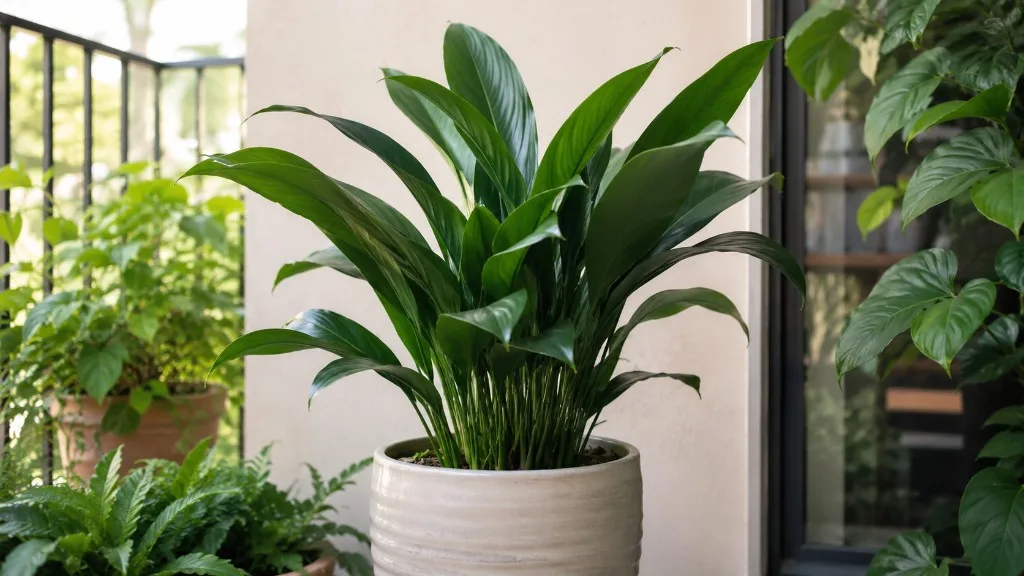
How to Propagate Cast Iron Plant: Division & Aftercare
How to Propagate Cast Iron Plant: Division & Aftercare
Author: sai-ananth · Reviewed by LeafyPixels Review Board · Updated 2026-06-15
Cast iron plant propagation succeeds through rhizome division-not leaf cuttings, stem cuttings, or water jars. Aspidistra elatior spreads slowly from thick underground rhizomes; each viable division needs attached roots, a firm rhizome segment, and at least two healthy leaves. Divide in spring or early summer while the plant is actively growing, pot at the same crown depth as before in well-draining mix, and water using the same soil-check method described in our cast iron plant watering guide. If you came here after a leaf sat green in water for weeks without rooting, that outcome is expected-Cast Iron Plant overview does not regenerate from detached leaves.
Quick Answer: How to Propagate Cast Iron Plant
The reliable method: Unpot a healthy, root-bound clump during active growth. Tease or cut the rhizome into sections with two or more leaves, roots, and growing points. Pot each section one to two inches wider than its root mass in fresh, aerated mix. Water once to settle, place in bright indirect to medium light, and wait-new leaves may take six to ten weeks in warm spring conditions. Clemson HGIC advises dividing cast iron plant when actively growing in spring and early summer, with divisions that have two or more leaves. The RHS describes division as cutting through thick fleshy rhizomes in spring, ensuring each section has several leaves.
What does not work: Detached leaves, imaginary stem nodes, and submerged rhizome pieces without adequate roots. Combine division with repotting when the parent is crowded. For baseline culture before you multiply, see the cast iron plant overview.
How Cast Iron Plant Spreads in Nature
Cast iron plant (Aspidistra elatior) is a slow-spreading evergreen, rhizomatous perennial that grows from thick underground rhizomes-horizontal stems that store energy and produce both roots and leaves along their length. Native to shaded forest floors in China and Japan, it evolved for dim light, stable soil moisture, and decades of quiet persistence rather than fast colonization. Clemson HGIC notes that cast iron plant spreads slowly via rhizomes, with sword-shaped leaves rising upright to 2–3 feet from the soil surface while the growing machinery stays hidden below ground.
Each leaf attaches to a rhizome segment, not to an above-ground stem with nodes. The growing point-meristematic tissue capable of new shoots-sits where the leaf sheath meets the rhizome. New leaves emerge along the rhizome over time, gradually extending the clump outward. Flowers, when they appear, develop at soil level and are easy to miss; seed propagation is possible in theory but rare indoors and impractically slow for most home growers.
Understanding this anatomy prevents weeks of wasted effort. You are not looking for a stem to snip or a leaf to root in water. You are separating pieces of rhizome that already contain leaves, roots, and living growing points.
Why Rhizome Division Is the Only Reliable Method
Cast iron plant propagation succeeds when you divide the root ball into smaller sections, each retaining part of the rhizome with attached roots and at least two healthy leaves. Division works because every viable section already contains fibrous roots for uptake, rhizome tissue for energy reserves, and a growing point capable of pushing new leaves once the plant settles.
Among experienced indoor growers, rhizome division is the default method for Aspidistra and the only one worth planning around. The RHS treats division as the standard propagation route-cut through thick fleshy rhizomes in spring, making sure each section has several leaves. Cast iron plant responds predictably when handled during active growth with clean tools and appropriate aftercare. Both the parent clump and the divisions typically resume growth within weeks, and a divided plant often looks fuller afterward because each section has more root room.
| Method | Works for cast iron plant? | Typical outcome |
|---|---|---|
| Rhizome division | Yes - primary method | High success when timed and potted correctly |
| Stem cuttings | No - no above-ground stems with nodes | Not applicable |
| Leaf cuttings | No - leaves lack regenerative tissue | Leaf may persist but will not become a plant |
| Water propagation | No - no viable cutting type for water | Rot within days to weeks |
| Seed | Rare indoors; very slow | Impractical for most home growers |
Other methods you encounter online-leaf cuttings in soil, stem cuttings in water, or propagation stations with single leaves-do not match how this species is built. They persist because generic guides treat all foliage plants alike. For Aspidistra elatior, they fail for structural reasons explained below, not because you lacked patience.
Why Stem and Leaf Cuttings Do Not Work
Stem cuttings fail because there is no stem to cut. The visible architecture is a rosette of leaves emerging directly from the rhizome at or just below the soil surface. NC State Extension describes cast iron plant as an evergreen, rhizomatous perennial in the family Asparagaceae, with leaves extending directly from the rhizome rather than from an above-ground stem with nodes. Houseplants that root from stem cuttings-pothos, tradescantia, coleus-produce leaves along stems where each node carries dormant tissue capable of forming roots and shoots. Aspidistra does not organize growth that way.
Leaf cuttings fail even though the plant has plenty of leaves. A detached cast iron plant leaf does not contain meristematic tissue needed to regenerate a rhizome and new growing points. The leaf is a photosynthetic appendage of the rhizome, not an independent propagule. Cut leaves may stay green for weeks before yellowing, giving the illusion of life without ever producing roots or a crown.
Water propagation accelerates failure. Cast iron plant tissue is not adapted to submerged rooting. Standing water around cut leaf tissue invites decay within days. Soil with controlled moisture-not saturation-is the correct medium after division, and only for sections that already include roots and leaves.
When Your Cast Iron Plant Is Ready to Divide
Division is easiest when the parent plant is healthy, well-established, and showing signs that the current container is constraining growth. A mature cast iron plant that has filled its pot with rhizomes and roots-commonly root-bound-is an ideal candidate, though you need not wait until the plant is severely cramped. The practical trigger is visible vigor plus root mass, not a specific age in years.
Signs your plant is ready:
- Roots and rhizomes visible at drainage holes or circling the pot when you slide the plant out.
- Soil dries faster than it used to because roots occupy most of the volume-use the finger test from our watering guide.
- Multiple leaf clusters emerging from different points, suggesting the rhizome has branched into several crowns.
- New growth is steady-fresh leaves unfurling during the warm season without chronic yellowing.
- The plant has outgrown its display space and you want another specimen without buying another pot.
Each division should retain at least two to three leaves and healthy rhizome with attached roots. Clemson HGIC advises divisions with two or more leaves. Single-leaf sections sometimes survive but establish far more slowly.
Do not divide a plant in active decline. Chronic overwatering on Cast Iron Plant, severe underwatering on Cast Iron Plant, pest infestation, or recent repotting shock are reasons to stabilize the parent first. Inspect the root ball before cutting; mushy, foul-smelling rhizome tissue should be trimmed away or division postponed until recovery. Check leaf undersides for scale and mealybugs before multiplying the problem across more pots.
When not to divide: A small, happy plant that is not root-bound does not need splitting. Propagation is for when you want more plants or the container genuinely requires intervention-often the same session as repotting.
Best Timing for Aspidistra Propagation
Spring and early summer-roughly March through June in the Northern Hemisphere-is the best window for dividing cast iron plant. During active growth, rhizome wounds callus faster, new roots initiate more readily, and the plant can push new leaves within weeks. Clemson HGIC specifically recommends dividing when actively growing, in spring and early summer.
You can combine division with repotting at the start of the growing season, which is efficient because you are already disturbing the root ball and refreshing mix per our soil guide. Late summer division is workable in warm homes with bright indirect light, but establishment slows as day length shortens. Winter division is possible in emergencies-a broken pot, severe root rot on Cast Iron Plant requiring surgery-but expect a longer stall and higher rot risk if mix stays cool and damp.
Timing is about plant condition, not calendar ritual alone. Warm soil, stable room temperatures roughly 65–75°F (18–24°C), and visible active growth matter more than the date. Missouri Botanical Garden notes cast iron plant tolerates a wide temperature range indoors but prefers minimum 50°F in winter-keep fresh divisions above that floor.
Outdoor landscape division (USDA zones 7–11): Where cast iron plant grows in garden shade, Clemson HGIC lists hardiness in zones 7 to 11 and recommends dividing during active spring and early summer growth-the same window as houseplants. Dig the clump, shake or rinse soil to expose rhizomes, cut with a sharp spade or knife at natural crown separations, and replant divisions at the same soil line in dappled to full shade. Water in well and avoid direct sun on freshly disturbed plants. NC State Extension confirms the species spreads by rhizomes in ground within its hardiness range.
Supplies You Will Need
Gather materials before unpotting so rhizome tissue does not sit exposed longer than necessary.
Essential supplies:
- Clean, sharp knife or pruning shears, wiped with 70% isopropyl alcohol before and between cuts (Iowa State Extension recommends alcohol for sanitizing pruning tools between plants).
- New pots with drainage holes, each only 1–2 inches (2.5–5 cm) wider than the division’s root mass.
- Well-draining potting mix-see our soil guide for blend options; Missouri Botanical Garden recommends a well-drained, peaty potting mixture for container culture.
- Newspaper, tarp, or tray to contain soil during the session.
- Optional: garden gloves for grip on dense root balls.
Helpful but optional: Hand trowel or hori-hori knife; labels for cultivars such as Aspidistra elatior ‘Variegata’; slow-release fertilizer for use only after establishment.
Potting mix: NC State Extension lists clay, loam, sand, and high-organic soils among outdoor adaptability, but containers fail when mix stays waterlogged. A practical home blend is three parts quality potting soil to one part perlite or pumice-aeration pattern similar to the RHS recommendation of peat-free loam-based and multi-purpose compost for repotting. Target slightly acidic to neutral pH around 6.0–7.0; precise adjustment is rarely necessary for hobby propagation.
Variegated divisions: ‘Variegata’ and other striped cultivars divide the same way mechanically, but the RHS warns that in very poor light, variegated leaves may revert to plain green. Give divided variegated plants brighter filtered light than the species tolerates-still no direct sun-so striping persists after the split.
Preparing the Parent Plant for Division
Preparation reduces transplant shock and clarifies where to cut. Rushing-yanking the plant, hacking blindly, burying crowns too deep-causes most preventable failures.
One to two days before dividing, water lightly if mix is fully dry. You want the root ball cohesive enough to handle, not saturated. Soggy rhizomes tear easily at cut surfaces. If the pot still feels heavy from a recent watering, skip additional water until the top 3–5 cm approaches dry-the same depth Clemson HGIC uses for routine indoor watering checks.
Choose a workspace with room to lay the root ball flat. Avoid direct sun on exposed roots; rhizomes desiccate quickly on warm, breezy afternoons.
Unpotting and Inspecting the Rhizome
Tip the pot on its side and slide the plant out while supporting the leaf mass. On a severely root-bound plant, run a knife around the perimeter or squeeze flexible nursery pots to loosen. Never pull individual leaves as handles; they detach from the rhizome.
Once free, assess overall health. Healthy roots are firm and pale tan to white. Rhizomes feel solid and woody, like dense ginger root-not mushy or hollow. Dark, soft, foul-smelling tissue signals rot and must be cut back to clean material before division proceeds.
Cleaning the Root Ball and Mapping Natural Splits
Gently shake or brush away loose soil so rhizomes become visible. A hand trowel or fingers work better than blasting roots with a hard water jet.
Look for natural separation points-places where the clump already wants to divide into smaller crowns. Mature plants often form distinct leaf clusters, each rising from its own rhizome branch, with slight gaps between them. Those gaps are preferred cut lines.
If the rhizome mass is one dense brick, plan cuts so each section still meets the two-to-three-leaf minimum with adequate root mass. Fewer, larger divisions outperform many tiny fragments that stall for months.
Step-by-Step Rhizome Division
With the root ball inspected and split points identified, division is methodical cutting and sorting.
Making Clean Cuts Through Dense Rhizomes
Start by teasing divisions apart by hand at natural separation points. When the rhizome resists, switch to a clean, sharp knife or shears.
Cut decisively between crowns, not through the center of a single growing point. Each division needs:
- A rhizome segment at least a few centimeters long.
- Attached fibrous roots on that segment.
- Two or more healthy leaves with intact sheaths at the rhizome junction.
- At least one active growing point at a leaf-rhizome junction.
Avoid sawing with dull tools; ragged wounds heal slowly and invite rot. Keep divisions moist but not wet while you work-rest finished sections on damp newspaper if the session runs long.
Crown depth reference: When potting, leaf sheaths and growing points must sit at or just above the soil surface. Burying the rhizome crown under extra mix for “stability” is a common cause of post-division rot-think of the crown as a shallow collar, not a bulb to bury.
Sorting Divisions and Trimming Damaged Tissue
Inspect each division. Trim soft, brown, or hollow rhizome tissue back to firm material. Remove yellowed or torn leaves that will only drain energy, but keep every healthy green leaf that meets your minimum count.
Discard divisions with only one leaf and minimal rhizome unless you accept a year-long establishment-or pot them with a larger division instead of giving each a tiny solo pot. Replant any parent remainder promptly; do not let sections sit bare-root in sun.
Potting and Rooting Fresh Divisions
Potting is where cultural knowledge matters as much as the cut. Cast iron plant is forgiving, but burying the crown too deep or choosing an oversized wet pot stalls even perfect rhizome sections.
Fill each new pot one-third to halfway with fresh, slightly moist mix. Position the division so the rhizome sits at the same depth it grew before, with leaf sheaths above the soil line and roots spread gently downward. Growing points where leaves emerge should remain at or just above the soil surface.
Add mix around the sides, firming lightly to eliminate large air pockets without compressing the root zone. Leave 1–2 cm between soil surface and pot rim for watering space.
Water once, lightly but thoroughly, until a small amount drains from the bottom, then empty the saucer. Clemson HGIC instructs indoor growers not to leave water in the saucer after watering.
Place divisions in bright indirect light or the same low-to-medium light the parent tolerated. Avoid direct sun on freshly divided plants. Most divisions do not need rooting hormone-the rhizome already carries roots and stored energy.
Aftercare for Newly Divided Cast Iron Plants
The first four to eight weeks after division determine whether new plants thrive or sit in suspended animation. Cast iron plant is slow even under ideal conditions; patience is part of the protocol.
First-Month Watering and Light
Watering rhythm after the initial settle-in drink should follow the same logic as a mature cast iron plant, with a slight bias toward dryness while cuts heal. Check the top 3–5 cm of mix-the method in our watering guide. Water thoroughly only when that layer is dry and the pot feels noticeably lighter. In most indoor settings, that often means roughly every 10–14 days during active growth and every 14–21 days in cooler or dimmer conditions-always verify with the pot, not a calendar.
The most common post-division mistake is overwatering a plant with reduced roots. Excess soil moisture lingers around healing rhizome cuts, and rot follows. If in doubt, wait an extra two or three days.
Light should remain stable and moderate. Temperature stability matters too; Missouri Botanical Garden recommends regular summer temperatures and minimum 50°F in winter for container plants. The RHS lists an ideal range of 5–20°C (40–70°F) for aspidistras indoors-divisions benefit from the same comfort band.
Humidity around 40–50% is adequate. Cast iron plant is not a high-humidity tropical; misting does little and may encourage foliar spotting in hard-water areas.
Success signals: firm upright leaves, no progressive yellowing beyond an occasional old leaf, and eventually a new leaf unfurling from the rhizome. Rooting may begin within two to four weeks in warm spring conditions (typical home observation, not a guarantee); visible new foliage often takes six to ten weeks because Aspidistra grows deliberately. Do not unpot weekly to check roots.
When to Resume Feeding
Hold fertilizer until the division shows clear new growth-a fresh leaf expanding or obvious root resistance when you gently tug. Feeding an unestablished plant adds salts roots cannot yet absorb. In practice, wait at least six to eight weeks, often longer for late-season divisions.
When you do feed, use a balanced houseplant fertilizer at quarter to half strength on already-moist soil during active growth. Clemson HGIC recommends fertilizing indoor cast iron plants in spring and summer; newly divided plants should join that schedule only after they demonstrate growth. See our fertilizer guide for seasonal rates.
Trim mechanically damaged leaves with clean shears per our pruning guide once the plant is stable-avoid heavy pruning the same week you divide.
Establishment Timeline: What to Expect Week by Week
Cast iron plant divisions follow a slow, predictable rhythm. Treat the table below as typical home ranges, not guarantees-cool rooms, dim corners, and winter splits extend every phase.
| Week | What you may see | What to do |
|---|---|---|
| 1 | Leaves may droop slightly; no new growth yet | One settle-in water; bright indirect light; no fertilizer |
| 2–3 | Leaves firm up if watering is conservative | Check top 3–5 cm dry before watering; empty saucer after each drink |
| 4–6 | Root activity often begins (not visible) | Maintain sparse watering; resist unpotting to “check” |
| 6–10 | First new leaf may unfurl in warm spring divisions | Continue normal light; still hold fertilizer until leaf expands |
| 10–16 | Additional leaves possible on vigorous divisions | Begin quarter-strength feeding if new growth is sustained |
| 16+ | Plant behaves like a small established specimen | Resume full care rhythm; repot only when roots circle pot |
Divisions made in cooler or dimmer seasons can sit largely unchanged for several months without indicating failure, as long as rhizome and leaf bases remain firm. Firm tissue and eventual new leaf unfurling beat anxious digging.
Troubleshooting Failed Divisions
Most failures trace to preventable errors.
Overwatering tops the list-soil staying wet around a freshly cut rhizome invites decay. If the base of a leaf sheath goes mushy, remove the division from wet mix, trim rotted rhizome to firm tissue, and repot into fresh, barely moist substrate in a smaller pot.
Burying the crown causes yellowing from the base up. Brush mix away until growing points sit at the proper depth.
Oversized pots keep too much soil wet relative to root mass; downsize with fresh mix.
Rhizome desiccation during a long division session causes wilting watering cannot fix. Work efficiently, shade exposed roots, and pot promptly.
Winter division without adequate warmth produces months of stall; unless rot is present, stable patience and sparse watering often see plants through to spring growth.
Single-leaf divisions frequently stall-not because aftercare failed, but because the section lacked photosynthetic and stored energy. Give firm one-leaf sections more time or consolidate into a larger pot.
Pest transfer is possible if you divided without noticing scale, mealybugs, or spider mites. Inspect parent and divisions at cut time.
For chronic yellowing after division, cross-check watering and soil drainage before assuming the rhizome failed.
Conclusion
Multiply cast iron plant by rhizome division during spring and early summer, giving each section two or more leaves, firm rhizome tissue, and attached roots. Pot at the same crown depth, use aerated mix in a snug container, and water only when the top of the mix dries-the same discipline that keeps mature plants healthy. Leaf and water “propagation” fails because Aspidistra does not produce regenerative tissue in detached leaves or submerged cuttings; match technique to biology and success rates stay high.
How this guide was reviewed: Recommendations were checked against Clemson HGIC cast iron plant culture, RHS aspidistra growing guidance, NC State Aspidistra elatior profile, and Missouri Botanical Garden container culture notes, then aligned with LeafyPixels plant-care data and practical indoor constraints. Author: sai-ananth · Reviewer: LeafyPixels Review Board.
Explore cast iron plant care: Overview · Light · Watering · Soil · Fertilizer · Repotting · Pruning
When to use this page vs other Cast Iron Plant guides
- Cast Iron Plant overview - Start here for whole-plant context before deep-diving this topic.
- Cast Iron Plant problems hub - Jump to symptom-specific fix guides when this care topic does not resolve the issue.