Cast Iron Plant Pruning: When, How, and What to Cut First
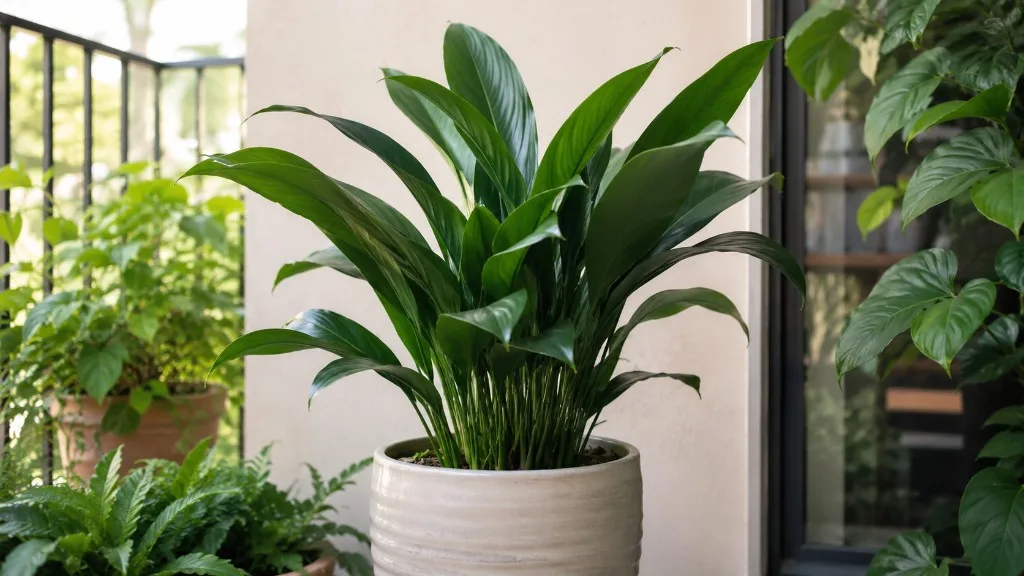
Cast Iron Plant Pruning: When, How, and What to Cut First
Cast Iron Plant Pruning: When, How, and What to Cut First
Quick answer - your first cut
First, remove only fully yellow, mushy, broken, or pest-damaged leaves at the soil line with clean, sharp bypass shears. Grip the leaf base near the crown, cut where the petiole emerges from the rhizome, and inspect the cut surface - it should look firm, not brown-streaked or wet. Cast iron plant (Aspidistra elatior) is a slow-growing, rhizomatous perennial whose leaves rise directly from an underground crown; it does not branch from mid-blade cuts. Once dead tissue is gone, decide whether cosmetic tip trimming or staged height control is worth doing - most healthy plants need only occasional grooming, not scheduled shaping.
What cast iron plant pruning actually means
Indoor cast iron plant pruning is light grooming, not hard renovation. Four tasks cover nearly every situation:
- Sanitation - remove yellow, mushy, torn, or pest-damaged leaves at the base
- Tip trimming - snip minor brown edges on otherwise healthy blades
- Height control - remove disproportionately tall leaves at the soil line, not halfway up
- Clump renewal - every few years, thin the oldest outer leaves to open the crown
Cast iron plant survives neglect precisely because it rarely needs cutting. NC State Extension describes it as a durable shade-tolerant ground cover that spreads by rhizomes and grows slowly in upright clumps. The Royal Horticultural Society notes that no formal pruning is required - simply remove fading leaves to keep plants looking their best. Pruning tidies appearance and removes hiding spots for dust and pests; it does not replace fixing overwatering on Cast Iron Plant in dim corners or salt buildup from heavy feeding, the usual drivers of yellowing and brown tips.
Rhizomes, crowns, and leaves that do not branch
Each broad leaf is a solitary unit on a long petiole that appears to be a stem but is not. The plant is acaulescent - leaves extend directly out of the ground from the rhizome crown at or just below the soil surface. New shoots emerge as pointed spears that unfurl over weeks or months. Cut a leaf mid-blade and the remaining portion will not sprout a new tip. Remove a whole leaf at the soil line and the rhizome may eventually send up a replacement leaf from a growing point - but slowly, especially in deep shade or winter.
This is the same logic as snake plant pruning: whole leaves off at the base, tip trims only for small cosmetic damage.
When to prune cast iron plant
Year-round cleanup suits individual yellow, broken, or pest-damaged leaves - remove them whenever you notice them. Spring reshaping - taking multiple healthy leaves for height control or crown renewal - fits late spring through early summer when warmth supports rhizome activity indoors.
Avoid heavy removal when the plant is recovering from root rot on Cast Iron Plant, fresh Cast Iron Plant repotting guide, or a sudden move from very dark shade to much brighter light. Cast iron plant changes on a slow timetable; let it stabilize before cosmetic work.
Year-round cleanup vs spring reshaping
Dead and mostly yellow leaves can leave any time. If you need to remove several healthy green leaves to lower the silhouette, schedule that for active growth months. Clemson HGIC recommends cutting weathered leaves back to the ground one by one as needed, or cutting back the whole clump every two to three years in late winter outdoors - indoors, spread equivalent reshaping across spring sessions instead of one winter shock.
In winter, when new leaf emergence often stalls indoors, limit yourself to obvious failures rather than ambitious reshaping.
When to wait
Pause major pruning if:
- soil stays wet for days and leaves are yellowing in low light - fix drainage and Cast Iron Plant watering guide first
- the crown feels soft or smells sour - inspect roots before cutting more foliage
- you repotted within the last two weeks - let roots settle
- multiple leaves yellowed after a recent fertilizer spike - flush salts and reassess before stripping the pot bare
What to inspect before you cut
Walk around the plant in decent light and check:
- Leaf color - fully yellow vs green with brown tips only
- Crown firmness - press gently near the soil line; mushiness suggests rot
- Leaf age pattern - one yellow lower leaf is often normal senescence; several new yellow leaves signal care stress
- Pest signs - stippling, webbing, or sticky residue on undersides
- Silhouette - which leaves are tallest, oldest, or most tattered
- Soil moisture - wet mix in a dark corner often precedes yellowing
If yellowing is widespread, diagnose watering and light before repeated pruning - cosmetic removal alone will not stop the pattern.
The first cut to make
Remove the worst failures first: mushy yellow leaves, broken blades, and leaves with heavy pest damage. Cut each one at the soil line in one clean slice. Do not pull firmly attached leaves - tearing damages rhizome tissue.
Only after sanitation is done should you consider tip trims or removing healthy leaves for height. That order keeps you from reshaping a plant that is actually declining from root stress.
How to prune cast iron plant step by step
Soil-line removal for whole leaves
Grip the leaf base firmly. Cut horizontally or at a slight angle where the petiole meets the crown. One clean cut beats sawing, which crushes fibers and invites crown problems. After removal, the exposed crown tissue should look dry and firm. Brown streaks running into the crown mean stop pruning and check roots.
For height control, remove the tallest leaves at the base - not by shortening them mid-blade. Step back after each major cut. Cast iron plant looks best with varied leaf heights, not a blunt uniform line.
Brown tip trimming on healthy blades
Brown tips often follow drought episodes, fertilizer salts, or occasional very dry air - though cast iron plant tolerates low humidity better than most ferns. If less than roughly one-quarter of the blade is damaged and the rest is firm green, trim the dead edge at a slight angle following the leaf shape. If dieback is advancing up the leaf or the blade is mostly brown, remove the whole leaf at the soil line instead of chasing brown tissue forever.
Height control without shearing
Never shear all leaves to one height like a hedge. Instead, remove the tallest or most damaged outer leaves across two sessions if needed, staying within the one-third limit described below. Opening the crown this way can improve air movement around the soil surface and make dusting easier - useful on plants that have gone years without grooming.
Where to cut and what to leave alone
Cut at: the soil line where the petiole emerges from the rhizome crown; brown tips on otherwise healthy blades; the oldest, most tattered outer leaves during renewal pruning.
Leave alone: firm green leaves you are removing only for impatience; the rhizome itself - never slice into the crown trying to “stimulate” growth; partially green leaves with only minor tip damage unless you prefer whole-leaf removal; new pale shoots still unfurling.
How much you can safely remove
When cutting healthy green leaves for cosmetic height or shape, limit removal to one-third of living foliage per session. Fully yellow, mushy, or broken leaves do not count toward that cap.
Because cast iron plant replaces leaves slowly, spread major reshaping across two spring sessions six to eight weeks apart rather than one aggressive cut. The Missouri Botanical Garden describes Aspidistra elatior as an easily maintained, stemless foliage plant that grows to about three feet - a sparse pot can stay sparse for months after over-pruning because replacement follows that slow rhythm.
Tools and blade sterilization
Cast iron plant leaves are thick and fibrous. Use sharp bypass shears or a clean utility knife for soil-line cuts. Dull scissors crush the leaf base and leave ragged tissue at the crown.
Wipe blades with 70% isopropyl alcohol before starting and between cuts on diseased or pest-damaged tissue. The ASPCA lists cast iron plant as non-toxic to cats and dogs, so pet-safe homes can prune without special disposal concerns - still keep trimmings out of reach if your pets chew plants habitually.
What pruning can and cannot fix
Pruning helps with: removing spent foliage, improving appearance, lowering an over-tall blade, reducing pest-hiding dust pockets in crowded crowns, and harvesting rhizome divisions at repotting.
Pruning cannot fix: chronic overwatering in low light, direct sun bleaching, salt-damaged tips from over-fertilizing, or a root system in decline. Yellow leaves will keep appearing until the underlying care issue is corrected.
Propagation note: Rhizome division at spring repotting is the reliable multiplication method - not leaf cuttings from pruned blades. Clemson HGIC advises dividing when plants are actively growing in spring and early summer, ensuring each section has two or more leaves.
Aftercare and recovery timeline
After multiple soil-line cuts, maintain steady care without stacking stressors. Keep low to medium indirect light, allow the top 3–5 cm of mix to dry between waterings, and avoid fertilizing until you see stable new growth if the plant was recently stressed.
New leaves may emerge within four to twelve weeks after spring grooming on a healthy rhizome - slower in deep shade or winter. Cast iron plant will not bounce back as quickly as pothos. Signs pruning worked include firm crown tissue, no spreading yellowing, and eventually a fresh pointed shoot rising from the soil line.
If the crown softens or more leaves yellow after a light grooming session, the problem is likely roots or watering - not the pruning itself.
Ongoing maintenance between big sessions
Most owners need only:
- remove the occasional yellow or torn leaf when it appears
- wipe dust from broad blades so the plant photosynthesizes efficiently in low light
- thin the oldest outer leaves every two to four years if the crown becomes crowded and shabby
That rhythm suits a plant marketed for low maintenance. Heavy reshaping is an occasional event, not a monthly chore.
Mistakes to avoid
Mid-blade cuts expecting regrowth. Leaves do not branch; stubs brown permanently.
Removing too many healthy leaves at once. Slow replacement leaves the pot looking empty for months.
Pruning without fixing overwatering or sun scorch. Yellowing returns until conditions improve.
Using dull tools. Crushed leaf bases invite crown problems.
Shearing all leaves to one height. Natural height variation suits this architectural foliage plant.
Heavy winter reshaping. New leaves may not appear until spring regardless of how much you cut.
Conclusion
Cast iron plant pruning is simple once you respect its rhizome architecture: cut failing leaves at the soil line, trim minor brown tips only when worth the effort, and stage any healthy-leaf removal across spring sessions with a one-third limit. Start with sanitation, inspect the crown before shaping, and treat widespread yellowing as a care signal rather than a trimming project. Done patiently, grooming keeps this shade-tolerant staple looking deliberate instead of tired - without demanding the frequent attention faster growers require.
When to use this page vs other Cast Iron Plant guides
- Cast Iron Plant overview - Start here for whole-plant context before deep-diving this topic.
- Cast Iron Plant problems hub - Jump to symptom-specific fix guides when this care topic does not resolve the issue.
- Leggy Growth on Cast Iron Plant - Escalate here when pruning adjustments are not enough.
- Slow Growth on Cast Iron Plant - Escalate here when pruning adjustments are not enough.
- Brown Tips on Cast Iron Plant - Escalate here when pruning adjustments are not enough.