How to Prune Geranium: When, Where & What to Cut
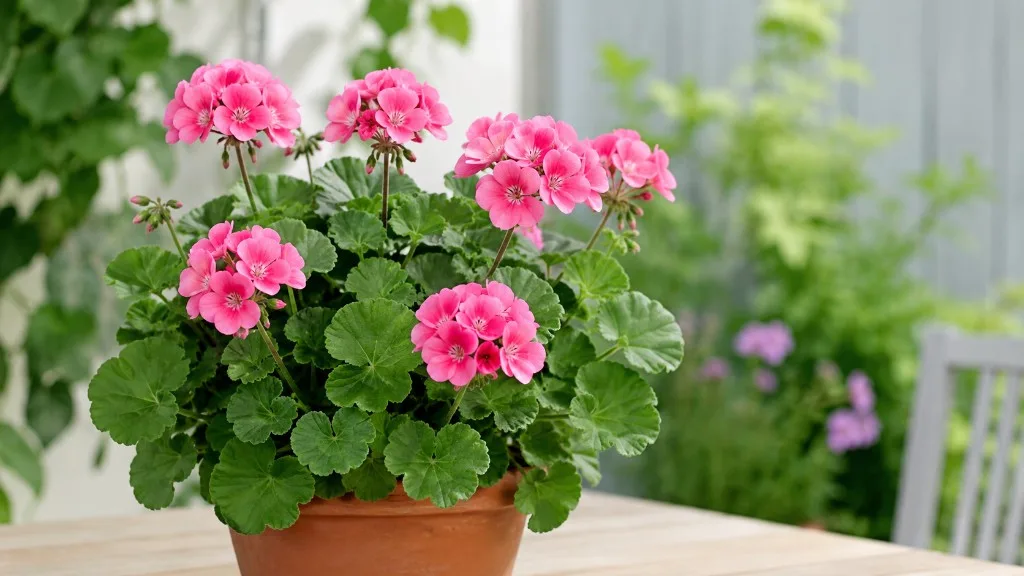
How to Prune Geranium: When, Where & What to Cut
How to Prune Geranium: When, Where & What to Cut
Quick Answer - Deadhead Spent Blooms First
First action: Trace any faded flower cluster down its stalk to the first leaf node below it, then snap or cut the entire peduncle off there - not just the dry petals at the top. On Pelargonium × hortorum (zonal geranium), removing the whole spent flowering unit stops seed formation and keeps energy moving toward new buds on that stem.
Only after deadheading finished blooms, remove yellow or damaged leaves and broken stems back to live tissue. Shaping cuts come last, once you have assessed whether the plant actually needs pinching or a cutback.
What Pruning Does for Geranium (Pelargonium)
When gardeners say “geranium,” they almost always mean Pelargonium - the upright, succulent-stemmed plants in pots, window boxes, and bedding displays - not the hardy herbaceous perennials in genus Geranium. This guide covers Pelargonium pruning: deadheading, pinching, and selective cutbacks on zonal and similar types.
Pelargoniums carry flower clusters on long stalks above the foliage. Each umbel sits on a peduncle that can keep draining resources after petals fade. Iowa State University Extension notes that deadheading by snapping spent stalks at the base improves appearance and promotes rebloom, while pinching stems encourages a bushy habit. Clemson HGIC adds the same two maintenance tasks: remove dead flowers to prolong flowering and pinch to build well-branched, full plants.
Pruning redirects growth - it does not replace adequate sun, drainage, or watering. A leggy geranium in deep shade will stretch again after every cut until light improves.
Deadheading, Pinching, and Cutback Are Three Different Jobs
Deadheading is frequent, light grooming during bloom season. You remove finished flower stalks so the plant keeps producing buds instead of seed.
Pinching removes ½ to 1 inch from soft growing tips in spring or early summer. That breaks apical dominance - the terminal bud’s control over the stem - and activates lateral buds at lower nodes.
Cutback shortens entire leggy stems by up to one-third during active growth, or by one-third to one-half when preparing plants for indoor overwintering. It resets shape on a larger scale than pinching.
Pelargonium vs Hardy Geranium - Do Not Mix Up the Timing
Hardy border geraniums (Geranium spp.) are herbaceous perennials that respond to a mid-season Chelsea chop - cutting back by one-third to one-half after the first flush to reduce flopping and encourage a second bloom wave. Tender Pelargoniums do not follow that calendar. Chelsea-chopping a potted zonal geranium in May removes stems about to flower and wastes the plant’s warm-season display.
For Pelargonium: deadhead continuously, pinch young tips in spring, and cut back leggy stems during active growth - not with perennial border timing.
What to Check Before You Cut
Rotate the pot in good light and scan before touching shears:
- Spent flower clusters - brown, shattering, or thin umbels ready for deadheading
- Stem bases - soft rot, darkening, or pest webbing near soil line
- Leaf color and spacing - widely spaced leaves on long stems often signal insufficient light, not just missed pinching
- Soil moisture - do not prune heavily into a drought-stressed or waterlogged plant
- Recent changes - fresh repot, move indoors, or pest treatment means lighter grooming only
If the plant looks healthy and is actively blooming, deadheading alone may be all you need this session.
When to Prune Geranium
Immediate cleanup - spent blooms, yellow leaves, broken stalks, diseased tissue - can happen whenever you see them. There is no reason to leave a brown flower cluster attached because the calendar says wait.
Deadheading rhythm: weekly during heavy outdoor bloom, or every few days on show containers. Iowa State Extension states that deadheading promotes additional flowers by preventing seed formation.
Pinching and structural shaping belong in the active growing season - late spring through summer when days are long, temperatures are warm, and new leaves are opening at stem tips. This is when lateral buds activate fastest after a cut.
Overwintering cutbacks in early fall are deliberate exceptions: reduce plant size by one-third to one-half when moving pots indoors before frost, as Wisconsin Extension recommends when bringing tender geraniums inside.
Year-Round Cleanup vs Seasonal Shaping
Year-round tasks touch little healthy green tissue: deadheading, removing dry leaves, snapping off obvious breakage. Seasonal shaping - pinching many tips at once or shortening multiple leggy stems - waits until the plant is actively growing, not drought-stressed, and not sitting in a dim room it just moved into.
A practical rhythm for container growers: deadhead lightly whenever you water during bloom season, pinch tips every two to three weeks on young or freshly overwintered plants in spring, and assess full shape once in late spring before deciding on harder cuts.
Overwintering Cutbacks Are the Main Exception
Avoid removing a large share of foliage in late fall unless you are preparing for overwintering. Pelargoniums slow in cool, dim conditions; a hard haircut right before months indoors strips photosynthetic tissue when the plant can least replace it.
When bringing pots inside, Wisconsin Extension advises trimming back by one-third to one-half, watering thoroughly, and placing in a sunny spot. If plants stretch in lower indoor light, pinch stems just above a leaf node to produce new growth. Bare-root overwintered plants stored dormant are cut to about one-third of their previous height in March before Geranium repotting guide.
Where to Cut on a Geranium Stem
The reliable rule: cut just above a node, not through the middle of an internode and not far above the node leaving a long stub.
A node is the joint where a leaf meets the stem - often slightly swollen, with a dormant bud tucked in the leaf axil. New side branches and flower stalks emerge from those buds when the terminal growth above them is removed.
Aim for 5–10 mm (about ¼ inch) above a healthy node, angled slightly so water runs off the cut face. Stubs above nodes die back and look like brown pegs. Cutting too close and crushing the node slows regrowth.
For deadheading, follow the flower stalk down to the first node below the spent cluster - or to where the stalk meets the main stem - and remove the whole peduncle.
How to Deadhead Geraniums Step by Step
Deadheading is the highest-return pruning task on a blooming Pelargonium.
- Identify finished clusters - petals brown, shatter easily, or the umbel looks thin and dry.
- Trace the stalk downward to the first leaf node or main branch junction.
- Remove the entire peduncle - on tender, well-watered stems, a clean snap with a fingernail works; on woody or diseased tissue, use sterilized snips.
- Work around the whole plant, not just the front-facing side. Mixed containers often hold old seed heads on the back while the front looks fine.
- Bag trimmings if pets have access - Pelargonium tissue is toxic to cats and dogs.
Leaving only the dry petals while the stalk and seed head remain is the most common deadheading mistake. The plant still invests in seed and slows the next bloom wave.
Pinching Tips for Bushier Pelargoniums
Pinching is the gentlest way to set shape on a young or freshly rooted geranium before it commits to a single tall stem.
When new spring growth is soft and bright green, remove 1–2 cm (about ½ to 1 inch) from each main stem tip - with fingernails on very tender tissue or clean snips otherwise. That removes the dominant apical bud and wakes lateral buds lower on the stem. Repeat until the plant has three to five balanced leading shoots instead of one central ladder.
Clemson HGIC recommends pinching to encourage well-branched, full plants. On nursery bedding plants already pinched at production, check stem structure before pinching again - many arrive with side branches started.
Pinching shapes future stems; deadheading responds to past blooms. Avoid heavy pinching in late fall before dim indoor overwintering.
Cutting Back Leggy or Overgrown Stems
Leggy geraniums are usually reaching for light. Stems elongate, leaves space farther apart, and flowers cluster at tips because the plant wants more photons. Before a hard cut, confirm the pot gets enough sun - Clemson HGIC notes geraniums need at least four hours of direct sunlight daily to flourish and flower well. Pruning without improving light produces the same stretch on a shorter timeline.
To reshape, identify the longest bare-based stems throwing the silhouette off balance. Shorten each just above a node roughly one-third to one-half down the stem. Remove crossing stems that rub in wind and any with pest damage or soft rot at the base. Step back after every few cuts - Pelargoniums look sparse quickly because each stem carries substantial leaves.
How Much You Can Safely Remove
Limit routine sessions to no more than one-third of green foliage on a healthy plant during active growth. For severely overgrown specimens, spread harder rejuvenation across two or three sessions spaced three to four weeks apart so the plant always retains enough leaves to photosynthesize.
Overwintering cutbacks when moving indoors are the main exception: reducing height by one-third to one-half helps the plant fit lower-light conditions and lowers water demand, per Wisconsin Extension.
Tools and Sanitation
Pelargonium stems are succulent and crush easily. Use sharp bypass shears or scissors for stems thicker than a pencil; floral snips work in tight containers. Wipe blades with 70% isopropyl alcohol before starting, between plants, and after any diseased cut.
Make one clean pass on live stems rather than sawing repeatedly. Gloves help if geraniol and linalool in the foliage irritate your skin. Do not apply wound sealants - open cuts heal fine in dry air on healthy plants.
Aftercare After Pruning
Keep light steady or slightly improved after shaping - do not move a freshly pruned plant from full outdoor sun into deep shade, or from a bright window to a dim corner, until new growth hardens.
Water consistently when the top inch of mix dries; avoid extra soaking “to help shock.” Pelargoniums rebuild best with normal drainage, not soggy soil on cool days.
Hold fertilizer for two to three weeks after anything beyond light deadheading. Resume a balanced water-soluble feed at quarter to half label strength once new leaves are clearly expanding. High-nitrogen feeding on a recently cut plant pushes leaves at the expense of flowers.
Recovery Timeline and Signs Pruning Worked
Recovery depends on season, light, root health, and how much tissue you removed.
- Light deadheading: new buds on the same stem within days to two weeks during active outdoor bloom
- Pinching or moderate stem shortening: visible side shoots in two to four weeks during warm spring or summer weather; noticeably fuller silhouette in six to eight weeks with good light and water
- One-third cutback on a healthy outdoor plant: similar two-to-four-week side-shoot timeline; rebloom often resumes within a few weeks if deadheading continues
- Overwintered plants trimmed at move-in: may sit quiet for several weeks before strong spring growth
Pruning worked when you see new breaks emerging from nodes below your cuts, tighter internode spacing on regrowth (if light is adequate), and fresh flower stalks forming on side branches. If four to six weeks pass in warm, bright conditions with no new growth, investigate roots, watering, and pests before cutting again.
Mistakes to Avoid
- Plucking only dry petals while leaving the seed head and stalk attached
- Leaving long stubs above nodes that die back into brown pegs
- Removing more than one-third of green foliage in one session during dim or cool conditions
- Pruning hard in late fall without an overwintering plan
- Shearing into a tight ball that fights the natural mounded habit
- Pruning instead of fixing light - repeated pinching on a shade-stretched plant never solves the underlying problem
- Composting or leaving trimmings where pets can reach them
When Not to Prune Geranium
Delay structural pruning when:
- The plant is drought-stressed or waterlogged - correct moisture first
- You just repotted within the last two weeks - let roots settle
- Active pest infestation is spreading - inspect and treat before handling every stem
- The plant sits in dim, cool fall conditions without an overwintering cutback plan
- No new growth has appeared four to six weeks after a previous hard cut in good conditions - diagnose before cutting lower again
Spent blooms and obviously dead tissue are exceptions - remove those anytime.
Handling Trimmings Around Pets
Pelargoniums are popular patio plants, and pruning creates brief exposure risk. The ASPCA lists Pelargonium species as toxic to dogs, cats, and horses, with geraniol and linalool in leaves and stems capable of causing vomiting, anorexia, depression, and dermatitis if ingested or contacted.
Bag all pruned material and dispose in trash rather than leaving piles on patios or compost where pets forage. Keep animals away from the work area until cleanup is done. Wash hands before handling pets if sap contacted your skin.
Conclusion
Geranium pruning on Pelargoniums comes down to three jobs done in order: deadhead spent flower stalks completely at the node, pinch soft spring tips to build branching, and shorten leggy stems in stages - just above nodes, never more than one-third of green foliage at once - during active growth. Deadheading is weekly maintenance; pinching is early-season architecture; hard cutbacks are mid-season refresh or pre-overwinter downsizing. Sharp tools, honest light assessment, and a brief fertilizer pause after substantial cuts keep the plant rebuilding cleanly. When bloom still lags after good technique, improve sun and root health before you reach for the shears again.
When to use this page vs other Geranium guides
- Geranium overview - Start here for whole-plant context before deep-diving this topic.
- Geranium problems hub - Jump to symptom-specific fix guides when this care topic does not resolve the issue.
- Leggy Growth on Geranium - Escalate here when pruning adjustments are not enough.
- Slow Growth on Geranium - Escalate here when pruning adjustments are not enough.
- Brown Tips on Geranium - Escalate here when pruning adjustments are not enough.