How to Propagate Geranium: Stem Cuttings Guide
How to Propagate Geranium: Stem Cuttings Guide
How to Propagate Geranium: Stem Cuttings Guide
Geranium propagation from stem cuttings is one of the most reliable ways to multiply the bedding plants most people call geraniums - and one of the few propagation jobs where less humidity, not more, usually wins. The plants sold as geraniums at garden centers are almost always Pelargonium species and hybrids, not members of the true Geranium genus. That naming mix-up matters because Pelargoniums root eagerly from soft stems but rot just as eagerly when the air around them stays wet and stagnant. Once you understand that combination - easy rooter, strict rot avoider - the whole process becomes straightforward: take a short non-flowering cutting, let the wound callus, stick it in free-draining compost, keep it bright and barely moist, and wait.
Pelargonium vs True Geranium: Why Names Matter for Cuttings
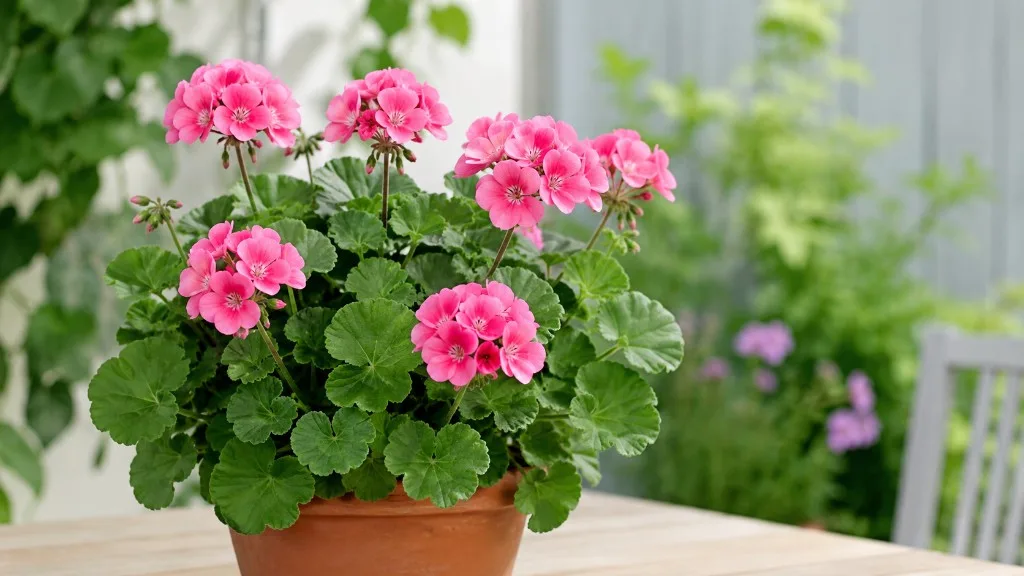
When gardeners search for geranium propagation, they are usually working with Pelargonium × hortorum and related hybrids - the zonal, regal, ivy, and scented-leaf types bred for pots, window boxes, and summer borders. True geraniums, botanically Geranium (often called cranesbills in horticulture), are hardy herbaceous perennials propagated mainly by seed or division, not the soft stem-cutting routine described here. The care articles, nursery labels, and neighborly advice all say “geranium,” but the propagation biology belongs to Pelargonium.
Pelargoniums evolved in Southern Africa, where they tolerate drought, bright light, and sharp drainage far better than they tolerate soggy stems and enclosed humidity. Their stems root from nodes quickly when warmth and light are adequate, which is why generations of gardeners have overwintered favorite cultivars as cuttings rather than hauling full-size plants indoors. True Geranium species root differently, grow on different schedules, and rarely appear in the “take a 10 cm cutting in August” conversations. If your plant has the thick, somewhat succulent stems and rounded, often banded leaves of a bedding geranium, you are working with Pelargonium - and this guide applies.
Getting the genus right saves you from bad advice copied from unrelated plants. Pelargonium cuttings do not want the closed humidity dome that helps tropical foliage cuttings. They do not behave like succulents that can sit bare-root for days. They are soft-stemmed, node-rooting, flower-heavy plants that punish wet feet at the base of a fresh cut. Name the plant correctly and the rest of the method stops feeling contradictory.
Why Stem Cuttings Work Best for Pelargoniums
Among propagation options - seed, division, overwintering whole plants - stem cuttings are the default for Pelargonium because they are fast, genetically identical to the parent, and practical at scale. Seed-grown zonal types can differ in flower color and growth habit from the plant you admired last summer; a cutting is a clone. Division works for some established garden geraniums but damages the display shape of a well-grown pot specimen and is rarely how bedding plants are multiplied commercially or at home.
Softwood stem cuttings taken from active growth contain enough stored energy and hormone activity at the nodes to initiate adventitious roots without specialized equipment. The RHS pelargonium growing guide lists softwood cuttings from spring to autumn as a standard propagation route and describes a full overwintering workflow built around rooted cuttings taken in late summer. That institutional endorsement matches what home growers see in practice: a healthy 10 cm tip cutting in gritty compost often roots in a few weeks on a bright windowsill.
Cuttings also solve a seasonal problem. Pelargoniums are frost-tender. Rather than trying to keep large, leggy parent plants alive in a dim spare room all winter, you can take compact cuttings in late summer, root them in trays, and overwinter small clones that need less space and less water. The cutting method is not only about getting free plants - it is about preserving cultivars you cannot easily replace and entering spring with vigorous, disease-checked stock.
Pelargonium Types and How They Affect Rooting Time
Not every Pelargonium cutting roots on the same schedule. Type matters enough that you should adjust expectations - and starting order - accordingly.
Zonal, Regal, Ivy, and Scented Varieties
Zonal pelargoniums (Pelargonium × hortorum and related bedding types) are the fastest and most forgiving for beginners. They produce sturdy, squat stems and root readily in compost within two to four weeks under warm, bright conditions. Most geranium propagation tutorials implicitly describe zonals because they dominate patio plant sales.
Regal pelargoniums (often called Martha Washington geraniums) root more slowly and take longer to reach bloom. Give them the same compost-and-light setup, but do not compare their progress week-by-week with a zonal on the same tray - RHS softwood cutting guidance notes that some Pelargonium types root in two to four weeks while slower cultivars may need longer.
Ivy-leaved pelargoniums (Pelargonium peltatum hybrids) trail and produce thinner stems than zonals. They still root from cuttings, but the thinner tissue is slightly more vulnerable to rot if the medium stays wet or airflow is poor. Keep ivy types slightly drier at the surface and avoid burying nodes too deep.
Scented-leaf pelargoniums (Pelargonium species grown for fragrance) propagate like other soft pelargoniums, though individual species vary. Treat them as slow-to-moderate rooters and prioritize healthy, non-flowering tips from the outer growth.
When to Take Geranium Cuttings
Pelargoniums lack a true dormant period in the way deciduous shrubs do; they can grow whenever light and warmth support it. Still, timing changes success rates more than most beginners expect. The best windows align with active soft growth - not with calendar superstition.
Spring through early summer is ideal when you want new plants for the current season. Stems are soft but firm, days are lengthening, and rooted cuttings can move outdoors after the last frost once hardened off. Late summer to early autumn (often August into September in temperate climates) is the classic window for overwintering cuttings, as the RHS describes: take softwood cuttings before frost, root them, and keep trays on a bright indoor sill through winter with sparse watering.
Avoid taking cuttings during heat stress, immediately after a heavy bloom flush, or from a parent plant fighting root rot on Geranium, pests, or severe dehydration. Propagation multiplies healthy plants; it does not rescue dying ones. If the mother plant looks tired, stabilize it for two weeks - better light, corrected watering - then propagate from the freshest side shoots only.
Indoor growers can propagate whenever they can supply bright light and warm compost (roughly 65–75°F / 18–24°C). A cool, dark room produces slow rooting and higher rot risk even if the calendar says spring.
Tools, Sterile Mix, and Pre-Cut Setup
Clean setup prevents problems that no amount of aftercare can fix. Blackleg, the coal-black stem rot that destroys Pelargonium cuttings, is caused by Pythium and related pathogens favored by wet, poorly drained conditions (Penn State Extension). Those organisms ride on dirty blades, contaminated bench surfaces, and reused mix - not on mystery bad luck.
Gather sharp secateurs or a knife, small 7.5 cm (3 inch) pots or cell trays, labels, and a dibber or pencil. Disinfect cutting tools with 70% isopropyl alcohol or a 10% bleach solution between plants, especially if you propagate from multiple sources. Use fresh, sterile potting mix - peat-free multipurpose compost blended with sharp sand or perlite for extra drainage, as BBC Gardeners’ World recommends. Do not scoop soil from the garden; field soil introduces Pythium and other root pathogens.
Pre-moisten the mix until it feels like a wrung-out sponge: damp throughout, not dripping. Fill pots loosely and firm lightly - compacted compost reduces oxygen at the stem base, which UMass Greenhouse Floriculture notes as a contributing factor in blackleg. Choose a bright location before you cut: a south- or west-facing windowsill with indirect sun, or a greenhouse bench with good air movement. Have space ready so cuttings are not left sitting out while you hunt for pots.
How to Select and Prepare Stem Cuttings
Cutting quality determines outcomes more than rooting powder or brand of compost. Select stems from the outer, actively growing portion of the plant - not woody basal stubs from last year and not pale, stretched interior growth starving for light.
Cutting Length, Nodes, Leaves, and Flower Buds
Aim for 7–10 cm (about 3–4 inches) with at least three leaf nodes. The University of Florida IFAS Extension notes that cuttings need a minimum of three nodes to root reliably; two nodes sometimes work on eager zonals, but three gives margin on slower types. Make the bottom cut just below a node at a slight angle, using one clean slice - crushed stems heal poorly and invite rot. On the parent plant, cut just above a leaf joint on the remaining stem so the mother branches neatly from that point.
Strip all leaves from the lower two-thirds of the cutting. Any leaf buried in or touching wet compost becomes a rot entry point. Leave two to four small leaves at the top so the cutting can still photosynthesize; roots form faster when the top remains lightly active. Remove every flower bud and open flower before inserting the cutting. A severed stem cannot take up water yet, and reproductive tissue drains stored carbohydrates the cutting needs for root initiation. This single step separates strong results from cuttings that sit unchanged for weeks and then collapse.
Optional: dip the base in rooting hormone powder or gel. It can help on slower regal types but is not required for zonals. Tap off excess so the hormone does not clump against wet compost.
The Callusing Step That Prevents Blackleg
Here is the Pelargonium-specific step many generic propagation guides omit: let the cut end dry and callus for two to four hours before planting. Lay prepared cuttings on a dry tray in light shade indoors, or suspend them so the cut surface air-dries without the leaves wilting severely. The wound forms a corky seal that reduces entry of Pythium and other stem rot organisms when the cutting meets moist compost.
The Texas A&M Plant Disease Handbook describes a related practice - resting cuttings on damp sand in heavy shade for roughly three hours - as wound healing that reduces stem rot. You do not need sand for a home batch; air callusing on a tray works for most growers. Do not skip this step because you are in a hurry. Planting a wet, fresh cut directly into moist mix is one of the fastest routes to shiny black stem bases and wasted material.
If ambient humidity is very high, extend callusing slightly and ensure the cut surface looks dry and slightly matte before insertion. If leaves wilt badly during callusing, the room may be too hot or dry - move to cooler bright shade, not back into a sealed bag.
Rooting Geranium Cuttings in Compost (Recommended)
Compost rooting is the method professional and home growers rely on for Pelargonium because it balances moisture, oxygen, and support better than water for this genus. BBC Gardeners’ World reports a lower success rate and slimy stem problems with water rooting, and notes that water-rooted cuttings still require potting into compost - so water rarely saves total time.
Pot Fill, Insert Depth, Water, and Light
Fill each small pot with pre-moistened compost-sand mix. Make a hole with a dibber so you do not scrape rooting hormone off the stem when inserting. Place two or three cuttings around the edge of each pot if space is tight; the edge dries slightly faster than the center, which helps prevent rot. Insert each cutting so the lowest node sits just below the surface, roughly 2.5 cm (1 inch) deep - deep enough to stand, shallow enough that buried leaves are not trapped against wet mix.
Water lightly after insertion to settle compost around the stem. Thereafter, keep the medium barely moist: water when the top begins to dry, never on a rigid daily schedule. Pelargoniums prefer a light, dry atmosphere at the leaf level. This is the critical divergence from standard houseplant propagation: do not cover pots with a humidity dome or propagator lid. BBC Gardeners’ World warns that covering pots can encourage mildew, and Pacific Northwest Pest Management Handbooks link enclosed humidity to Pythium blackleg at the stem base.
Place pots in bright, indirect light. A sunny windowsill filtered by sheer curtain, or a greenhouse bench with ventilation, works well. Avoid dark corners and avoid scorching midday sun on unrooted cuttings. Air circulation matters as much as light - a small fan in a greenhouse reduces fungal pressure. Room temperature around 65–75°F (18–24°C) supports steady rooting; cold compost stalls root formation and extends the window for rot to appear.
Rooting Geranium Cuttings in Water
Yes, geranium cuttings can root in water - and many gardeners try it because watching roots form in a jar is satisfying. For Pelargonium, though, water is a secondary method. Stems often produce roots in a glass of clean water on a bright sill, but stems also turn slimy, water clouds with bacteria, and the transition to compost shocks fragile water roots.
If you choose water, use a clear glass so you can monitor water quality. Strip lower leaves so nothing submerges except the stem base and lowest node. Change water every two to three days, or sooner if it smells or clouds. Keep the jar in Geranium light guide, not full sun - algae and heat build quickly in small volumes. When roots reach 2–3 cm, pot into moist compost-sand mix and treat the plant gently for two weeks while soil roots develop.
Expect a lower success rate and longer adjustment compared with direct compost rooting. Water propagation makes more sense when you are experimenting with a single treasured cultivar and can afford failure, not when you need a full tray of overwintering stock.
Do Pelargonium Cuttings Need Rooting Hormone?
Rooting hormone is optional, not essential, for most zonal Pelargoniums. These are enthusiastic rooters under clean, bright, barely moist conditions. Hormone products containing indole-3-butyric acid (IBA) can nudge slower regal or ivy types and may help when conditions are cooler than ideal.
If you use hormone, apply a thin coat to the callused base only, tap off excess, and insert immediately. More powder is not better - thick clumps hold moisture against the stem. Organic gardeners sometimes skip hormone entirely with good results on zonals; commercial growers may combine hormone with sterile bench protocols for uniform trays.
Hormone does not compensate for flowering stems, dirty tools, soggy compost, or humidity domes. Fix those variables first before reaching for a product bottle.
How Long Until Pelargonium Cuttings Root
Under warm, bright conditions, zonal pelargonium cuttings often root in two to four weeks in compost. Cooler rooms, short days, or regal types stretch that to six to eight weeks before a strong root system forms (BBC Gardeners’ World cites six to eight weeks for a good root system in bedding geraniums). Rooting is not a race; premature potting into large containers or heavy feeding before roots anchor stresses the cutting.
Signs of progress appear in sequence. First, cuttings remain firm and green at the top - wilting may occur for a day or two after insertion but should not persist. Next, a corky callus may visibly thicken at the base. Then, when you tug very gently, the cutting resists instead of sliding out. Finally, new pale growth at the tip signals roots are supplying water.
Resist pulling cuttings out to inspect roots daily; each disturbance breaks tiny root hairs. If you must check, wait until at least four weeks, then tip the pot gently and look for white threads along the root ball edge.
Aftercare From First Roots to Outdoor Plant
Rooted cuttings need a gradual shift from propagation bench to normal plant care. Keep compost lightly moist and maintain bright light. Once roots hold the compost plug together - usually when you see new top growth - pot individually into 9 cm pots with free-draining mix matching your main geranium soil routine: loam-based or gritty compost that dries between waterings.
The RHS overwintering protocol suggests sparse winter watering for rooted cuttings in trays, allowing compost to dry between drinks, then balanced liquid feed every seven to ten days from late winter as growth resumes. Pinch shoot tips in late winter to force bushiness before the outdoor season. That pinch redirects energy into lateral branches, which is why spring plants look compact rather than single-stemmed.
Before moving outdoors, harden off over seven to ten days: increase direct sun exposure gradually, reduce protection from wind, and avoid leaving new plants out on cold nights below 45°F (7°C). Pelargoniums tolerate full sun to partial shade once acclimated - match the parent plant’s successful exposure. Hold fertilizer at half strength until active outdoor growth is obvious; heavy feeding on a small root system burns tender roots.
Using Cuttings to Overwinter Pelargoniums
Late-summer cuttings are an insurance policy against winter losses. Mature pelargoniums in pots often struggle in low indoor light, attracting whitefly, grey mould, and leggy growth. Starting fresh from cuttings gives you clean, compact plants that fit on a windowsill.
Take cuttings while outdoor plants still look vigorous - do not wait until frost blackens leaves. Root in trays, then grow on in bright cool rooms through winter. Water only when compost is dry an inch down; overwatering on Geranium dormant-ish winter plants causes more losses than underwatering on Geranium. In mid-spring, pot up individually, pinch tips, harden off, and deploy outdoors after frost danger passes - the same rhythm the RHS outlines for overwintering by cuttings.
This method works especially well for soft-stemmed zonal types where storing old woody parent plants is unreliable. You trade bench space in autumn for healthier stock in spring.
Blackleg, Rot, and Other Propagation Failures
Most geranium propagation failures trace to moisture management and contamination, not to “non-rooting genetics.” Learn the symptoms early and discard hopeless cuttings quickly - saving rotting stems spreads pathogens across a tray.
Diagnosis and Recovery Steps
Blackleg (Pythium) starts as a brown, water-soaked base that turns shiny black and climbs the stem (Penn State Extension). Leaves wilt while the stem looks wet. Infected cuttings will not recover; remove them, bag them, and sanitize the bench. Reduce watering, improve airflow, and start fresh cuttings with stricter callusing and sterile mix. Never reuse compost from a blackleg tray.
Botrytis grey mould causes brown fuzzy lesions on leaves and stems, often where dead flower petals or leaf debris touch wet tissue. It thrives in still, humid air - another reason domes fail here. Remove affected tissue, space pots farther apart, and avoid wetting leaves when watering.
Cuttings wilt persistently while the stem stays green often means the base is drying out (underwatering) or roots have not formed yet while top leaves lose moisture in strong sun. Check moisture at stem depth, not just surface. Cuttings shrivel with wet compost usually indicates basal rot beginning - inspect the base immediately.
Slow rooting without rot usually means low temperature, insufficient light, or flowering stems you forgot to de-bud. Move to brighter cool-warm conditions and be patient on regal types. Mushy water-jar stems mean change water more often or switch remaining cuttings to barely moist compost.
If problems repeat across batches, audit the whole chain: tool disinfection, mix sterility, insert depth, dome use, and parent plant health. Commercial growers losing trays to blackleg review “overall propagation practices” for a reason (UMass) - home growers should too.
Conclusion
Geranium propagation - correctly Pelargonium propagation - rewards a method that looks wrong if you learned houseplant care from humidity-loving tropicals. Take short, non-flowering stem cuttings with three or more nodes, strip lower leaves, callus the wound, and root in gritty compost under bright light with no sealed humidity cover. Keep the medium barely moist, expect roots in two to eight weeks depending on type and season, then pot up, pinch, feed, and harden off before outdoor placement. Use late-summer cuttings to overwinter favorite cultivars without dragging diseased parent plants indoors.
When stems turn black at the base, discard and restart clean rather than chasing rescue tricks. When you need identical copies of a zonal or regal you love, stem cuttings remain the highest-confidence path - simpler than seed, cleaner than division, and far more reliable than water jars if you respect Pelargonium’s intolerance for wet, stagnant air. Get the genus, the callus, and the moisture discipline right once, and you will propagate the same plant every year with minimal equipment and strong results.
When to use this page vs other Geranium guides
- Geranium overview - Start here for whole-plant context before deep-diving this topic.
- Geranium problems hub - Jump to symptom-specific fix guides when this care topic does not resolve the issue.
Related Geranium guides
- Geranium overview
- Geranium watering
- Geranium light
- Geranium soil
- Geranium fertilizer
- Geranium repotting
- Geranium problems
Related tool
Try the Propagation Success Calculator with geranium pre-selected to estimate needs for your setup.