Red Leaves on Lemongrass: Causes, Checks & Fixes
Quick answer
Red leaves on Lemongrass often mean seasonal fall scarlet, cold anthocyanin, drought in full sun, or pest feeding-not a decorative red variety. First step: check recent night temperatures, soil moisture at root depth, and whether red is on outer blades only or all new growth.
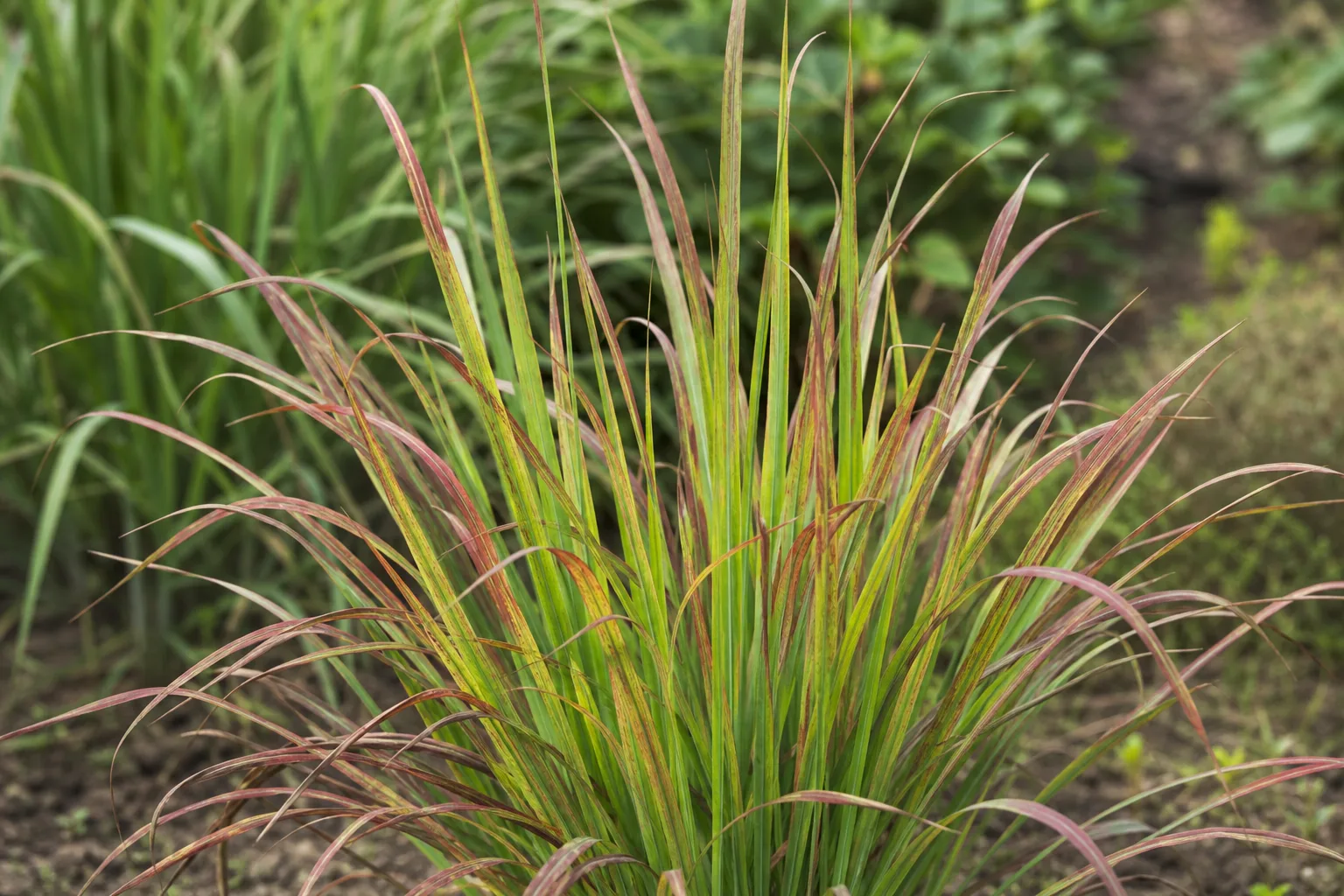
Red Leaves on Lemongrass: Causes, Checks & Fixes
This guide covers red leaves on Lemongrass. See also the general Red Leaves guide, watering, and light pages for this plant.
Red Leaves on Lemongrass: Causes, Checks & Fixes
Quick answer
Red lemongrass blades fall into two very different categories. UF/IFAS notes that lemongrass leaves stay green most of the year but turn scarlet or dark red in fall and winter-a normal seasonal shift in many outdoor clumps, not always a crisis. Stress reddening from cold nights, dry roots in hot sun, pest feeding, or depleted soil looks different and needs a fix.
First step: check recent night temperatures and soil moisture before you fertilize or spray. If outer blades reddened after a cool spell or in autumn while the crown stays firm, warmth and normal harvest may be all you need. If new tillers stay red in warm summer sun with thin growth, dig deeper into water and feed.
Red leaves vs purple leaves vs cold damage on lemongrass
Read this page when blades show scarlet, rusty red, or red-brown color-especially outer blades in fall, tip rust after dry hot days, or patchy stippling with insects-and you want to know whether it is normal seasonal color or stress.
Use sibling guides instead when:
- Blades show a dull purple wash on thin tillers in warm summer sun, not scarlet seasonal edges → purple leaves
- Blades collapsed water-soaked and blackened overnight after hard frost → cold damage
- The pot stayed dry for days with brown tips but no clear seasonal pattern → underwatering
- Spotty damage with aphids, honeydew, or ants on new shoots → aphids
Scarlet fall color and cold anthocyanin overlap with purple-leaves advice on chill-but scarlet seasonal red is the signature hook on lemongrass, while dull purple-red on thin warm-season tillers fits phosphorus hunger better on the purple-leaves page.
Red-blade confirmation table
| What you see | Season / weather | Blade pattern | Soil at 3–4 cm | Likely cause |
|---|---|---|---|---|
| Even scarlet on outer blades | Fall or winter | Outer blades uniform; inner shoots still green | Normal moisture | Seasonal scarlet (normal) |
| Scarlet or rusty red margins | After cool nights ~50°F (10°C) | Edge red on outers; center greener | Normal | Cold anthocyanin |
| Red-brown tips and margins | Hot dry spell | Tips first; light pot | Bone dry | Drought in full sun |
| Patchy red-brown stippling | Warm growth season | New tillers; insects visible | Variable | Aphid feeding |
| Dull red-purple bronzing | Warm summer | Thin weak tillers, whole clump | Depleted, not always dry | Nutrient stress → also see purple leaves |
| Water-soaked black collapse | After hard frost | Whole blade limp | Variable | Cold damage |
Why Lemongrass gets red leaves
West Indian lemongrass (Cymbopogon citratus) is a frost-tender tropical grass grown in full sun with consistently moist, rich soil during active growth. Red blade color on this species usually traces back to temperature, water, pests, or hunger-not a special red cultivar you bought by mistake.
East Indian lemongrass (Cymbopogon flexuosus) and some ornamental citronella grasses show more natural red at the stalk base when healthy. West Indian culinary clumps should read mostly blue-green in warm active growth; uniform scarlet on every new tiller in midsummer still warrants water, feed, and pest checks.
Seasonal and cold anthocyanin reddening
Cool nights trigger anthocyanin pigments in many grasses. Lemongrass outer blades often show scarlet or dark red edges after temperatures dip, especially on pots left outdoors into autumn. UF/IFAS describes this as a normal fall-and-winter leaf color change in landscape plantings-not the same as disease.
Cold stress reddening appears before hard frost kills tissue entirely. Blades may look red-purple at margins while inner shoots stay greener. Scarlet anthocyanin on lemongrass reads brighter and rustier than the dull purple cast of phosphorus hunger on thin warm-season tillers.
Drought and heat in full sun
Lemongrass wants regular moisture during warm active growth. UF/IFAS recommends watering container plants regularly so pots do not dry out in dry climates. When a full-sun clump dries at the root zone during a heat wave, blade tips and margins turn red-brown or rust before going fully tan and crispy.
Drought red concentrates on tips and exposed outer blades-the pot feels light, and the top 3–4 cm of mix is bone dry. Lemongrass in weak light rarely shows drought-red tips because it is not transpiring heavily-it wilts pale instead. Overlapping hot-day collapse is covered in heat stress.
Pest feeding on soft new shoots
Aphids cluster on tender new tillers and leaf sheaths, piercing sap and leaving stippled, distorted, or red-brown patches where tissue was drained. Aphids prefer new, tender growth and excrete honeydew that can attract ants and sooty mold. Lemongrass pushes constant regrowth when harvested or fertilized in summer, so pests often hit the newest red-tinged blades first.
Pest-related red is patchy and localized, with visible insects, sticky residue, or ant trails-not uniform scarlet on every outer leaf after a cold night. For rinse protocols and escalation, see aphids on lemongrass.
Nutrient stress in depleted mix
Fast-growing lemongrass fills pots within one to two seasons. When nitrogen or phosphorus runs low during active summer growth, new tillers emerge thin and may show dull red-purple or bronzy tones in warm weather-not the weather-linked scarlet of autumn blades. Phosphorus deficiency often shows purplish coloration on older foliage while the clump still pushes weak new shoots.
Nutrient reddening comes with slow regrowth after harvest, pale overall color, and a clump that has not been fed or repotted through several warm months. Do not jump to fertilizer until you rule out cold and drought, but do not ignore persistent red new growth in peak summer.
What red leaves look like on Lemongrass
Normal seasonal or mild cold red:
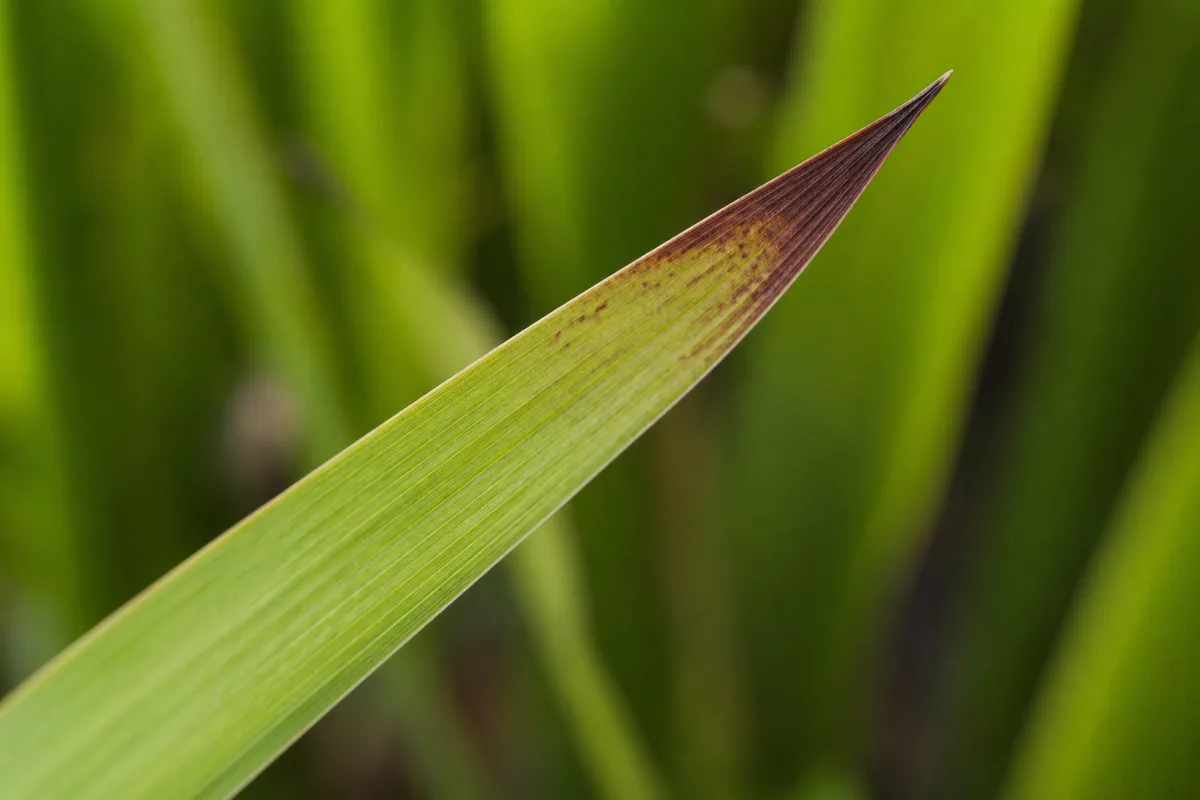
Red Leaves symptoms on Lemongrass - compare with healthy tissue on the same plant.
- Scarlet or dark red on outer blades, especially in fall and winter
- Even color shift across exposed leaves, not random spots
- Firm stalk bases, no mushy crown on appropriately moist soil
- New shoots still reasonably green once nights warm
Drought and heat red:
- Red-brown or rust tips and margins on outer blades
- Pot dries quickly; top 3–4 cm of mix is dry before you water
- Thin, slightly curled blades in afternoon heat
- Clump perks up within hours after a deep soak if roots are still healthy
Pest damage red:
- Irregular red-brown patches or stippling on new tillers
- Soft aphid clusters on shoots or leaf bases
- Sticky honeydew, sooty mold, or ants on stems
- Distorted or stunted new blades compared with older green ones
Nutrient stress red:
- Thin weak tillers with overall dull red-purple bronzing in warm summer
- Slow regrowth after harvest despite good water and full sun
- Clump in the same depleted mix for multiple seasons without feed
Healthy West Indian lemongrass in warm active growth is mostly light green with a lemon fragrance when bruised. Whole-clump uniform red on every new tiller in midsummer sun is uncommon-investigate roots, feed history, and pests before assuming seasonal color.
How to confirm the cause
Work through these checks in order:
- Calendar and weather - Did red appear in fall or after nights below about 50°F (10°C)? Seasonal or cold anthocyanin is likely. Did red-brown tips follow several hot dry days? Suspect drought.
- Blade pattern - Outer-blade edge red with green inner shoots suggests temperature. Tip-focused rust on dry pots suggests water stress. Spotty damage with insects suggests pests.
- Soil moisture - Stick a finger 3–4 cm into the mix. Bone dry in a light pot confirms drought. Sour smell or constant wetness with soft bases points to root rot-not anthocyanin.
- Pest inspection - Part leaf sheaths on newest shoots and check bases for aphids, sticky film, or ants.
- Feed and repot history - Has the clump been in the same pot without June through September feeding during active growth? Thin red-purple new tillers in warm weather suggest hunger.
- New growth test - After a warm week with proper water, new tillers should green up if the trigger was cold or seasonal. Persistent red on all new shoots means keep investigating.
Virus mottling on lemongrass shows yellow-green mosaic or distorted patterns-not uniform scarlet edges on healthy-looking blades. Hard frost turns blades water-soaked then black overnight-that is cold damage, not gradual red tint.
First fix for Lemongrass
Move the pot to a warm, bright spot and check soil moisture at root depth-water deeply only if the top 3–4 cm is dry.
This single step addresses the two most common red-blade triggers on lemongrass: chill on exposed outdoor pots and drought in full sun containers. Bring containers indoors or against a warm wall when nights drop. If the mix is dry, soak until water runs from drainage holes, then let the top layer dry before the next drink.
Do not fertilize on day one. Do not spray fungicide on seasonal scarlet blades without spots or fuzz. Do not assume red is a special variety-West Indian lemongrass is green when healthy in warm weather.
Step-by-step recovery
After the initial warmth-and-water check:
- Protect from additional cold - Bring potted plants indoors when temperatures cool in fall before frost. Keep overwintering clumps in bright light, not cold window drafts.
- Establish a summer water rhythm - Water when the top 3–4 cm dries; never let active summer clumps bake dry repeatedly in full sun. See watering for depth-probe habits.
- Rinse aphids off new shoots with a strong morning water stream if pests are confirmed-repeat every two to three days until colonies disappear, then follow aphids if stippling persists.
- Harvest or trim red outer blades at the base once the trigger is fixed. Lemongrass is grown for harvest-removing stressed foliage lets you judge recovery on fresh tillers. Firm seasonal-scarlet outers are usable; discard frost-blackened or pest-stippled tissue.
- Feed balanced fertilizer during warm active months only after water and temperature are stable and new growth still looks thin or pale-not as a first response to cold-red blades in winter dormancy.
- Repot into fresh rich mix if the clump is root-bound, dries out within hours of watering, and has not been divided in two or more seasons.
Avoid heavy harvest from cold-stressed clumps until new green tillers confirm recovery-light trim of outer reds is fine once the crown is firm and nights stay warm.
Recovery timeline
Seasonal or mild cold red: new green tillers within days to two weeks once nights stay warm. Outer red blades themselves rarely revert-they are cut at harvest or replaced by new growth.
Drought red: visible perk-up within hours of a deep soak; tip discoloration remains until trimmed. Expect clean green new shoots within one to two weeks if watering stays consistent.
Pest damage: stippling on old blades may stay marked; judge recovery by clean new tillers after two to three weekly rinses. Heavy distortion may require trimming affected shoots.
Nutrient stress: one to two flush cycles of greener tillers after summer feeding and optional repot-often two to four weeks in warm weather.
Signs recovery is working: Firm stalk bases, green inner tillers, normal lemon scent when blades are bruised, pot weight moderate between waterings.
Signs the problem is worsening: Red spreading to every new shoot in warm weather despite good water, soft mushy bases on wet soil, or blackened frost-killed tissue climbing the crown.
Lookalike symptoms to rule out
| What you see | Likely cause | How it differs from red-blade triggers |
|---|---|---|
| Dull purple wash on thin tillers in warm sun | Phosphorus lack | Less scarlet, more even purple-see purple leaves |
| Overnight water-soaked blackening | Hard frost | Tissue collapses; not gradual edge red |
| Bleached tan or white patches | Sun scorch | Extreme heat exposure after sudden sun move |
| Yellowing bases on wet soil | overwatering on Lemongrass / rot | Yellow leaves or root rot |
| Yellow-green mottling, stunted growth | Mosaic virus | Not weather-linked scarlet edges |
Mistakes to avoid
Do not treat every red blade as an emergency-fall and winter scarlet is documented normal color on lemongrass in many gardens.
Do not fertilize dormant winter clumps showing seasonal red-that pushes weak growth in low light.
Do not ignore wet-soil red bases that feel soft-that is rot, not anthocyanin.
Do not spray pesticides before confirming aphids or other insects on new shoots.
Do not confuse West Indian lemongrass with red-base ornamental grasses sold as citronella or related species-check the label for Cymbopogon citratus.
Do not route dull purple warm-season tillers here when purple leaves fits better.
How to prevent red leaves next time
Move containers indoors before first frost in cold climates. Lemongrass is frost-tender and overwintered in bright indoor light where winters kill outdoor clumps.
Water consistently through hot summer spells-lemongrass transpires heavily in full sun and dries fast in clay or small pots.
Scout new tillers weekly during peak growth and after harvest cuts when aphids colonize soft tissue fastest.
Feed and divide crowded clumps on the June through September active schedule so fast growth does not exhaust the mix mid-season.
Harvest outer blades regularly. Removing old seasonal red foliage makes it easier to spot abnormal red on new shoots early.
Related lemongrass problems
- Purple leaves - dull purple wash and phosphorus stress in warm weather
- Cold damage - frost blackening vs reversible scarlet edges
- Underwatering - chronic dry soil and thin stalks
- Heat stress - midday wilt and hot-day drought collapse
- Aphids - stippling, honeydew, and rinse protocols
- Root rot - soft bases on saturated soil, not pigment shift
Lemongrass care guides
- Overview - seasonal rhythm and harvest culture
- Watering - summer depth checks in full sun
- Fertilizer - June through September feed window
- Light - full sun without scorch mistakes
When to worry
Treat as urgent when red blades come with black mushy stalk bases on saturated soil-that pattern suggests root rot, not pigment shift. Act quickly if the whole clump collapsed overnight after hard frost, or if mottled yellow-green distortion spreads without a weather cause.
Persistent all-red new tillers through warm summer despite good water and light may mean depleted roots, chronic pest pressure, or virus-repot, isolate, and inspect before the clump stalls entirely. Consider a soil test if purple-red bronzing persists after summer feeding.
Seasonal scarlet on firm outdoor clumps in fall and winter is not urgent. Confirm the crown is firm, protect from hard freeze, and read recovery on spring regrowth-not on old red blades that will be harvested anyway.
Conclusion
Red lemongrass blades are a routing problem first: seasonal scarlet and cold edges are often normal, while tip rust, pest stippling, and warm-season bronzing need action. Check temperature and moisture, use the comparison table to separate scarlet from purple and frost damage, and judge success on green new tillers after harvest-not on old red blades that will be cut anyway.
Frequently asked questions
Are red leaves on lemongrass normal in fall?
Yes on many outdoor clumps. UF/IFAS documents that lemongrass leaves stay green most of the year but turn scarlet or dark red in fall and winter-a normal seasonal shift, not a crisis. Firm stalk bases and green inner shoots after warm nights confirm seasonal color rather than rot or disease.
Red leaves vs purple leaves on lemongrass-same problem?
Not always. Scarlet or rusty red on outer blades after cool nights or in autumn usually fits cold anthocyanin or documented seasonal color. Dull purple-red wash on thin tillers in warm summer sun points to phosphorus stress-read the purple-leaves guide. Blackened limp blades after hard frost are cold damage, not either color shift.
What should I check first on reddish lemongrass?
Recent weather and calendar season, soil moisture 3–4 cm down, direct sun hours, and aphids on newest shoots. West Indian lemongrass should be mostly blue-green when actively growing in warm summer sun-persistent all-red new tillers in warm weather need feed and root checks.
Can I still cook lemongrass stalks with red seasonal blades?
Firm outer blades that reddened from fall color or mild chill are generally fine to harvest and use once tissue is not frost-blackened or pest-stippled. Trim away drought-crisp tips and any blades with aphid honeydew or soft rot at the base. When in doubt after pest or rot stress, use only firm green inner stalks.
How do I prevent red leaves on lemongrass?
Bring pots indoors before frost, water consistently through hot summer spells, scout aphids on regrowth after harvest, and feed balanced fertilizer during active months in full sun. Harvest outer stressed blades regularly so you read new tillers, not old seasonal color.
When to use this page vs other Lemongrass guides
- Lemongrass watering guide - Use for routine moisture checks before assuming red leaves is the main issue.
- Lemongrass problems hub - Browse all 52 common issues on this species.