Heat Stress on Lemongrass: Causes, Checks & Fixes
Quick answer
Heat stress on lemongrass shows as midday wilt, leaf curl, or crispy tips when a sun-loving clump dries out faster than roots can supply water. First step: Check soil moisture at depth-not surface color-and water thoroughly if the top 3–4 cm is dry.
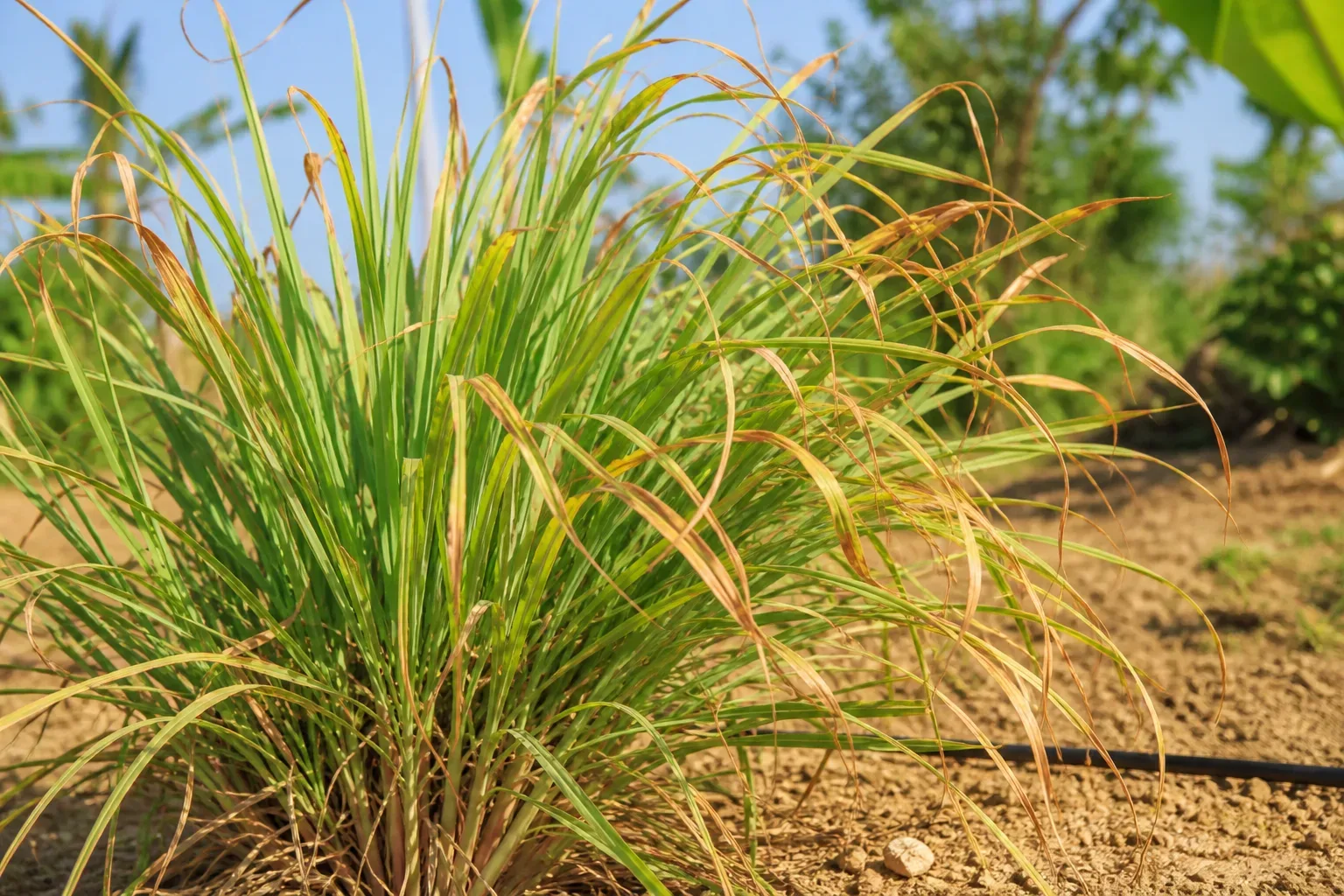
Heat Stress on Lemongrass: Causes, Checks & Fixes
This guide covers heat stress on Lemongrass. See also the general Heat Stress guide, watering, and light pages for this plant.
Heat Stress on Lemongrass: Causes, Checks & Fixes
Quick answer
Heat stress on lemongrass (Cymbopogon citratus) shows as midday wilt, leaf curl, or crispy tips when a sun-loving clump dries out faster than roots can supply water. First step: probe soil moisture at depth-not surface color-and water thoroughly if the top 3–4 cm is dry.
Lemongrass is a warm-season tropical grass that thrives in heat with full sunlight and plenty of moisture. That pairing matters: high transpiration from long blades in blazing sun collapses quickly when a container dries between waterings-even though this plant ultimately wants more sun, not less.
When to use this page vs sibling guides
Read this page when your lemongrass wilts mid-afternoon on hot days, the pot is light or dry 3–4 cm down, blades recover overnight after a deep soak, and roots feel firm when you check. That pattern is heat-driven transpiration collapse-not a mystery disease.
Use other guides instead when:
- The pot stays dry for days with brown tips and thin stalks but no clear midday-only pattern → underwatering
- You are not sure whether wet or dry soil is causing droop → wilting
- Blades bleached or scorched after moving from shade to full sun without acclimation → sunburn and scorched leaves
- Wilting on heavy wet soil with sour odor → root rot
Heat stress and underwatering overlap-both involve dry roots. This page focuses on hot-weather, high-transpiration collapse that repeats on sunny afternoons and eases after rehydration, often in root-bound or dark containers on radiant pavement.
Heat stress vs lookalike problems
| What you see | Soil at 3–4 cm | Overnight recovery | Root texture | Likely cause |
|---|---|---|---|---|
| Midday droop, leaf roll, light pot | Dry | Firms by morning after soak | Firm, pale | Heat stress / hot-day drought |
| Crispy tips, thin stalks, dry for days | Dry for extended period | Slow even after watering | Firm | Underwatering |
| Drooping any time of day | Wet, heavy | Stays limp | Mushy, sour smell | Root rot |
| Bleached white patches on sun side | Variable | N/A-tissue stays pale | Firm | Sunburn after sudden sun move |
| General droop, unclear pattern | Mixed | Variable | Check needed | Start at wilting |
What heat stress looks like on Lemongrass
Typical signs appear mid-afternoon on hot days:
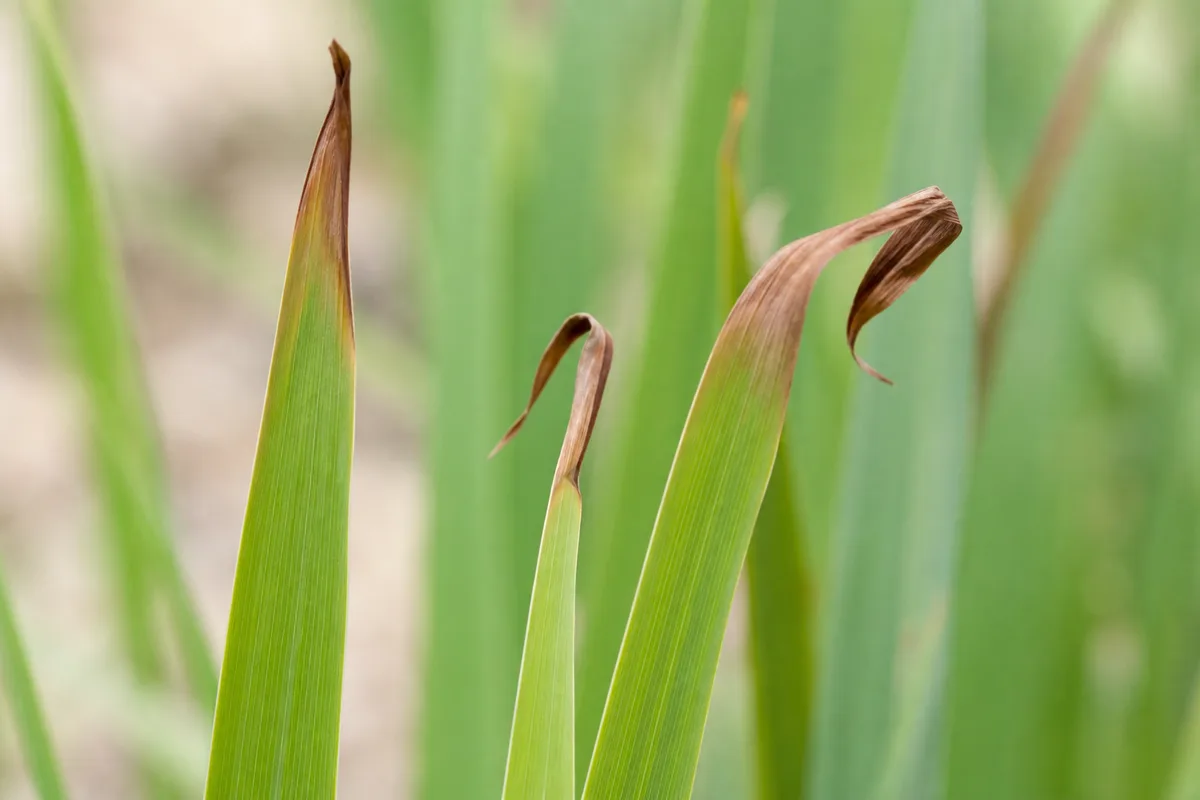
Heat Stress symptoms on Lemongrass - compare with healthy tissue on the same plant.
- Midday wilt - Outer blades droop while the pot still felt “watered” yesterday.
- Leaf rolling - Blades fold lengthwise along the midrib to reduce water loss.
- Crispy brown tips - Especially on newest blades that grew during a sudden heat spike.
- Bleached patches - Pale or white streaks on sun-facing blades after moving a shaded clump into direct sun without acclimation. Persistent bleaching without overnight recovery points to sunburn rather than reversible heat wilt.
Healthy heat-stressed clumps recover overnight once soil is rehydrated. Persistent limp stalks with wet soil suggest rot, not heat.
Visual check: heat wilt vs rot wilt
Before you water, compare what you see on the clump:
Heat wilt (dry roots, firm crown): Outer blades hang limply by 2–4 p.m. on hot days; stalk bases stay pale green and firm when squeezed; pot feels light; mix is dry 3–4 cm down. After a deep evening soak, blades often stand taller by morning even if tips stay slightly crisp.
Rot wilt (wet roots, failing uptake): Whole clump limp all day despite heavy, damp soil; stalk bases may yellow or soften; sour smell from the pot; roots feel mushy if you slide the clump out. More water makes this worse-route to root rot instead.
Why Lemongrass gets heat stress
Under-watering in active growth is the main trigger. Utah State University Extension notes lemongrass needs warm conditions, full sunlight, and plenty of moisture to maximize growth-heat without water fails that equation.
Small or root-bound pots heat and dry fast. Dark containers on patios amplify root-zone temperature; substrate near container walls in full sun can exceed 120°F on hot afternoons, damaging feeder roots even when the surface mix looks damp. A clump that drinks heavily in June may collapse daily in August if roots fill the pot.
Dark vs light containers - Black or dark-colored nursery pots absorb radiant heat from concrete, south-facing walls, and metal railings. The center of the mix may stay briefly moist while the outer root mat against the pot wall cooks and dies. Light-colored outer pots, double-potting with an air gap, or elevating containers on feet reduces edge heating. Upsize before summer if roots already circle the drainage holes-a 12-inch minimum width pot or 5-gallon bucket gives more buffer than a starter nursery pot.
Sudden sun moves - Shifting an indoor or shaded plant to all-day terrace sun without transition can scorch blades even though lemongrass ultimately wants full sun.
Post-harvest stress - Cutting many stalks removes the living shade canopy that remaining blades provided each other. Transpiration spikes on exposed tillers until new growth fills in. Water slightly more often for one to two weeks after a large harvest during heat waves, and avoid harvesting the entire clump at once in extreme heat if you can stagger cuts.
In-ground vs container - Garden clumps have more soil volume to buffer heat. Container lemongrass on concrete or south-facing balconies faces the worst combination of radiant heat, limited root volume, and afternoon sun. UF/IFAS recommends watering container lemongrass regularly so pots do not dry out during active growth.
How to confirm the cause
- Time of wilt - Midday collapse that firms by morning strongly suggests moisture deficit in heat.
- Moisture at depth - Dry top 3–4 cm with light pot weight confirms need to water; wet heavy pots suggest other causes.
- Root check - Firm pale roots support heat diagnosis; mushy roots mean rot.
- Recovery test - Deep water once; if blades perk within hours, heat/drought was the issue.
- Container context - Small black pot on radiant pavement increases risk; light-colored or double-potted containers reduce it.
First fix for Lemongrass
Water thoroughly when the top 3–4 cm is dry during active summer growth. Soak until a little drains, then empty saucers so roots are not stewing after the drink.
Do not repot, fertilize, or move into deep shade on day one. One deep soak plus overnight observation tells you whether roots are still functional.
Step-by-step recovery
Follow these steps in order after confirming dry soil and firm roots:
- Deep soak now - Water slowly until drainage runs from the bottom; empty the saucer within 30 minutes.
- Check recovery by evening - Blades should begin firming within a few hours if heat/drought was the only issue.
- Shade the pot rim, not the blades - During extreme heat waves, move the container into afternoon shade for the pot wall only, or slip a light outer sleeve around a dark nursery pot while keeping foliage in bright light.
- Upsize if collapse repeats daily for three or more hot days - Root-bound clumps that go light again within hours need division and repotting into fresh perlite-rich mix, not more surface sprinkles.
- Mulch the soil surface - A thin layer of compost or bark on the pot rim cuts evaporation without burying the crown.
- Hold fertilizer - Resume balanced feed only after wilt stops and new blades unfurl during active growth.
- Adjust post-harvest watering - After cutting many stalks, check moisture daily for one to two weeks until new blades shade the clump again.
Recovery timeline
Rehydrated clumps often firm within hours and push new blades within 7–14 days in warm sun. Scorched tips remain until those blades are trimmed at harvest. Repeated heat collapse without repotting may weaken center shoots over a full season.
Signs recovery is working: Overnight firmness, new green shoots from the crown, normal lemon scent when blades are bruised, pot weight staying moderate between waterings.
Signs the problem is worsening: Limp clumps into the evening despite wet soil, daily collapse continuing more than five hot days after repotting and adjusted watering, or new center shoots failing to emerge.
Causes to rule out
- Root rot - Wilting with saturated soil and sour odor.
- Spider mites indoors - A serious pest on indoor lemongrass; stippling and webbing, not just midday wilt.
- Cold stress - Slow yellowing below 50°F (10°C), not sudden midday curl in summer.
- Chronic underwatering - Dry soil for many days with thin woody stalks; see underwatering for long-term drought recovery.
- General water stress - Overlapping drought and heat signals; see water stress when the pattern is unclear.
What not to do
Do not water on a fixed calendar without checking depth-cool weeks need less. Do not move heat-stressed clumps into deep shade long term; weak light causes thin stalks. Do not mist blades at midday thinking it cools the plant; wet foliage in humid heat can invite fungal issues. Do not repot on day one unless roots are mushy or the pot is clearly root-bound after a soak test fails.
How to prevent heat stress next time
Plan on regular water and feed from June through September outdoors. Repot before summer if roots circle the pot. Choose light-colored containers or double-pot dark nursery pots on hot patios. Elevate pots off radiant concrete with feet or bricks. Mulch container surfaces and group pots to reduce edge heating. After large harvests, water slightly more often until new blades shade the clump again.
During heat waves, check moisture every morning rather than relying on a weekly schedule-full-sun containers on hot patios may need water daily while in-ground clumps in the same yard need it only every two to three days.
Related lemongrass problems
- Underwatering - chronic dry soil and thin stalks without clear midday-only pattern
- Wilting - broader wilt routing when wet vs. dry is unclear
- Sunburn and scorched leaves - bleached tissue after sudden sun exposure
- Root rot - wilt on wet soil, not dry heat collapse
- Water stress - overlapping drought and heat signals
- Thin stems - weak growth after chronic heat stress in dim recovery spots
Lemongrass care guides
- Watering - summer depth checks
- Light - full sun without scorch acclimation mistakes
- Repotting - spring upsizing before peak heat
- Overview - seasonal rhythm hub
When to worry
Escalate beyond simple rehydration when:
- The entire clump stays limp past evening despite firm roots and a deep soak-inspect for hidden rot or heat-damaged roots in an overheated dark pot.
- Daily midday collapse continues for five or more hot days after you adjusted watering-repotting is mandatory, not optional; the root mass has outgrown the container or feeder roots were cooked at the pot wall.
- New center shoots stop emerging during an active heat wave while outer blades crisp-division and fresh mix may be the only rescue.
- White bleaching spreads without overnight recovery-switch to the sunburn guide; sun damage is tissue death, not reversible wilt.
Routine heat wilt that perks after one soak does not need emergency repotting. Reserve unpotting for repeated failure or soft bases on wet soil.
Conclusion
Heat stress on lemongrass is a water-supply problem in high transpiration conditions, not proof the plant hates sun. Start with depth-probe watering, watch for overnight recovery, and upsize root-bound or dark-container clumps before a heat wave runs five days. If wet soil, sour roots, or persistent evening limpness appear, stop treating heat and inspect for rot instead.
Frequently asked questions
How can I confirm heat stress on my lemongrass?
Midday drooping that recovers by morning, leaf rolling along the midrib, and dry pot weight with firm roots confirm heat stress-not rot. Wilting with heavy wet soil and sour smell points to root problems instead.
What should I check first on heat-stressed lemongrass?
Probe moisture 3–4 cm deep, feel pot weight, note if the clump is in full sun on a dark container, and check whether recovery happens overnight. Heat collapse is reversible when roots are healthy and soil was simply too dry.
Will lemongrass recover from heat stress?
Yes, when caught early. Crisp brown tips on scorched blades stay cosmetic, but new shoots should emerge firm within one to two weeks once watering matches hot-season demand. Repeated daily collapse without recovery suggests root damage or pot size mismatch.
When is heat stress urgent on lemongrass?
Act when the entire clump stays limp into the evening, blades bleach white on the sun side, or new center shoots stop emerging during a heat wave. Lemongrass loves warmth but cannot transpire through dry roots in extreme heat.
How do I prevent heat stress on lemongrass?
Match summer watering to full sun-lemongrass needs regular moisture in active growth. Use larger pots outdoors, mulch rims, group containers to reduce edge heating, and move root-bound clumps into fresh mix before peak summer.