Sunburn on Lemongrass: Causes, Checks & Fixes
Quick answer
Sunburn on lemongrass scorches blades when plants jump suddenly to intense sun or roots dry during peak heat-not because lemongrass rejects sun long term. First step: water deeply in the morning and give newly moved plants brief shade while you harden them off over 7–10 days.
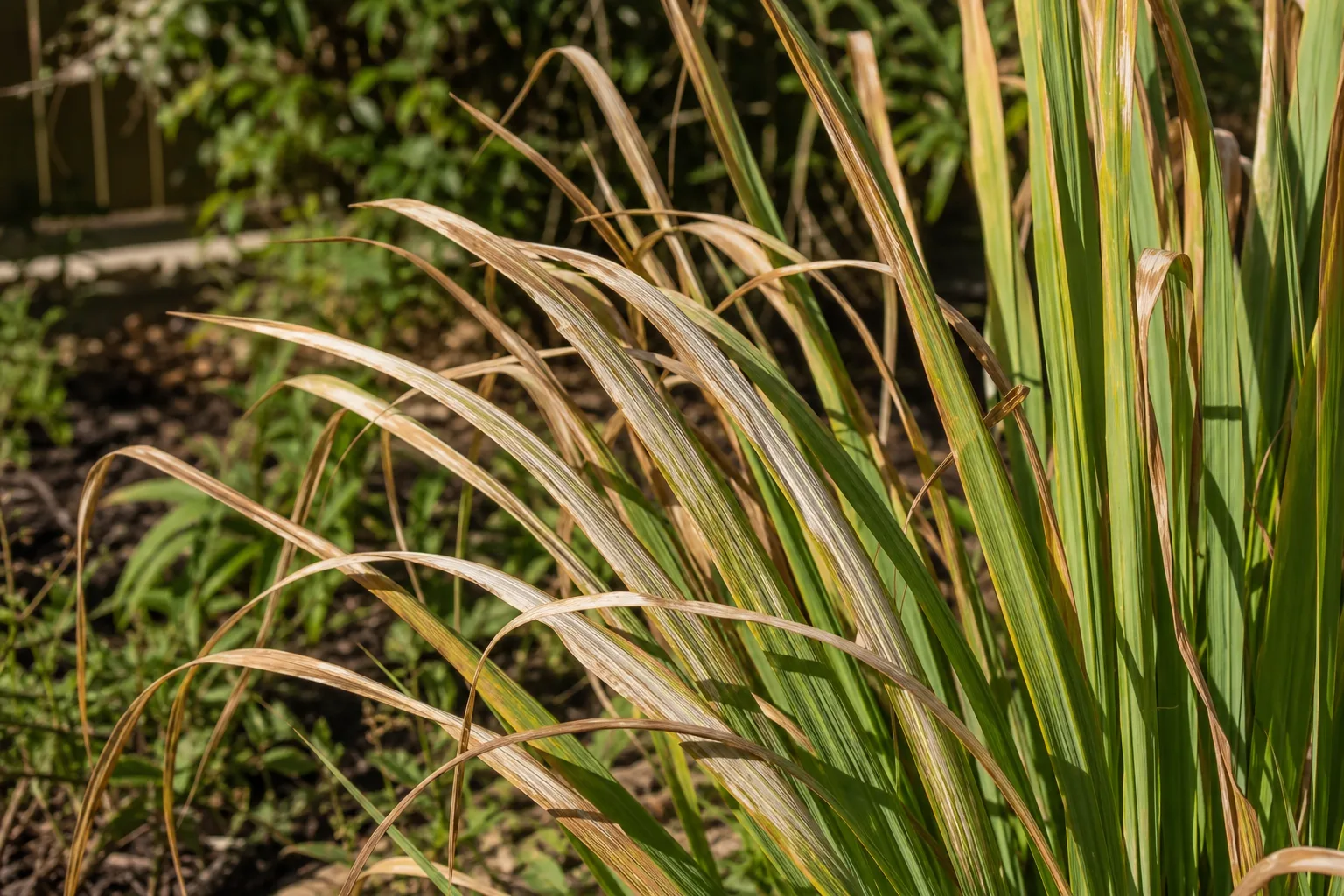
Sunburn on Lemongrass: Causes, Checks & Fixes
This guide covers sunburn / scorched leaves on Lemongrass. See also the general Sunburn / Scorched Leaves guide, watering, and light pages for this plant.
Sunburn on Lemongrass: Causes, Checks & Fixes
Quick answer
Lemongrass is a sun-loving tropical grass that wants full direct light once established-but it still sunburns when exposure jumps too fast or roots run dry during peak heat. The classic trigger is moving an indoor or winter-overwintered clump straight onto a blazing patio, or planting a fresh division in open afternoon sun the same day you pot it.
Scorched blades turn bleached, tan, or papery on the side facing the harshest rays. The clump may look dramatic, yet the crown and roots are often still firm if soil moisture was the only compounding factor.
First step: water deeply in the morning, then give newly moved plants brief shade while you harden them off over 7–10 days. Do not permanently tuck lemongrass into shade to “fix” scorch-that weakens flavor, thins stalks, and stalls the vigorous growth this herb needs.
What sunburn looks like on Lemongrass
Sun scorch on lemongrass has a directional pattern on long, narrow blades:
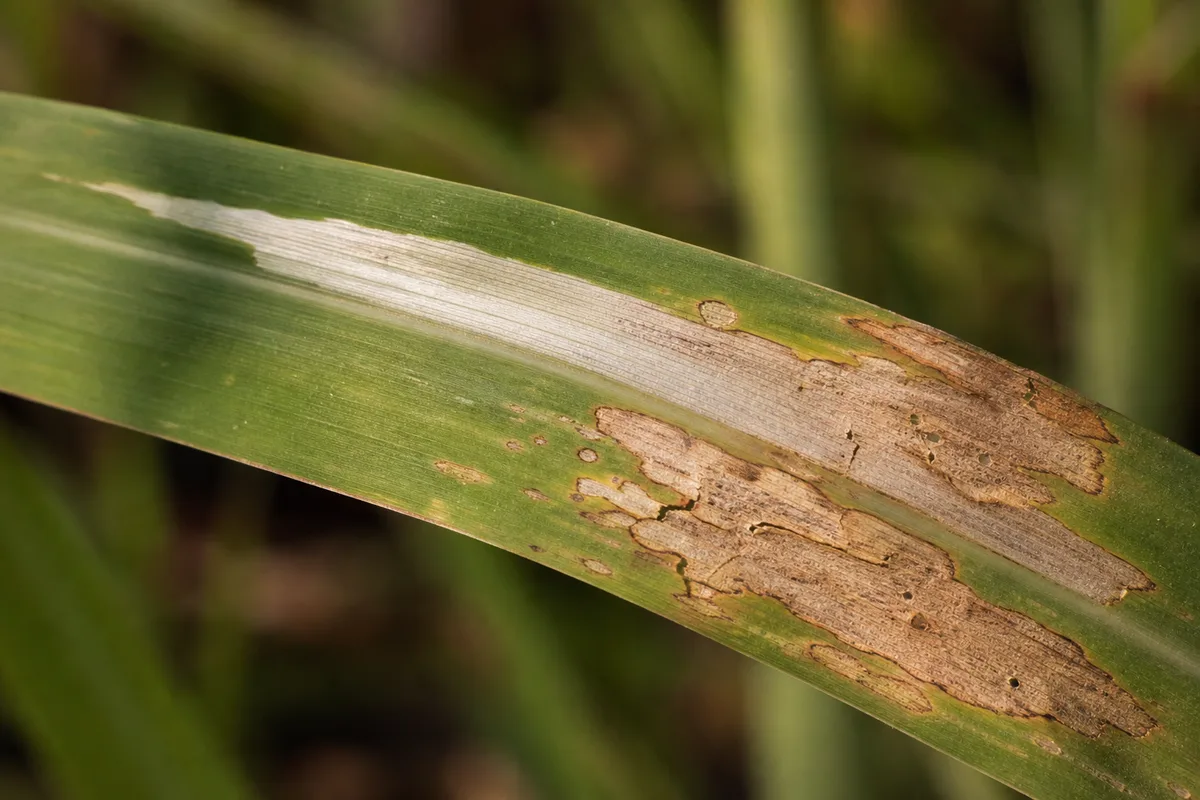
Sunburn / Scorched Leaves symptoms on Lemongrass - compare with healthy tissue on the same plant.
- Bleached or silvery patches on the upper blade surfaces that took direct afternoon sun
- Tan, papery, or crispy sections that feel dry-not soft or mushy like rot; sunscald often appears as light tan to white discoloration on exposed tissue
- Damage concentrated on one side of the clump, with blades shaded by neighbors still green
- Brown tips or margins on Lemongrass that appear within 24–48 hours after a sudden light increase
- Mild overall droop that improves overnight after a deep soak, unlike rot where wilt worsens on wet soil
On container plants, the sun-facing rim of the pot often shows the worst blades first. Dark-colored pots amplify root-zone heat, so outer leaves may scorch even when inner tillers look fine.
Scorch rarely blackens the whole clump overnight the way frost does. If blades turn water-soaked and dark after a cold night, suspect cold injury instead.
Why Lemongrass gets sunburn despite loving sun
Cymbopogon citratus evolved in warm, humid tropical climates where it receives intense light-but leaves that developed under filtered indoor windows or winter dimness are not built for sudden UV and heat spikes. Like other tender transplants, plants moved straight from protected conditions into open sun can develop sunscald when epidermal tissue desiccates under extra radiation.
Lemongrass-specific triggers include:
- Spring hardening failure - Overwintered indoor clumps moved outdoors after frost without a gradual transition
- Supermarket-stalk divisions - Freshly rooted stalks with small root mass placed in full afternoon sun before they establish
- Dry root zones during heat peaks - Container lemongrass in Lemongrass light guide dries faster than many growers expect; drought-stressed blades burn before established in-ground clumps would
- Reflective surfaces - White walls, concrete patios, and metal shelving bounce extra light and heat onto one side of the pot
- Dark containers - Black nursery pots heat the root ball, stressing outer tillers during mid-afternoon
- Post-move watering gaps - Moving outdoors on a sunny weekend without increasing water frequency for the first week
The paradox is real: lemongrass needs full sun and plenty of moisture for thick stalks and strong citral flavor, yet unhardened tissue burns when you deliver that sun all at once.
How to confirm the cause
Work through these checks before treating disease or Lemongrass repotting guide:
- Timeline - Did bleaching appear within one to three days of an outdoor move, window change, or division transplant? Sunburn timing is fast.
- Blade pattern - Directional damage on sun-exposed blades only, with shaded leaves still green, strongly suggests scorch.
- Soil moisture - Stick a finger 3–4 cm deep at midday. Dry or nearly dry soil with scorched outer blades fits drought-plus-sun stress. Soggy soil with base yellowing and mushy roots points to rot.
- Root and crown feel - Gently tug a stalk at the base. Firm, white roots and a solid crown support a light-stress diagnosis. Soft, brown, sour-smelling roots mean rot.
- Pot context - Note dark pot color, small volume, and reflected heat from nearby surfaces.
- Weather context - First bright day after overcast weather can scorch even established plantings that were not acclimated to the sudden intensity.
If checks match sunburn and roots are firm, skip fungicides and emergency repotting. The fix is hydration plus gradual light adjustment-not less sun forever.
First fix for Lemongrass
Water deeply in the morning so the root zone is fully moist before peak afternoon heat, then place newly moved clumps in bright shade or morning sun only for the rest of the day.
This single step stops active burning on unhardened plants while rehydrating tissue that dried out faster than roots could supply moisture. Soak until water runs from drainage holes, then let the pot drain fully. For in-ground clumps, water the root zone slowly until the top 10 cm is moist.
If the plant moved outdoors within the past week, keep it in filtered light or eastern exposure for the remainder of that day. Do not return it to open western afternoon sun until you begin a structured hardening schedule.
Do not permanently relocate the clump to deep shade. Excessive direct light can harm plants, but lemongrass grown in weak light produces thin, floppy stalks with muted flavor. Shade is a temporary bridge during acclimation, not the destination.
Step-by-step recovery
After the initial deep watering and brief shade:
- Harden off over 7–10 days - Start with 2–3 hours in shaded outdoor light, then add 1–2 hours of direct morning sun daily. By day 7–10, the clump should tolerate full sun if roots stay moist.
- Increase watering frequency outdoors - Container lemongrass in full sun often needs regular watering so pots do not dry out in hot weather. Check the top 3–4 cm and soak when dry rather than sprinkling lightly.
- Trim or harvest scorched blades - Cut damaged blades at the base once the clump stabilizes. Lemongrass is a harvest crop; removing scorched foliage encourages fresh tillers.
- Move off reflective heat - Shift pots a few feet from white walls or dark pavement that radiates afternoon heat onto one side.
- Upgrade pot size if roots fill the container - Root-bound clumps dry unevenly; outer zones scorch while you think you watered enough.
- Hold fertilizer until new growth looks green - Feed again only after fresh tillers emerge without new bleaching. Stressed grass does not need nitrogen pushed during active scorch.
Established outdoor clumps with only minor tip tan from one hot afternoon usually need watering adjustment alone-no extended shade period.
Recovery timeline
Expect scorched blade tissue to stay tan or papery until you cut it. It does not green up again.
New tillers from the clump base typically appear within 7–14 days once roots stay consistently moist and light increases gradually. Judge recovery by fresh green shoots at the crown, not by old damaged blades.
If the whole clump remains collapsed after a deep soak and three days of moderated light, inspect roots for rot or cold damage before assuming sunburn alone.
Lookalike symptoms to rule out
Frost or cold damage blackens or water-soaks blades after a cold night. Lemongrass is frost-tender; scorch follows sun exposure timing, not sudden overnight temperature drops below 5°C.
Drought stress without scorch wilts the entire clump evenly with dry soil but may not show distinct bleached patches on sun-facing blades only.
Leaf blight shows reddish-brown spots on tips and margins with a drying pattern tied to fungal infection-not the sudden papery white/tan patches of sunscald after a light move.
root rot on Lemongrass pairs yellowing at the base, sour soil smell, and wilt that does not recover overnight on wet mix. Sunburn keeps firm roots if you catch it early.
Spider mites cause fine stippling and webbing, usually on indoor overwintered plants, not directional bleaching after an outdoor move.
Mistakes to avoid
Do not keep indoor-grown lemongrass in permanent shade fearing sun-it weakens the plant and defeats why you grow it.
Do not shallow-water hourly without a deep soak. Surface moisture does not reach the fibrous root mass lemongrass uses in hot weather.
Do not repot on day one unless roots are clearly failing. Light stress alone does not require new mix.
Do not confuse cosmetic scorch with disease and spray fungicides on bleached blades with no spot pattern.
Do not move a scorched clump straight back into blazing western afternoon sun the next day because “lemongrass likes sun.” Re-acclimate gradually.
How to prevent sunburn next time
Plan a 7–10 day hardening window each spring before permanent outdoor placement. Start shaded, add morning sun, then full exposure once frost danger passes.
Water deeply the evening before or morning of heat spikes so roots enter peak hours fully hydrated.
Use adequate container volume-lemongrass fills pots quickly and dries root-bound clumps unevenly.
Place pots where they receive open sun but avoid the hottest reflected microclimates against south-facing white walls.
When bringing lemongrass back indoors in fall, reverse the process: a few days in shadier outdoor spots before the dimmer indoor window reduces shock, though winter growth slows regardless.
When to worry
Sunburn alone is rarely life-threatening on lemongrass. Treat as urgent when the entire clump collapses, does not perk up within 24 hours after a deep soak, and roots feel soft or smell sour-that pattern suggests dehydration combined with rot, not cosmetic scorch.
Also escalate if scorched tissue turns mushy with spreading brown lesions-secondary infection can enter damaged blades during prolonged wet weather.
For typical directional bleaching on a firm clump after a move, calm correction beats panic pruning or chemical sprays.
Conclusion
Sunburned lemongrass needs hydration and acclimation-not less sun forever. Water deeply before heat, harden indoor moves over 7–10 days, harvest or trim scorched blades, and trust new tillers in the brightest spot you can give the clump once it adjusts. The goal is full-sun culture with moist roots, not shade-grown grass that looks safe but cooks weak and flavorless.
When to use this page vs other Lemongrass guides
- Lemongrass watering guide - Use for routine moisture checks before assuming sunburn / scorched leaves is the main issue.
- Lemongrass problems hub - Browse all 52 common issues on this species.
- Brown Tips on Lemongrass - Different entry point when symptoms overlap with sunburn / scorched leaves.
- Curling Leaves on Lemongrass - Different entry point when symptoms overlap with sunburn / scorched leaves.