Curling Leaves on Lemongrass: Causes, Checks & Fixes
Quick answer
Curling leaves on Lemongrass often signal aphids on new shoots, uneven watering, or heat stress-not disease alone. First step: Inspect tender new blades and soil moisture, then rinse pests or stabilize watering before fertilizing.
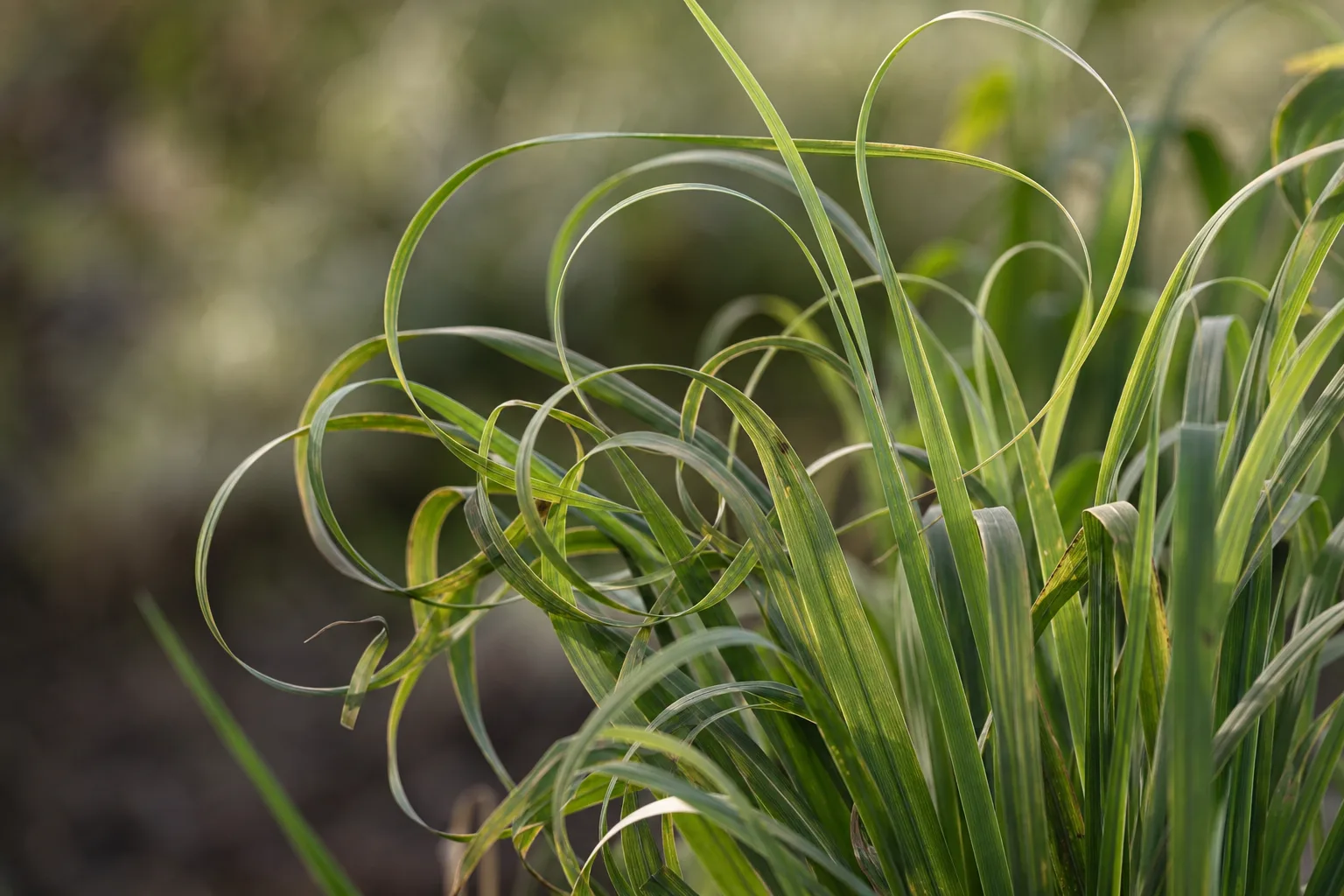
Curling Leaves on Lemongrass: Causes, Checks & Fixes
This guide covers curling leaves on Lemongrass. See also the general Curling Leaves guide, watering, and light pages for this plant.
Curling Leaves on Lemongrass: Causes, Checks & Fixes
Quick answer
Curling leaves on Lemongrass often signal aphids on new shoots, uneven watering, or heat stress-not disease alone. First step: inspect tender new blades and soil moisture, then rinse pests or stabilize watering before fertilizing.
After harvest cuts, lemongrass pushes soft new tissue where aphids cluster on tender growth-curled distorted blades with sticky honeydew are a classic pattern. Environmental stress from drought or weak light produces a different curl: thin blades folding inward without pests.
Why Lemongrass gets curling leaves
Fast regrowth after cutting attracts aphids in warm weather. Aphids reproduce quickly in warm conditions on actively growing grasses. underwatering on Lemongrass during hot spells causes blades to curl and droop to reduce water loss. Low indoor light over winter produces loose pale curl as shoots stretch.
Heat stress on root-bound containers combines curl with tip browning. Spider mites cause stippling more than curl-check webbing before assuming mites. Lemongrass needs full sun and regular moisture-deprivation of either shows on new blades first.
What curling leaves look like on Lemongrass
Pest curl: Newest shoots twisted, sticky, sometimes sooty on honeydew; ants on pot rims. Drought curl: Blades fold lengthwise, gray-green, pot light when dry. Heat curl: Midday fold with recovery overnight if roots have water. Low-light curl: Pale elongated new blades indoors without pest residue.
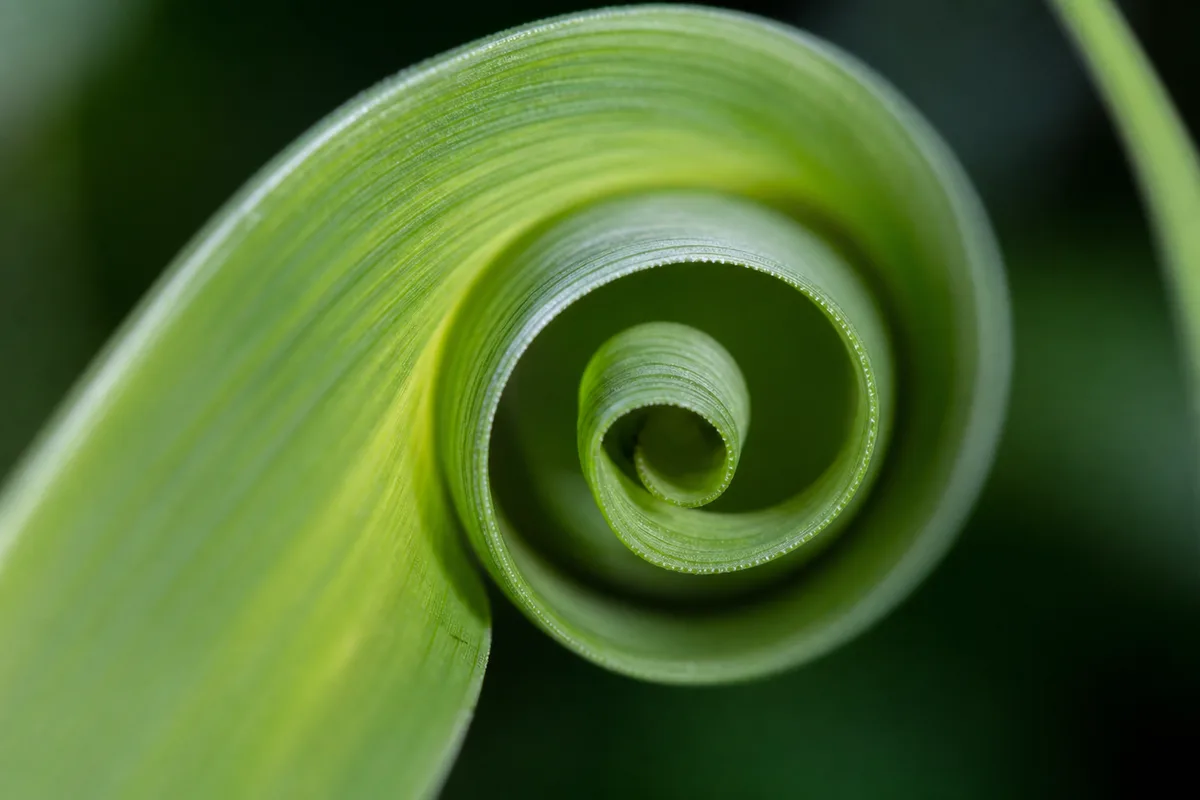
Curling Leaves symptoms on Lemongrass - compare with healthy tissue on the same plant.
How to confirm the cause
Examine the newest growth after the last harvest-not old woody outer stems. Pear-shaped aphids with tail pipes confirm sap feeders. If no pests, weigh the pot and probe soil at 3–4 cm. Wilting curl on wet soil suggests root dysfunction-unpot before treating as drought.
Compare placement: easily grown in full sun with well-drained soil means shaded damp clumps curl from weak photosynthesis, not from disease.
First fix for Lemongrass
For aphids: strong water rinse on new shoots plus insecticidal soap weekly until clean regrowth. For drought: water deeply when the top 3–4 cm is dry. For heat: ensure shade only during extreme afternoon peaks-not full shade that weakens the clump.
Make one correction first; do not stack repot, prune, and pesticide on the same day.
Step-by-step recovery
- Identify whether curl is on new shoots only or whole clump.
- Rinse and inspect undersides for aphids; treat if present.
- Check soil moisture and pot weight.
- Move to full sun if indoors in dim light.
- Water consistently in active growth without saturating cool dormant pots.
- Judge new unfurling blades over 10–14 days.
Recovery timeline
Aphid-treated clumps often show clean new shoots within one to two weeks through one regrowth cycle. Drought recovery is faster-often days-once watered. Permanently curled old blades remain until cut at the base.
Causes to rule out
- Downy mildew - Yellow patches with fuzzy undersides, not simple curl.
- root rot on Lemongrass - Wilting curl with wet soil and mushy roots.
- Herbicide drift - Twisted bleach streaks after spray, not gradual curl.
- Normal new shoot unfurling - Young blades briefly rolled before opening is normal.
What not to do
Do not fertilize heavily while aphids cover soft new shoots-that pushes more tender tissue. Do not assume all curl is pest-related and spray unnecessarily on culinary clumps. Do not harvest infested blades until bugs are gone and plants rinsed.
How to prevent curling leaves
Inspect weekly during active growth. Keep clumps in full sun with good airflow. Match watering to how fast the pot dries in heat. Encourage beneficial insects outdoors once soap reduces heavy aphid colonies.
When to worry
Treat as urgent when curl covers every new shoot after harvest with heavy aphid colonies, or when wilting curl appears on wet soil-unpot for root rot before assuming drought. Persistent curl in full outdoor sun with moist soil and no pests may indicate hidden crown damage from old compacted mix; repot rather than repeated foliar sprays.
Lemongrass care cross-check
Curl after every kitchen harvest is often aphid-linked because regrowth is soft and fast in warm sun. Stabilize watering and light first on non-pest curl; culinary clumps recover faster outdoors in full sun than in dim indoor corners.
Conclusion
Curling lemongrass blades demand a split diagnosis: pests on fresh harvest regrowth versus moisture and light stress on the wider clump. Confirm on newest shoots, fix one cause at a time, and measure recovery by clean unfurling blades-not by old curled tissue flattening.
When to use this page vs other Lemongrass guides
- Lemongrass watering guide - Use for routine moisture checks before assuming curling leaves is the main issue.
- Lemongrass problems hub - Browse all 52 common issues on this species.
- Low Humidity on Lemongrass - Different entry point when symptoms overlap with curling leaves.
- Spider Mites on Lemongrass - Different entry point when symptoms overlap with curling leaves.
- Thrips on Lemongrass - Different entry point when symptoms overlap with curling leaves.