Lemongrass Problems: Causes & Quick Fixes
Quick answer
Lemongrass is prone to 55 common issues - each link below is a plant-specific fix guide.
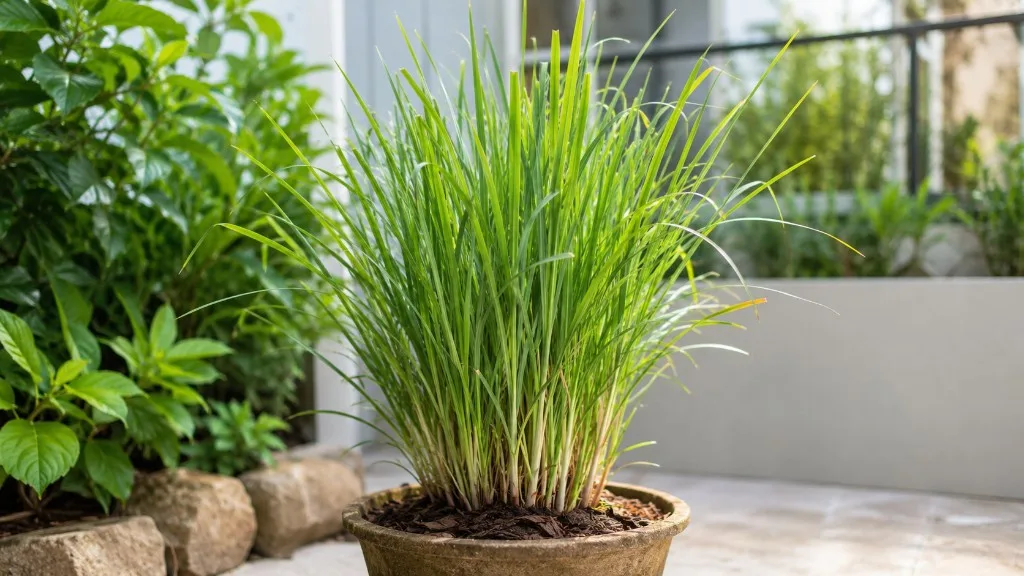
Lemongrass problems
Use the guides below to diagnose and fix common issues on Lemongrass. Each problem page explains why it happens on this species and what to do first.
Or use our problem diagnosis tool to narrow down symptoms.
Common problems on Lemongrass
Likely cause: Aug 4, 2023 · Ants can cause damage to the plant by feeding on the leaves and stems, as well as protecting other pests like aphids or scale insects. In this article, we will discuss effective methods to get rid of ants on lemongrass plants
Quick fix: Confirm diagnosis on your Lemongrass, then address the most likely care or pest factor described in current extension guidance.
Full fix guide →Aphids
MediumLikely cause: Jul 17, 2023 · Fortunately, there are several effective methods for getting rid of aphids on lemongrass plants . In this article, we will explore those methods and provide you with a step-by-step guide to ensure the health and vitality of y
Quick fix: Confirm diagnosis on your Lemongrass, then address the most likely care or pest factor described in current extension guidance.
Full fix guide →Black Spots
MediumLikely cause: Jul 22, 2024 · Black spots on Lemongrass can often be a sign of fungal infection . Here's how to tackle it: Neem oil acts as a natural fungicide and is gentle on plants. A homemade mixture of baking soda, horticultural oil, or soap can alte
Quick fix: Confirm diagnosis on your Lemongrass, then address the most likely care or pest factor described in current extension guidance.
Full fix guide →Brown Tips
LowLikely cause: Low humidity, underwatering, or salt build-up in soil
Quick fix: Water more consistently; flush soil with clear water to remove salt
Full fix guide →Caterpillars
MediumLikely cause: Jul 13, 2023 · Thankfully, there are several effective methods to get rid of caterpillars on your lemongrass plant without resorting to harmful chemicals. This article will guide you through these natural and eco-friendly solutions.
Quick fix: Confirm diagnosis on your Lemongrass, then address the most likely care or pest factor described in current extension guidance.
Full fix guide →Chemical Damage
MediumLikely cause: Conclusively, we have deduced that Lemongrass possesses high therapeutic potential due to phytochemicals , such as plant sterols, flavonoids, lignans, carotenoids, terpenoids, saponins, sulfides, and fiber, which play a preventive role in o
Quick fix: Confirm diagnosis on your Lemongrass, then address the most likely care or pest factor described in current extension guidance.
Full fix guide →Cold Damage
MediumLikely cause: Sep 29, 2025 · Lemongrass is sensitive to temperatures below 40°F (4°C), with frost producing immediate damage. It is a tropical plant, and its cells rupture when ice crystals form within them.
Quick fix: Confirm diagnosis on your Lemongrass, then address the most likely care or pest factor described in current extension guidance.
Full fix guide →Compacted Soil
MediumLikely cause: Aug 7, 2025 · A DIY soil mix combines two parts quality potting soil , one part coarse sand or perlite, and one part well-rotted compost. This blend offers balanced drainage, aeration, and nutrient availability for healthy lemongrass .
Quick fix: Confirm diagnosis on your Lemongrass, then address the most likely care or pest factor described in current extension guidance.
Full fix guide →Crispy Leaves
MediumLikely cause: Apr 6, 2025 · Wondering what to do with lemongrass leaves ? Discover creative and practical ways to use them in teas, cooking, natural remedies, and DIY home products.
Quick fix: Confirm diagnosis on your Lemongrass, then address the most likely care or pest factor described in current extension guidance.
Full fix guide →Curling Leaves
MediumLikely cause: Jul 22, 2024 · Lemongrass leaves curling can be a sign of environmental stressors such as extreme temperatures, inadequate light, improper watering, and low humidity . Regularly inspect your lemongrass for pests and diseases, as these can a
Quick fix: Confirm diagnosis on your Lemongrass, then address the most likely care or pest factor described in current extension guidance.
Full fix guide →Damaged Roots
MediumLikely cause: Jul 22, 2024 · 🌱 Identify root rot early by spotting yellow leaves and wilting in Lemongrass . 💧🚫 Prevent root rot with proper watering, drainage, and environmental control. ️🪴 Treat root rot by trimming roots , repotting, and adjusting lon
Quick fix: Confirm diagnosis on your Lemongrass, then address the most likely care or pest factor described in current extension guidance.
Full fix guide →Damping Off
HighLikely cause: Jan 22, 2026 · Overwatering saturates the soil, displacing oxygen and making roots susceptible to rot and diseases like damping off . Watering from the bottom allows the soil to wick up moisture without disturbing the young plants.
Quick fix: Confirm diagnosis on your Lemongrass, then address the most likely care or pest factor described in current extension guidance.
Full fix guide →Deformed New Growth
MediumLikely cause: Oct 18, 2025 · As lemongrass grows , it produces new shoots (tillers) from the base, gradually expanding into a wider clump. In containers, this eventually leads to pot-bound conditions where roots circle the container and growth slows.
Quick fix: Confirm diagnosis on your Lemongrass, then address the most likely care or pest factor described in current extension guidance.
Full fix guide →Downy Mildew
MediumLikely cause: Downy mildew is a fungal disease that affects many plant species, including lemongrass . It is characterized by the development of fuzzy, grayish-white patches on the leaves, which eventually turn yellow and die.
Quick fix: Confirm diagnosis on your Lemongrass, then address the most likely care or pest factor described in current extension guidance.
Full fix guide →Drooping Leaves
MediumLikely cause: Jul 22, 2023 · However, like any plant, lemongrass can sometimes experience drooping or wilting leaves , which can be concerning for plant owners. In this article, we will explore the common reasons why your lemongrass plant may be drooping
Quick fix: Confirm diagnosis on your Lemongrass, then address the most likely care or pest factor described in current extension guidance.
Full fix guide →Faded Leaves
MediumLikely cause: Keep the leaves on the plant over winter to protect the stems and trim any dead leaves back in spring. Your plant should grow back well when the weather warms in the next spring.
Quick fix: Confirm diagnosis on your Lemongrass, then address the most likely care or pest factor described in current extension guidance.
Full fix guide →Flowers Turning Brown
MediumLikely cause: Lemongrass can start turning brown because of 1) aging, 2), underwatering, 3), overwatering, 4), too little light, 5) too much light, 6) cold temperatures, 7) nitrogen deficiency, 8) pest damage, and 9) plant diseases.
Quick fix: Confirm diagnosis on your Lemongrass, then address the most likely care or pest factor described in current extension guidance.
Full fix guide →Heat Stress
MediumLikely cause: Nov 25, 2025 · Common signs of heat stress in lemongrass include yellowing or browning leaves, reduced growth rates, and a decrease in essential oil production . If you notice these symptoms, adjust your care routine by providing more shade
Quick fix: Confirm diagnosis on your Lemongrass, then address the most likely care or pest factor described in current extension guidance.
Full fix guide →High Humidity
MediumLikely cause: Lemongrass (Cymbopogon citratus) does best at 21-29°C (70-85°F) and around 50-70% (outdoor) relative humidity. It is frost-tender, so it lives indoors year-round in most of the US and UK and must come in before the first autumn frost.
Quick fix: Confirm diagnosis on your Lemongrass, then address the most likely care or pest factor described in current extension guidance.
Full fix guide →Leaf Drop
MediumLikely cause: Jul 22, 2024 · Lemongrass , like any plant, communicates through its leaves . Yellowing leaves often signal a cry for help, possibly due to overwatering or nutrient deficiencies.
Quick fix: Confirm diagnosis on your Lemongrass, then address the most likely care or pest factor described in current extension guidance.
Full fix guide →Leaf Miners
MediumLikely cause: Aug 26, 2025 · This study evaluates the phytochemical composition, antimicrobial activity, cytotoxicity, antioxidant potential, and toxicity profile of Cymbopogon citratus ( lemongrass ) leaf extract.
Quick fix: Confirm diagnosis on your Lemongrass, then address the most likely care or pest factor described in current extension guidance.
Full fix guide →Low Humidity
LowLikely cause: Humidity for lemongrass Lemongrass sits happiest at around 50-70% (outdoor) relative humidity. Loves humidity. The usual low - humidity tell is crisp brown leaf tips and edges while the soil moisture is fine — a sign the air, not the wateri
Quick fix: Confirm diagnosis on your Lemongrass, then address the most likely care or pest factor described in current extension guidance.
Full fix guide →Mold on Soil
LowLikely cause: Jul 24, 2023 · If you have noticed mold on your lemongrass plant, it is important to take immediate action to prevent it from spreading and harming your plant. In this article, we will discuss some effective methods to get rid of mold on le
Quick fix: Confirm diagnosis on your Lemongrass, then address the most likely care or pest factor described in current extension guidance.
Full fix guide →Mosaic Virus
MediumLikely cause: Nov 25, 2025 · The Yellow Mosaic Virus (YMV) is a significant threat to lemongrass plantations worldwide. Symptoms of YMV infection include yellowing or mottling of leaves, stunted growth, and reduced plant yield.
Quick fix: Confirm diagnosis on your Lemongrass, then address the most likely care or pest factor described in current extension guidance.
Full fix guide →Not Enough Light
MediumLikely cause: 5 days ago · The core lemongrass sun requirements dictate that the plant needs full sun to reach its full potential. In gardening terms, this means at least six to eight hours of direct, unfiltered light every single day.
Quick fix: Confirm diagnosis on your Lemongrass, then address the most likely care or pest factor described in current extension guidance.
Full fix guide →Nutrient Lockout
MediumLikely cause: Nov 26, 2025 · Get expert advice on common lemongrass care issues, including overwatering, pests, and nutrient deficiencies. Learn how to troubleshoot and solve problems with your lemongrass plants for a healthier harvest.
Quick fix: Confirm diagnosis on your Lemongrass, then address the most likely care or pest factor described in current extension guidance.
Full fix guide →Overwatering
HighLikely cause: Nov 26, 2025 · If left unchecked, overwatering can lead to root rot and kill your lemongrass plant. To address this issue, reduce watering frequency immediately and make sure the pot has proper drainage holes to prevent waterlogged soil.
Quick fix: Confirm diagnosis on your Lemongrass, then address the most likely care or pest factor described in current extension guidance.
Full fix guide →Plant Leaning
MediumLikely cause: May 1, 2025 · Lemongrass is a tropical grass grown primarily as a flavoring for foods and beverages. Here's everything you need to know about growing lemongrass at home.
Quick fix: Follow extension or botanical guidance for Lemongrass plant leaning; adjust care before applying broad treatments.
Full fix guide →Poor Drainage
MediumLikely cause: If you’re working with poor soil — whether it’s sandy, compacted, or low in nutrients — you can still cultivate healthy lemongrass plants by improving drainage , amending the soil, and applying consistent care. Here’s a step-by-step guide t
Quick fix: Confirm diagnosis on your Lemongrass, then address the most likely care or pest factor described in current extension guidance.
Full fix guide →Powdery Mildew
HighLikely cause: Powdery Mildew (Erysiphe spp.): Powdery mildew presents as a white powdery substance on the surfaces of lemongrass leaves . Proper air circulation, regular pruning, and applying fungicides are effective measures for preventing and treating
Quick fix: Confirm diagnosis on your Lemongrass, then address the most likely care or pest factor described in current extension guidance.
Full fix guide →Purple Leaves
MediumLikely cause: May 4, 2025 · Learn this gardening post to know why the lemongrass plant turning purple , what are the main reasons and how to care for the lemongrass plant from this problem.
Quick fix: Confirm diagnosis on your Lemongrass, then address the most likely care or pest factor described in current extension guidance.
Full fix guide →Red Leaves
MediumLikely cause: Dec 7, 2024 · But sometimes, lemongrass leaves can turn an unexpected reddish color, causing concern for plant owners. Red lemongrass leaves often signal an underlying issue that needs attention. Various factors can cause this color change,
Quick fix: Confirm diagnosis on your Lemongrass, then address the most likely care or pest factor described in current extension guidance.
Full fix guide →Root Bound
MediumLikely cause: Aug 7, 2025 · Lemongrass roots are fibrous, spreading horizontally to form a dense, shallow network rather than a deep taproot. This root structure anchors the plant securely in the soil and is responsible for absorbing water and nutrients.
Quick fix: Confirm diagnosis on your Lemongrass, then address the most likely care or pest factor described in current extension guidance.
Full fix guide →Root Rot
MediumLikely cause: Overwatering in cool or dormant periods
Quick fix: Reduce watering and repot in fresh well-draining mix
Full fix guide →Seedlings Falling Over
MediumLikely cause: Jul 13, 2023 · However, sometimes you may notice that your lemongrass plant is falling over or leaning to one side, which can be concerning for any plant enthusiast. In this article, we will explore the reasons behind this issue and provide
Quick fix: Confirm diagnosis on your Lemongrass, then address the most likely care or pest factor described in current extension guidance.
Full fix guide →Slow Growth
LowLikely cause: Insufficient sun or cool temperatures
Quick fix: Move to full sun; feed regularly in warm months
Full fix guide →Likely cause: In a flower bed it makes a nice, green leafy companion to small flowers such as pansies. It is also more tolerant of hot weather than curly parsley (which can struggle during the peak of summer) and is frost tolerant.
Quick fix: Confirm diagnosis on your Lemongrass, then address the most likely care or pest factor described in current extension guidance.
Full fix guide →Soil Too Acidic
MediumLikely cause: Jul 24, 2023 · pH Levels: Lemongrass prefers slightly acidic to neutral soil with a pH range of 6.0 to 7.5 . Testing your soil’s pH levels can help determine if any adjustments are necessary. If the soil is too acidic, adding lime can raise
Quick fix: Confirm diagnosis on your Lemongrass, then address the most likely care or pest factor described in current extension guidance.
Full fix guide →Spider Mites
MediumLikely cause: Nov 25, 2025 · Learn how to identify, prevent, and control lemongrass spider mite infestations using organic and chemical methods, plus essential preventative measures.
Quick fix: Confirm diagnosis on your Lemongrass, then address the most likely care or pest factor described in current extension guidance.
Full fix guide →Stunted Growth
MediumLikely cause: Nov 26, 2025 · Keep an eye out for signs of stunted growth , such as slower-than-usual height gain or a lack of new growth. This could be indicative of nutrient deficiencies, pests, or diseases affecting the plant’s development.
Quick fix: Confirm diagnosis on your Lemongrass, then address the most likely care or pest factor described in current extension guidance.
Full fix guide →Likely cause: Sep 25, 2024 · Scorched Leaves : In hot climates, intense afternoon sun can scorch the leaves . Provide some shade during the hottest part of the day. Sunburn : Newly planted lemongrass may be susceptible to sunburn if transplanted directly
Quick fix: Confirm diagnosis on your Lemongrass, then address the most likely care or pest factor described in current extension guidance.
Full fix guide →Thin Stems
MediumLikely cause: Oct 18, 2025 · Several factors can cause thin stalks : insufficient nitrogen, inadequate sunlight, inconsistent watering, or the plant being too young. Ensure you’re fertilizing regularly, providing full sun, and being patient—stalks thicke
Quick fix: Confirm diagnosis on your Lemongrass, then address the most likely care or pest factor described in current extension guidance.
Full fix guide →Thrips
MediumLikely cause: Jul 26, 2023 · Fortunately, there are several effective methods to get rid of thrips and protect your lemongrass plant. In this article, we will explore these methods in detail.
Quick fix: Confirm diagnosis on your Lemongrass, then address the most likely care or pest factor described in current extension guidance.
Full fix guide →Transparent Leaves
MediumLikely cause: Are you searching for Lemongrass Leaves png hd images or vector? Choose from 50+ Lemongrass Leaves graphic resources and download in the form of PNG, EPS, AI or PSD.
Quick fix: Confirm diagnosis on your Lemongrass, then address the most likely care or pest factor described in current extension guidance.
Full fix guide →Underwatering
MediumLikely cause: Mar 30, 2026 · Lemongrass , with its vibrant green stalks and invigorating citrusy aroma, is a relatively easy herb to grow, but even this resilient plant can suffer if its watering needs aren’t met.
Quick fix: Confirm diagnosis on your Lemongrass, then address the most likely care or pest factor described in current extension guidance.
Full fix guide →Water Stress
MediumLikely cause: Mar 18, 2026 · Lemongrass (Cymbopogon citratus) evolved in tropical and subtropical environments where moisture is abundant and consistent. A 2023 study published in Plants tested four ornamental grass species under water deficit conditions
Quick fix: Confirm diagnosis on your Lemongrass, then address the most likely care or pest factor described in current extension guidance.
Full fix guide →White Spots
MediumLikely cause: Jun 29, 2023 · Powdery mildew is a fungal disease characterized by a white powdery growth on the surface of leaves and stems. It can cause leaf distortion and stunted growth if left untreated.
Quick fix: Confirm diagnosis on your Lemongrass, then address the most likely care or pest factor described in current extension guidance.
Full fix guide →Whiteflies
MediumLikely cause: Jul 22, 2024 · Less Susceptible Pests: While it's a tough cookie, lemongrass may still occasionally attract aphids and whiteflies , but it's less likely to be troubled by soil-dwelling pests like nematodes due to its strong root system.
Quick fix: Confirm diagnosis on your Lemongrass, then address the most likely care or pest factor described in current extension guidance.
Full fix guide →Wilting
MediumLikely cause: May 5, 2026 · Lemongrass usually wilts because the clump is too dry, too wet, cold-stressed, rootbound, or starting to rot at the base after staying soggy. Wilting lemongrass means the blades are losing support because the roots or crown ar
Quick fix: Confirm diagnosis on your Lemongrass, then address the most likely care or pest factor described in current extension guidance.
Full fix guide →Wind Damage
MediumLikely cause: Nov 25, 2025 · One of the most notable benefits of using lemongrass for wind protection is its ability to withstand strong gusts and reduce the impact of flying debris. The herb’s sturdy stems can absorb shock waves from powerful winds , pr
Quick fix: Confirm diagnosis on your Lemongrass, then address the most likely care or pest factor described in current extension guidance.
Full fix guide →Wrong Soil Mix
MediumLikely cause: If you’re working with poor soil — whether it’s sandy, compacted, or low in nutrients — you can still cultivate healthy lemongrass plants by improving drainage, amending the soil , and applying consistent care. Here’s a step-by-step guide t
Quick fix: Confirm diagnosis on your Lemongrass, then address the most likely care or pest factor described in current extension guidance.
Full fix guide →Yellow Leaves
MediumLikely cause: Nutrient deficiency or overwatering
Quick fix: Feed with balanced liquid fertiliser; check watering consistency
Full fix guide →Fungus Gnats
MediumLikely cause: Fungus gnats on lemongrass mean the top soil stays wet too long-common when summer watering continues after the clump moves indoors. First step: let the top 3–4 cm dry between drinks in active growth,
Quick fix: See plant-specific guide for step-by-step fixes.
Full fix guide →Leggy Growth
MediumLikely cause: Leggy lemongrass is usually etiolation from low light. First move: restore full sun or strong grow-light exposure, then cut thin stretched outer stalks at the base so thicker new shoots replace them.
Quick fix: See plant-specific guide for step-by-step fixes.
Full fix guide →Mealybugs
MediumLikely cause: Mealybugs on Lemongrass hide as white cottony clusters at stalk bases and inner leaf sheaths-especially on indoor-overwintered clumps. First step: isolate the pot, pull outer sheaths apart at the soil
Quick fix: See plant-specific guide for step-by-step fixes.
Full fix guide →