Thin Stems on Lemongrass: Causes, Checks & Fixes
Quick answer
Thin stems on lemongrass usually trace to insufficient direct sun, nitrogen-poor soil, inconsistent watering, or a root-bound clump-not simply young age. First step: confirm the plant gets at least six hours of direct sun daily before changing feed or repotting.
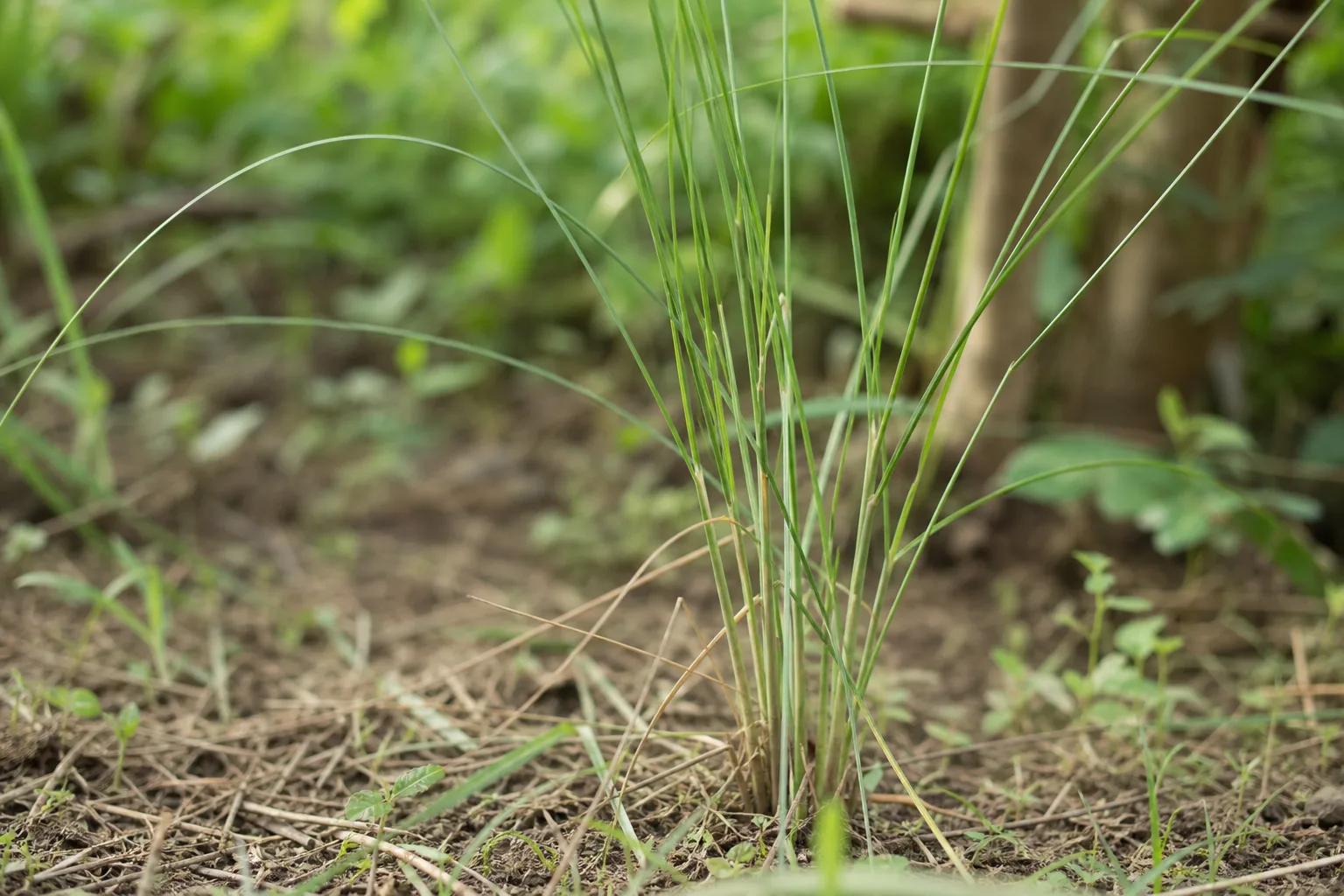
Thin Stems on Lemongrass: Causes, Checks & Fixes
This guide covers thin stems on Lemongrass. See also the general Thin Stems guide, watering, and light pages for this plant.
Thin Stems on Lemongrass: Causes, Checks & Fixes
Quick answer
Thin lemongrass stalks mean the clump is not building the thick, flavorful bases cooks harvest from the lower stem-not just long leaf blades waving above the pot. On Cymbopogon citratus, straw-like shoots during active warm growth usually trace to too little direct sun, nitrogen-poor or exhausted mix, feast-or-famine watering, or a root-bound container sharing one shallow root mat.
First step: confirm the plant receives at least six hours of direct sun daily. Lemongrass is a sun-powered grass; dim placement produces thin, weak tillers even when water and fertilizer look fine on paper. Only after light checks out should you move on to root space, feed history, and Lemongrass watering guide.
What thin stems look like on Lemongrass
Healthy lemongrass forms upright clumps of arching strap leaves above firm, bulbous stalk bases. Harvest-ready shoots feel pencil-thick or wider at the base-extension guidance often cites roughly half an inch as a practical harvest threshold once the clump is established.
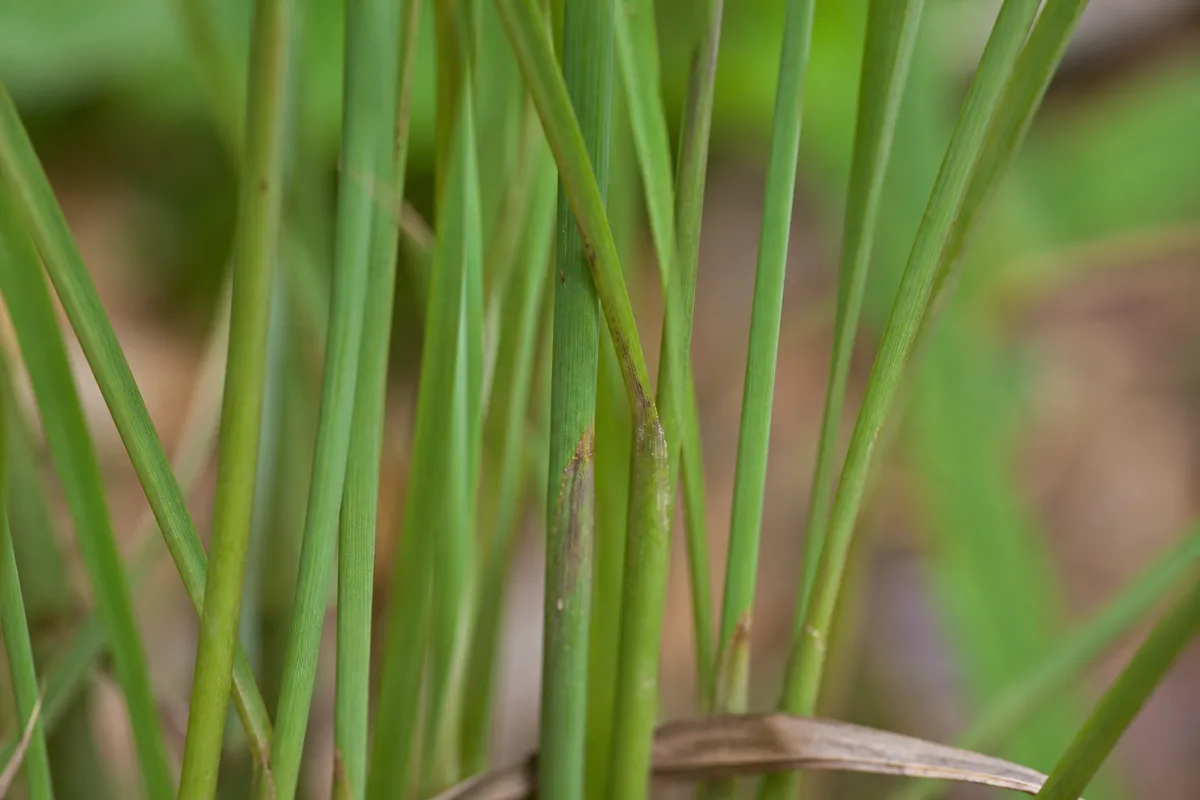
Thin Stems symptoms on Lemongrass - compare with healthy tissue on the same plant.
Thin-stem problems show up differently:
Care-related thinness:
- Stalk bases stay straw-thin and pale green through warm months
- Weak lemon flavor in the lower stem when you peel and crush a test piece
- Slow regrowth after cutting outer stalks
- Long leaf blades with little bulk at the base-the plant looks leafy but not kitchen-ready
- Many small tillers competing in one crowded pot instead of a few thick shoots
Often normal, not a crisis:
- First flush after division or supermarket-stalk rooting may run thinner for one cycle before the clump fills in
- Indoor winter growth under short days stays slimmer until spring sun returns-seasonal, not permanent failure
- Very young starts in their first warm month before the root system catches up
Red flags that thinness is not the main issue:
- Soft, mushy bases with sour soil smell-suspect rot, not simple low vigor
- Widespread yellowing with wet mix-overwatering on Lemongrass or root damage may dominate
- Curled, sticky new shoots with insects-aphids can weaken fresh tillers before they thicken
Damaged thin stalks do not swell in place. Recovery shows in new tillers emerging from the crown after conditions improve.
Why Lemongrass gets thin stems
Lemongrass evolved as a fast-growing tropical grass that pushes large leaf area in full sun. Missouri Botanical Garden lists it as easily grown in full sun with organically rich, well-drained soil-light shade tolerance exists, but production of thick stalks drops sharply when the clump sits in bright indirect light or fewer than six hours of direct sun.
Insufficient direct sun is the most common indoor and balcony trigger. Kitchen growers often keep pots where they look tidy rather than where sun actually lands. The plant stays alive with long blades but never deposits girth into the lower stem.
Nitrogen shortage shows up on grasses as pale foliage and slender stalks. Under long-term nitrogen stress on related grasses, young leaves turn pale green and stalks stay slender, with reduced internode growth. Lemongrass is a heavy feeder during summer; depleted container mix without warm-season feeding cannot support the biomass this species produces in one season.
Root-bound clumps limit thick shoots for a plant-specific reason: lemongrass roots spread horizontally in a dense, shallow mat. When a pot holds more circling roots than fresh mix, each tiller competes for the same small nutrient zone. The clump dries out within a day of watering yet still produces only thin shoots. Dividing older plants improves productivity once roots outgrow the container.
Inconsistent watering hits lemongrass hard because it expects steady moisture during active growth. Plant detail data for this species flags thin, pale stalks as an underwatering on Lemongrass sign. Alternating drought with heavy soaking stresses tillers mid-formation; bases stay fibrous and thin instead of plump.
Overcrowding without division mirrors root-bound stress in ground plantings-too many divisions fighting one patch of soil produce many weak shoots rather than fewer thick ones.
Season and temperature matter. Lemongrass slows in cool short-day months. Expect slimmer indoor growth in winter even with decent care; pushing fertilizer into a semi-dormant clump rarely thickens stalks and can salt the mix.
Pests on new flushes-especially aphids on soft tiller tips-can stall thickening until populations drop. This is secondary to light and roots but worth checking when thin shoots look sticky or distorted.
How to confirm the cause
Work through these checks in order so you separate seasonal thinness from fixable culture limits:
- Sun audit - Track direct sun on the pot for one clear day. Morning shade with afternoon sun counts; dappled “bright indirect” does not. Fewer than six hours of direct light during warm months strongly implicates placement.
- Season check - Is the clump indoors in late fall or winter with shorter days? Slimmer growth now may normalize in spring without drastic changes.
- Root-space test - Tip the pot sideways. A solid root pancake circling the container, roots peeking from drainage holes, or soil that dries within hours after every watering suggests the clump is root-bound.
- Feed history - Review whether you applied balanced or nitrogen-forward fertilizer during active summer growth. Months in the same pot with zero feed in warm weather fit nitrogen-linked thinness.
- Watering pattern - Press a finger 3–4 cm into the mix. Chronic dryness between heavy soaks fits drought stress; constantly wet cool soil fits a different problem (rot), not simple thin stems.
- Age of the clump - Brand-new water-rooted stalks or a fresh spring division may legitimately run one thin flush first.
- Pest scan - Inspect inner new shoots for aphid clusters, stickiness, or distorted leaf sheaths.
If sun is adequate, roots have room, summer feed happened, and watering is even-but stalks stayed thin on a mature outdoor clump-look next at mix quality (spent compost, wrong pH) or hidden pest pressure.
First fix for Lemongrass
Move the pot to the sunniest location where the clump will receive at least six hours of direct sun daily-or add a grow light if you are overwintering indoors.
Do not repot, divide, or fertilize on day one before you know whether light was the limiter. Lemongrass can look “fed and watered” in weak light and still produce thin stalks indefinitely. Fix placement first, then reassess new tiller thickness over the next two to three weeks of warm growth.
If the only available spot offers less than six hours of direct sun, no amount of fertilizer will substitute for photons. A grow light timed to extend bright hours is part of the light fix, not a separate first step.
Step-by-step recovery
After improving sun, address remaining limits in this order:
- Divide and repot if root-bound - Split the clump in spring when active growth resumes. Give each section fresh rich mix with compost and sharp drainage; remove the outer woody ring of exhausted stalks. Repot into a container only one size larger-oversized pots stay wet too long.
- Establish even watering - During active growth, keep mix consistently moist but not waterlogged. Water when the top 3–4 cm dries; in hot weather that may mean every one to three days for a container clump.
- Feed during warm months only - Apply half-strength balanced soluble fertilizer weekly from June through September for container plants, or on a monthly ground-plant schedule-matching extension guidance for peak-season nitrogen demand. Skip feed on a stressed, newly divided clump for two weeks after repotting.
- Harvest strategically - Cut or twist off thin woody outer stalks at the base to redirect energy into new tillers. Do not strip every leaf from a weak clump at once; leave enough photosynthetic blade to fuel recovery.
- Control aphids on new shoots - Rinse tiller tips with a strong water stream every few days if soft insects are present. Avoid broad sprays on plants you plan to cook with until label intervals clear.
- Refresh depleted mix - If the clump is not yet root-bound but stalks stay pale after light and feed corrections, top-dress with compost or repot into new rich mix at the next division cycle.
Do not stack division, heavy feed, and a placement move on the same afternoon. Change light first, then roots and feed once you see whether new growth responds.
Recovery timeline
Expect two to three warm-season harvest cycles before thickness clearly improves on a clump that was light-starved or root-bound-not overnight girth after one watering.
First signs of progress:
- Darker green new leaf sheaths emerging from the crown
- Slightly thicker bases on the newest tillers compared with the previous flush
- Faster regrowth after cutting outer stalks
Judge recovery on new shoots, not old thin stems you already cut. Indoor winter recovery may pause until day length and temperatures rise.
If stalks stay pencil-thin through a full warm season after confirmed full sun, fresh root space, and regular summer feed, reassess for chronic pest pressure, compacted sour mix, or a mismatched variety-C. citratus (West Indian lemongrass) generally produces the thicker culinary bases growers expect.
Lookalike symptoms to rule out
Normal post-division thin flush - One slim generation after splitting or rooting grocery stalks is common. Wait one full warm cycle before deciding the fix failed.
Winter indoor slowness - Short days and cool windows produce thinner tillers without any fatal problem. Indoor lemongrass produces fewer stalks in low light until returned to the garden in spring. Compare the same plant in June after it moves back outdoors.
Underwatering brown tips - Crispy leaf edges with dry mix and thin stalks point to drought. Thickness often returns once moisture stays even; flavor may still taste weak until bases refill.
Overwatering and rot - Yellowing, soft bases, and sour soil are not “thin stems” alone. Reduce water and inspect roots before feeding or dividing.
Not enough light vs. heat stress - Scorched blade tips in extreme afternoon sun are rare on established lemongrass but can occur on newly moved plants. Acclimate over a few days if leaves bleach after a sudden sun jump.
Nutrient burn - Burnt tips with crusty soil surface after heavy feeding mean salt buildup, not nitrogen lack. Flush with clear water and halve feed strength.
Mistakes to avoid
Do not fertilize heavily in dim light hoping to force girth-soft etiolated tillers attract pests and salt the mix without thickening bases.
Do not repot into a huge container “to give roots room.” Excess wet soil around a small root ball invites rot and does not speed thickening.
Do not expect harvest thickness in a north-facing winter window without supplemental light. Seasonal thinness there is predictable.
Do not ignore root-bound signs while adding more nitrogen. Fertilizer cannot substitute for fresh mix and division when roots own the whole pot.
Do not harvest every stalk from a recovering clump at once. Leave enough foliage to photosynthesize the next thick flush.
Do not confuse thin with young indefinitely. A clump older than one full warm season should be producing usable bases if sun, water, and feed match this species’ needs.
How to prevent thin stems next time
Place lemongrass where full sun is realistic most of the day, not just where the pot fits the kitchen layout. Outdoors, choose a site with organically rich, well-drained soil; in pots, refresh mix and divide every one to two years before roots form a solid pancake.
Water on pot dryness, not a rigid calendar-more often in heat, less in cool months-but never let active summer clumps sit bone dry for days.
Feed lightly through peak warmth when the clump is actively growing, not during indoor winter rest.
Harvest outer woody stalks once bases reach usable thickness, cutting at ground level or twisting off outside stems. Regular harvesting encourages new thick tillers rather than letting the clump become a tangle of old thin wood.
Scout new shoots for aphids during warm flushes so pest damage does not weaken the tillers you are trying to thicken.
Related lemongrass problems
- Not enough light - primary thin-stem partner page
- Root-bound - circling roots limiting girth
- Slow growth - broader vigor stall routing
- Aphids - distorted thin new shoots with stickiness
Lemongrass care guides
- Light - six-plus hours direct sun target
- Fertilizer - summer nitrogen rhythm
- Repotting - division before root pancake forms
- Overview - harvest and clump management
Conclusion
Thin lemongrass stalks are a vigor and placement signal, not a mystery disease. Start with honest sun hours, then confirm root space, summer feeding, and even moisture. Measure success on the next two or three flushes of new bases-not on old straw-like stems already past saving.
When to use this page vs other Lemongrass guides
- Lemongrass watering guide - Use for routine moisture checks before assuming thin stems is the main issue.
- Lemongrass problems hub - Browse all 52 common issues on this species.