Leaf Miners on Lemongrass: Causes, Checks & Fixes
Quick answer
Leaf miners on lemongrass leave pale serpentine tunnels inside grass blades where fly larvae feed between tissue layers. First step: Remove heavily mined blades at the base, discard them away from the clump, and protect clean new regrowth-do not harvest tunneled stalks for cooking.
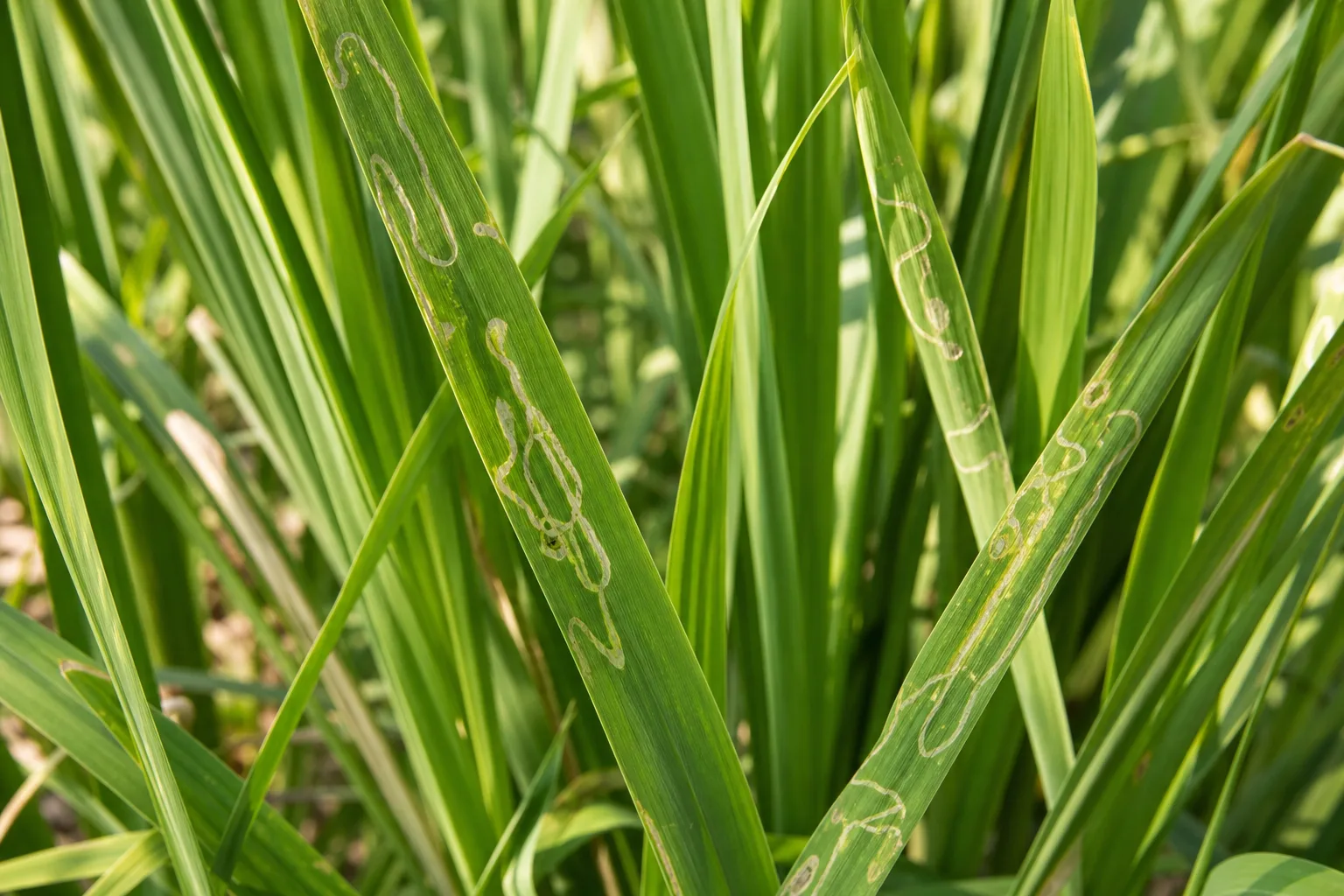
Leaf Miners on Lemongrass: Causes, Checks & Fixes
This guide covers leaf miners on Lemongrass. See also the general Leaf Miners guide, watering, and light pages for this plant.
Leaf Miners on Lemongrass: Causes, Checks & Fixes
Quick answer
Leaf miners on lemongrass are tiny fly larvae that feed between the upper and lower surfaces of grass blades, leaving pale serpentine tunnels you see when you backlight the blade-not ragged chewing on the outside. On culinary clumps, the first fix is mechanical: cut heavily mined blades at the base and bag them for trash, not compost on small patios, then watch new tillers for widening trails.
Lemongrass (Cymbopogon citratus) is a warm-season Poaceae grass grown for harvestable stalks. Internal mines matter twice- they scar blades you would cook, and larvae protected inside tissue are hard to reach with contact sprays. Surface pests like aphids on lemongrass cluster on tender shoots; miners stay hidden until you hold blades to light.
What leaf miners look like on lemongrass
On long, narrow monocot blades, miner damage is easier to spot by backlighting than on broad leaves-the tunnel reads as a continuous pale or tan line running lengthwise inside the tissue.
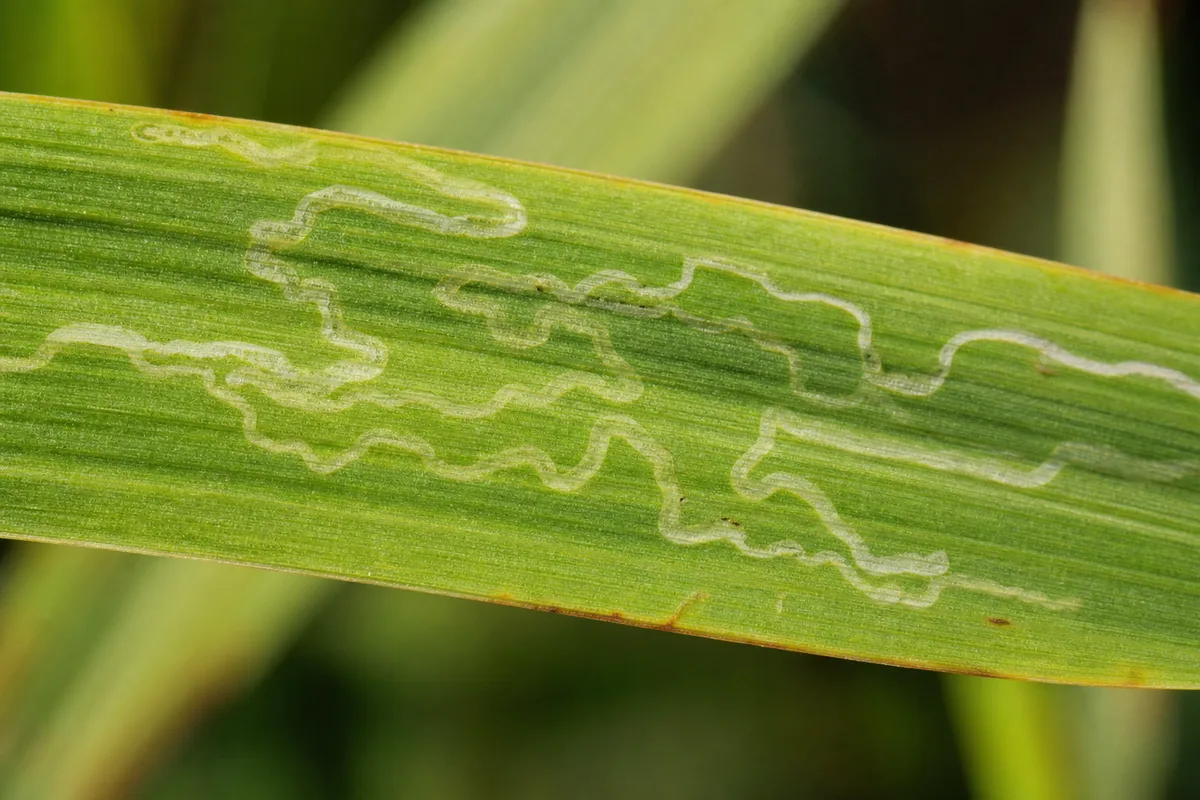
Leaf Miners symptoms on Lemongrass - compare with healthy tissue on the same plant.
Typical signs:
- Serpentine tunnels - Winding paths that start narrow and widen as the larva grows
- Blister-like raised sections on thicker parts of a blade
- Premature browning along an active tunnel as cells die ahead of the feeding larva
- Small exit holes on older mined blades when adults emerge
- Dry brown scars on blades where mining finished weeks ago-cosmetic, not active pests
What miners do not look like: ragged external edges (caterpillar chewing), silvery surface streaks with black specks (thrips), or patchy yellow mottling without a defined mine path (mosaic virus).
Why lemongrass gets leaf miners
Most leaf miners on grasses are agromyzid flies (family Agromyzidae)-small flies whose larvae tunnel between leaf layers. Extension literature documents grass-associated species such as Phytomyza nigra on seedling grasses, where pale-yellow vertical lines mark larval mines between epidermal layers. Corn and rice systems report related agromyzids on Poaceae hosts; rice leafminer adults, for example, begin egg laying on grasses near aquatic habitats in early season with multiple generations possible in warm weather.
Lemongrass-specific risk factors:
- Post-harvest tender regrowth - Each time you cut stalks for the kitchen, new soft tillers flush. Adult flies prefer that tissue for egg laying, so mining often spikes one to two weeks after a harvest cut during active summer growth in full sun with regular moisture.
- Continuous grass architecture - Unlike a single broad leaf, a lemongrass clump produces dozens of narrow blades. One fly generation can touch many harvestable shoots in the same crown.
- Nearby grassy hosts - Ornamental grasses, cereal volunteers, and weedy grasses in adjacent beds harbor the same pest complex; flies move short distances to your culinary clump.
- Sheltered patio pots - Reduced airflow and fewer parasitic wasps let populations persist longer than in open garden rows where natural enemies often crash leafminer numbers.
- Soft, nitrogen-pushed blades - Over-fertilized flushes produce tissue larvae mine more easily than firm mature blades.
Indoor overwintering divisions rarely see miners unless infested blades or hitchhiker pupae came inside with the plant.
How to confirm the cause
Work through these checks before spraying anything on a kitchen clump:
- Backlight the blade - Hold it toward a window or lamp. A hollow channel between layers confirms miners. Solid discoloration that does not trace a continuous winding path suggests virus or nutrient issues instead.
- Test tunnel activity - Pale, still-expanding trails are active. Watch the same blade for two to three days; widening means a live larva. Dry brown trails are old scars-note them, but prioritize fresh mines on newest tillers.
- Inspect harvest zone first - After a cut, miners concentrate on the soft regrowth at the crown. Lower hardened blades may show only old brown mines from earlier generations.
- Shake test for thrips - Tap a suspect blade over white paper. Slender crawling insects mean thrips, not internal miners.
- Rule out mosaic virus - Mosaic on lemongrass shows patchy chlorosis without a serpentine tunnel line.
- Cooking safety check - Any blade with a visible larva line inside should not enter the kitchen. When mining is confirmed on harvest tissue, treat the clump as a food-safety issue, not only a cosmetic one.
First fix for lemongrass
Remove mined blades at the base and discard them away from the clump.
Snip each heavily tunneled blade where it meets the crown. Bag infested tissue for household trash on patios; do not compost active mines where pupae can reinfest neighboring pots. Removing foliage before larvae exit reduces the next generation on grasses, similar to extension advice for ornamental leafminers-pick off and destroy infested leaves before adults emerge.
After removal:
- Protect regrowth - Outdoors, parasitic wasps often control miners once the worst infested blades are gone. Avoid broad-spectrum insecticides on culinary clumps unless the product label explicitly includes lemongrass or the herb group you are growing.
- Hold contact sprays - Insecticidal soap and horticultural oils do not reach larvae feeding inside leaves. They may affect surface stages on some plants but are a poor primary fix for grass-blade miners.
- Monitor weekly through one full regrowth cycle after harvest before you resume cooking from the clump.
Step-by-step recovery
- Day 1 - Remove all blades with active pale trails or more than one mine per stalk. Mark the date on your calendar.
- Days 3–7 - Re-inspect the same tillers. New pale serpentine trails mean adult flies are still laying eggs-repeat removal on affected shoots only.
- Days 7–14 - Judge success by clean new blades, not by old brown scars healing. In warm active growth, unmined tillers typically appear within one to two weeks after a thorough cut-back of infested tissue.
- If trails persist - Check neighboring grasses and weeds within a few metres; flies may be cycling on alternate hosts. On outdoor rows with repeat pressure, extension guides sometimes recommend labeled spinosad when adults are active and before mining becomes widespread-only on products that list your crop and only after mechanical removal fails.
- Before cooking again - Harvest only blades that opened clean after your last removal pass. Rinse stalks even when no mines are visible if you recently applied any labeled spray.
Recovery timeline
Days 1–7: Active mines removed. You should see no new widening pale trails on shoots you cleaned if you caught that generation early.
Weeks 2–3: Old brown mines remain visible-they are permanent scars. Success means fresh tillers without internal lines.
Warm outdoor clumps: Several fly generations can occur through summer; one removal pass is rarely enough if adults keep returning from nearby grasses. Weekly scouting through the harvest season prevents a cosmetic issue from consuming most cookable stalks.
Signs of improvement: New blades open without tunnels. Fewer active pale trails after each harvest flush. Parasitism outdoors often shows up as dried, collapsed mines on older blades.
Signs the problem is worsening: Every new tiller after a cut shows fresh mines within a week. Most of the harvestable zone is tunneled despite repeated removal. Multiple patio pots show simultaneous new trails-adults are established nearby.
Lookalike symptoms on lemongrass blades
| What you see | Likely cause | How to tell apart |
|---|---|---|
| Winding hollow trail inside blade | Leaf miner | Backlight shows continuous serpentine channel; trail widens along its length on active mines |
| Silvery streaks and black specks on blade surface | Thrips | Damage is external; shake test shows slender insects |
| Ragged chewed edges or holes from outside | Caterpillars | Tissue removed from exterior; frass pellets in leaf folds; no internal serpentine tunnel |
| Patchy yellow-green mottling without a mine path | Mosaic virus | No defined winding tunnel; may affect many blades in a similar pattern |
| Split or torn blade from wind | Mechanical damage | Irregular breaks, not patterned internal lines |
| Clusters on tender new shoots, no tunnels | Aphids | Insects visible on surface; honeydew or ants may be present |
Culinary harvest safety and sprays
Do not cook blades with active or recent mines. Larvae feed inside the tissue you would slice for soup, tea, or curry paste. Old dry brown scars are lower risk than active pale trails, but culinary growers should still skip any blade that ever showed a visible tunnel-scar tissue is not worth the uncertainty.
If you must spray a kitchen clump after repeated mechanical control fails:
- Read the label first - The product must list lemongrass or the applicable herb group. Many home-garden spinosad labels list lemongrass among herbs with a one-day pre-harvest interval, but intervals and application limits vary by product; the label is the legal authority.
- Time applications for adults - Pesticides applied after mining begins do not kill larvae already inside blades. Target early-season or post-removal windows when flies are active on clean regrowth, not when larvae are sheltered in tissue.
- Prefer low-impact options outdoors - Spinosad can be effective against leaf miners with less impact on beneficial insects than broad-spectrum pyrethroids, but it still requires label compliance on edible grasses.
- Rinse before use - After any allowed treatment interval passes, rinse harvested stalks and inspect cut surfaces before cooking.
When label options are unclear, default to removal-only control on culinary clumps and escalate through your local cooperative extension office with photos of backlit mines.
What not to do
Do not harvest tunneled stalks for soup or tea. Do not assume damage is harmless because it is “inside” the blade-larvae are in the tissue you eat. Do not apply systemic or broad-spectrum chemicals on kitchen plants without verifying edible-plant restrictions on the exact label. Do not compost active infested blades on small patios where pupae can survive. Do not spray fungicide on serpentine trails-miners are insects, not fungus.
How to prevent leaf miners on lemongrass
Inspect after each harvest flush when soft tillers emerge-that is when flies most often lay eggs. Keep clumps in full sun with good airflow so blades harden faster and scouting is easier. Remove mined blades early, before larvae exit to reinfect new tissue. Quarantine new divisions from nurseries or grocery-rooted stalks for at least two weeks before planting beside established harvest clumps.
Outdoors, preserve parasitic wasps by skipping unnecessary broad-spectrum sprays. Trim weedy grasses nearby that act as alternate hosts. Rotate patio pot placement if flies persist season after season on adjacent ornamentals.
For baseline culture that supports fast recovery, see the lemongrass overview and watering guide.
When to worry
Leaf miners rarely kill a vigorous outdoor lemongrass clump. Escalate when:
- Fresh pale mines appear on most harvestable tillers within a week of each cut during peak summer cooking season
- You plan to cook from the clump but cannot find clean unmined shoots after two removal-and-monitor cycles
- Indoor or sheltered patio plants show new mines on every regrowth flush while natural enemies are absent
- Repeat infestations persist despite removal and labeled outdoor treatment-contact your local extension office with backlit photos before stronger interventions on edible plantings
A few old dry brown scars on lower blades of an outdoor ornamental clump, with clean new tillers after harvest, is a low-urgency cosmetic issue-not a rescue situation.
Related lemongrass problems
If blade damage does not match internal serpentine tunnels, use these guides next:
- Lemongrass overview - light, water, and harvest rhythm basics
- Caterpillars on lemongrass - ragged external chewing and stem-borer dead-heart shoots
- Thrips on lemongrass - surface silvering and stippling without internal mines
- Mosaic virus on lemongrass - patchy mottling without tunnel lines
- Aphids on lemongrass - soft new growth clusters, not internal trails
When to use this page vs other Lemongrass guides
- Lemongrass watering guide - Use for routine moisture checks before assuming leaf miners is the main issue.
- Lemongrass problems hub - Browse all 52 common issues on this species.