High Humidity on Lemongrass: Causes, Checks & Fixes
Quick answer
High humidity hurts lemongrass when stagnant moist air keeps blades wet and soil slow-drying-especially indoors in winter. First step: Increase airflow, water at the soil line in morning, and cut watering frequency when growth slows.
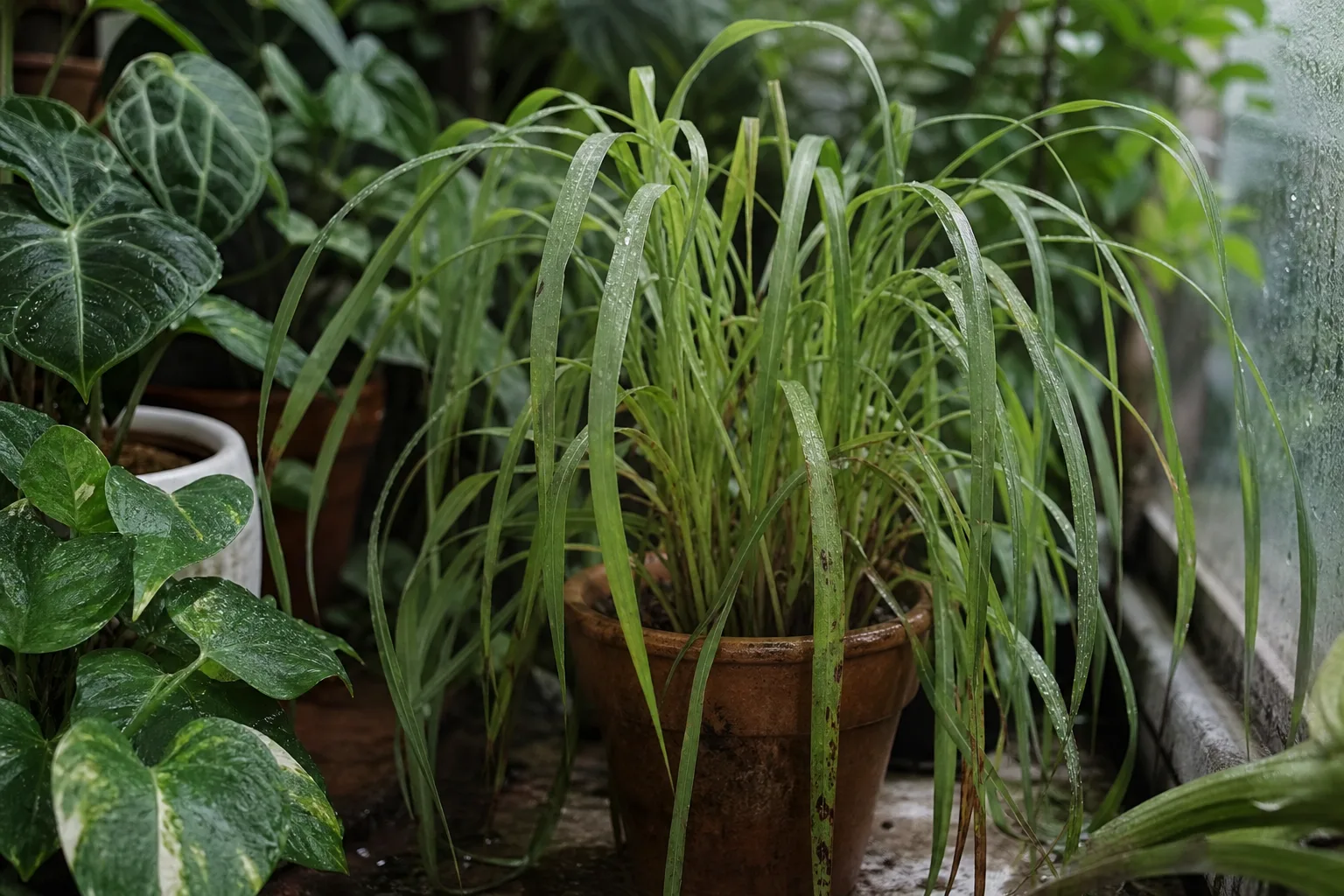
High Humidity on Lemongrass: Causes, Checks & Fixes
This guide covers high humidity on Lemongrass. See also the general High Humidity guide, watering, and light pages for this plant.
High Humidity on Lemongrass: Causes, Checks & Fixes
Quick answer
High humidity hurts lemongrass when stagnant moist air keeps blades wet and soil slow-drying-especially indoors in winter. First step: increase airflow, water at the soil line in morning, and cut watering frequency when growth slows.
Lemongrass evolved in warm, humid tropical Asia, and UF/IFAS notes warm humid conditions during active growth. Problems appear when humidity pairs with poor airflow, wet foliage overnight, and reduced transpiration in dim indoor overwintering-not when outdoor clumps grow in open sun after rain.
What high humidity looks like on Lemongrass
Watch for environmental stagnation, not humidity alone:
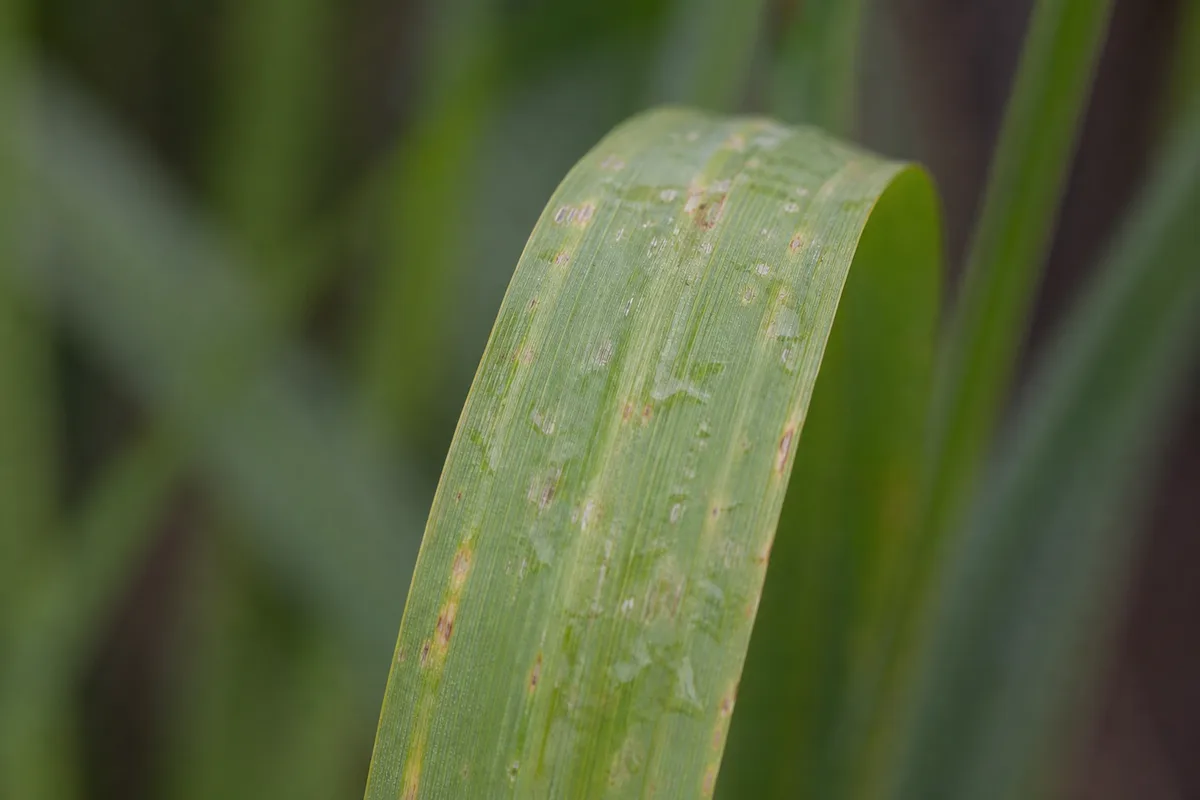
High Humidity symptoms on Lemongrass - compare with healthy tissue on the same plant.
- Persistent wet blades at midday in sheltered patio corners or grouped pots.
- Musty pot smell and slow soil dry-down despite modest watering.
- Fungal leaf spots or gray mold on lower arching blades touching wet mulch.
- Increased spider mite pressure indoors when humidity is high but airflow is poor-mites are a serious indoor pest on lemongrass.
- Soft yellow stalk bases when humid air slows evaporation while watering stayed on a summer schedule.
Outdoor clumps in full sun with good drainage rarely suffer from ambient humidity alone.
Why Lemongrass struggles in high humidity
Indoor overwintering combines high room humidity, low light, and continued watering-roots stay wet while the plant uses little water. Bring potted plants indoors when temperatures cool in fall and reduce watering during winter dormancy indoors to match slower growth.
Crowded containers trap humid air in arching blade canopies. Kitchen corners and glassed-in patios hold moisture longer than open garden beds.
Overhead evening watering wets blade surfaces that never dry before night-inviting fungal issues even on a humidity-tolerant grass.
Heavy peat mix without perlite stays saturated in humid rooms; container plants prefer moist, not soggy, soil.
How to confirm the cause
- Blade dry-down - Do arching leaves dry within a few hours after watering or rain?
- Soil cycle - Does the top 3–4 cm stay wet for many days indoors?
- Light level - Dim windows plus humidity equals slow transpiration.
- Root sniff test - Sour odor with wet mix confirms rot risk from humid overwatering on Lemongrass.
- Air movement - A fan passing near (not blasting) foliage should help blades dry.
Separate true humidity stress from normal outdoor dew in sunny beds-context matters.
First fix for Lemongrass
Improve airflow and dry foliage habits first. Space pots, prune outer blades touching walls, and water at the soil line in morning. Run gentle air circulation indoors during overwintering.
Cut watering frequency when growth slows-let the top 3–4 cm dry before the next drink in fall and winter. Empty saucers completely after each watering.
If soil stays sour-smelling, treat as root stress: unpot, trim mushy roots, repot into fresh draining mix, then maintain the reduced humid-season rhythm.
Recovery timeline
Airflow and watering fixes often stabilize leaf spotting within one to two weeks. Rot-involved clumps need repot recovery time-judge by firm new center shoots, not immediate blade perfection.
Causes to rule out
- Low humidity damage - Crispy tips in dry forced-air heat, opposite pattern.
- Pure underwatering on Lemongrass - Light pots and dry roots with no musty smell.
- Normal outdoor rain - Sun and drainage clear blades quickly; not the same as stagnant indoor humidity.
What not to do
Do not mist lemongrass to “balance humidity” when blades already stay wet. Do not group many overwintering pots against a cold window with saucers full. Do not keep summer daily watering indoors in October.
How to prevent high humidity problems
Grow in full sun and well-drained soil outdoors; indoors, prioritize brightest windows and airflow. Repot into perlite-enhanced mix before overwintering. Track seasonal watering separately from summer harvest rhythm.
Conclusion
Lemongrass tolerates humid climates when blades dry and soil cycles properly-it fails when humid stagnant air pairs with wet foliage and slow-draining pots indoors. Confirm wet-blade patterns and saucer water, improve airflow, and align watering with reduced winter growth. Prevent recurrence with drainage, morning soil-line watering, and season-adjusted drinks-not by treating humidity as always harmful.
When to use this page vs other Lemongrass guides
- Lemongrass watering guide - Use for routine moisture checks before assuming high humidity is the main issue.
- Lemongrass problems hub - Browse all 52 common issues on this species.