Small Flowers on Lemongrass: Causes, Checks & Fixes
Quick answer
Small flowers on lemongrass are normal-the plant produces modest brown spikelets on drooping panicles, not showy blooms. First step: cut emerging flower stalks at the base if you grow for culinary stalks, not seed.
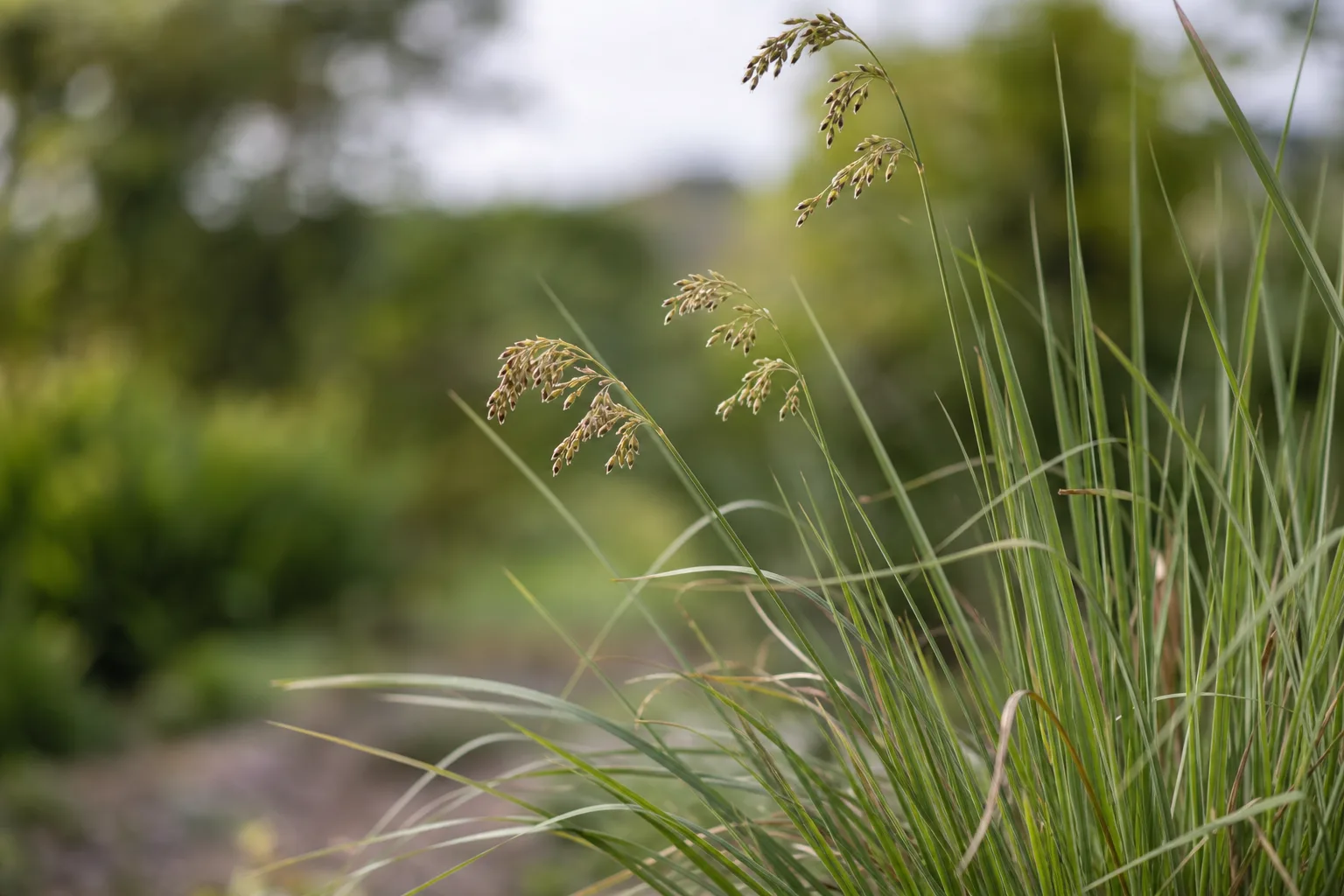
Small Flowers on Lemongrass: Causes, Checks & Fixes
This guide covers small flowers on Lemongrass. See also the general Small Flowers guide, watering, and light pages for this plant.
Small Flowers on Lemongrass: Causes, Checks & Fixes
Quick answer
Small flowers on lemongrass are normal, not a failed bloom cycle. West Indian lemongrass (Cymbopogon citratus) produces numerous brownish florets on compound drooping panicles-individual spikelets are tiny by design, and the species rarely flowers in cultivation. Container plants and short-season growers often see modest spikes compared with field clumps in the tropics.
First step: cut emerging flower stalks at the base if you grow lemongrass for kitchen stalks. Culinary value sits in the bulbous pseudostem bases, not in flower size. Leave spikes only if you deliberately want seed or enjoy the grass as an ornamental.
Why lemongrass flowers stay small
Lemongrass is a clump-forming tropical grass grown mainly for fragrant leaves and thick stalk bases-not for showy petals. Botanically, its “flowers” are grass spikelets arranged in paired racemes on a branching panicle. Flora of China describes sessile spikelets only about 5–6 mm long-small scale is how the species is built, not a symptom of poor fertilizer.
Several growing conditions keep spikes modest or delay them entirely:
Container root limits. Lemongrass fills pots quickly and forms a dense, shallow fibrous root mat. Restricted root volume limits the energy a clump can put into a large inflorescence, so patio plants often push shorter, thinner flower stalks than in-ground plantings.
Short growing seasons. In cooler climates lemongrass runs as a warm-season annual or overwintered division. A clump that only gets three or four hot months may initiate a spike late in the season-small and brief compared with year-round tropical growth.
Frequent harvest. Regular cutting of outer stalks removes vegetative tissue and can delay or reduce flowering on kitchen clumps. That is desirable when stalk flavor matters more than blooms.
Overall stress. Dim light, drought swings, or waterlogged soil produce a weak clump with thin blades and abortive early spikes. That pattern looks different from a vigorous clump carrying a normal modest panicle.
What small flowers look like on lemongrass
Healthy lemongrass blooms do not resemble petunia or rose flowers. Expect:
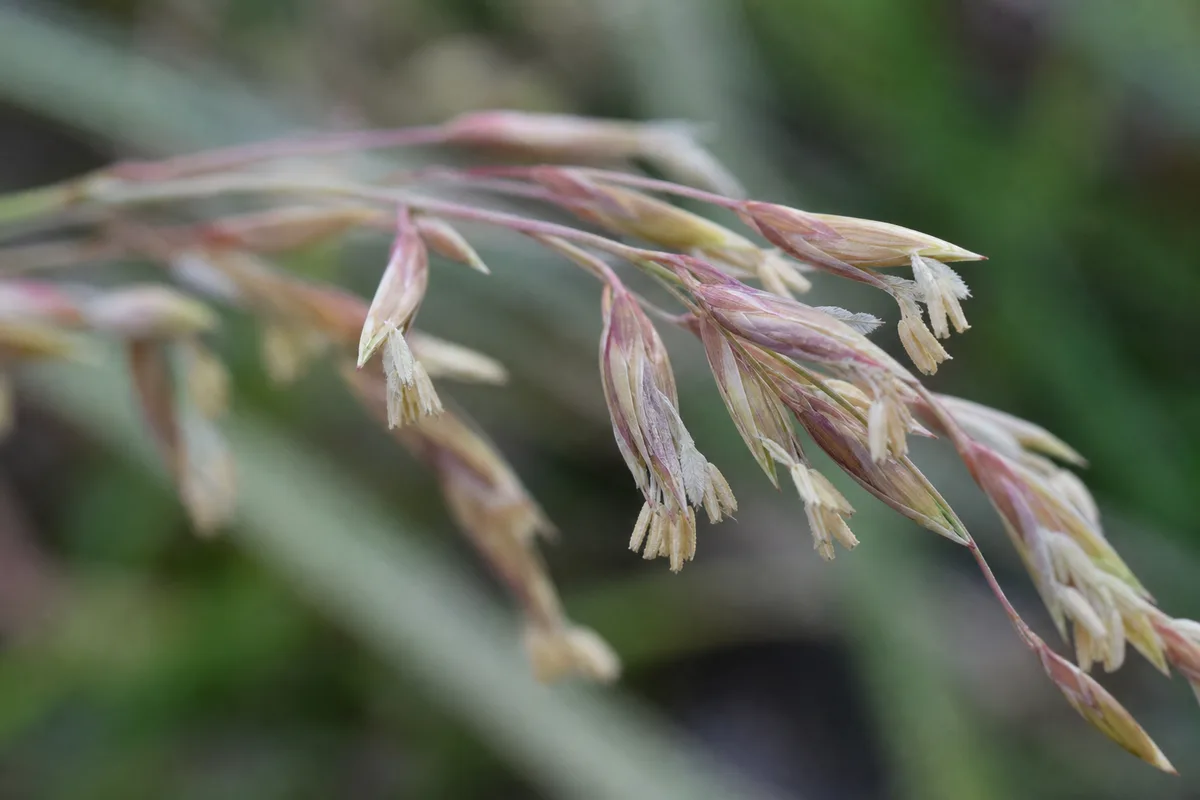
Small Flowers symptoms on Lemongrass - compare with healthy tissue on the same plant.
- A stiff flower stalk rising above the blade mass, often taller than the leafy clump
- A branching, nodding panicle with many small cream-to-brown spikelets rather than separate petals
- Brownish florets that feel insignificant next to the bold leafy pseudostems below
- No fragrance payoff for cooking-the stalk bases remain the culinary part
On a strong clump, blades stay green and arching, new tillers emerge from the crown, and the spike looks proportional even if individual florets are tiny. On a stressed clump, you may see a thin spike on pale, sparse foliage, sometimes alongside brown leaf tips or soft bases from overwatering on Lemongrass.
Do not confuse a flower stalk with a harvestable pseudostem. Flowering shoots are thinner, more branched at the top, and lack the swollen lemon-scented base you peel for curries and tea.
How to confirm the cause
Work through these checks before changing fertilizer or Lemongrass repotting guide:
- Clump vigor - Are blades mostly green and firm? Do new shoots appear at the crown after you cut outer stalks? Healthy vegetative growth with a modest spike means normal flowering.
- Spike timing and size - Did the stalk emerge on a mature outdoor clump in late summer? A small brown panicle on an established plant fits the species. A tiny spike on a young indoor seedling in spring may simply reflect immaturity or stress.
- Light - Lemongrass needs full sun and grows slowly until summer heat arrives. Clumps in partial shade stay pale and may flower weakly while failing to thicken stalks.
- Soil moisture - Stick a finger into the top few centimetres. Lemongrass wants consistently moist, well-drained mix during active growth-not bone dry for days, not soggy for weeks.
- Pot size and division history - Root-bound containers dry out within hours after watering and often stall stalk thickness. If roots circle the pot and water runs straight through, vigor-not bloom booster-is the issue.
- Your goal - Kitchen growers treat any flower stalk as a redirect signal. Ornamental growers only need action if the whole clump looks unhealthy, not because individual florets are small.
If the clump is vigorous and the spike matches grass morphology above, you have normal lemongrass flowering-not a houseplant bloom failure.
First fix for lemongrass
Snip the flower stalk at the base as soon as you notice it, using clean sharp shears, if you grow lemongrass for stalk harvest.
Cut low where the spike meets the crown so the plant does not keep feeding seed-head development. This single step sends energy back into pseudostem and tiller production-the tissue you actually use in the kitchen. Wear gloves; lemongrass leaf edges can cut skin.
Do not apply high-phosphorus “bloom booster” fertilizer hoping to enlarge flowers. Lemongrass is not a flowering houseplant, and excess phosphorus will not turn spikelets into showy blooms.
Step-by-step recovery
If the spike appeared on a weak, pale clump-not just a healthy modest bloom-address vigor after removing the stalk:
- Move to full sun - Shift containers to the brightest outdoor spot available for at least six hours of direct sun daily during the warm season.
- Correct watering - Water when the top few centimetres of mix dry, then soak until excess drains. Empty saucers so bases do not sit in water.
- Feed during active growth only - Apply a half-strength balanced soluble fertilizer weekly from June through September on container plants, or monthly in ground beds. Skip feeding on stressed or recently divided clumps until new growth firms up.
- Harvest outer stalks - Cut mature outer pseudostems at ground level once bases reach about half an inch thick. Regular harvest stimulates fresh tillers from the centre.
- Divide or repot if root-bound - Split overcrowded clumps in spring, replanting divisions with fresh rich mix. Lemongrass grows dramatically once summer heat and moisture align.
- Watch for pests on indoor plants - Spider mites on overwintered lemongrass weaken foliage and can coincide with poor spike development. Rinse blades and improve humidity if speckling appears.
Repeat spike removal whenever new flower stalks emerge on culinary clumps through the season.
Recovery timeline
After cutting a flower stalk, vegetative regrowth from the crown usually resumes within days in warm weather with adequate water. New tillers may take one to three weeks to reach harvestable thickness depending on sun, temperature, and pot size.
If you corrected shade or drought stress, expect visibly greener blade colour and firmer new shoots within two to four weeks-not overnight stalk swelling. Divided clumps need several weeks to re-establish roots before peak harvest returns.
Flower spikes you removed will not enlarge or reopen. Judge success by thick new pseudostems and steady tiller production, not by bloom size.
Lookalike symptoms to rule out
Grassy shoot or stunted inflorescence disease can produce abnormal compact flower structures with general stunting. UF/IFAS lists “grassy shoot” as a lemongrass disease with stunted normal inflorescence-unusual distortion, not simply small brown spikelets on an otherwise healthy clump.
New vegetative tillers emerge as tight rolled blades from the crown without a branched panicle top. They thicken at the base and smell lemony when crushed-desirable growth, not flowers.
Seed heads from East Indian lemongrass (C. flexuosus) may look similar but that species is more commonly grown for oil; West Indian C. citratus still produces small spikelets when it blooms.
Brown tips from drought or salt affect leaf margins while the crown stays vegetative-no upright branched spike.
Mistakes to avoid
Do not treat small lemongrass spikelets like failed petunia blooms and chase phosphorus-heavy fertilizers.
Do not leave flower stalks on kitchen clumps all season if you want maximum stalk thickness-the plant will keep allocating resources upward.
Do not assume small flowers mean disease. Missouri Botanical Garden notes lemongrass flowers are insignificant and rarely produced-modest blooms fit the species.
Do not repot and fertilize on the same day a spike appears unless roots are clearly failing. Fix light and water first.
Do not expect showy ornamental colour. Brown spikelets on a grass panicle are the normal display.
Lemongrass care cross-check
Small flowers rarely appear in isolation. Cross-check the basics Lemongrass overview needs:
- Sun: Full sun; indoor overwintered plants often lack the intensity for thick outdoor-style stalks until returned outside.
- Water: Consistent moisture in warm months; allow slight drying only at the surface between soakings.
- Soil: Rich, well-drained loam or potting mix with compost-waterlogged tubs weaken crowns.
- Harvest rhythm: Outer stalks first, never more than one-third of the clump at once on young plants.
- Division: Plan to split vigorous clumps every one to two years before pots crack from root pressure.
When these align, a modest flower spike on a mature clump is biology working as designed-not a care crisis.
How to prevent unwanted small flowers on kitchen clumps
You cannot fully prevent flowering on every mature tropical clump, but you can limit its impact:
- Scout weekly during late summer and remove spikes at first sight.
- Keep clumps in full sun with steady summer feed and water so vegetative growth stays ahead of reproductive shoots.
- Harvest regularly once stalk bases size up-active cutting delays flowering on many kitchen herbs.
- Divide before clumps become woody and overcrowded; fresh divisions focus on vegetative establishment the first season.
Ornamental growers who enjoy the nodding panicle can leave modest blooms in place. Trim only if humidity causes mold on spent heads or spikes block neighboring plants.
When to worry
Small florets alone are not urgent. Treat as a higher priority when:
- The entire clump is pale, thin, or yellowing while pushing an early spike indoors or in shade
- Soil stays wet and bases feel soft-rule out crown rot before attributing weakness to flowers
- Distorted, stunted inflorescences repeat across the clump with no normal vegetative recovery
- Overwintered indoor plants drop most blades and flower on depleted reserves without spring rebound
A robust green clump with a typical small brown panicle in late summer needs no bloom rescue-just trim if you prefer stalks over seed.
Conclusion
Small flowers on lemongrass reflect normal grass biology: tiny spikelets on drooping panicles, often modest in pots and short seasons. Confirm clump health first, then cut spikes early on culinary plants to protect stalk quality. Fix light, water, and division when weak blooms sit on a stressed clump-not because the individual florets failed to open like ornamental petals.
When to use this page vs other Lemongrass guides
- Lemongrass watering guide - Use for routine moisture checks before assuming small flowers is the main issue.
- Lemongrass problems hub - Browse all 52 common issues on this species.