Small Flowers on Houseplants: Causes and Fixes
Getting houseplants to bloom indoors is tricky because homes rarely match native conditions. Small Flowers with Flowers are smaller than expected can mean the plant is too young, light is wrong, humidity shifted, or buds were stressed during shipping or repotting. Track weekly progress after you change care, and note watering, light, and repotting dates so you can tell whether the symptom is improving or returning. Compare upper versus lower leaves, new versus old growth, and soil moisture at root depth before you treat, because the same visible symptom can come from watering, light, pests, or normal aging on different plants.
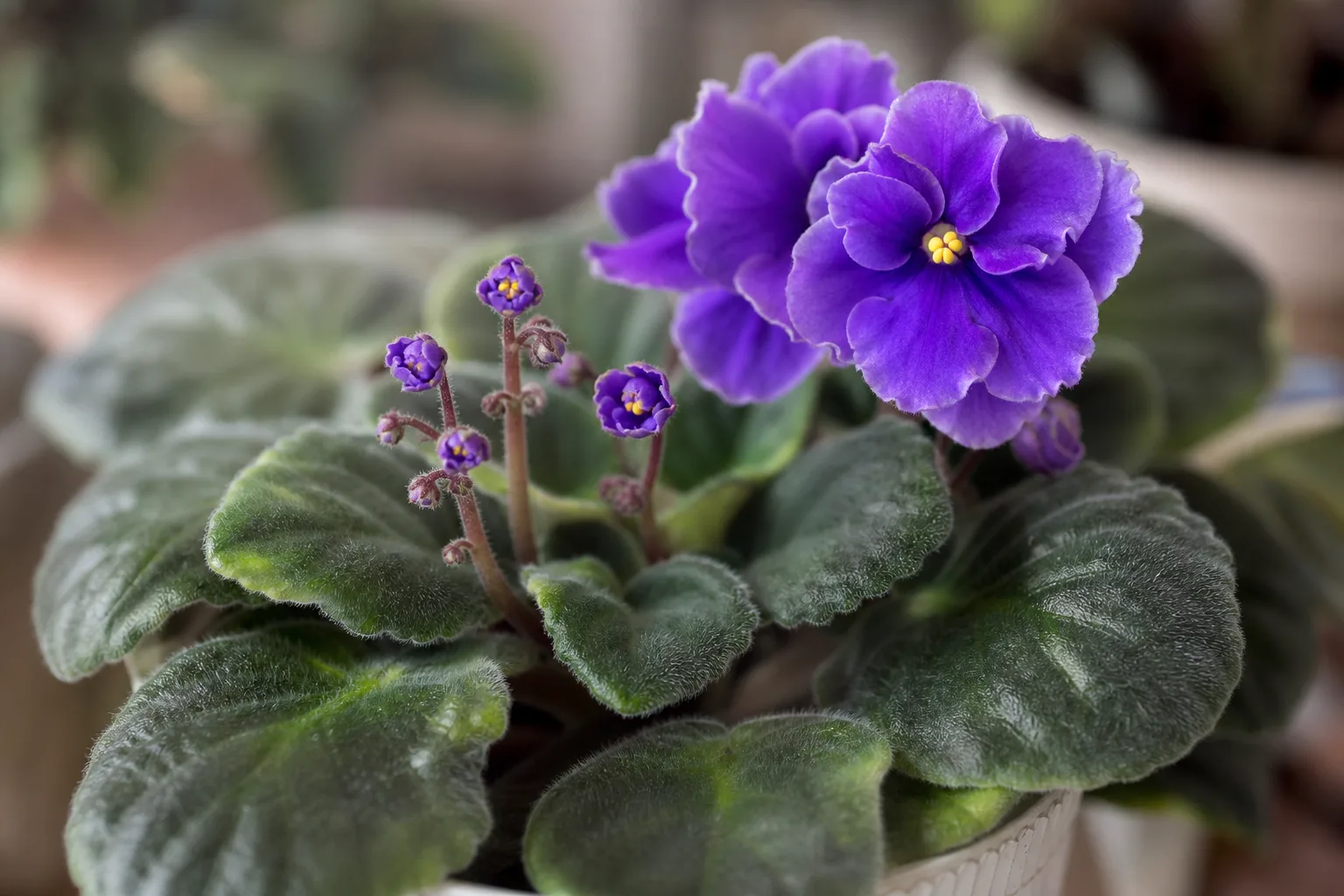
Small Flowers on Houseplants
Still unsure?Match your symptoms to the most likely problems in under a minute.Run diagnosis →Understand and fix small flowers
Getting houseplants to bloom indoors is tricky because homes rarely match native conditions. Small Flowers with Flowers are smaller than expected can mean the plant is too young, light is wrong, humidity shifted, or buds were stressed during shipping or repotting. Track weekly progress after you change care, and note watering, light, and repotting dates so you can tell whether the symptom is improving or returning. Compare upper versus lower leaves, new versus old growth, and soil moisture at root depth before you treat, because the same visible symptom can come from watering, light, pests, or normal aging on different plants.
Overview
Getting houseplants to bloom indoors is tricky because homes rarely match native conditions. Small Flowers with Flowers are smaller than expected can mean the plant is too young, light is wrong, humidity shifted, or buds were stressed during shipping or repotting. Track weekly progress after you change care, and note watering, light, and repotting dates so you can tell whether the symptom is improving or returning. Compare upper versus lower leaves, new versus old growth, and soil moisture at root depth before you treat, because the same visible symptom can come from watering, light, pests, or normal aging on different plants.
How to identify it
- Buds form but drop before opening
- Plant has never bloomed despite years of care
- Flowers fade quickly after opening
- Recent repot, move, or dry air episode preceded bud drop
- Plant is still juvenile for its species
When to worry
All buds drop after a big environmental shock while roots are wet-check for rot and drafts, not just light.
Common causes
Insufficient bright light
Many bloomers need brighter light than foliage-only plants. Dim spots prevent bud formation entirely.
Inconsistent watering during bud set
Letting soil dry completely or staying too wet while buds form causes Small Flowers.
Dry air and drafts
Heat vents and air conditioning dry buds quickly, especially on orchids and holiday cacti.
Recent repotting or relocation
Bud drop is common after stress-even if long-term the move was beneficial.
Step-by-step fix
Confirm the plant is mature enough to bloom
Some species need years or specific size before flowering indoors.
Increase bright indirect light
Move closer to a window or supplement with grow lights during bud formation.
Stabilize watering and humidity
Keep soil evenly moist for budded plants; avoid soggy or bone-dry swings.
Avoid moving or repotting while buds form
Wait until after the bloom cycle to repot or change rooms.
Use appropriate bloom fertilizer if needed
Phosphorus-forward feed at half strength during bud set for heavy bloomers-only during active growth.
Prevention tips
- Research species-specific bloom triggers before buying
- Keep humidity steady around budded plants
- Do not repot while buds are visible
- Provide winter cool period for plants that need it to set buds
- Document which leaves show symptoms first and whether the soil is wet, dry, or compacted before changing multiple variables at once.
Common mistakes
- Repotting when buds appear hoping for 'more energy'
- Placing bloomers in low-light corners
- Over-fertilizing with nitrogen, which pushes leaves over flowers
African violet and petunia small-flower images provide comparison examples, not proof of one universal cause.
Quick Diagnosis
An open flower that is smaller than expected records what happened while that bud was developing. The most useful first question is not “Which fertilizer makes flowers bigger?” but “Is this bloom actually smaller than the normal size for this species and cultivar?” Peperomia flower spikes, miniature African violets, compact roses, moth orchids, hibiscus and petunias have radically different genetic baselines.
If earlier blooms on the same plant were larger, review conditions during the most recent bud cycle: usable light, dry or saturated root-zone episodes, heat or cold stress, repotting, relocation and pest damage. A correction can improve later buds, but it cannot enlarge a flower that has already opened.
First step: identify the plant and cultivar, photograph and measure one representative bloom, then compare it with the label, a reliable species reference or the plant’s own earlier flowers. If size is genuinely reduced, inspect light and root-zone stability before adding fertilizer.
Small flowers vs. no bloom vs. bud drop
These three complaints overlap in conversation but need different first fixes. Use this table before changing fertilizer or repotting.
| What you see | Likely pattern | Urgency | First fix | Read next |
|---|---|---|---|---|
| Blooms open but undersized for the tag or earlier cycle | Genetics, unsuitable light, water stress, root stress or temperature disruption | Usually low | Confirm identity and recent history | This page |
| Healthy foliage, zero buds for weeks | Wrong seasonal cue, unsuitable light, immaturity, excess nitrogen or root stress | Usually low | Check the species’ bloom trigger | No flowers |
| Buds visible then brown, shrink, or fall off | Heat swings, severe drought, transplant shock, or budworm | Medium | Review wilt history and scout buds at dusk | Bud drop |
| Blooms open normal size but fade fast and look washed out | Heat aging, uneven water on open flowers | Low | Deadhead; check water rhythm | Faded flowers |
| Small blooms plus mottled, twisted leaves | Mosaic virus, not culture | High | Remove plant; sanitize tools | Mosaic virus |
Scope note: This page is for undersized open blooms on indoor and container flowering plants. It cannot provide one universal light, moisture or fertilizer target. Once you identify the likely category of cause, follow guidance for the named species.
What small flowers look like on a flowering plant
“Small” means blooms are noticeably smaller than the same plant or named cultivar should produce, not merely fewer flowers or naturally petite flowers. The surrounding growth pattern helps separate causes:
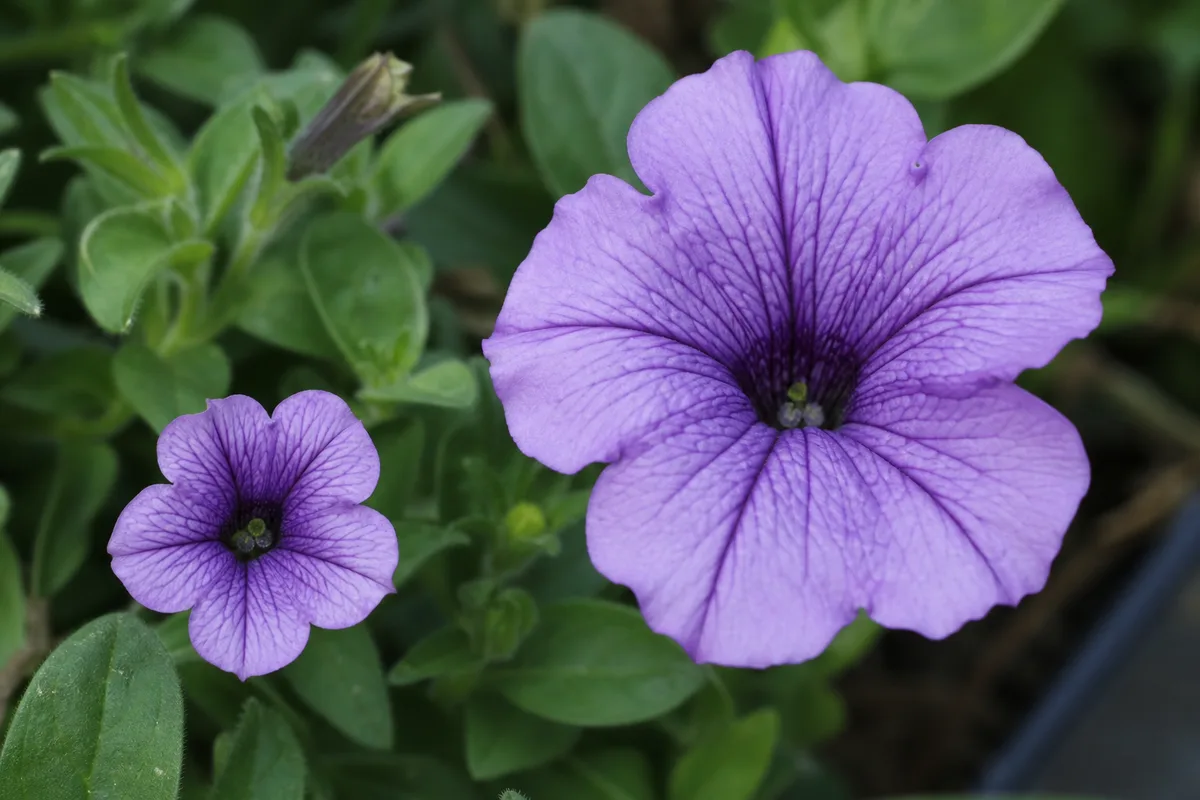
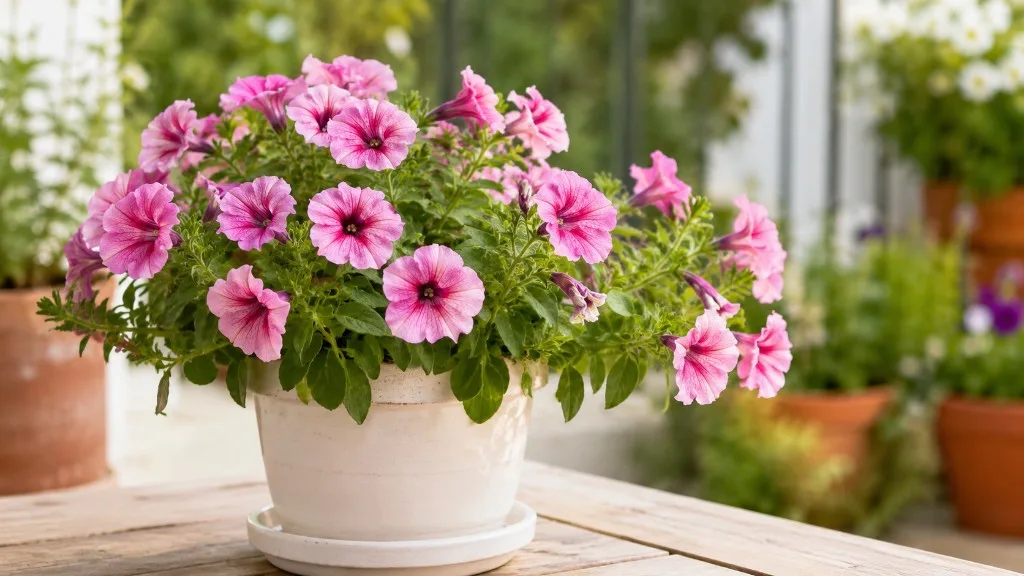
Representative petunia with undersized flowers. Use the image to compare proportions, not to diagnose another species.
- Light-limited small blooms - Flowers may open pale or undersized while stems stretch. Shade-tolerant orchids and African violets should not be moved into the full sun used for petunias; interpret the clue within species limits.
- Drought-stressed small blooms - Flowers may be crisp-edged or short-lived. You often see a history of mid-morning wilting in the days before those buds opened.
- Normal small-flower cultivars - Milliflora types produce abundant 1 to 1½ inch blooms by design. Multiflora flowers run smaller than grandifloras but still look proportionate to the plant.
- Spreading-series habit - Wave and Easy Wave petunias are vigorous spreaders with medium-sized blooms meant to cover stems in full sun-not grandiflora diameter. Supertunia Vista and standard Supertunia lines vary by series; Mini Vista types intentionally run calibrachoa-small.
- Root-limited stress - A root-bound or chronically dry container may produce many buds that all open small and fade fast.
Compare the plant with a healthy example of the same cultivar under suitable conditions. A consistent difference across successive bloom cycles supports a care or placement problem; a single terminal flower may fall within normal variation.
Species and cultivar boundaries
| Example group | Useful comparison | Diagnostic boundary |
|---|---|---|
| Petunia groups | Grandiflora, multiflora and milliflora have intentionally different sizes | Compare within the same group; do not export full-sun petunia care to indoor plants |
| African violet | Standard and miniature cultivars differ | Compare with earlier flushes on the same plant |
| Phalaenopsis orchid | Size varies by parentage and flower position | A few smaller terminal flowers can be normal |
| Hibiscus or miniature rose | Later blooms may shrink under stress | Review the conditions during bud development |
| Peperomia and foliage-first species | Naturally small or inconspicuous inflorescences are normal | Do not treat a normal botanical feature as a deficiency |
Why flowering plants develop smaller blooms
Cultivar genetics set the ceiling
Genetics sets the attainable range. Petunias provide a documented example: grandiflora types carry the largest flowers, multifloras bear smaller flowers in greater numbers, and millifloras are bred for compact one-to-one-and-a-half-inch blooms. The principle applies across flowering plants, but the numbers and care do not. A cultivar label or the plant’s established bloom history is more reliable than comparison with an unrelated plant online.
Shade limits cell expansion in developing buds
Insufficient usable light can limit flowering, but “move it into full sun” is not universal advice. Petunias need at least five or six hours of good sunlight, while many moth orchids and African violets prefer bright filtered or indirect light. Use stretching, declining bloom count and a verified low-light placement as supporting evidence, then increase light only within the species’ safe range.
A pot can look bright briefly while receiving little useful light across the day. Record duration, direction, seasonal obstructions and recent moves. Acclimate gradually; a sudden transfer from shade to midday sun can replace small flowers with scorched foliage.
Drought during bud formation locks in small size
Water stress during flowering can reduce growth and bloom quality. The RHS identifies plants starting to flower as particularly vulnerable to dry spells and notes that water stress can result in poor flowers and stunted growth. Containers can dry rapidly, but continuously wet media can also deprive roots of oxygen. Diagnose with pot weight, moisture below the surface and drainage rather than a fixed calendar.
Petal cells expand most actively while buds are still closed. Water stress at that stage limits final diameter-fertilizer applied after the bud is set cannot reverse it. This is different from faded flowers on a well-watered plant, where open blooms age out normally. Drought-small flowers often follow visible wilt episodes one to two weeks before open.
Root stress limits nutrient flow to buds
Plants in compacted, depleted, persistently saturated or repeatedly bone-dry media may have too little functional root capacity to support a normal bloom cycle. Root-bound plants can also exhaust a small water reserve quickly. These conditions overlap visually, so inspect rather than assuming that every small flower means underwatering.
Heavy garden soil in containers, blocked drainage holes, or a pot that dries to hydrophobic crust in afternoon heat all restrict the steady moisture grandifloras need for large flowers. Wet roots plus weak light compound the problem-overlap with overwatering when lower leaves yellow on persistently damp mix.
Heat and feeding play secondary roles
Temperature shifts, drafts, shipping, relocation and repotting can interrupt bud development. Nutrition is a secondary hypothesis unless the plant also shows a compatible whole-plant pattern or testing supports it. Excess fertilizer can injure roots, while a “bloom booster” does not correct unsuitable light, damaged roots or genetics.
How to confirm the cause
Work through these checks in order:
- Read the species and cultivar label - Confirm whether the bloom is naturally small and whether the plant flowers seasonally, after a cool period or under a particular day length.
- Map usable light - Record direct or filtered light across the day and compare it with a reliable guide for that species. Do not apply a universal hour threshold.
- Review moisture history - Did the root ball dry severely or stay saturated while buds were visible? Use pot weight and moisture below the surface.
- Inspect the whole plant - Stretched new growth can support a low-light diagnosis; stalled growth, leaf yellowing or declining roots point beyond a flower-only problem.
- Check pot weight and roots - A very light pot that wilts daily signals chronic underwatering. A heavy, wet pot with yellow lower leaves suggests root stress from saturation.
- Rule out virus - Distorted, streaked, or mottled small blooms with puckered leaves point to mosaic virus, not cultural care.
Treat these as working diagnoses, not proof. Genetics is the best fit when the label and repeated healthy bloom cycles agree. Light limitation is more likely when measured exposure is below the species’ requirement and growth also stretches. Dry stress is more likely after documented wilting or a repeatedly light root ball; saturation stress needs a persistently wet medium and declining roots.
Lookalike comparison at a glance
| Pattern | Primary cause | Key differentiator |
|---|---|---|
| Abundant 1-inch blooms on compact plant | Milliflora genetics | Tag matches; neighbors with same tag look identical |
| Pale small blooms on long stems | Shade at bud set | Leggy stretch; pot gets under five hours direct sun |
| Small crisp blooms after wilt week | Drought at bud enlargement | Pot went light; mid-morning droop before open |
| Normal-size blooms that fade fast | Heat aging / water on open flowers | Size was correct at open; see faded flowers guide |
| Buds form then abort | Bud drop, not small flowers | Buds never reach full open-see bud drop guide |
| Distorted mottled small blooms | Virus | Leaves puckered; cultural fixes fail |
First fix
Confirm the species and cultivar, document current conditions, and correct the single strongest evidenced limitation. That may mean more filtered light for an orchid, more direct sun for a petunia, a steadier moisture cycle for an African violet, or root inspection for a plant that remains wet and stalled.
If light is limiting, relocate only within the species’ safe range and acclimate gradually. “Bright indirect light,” morning sun and all-day full sun are not interchangeable. If moisture is the stronger clue, correct the watering rhythm without combining it with a repot and fertilizer dose.
Do not fertilize as the first response. Flower size on already-formed buds will not change. Your goal is to give the next generation of buds strong light and steady moisture from the start.
Illustrative example: A grandiflora petunia that opens undersized flowers with stretched growth in insufficient sun needs a different correction from a moth orchid with the same complaint. Moving the petunia gradually toward its documented sun requirement may help its next flush; putting the orchid in the same site could scorch it. The symptom name does not erase species biology.
Step-by-step recovery
Follow this sequence once you have ruled out a normal species or cultivar trait:
- Record the plant name, bloom diameter, date and recent environmental changes.
- Compare the plant’s light exposure and flowering trigger with a reliable species reference.
- Check moisture below the surface, drainage and roots if the pot remains wet, dries unusually fast or smells sour.
- Correct only the strongest supported variable and keep the others stable through the next bud cycle.
- Remove spent flowers only where deadheading is appropriate for the species; do not cut orchid spikes or other persistent structures by analogy with bedding plants.
- Feed only when the plant is actively growing, the roots are healthy and the label supports that rate. Do not use fertilizer as a diagnostic test.
If the pot is severely root-bound and cannot hold an appropriate moisture reserve, repot into a modestly larger container using a medium suited to that species. Do not repot, relocate, prune hard and fertilize on the same day; staged changes are safer and make the response interpretable.
Recovery timeline
Flower size is determined during bud development. Already-open small blooms will not enlarge. Judge recovery on flowers initiated after the correction. A fast-cycling petunia may provide evidence within weeks, while an orchid or seasonal bloomer may require the next scheduled cycle; no honest universal deadline fits both.
Mark the correction date and monitor new leaves, roots and buds as well as flower diameter. If fresh growth also declines, return to the root-zone and pest checks rather than repeating fertilizer. For a valuable plant that cannot be confidently identified or fails over a full species-appropriate bloom cycle, use a local extension or diagnostic service.
What not to do
Do not compare unrelated species or standard and miniature cultivars. Do not pile on fertilizer in unsuitable light, use a “bloom booster” as a diagnostic test, or force an orchid into petunia-level sun. Do not let a flowering container swing repeatedly between saturation and severe wilt. Avoid repotting, relocating, pruning and feeding at once.
How to prevent small flowers next time
Match species and cultivar to the available site. A petunia selected for an outdoor basket, an African violet for a bright filtered windowsill and a moth orchid for a stable indirect-light location require different conditions even though all can be described as “flowering houseplants.”
Keep moisture within the species’ normal range during bud formation, with functional drainage and enough root volume that the pot does not cycle unpredictably. Review the plant label before feeding, pruning or deadheading. Record bloom size and environmental changes so later differences can be interpreted rather than guessed.
When to worry - virus and root rot signals
Small flowers alone are a display issue, not an emergency. Escalate when:
- Distortion or ringspots - Mottled, streaked or misshapen blooms with puckered foliage justify isolation and expert diagnosis; bloom size alone does not confirm a virus.
- Wet wilt with soft roots or crown - Persistent wilting in saturated, sour-smelling medium points to root failure rather than a flower-size problem.
- Spreading pest signs - Distorted buds, stippling, webbing, frass or visible insects require identification before treatment.
For persistent small blooms through a complete species-appropriate cycle, contact a local extension service with the plant name, label, timeline, root photos and bloom comparison. A laboratory may be needed when distortion or disease symptoms spread.
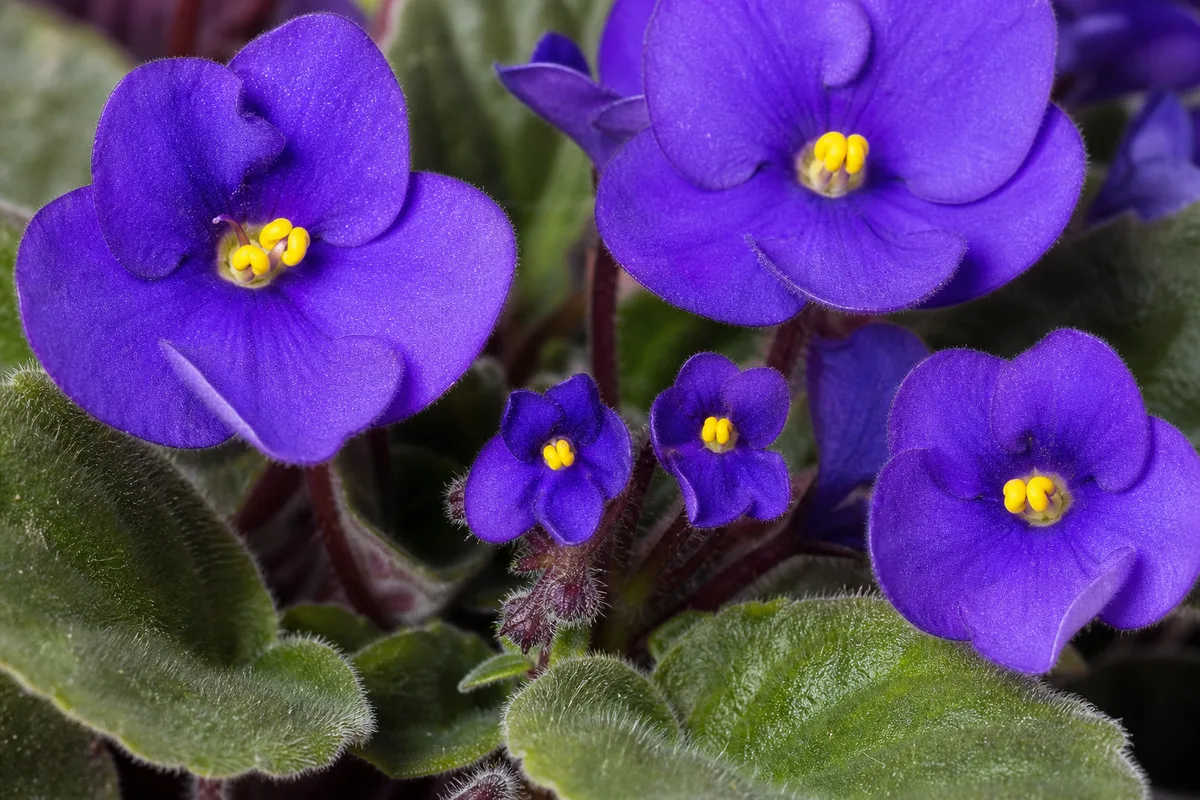
Flower size is set while a bud develops, so today’s open bloom records conditions from days or weeks earlier. The practical consequence is that a correction cannot enlarge petals that have already finished expanding. Mark the date of the change, leave the existing flowers in place if they are healthy, and compare the next group of buds.
Species and cultivar set the baseline. A compact African violet, miniature rose, phalaenopsis orchid, holiday cactus, jasmine, hibiscus, and petunia do not share one normal flower diameter or one bloom trigger. Compare with the plant’s label, reputable species guidance, or earlier blooms from the same individual. The Iowa State Extension comparison of petunia types illustrates how strongly genetics can change bloom size even among closely related plants.
Light is best assessed over the full day, not from one bright moment. Record how long the plant receives usable light, whether a seasonal obstruction appeared, and whether stems or leaf spacing changed at the same time. Do not move shade-grown foliage abruptly into intense midday sun; increase exposure gradually and use species-specific light guidance.
Water supply during bud expansion must be steady enough for the species without keeping roots oxygen-starved. A dry episode can limit expansion, while chronic saturation can damage roots and reduce the water and minerals reaching buds. Test the root zone, confirm drainage, and use pot weight as supporting evidence instead of watering solely because the surface looks dry.
Fertilizer is a supporting input, not a direct flower-enlargement control. Excess nitrogen can favor soft vegetative growth in some flowering plants, while excess soluble salts injure roots. Use a complete product labeled for the plant, apply it only during active growth, and avoid assuming that a high-phosphorus “bloom booster” overrides inadequate light, unhealthy roots, or cultivar genetics.
Heat, low humidity, drafts, relocation, repotting, and pest feeding can overlap. Look for a timeline: flowers that became small immediately after shipping suggest a different cause from a plant whose blooms declined gradually across several cycles. Check buds, leaf undersides, stems, and roots before choosing treatment.
Use one-change testing. Correct the strongest evidenced limitation, document it, and keep other variables stable through the next bud cycle. This makes the result interpretable. Changing the pot, window, watering, fertilizer, and pesticide together may stress the plant and prevents you from learning which factor mattered.
Escalate when undersized flowers accompany ringspots, mottled or distorted foliage, necrotic streaks, rapidly collapsing buds, soft roots, or a spreading pest. Isolate a suspect plant before handling the rest of a collection. Virus symptoms cannot be confirmed from bloom size alone; a local diagnostic laboratory or extension service is the appropriate next step for a valuable or spreading case.
Compare the next bloom cycle fairly
Flower size is meaningful only against an appropriate reference. Confirm the species and cultivar, then compare blooms of the same developmental stage rather than setting a newly opened flower beside one that has been expanding for days. Miniature selections, double-flowered cultivars, and plants carrying unusually many buds can differ substantially from a generic photograph. When possible, use the breeder description, plant label, or a university species guide as the baseline.
Start a simple bloom record before changing care. Note the diameter of several representative flowers, the number of open blooms and buds, the date each bud opened, recent pruning or repotting, and whether the plant has been moved. Photograph from the same distance with a ruler in frame. Also record the hours and direction of useful light, not merely “bright,” plus moisture at depth during bud development. Those observations make the next cycle comparable.
Correct the strongest limitation and keep the rest of the routine steady. A plant stretching toward a window with sparse growth may need a gradual light adjustment; a plant that alternates between severe wilt and saturation needs a more stable moisture supply. A root-bound specimen that cannot retain water may require a modest container change, but repotting during bud formation can itself interrupt flowering. Feed only when roots are healthy and the species is actively growing, using the label rather than a high-phosphorus “bloom booster” as a test.
Evaluate flowers initiated after the correction. Buds that were already formed carry the effects of earlier conditions and cannot be expected to resize. Improvement may appear as stronger stems, normal foliage, fewer aborted buds, and a bloom diameter closer to the cultivar’s typical range. A fast annual such as petunia can reveal a response sooner than an orchid that flowers on a seasonal schedule. Iowa State University Extension’s discussion of different petunia types illustrates why cultivar context matters when judging bloom traits.
If the next complete cycle remains abnormal, reopen the diagnosis. Distorted petals, rings, mosaic patterns, scarred buds, webbing, frass, or visible insects justify isolation and closer pest or disease assessment. Persistent wet wilt, a soft crown, or failing roots points away from a simple flowering adjustment. Share the plant identity, timeline, root photographs, and bloom record with a local extension service when the pattern progresses; those details are far more diagnostic than the phrase “flowers are small.”
Conclusion
Small flowers usually reflect the conditions present while buds formed, so today’s open bloom records past light, water, temperature, root, and crop-load conditions rather than an instant fertilizer shortage. Compare the plant with its cultivar’s normal bloom size, stabilize the most likely limiting factor, and judge the change on the next bud cycle. Isolate and investigate plants that also show distorted new growth, mottling, rings, widespread bud failure, or progressive root decline, because those signs point beyond a simple bloom-size adjustment.
Plants commonly affected
These houseplants often struggle with small flowers. Open a care guide or plant-specific troubleshooting page for tailored fixes.
 Medium
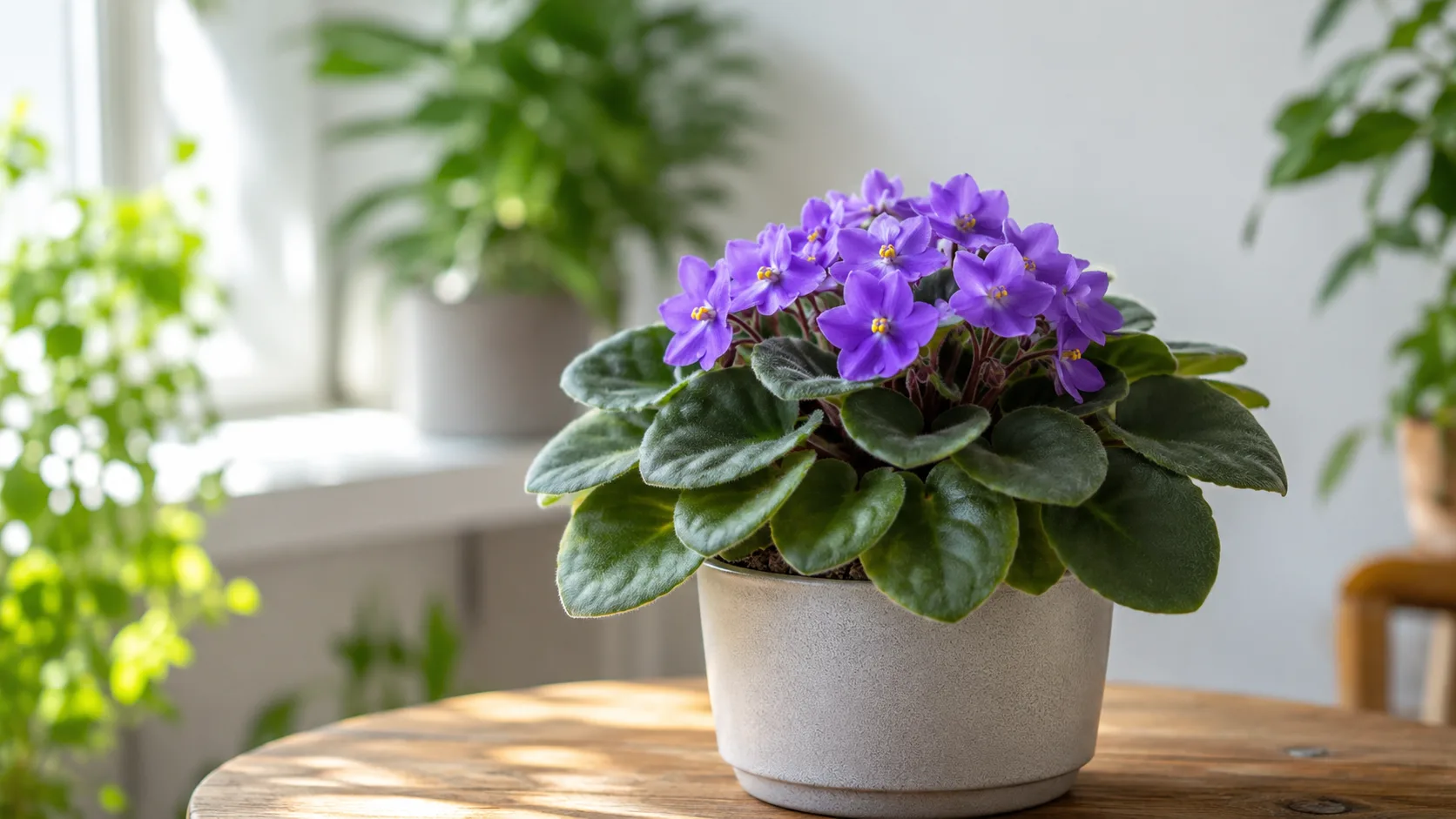
African Violet
Likely causeSmall African violet flowers are often normal on mini cultivars-or a care signal when standard plants bloom tiny with thin dark leaves and long petioles. First step: confirm cultivar type, then increa
Quick fixSee plant-specific guide for step-by-step fixes.
 Medium
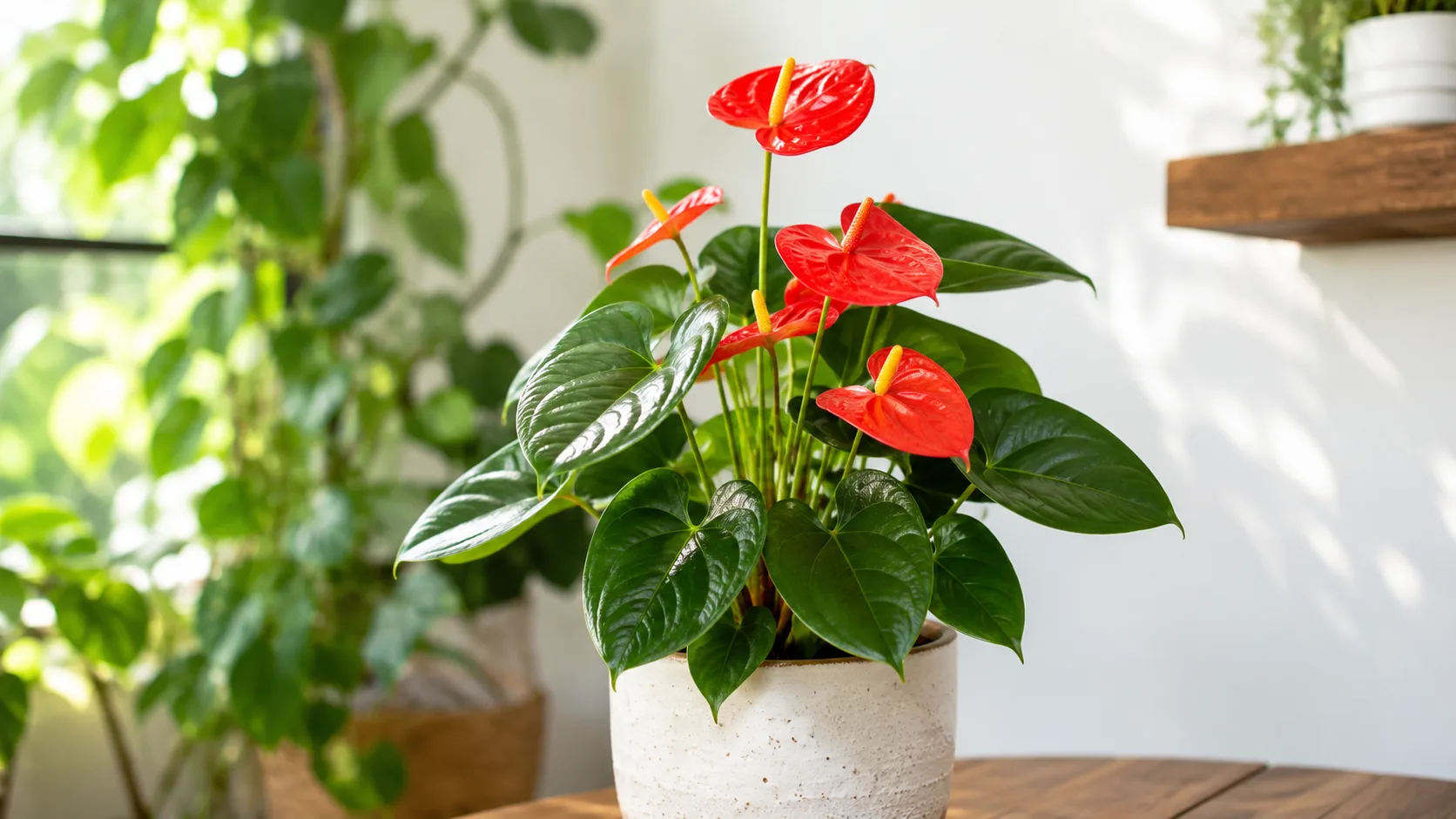
Anthurium
Likely causeCommon on this plant type; confirm with recent watering, light, and root checks.
Quick fixInspect the plant and correct the most likely care stressor before stacking treatments.
 Medium
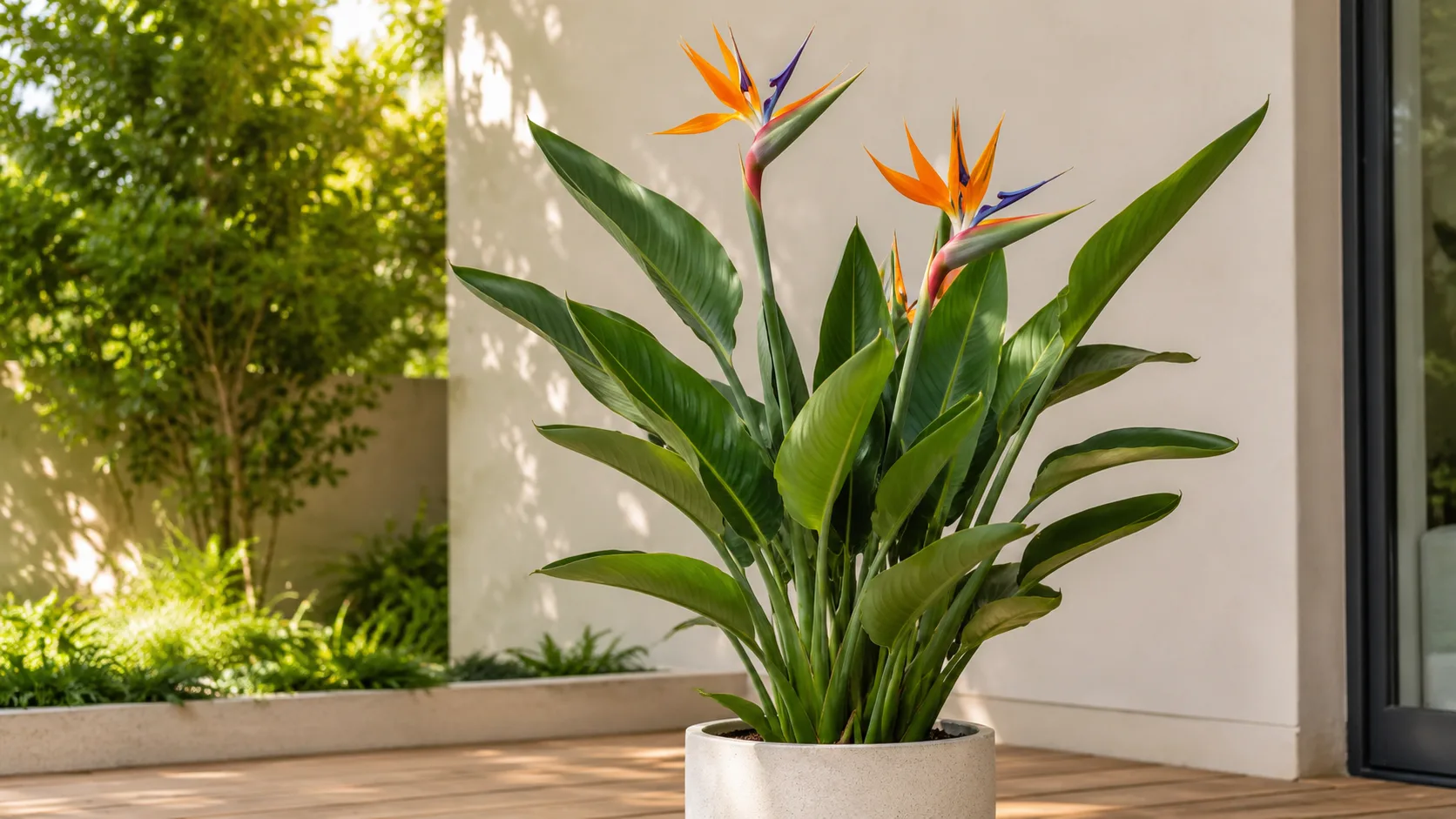
Bird of Paradise
Likely causeCommon on this plant type; confirm with recent watering, light, and root checks.
Quick fixInspect the plant and correct the most likely care stressor before stacking treatments.
 Medium
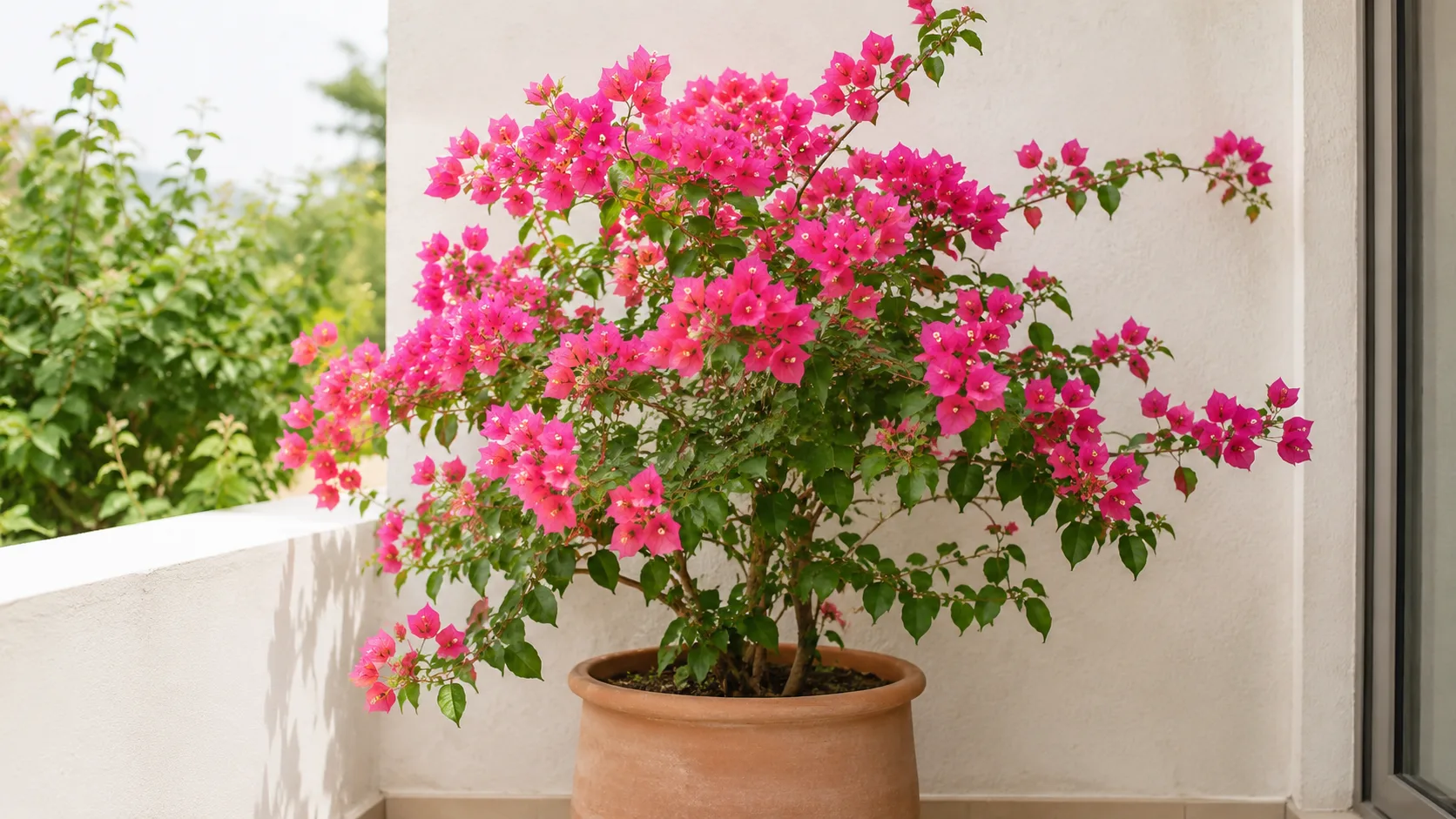
Bougainvillea
Likely causeCommon on this plant type; confirm with recent watering, light, and root checks.
Quick fixInspect the plant and correct the most likely care stressor before stacking treatments.
 Medium
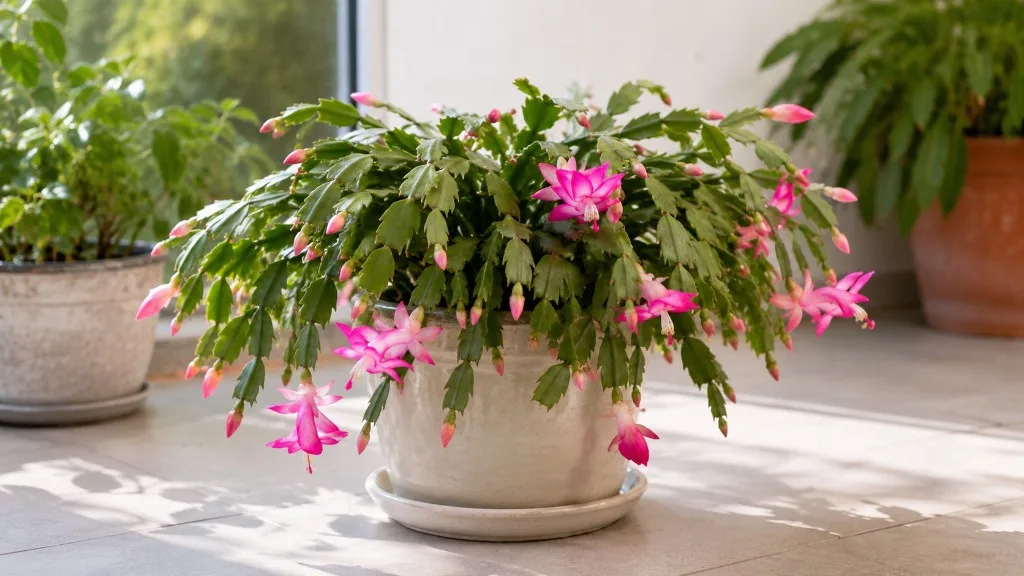
Christmas Cactus
Likely causeCommon on this plant type; confirm with recent watering, light, and root checks.
Quick fixInspect the plant and correct the most likely care stressor before stacking treatments.
 Medium
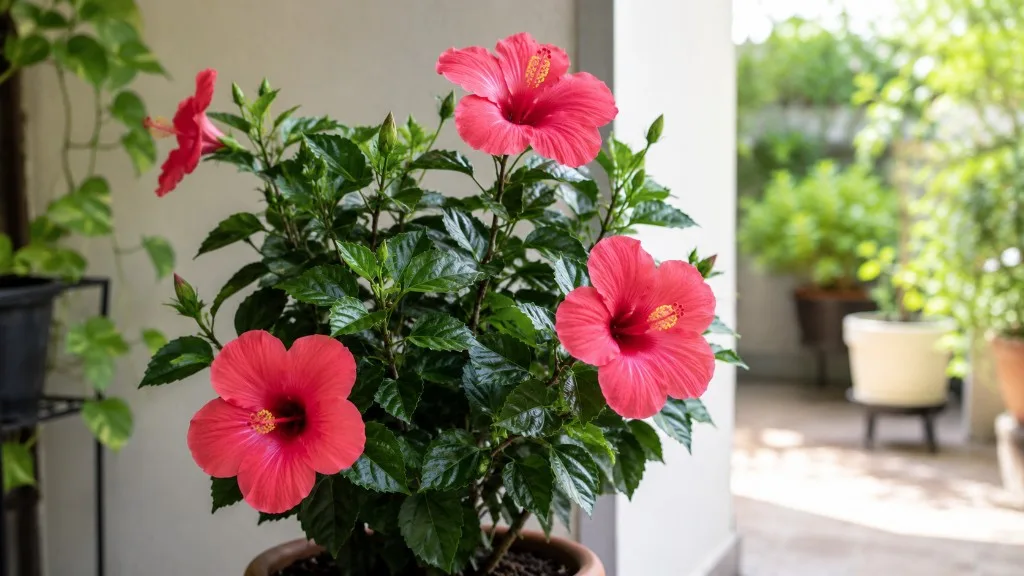
Hibiscus
Likely causeCommon on this plant type; confirm with recent watering, light, and root checks.
Quick fixInspect the plant and correct the most likely care stressor before stacking treatments.
 Medium
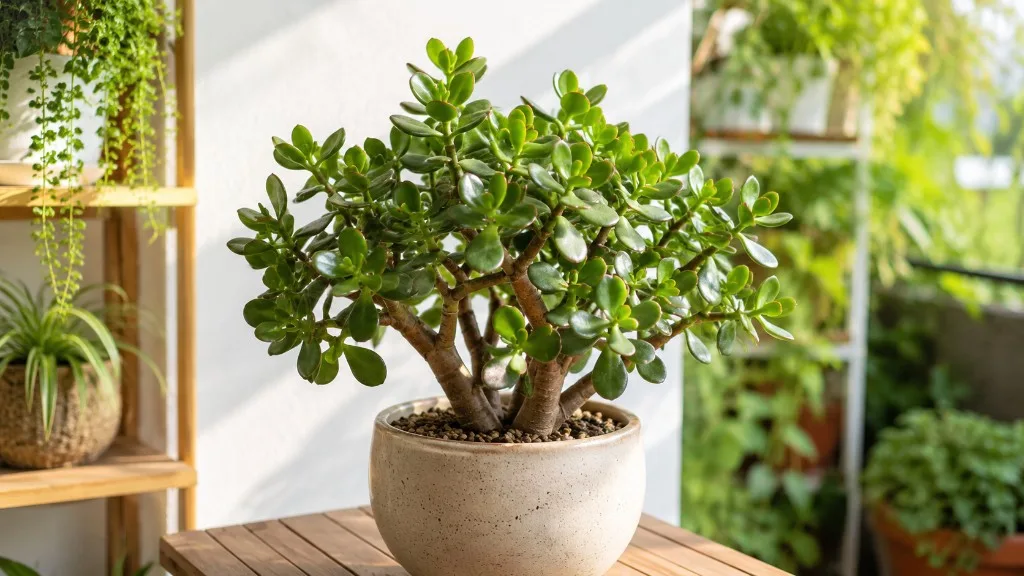
Jade Plant
Likely causeMar 28, 2025 · Like other jade plants , it requires minimal watering and may bloom in winter with small , pinkish-white flowers . Its rippled foliage and sculptural form make it an excellent choice for unique succulent displays.
Quick fixConfirm diagnosis on your Jade Plant, then address the most likely care or pest factor described in current extension guidance.
 Medium
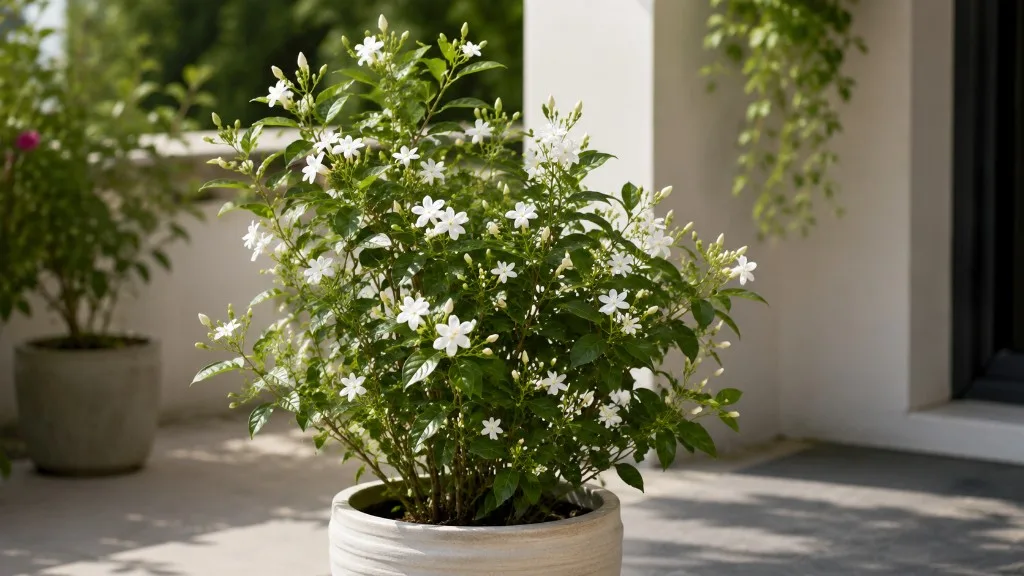
Jasmine
Likely causeMay 9, 2026 · Jasmine first flowers in the spring, and subsequent blooms cover the plant until late fall, as long as the plant receives sufficient water and bright light. However, each flower lasts for only a …
Quick fixConfirm diagnosis on your Jasmine, then address the most likely care or pest factor described in current extension guidance.
 Medium
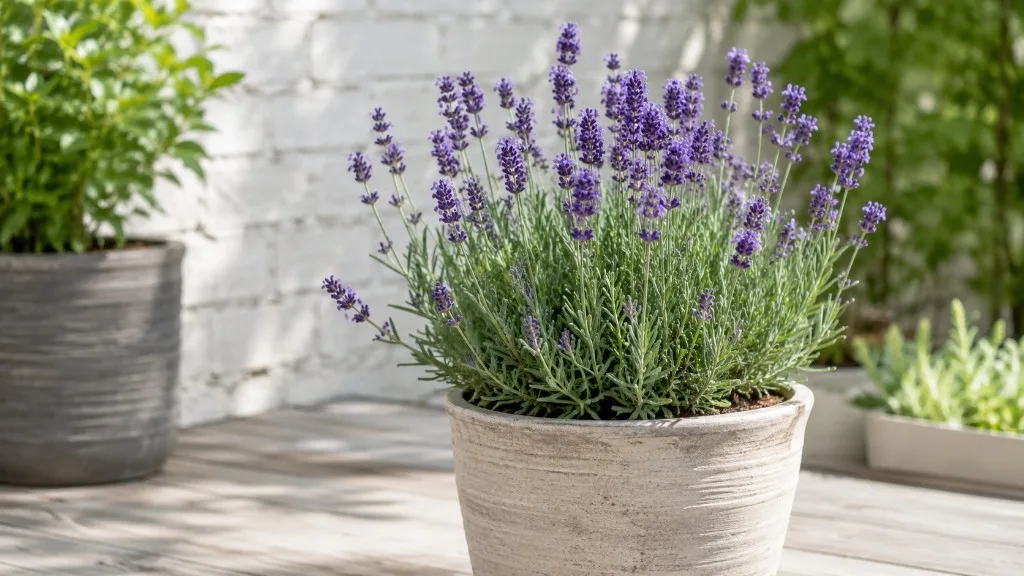
Lavender
Likely causeApr 6, 2022 · Small lavender plants are ideal for planting in containers and small garden beds. In this article I’ll show you 10 beautiful compact lavender varieties that are perfect for small gardens.
Quick fixConfirm diagnosis on your Lavender, then address the most likely care or pest factor described in current extension guidance.
 Medium
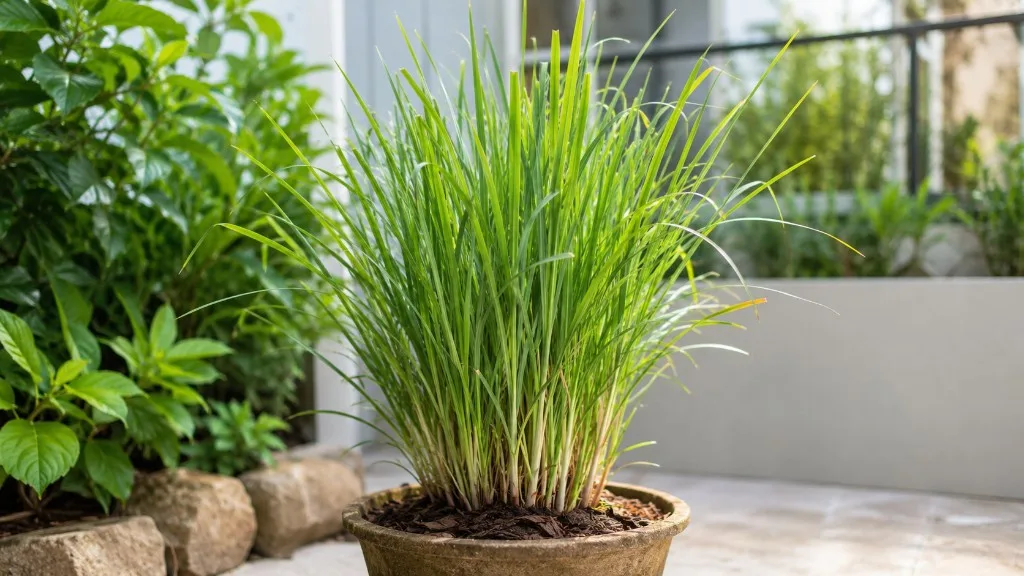
Lemongrass
Likely causeIn a flower bed it makes a nice, green leafy companion to small flowers such as pansies. It is also more tolerant of hot weather than curly parsley (which can struggle during the peak of summer) and is frost tolerant.
Quick fixConfirm diagnosis on your Lemongrass, then address the most likely care or pest factor described in current extension guidance.
 Medium
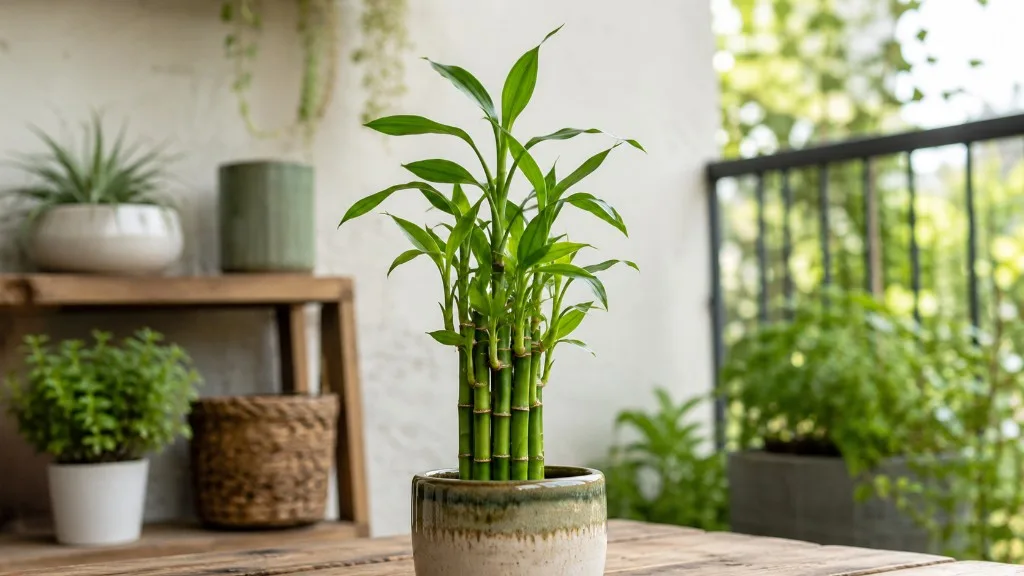
Lucky Bamboo
Likely causeThis Medium Lucky Bamboo Flower Braid is actually a grouping of 10 pairs of Bamboo which have been trained to grow in a twisted braid. The small , medium green leaves sprout from the top as its “ flower .” View all Feb 2, 2026 · What is Luc
Quick fixConfirm diagnosis on your Lucky Bamboo, then address the most likely care or pest factor described in current extension guidance.
 Medium
Petunia
Likely causeInsufficient sun, potassium-poor feeding, or heat stress produce smaller, weaker petunia blooms.
Quick fixMove to full sun and feed every 1–2 weeks with a balanced liquid fertilizer moderate in potassium.