Small Flowers on Hibiscus: Causes, Checks & Fixes
Quick answer
Small hibiscus flowers often match a dwarf cultivar-or signal too little direct sun, excess nitrogen, drought during bud formation, or root-bound stress on tropical H. rosa-sinensis. First step: compare open blooms to your plant tag photo before fertilizing or repotting.
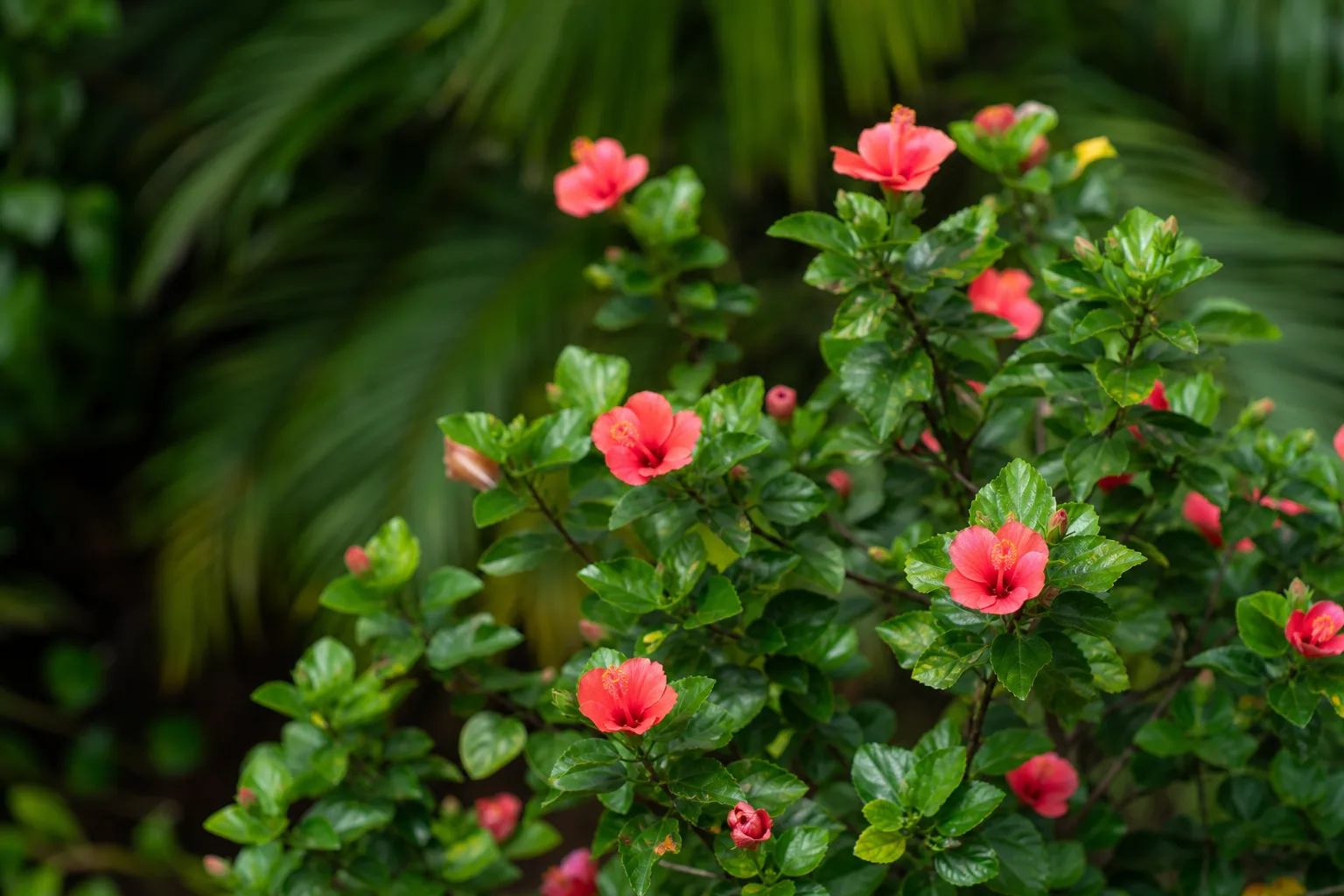
Small Flowers on Hibiscus: Causes, Checks & Fixes
This guide covers small flowers on Hibiscus. See also the general Small Flowers guide, watering, and light pages for this plant.
Small Flowers on Hibiscus: Causes, Checks & Fixes
Quick answer
Small hibiscus flowers fall into two very different situations. Many dwarf and patio cultivars of tropical Hibiscus rosa-sinensis are bred for compact plants with proportionally smaller blooms-that is the intended look, not a care failure. When a standard hybrid that should open saucer-sized flowers produces thin, pale blooms half the catalog diameter, culture is usually the culprit.
First step: compare your open blooms to the plant tag or catalog photo before you fertilize, move pots, or repot. If the label shows a 8–10 cm bloom on a dwarf patio hibiscus and yours match, you have the right outcome. If a full-size tropical hybrid is opening undersized flowers in partial shade, work through sun hours, watering rhythm, and fertilizer next. Full species context: Hibiscus overview.
What small flowers look like on Hibiscus
Healthy tropical hibiscus in the right cultivar produces blooms proportional to its series. Hibiscus rosa-sinensis hybrids range from compact patio dwarfs to large-flowered landscape shrubs, with single and double forms in nearly every warm color.
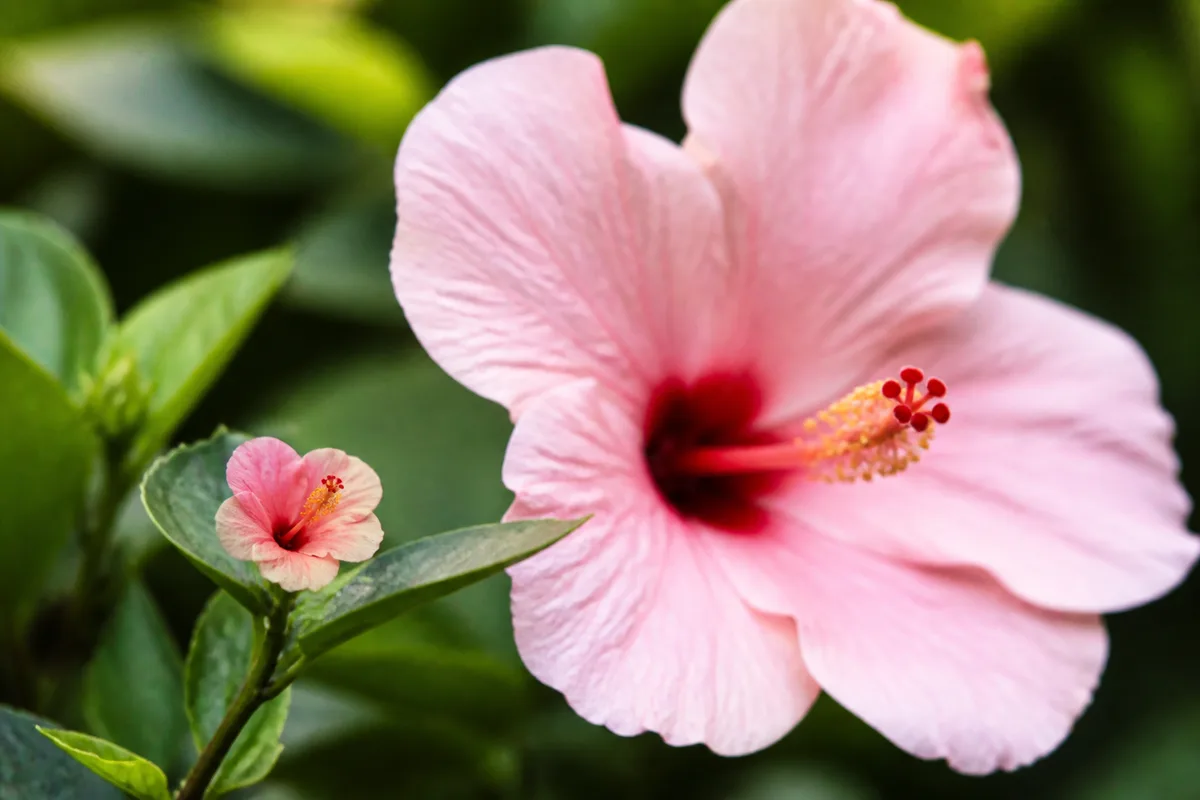
Small Flowers symptoms on Hibiscus - compare with healthy tissue on the same plant.
Normal small-flowered types:
- Dwarf patio and Yoder-type series carry intentionally smaller blooms on short, bushy plants
- Some container labels show 8–12 cm flowers on compact stock-by design, not stress
- Hardy H. moscheutos dinner-plate types are a different species with much larger blooms; do not compare tropical patio plants to perennial swamp mallow expectations
Stress-shrunk blooms on standard tropical hybrids:
- Open flowers noticeably smaller than the tag photo or than older blooms from the same plant last season
- Pale, thin petals with fewer ruffled edges than expected on double cultivars
- Short pedicels holding undersized heads while foliage looks dark green and lush
- Smaller flowers clustered with leggy stems reaching toward a window or fence gap
- Reduced bloom count alongside small size when the plant sits in partial shade
Companion symptoms that narrow the cause:
- Leggy stretched stems with few buds points to insufficient direct sun before leaves look obviously pale
- Dark lush foliage with tiny blooms and no bud drop suggests excess nitrogen
- Wilting in afternoon heat with light pot weight confirms drought during bud formation
- Roots circling drain holes with daily dry-out on a large plant supports root-bound limits
- Cool nights below 50°F (10°C) with smaller, fewer blooms on tropical types signals chill stress
Already-open flowers keep their size until they fade-tropical blooms last only a day or two. Diagnose from the newest buds forming after you correct conditions, not from spent heads that opened during stress.
Why Hibiscus flowers stay small
Tropical hibiscus channels photosynthate into large, showy Malvaceae blooms when light, water, and nutrients align. Several hibiscus-specific factors shrink petals when energy or genetics limit floral development.
Wrong cultivar expectations. The most common “problem” is owning a naturally small-flowered dwarf line and expecting giant tropical hibiscus performance. Missouri Botanical Garden notes wide variation among H. rosa-sinensis hybrids-cultivar names and tag photos matter more than any single fix.
Insufficient direct sun. Hibiscus is an obligate high-light bloomer. LSU AgCenter recommends at least six hours of direct sunlight daily, with eight hours preferred for best flowering. Partial shade-common on north-facing patios, under tree canopies, or in bright indirect indoor spots-produces leggy growth and reduced flower size before leaves look obviously stressed. Shade shrinks petals and reduces bud count on tropical types long before the canopy yellows.
Excess nitrogen. Fast leafy growth from high-nitrogen lawn fertilizer drift, weekly general-purpose 20-20-20, or rich manure top-dressing pushes foliage over reproductive tissue. Affected plants look tall and dark green with fewer buds, and the blooms that do open tend to stay small. NC State notes tropical hibiscus needs full sun and consistent moisture for best flowering-excess nitrogen relative to potassium commonly produces lush foliage at the expense of bloom size on heavy feeders.
Wrong fertilizer ratio for tropical hibiscus. LSU AgCenter advises against high-phosphorus fertilizers on hibiscus-the middle N-P-K number should be the smallest. Excess phosphorus can inhibit nutrient uptake on tropical types. A high-potassium ratio such as 12-4-18 supports flower quality better than generic bloom boosters.
Drought during bud formation. Hibiscus drinks heavily in summer sun. Container plants on hot patios that wilt by afternoon and recover overnight repeat a cycle that shrinks petals sizing up during dry spells. Dry soil is a primary stress factor behind bud loss and poor flowering on tropical hibiscus-undersized open blooms often appear when drought was mild enough that buds survived but energy was limited.
Root-bound container stress. Slightly root-bound tropical hibiscus often blooms well, but severely crowded roots in an undersized pot limit water and nutrient uptake during peak bud set. If the pot dries twice daily, roots circle every drain hole, and blooms shrink mid-season despite good sun, the root zone may be the bottleneck-not genetics.
Cool nighttime temperatures. Tropical hibiscus struggles below about 50°F (10°C). Cool spring nights or an air-conditioned indoor spot can produce smaller, fewer flowers even when days feel warm. Chill stress differs from shade stress: blooms are small and buds may drop without obvious legginess.
Recent heavy pruning during bud swell. Hibiscus sets buds on new wood. Cutting back hard while buds are forming redirects energy and can produce a flush of smaller flowers on shortened stems. Timing matters more than on many houseplants-see Hibiscus pruning for seasonal schedules.
Pest damage to developing buds. Aphids and thrips on bud clusters distort and shrink floral tissue before petals fully expand. Check unopened buds for insects, sticky honeydew, or scarred bud scales-see aphids on hibiscus when buds look stunted with visible pests.
How to confirm the cause
Work through these checks in order:
- Plant tag or catalog review - Note cultivar name, expected bloom diameter, and series type (dwarf patio vs standard hybrid). Match that to what you see. If they align, no fix is needed.
- Sun-hour audit - Track direct sun on the plant from mid-morning through afternoon. Fewer than six hours strongly supports a light deficit on standard tropical hybrids. Indoor plants in “bright indirect” spots often fail this test-see not enough light on hibiscus.
- Fertilizer label review - List recent feeds and read the N-P-K analysis. High first number (nitrogen) with lush foliage and small blooms supports nitrogen excess. High middle number (phosphorus) on a tropical hibiscus contradicts LSU AgCenter guidance.
- Soil moisture history - Push your finger an inch into the mix. A pot that crashed to bone dry during the past two weeks of bud formation supports drought stress. Perpetually wet mix with yellow lower leaves points to root problems instead-see overwatering on hibiscus.
- Root and pot check - Lift the pot or inspect drain holes. Roots circling heavily, water racing through dry mix in seconds, or a top-heavy plant tipping easily supports root-bound limits. A fresh repot with oversized soil volume is a different stressor-do not repot on day one without evidence.
- Temperature log - Note overnight lows near the plant. Repeated nights below 50°F (10°C) on tropical types support chill-related small blooms.
- Bud and pest inspection - Peel back outer bud scales on the smallest flowers. Stippling, insects, or distorted tissue support pest damage rather than pure culture stress.
- Neighbor comparison - Same cultivar in full sun nearby blooming larger confirms your shaded or stressed plant needs relocation, not a new variety.
If the cultivar matches expectations, stop here-the plant is performing normally.
First fix for Hibiscus
Compare open blooms to your plant tag or catalog photo, then move the container to the sunniest available spot if you are growing a standard tropical hybrid in partial shade.
This single step separates genetic small-flowered cultivars from fixable culture problems without stacking unnecessary fertilizer or repotting. Outdoors, relocate to a south- or west-facing location with at least six hours of direct sun. Indoors, move to the brightest south window or add supplemental grow lights-tropical hibiscus rarely reaches full bloom size in bright indirect light alone.
Do not dump bloom booster fertilizer on day one if you have not confirmed the cultivar and sun exposure. Extra phosphorus cannot turn a dwarf patio series into a landscape giant, and feeding stressed shade-grown plants often worsens soft, pest-prone growth.
Step-by-step recovery
After confirming you have a standard-flowered tropical type in suboptimal conditions:
- Maximize direct sun - Move containers to full patio sun. Acclimate over one to two weeks if the plant came from a shaded nursery bench to avoid leaf scorch. Trim encroaching plants casting afternoon shade on in-ground specimens.
- Stabilize watering - Water when the top inch (2–3 cm) of mix dries, then soak until water drains freely. In peak summer sun, that may mean daily checks on containers-follow the Hibiscus watering guide. Avoid letting pots crash to bone dry while buds are sizing up.
- Correct feeding - Stop high-nitrogen and high-phosphorus products. Switch to a high-potassium, low-phosphorus formula at half label strength every two weeks during active growth, applied to moist soil. See Hibiscus fertilizer for N-P-K targets.
- Address pests on buds - Rinse aphids or thrips from developing buds with a strong shower; repeat before expecting normal-size replacement blooms.
- Repot only when root-bound - If roots circle drain holes and the pot dries twice daily, repot one size up in late winter or early spring-not during active bud swell. See Hibiscus repotting.
- Protect from chill - Move tropical containers indoors or to a sheltered spot before nights drop toward 45–50°F (7–10°C). Smaller blooms from cool exposure improve on the next warm-season flush.
For dwarf cultivars where the tag matches reality, the honest path is enjoying proportionally small blooms rather than fighting genetics with excess feed.
Recovery timeline
New buds formed after light and moisture correction typically open at normal cultivar size within two to three weeks during warm active growth. Container moves to full sun show faster response than in-ground shade correction because roots stay intact.
The first flush after a feeding correction may still be modest while the plant rebalances-judge the second flush. Pest cleanup plus stable watering need one to two weeks before clean new buds appear.
Flowers already open at small size do not expand-they fade within a day or two on tropical types and are replaced. Recovery means new buds, not old heads.
Lookalike symptoms to rule out
No flowers at all - Severe shade or excess nitrogen can stop bud formation entirely. Small flowers mean buds are opening but undersized-a lighter deficit. See no flowers on hibiscus.
Bud drop before opening - Heat stress, overwatering, or moving the plant while buds swell abort buds before petals unfurl. Small open flowers mean buds survived to bloom stage. See bud drop on hibiscus.
Normal dwarf cultivar size - Patio and Yoder-type dwarfs open smaller blooms by design. Compare to the tag before diagnosing stress shrinkage.
Faded spent blooms - Tropical hibiscus flowers naturally age and close within one to two days. Check whether the issue is old flowers versus newly opening small buds.
Slow overall growth with small everything - Leggy stems, small leaves, and small flowers together point to chronic low light or chronic underwatering on Hibiscus before flower size alone becomes the question. See slow growth on hibiscus.
Mistakes to avoid
Do not assume every hibiscus should produce dinner-plate blooms-verify the cultivar first.
Do not increase nitrogen hoping bigger flowers will follow-the opposite happens on tropical hibiscus.
Do not use high-phosphorus bloom boosters on H. rosa-sinensis-LSU AgCenter specifically warns against this practice.
Do not judge recovery on flowers that opened during drought or shade. Wait for the next flush.
Do not repot or prune heavily during active bud swell when trying to improve bloom size-both redirect energy away from petal expansion.
Do not keep tropical hibiscus in bright indirect light and expect full-size outdoor patio blooms-the plant may survive but flowers tell the truth about light adequacy.
How to prevent small flowers next time
Match cultivar to goal at purchase. Read tags for series name and expected bloom diameter. Choose standard tropical hybrids for large showy heads; choose dwarf patio lines for compact color.
Site for full sun. Give tropical hibiscus as much direct sun as possible-six to eight hours daily outdoors or brightest window plus grow lights indoors.
Water steadily through bud set. Use the top-inch dry test. Summer containers in full sun may need daily watering; reduce frequency indoors in winter when growth slows.
Feed with high potassium, low phosphorus. Apply half-strength formula on moist soil during active growth; pause during winter dormancy and recovery from stress.
Repot on rhythm, not impulse. Refresh mix every one to two years for container plants, but avoid unnecessary disturbance during peak bloom season.
Protect from chill. Bring tropical pots indoors before nights approach 45–50°F (7–10°C) in fall.
When to worry
Small flowers alone rarely threaten plant survival-they are a quality and expectations issue. Escalate attention when small blooms accompany soft mushy stems and sour soil smell (root rot-see root rot on hibiscus), rapid pest coating on every new bud, or chronic undersize after sun and feeding corrections for two full bud flushes. Those patterns suggest deeper root, pest, or disease limits that culture alone may not fix in one season.
Hibiscus care cross-check
- Hibiscus overview - tropical vs hardy identification and baseline care
- Not enough light - leggy growth with undersized or absent blooms
- No flowers - buds fail to form at all
- Bud drop - buds abort before opening
- Watering - drought and overwatering rhythms
- Fertilizer - high-potassium feeding for tropical types
Conclusion
Small hibiscus flowers start with cultivar honesty-many patio favorites are bred small. When a standard tropical hybrid underperforms, full direct sun, steady moisture during bud formation, high-potassium low-phosphorus feeding, and realistic repot timing restore normal bloom size on the next flush. Compare to your plant tag, fix light first, and judge new buds-not flowers already open-within two to three weeks.
When to use this page vs other Hibiscus guides
- Hibiscus watering guide - Use for routine moisture checks before assuming small flowers is the main issue.
- Hibiscus problems hub - Browse all 20 common issues on this species.