Watering Hibiscus: Schedule, Soil Checks & Mistakes
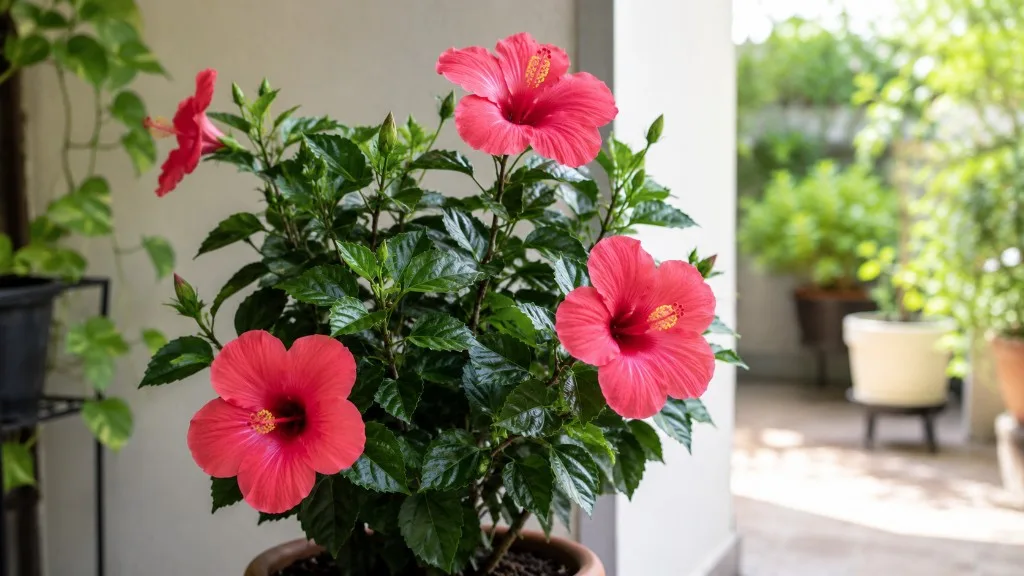
Watering Hibiscus: Schedule, Soil Checks & Mistakes
Watering Hibiscus: Schedule, Soil Checks & Mistakes
Why Hibiscus Watering Starts With the Pot, Not the Calendar
Hibiscus is one of the most rewarding flowering plants on a sunny balcony or in a bright conservatory - and one of the fastest to complain when its water rhythm slips. Hibiscus rosa-sinensis, the tropical Chinese hibiscus most people grow in containers, comes from warm, humid regions of East Asia and thrives where Hibiscus light guide - six or more hours of direct light daily - drives vigorous growth and heavy bloom. That same sun pulls water through large, soft leaves at a rate that makes a fixed weekly schedule unreliable. Watering hibiscus correctly means keeping the root zone consistently moist without ever leaving it soggy, checking the actual pot before every decision, and accepting that peak summer can turn Hibiscus overview into a genuine heavy drinker that may need water every single day.
A calendar habit feels responsible. For hibiscus, it is often the direct cause of bud drop, yellow leaves, and stalled flowers. Your plant may need a thorough drink every morning in July on a west-facing terrace and every three days in the same pot during a cloudy monsoon week because temperature, wind, humidity, pot material, and how fully the roots fill the container all change evaporation. LSU AgCenter guidance states plainly that hibiscus prefers an even supply of water and should not be allowed to wilt, with container plants especially vulnerable to drying out and sometimes needing daily watering in summer. (LSU AgCenter) That is not permission to flood the roots. It is instruction to read moisture at depth and respond before stress shows up in the buds.
The useful mindset is the opposite of drought-tolerant patio vines. Hibiscus watering means giving the root zone a deep, even drink when the upper soil approaches dry, letting excess drain away completely, then maintaining enough moisture that the plant never swings from swamp to desert between checks. Everything else in this guide - seasonal ranges, Indian summer notes, symptom lists, recovery steps - hangs on that one idea. If you remember nothing else, remember to check the pot daily in heat, water thoroughly when the top layer dries, and treat inconsistency as the enemy of blooms.
How Tropical Hibiscus Uses Water in Warm, Humid Climates
In its native range and across the tropical climates where it is widely naturalised, hibiscus roots explore well-draining, slightly moisture-retentive soil that stays damp from rain and humidity without staying waterlogged. The plant did not evolve to store water in thick succulent tissue the way desert species do. Instead, it maintains a large leaf surface that transpires actively in sun, pushing a constant demand for fresh moisture at the roots. Well-draining, slightly moisture-retentive compost with target pH 6.0–7.0, pots with open drainage holes, and placement on sunny balconies, conservatories, and flowering statement spots recreate a slice of that environment. Dense, compacted mix in a dim corner is the opposite of where this plant thrives, and watering on top of poor drainage turns a thirsty plant into a rotting one.
Water does three jobs for hibiscus. It hydrates leaf tissue and keeps developing flower buds viable through the final swell before opening. It carries dissolved minerals when you fertilize during active growth. It also stabilizes the hormonal environment inside buds - when moisture swings sharply, the plant aborts flowers rather than invest in blooms that may not finish. That is why hibiscus is famous for dropping buds after a missed watering or after a week of soggy soil followed by sudden drought. LSU AgCenter guidance emphasizes keeping hibiscus on an even supply of water and not allowing it to wilt, with container plants sometimes needing daily watering in summer. Those two phrases - consistently moist, never soggy - are the whole philosophy.
Consistent Moisture and the Bloom Connection
The showy flowers on Hibiscus rosa-sinensis are expensive for the plant to produce. Each bud passes through weeks of development before the petals unfurl. Bud drop - buds yellowing and falling before opening - is often the first visible sign that something in the environment failed, and water inconsistency is the most common cultural trigger LSU AgCenter lists alongside heat, low light, and sudden changes. (LSU AgCenter) Allow the plant to wilt between waterings and lower leaves may yellow while unopened buds abort. Keep roots too wet and oxygen starvation produces a sick plant that also drops buds. The goal is a narrow window: soil that feels like a well-wrung sponge at root depth - damp throughout, never dripping, never dusty.
Some cultivars drop buds more readily than others when daytime highs stay in the 90s°F (32°C+), even with correct watering. That heat response is not something a watering can fixes completely. When water rhythm is steady and buds still fall in midsummer, partial afternoon shade or patience until cooler weather often helps more than extra irrigation. Do not confuse heat-related bud loss with drought stress. Heat loss tends to cluster on the hottest afternoons regardless of morning watering. Drought loss follows a dry pot, light weight, and wilt that recovers slowly after you soak.
The Best Soil Moisture Check for Hibiscus
The best hibiscus watering decision comes from reading the pot, not from guessing based on how many days passed. Three checks work together: surface feel at depth, pot weight, and plant posture including bud stability. None is perfect alone. Together they beat any calendar.
Start with a routine. Check hibiscus daily during active growth and hot weather, then every two or three days when growth slows in cooler months. After a month in the same spot, you will learn whether your container tends toward a one-day dry-down in peak heat or a three-day dry-down in mild weather. The calendar becomes a reminder to look, not an order to pour.
Finger Test at the Top 2–3 cm
The finger test remains the most reliable tool because it measures actual mix moisture where roots meet air. Press gently into the top 2–3 cm (about 1 inch). For hibiscus, the useful target is barely moist - not wet, not bone dry. If the surface feels cool and clearly damp, wait. If it feels dry and the deeper poke with a skewer also reads dry, the plant is ready for a deep soak. If the surface looks dry but a skewer pulled from the center comes out damp, the root zone may still hold enough water - especially in an oversized pot - and a partial top-up would push you toward overwatering on Hibiscus.
Hibiscus in well-draining, slightly moisture-retentive compost dries faster at the surface than at the center early in the cycle, and slower at the surface when the whole root ball remains wet inside. That is why the finger test pairs with pot weight. If the top feels approaching dry but the pot still feels heavy for its size, the lower root zone is probably moist enough. Wait half a day and check again. Overwatering often starts with “the surface looked dry” while the center never dried from the last watering - especially after Hibiscus repotting guide into a larger container.
Avoid jamming your finger deep into a small pot where you might damage roots. The top layer is enough for routine decisions. For a second opinion, slide a wooden skewer down the inner edge, leave it for a minute, and pull it out. A damp skewer means wait. A dry skewer with a light pot means water.
Pot Weight and Bud-Drop Warning Signs
The pot weight test teaches your hands what “ready” feels like. Lift the container right after a thorough watering when excess has drained. Notice the heft. Lift it every day as the mix dries. When the pot feels noticeably lighter and the top layer reads dry, water. This method is especially valuable for large patio containers where you cannot see mix color easily and for growers managing several sun plants that dry on different timelines.
Watch buds as an early warning system. If unopened buds start yellowing at the base or dropping while leaves still look green, review your last week of watering before blaming pests or fertilizer. Bud drop with a light, dry pot points to underwatering on Hibiscus. Bud drop with a heavy pot and limp leaves points to overwatering or root damage. Bud drop with a correctly moist pot during extreme heat may be cultivar sensitivity - reduce afternoon stress if you can, but do not respond by keeping soil constantly saturated.
Moisture meters can help as a backup in containers, but they misread coarse, airy mixes and give false comfort in peaty blends that feel dry on top while staying wet below. Treat them as supporting data. Your finger and your wrist scale are free, immediate, and improve with repetition.
How Often to Water Hibiscus Through the Year
There is no honest single answer to “how often” that works in every home, climate, and pot year-round. There is an honest answer to “how do I know when”: when the top 2–3 cm is dry or barely moist and the pot is lighter, water deeply; otherwise wait, but do not let the plant wilt. In practice, many container hibiscus plants in warm active seasons land near daily watering in peak Indian summer and every two to three days otherwise, but those ranges are starting guesses tied to this site’s climate context, not universal rules. Full sun, wind, terracotta vs plastic, and whether the plant is rootbound all shift the real interval.
Spring and Summer: When Hibiscus Becomes a Heavy Drinker
From mid-spring through summer, hibiscus in full sun uses water quickly when temperatures climb toward 20°C to 35°C (68–95°F) - its comfort zone for active growth. Transpiration through large leaves accelerates, new shoots extend, and flower production demands a steady supply. During this phase, check daily, not necessarily water blindly every day. A plant on a sunny Indian balcony may genuinely need water every morning in April and May heat. The same cultivar during a humid, overcast stretch may go two days between drinks because evaporation slowed even though air temperature stayed warm.
Summer mistakes usually come from two directions. Travel neglect causes wilt, bud abortion, and dry yellow foliage. Overcompensation after neglect causes a heavy soak followed by another soak before the mix dried, which invites rot and resets the plant into another stress cycle. If you return from travel to dry soil, rehydrate once at the sink until water runs from drainage holes, let the pot drain completely, then resume daily checks instead of punishing the plant with hourly thimbles that never reach the root ball.
In extreme heat - rooftop containers, reflected heat off walls, dry winds - expect the heavy drinker label to become literal. UF/IFAS notes that tropical hibiscus grows best in full sun to dappled shade and appreciates abundant watering when newly planted, which narrows the optimal moisture window under intense sun. Container growers in those conditions should plan for morning watering when possible so the plant enters the hottest hours fully hydrated, while still allowing the top inch to approach dry before the next cycle rather than keeping mix soggy around the clock.
Fall and Winter: Reduce Frequency, Keep Even Moisture
As days shorten and temperatures cool, growth slows even in frost-free climates. Roots absorb water more slowly, and containers stay wet longer if you keep summer habits. Hibiscus winter watering should mean fewer full drinks, not abandonment to bone dryness. Many potted plants need water only every five to ten days in winter, sometimes longer in cool rooms with reduced light, but the mix should never turn hard and shrunken away from the pot wall for weeks.
Winter overwatering is a silent killer. The plant looks quiet, so you water out of habit. Mix stays cold and wet. Leaves yellow and drop. You see limp foliage and add more water because you assume thirst. In reality, damaged roots cannot move water, so the plant wilts while soil is wet - one of the most confusing signals in tropical plant care. When wilt pairs with wet mix and a heavy pot, stop watering and read the overwatering section before you reach for the can again. Indoor hibiscus overwintered in bright conditions may still bloom sporadically and need a middle rhythm - less than summer, more than full dormancy.
The Right Way to Water Hibiscus Deeply
When checks say the plant is ready, water thoroughly once instead of giving nervous half-cups throughout the day. Partial top-ups keep the upper layer intermittently moist while the center cycles unevenly, which encourages weak surface roots and fungal issues. Hibiscus prefers a deep wetting that recharges the whole root zone, followed by enough airflow and dry-down at the surface that the next drink is triggered by real need, not by clock.
Soak Until Drainage Runs, Then Clear the Saucer
Top watering is the default for containers. Use a hose or watering can and wet the mix evenly until water runs freely from the drainage holes. That run-through confirms the entire root ball received moisture and helps flush minor salt buildup if you fertilize during the growing season. Water at the base of the plant rather than overhead when practical, especially indoors or in cool humid evenings, to reduce foliar spotting and mildew on large soft leaves.
After container watering, let the pot sit in the sink or on the patio for five to ten minutes so excess drains. Then empty the saucer or lift the nursery pot out of any decorative cachepot so no standing water touches the bottom. Hibiscus roots that sit in runoff re-enter stagnant, low-oxygen conditions within hours - the fastest route from “I am keeping it moist” to root rot on Hibiscus. If you display plants in cover pots, water at the sink, drain fully, and return the inner pot only when dripping has stopped.
For in-ground hibiscus in warm climates, soak the root zone deeply during hot dry spells rather than sprinkling lightly every day. Established landscape plants access a larger soil volume and tolerate longer intervals between deep irrigation, but they still need consistency during bloom - extended drought will drop buds even when the shrub survives. A deep soak that wets at least 30 cm (12 inches) of soil, followed by monitoring the top inch for dryness, matches how most extension guides frame supplemental watering when rain is insufficient.
Container vs In-Ground Hibiscus Watering
Container hibiscus dries faster, heats faster, and needs more frequent checks than the same plant in the ground. A one-gallon pot in afternoon sun may need water every day at midsummer peak. A large patio specimen in a five-gallon container might go two days in mild heat. The rule stays the same: check, then deep soak when the upper soil approaches dry. Containers also punish drainage mistakes immediately because the root zone is small; there is nowhere for excess water to go except out the bottom or into rotting roots.
In-ground hibiscus accesses a larger soil volume and tolerates longer intervals once roots extend deeply. Established shrubs in fertile, well-drained beds may need deep irrigation only every five to seven days during dry summer stretches, with rain reducing that need. New plantings are different: roots have not yet explored outward, so the original root ball dries faster than surrounding soil and needs supplemental water on a tighter schedule until establishment - often every two to three days for the first month, tapering as roots spread.
Raised beds and amended planting holes help where native soil is heavy clay. Hibiscus does not tolerate waterlogged roots for long; dense clay that holds winter rain is a common reason mature plants fail in otherwise warm zones. Amending for drainage before you debate watering frequency saves seasons of frustration. The moisture goal - evenly damp, never swampy - applies in both containers and ground plantings; only the check frequency changes.
Watering Hibiscus in Peak Indian Summer Heat
Indian summers combine intense sun, high temperatures, and stretches of dry heat that push container hibiscus into true daily watering territory on open balconies and terrace gardens. This is not overcare. It is physiology. A plant in six or more hours of direct sun on a dark plastic pot can lose enough moisture through transpiration that the top 2–3 cm approaches dry within twenty-four hours. Missing a check on the second day often costs buds before leaves show obvious wilt.
A practical peak-summer routine looks like this: check every morning before heat builds; if the top inch is dry or the pot feels light, water deeply until drainage runs; empty any saucer; avoid watering late at night on foliage that will stay wet in still air, though soil-level evening watering is acceptable when morning is impossible. Grouping pots can raise micro-humidity toward the 50–70% range hibiscus prefers, which slightly reduces water loss, but grouping is no substitute for checking individual pots - a crowded arrangement can also shade some plants and skew dry rates.
During monsoon humidity with less direct sun, the same plant may need water every two or three days even though air temperature stays high. Adjust to the pot, not to the calendar month. If buds drop during a heat wave despite correct moisture, provide afternoon shade or accept cultivar limits until temperatures moderate - LSU AgCenter notes some varieties shed buds heavily when highs stay consistently in the 90s regardless of other fixes. (LSU AgCenter)
How Light, Soil, and Pot Type Change Your Schedule
Watering hibiscus never happens in isolation. Light sets the pace of water use. Full sun - six or more hours of direct sunlight for maximum flowering - drives transpiration and keeps the plant using the moisture you supply; it also supports the bloom chemistry that inconsistent watering undermines. A shaded hibiscus stays wet longer, grows soft foliage, and may fail to bloom even if you underwater - fixing water without fixing light rarely solves a no-flower complaint.
Soil texture determines how fast the moisture window opens and closes. A well-draining, slightly moisture-retentive compost at pH 6.0–7.0 holds enough water between drinks without staying saturated. Sandy, perlite-rich mix in terracotta may need water twice as often as the same plant in plastic with a peaty blend - but the latter setup is also more rot-prone if you water on autopilot without checking depth. Never let roots sit in saturated media for days. If mix compacts after a year and water runs straight through without absorbing, repot into fresh media rather than compensating with daily splashes that never hydrate the center.
Pot size changes risk profile after repotting. An oversized pot holds a large volume of wet mix around a small root ball; the center stays soggy for days even when the surface looks fine. Right-size containers - only one size larger than the root mass when repotting - make watering mistakes less dangerous. Fresh repotting also slows the first few cycles because new mix without roots exploring it retains moisture differently until the plant settles. Wait for normal dry-down signals rather than assuming your old daily interval still applies.
Wind exposure on open balconies accelerates drying; reflective walls and dark pots add heat to the root zone. A hibiscus against a south-facing wall may need more frequent checks than one in a partly shaded courtyard. Read the pot in your microclimate, not a generic chart from a cooler growing zone.
Signs You Are Overwatering Hibiscus
Overwatering is common because hibiscus loves moisture and growers often interpret “moist” as “keep adding water whenever I think about it.” Learn the pattern and you stop bud drop and root decline before they become chronic.
Yellow leaves - especially lower leaves - on a plant in moderate light often point to excess moisture at the roots. Bud drop before opening, a musty or sour smell from the mix, and wilting on wet soil fit the overwatering picture together. The counterintuitive classic is exactly that: roots are damaged and cannot transport water, so leaves droop even though you watered recently. If you see that combination, do not water again until you understand what is happening below the surface.
Soft new growth with large leaves but no flowers, soil that stays dark and wet for more than a week in a warm container, and fungus gnats hovering over constantly moist mix are additional clues. LSU AgCenter explicitly warns that keeping hibiscus too wet causes root problems that ultimately produce a sick plant dropping buds. (LSU AgCenter) On hibiscus, too much water starves roots of oxygen - the opposite problem from drought, but the same visible symptom: lost buds and yellowing foliage.
Slide the plant out of the pot if symptoms cluster. Healthy roots are firm and pale tan. Rotting roots are brown, black, slimy, or mushy and may smell foul. If only a portion is affected, trim dead roots with clean pruners, rinse away old mix, and repot into fresh well-draining media. Water lightly once, then let the upper layer approach dry normally before the next drink. Keep the plant in bright light without additional stress while it recovers.
Signs You Are Underwatering Hibiscus
Underwatering on hibiscus shows up quickly because the plant lacks the drought-storage tissue that lets desert species shrug off missed days. Severe underwatering is not a bloom strategy - it is damage.
Leaves that wilt sharply, feel dry or crispy at the edges, or turn yellow while remaining dry signal you let the moisture window close too far. Bud drop before opening is often the first sign, sometimes before obvious leaf wilt - the plant aborts expensive flowers to survive. Soil pulling away from pot sides and becoming difficult to rewet - hydrophobic dry-out - happens when a container goes too long without water in heat. A single dry episode after a missed check rarely kills a healthy established plant if you soak promptly. Repeated drought cycles damage fine roots and make the plant react badly when water finally returns, dropping more buds and yellowing lower leaves.
Rehydrate with one thorough soak at the sink or hose, confirm drainage, and resume daily checks in summer instead of switching to nervous micro-sips that never penetrate the root ball. For hydrophobic mix, water slowly in passes until the medium accepts moisture rather than shedding it off the surface. Do not confuse underwatering with natural older-leaf yellowing at the base of a healthy plant - those leaves drop individually while new growth stays firm and buds continue forming if moisture is steady.
Common Hibiscus Watering Mistakes
These errors appear repeatedly on otherwise healthy hibiscus:
Watering on a calendar without checking soil. The most common mistake. Your plant does not know what day it is; it knows whether the top 2–3 cm is approaching dry.
Treating hibiscus like a drought-tolerant succulent. It is a tropical heavy drinker in summer, not a store-water-in-leaves species. Extended dry-down between drinks drops buds.
Daily small sips instead of full soak-and-check cycles. Keeps upper soil intermittently damp while roots never drink deeply or dry properly at the surface.
Leaving runoff in the saucer or cachepot. Standing water re-saturates the bottom root zone within hours and invites rot.
Using a decorative pot with no drainage as the primary container. Guarantees slow decline unless you are extremely precise with volume - most growers are not.
Watering because leaves drooped without checking mix moisture. Drooping on wet soil means stop; drooping on dry light soil means drink - opposite actions.
Keeping soil constantly soggy to “prevent” bud drop. Oversaturation causes the same bud loss through root stress.
Ignoring winter slowdown. Same summer volume in a cool, dim room is a rot setup.
Repotting into a much larger pot and watering on the old schedule. Extra wet mix stays soggy around a small root ball.
Chasing missing blooms with more water when the plant is shaded. Shade plus moisture keeps the plant vegetative; light and consistent moisture together support flowers.
Alternating neglect and overcompensation after travel. The swing itself triggers bud abortion more reliably than either extreme alone.
Assuming rain fully watered your container. Dense foliage sheds rain away from the pot center; check anyway during monsoon season.
One subtle mistake: confusing hardy hibiscus (Hibiscus moscheutos) watering advice with tropical H. rosa-sinensis. Hardy types tolerate more drying between deep soaks. Tropical hibiscus wants a steadier moisture band year-round.
Recovering Hibiscus After Water Stress
Recovery starts with stopping the cycle that caused stress. For overwatering, pause irrigation, verify drainage holes are open, empty saucers, and inspect roots if yellowing and wilt on wet soil continue more than a few days. Trim mushy roots, repot into fresh airy mix if needed, and resume watering only when the upper layer genuinely approaches dry - not on the old heavy schedule.
For underwatering, one full rehydration at the sink beats a week of shallow splashes. After the pot drains, place the plant back in full sun if it was already acclimated, maintain moderate to high humidity (50–70%) if air is extremely dry, and hold off on heavy fertilizing until new growth looks stable - stressed roots absorb nutrients poorly and salt burn compounds the problem.
Expect bud drop to continue briefly after correction while the plant resets hormone balance. Do not interpret that lag as proof your fix failed. New buds that hold through development under steady moisture confirm recovery. If problems persist after two weeks of correct rhythm, inspect for spider mites - they thrive in dry stressed plants - and review light and soil pages before changing multiple variables at once.
Conclusion: A Simple Watering Rule for Hibiscus
If this guide collapses to one line, it is this: check the top 2–3 cm daily in warm months, water deeply until drainage runs when that layer approaches dry, empty the saucer, and keep moisture steady enough that buds never pay for your inconsistency. There is no universal weekly number that works in every season, pot, and climate. There is a reliable process. Hibiscus rewards growers who treat watering as a response to the root zone and the season, not a habit on the calendar.
In spring and summer, expect to check often and water frequently when full sun and heat turn this plant into a heavy drinker - daily in peak Indian summer is normal for many containers, every two to three days when heat or evaporation eases. In fall and winter, cut back as growth slows, but do not leave roots in cold, saturated mix or bone-dry shrink-wrapped soil. Give the plant consistent moisture without soggy roots, the band LSU AgCenter guidance describes as the foundation of healthy tropical hibiscus. When yellow leaves, sour soil, wilting on wet mix, or bud drop on a heavy pot appear, stop watering, verify drainage, and inspect roots before the problem becomes root rot. When crisp wilt, dry yellow foliage, and bud loss on a light pot appear, soak once thoroughly and fix the check routine - especially during the next heat wave.
The plant is not asking for random floods or neglect. It is asking for the steady damp rhythm it knew in warm coastal humidity before it met your weekly reminder alarm. Learn how your pot feels the morning after a good soak, learn how the top layer feels when it is truly ready, and the hibiscus will show you the schedule - and often the flowers - not the other way around.
When to use this page vs other Hibiscus guides
- Hibiscus overview - Start here for whole-plant context before deep-diving this topic.
- Hibiscus problems hub - Jump to symptom-specific fix guides when this care topic does not resolve the issue.
- Overwatering on Hibiscus - Escalate here when watering adjustments are not enough.
- Underwatering on Hibiscus - Escalate here when watering adjustments are not enough.
- Root Rot on Hibiscus - Escalate here when watering adjustments are not enough.
Related Hibiscus guides
- Hibiscus overview
- Hibiscus light
- Hibiscus soil
- Hibiscus propagation
- Hibiscus fertilizer
- Hibiscus repotting
- Overwatering on Hibiscus
- Underwatering on Hibiscus
- Root Rot on Hibiscus
- Wilting on Hibiscus
- Drooping Leaves on Hibiscus
- Mold on Soil on Hibiscus
Related tool
Try the Plant Watering Calculator with hibiscus pre-selected to estimate needs for your setup.