Not Enough Light on Hibiscus: Causes, Checks & Fixes
Quick answer
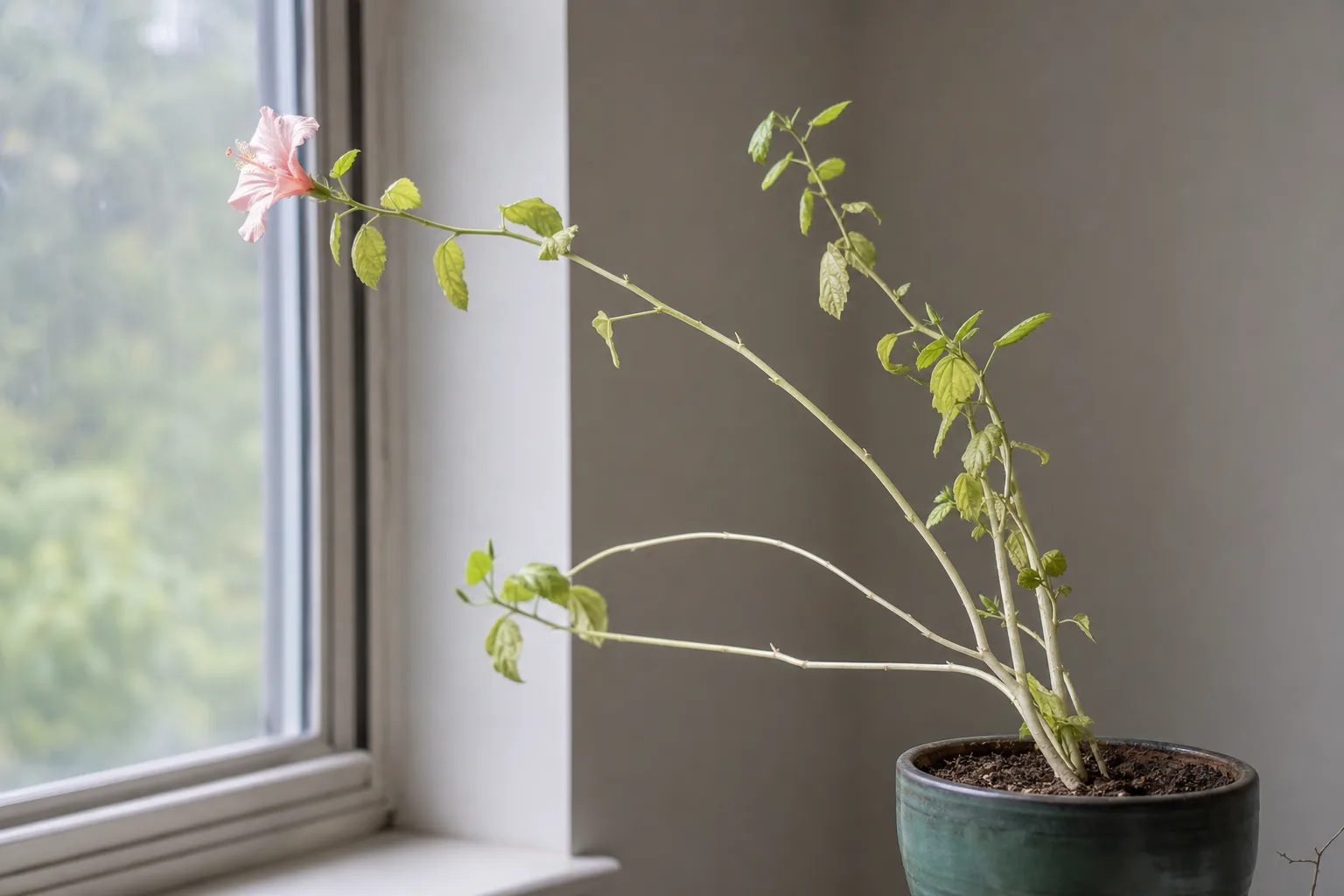
Not enough light on Hibiscus shows as leggy stems, pale leaves, and few or no flowers even when watering seems fine. Move the pot to the sunniest spot you have-six or more hours of direct sun during warm growth-and acclimate gradually if it has been indoors for months.
Not Enough Light on Hibiscus: Causes, Checks & Fixes
This guide covers not enough light on Hibiscus. See also the general Not Enough Light guide, watering, and light pages for this plant.
Not Enough Light on Hibiscus: Causes, Checks & Fixes
Quick answer
Not enough light on Hibiscus (China Rose, Hibiscus rosa-sinensis) shows up as stretched stems, pale small leaves, and weak or missing flowers even when watering seems fine. LSU AgCenter recommends at least six hours of direct sunlight daily for abundant bloom, and inadequate light limits flowering even when foliage looks healthy.
First step: move the pot to the sunniest location you can offer-typically an unobstructed south or west window indoors, or a full-sun patio outdoors after gradual acclimation. Do not repot, fertilize, or hard-prune on the same day you change light.
What not enough light looks like on Hibiscus
Hibiscus is built for open, high-light tropical conditions. When light falls short, the plant stretches toward the brightest source instead of building compact, flower-ready branches.
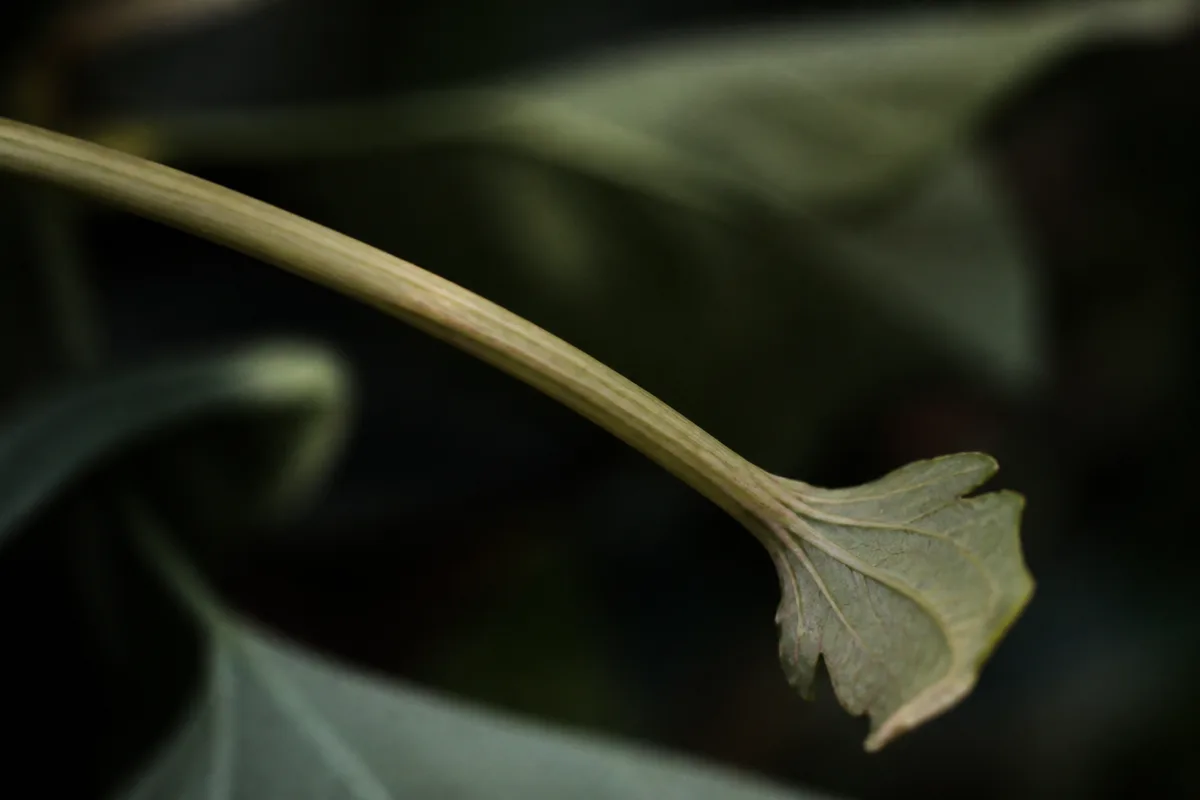
Not Enough Light symptoms on Hibiscus - compare with healthy tissue on the same plant.
Watch for these patterns during warm active growth:
- Leggy, leaning stems - internodes lengthen, branches look thin and floppy, and the whole plant tilts toward one window or doorway.
- Pale or undersized new leaves - fresh foliage opens lighter green and stays smaller than older sun-grown leaves on the same branch.
- Few or no flowers - buds may form and abort, or the plant skips bloom cycles entirely despite warm temperatures and regular feeding.
- Bud drop without an obvious watering mistake - poor light intensity can trigger bud loss when combined with other stress, but dim placement alone is enough to stall flowering.
- Slow pot dry-down - soil stays wet longer than expected because the plant is photosynthesizing less and using less water.
These signs differ from sunburn, which shows bleached or crispy patches on leaves after a sudden jump into harsh afternoon sun. They also differ from normal winter slowdown, when shorter days and cooler indoor temperatures naturally reduce bloom frequency-though stretch and pale new leaves during warm months still point to light, not season alone.
Why Hibiscus gets not enough light
The most common cause is treating tropical hibiscus like a generic low-light foliage houseplant. Plants grown too shady become tall and leggy, and inadequate light limits flowering even when leaves stay green. Hibiscus may survive in mediocre light, but flowers are the honest report card-if blooms disappear for weeks, light is usually the missing piece.
Typical triggers include:
- Middle-of-room placement - usable light drops sharply even a few feet from glass, which is why a plant can look fine at purchase and decline after you move it to a decorative shelf.
- North windows or deeply shaded balconies - fine for snake plants, but far below what high-light hibiscus needs for dense growth and daily flowers.
- Dirty glass, sheers, or outdoor shade - eaves, pergolas, tinted windows, and tall neighbors cut energy more than owners expect.
- Short winter days - the same south window delivers less December through February; stretch and pale leaves often worsen unless you supplement.
- Keeping it indoors year-round without grow lights - Chinese hibiscus is often difficult to grow indoors because window light alone may not match outdoor Hibiscus light guide.
Low light also slows evaporation from the pot. That matters on hibiscus because it prefers consistently moist but well-drained soil-dim corners often stay wet longer than sunny ones, which raises yellow-leaf and root-stress risk on top of poor flowering.
How to confirm the cause
Work through these checks before you change anything else:
- Direct sun hours - during warm months, count how many hours direct sun actually hits the leaves, not just the pot rim. Fewer than six hours of direct light during active growth strongly points to this diagnosis, matching LSU AgCenter flowering guidance.
- Newest growth - compare the last two leaves that opened. Long gaps between them and pale color confirm stretch; firm, dark older leaves on the same branch mean light dropped recently.
- Pot weight and soil moisture - lift the container after watering. In low light, the mix may stay heavy for days. Firm roots with chronically damp soil in shade suggest you need more light and a watering check-not fertilizer.
- Bloom history - if the plant grew flowers outdoors in summer but stopped indoors, the window is almost certainly delivering less energy than the patio did.
- Recent moves - Hibiscus repotting guide, relocation, or temperature swings can drop buds on hibiscus. Stabilize placement first, then read new tip growth after one to two weeks before assuming another cause.
If stems lean, internodes stretch, flowers fail in warm weather, and the mix dries slowly in a dim spot, you have enough evidence to fix light before reaching for bloom booster or pest sprays.
The first fix to try
Move the pot to the brightest location available and leave everything else alone for one week.
Indoors, that usually means an unobstructed south or west window where leaves receive direct sun for much of the day. Outdoors after frost risk passes, place the pot in full sun but acclimate over 7–14 days-start with morning sun, add hours gradually, and watch for bleaching on leaves formed in shade. A plant grown in dim light can scorch if jumped straight into harsh afternoon rays.
If your best window still falls short-common in winter-add a full-spectrum grow light 12–18 inches above the canopy for 12–14 hours daily. Maryland Extension notes that inadequate light causes leggy stretch and that duration matters when supplementing natural light.
Rotate the pot a quarter turn every few days so branches do not lean permanently to one side.
Step-by-step recovery after light improves
Once the plant is in stronger light, follow this order:
- Wait 7–10 days before pruning, repotting, or feeding. Let new tip growth tell you the placement works.
- Adjust watering - brighter light dries the mix faster; check the top 2–3 cm before each drink. In lower light you watered less often; sunny placement may need more frequent checks, not automatic extra water every day.
- Pinch or prune in early spring if stems stayed leggy after several weeks of good light. Cut long bare branches back to a leaf node with clean tools. Hibiscus blooms on new growth, so light pruning can redirect energy-but wait until the plant is clearly responding to better light.
- Resume weak fertilizer only after new leaves look normal in warm active growth. Feeding a stressed, still-stretching plant in dim light pushes soft foliage, not flowers.
Do not stack a repot, hard prune, and fertilizer dose on the same week you fix light.
Recovery timeline
| Milestone | What to expect |
|---|---|
| 1–2 weeks | Lean may slow; newest leaf pairs should open closer together and slightly darker. |
| 3–6 weeks | Active branches thicken at the tips; bud initials may appear if temperatures stay warm. |
| One season | Flower count improves if light, watering, and warmth align. Old stretched sections remain long unless pruned. |
| After light pruning | Side shoots and fresh bloom wood often emerge within 4–8 weeks in strong summer sun. |
Stretched internodes from months in shade do not shrink back. Judge success by new growth and bud formation, not old stems.
Lookalike symptoms to rule out
overwatering on Hibiscus in a dim spot - yellow leaves, sour-smelling soil, and a heavy pot while the plant sits far from the window. Fixing light helps only if you also let the mix dry appropriately and inspect roots when stems soften at the base.
underwatering on Hibiscus - wilted leaves, very light pot weight, and dry yellow foliage with bud drop. Light may be adequate; the plant is thirsty.
Sunburn after a sudden outdoor move - bleached or brown crispy patches on sun-facing leaves, not uniform pale stretch. Pull back to morning sun and re-acclimate over another week.
Spider mites in dry indoor air - stippled yellow leaves with fine webbing on undersides, common when hibiscus sits in bright but dry winter heat. That is a pest issue, not solved by more light alone.
No flowers from other causes - excess nitrogen, severe repotting, or cool rooms below about 18°C (65°F) can block blooms even in good light. If light is now strong and buds still abort, check fertilizer type and room temperature next.
Mistakes to avoid
- Assuming green leaves mean enough light - hibiscus can hold foliage in mediocre conditions while refusing to bloom for months.
- Jumping into full afternoon sun overnight - causes sun scorch on leaves formed in shade. Acclimate gradually.
- Watering more because leaves look weak - in dim corners wet soil lingers and invites root stress. Check dryness first.
- Fertilizing for “energy” - without adequate light, nitrogen pushes more weak stretch, not trumpet blooms.
- Keeping the plant pretty in a dark living room - hibiscus is a sun shrub first, décor second.
- Ignoring winter light drop - the same south window delivers less in short days; supplement or accept slower growth until spring.
How to prevent not enough light next time
Place hibiscus where full sun to part shade outdoors or the brightest indoor window is realistic most of the warm season-sunny terrace, bay window, or grow-light shelf. Before you buy, confirm you have six or more hours of direct light available during active growth, which LSU AgCenter ties to abundant flower production.
Rotate the pot weekly during indoor culture. Clean windows seasonally. When days shorten, either add supplemental lighting or accept slower growth and cut watering accordingly. Outdoors, bring pots in before frost and give the brightest cool window you have through winter-still not a full substitute for summer sun, but better than a dark hallway.
When to worry
Low light alone rarely kills hibiscus quickly, but weak light plus wet soil can. Escalate if leaves yellow while the mix stays damp in a shady spot, stems soften at the base, or growth stalls for months despite feeding-that pattern may point to root trouble, not just stretch.
If you cannot provide more natural light and grow lights are not an option, the plant may survive as a leggy foliage specimen but will not bloom reliably. That is a placement limit, not a failure of your watering routine.
When to use this page vs other Hibiscus guides
- Hibiscus watering guide - Use for routine moisture checks before assuming not enough light is the main issue.
- Hibiscus problems hub - Browse all 20 common issues on this species.
- Leggy Growth on Hibiscus - Different entry point when symptoms overlap with not enough light.
- Slow Growth on Hibiscus - Different entry point when symptoms overlap with not enough light.
- Yellow Leaves on Hibiscus - Different entry point when symptoms overlap with not enough light.