Faded Flowers on Houseplants: Causes and Care
Getting houseplants to bloom indoors is tricky because homes rarely match native conditions. Faded Flowers with Blooms lose color quickly or look dull can mean the plant is too young, light is wrong, humidity shifted, or buds were stressed during shipping or repotting. Track weekly progress after you change care, and note watering, light, and repotting dates so you can tell whether the symptom is improving or returning. Compare upper versus lower leaves, new versus old growth, and soil moisture at root depth before you treat, because the same visible symptom can come from watering, light, pests, or normal aging on different plants.
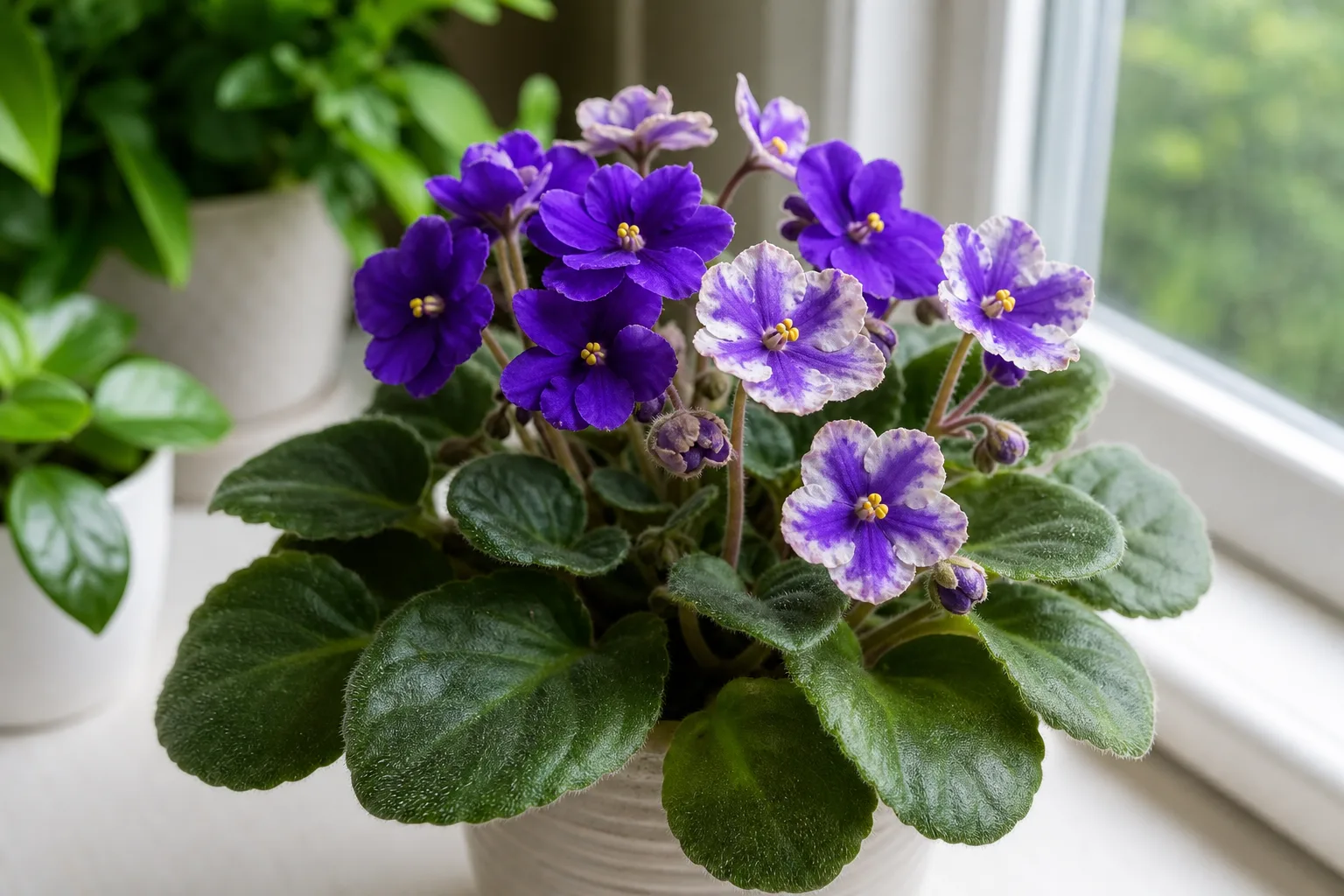
Faded Flowers on Houseplants
Still unsure?Match your symptoms to the most likely problems in under a minute.Run diagnosis →Understand and fix faded flowers
Getting houseplants to bloom indoors is tricky because homes rarely match native conditions. Faded Flowers with Blooms lose color quickly or look dull can mean the plant is too young, light is wrong, humidity shifted, or buds were stressed during shipping or repotting. Track weekly progress after you change care, and note watering, light, and repotting dates so you can tell whether the symptom is improving or returning. Compare upper versus lower leaves, new versus old growth, and soil moisture at root depth before you treat, because the same visible symptom can come from watering, light, pests, or normal aging on different plants.
Overview
Getting houseplants to bloom indoors is tricky because homes rarely match native conditions. Faded Flowers with Blooms lose color quickly or look dull can mean the plant is too young, light is wrong, humidity shifted, or buds were stressed during shipping or repotting. Track weekly progress after you change care, and note watering, light, and repotting dates so you can tell whether the symptom is improving or returning. Compare upper versus lower leaves, new versus old growth, and soil moisture at root depth before you treat, because the same visible symptom can come from watering, light, pests, or normal aging on different plants.
How to identify it
- Buds form but drop before opening
- Plant has never bloomed despite years of care
- Flowers fade quickly after opening
- Recent repot, move, or dry air episode preceded bud drop
- Plant is still juvenile for its species
When to worry
All buds drop after a big environmental shock while roots are wet-check for rot and drafts, not just light.
Common causes
Insufficient bright light
Many bloomers need brighter light than foliage-only plants. Dim spots prevent bud formation entirely.
Inconsistent watering during bud set
Letting soil dry completely or staying too wet while buds form causes Faded Flowers.
Dry air and drafts
Heat vents and air conditioning dry buds quickly, especially on orchids and holiday cacti.
Recent repotting or relocation
Bud drop is common after stress-even if long-term the move was beneficial.
Step-by-step fix
Confirm the plant is mature enough to bloom
Some species need years or specific size before flowering indoors.
Increase bright indirect light
Move closer to a window or supplement with grow lights during bud formation.
Stabilize watering and humidity
Keep soil evenly moist for budded plants; avoid soggy or bone-dry swings.
Avoid moving or repotting while buds form
Wait until after the bloom cycle to repot or change rooms.
Use appropriate bloom fertilizer if needed
Phosphorus-forward feed at half strength during bud set for heavy bloomers-only during active growth.
Prevention tips
- Research species-specific bloom triggers before buying
- Keep humidity steady around budded plants
- Do not repot while buds are visible
- Provide winter cool period for plants that need it to set buds
- Document which leaves show symptoms first and whether the soil is wet, dry, or compacted before changing multiple variables at once.
Common mistakes
- Repotting when buds appear hoping for 'more energy'
- Placing bloomers in low-light corners
- Over-fertilizing with nitrogen, which pushes leaves over flowers
Flowers are temporary structures. Even under excellent care, their pigments change, petals lose firmness, and the bloom eventually senesces. That makes faded color one of the easiest houseplant symptoms to misread: sometimes nothing is wrong, while in other cases heat, harsh light, moisture stress, pests, or disease has shortened a display that should have lasted longer.
The key is not the exact shade. Cultivars vary, camera white balance distorts color, and flowers can open lighter or darker as petals expand. The useful evidence is timing, order, distribution, texture, and the condition of the rest of the plant. One old flower fading while younger buds open is normal. Every new flower bleaching within a day while the window-facing petals become papery is a pattern worth investigating.
Already faded petals rarely regain their original color. Your goal is to decide whether the plant is completing a normal bloom cycle or whether a correctable condition is accelerating decline—and then judge the result on later flowers.
The diagnostic method here is deliberately conservative. It compares bloom age, the order in which flowers change, damage distribution, petal texture, whole-plant health, and recent environmental changes, then ranks the least disruptive explanation first. The framework synthesizes extension-service, botanical-garden, and horticultural-society guidance; it is not a laboratory test. Exact hue is especially weak evidence because cultivar genetics, camera processing, and room lighting can all change perceived color.
Quick Answer: Why Flower Color Fades
Flower color can fade for several reasons:
- Normal senescence: pigment and cell integrity change as a bloom ages.
- Heat: warm conditions can accelerate flower development and shorten display life in many species.
- Excessive direct light or hot glass: petals may bleach, scorch, or become papery.
- Insufficient light: the plant may produce weaker flowering growth or fail to maintain a strong display, depending on species.
- Water stress: dry roots, saturated roots, or repeated swings reduce the plant’s ability to support petals.
- Natural color progression: some cultivars open one shade and mature to another.
- Pollination: in some plants, successful pollination triggers processes that end the showy phase.
- Pests or disease: thrips, Botrytis, and other damage can make flowers look faded, flecked, or prematurely old.
These causes overlap. A hot, sunny window also dries the pot faster. Constantly wet flowers in a cool room may both age poorly and develop Botrytis. Diagnosis is stronger when two or three observations point in the same direction.
Start With Bloom Age and Order
First identify the oldest flower. On a spike or cluster, flowers often open in a sequence. If the first-opened blooms fade first while younger flowers retain good color and new buds continue developing, the pattern fits normal aging. If unopened buds and newly opened flowers are also pale, distorted, spotted, or collapsing, age alone is less convincing.
Check whether the plant was recently purchased. Commercial flowering plants may arrive near peak display, so some flowers are already old even if they are new to you. Shipping, wrapping, low retail light, and the transition into a home can shorten the remaining display. That is disappointing but not necessarily evidence of poor care.
Compare with photographs taken when the flower first opened, ideally under the same lighting. Human color memory is unreliable. Artificial light and phone processing can shift blues, reds, and purples. A documented change is more useful than a vague impression that the bloom “used to pop.”
Compare flowers at the same developmental stage as well. A newly expanded petal may deepen briefly before later fading, so comparing today’s oldest bloom with one that opened this morning exaggerates the difference. Mark two opening dates on a plant label and compare each flower after the same number of days. This simple control separates an age-linked sequence from a room-wide event.
Pollen and surface deposits can also alter apparent color without changing pigment. Inspect under neutral daylight rather than washing or rubbing the flower, which can injure sensitive tissue. If loose pollen lifts with a soft dry brush, the issue was on the surface rather than within the petal.
A Five-Clue Normal-Fading Test
Normal fading is more likely when:
- the oldest blooms change first;
- fading is gradual and reasonably even across each petal;
- petals remain dry rather than water-soaked or fuzzy;
- younger buds continue opening normally; and
- leaves, stems, and roots appear healthy.
Care trouble is more likely when the whole display changes soon after a move, heat event, missed watering, or root problem. Pest or disease concern increases when fading comes with streaks, feeding scars, dark specks, expanding spots, soft tissue, or gray growth.
| Pattern | More consistent with | Check next |
|---|---|---|
| Oldest blooms fade first; newer buds remain sound | normal senescence | confirm the species’ usual bloom sequence |
| Window-facing petals bleach or turn papery | excess light or heat at the glass | compare leaf and petal temperature through the day |
| New and old flowers fade together while the plant wilts | water delivery or root trouble | check moisture through the root ball and inspect drainage |
| Color loss comes with spots, soft tissue, distortion, or black specks | disease, thrips, or physical injury | isolate if damage is spreading and inspect with magnification |
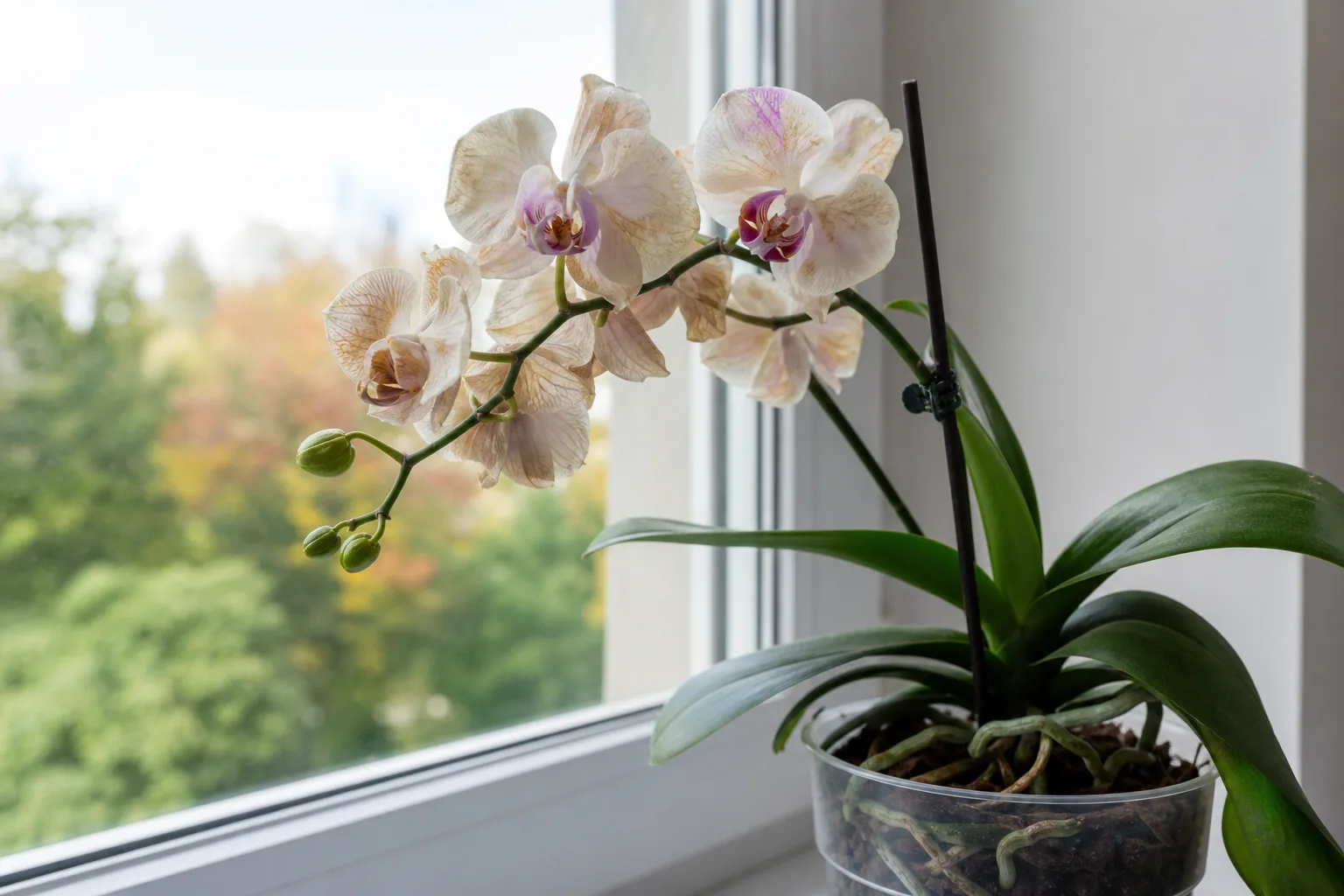
Do not use a fixed “flowers should last X weeks” rule across species. A hibiscus flower may be naturally brief, while many Phalaenopsis orchid flowers persist much longer. Cultivar, pollination, temperature, and the stage at purchase all change longevity.
How Petal Color Changes
Flower color arises from pigments and structural effects within petal tissue. Anthocyanins contribute many red, purple, and blue tones; carotenoids contribute yellows and oranges; chlorophyll can influence green flowers. Pigment concentration, cell acidity, co-pigments, petal thickness, and light scattering all affect the color we perceive.
As a flower ages, cells and membranes change and pigments may be broken down, transformed, or visually diluted as petals expand. Some flowers become paler; others deepen or shift hue. This is why fading is not automatically a “deficiency.”
Genetics sets the basic program. A cultivar marketed for changing color may be behaving exactly as selected. Environmental conditions influence expression within that program, but care cannot turn one cultivar into another or permanently recolor an aging petal.
Color also differs across a single flower. Sun-facing petal surfaces may receive more heat and radiation. Veins, throats, margins, and patterned areas contain different pigment distributions. Evaluate whether a change follows the flower’s natural pattern or aligns with an environmental exposure.
Light: Helpful Energy or Bleaching Stress
Flowering plants need enough light to make and allocate carbohydrates, but petals can be more delicate than foliage. Direct sun that a mature leaf tolerates may heat or bleach a flower, especially after the plant moves abruptly from lower light.
The University of Maryland Extension guide to indoor-plant lighting explains that window direction, distance, season, and outdoor obstructions determine light at plant level. “Bright room” is not a measurement. Observe how many hours of direct sun reach the flowers and whether damage is concentrated on the window-facing side.
Excessive exposure is more plausible when faded areas are also crisp, bleached, or brown-edged and appear on the brightest side. Low light is more plausible when the whole plant shows stretched growth, small pale leaves, weak stems, few buds, or flowers that fail to develop well. Either diagnosis needs plant-wide evidence.
If increasing light, move the plant gradually or diffuse harsh midday sun. If using a grow light, follow the manufacturer’s distance and coverage instructions and preserve a daily dark period. Do not move a budded or flowering plant between radically different positions every few days; stability matters as much as the eventual target.
Evaluate the whole day, not only noon. A plant may receive one intense hour beside hot glass and little useful light afterward. That combination can bleach petals without supplying sustained energy for the plant. A morning, midday, and afternoon exposure map explains more than one peak observation.
Heat, Cold, and Flower Longevity
Temperature affects metabolic rate and water loss. In many ornamental plants, warmer conditions speed development and can shorten how long individual flowers remain attractive. A plant on a sunny sill may experience leaf and petal temperatures well above the room thermostat. Heating vents can add both warmth and fast-moving dry air.
Cold can also damage flowers. Contact with chilled glass, a draft from an exterior door, or transport in cold weather can injure delicate petals. Chilling may appear as translucent, collapsed, or discolored tissue rather than uniform, graceful fading.
Look for time-linked evidence. Did the entire display age quickly during a heat wave? Did only the side touching glass discolor? Did fading begin after the heating system started? Place a min/max thermometer near the flowers for several days if temperature is a leading hypothesis.
Avoid chasing a universal degree range. Tropical orchids, African violets, holiday cacti, and cool-growing ornamentals do not share one ideal temperature. Use a species-specific extension or botanical reference. The practical generic goal is to avoid abrupt extremes, direct forced air, and hot or cold surfaces.
Water and Root Problems
Petals depend on a functioning water pathway from roots through stems. When a root ball dries excessively, expanding flowers can lose turgor and age early. When mix remains saturated, reduced root function can produce similar above-ground water stress even though the pot is wet.
Check the active root zone. A finger, wooden skewer, or pot-weight comparison is often more informative than the surface. Decorative outer pots may conceal water. Peat-based media can become hydrophobic when very dry, causing water to bypass the root ball. An oversized container can remain wet far longer than expected.
The Missouri Botanical Garden’s overview of indoor-plant environmental problems treats watering, light, humidity, and temperature as interacting factors. That is the right model for faded flowers. A sunny, hot plant may require moisture checks more often, while a plant moved into dim winter light may use water more slowly.
Do not water simply because a flower faded. If the root zone is still appropriately moist and leaves are firm, extra water may cause a new problem. Conversely, do not wait for a calendar date when the mix is clearly dry and the plant is losing turgor.
Why Moisture Swings Shorten the Display
Repeated wet-dry extremes force the plant to adjust stomata, growth, and allocation under stress. Fine roots may be damaged by prolonged drought or oxygen-poor saturation. Flowers, being temporary and costly, are often among the first structures the plant stops maintaining.
Correct the underlying pattern gently. For a dry but healthy root ball, water thoroughly until excess drains and empty the saucer. If water runs around a shrunken mix, re-wet it gradually and verify that the center becomes moist. For a persistently wet pot, stop routine watering, clear blocked drainage, and improve the environment; inspect roots if yellowing, odor, or collapse continues.
Do not create a new extreme to compensate for the old one. Flooding a severely waterlogged plant or withholding water until a flowering tropical wilts again both perpetuate instability.
Nutrition, pH, and Misleading “Bloom Booster” Advice
Nutrition influences plant growth and flowering, but faded petals alone do not diagnose a specific deficiency. Nutrient disorders more often produce patterns in foliage and growth as well as flowers. Root-zone pH, soluble-salt accumulation, damaged roots, and genuine lack of an element can create overlapping symptoms.
Avoid reaching immediately for a high-phosphorus bloom product. Plants require balanced nutrition, and excessive fertilizer can raise soluble salts, injure roots, and worsen water stress. If the plant has healthy foliage, normal growth, and only its oldest flowers are fading, feeding is unlikely to restore those petals.
Review the full history. Has the plant grown for a long time in the same medium without feeding? Does it show pale new growth or interveinal chlorosis? Has it been fertilized heavily or watered with a high-salt source? Those questions justify a broader nutrition assessment. They still do not make petal color a laboratory test.
Follow species-specific guidance and the fertilizer label. Feed during appropriate active growth and avoid applying concentrated fertilizer to dry or damaged roots. If pH or salts are genuinely suspected, a measured water or media test is more reliable than guessing from a photograph.
Pests, Disease, and Physical Damage
Thrips often hide in flowers and can make petals appear streaked, silvery, flecked, distorted, or prematurely aged. Tap flowers over white paper and inspect with magnification. Look for slender moving insects and dark fecal specks. Damage alone is not proof because rubbing, pollen, and aging can mimic parts of the pattern.
Botrytis gray mold can cause spots and blight on flowers under favorable conditions. The University of Wisconsin Extension describes gray mold as a widespread disease associated with moist conditions and aging or damaged tissue. Aging petals are particularly vulnerable, which is one reason prompt sanitation and dry flowers matter.
Physical contact also shortens flower life. Petals can be bruised by sleeves, curtains, pets, packaging, or repeated handling. Water droplets can mark sensitive flowers, and sprays may cause phytotoxicity. If damage follows the contact pattern and stops after the exposure ends, do not escalate to pesticide.
Fading Versus Botrytis or Thrips
| Pattern | More consistent with |
|---|---|
| oldest blooms fade evenly, remain dry, then drop | normal senescence |
| exposed side bleaches or crisps | excessive sun or heat |
| petals have expanding tan/brown spots or gray fuzzy growth | possible Botrytis |
| flowers are streaked or distorted with tiny dark specks | possible thrips |
| every bloom wilts while roots are very dry or rotten | water-delivery failure |
| damage appears where petals rub glass or packaging | physical injury |
These are triage clues, not definitive laboratory diagnoses. The NC State Extension disease-diagnosis chapter recommends considering host, symptom pattern, disease signs, and environmental conditions together.
Isolate when live pests are found, fuzzy growth or wet lesions spread, or multiple nearby plants develop similar damage. Remove affected flowers, clean fallen debris, and use only a product labeled for the confirmed problem and host. Follow all label precautions.
A Practical Recovery Plan
Begin with documentation. Photograph old and new flowers under consistent light. Label the opening date of a few buds if possible. Check the roots and leaves, not just the petals.
Then:
- Remove direct forced air and extreme contact with hot or cold glass.
- Match light to the species, making gradual changes.
- Water based on root-zone condition and drain excess.
- Inspect flowers for pests and disease signs.
- Remove decaying petals and fallen debris.
- Avoid fertilizer, repotting, and pesticides unless evidence supports them.
- Watch the next flowers rather than expecting old petals to recolor.
If all foliage is healthy and fading follows bloom age, no “recovery” is needed. Enjoy the remaining display and deadhead when appropriate. If young flowers keep failing despite stable culture, re-check species requirements and consider a diagnostic service.
When and How to Deadhead
Deadheading means removing spent flowers. It improves appearance and sanitation, and in some plants it redirects resources away from seed development or encourages additional flowering. It does not force repeat bloom in every species.
Use clean scissors or pruners for tough stalks; pinch only where the plant tolerates it. Follow the flower stem to the species-appropriate cut point without removing healthy leaves or emerging buds. For orchids, the decision to cut a green spike depends on species and plant condition; generic deadheading rules are insufficient.
Remove soft, moldy, or pest-infested flowers promptly and bag them. Clean tools between diseased plants. The Royal Horticultural Society’s deadheading guidance explains the general benefits and also reflects that methods vary with plant type.
What Future Blooms Can Tell You
Existing petals record past conditions and generally will not regain lost pigment. New flowers are the useful test.
If later blooms open with expected color after the plant is moved away from hot sun, excessive exposure was probably important. If new flowers remain strong after watering becomes more consistent, root-zone swings likely contributed. If removing and treating confirmed thrips ends streaking and distortion, pest evidence becomes persuasive.
Be careful with certainty. Seasonal temperature and light may change at the same time as your intervention. A plant may naturally produce different color intensity across a flowering cycle. Keep records through more than one bloom when possible.
Success is not necessarily darker color. The cultivar may naturally open pale. Look for normal texture, expected longevity, steady bud opening, and healthy vegetative growth.
Prevention: A More Stable Flowering Environment
- Identify the plant and learn its normal flower lifespan and seasonal triggers.
- Provide adequate light, but acclimate gradually to direct sun.
- Keep flowers away from vents, cold glass, and intense reflected heat.
- Check root-zone moisture instead of watering by date.
- Use containers with drainage and empty cachepots.
- Avoid wetting petals repeatedly, particularly in cool, humid conditions.
- Remove spent and decaying flowers.
- Quarantine new flowering plants and inspect for thrips.
- Fertilize for balanced growth, not as a reaction to one pale bloom.
- Record the first day flowers open so natural aging is easier to recognize.
The RHS guide to helping a poorly houseplant supports a whole-plant assessment: light, water, temperature, pests, and roots must be considered together. That prevents unnecessary corrections to healthy plants and helps catch real decline earlier.
Conclusion
Faded flowers are often the visible end of a normal process. Age-ordered, gradual fading on a healthy plant usually calls for enjoyment and eventual deadheading, not treatment. Premature fading across new blooms deserves a closer look at heat, direct light, moisture stability, roots, pests, disease, and recent environmental change.
Use order and texture as your first filters. Even, dry fading differs from spreading spots, soft tissue, gray growth, or thrips-like streaking. Check the whole plant before blaming nutrition, and never use petal color alone to justify a bloom booster or pesticide.
Old petals are unlikely to recolor. Stabilize the evidence-supported cause, document what happens, and let the next blooms show whether the correction worked.
Plants commonly affected
These houseplants often struggle with faded flowers. Open a care guide or plant-specific troubleshooting page for tailored fixes.
 Medium
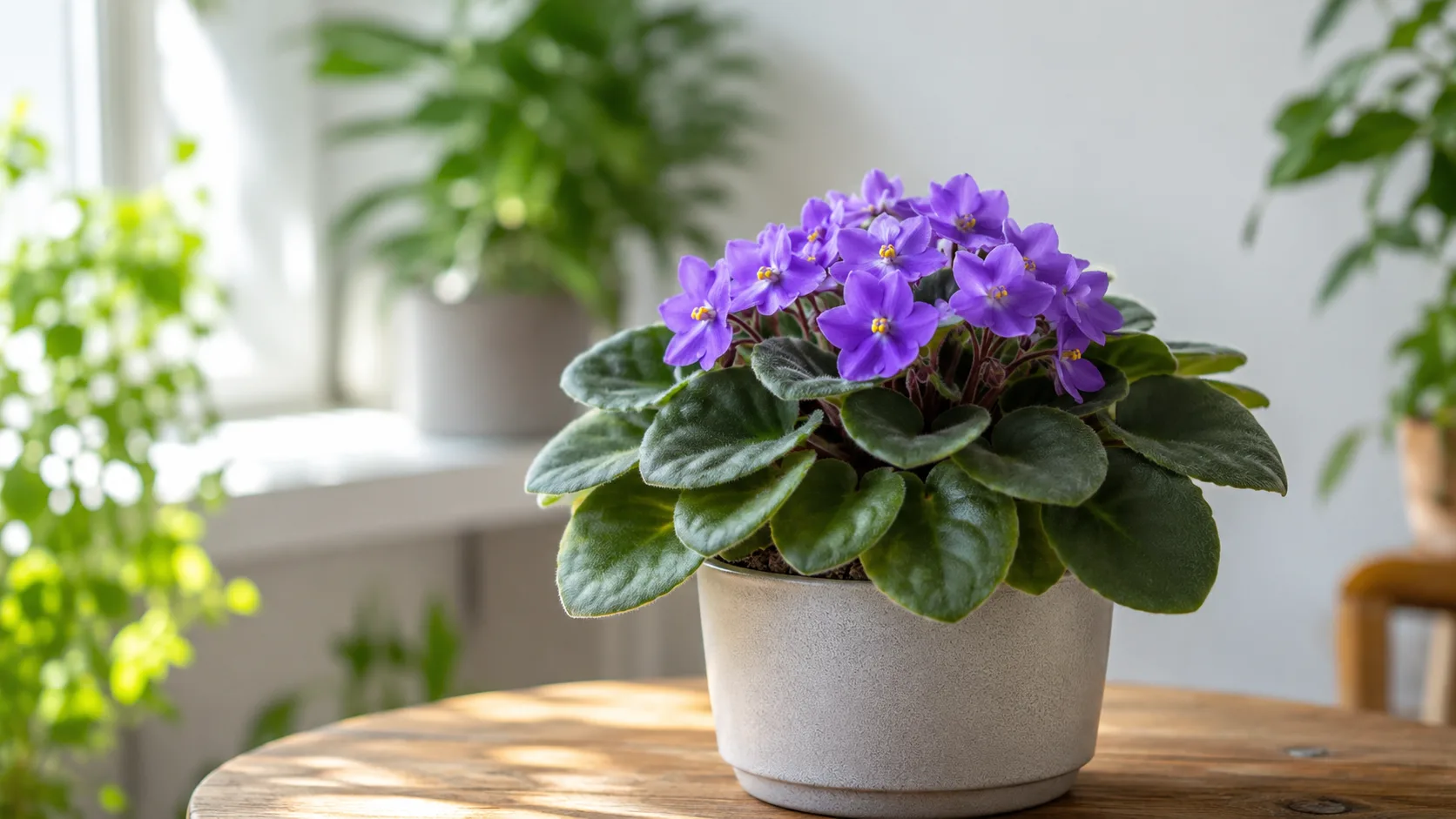
African Violet
Likely causeFaded flowers on African Violet are often normal bloom aging-each blossom lasts about one to three weeks before petals pale at the edges. When every open flower dulls overnight or wilts early, check f
Quick fixSee plant-specific guide for step-by-step fixes.
 Medium
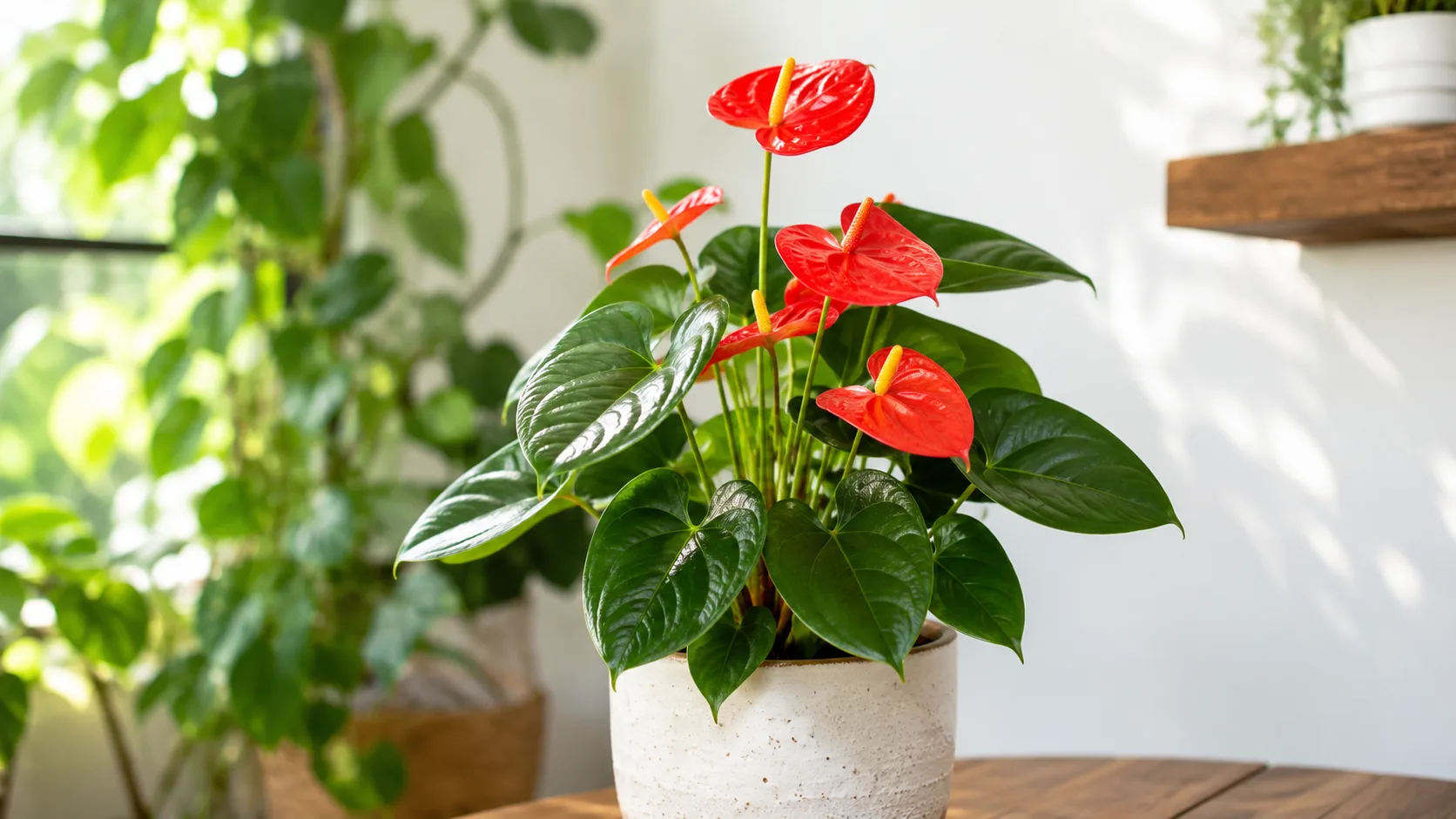
Anthurium
Likely causeCommon on this plant type; confirm with recent watering, light, and root checks.
Quick fixInspect the plant and correct the most likely care stressor before stacking treatments.
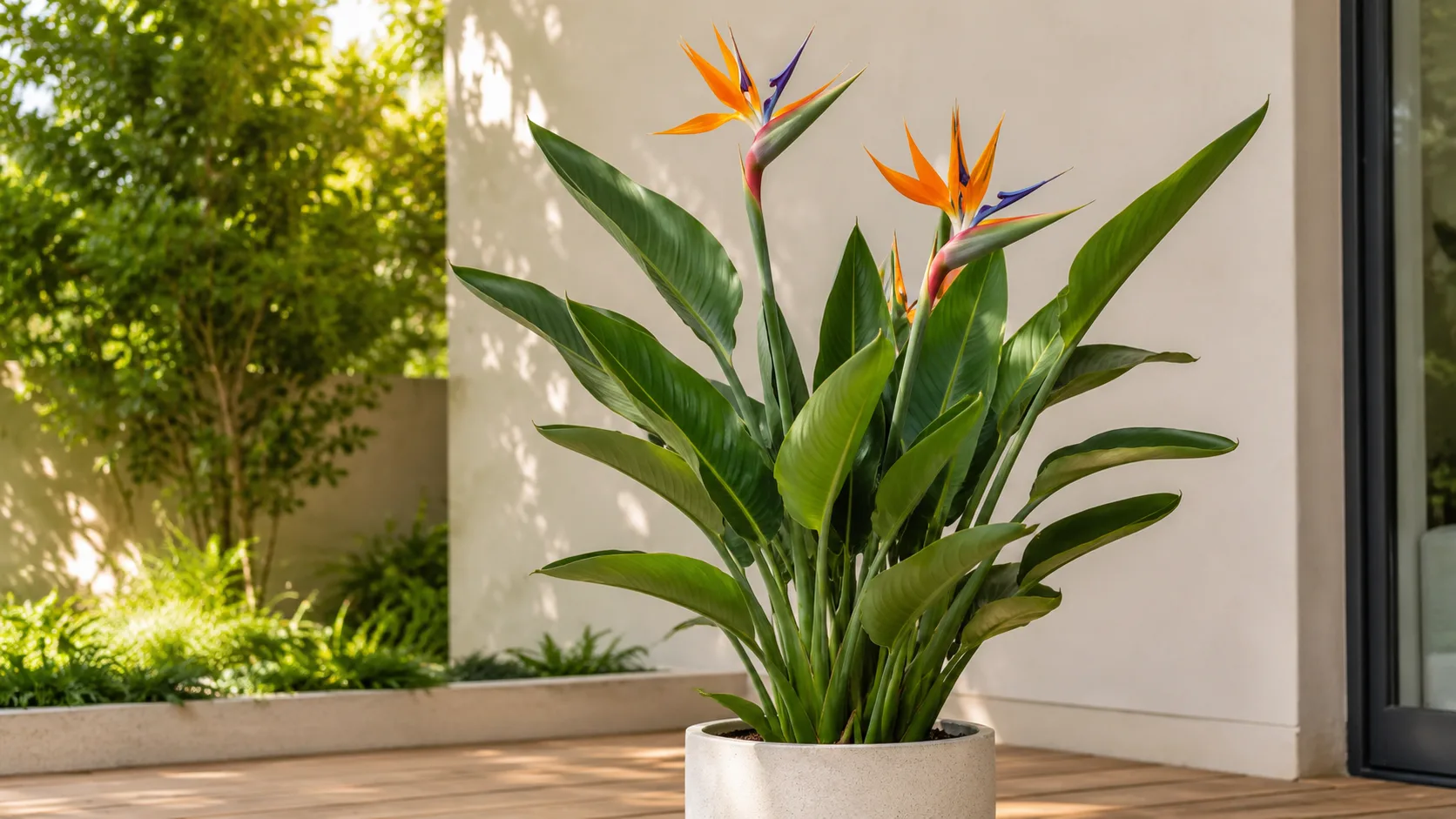 Medium
Bird of Paradise
Likely causeCommon on this plant type; confirm with recent watering, light, and root checks.
Quick fixInspect the plant and correct the most likely care stressor before stacking treatments.
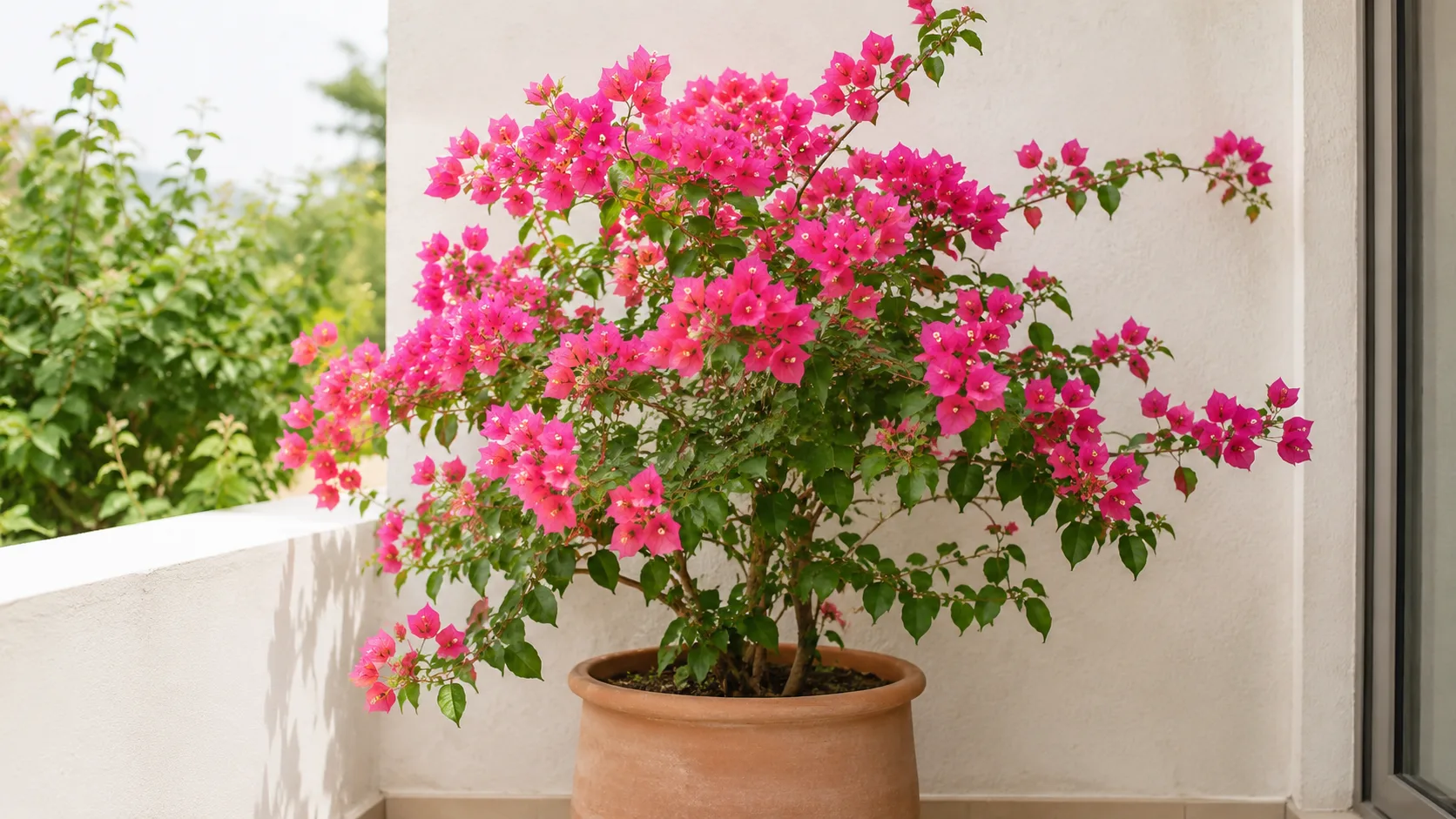 Medium
Bougainvillea
Likely causeCommon on this plant type; confirm with recent watering, light, and root checks.
Quick fixInspect the plant and correct the most likely care stressor before stacking treatments.
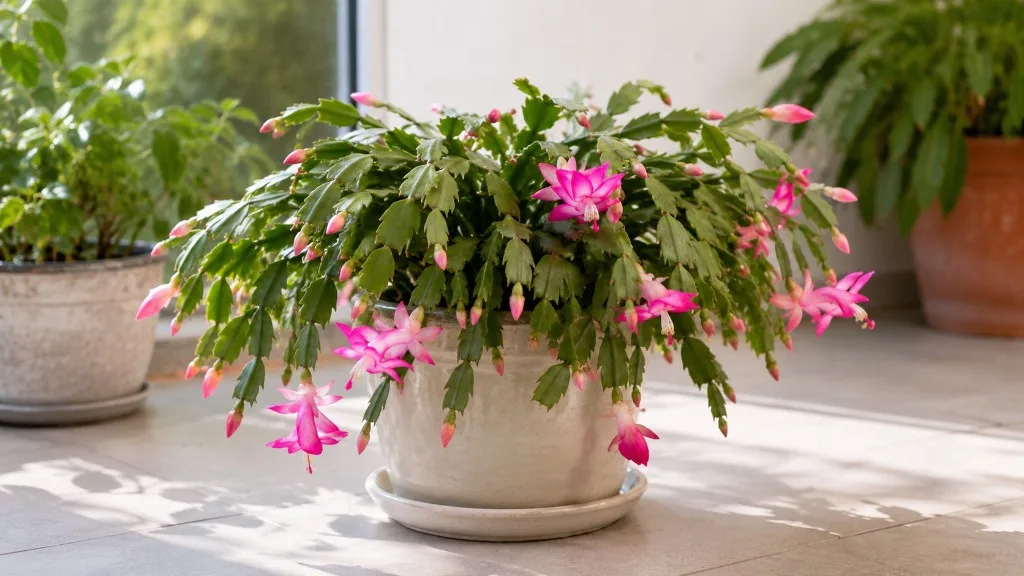 Medium
Christmas Cactus
Likely causeCommon on this plant type; confirm with recent watering, light, and root checks.
Quick fixInspect the plant and correct the most likely care stressor before stacking treatments.
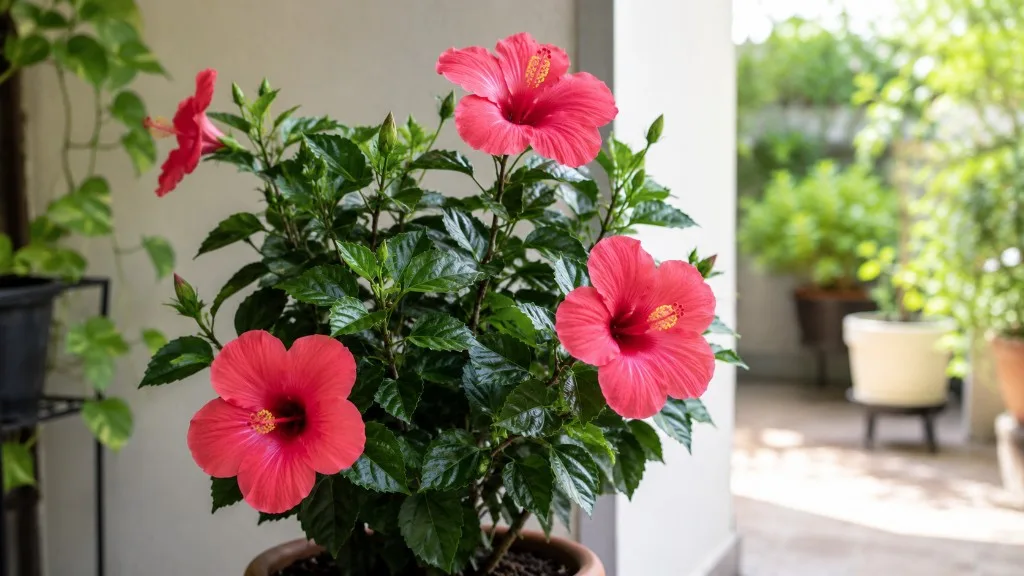 Medium
Hibiscus
Likely causeCommon on this plant type; confirm with recent watering, light, and root checks.
Quick fixInspect the plant and correct the most likely care stressor before stacking treatments.
 Medium
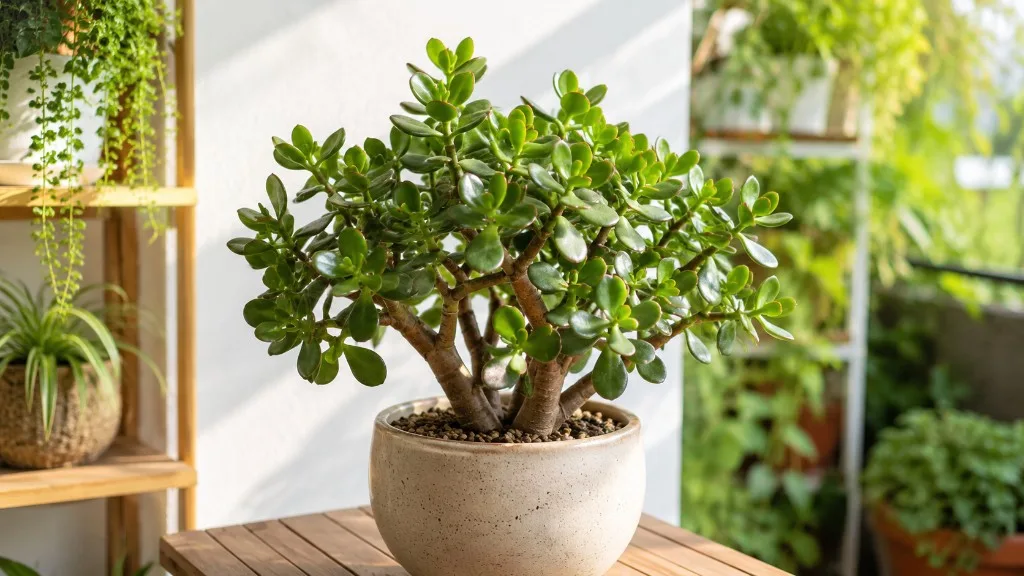
Jade Plant
Likely causeOct 3, 2023 · To get it to produce flowers , keep your jade plant in an area that is around 60 degrees Fahrenheit during the fall. Avoid exposing it to temperatures below 50 degrees Fahrenheit, which could kill it before it ever gets the ch
Quick fixFollow extension or botanical guidance for Jade Plant faded flowers; adjust care before applying broad treatments.
 Medium
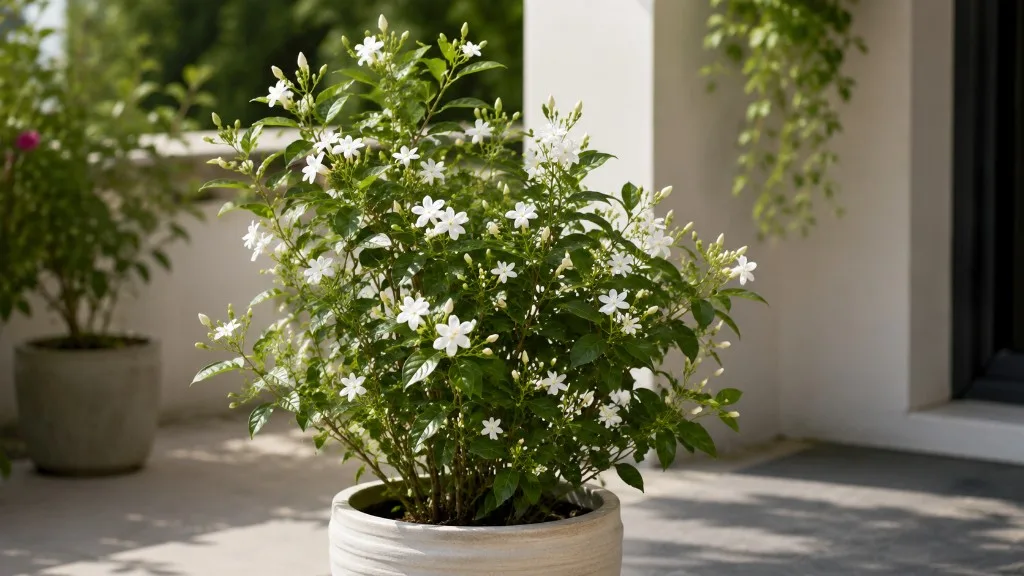
Jasmine
Likely causeFind 2+ Hundred Faded Jasmine stock images in HD and millions of other royalty-free stock photos, 3D objects, illustrations and vectors in the Shutterstock collection. Thousands of new, high-quality pictures added every day.
Quick fixConfirm diagnosis on your Jasmine, then address the most likely care or pest factor described in current extension guidance.
 Medium
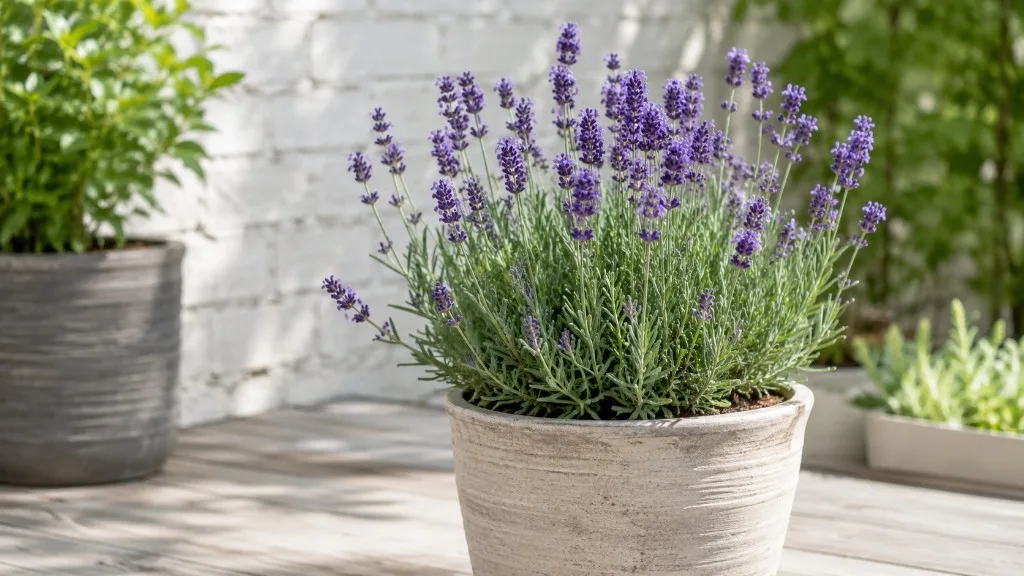
Lavender
Likely causeJun 19, 2025 · So if you’re worried about a weary or faded lavender plant, or keen to keep your cottage garden classic bursting with blooms for longer, knowing how to deadhead lavender is your best chance for extended flowering.
Quick fixFollow extension or botanical guidance for Lavender faded flowers; adjust care before applying broad treatments.
 Medium
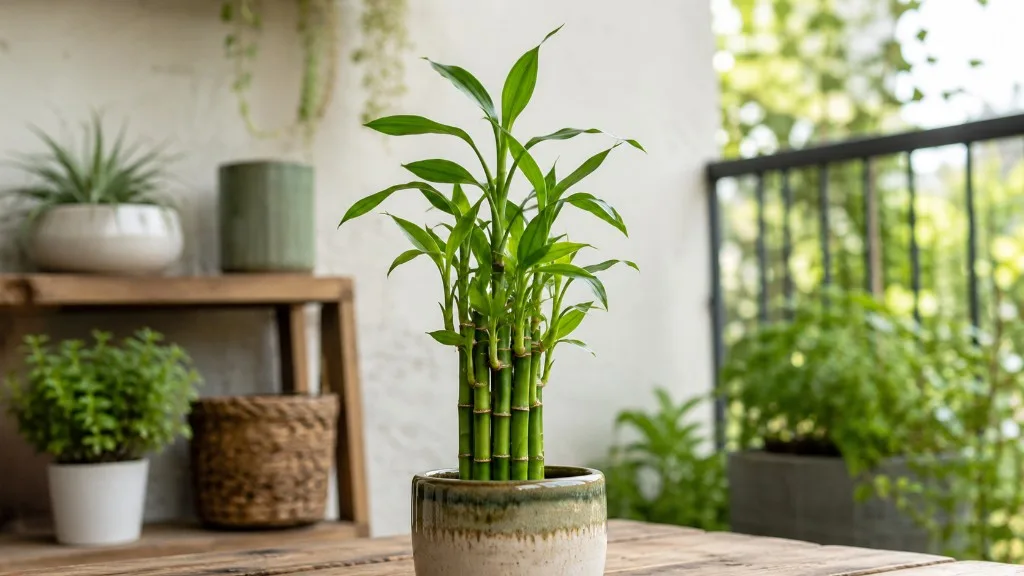
Lucky Bamboo
Likely causeLucky Bamboo is an ‘easy-to-grow’ plant with greater cultural significance. People believe that it brings good luck and good fortune. It is famous for its exotic foliage, so people usually do not bat their eyes on the flower. The plant gets
Quick fixConfirm diagnosis on your Lucky Bamboo, then address the most likely care or pest factor described in current extension guidance.
 Medium
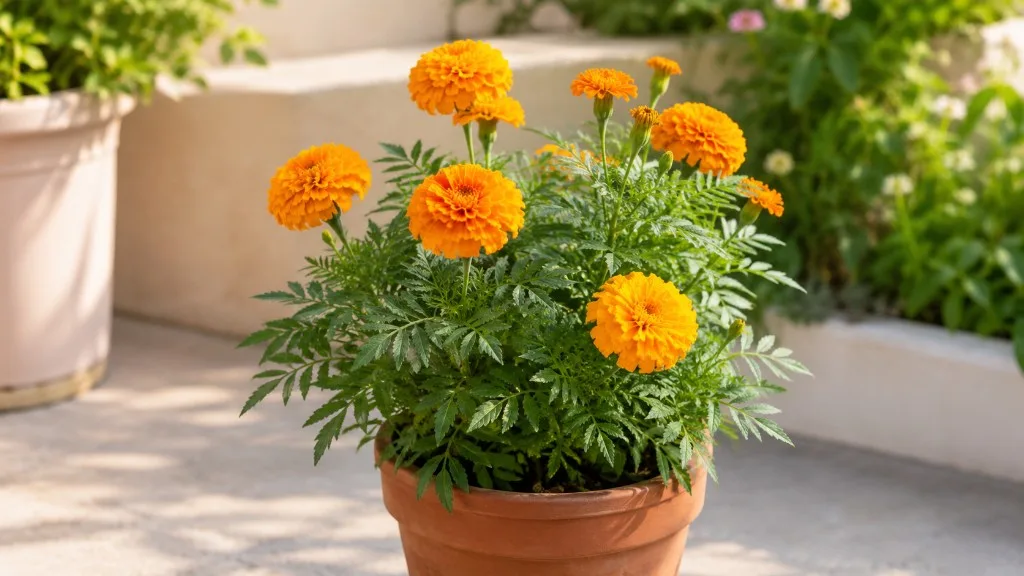
Marigold
Likely causeGrow vibrant marigolds effortlessly, ensuring non-stop flowers all season with proper care, pest control, and thriving plants.
Quick fixConfirm diagnosis on your Marigold, then address the most likely care or pest factor described in current extension guidance.
 Medium
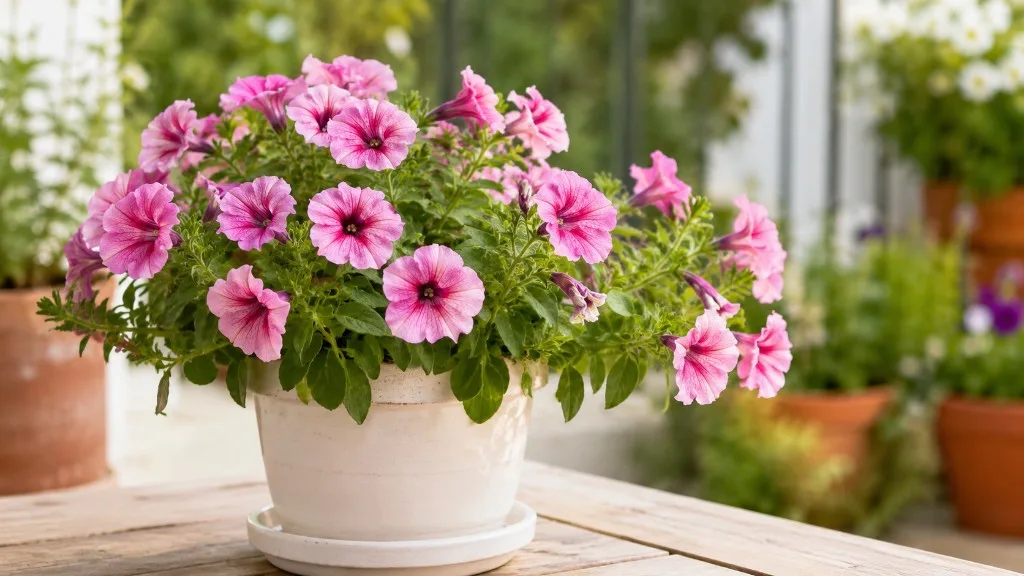
Petunia
Likely causeNatural aging plus drought or heat stress fade petunia blooms before they are deadheaded.
Quick fixDeadhead spent flowers every 2–3 days and keep soil evenly moist during hot weather.