Houseplant Not Flowering: Causes and Fixes
Getting houseplants to bloom indoors is tricky because homes rarely match native conditions. No Flowers with Plant grows leaves but does not bloom can mean the plant is too young, light is wrong, humidity shifted, or buds were stressed during shipping or repotting. Track weekly progress after you change care, and note watering, light, and repotting dates so you can tell whether the symptom is improving or returning. Compare upper versus lower leaves, new versus old growth, and soil moisture at root depth before you treat, because the same visible symptom can come from watering, light, pests, or normal aging on different plants.
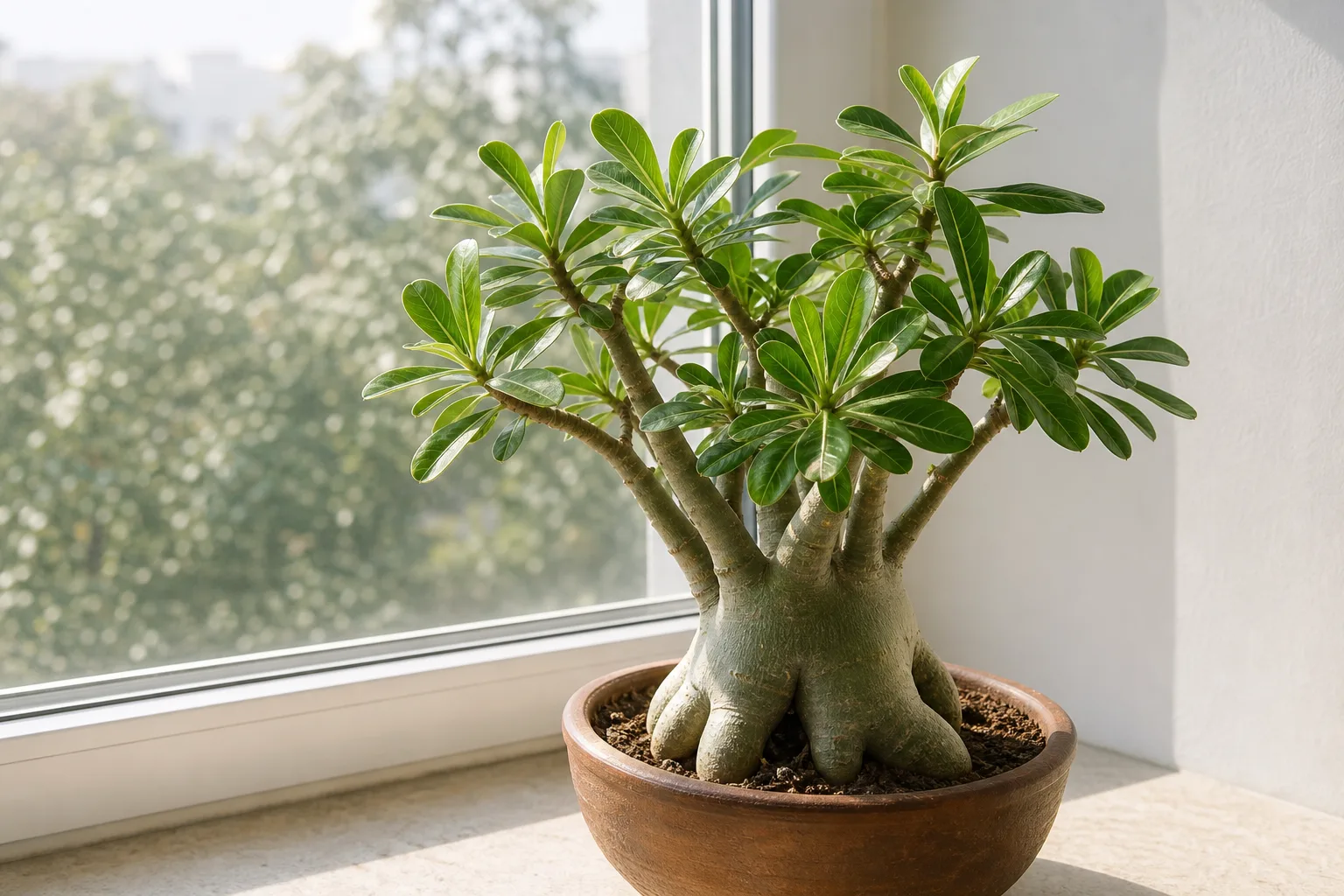
No Flowers on Houseplants
Still unsure?Match your symptoms to the most likely problems in under a minute.Run diagnosis →Understand and fix no flowers
Getting houseplants to bloom indoors is tricky because homes rarely match native conditions. No Flowers with Plant grows leaves but does not bloom can mean the plant is too young, light is wrong, humidity shifted, or buds were stressed during shipping or repotting. Track weekly progress after you change care, and note watering, light, and repotting dates so you can tell whether the symptom is improving or returning. Compare upper versus lower leaves, new versus old growth, and soil moisture at root depth before you treat, because the same visible symptom can come from watering, light, pests, or normal aging on different plants.
Overview
Getting houseplants to bloom indoors is tricky because homes rarely match native conditions. No Flowers with Plant grows leaves but does not bloom can mean the plant is too young, light is wrong, humidity shifted, or buds were stressed during shipping or repotting. Track weekly progress after you change care, and note watering, light, and repotting dates so you can tell whether the symptom is improving or returning. Compare upper versus lower leaves, new versus old growth, and soil moisture at root depth before you treat, because the same visible symptom can come from watering, light, pests, or normal aging on different plants.
How to identify it
- Buds form but drop before opening
- Plant has never bloomed despite years of care
- Flowers fade quickly after opening
- Recent repot, move, or dry air episode preceded bud drop
- Plant is still juvenile for its species
When to worry
All buds drop after a big environmental shock while roots are wet-check for rot and drafts, not just light.
Common causes
Insufficient bright light
Many bloomers need brighter light than foliage-only plants. Dim spots prevent bud formation entirely.
Inconsistent watering during bud set
Letting soil dry completely or staying too wet while buds form causes No Flowers.
Dry air and drafts
Heat vents and air conditioning dry buds quickly, especially on orchids and holiday cacti.
Recent repotting or relocation
Bud drop is common after stress-even if long-term the move was beneficial.
Step-by-step fix
Confirm the plant is mature enough to bloom
Some species need years or specific size before flowering indoors.
Increase bright indirect light
Move closer to a window or supplement with grow lights during bud formation.
Stabilize watering and humidity
Keep soil evenly moist for budded plants; avoid soggy or bone-dry swings.
Avoid moving or repotting while buds form
Wait until after the bloom cycle to repot or change rooms.
Use appropriate bloom fertilizer if needed
Phosphorus-forward feed at half strength during bud set for heavy bloomers-only during active growth.
Prevention tips
- Research species-specific bloom triggers before buying
- Keep humidity steady around budded plants
- Do not repot while buds are visible
- Provide winter cool period for plants that need it to set buds
- Document which leaves show symptoms first and whether the soil is wet, dry, or compacted before changing multiple variables at once.
Common mistakes
- Repotting when buds appear hoping for 'more energy'
- Placing bloomers in low-light corners
- Over-fertilizing with nitrogen, which pushes leaves over flowers
A plant can look green and still be unprepared to flower. Leaves and roots support survival and growth; flowers are an additional reproductive investment that many species make only after reaching maturity and receiving the right combination of light, season, temperature, water, and internal resources.
That is why “add bloom fertilizer” is a poor first response. A juvenile plant will not become mature because it receives extra phosphorus. A holiday cactus cannot read the correct night length if a lamp interrupts darkness. A plant pruned after setting microscopic buds cannot display flowers that were removed. A low-light plant may remain alive for years without accumulating enough energy for reliable bloom.
The most useful diagnosis starts before care changes: confirm the plant’s identity, learn how and when that species flowers, and determine whether buds never form or whether they form and disappear. Those are different problems.
The method in this guide is a conservative decision sequence synthesized from extension-service, botanical-garden, and horticultural-society guidance: verify identity, define the species’ normal flowering biology, separate failure to initiate from bud abortion, correct the strongest evidenced limitation, and observe one biologically appropriate cycle. It is not a promise that every indoor site can produce flowers, and it does not justify improvised drought, chilling, darkness, or fertilizer treatments without species-specific guidance.
Quick Answer: Why Healthy-Looking Plants Do Not Bloom
Common explanations include:
- Wrong identity or expectation: the plant is a foliage species, a nonflowering plant, or a cultivar with different behavior than expected.
- Juvenility: it has not reached the age, size, or mature growth phase needed for flowering.
- Insufficient light: enough for leaf survival, not enough for flower initiation and development.
- Missing seasonal cue: day length, uninterrupted darkness, cool nights, dormancy, or a dry rest is absent.
- Pruning at the wrong time: flowering shoots or preformed buds were removed.
- Water or root stress: the plant prioritizes survival over reproduction.
- Nutrient imbalance: excessive nitrogen encourages leafy growth, or genuine deficiency limits overall function.
- Pests or disease: chronic damage drains resources or destroys flowering points.
- Recent disturbance: division, repotting, relocation, or propagation reset the plant’s growth cycle.
Several may coexist. Low winter light slows water use, which makes overwatering more likely. Heavy nitrogen in low light can produce soft leafy growth without fixing the energy limitation. Diagnose the system, not a single input.
Confirm the Plant Can and Should Flower
Begin with the botanical identity. Ferns do not make flowers. Gymnosperms do not flower. Some common “flowers” are actually colored bracts surrounding small true flowers. Some foliage houseplants technically flower but do so rarely or inconspicuously indoors.
Cultivar matters too. Plants bred for compact foliage, variegation, or a particular growth habit may differ in flowering vigor. A mislabeled plant can send you toward completely unsuitable care.
Use the nursery label as a clue, then verify with a reputable botanical garden, extension service, or recognized plant society. Compare leaves, stems, growth form, and flowers—not one image. If identification remains uncertain, avoid imposing a specialized dormancy or drought treatment.
Then ask whether flowering is desirable. Some growers remove flowers from foliage plants because the display is modest, scent is unpleasant, or pollen is irritating. Flowering can also consume resources in a plant being grown mainly for leaves. “No flowers” is not automatically poor health.
Identity, Maturity, and Season
Many plants pass through a juvenile phase during which they cannot flower even under ideal conditions. Maturity may depend on chronological age, plant size, number of growths, or the maturity of a particular stem or pseudobulb. A cutting starts with mature tissue in some species but may still need to establish roots and new growth before blooming.
Look for species-specific markers. Some orchids flower from a mature pseudobulb or after a new leaf reaches full size. Hoyas often flower from persistent spurs that should not be removed. Woody plants may need older wood. Seed-grown plants may take much longer than propagated cultivars.
Season is equally important. If the plant normally flowers once a year, missing the display in the wrong month is not failure. A recently purchased plant may have been forced under greenhouse conditions and may need a full natural cycle before reblooming at home.
Do not assign a universal number of months. “Mature enough” is biological and species-specific. Record growth stage, not just the purchase date.
Decide Whether Buds Never Form or Form and Fail
Inspect carefully for old flower stalks, tiny aborted buds, scars, and dried peduncles. Ask whether the plant has ever initiated flowers in your care.
If no buds form, focus on identity, maturity, light, seasonal cues, pruning, and overall resource status. If buds form and then yellow, shrivel, or fall, the problem is bud drop. Water swings, drafts, relocation, pests, and flower disease move higher on the list.
| Evidence | What it suggests | Best next step | Observation period |
|---|---|---|---|
| No bud initials at the expected flowering point | induction, maturity, light, or pruning problem | verify identity and normal flowering requirements | one appropriate induction or growth cycle |
| Buds form, then yellow or detach | bud drop rather than failure to flower | review recent water, temperature, movement, pests, and disease | through the current bud cycle |
| Strong leafy growth with long internodes | light may be below flowering needs | assess daily exposure and increase gradually if appropriate | until the next mature growth forms |
| Healthy roots and mature growth, but no seasonal response | missing photoperiod, temperature, or rest cue | follow a species-specific protocol | the next normal seasonal window |
| Root decline, chlorosis, or active pests | health limitation precedes flowering | restore plant health before inducing bloom | until stable new growth appears |
This distinction saves time. Increasing day length will not correct thrips feeding inside buds. Treating for pests will not make a juvenile plant flower. Heavy fertilizer cannot replace a cool induction period.
Photograph suspected growing points weekly. Buds can be mistaken for new leaves and vice versa, especially early. A species-specific morphology reference helps. Do not dissect every tip; repeated probing can destroy the very bud you are trying to identify.
Light: The Most Common Limiting Input
Indoor light often appears brighter to people than it is for photosynthesis. Human vision adapts to dim rooms, while light intensity falls sharply with distance from a window. A plant may produce slow foliage in a corner but lack the energy balance needed for abundant flowers.
The University of Maryland Extension’s guide to indoor-plant lighting explains the effects of window direction, distance, season, and obstructions. Move the plant according to species requirements, not the generic phrase “bright indirect light.”
Evidence of insufficient light can include long internodes, small leaves, pale or weak new growth, leaning, sparse branching, and a history of flowering near a window but not farther away. However, some shade-adapted plants look compact in low light and still fail to bloom. Lack of stretch does not prove that light is sufficient.
Too much direct sun is not the answer for every plant. Sudden exposure can scorch leaves and overheat the root ball. Acclimate gradually. Use a sheer curtain where a species needs high ambient light but protection from harsh midday rays.
Measure the Plant’s Real Daily Exposure
Map direct sun and bright ambient light over a full day. Repeat in another season because sun angle and day length change. Note curtains, insect screens, neighboring buildings, trees, and how far the foliage sits from glass.
A light meter or phone app can help compare locations, but readings depend on device, angle, and time. Use consistent measurements as relative evidence rather than treating a single value as a universal prescription. Species-specific daily light recommendations, when available from a credible source, are more useful than broad room labels.
Grow lights can make flowering possible where windows cannot. Choose a horticultural fixture with adequate coverage, position it according to manufacturer guidance, and use a timer. Increasing hours cannot fully compensate for an extremely weak fixture, and continuous light is not beneficial; plants require a dark period.
Change one element and monitor a whole appropriate growth cycle. Moving a plant weekly based on whether buds appeared prevents acclimation and confounds the result.
Day Length, Darkness, Temperature, and Rest
Some plants use photoperiod—the relationship between light and uninterrupted darkness—to time flowering. Short-day plants flower when nights exceed a critical length; long-day plants respond when nights are shorter; day-neutral plants are less dependent on this signal. The terms describe flowering response, not how much total light a plant “likes.”
Household lighting can interrupt a required dark period. A holiday cactus or poinsettia near a lamp used late each evening may receive unsuitable night cues even when daylight is adequate. The University of Minnesota Extension guide to holiday cacti explains how cooler temperatures and long nights support flower-bud formation for these plants.
Other species respond to cool nights, seasonal temperature differences, or vernalization. Some orchids initiate spikes after a change in temperature; certain bulbs need a defined chilling or rest period. Tropical and subtropical species may use wet-dry seasonal patterns.
Do not improvise an extreme cold or drought treatment. Identify the species and follow a credible protocol. A “dry rest” usually has boundaries; severe dehydration can kill roots. A cool treatment suitable for one orchid may injure another.
Stable darkness matters when photoperiod is the cue. Covering and uncovering a plant inconsistently is less reliable than placing it where nights remain naturally uninterrupted. Once buds form, avoid abrupt changes that trigger bud drop.
Water, Roots, and Container Conditions
Flowering depends on a healthy root system, but neither constant moisture nor deliberate stress universally produces blooms. Roots need a species-appropriate balance of water and oxygen.
If mix repeatedly becomes extremely dry, growth stalls and the plant may abort reproductive development. If it stays saturated, oxygen limitation and rot can impair nutrient and water uptake. Both conditions can leave a plant alive but unable to support flowers.
Inspect the system:
- Does the container drain?
- Is water trapped in a cachepot?
- Does the mix remain wet for much longer than before?
- Has the medium compacted or pulled from the sides?
- Are roots firm, or soft and decayed?
- Is the root ball so dense that water cannot penetrate evenly?
The Missouri Botanical Garden’s indoor-plant environmental guidance demonstrates why water must be interpreted with light, temperature, humidity, and container conditions. A fixed schedule ignores seasonal changes in use.
Correct clear root problems before expecting bloom. Water thoroughly when the species and root-zone condition call for it, then drain excess. Do not use wilting as the planned signal for every plant; repeated severe wilt can damage roots and buds.
Fertilizer: Balance Before “Bloom Booster”
Plants require mineral nutrients, but fertilizer supplies nutrients—not light, maturity, darkness, or temperature cues. It cannot force a plant to flower when another limiting factor is missing.
Review both deficiency and excess. A plant growing for years in exhausted medium without feeding may lack resources. A plant receiving frequent high-nitrogen fertilizer may produce lush foliage at the expense of flowering in some contexts. Excess soluble salts can injure roots and create the opposite of the intended result.
Follow a species-appropriate fertilization program and product label. Apply during active growth, generally to a suitably moist root zone, and reduce or stop when the species is resting. Do not combine multiple fertilizers or exceed concentration because flowering is delayed.
The Virginia Cooperative Extension discussion of plant growth factors describes how light, temperature, water, humidity, and nutrition interact in plant development. That systems view is more accurate than assigning flowering to one nutrient.
Nitrogen, Phosphorus, and Common Myths
The phrase “nitrogen makes leaves; phosphorus makes flowers” is an oversimplification. Nitrogen is essential for proteins and chlorophyll; phosphorus is essential for energy transfer and many cellular processes. Both are required, but adding extra phosphorus does not act as a flower switch.
If soil or tissue testing shows a phosphorus deficiency, correcting it supports normal function. Without evidence of deficiency, repeatedly adding high-phosphorus products can create imbalance or environmental waste and may not improve bloom.
Avoid using leaf greenness alone to infer nitrogen status. Dark green foliage may reflect genetics and lighting, while yellowing can come from roots, pH, aging, pests, or several nutrient disorders. Examine growth pattern and history, and test when the stakes justify it.
Organic and synthetic fertilizers both deliver nutrients in chemical forms plants can use; release rate and concentration differ. Choose based on the growing system, not a promise that one category guarantees flowers.
Pruning, Pinching, and Lost Flowering Wood
Pruning changes where and when a plant can flower. Some species bloom on new growth; others form buds on older stems or at a particular stage before the display. Pruning after buds initiate can remove the coming flowers even if no buds were visible.
Keep records of when you prune and when the plant historically blooms. If flowering stopped after a major trim, research whether that species flowers on old or new growth. Adjust timing for the next cycle rather than trying to replace removed buds with fertilizer.
Do not cut persistent flowering structures without checking. Hoya peduncles, for example, can rebloom and should generally be retained while healthy. Orchid spikes require genus- and condition-specific decisions. A generic instruction to “cut everything back” can delay the next display.
Pinching may increase branching and future flower sites in some plants, but late pinching delays or removes buds. Pruning is a developmental tool, not a universal bloom treatment.
When correcting an overgrown plant, accept that structural renovation and maximum flowering may conflict for one cycle. Plant health and long-term form may be the better priority.
Pests, Disease, and Chronic Stress
Pests do not always cause obvious collapse. Scale, mealybugs, mites, aphids, and thrips can reduce vigor over time. Thrips may attack developing buds so early that the problem appears to be “no flowers.” Inspect shoot tips, leaf undersides, nodes, and old flower structures with magnification.
Root diseases and stem rots can also limit flowering. Persistent wetness, odor, soft roots, stem lesions, and progressive yellowing make root health a higher priority than flower induction.
The NC State Extension disease-diagnosis guidance emphasizes distinguishing infectious diseases from environmental disorders using the host, pattern, signs, and growing conditions. Apply that discipline before spraying.
Treat a confirmed pest through integrated management: isolation, sanitation, physical removal where appropriate, monitoring, and a labeled product if needed. Do not apply insecticide to a plant merely because it lacks flowers.
Chronic low-level stress can be enough. Dust-coated leaves, repeated moves, salt accumulation, compacted mix, and temperature swings may not kill a plant but can keep it in survival mode. Correct the system one factor at a time.
A One-Cycle Bloom Troubleshooting Plan
Use one complete biologically appropriate cycle:
- Verify identity. Confirm the species or best-supported identification.
- Research normal flowering. Note maturity, season, flowering wood, light, temperature, photoperiod, and rest.
- Record the baseline. Photograph growth and note pot, roots, watering, feeding, and pruning.
- Correct the strongest limitation. Usually light or a missing seasonal cue, but follow evidence.
- Stabilize roots and water. Avoid wet-dry extremes.
- Use balanced nutrition. Only during the correct growth phase and at the label rate.
- Protect flowering structures. Time pruning and retain species-specific spurs or mature growth.
- Monitor pests. Inspect rather than prophylactically spraying.
- Wait through the induction window. Do not change the experiment every week.
For a plant that flowers annually, this may take a year. For a plant that blooms from each mature growth, evaluate after the next growth matures. “No flowers after 30 days” is not meaningful without the species’ biology.
When Repotting Helps—and When It Delays Bloom
Repot when roots or media interfere with normal function: severe compaction, decomposed mix, root rot, no drainage, or a root mass that cannot be watered evenly. Choose a container only modestly larger when upsizing, and use a species-appropriate medium.
Do not repot solely because the plant has not flowered. Some plants bloom well when comfortably pot-bound, but “rootbound stress causes blooms” is not a safe universal rule. Severe restriction reduces water and nutrient access and destabilizes the plant.
Repotting can temporarily redirect resources toward root establishment and vegetative growth. If the root system is healthy and manageable, schedule repotting outside a sensitive induction or bud stage. If roots are failing, save the plant first and accept a delayed display.
Avoid combining repotting, heavy pruning, relocation, and a fertilizer change. You will not know which mattered, and the cumulative disturbance can suppress flowering further.
How to Judge Progress Realistically
Progress begins before a flower opens. Look for compact, species-typical growth; mature shoots, leaves, pseudobulbs, or canes; healthy roots; and stable seasonal responses. Then watch the expected flowering points for initiation.
Do not interpret every pointed shoot as a flower spike. Compare with reliable photographs and allow it to develop. Mark dates and photograph weekly without handling it.
If buds form but fall, the original “no flowers” diagnosis has changed to bud drop. Review temperature, moisture, drafts, moving, pests, and disease during bud development.
If no buds form after a complete correct cycle, reassess identity, maturity, and whether the indoor environment can meet the requirement. Some sun-loving, large, or seasonally responsive plants may remain healthy indoors yet flower rarely. A grow light, cooler seasonal location, or outdoor summer period may help when safe and species-appropriate, but sometimes the honest answer is that the site cannot support reliable bloom.
Escalate when lack of flowering accompanies root rot, significant chlorosis, progressive dieback, severe pests, or unexplained distortion. Address plant health before reproductive performance.
Conclusion
A houseplant that grows leaves but no flowers is not necessarily sick. It may be too young, in the wrong season, below its light requirement, missing a photoperiod or temperature cue, pruned at the wrong time, recovering from disturbance, or unable to support reproduction because roots or nutrition are compromised.
Start with identity and flowering biology. Then separate failure to initiate buds from buds that form and drop. Measure real light exposure, respect uninterrupted darkness and seasonal rest where required, keep roots functional, feed in balance, and time pruning to the plant’s flowering wood.
Do not force the issue with extra phosphorus, severe drought, or unnecessary repotting. Give one evidence-based change a full appropriate cycle. The result may be flowers, clearer diagnostic evidence, or the useful recognition that this plant and this indoor site are not a reliable flowering match.
Plants commonly affected
These houseplants often struggle with no flowers. Open a care guide or plant-specific troubleshooting page for tailored fixes.
 Medium
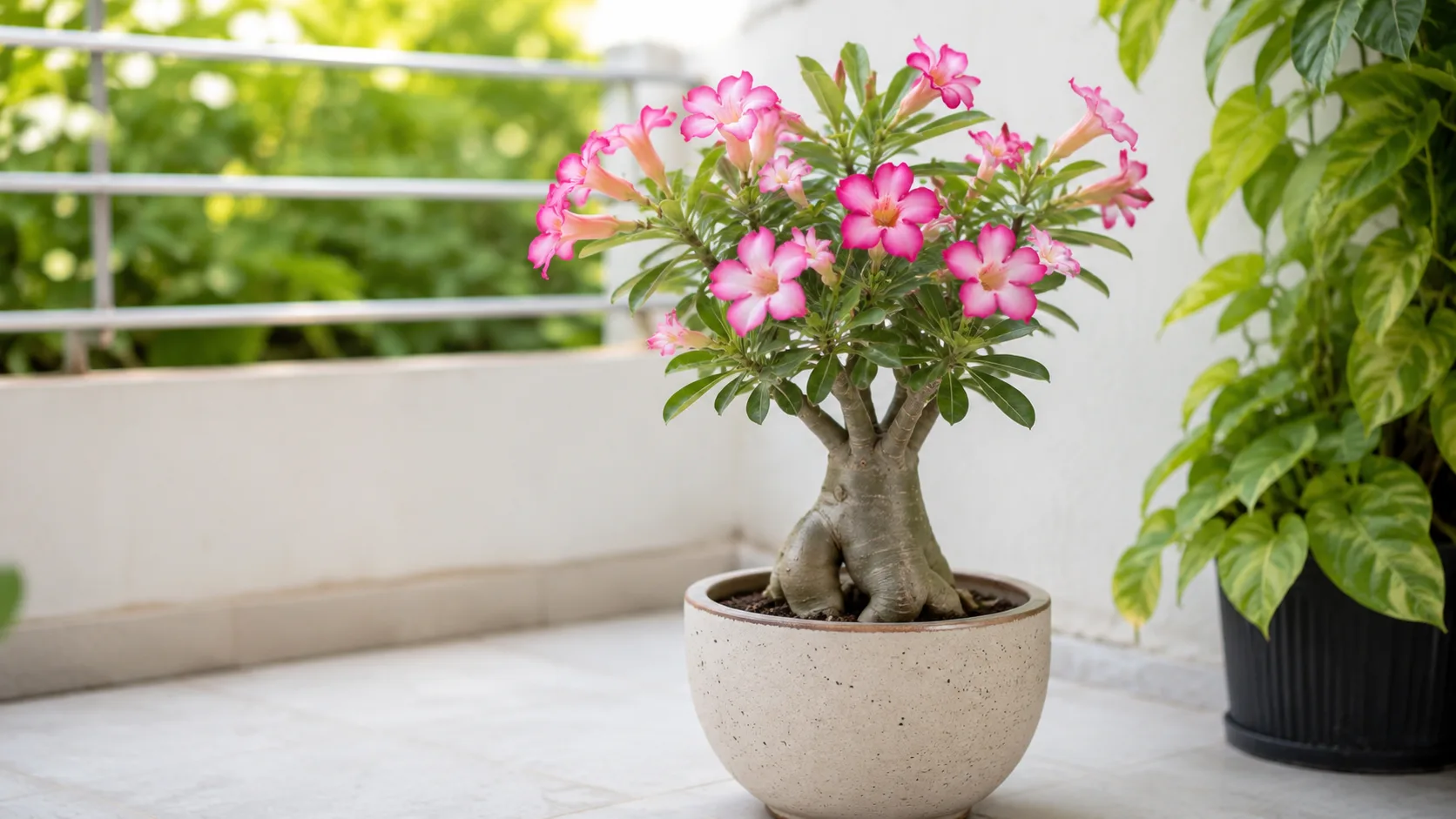
Adenium
Likely causeFailure to bloom when light is below ~6 hours direct sun, dormancy watering is too high, or feed is too nitrogen-heavy.
Quick fixGive full direct sun, dry the soil between waterings, and use low-nitrogen bloom fertilizer in warm months.
 Medium
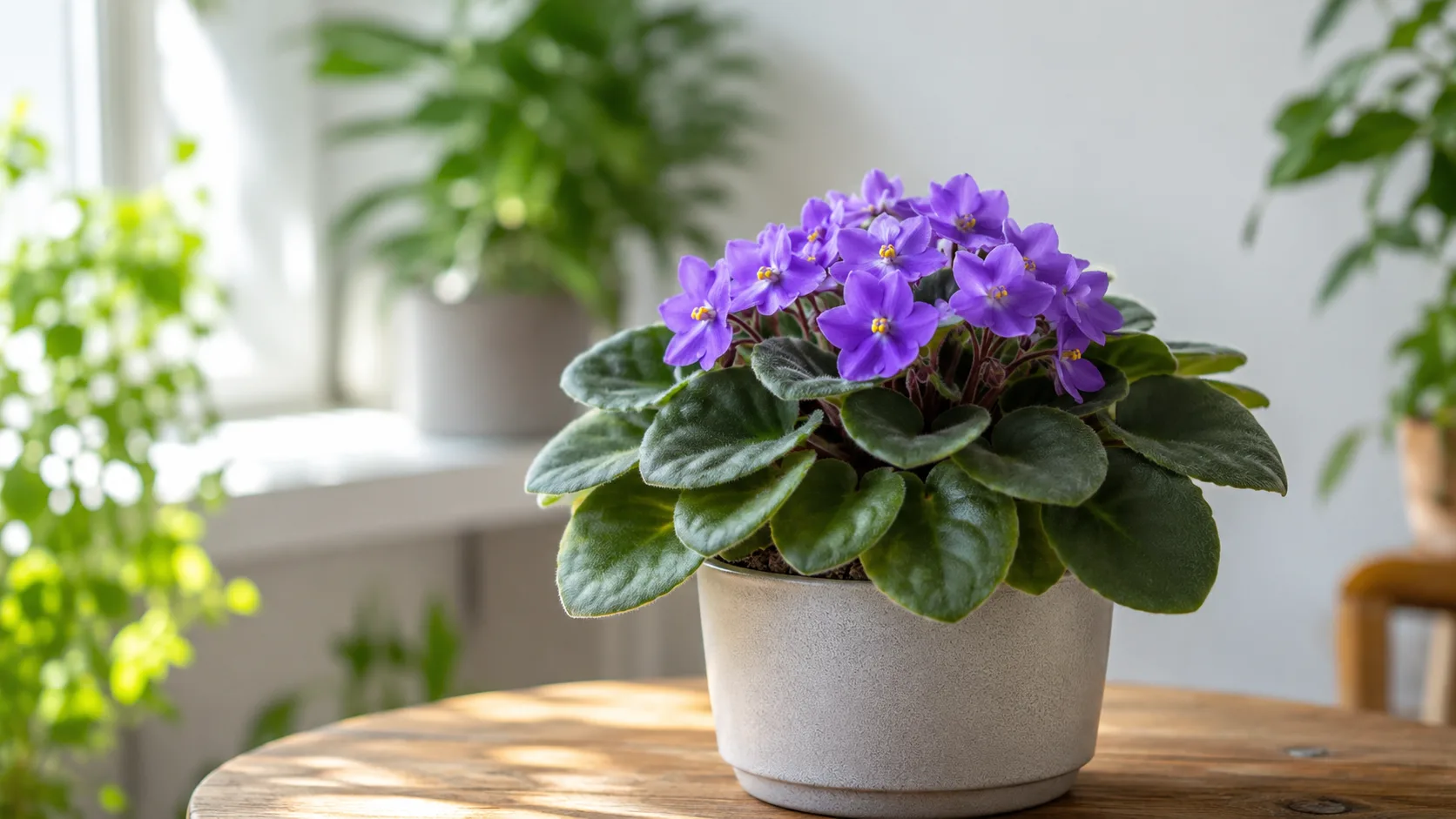
African Violet
Likely causeInsufficient light is the most common cause; also lack of phosphorus, overcrowding, or root-bound plant
Quick fixMove to brighter indirect light (north or east window); fertilize with African violet fertilizer; remove suckers
 Medium
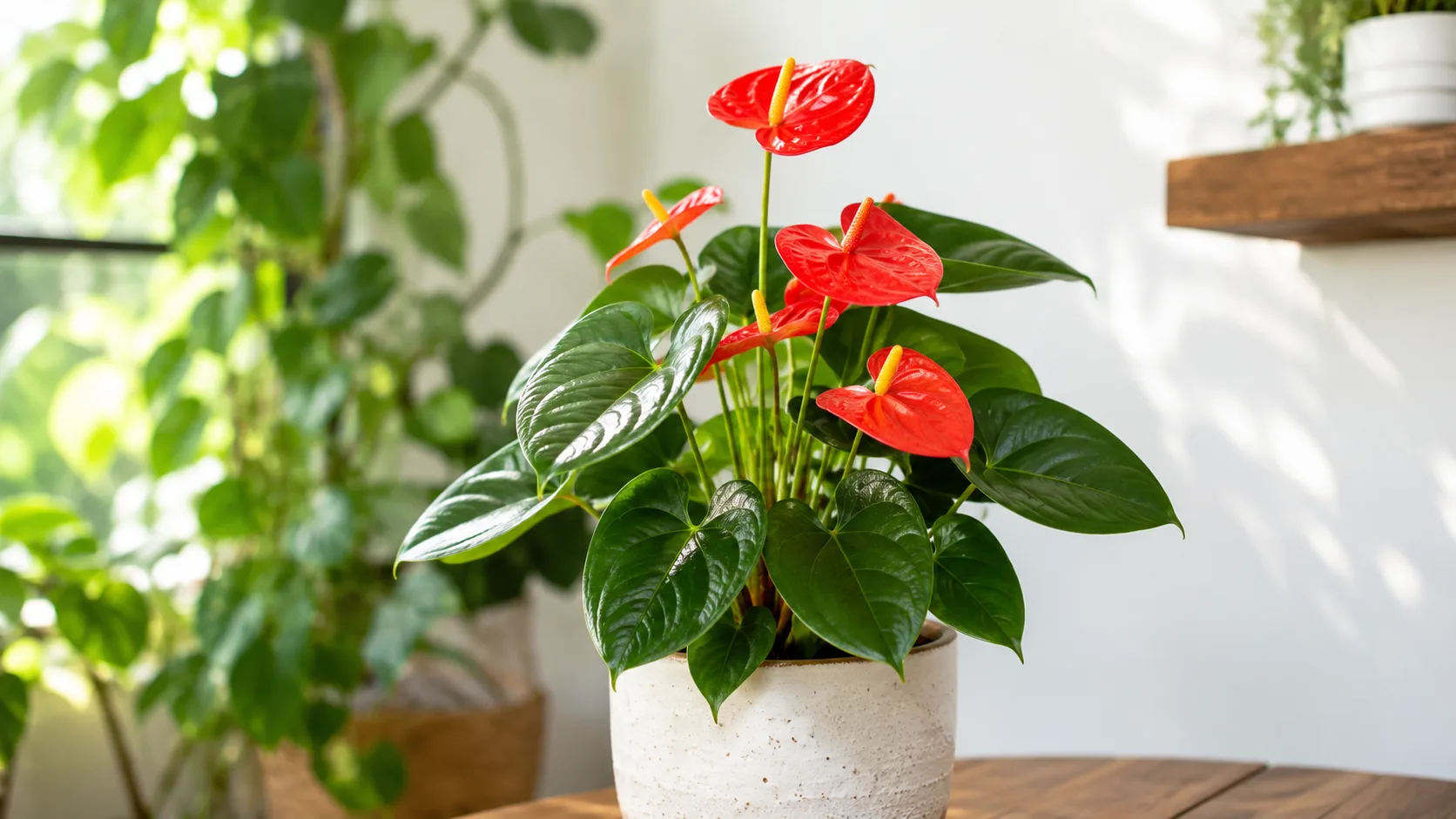
Anthurium
Likely causeInsufficient light or too little phosphorus; also caused by low humidity below 50%
Quick fixMove to brighter indirect light; apply a phosphorus-rich fertilizer; raise humidity
 Medium
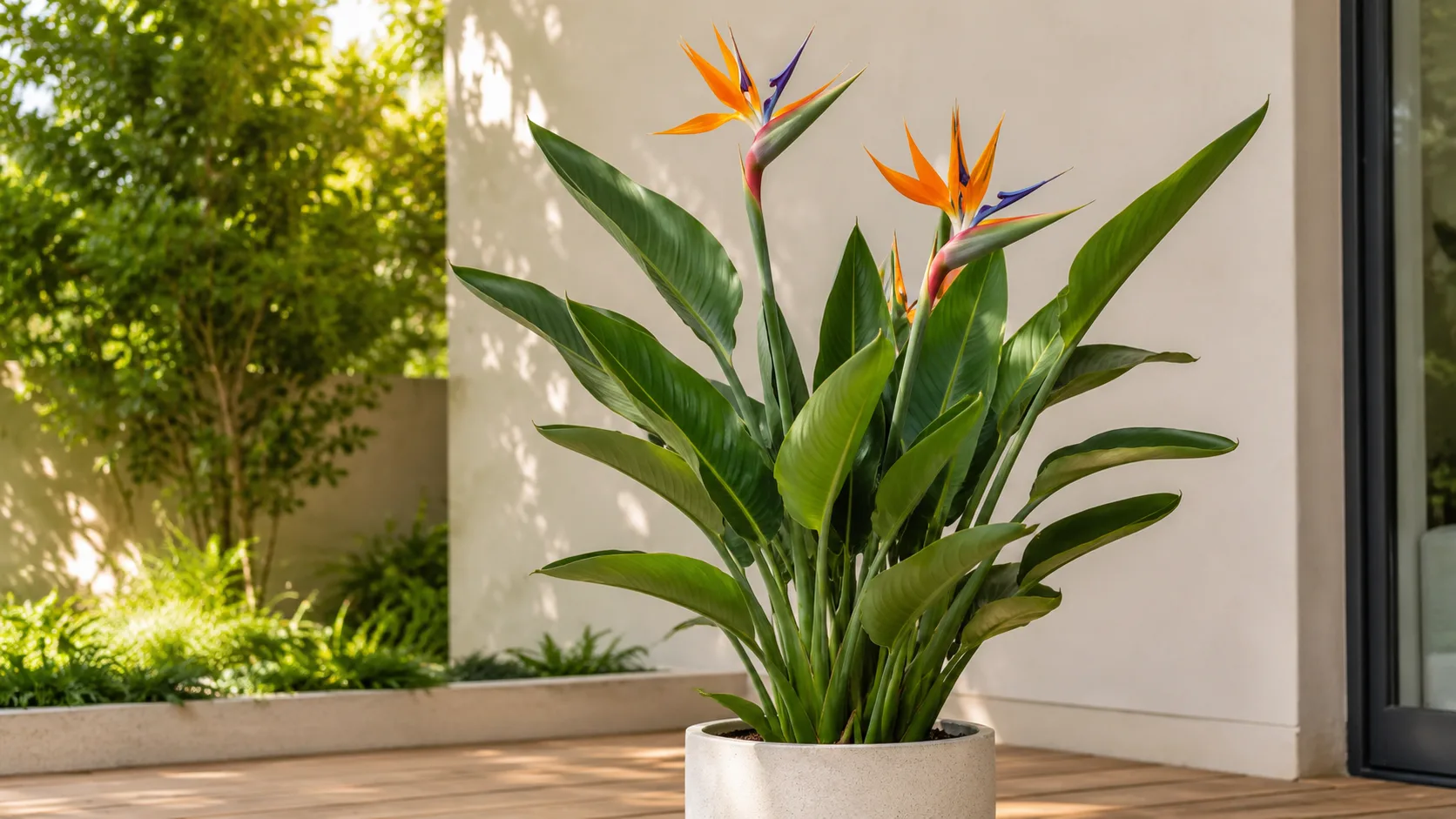
Bird of Paradise
Likely causeInsufficient light or a pot too large for the root system - bird of paradise flowers best when slightly root-bound.
Quick fixMove to the brightest available indoor position. Ensure the pot is not much larger than the root ball.
 Medium
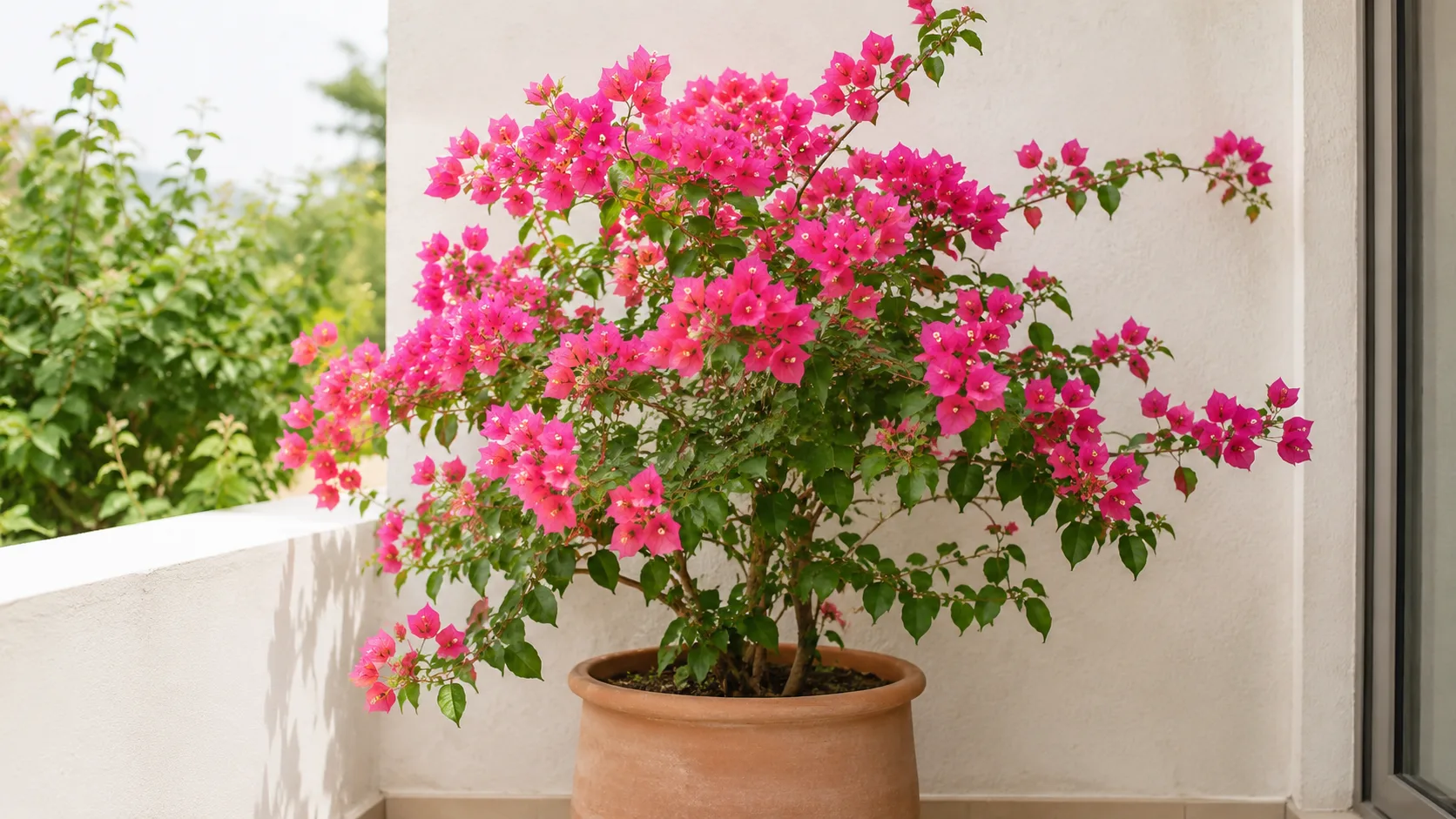
Bougainvillea
Likely causeInsufficient sunlight (below 6 hours direct) or over-watering preventing drought stress that triggers flowering.
Quick fixMaximum sun position. Allow top 5 cm to dry thoroughly before watering. Apply high-potassium fertiliser.
 Medium
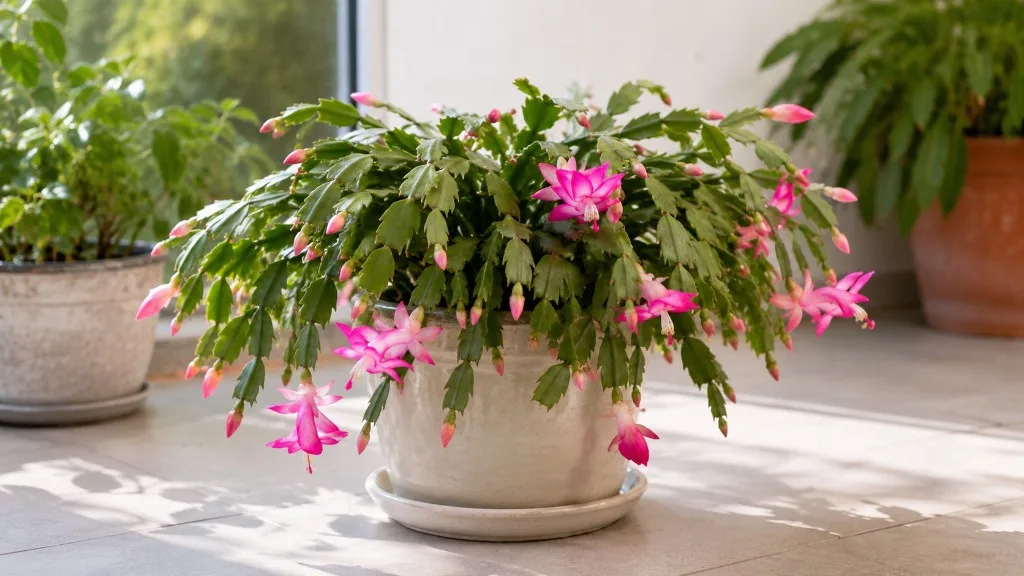
Christmas Cactus
Likely causeInsufficient cool dark period in autumn - plant needs 6 weeks of 10–13°C nights and 14+ hours of uninterrupted darkness to trigger bud formation.
Quick fixCool windowsill away from artificial light at night starting September. 10–13°C nights, 14+ hours dark. Six weeks minimum.
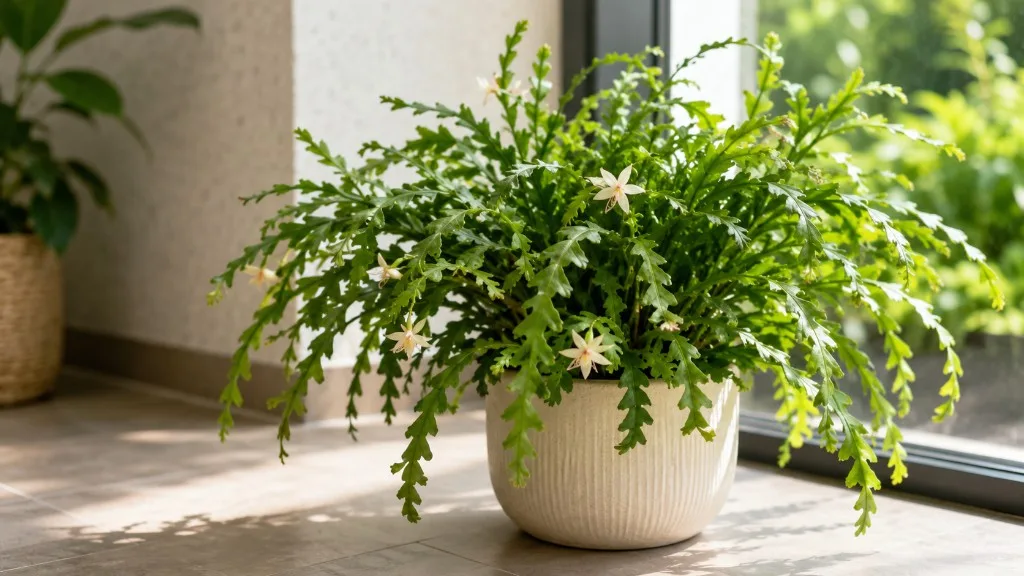 Medium
Fishbone Cactus
Likely causeNo flowering is typically due to insufficient autumn drought and cold stress required to trigger bud initiation
Quick fixReduce watering in September–October; allow cool nights below 15°C for 4–6 weeks
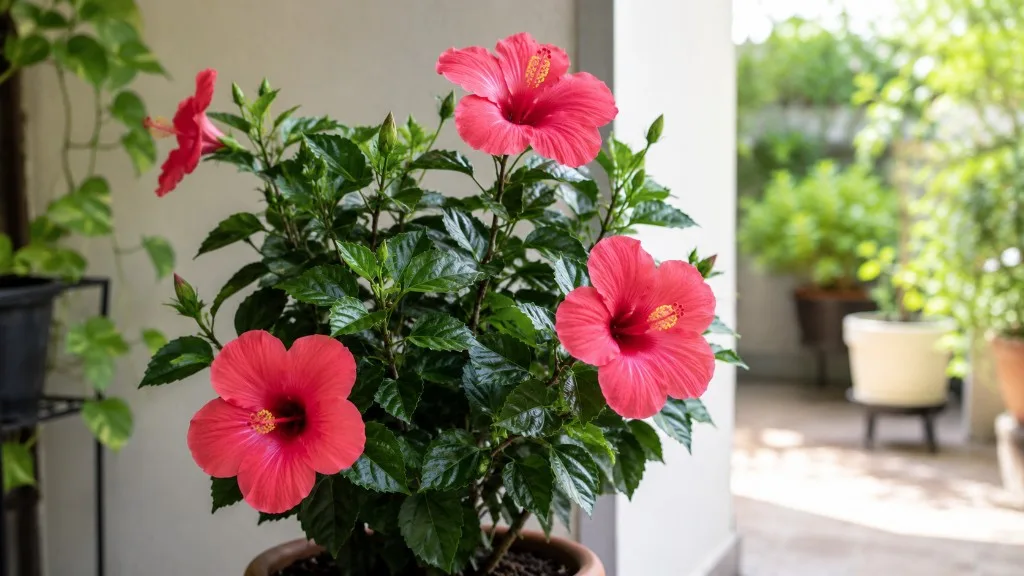 Medium
Hibiscus
Likely causeCommon on this plant type; confirm with recent watering, light, and root checks.
Quick fixInspect the plant and correct the most likely care stressor before stacking treatments.
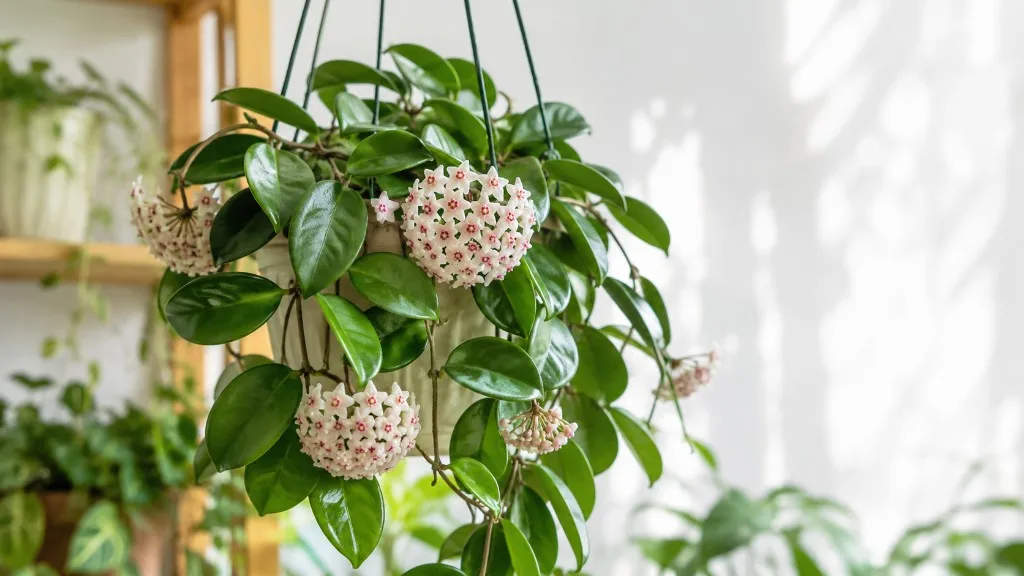 Medium
Hoya
Likely causeHoyas don't bloom without sufficient light and a seasonal cool/dry rest. Removing peduncles eliminates future bloom sites.
Quick fixIncrease light; allow cool dry winter rest; never cut peduncles
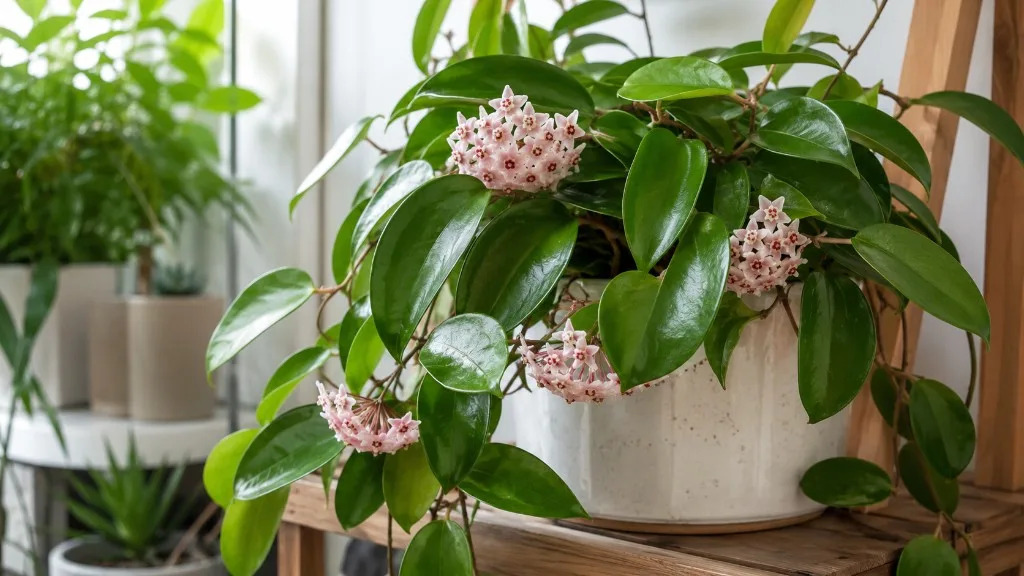 Medium
Hoya Carnosa
Likely causeInsufficient light or removed peduncles prevent flowering in H. carnosa
Quick fixIncrease light; leave all peduncle stubs intact; allow seasonal cool/dry rest
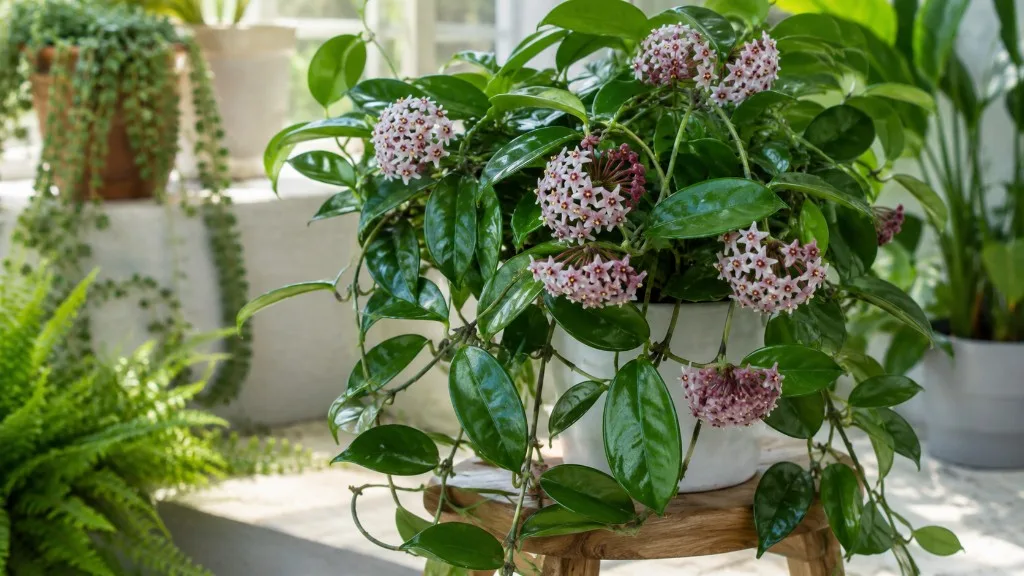 Medium
Hoya Pubicalyx
Likely causeH. pubicalyx is a reliable bloomer when given adequate light and seasonal rest - non-blooming indicates one of these is insufficient
Quick fixIncrease light; allow cool/dry winter rest; check peduncles are intact
 Medium
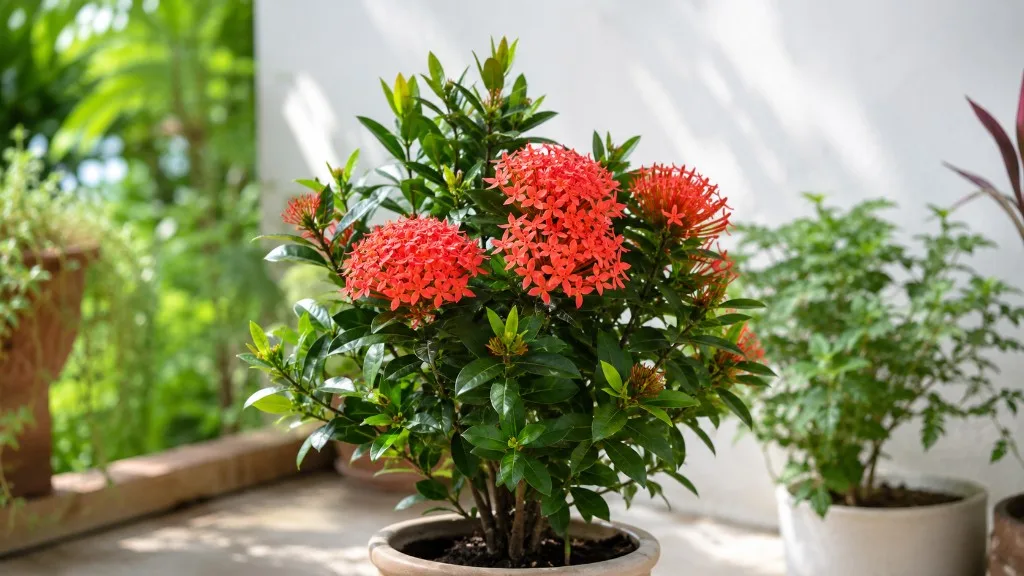
Ixora
Likely causeInsufficient light and incorrect pH prevent Ixora flowering
Quick fixMove to brighter position; correct soil pH to 5.0–6.0; prune in late winter