No Flowers on Bougainvillea: Causes, Checks & Fixes
Quick answer
When bougainvillea grows leaves but no colorful bracts, insufficient direct sun is the usual blocker-followed by too much water or high-nitrogen fertilizer keeping the plant in vegetative mode. First step: move the pot to the sunniest spot you have (six-plus hours of direct sun on the leaves) and verify the top 2–3 inches of soil dry between deep soaks.
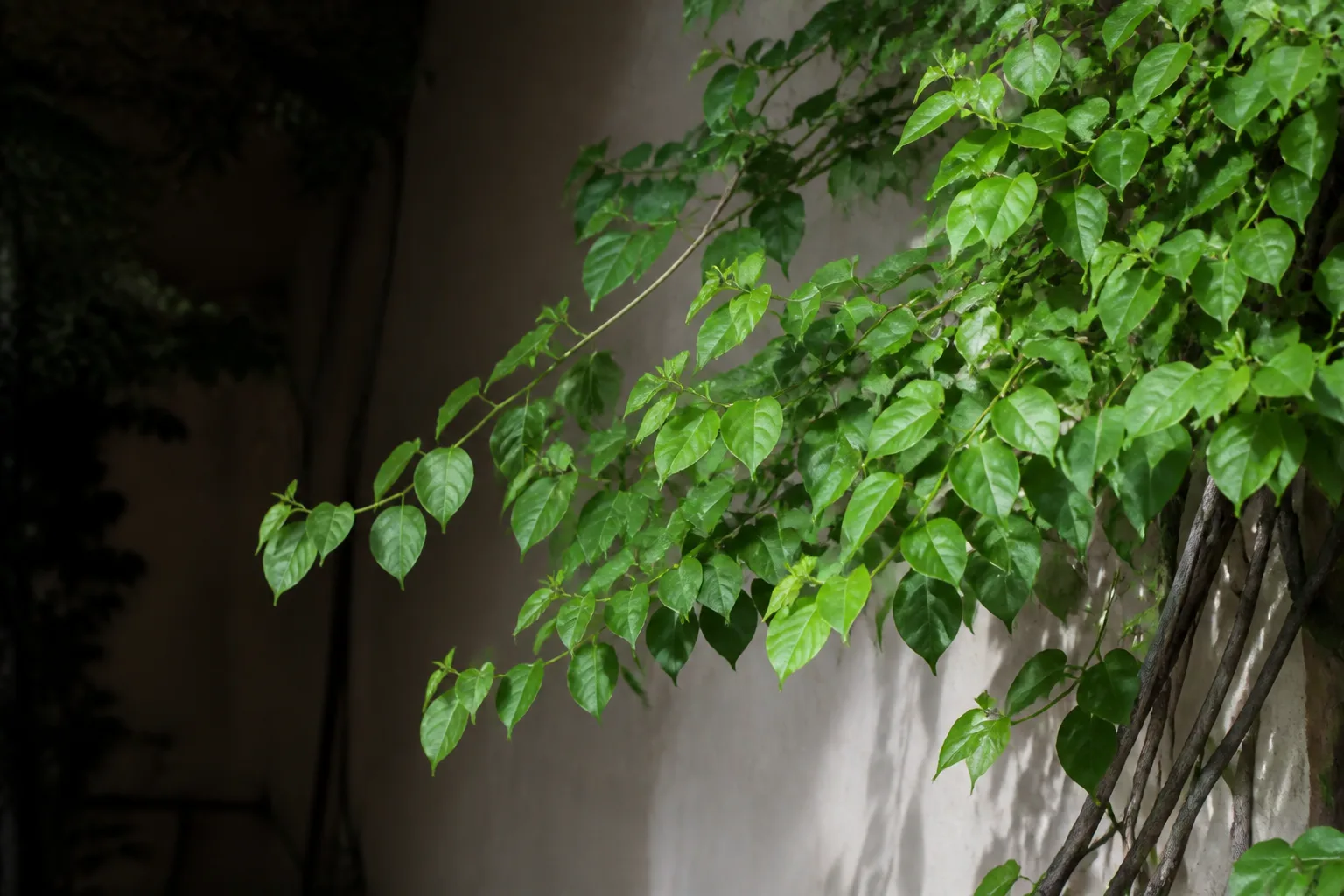
No Flowers on Bougainvillea: Causes, Checks & Fixes
This guide covers no flowers on Bougainvillea. See also the general No Flowers guide, watering, and light pages for this plant.
No Flowers on Bougainvillea: Causes, Checks & Fixes
Quick answer
A bougainvillea that stays green, thorny, and vigorous but never develops papery magenta, orange, red, or purple bracts is almost always being kept too comfortable-not too sick. This subtropical vine from South America evolved for full sun, fast drainage, and seasonal dry-down, and it often refuses to color up when it receives bright ambient patio shade, automatic irrigation every few days, or high-nitrogen fertilizer meant for lawns.
First step: move the plant to the sunniest placement available and confirm at least six hours of direct sun actually strikes the leaves each day. Outdoors, that means open sky against a south- or west-facing wall-not a spot that looks sunny at noon but falls into afternoon shade. Indoors, use your brightest south or west sill directly on the glass. Only after light is honest should you adjust watering and feeding. For the full sun threshold and window placement detail, see the bougainvillea light guide.
What “no flowers” means on Bougainvillea
Growers searching for “no flowers” on bougainvillea are usually missing bracts, not showy petals. The colorful display is made of modified leaves called bracts-papery, long-lasting structures in magenta, orange, red, purple, or white that surround tiny white tubular true flowers, much like poinsettia or dogwood. When people say their bougainvillea “won’t flower,” they mean no bract clusters on new shoots for weeks or months, while stems and green leaves keep growing.
That distinction matters for diagnosis. A plant with no bracts but healthy green foliage is alive and photosynthesizing-it has simply shifted energy into vegetative growth because light, water, or nitrogen favor leaves over reproduction. A plant with no new growth at all points toward root rot, severe cold, or chronic transplant stress rather than a simple bloom-blocker. Bracts form on relatively young shoots during the warm season; old woody stems without recent tip growth rarely color up until you prune to stimulate fresh wood.
Why Bougainvillea stops blooming
Bougainvillea ranks its bloom blockers predictably once you understand its biology. The plant flowers best under high light intensity, moderate warmth, controlled drought between soaks, and lean nitrogen nutrition-conditions that mimic its dry-season reproductive push in the wild.
Insufficient direct sun (most common)
UF/IFAS Gardening Solutions states plainly that sun is critical and that without direct sun, bougainvillea just won’t flower-it may survive and push leaves, but bract initiation fails. The UC Master Gardener Program of Contra Costa County defines full sun as at least six hours per day and notes that shaded placements are a primary reason five-year-old vines never bloom. A partially shaded patio, a container three feet from a window, or afternoon shade from a tree canopy often delivers bright indirect light that looks adequate to human eyes but is insufficient for bract production.
Too much water and comfortable roots
Bougainvillea is drought-tolerant once established and performs better when soil is left a little dry. Consistent moisture-especially from automatic sprinklers, daily saucer water, or a pothos-style watering calendar-keeps the plant in vegetative mode: abundant green leaves, no color. UF/IFAS Extension Charlotte County advises keeping bougainvillea on the dry side to encourage plentiful blooms and healthy roots. University of Hawaii cooperative extension research notes that drought stress can stimulate flowering even under long days, though excessive drying causes leaf drop and dormancy.
Excess nitrogen fertilizer
Too much nitrogen encourages leaves instead of blooms. Clemson HGIC recommends fertilizing at half the labeled rate with a general-purpose formula and warns that high nitrogen pushes vegetative growth. The UC Master Gardener help desk specifically flags fertilizer whose first NPK number is too high as a cause of vibrant green flush with no flowers. Lawn fertilizer, full-strength 10-10-10, or feeding on a lush-houseplant schedule are common culprits near patio containers.
Oversized pot or recent repot disturbance
Bougainvillea often blooms better when slightly root-constrained in a container-the root ball fills the pot and soil dries faster, reinforcing the drought rhythm that triggers bracts. Repotting into a much larger container or disturbing roots sends energy into root establishment for weeks or months, pausing bloom. Fresh potting mix that stays wet longer than the old root-bound environment has the same vegetative effect as overwatering.
Wrong pruning timing or hedge shearing
Bougainvillea flowers on the current season’s growth. Hard pruning late in summer can remove wood that would have bloomed the following cycle. Repeated hedge shearing clips soft tips before bracts form. Light post-flush shortening after bracts fade encourages the next color cycle; scalping the plant mid-season often yields thorny green walls with no display.
Shade combined with other stressors
A bougainvillea planted in shade resists blooming and may never perform regardless of fertilizer trials. Shade plus wet soil is worse than either alone. Cool winter rooms below about 50°F (10°C) with short days add a seasonal pause even when summer culture was correct.
What no blooms look like on Bougainvillea
On a flowerless but otherwise healthy bougainvillea, expect:
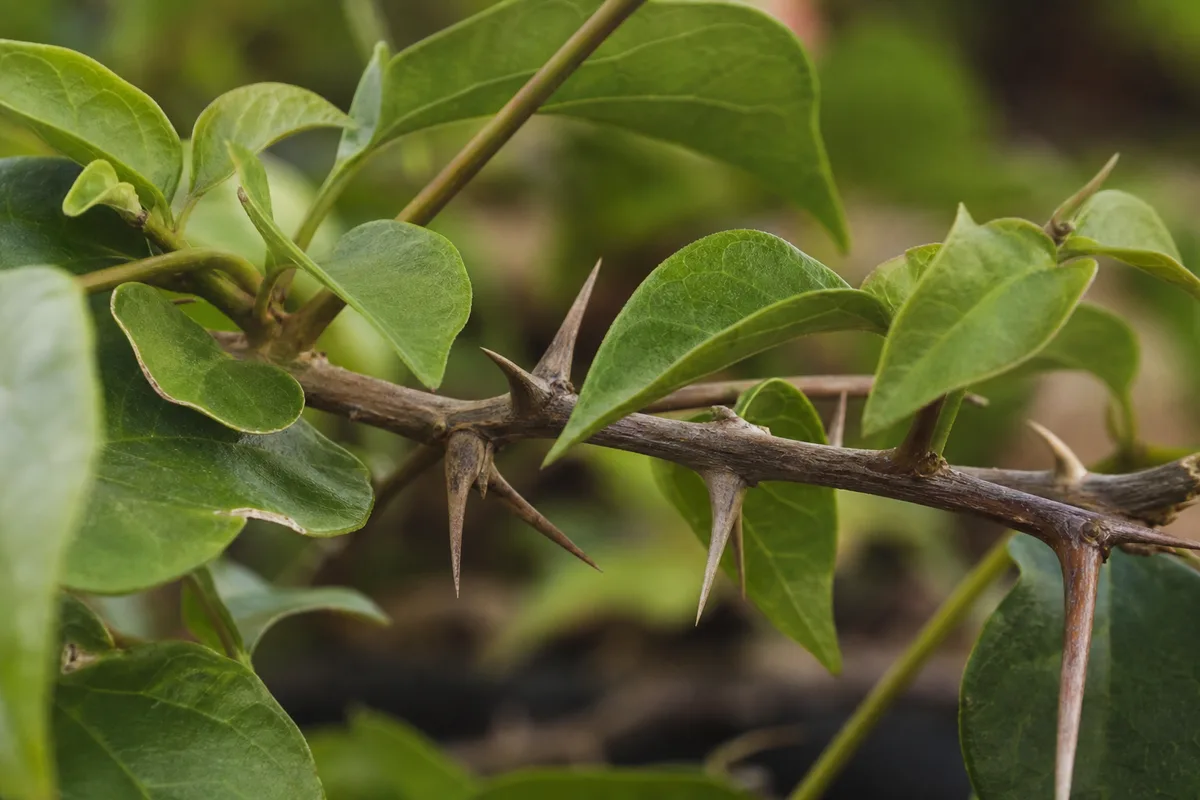
No Flowers symptoms on Bougainvillea - compare with healthy tissue on the same plant.
- Lush green or dark green leaves on thorny stems with no papery bracts anywhere on the plant for many weeks
- Long internodes-wide gaps between leaf pairs-especially on shoots reaching toward the brightest available light
- Vigorous thorny extension growth at stem tips while the interior stays green without color
- Persistent leaning toward a window, fence opening, or gap in tree shade
- Soil that stays damp several days after watering, or a permanently wet saucer
- No recent bract flush even through a full warm growing season outdoors
This is different from bud drop, where bracts or buds form then abort, and from small or faded bracts, where color appears but looks weak. It is also different from leggy growth in dim light, which overlaps heavily-see leggy growth on bougainvillea when stretching is the primary complaint.
A patio specimen in afternoon shade often shows perfectly healthy green vines trailing from a decorative pot with zero color from April through October. An overwatered container may look equally green while the mix smells slightly sour and yellow leaves begin appearing at the base-overlap with overwatering and root rot if roots stay wet.
Bloom blocker checklist
| Blocker | What you may see | Quick confirm | First action |
|---|---|---|---|
| Insufficient direct sun | Long stems, wide internodes, lean toward light, zero bracts | Count hours direct sun hits leaves; spot sunny at noon but shaded by 3 p.m. fails | Move to six-plus hours direct sun; acclimate 7–14 days if from deep shade |
| Too much water | Green growth, damp mix days after watering, wet saucer | Top 2–3 in still cool/wet 4+ days after soak; on automatic irrigation | Disconnect sprinklers; water when top 2–3 in dry; see watering guide |
| High nitrogen feed | Deep green leaves, fast thorny shoots, no bracts | First NPK number high; lawn fertilizer nearby; feed every week at full strength | Pause feed 4–6 weeks; switch to low-N bloom formula at half strength; fertilizer guide |
| Oversized pot / fresh repot | Healthy leaves, no bracts for months after repot | Pot much larger than root ball; plant moved or repotted within last season | Hold repot; let roots fill container; improve dry-down before next upsize |
| Wrong pruning | Green thorny shell, no tips coloring; sheared hedge shape | Hard cut in late summer; tips clipped repeatedly | Prune after bract flush fades; shorten spent shoots by one-third; pruning guide |
| Recent move / transplant shock | Leaf drop or stall after relocation; no new bracts | Moved indoors/outdoors or transplanted within 4–8 weeks | Stabilize light and water; avoid stacking repot, feed, and hard prune |
How to confirm the cause
Work through these checks in order. Stop when one clearly explains months of green growth without bracts.
-
Direct-sun audit - Track whether unfiltered sun hits the leaves for at least six hours on a typical warm-season day. Use your phone’s compass and watch the spot at 9 a.m., noon, 3 p.m., and 6 p.m. Partial shade that “looks bright” fails this test. Compare to not enough light on bougainvillea if internodes are very long.
-
Soil dry-down check - Press into the top 2–3 inches (5–7 cm). If it stays cool and damp four or more days after your last deep soak, overwatering is contributing. Lift the pot; a heavy pot with a dry surface still means wet roots inside-especially in oversized containers.
-
Fertilizer history - Review every product applied in the last six months. High first-number NPK, lawn feed overspray, or weekly full-strength all-purpose formulas fit the green but flowerless pattern. Bloom boosters cannot replace missing sun.
-
Pot size vs. root mass - Slide the plant partway out (or check drainage holes). A small root ball swimming in a large pot keeps mix wet and delays bloom. Conversely, a tight root-bound plant in full sun often blooms better than a freshly repotted vine.
-
Pruning timeline - Note whether hard cuts, hedge shearing, or late-summer thinning removed soft growing tips in the last three months. Blooms need current-season wood.
-
Recent moves - Indoor/outdoor transitions, repotting, and relocation suppress bracts temporarily even when culture is otherwise correct. Allow four to eight weeks of stability before judging failure.
-
Season and temperature - Short winter days and cool rooms below 50°F (10°C) naturally pause bracts. Do not diagnose a permanent bloom failure from a December indoor specimen.
First fix for Bougainvillea
Move the plant to a placement that receives at least six hours of direct sun on the leaves each day-or as close to that threshold as your site allows.
Outdoors, choose the warmest, sunniest wall or fence with open sky exposure. Indoors, place the pot on the brightest south or west sill, not across the room. If the plant lived in deep shade, acclimate over 7–14 days-morning sun first, then longer direct exposure-to avoid scorching unacclimated leaves while still increasing total photons.
Do not repot, fertilize, or hard-prune on the same day you fix light. Those stack stresses and delay the first bract flush. Once sun is corrected, address watering second: let the top 2–3 inches dry between deep soaks and empty saucers. Address nitrogen third: pause feeding if you have been using high-N products; resume with a low-nitrogen bloom formula at half strength only after new firm growth appears in corrected light.
Recovery timeline by confirmed cause
| Confirmed cause | What improvement looks like | Typical timeline |
|---|---|---|
| Light increase (moderate shade → full sun) | Shorter internodes on new shoots; first bract clusters on fresh tips | 4–8 weeks in warm active growth |
| Overwatering corrected | Mix dries predictably; new tips stay firm; bracts on new wood | 3–6 weeks after dry-down rhythm stabilizes |
| Nitrogen reduced | Less rank shoot extension; color on new growth after light is adequate | 4–8 weeks; fertilizer alone is slow without sun |
| Post-repot / transplant | New stable shoots without further leaf drop | 6–12 weeks before first serious flush |
| Winter indoor pause | Foliage maintenance only until spring light returns | Next warm-season flush outdoors or in bright conservatory |
Old bare stems without live growing tips will not retroactively sprout bracts. Judge recovery by new wood near pruned nodes or shoot tips. If nothing colors after eight weeks of verified six-plus hour sun and corrected watering through late spring or summer, reassess whether the site can ever deliver enough intensity-some shaded yards need a different plant in that spot, as UF/IFAS Nassau County notes for deeply shaded plantings.
Lookalike symptoms and causes to rule out
“No flowers” overlaps with several neighboring problems:
- Not enough light - Primary overlap when long internodes and lean accompany zero bracts; fix light first on both pages.
- Leggy growth - Stretching toward light without color; same root cause, different search wording.
- Bud drop - Bracts or buds formed then fell; your plant never initiated color.
- Small flowers or faded flowers - Weak bract display, not total absence.
- Overwatering / root rot - Yellow leaves, sour soil, wilting on wet mix; bloom failure plus decline.
- Yellow leaves - Nutrient, water, or cold stress; may coincide with no bloom but needs separate root checks.
What not to do
Do not place bougainvillea in bright indirect light or a north-facing room expecting bracts-the plant may stay green for years. Do not increase watering hoping stress will “wake up” the plant; wet soil suppresses blooms. Do not apply high-nitrogen fertilizer or bloom booster at full strength before fixing sun and dry-down; you will get more leaves, not more color.
Do not repot into a much larger container to force flowering-oversized pots delay bracts and keep soil wet. Do not shear the plant like a hedge during peak growth; you remove the soft wood that carries bracts. Do not move from deep shade to unfiltered midday sun in one day without acclimation-sun stress stalls growth and mimics failure.
Avoid leaving the pot in a standing water saucer or on an automatic irrigation zone shared with thirstier plants. UC Master Gardener advice specifically warns against saucers and waterlogged roots for bloom failure.
How to prevent repeat bloom failure
Treat full sun plus controlled drought as the default culture, not an optional upgrade. Six-plus hours of direct sun on the canopy, dry-down between deep soaks per the bougainvillea watering guide, and low-nitrogen feeding at half strength during active growth per the fertilizer guide prevent most repeat failures.
Prune spent shoots after each bract flush rather than letting bare wood accumulate-light tip work on bloomed stems encourages the next cycle per bougainvillea pruning guidance. Keep containers only slightly larger than the root ball unless roots truly circle and stall growth. Rotate outdoor pots or indoor sills weekly so growth does not lean permanently into one sun path.
Disconnect bougainvillea from timer irrigation unless you can verify the mix dries between cycles. In frost-free climates, the heaviest outdoor displays often follow winter rest and increasing spring light-plan patience through short days rather than forcing indoor winter color.
When to worry
Escalate beyond standard bloom troubleshooting if:
- Yellowing leaves, sour soil, and wilting on wet mix persist alongside no bracts-inspect roots for rot before chasing bloom products.
- No new growth at all for eight or more weeks in warm sun with appropriate watering suggests root failure, severe cold damage, or chronic transplant shock.
- Every shoot remains bare after a full growing season with verified six-plus hour sun, corrected dry-down, and low-N feeding-your site may be too shaded for bougainvillea long term; consider relocating or replacing with a shade-tolerant bloomer.
- Mass leaf drop after drought stress means you dried too far; rehydrate once and resume a gentler dry-down cycle.
Chronic green growth without bracts is frustrating but rarely fatal on its own. Sudden decline with wet roots is urgent.
Related Bougainvillea guides
| Topic | Guide |
|---|---|
| Sun hours, windows, grow lights, acclimation | Bougainvillea light needs |
| Dry-down rhythm and drought-stress bloom trigger | Bougainvillea watering |
| Low-N bloom formulas and nitrogen mistakes | Bougainvillea fertilizer |
| Post-flush pruning and bloom-on-new-wood timing | Bougainvillea pruning |
| Primary overlap: shade and stretching | Not enough light |
| Bracts form then abort | Bud drop |
Conclusion
No flowers on bougainvillea almost always means no bracts on new wood because the plant is growing in too much comfort-shade, steady moisture, or nitrogen-heavy feeding-not because it needs more coddling. Confirm what you are actually missing (papery bracts, not large petals), rank sun and water before fertilizer, and move to six-plus hours of direct sun as the first fix. Let soil dry between deep soaks, feed lean during active growth, and prune after flushes fade. Judge recovery on new shoots coloring up, not old bare stems. If light cannot reach the threshold your vine needs, even perfect watering will not produce the display this genus is grown for.