Faded Flowers on Lavender: Causes, Checks & Fixes
Quick answer
Faded lavender flowers are often normal post-peak color as blooms age to grey-brown, but early dull washed-out wands in shade or heat stress mean culture needs fixing. Harvest or deadhead spent spikes, ensure full sun, and avoid overwatering during bloom.
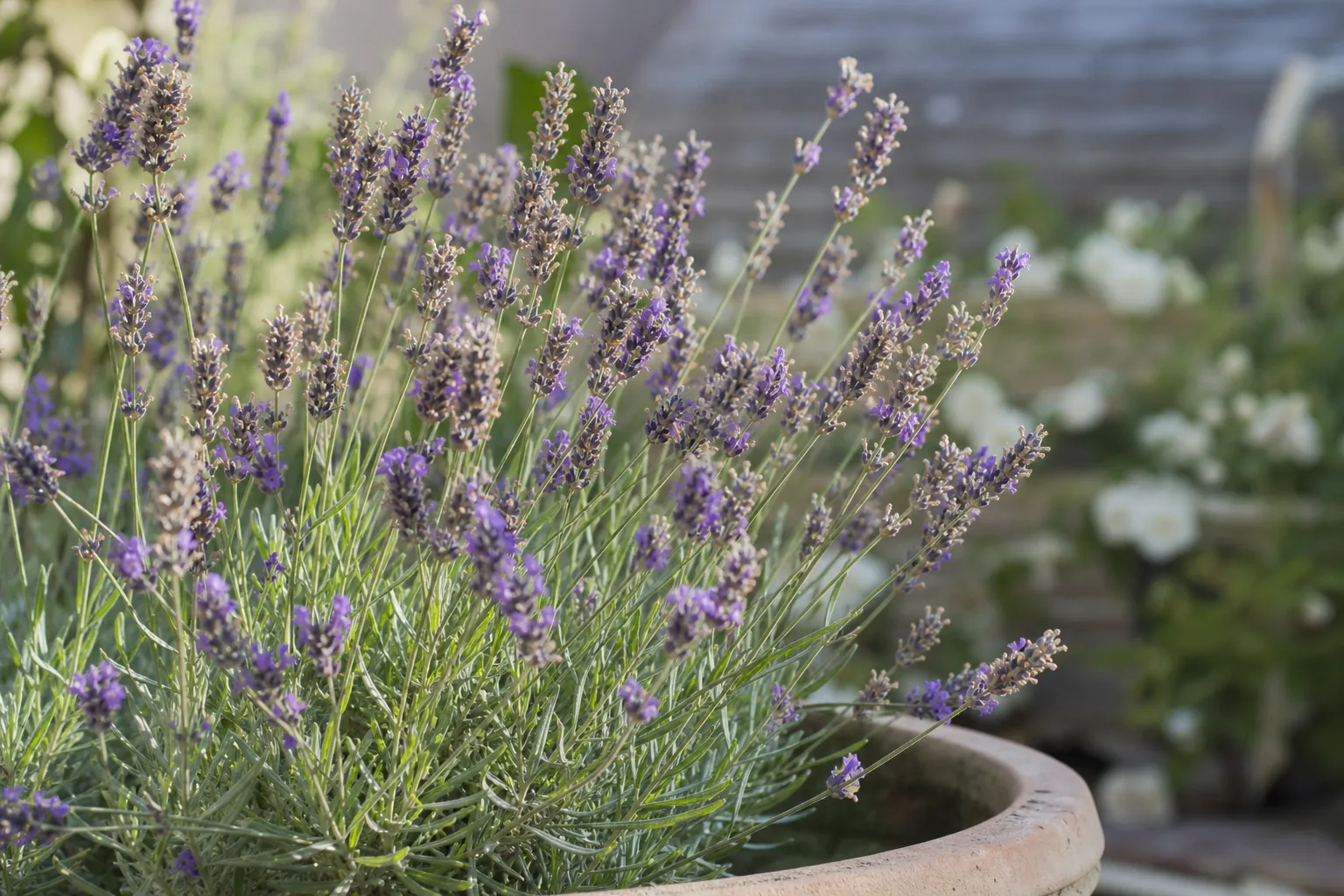
Faded Flowers on Lavender: Causes, Checks & Fixes
This guide covers faded flowers on Lavender. See also the general Faded Flowers guide, watering, and light pages for this plant.
Faded Flowers on Lavender: Causes, Checks & Fixes
Quick answer
Faded flowers on Lavender are usually normal bloom aging-open spikes shift from vivid purple-blue to silvery grey-brown as seeds mature. Premature washed-out or bleached wands point to shade, heat stress, or excess nitrogen. First step: confirm bloom stage, deadhead spent wands at the base of the flower stem, and align Lavender light guide with dry-down watering.
What faded flowers look like on Lavender
Healthy aging: individual florets on a wand lose blue pigment top-down, turning grey-tan while needles stay silver-green. Stems remain firm; fragrance may lessen as bloom completes.
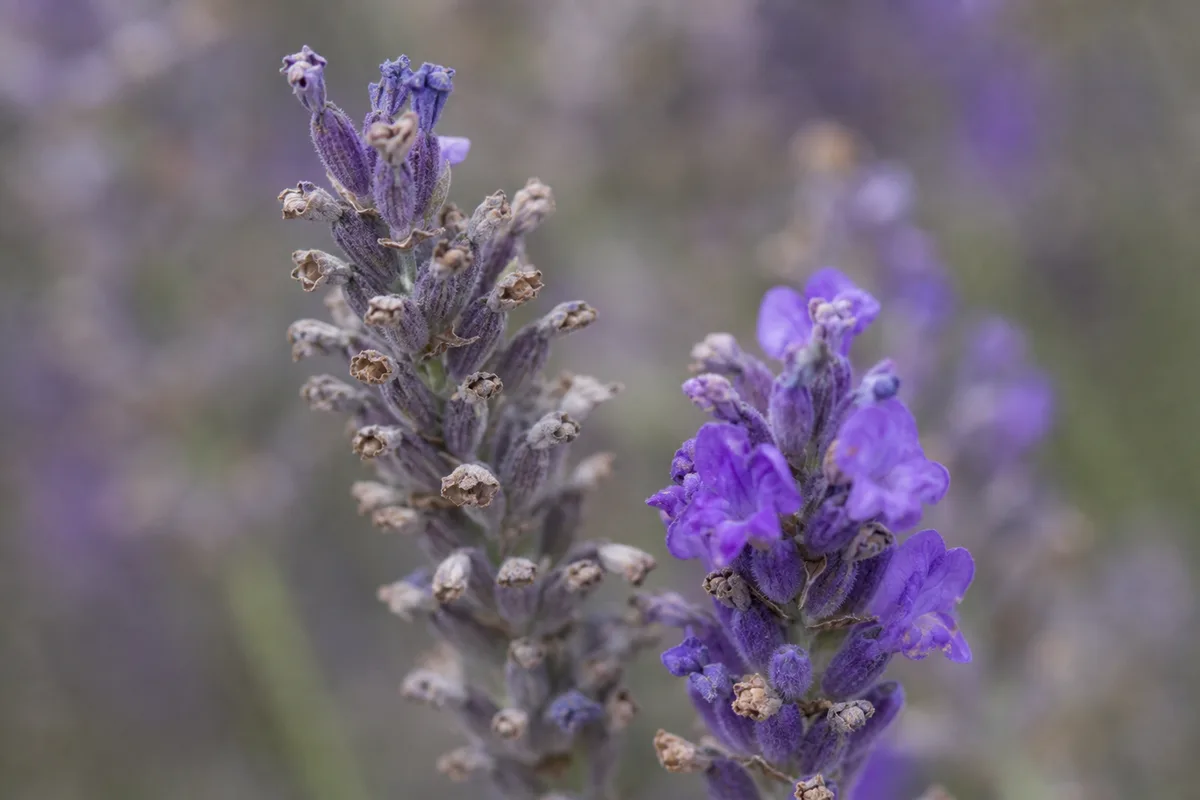
Faded Flowers symptoms on Lavender - compare with healthy tissue on the same plant.
Abnormal: buds stay pale lilac or white-washed never reaching deep color on leggy shaded plants. Heat-bleached open flowers look scorched tan during extreme sun after cloudy growth. Grey fuzzy mold on wet spent blooms in humid rain is botrytis-not harmless fade.
Why Lavender flowers fade
Natural senescence after peak bloom is expected-lavender is grown for harvest timing as much as garden color. Full sun with dry to medium, well-drained soil produces the deepest flower color; shade washes pigment and shortens bloom intensity.
Heavy nitrogen feeds soft growth with paler, weaker wands. Heat above typical Mediterranean comfort bleaches open florets. Overwatering during bloom can accelerate grey mold on dense wet flower heads in monsoon humidity.
How to confirm the cause
- Bloom stage - Fully open vs. bud never coloring?
- Light - Six or more hours direct sun on wands?
- Weather - Heat spike or humid rainy spell during bloom?
- Stem firmness - Firm wood vs. mushy rot at base?
- Mold presence - Fuzzy grey on wet spent flowers?
- Plant vigor - Leggy etiolated vs. compact silver mound?
First fix for Lavender
Deadhead spent wands by cutting just below the flower stem on firm wood, move to maximum sun if shaded, and hold steady dry-down watering-do not flood during bloom.
Harvest at peak color if you dry bundles-earlier cut preserves pigment better than waiting for natural fade. Remove moldy heads promptly in humid weather; improve airflow between pots.
Step-by-step recovery
- Identify normal spent wands vs. diseased mushy ones.
- Prune flower stems to first set of healthy leaves below wand.
- Relocate pot to sunniest spot if bloom was pale from shade.
- Skip nitrogen fertilizer through remainder of season-lavender prefers lean soil.
- Watch for secondary bud push on side shoots within three to four weeks.
- Space pots for airflow if monsoon mold appeared on blooms.
Recovery timeline
Deadheading triggers secondary buds on many English lavender cultivars within two to four weeks in full sun. Normal single-flush varieties finish until next spring-fade is expected, not failure. Mold removal shows clean new wands on next cycle if humidity drops.
Causes to rule out
- Bud drop - Buds fall before open; different from open flower fade.
- Blight - Branch wilt with stem discoloration, not flower color alone.
- Frost on buds - Blackened unopened buds after cold.
- Normal seed ripening - Tan wands with firm stems-harvest or deadhead choice.
English vs French lavender bloom fade
English lavender (Lavandula angustifolia) produces one strong flush, then often a lighter second wave if deadheaded promptly in full sun with well-drained soil. Faded wands on English types are usually normal end-of-cycle aging or a prompt to harvest before seeds set.
French and Spanish lavenders (Lavandula stoechas, L. dentata) bloom longer through warm months but fade faster in heat above 35°C. Their bunny-ear bracts brown from the tips first—a different look from English wand fade. Lavender species differ in hardiness and bloom habit; know your species before deciding whether fade is cosmetic or a culture problem.
Harvest timing and drying
If you grow lavender for bundles or sachets, cut wands when roughly one-third to one-half of florets are open and color is deepest—waiting for full open bloom means more fade before you hang them to dry. Cut in morning after dew dries for best fragrance retention.
Faded flowers left on the plant set seed and stop producing side shoots on many cultivars. Deadheading within a week of peak color keeps the mound compact and encourages the secondary flush English types are known for.
What not to do
Do not heavy-feed hoping to “re-color” spent blooms. Do not overhead soak flower wands in humid weather. Do not confuse grey mold with harmless tan aging-remove moldy tissue. Wear gloves when handling harvest cuts; lavender is toxic to cats and dogs.
How to prevent premature fade next time
Peak color needs full sun and well-drained lean soil. Harvest or deadhead at peak. Avoid shade balconies for bloom-focused pots. Monsoon: reduce watering when rain wets mix; pick flowers before extended wet spells if mold is recurring.
Lavender care cross-check
Faded open flowers are often success finishing a cycle-not a crisis. Pale never-colored buds mean fix sun and lean culture before next spring bud set.
When to worry
Grey mold spreading from spent blooms to living stems in wet weather needs pruning and airflow fixes. Crown softness with brown wands is rot-not fade.
Conclusion
Faded lavender flowers usually mean natural bloom aging or harvest timing-deadhead, sun, and lean watering support rebloom. Washed-out never-deepening buds signal shade or excess nitrogen. Tell normal tan wands from moldy or rotting stems before treating.
When to use this page vs other Lavender guides
- Lavender watering guide - Use for routine moisture checks before assuming faded flowers is the main issue.
- Lavender problems hub - Browse all 51 common issues on this species.