Lavender Watering: Schedule, Soil Checks & Mistakes
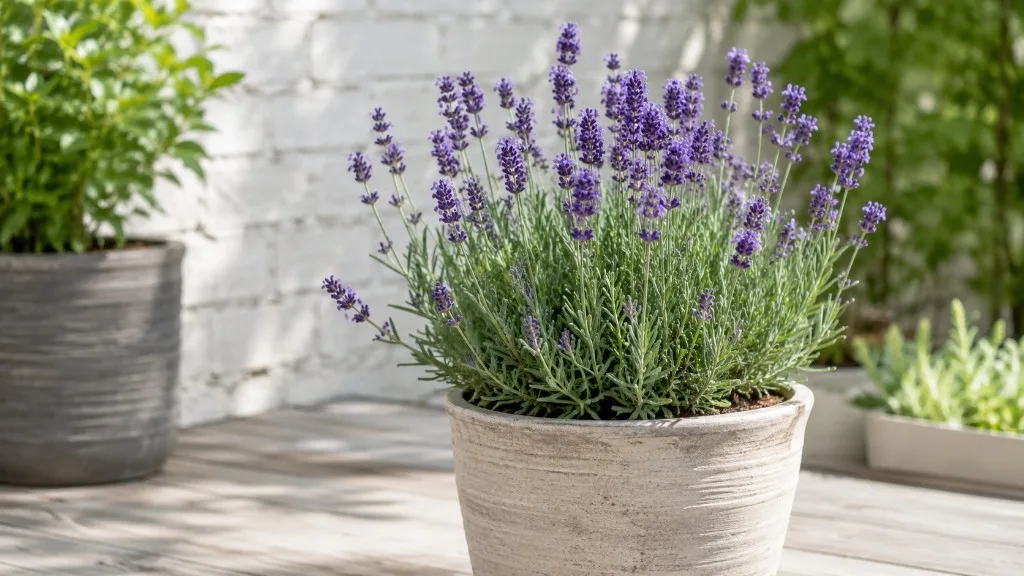
Lavender Watering: Schedule, Soil Checks & Mistakes
Lavender Watering: Schedule, Soil Checks & Mistakes
What Lavender Actually Needs From Water
Lavender (Lavandula angustifolia and its hybrids) is one of the most forgiving herbs you can grow - as long as you resist the urge to water it like a tropical houseplant. In its native Mediterranean range across Spain, southern France, and Italy, lavender evolved on dry, rocky slopes with blazing sun, sharp drainage, and long stretches between rain events. The plant stores moisture in its woody stems and silvery foliage, roots dive deep when they can, and the whole system is built around one principle: get a deep drink, then dry out completely before the next one.
That dry-down cycle is not a preference. It is the operating system. When soil stays wet around lavender roots, oxygen gets pushed out of the pore spaces, fine feeder roots suffocate, and fungal pathogens - including species associated with Phytophthora and Fusarium crown rot - move in fast. By the time you see wilting, yellow lower leaves, or a grey-brown stem base, damage is often well underway. The cruel twist is that overwatered lavender wilts while the soil is still damp, which sends many owners back to the watering can and makes the problem worse.
The core rule for every setup - balcony pot, herb garden bed, or windowsill container - is this: check the soil at root depth, water thoroughly when it is dry, then let it dry again before you repeat. Calendar schedules are starting points, not commands. A plant in Lavender light guide on a windy terrace dries its pot in five days; the same cultivar in a cool winter room may hold moisture for three weeks. Your job is to read the pot, not the clock.
Mediterranean Origins and Built-In Drought Tolerance
English lavender (Lavandula angustifolia) is the most widely grown type for home gardens and containers. Despite the name, it is not from England - it earned the label because it thrives in the cooler, well-drained conditions of English herb gardens while retaining its Mediterranean drought habits. Utah State University Extension notes that English lavender grows best in full sun and dry, sandy, well-drained soils, and that once established it rarely needs supplemental water except during extended drought.
That drought tolerance scales with age and root mass. A newly planted lavender has a small root system confined to a nursery pot or planting hole. It cannot yet reach deep moisture reserves and needs more frequent checks through its first growing season - roughly once or twice weekly in hot summer weather according to the Royal Horticultural Society (RHS), until roots expand and the plant can fend for itself. An established plant in free-draining ground may need no supplemental watering at all in a normal year, receiving enough from occasional rain. Container plants never reach that full independence because their root zone is limited, but they still follow the same dry-between logic - just on a shorter cycle.
Lavender also belongs to Lamiaceae, the mint family. That matters for watering because many Lamiaceae herbs share a pattern: they tolerate brief drought better than chronic wet feet, aromatic oils in the foliage reflect an adaptation to sunny, dry air, and most failures start underground before leaves tell the full story. Treat lavender like rosemary or sage in a watering plan, not like basil or coleus.
Why Letting Soil Dry Between Waterings Is Non-Negotiable
Let the soil dry out completely between waterings is the phrase you will see on every credible lavender guide, and it deserves literal interpretation at the root zone - not just at the surface. Topsoil can look pale and dusty while the center of the pot still holds moisture, especially in peat-heavy mixes or plastic containers. The check that matters is 7 to 8 cm (about 3 inches) deep, where feeder roots actually live. If that depth is still cool and clings to your finger, wait. If it is dry and the pot feels noticeably lighter, it is time to water.
Illinois Extension frames the rule cleanly: once established, lavender should only be watered when the soil dries out. For established plants, the interval between necessary drinks can stretch to two weeks or longer, because lavender likes to dry out between waterings and tolerates drought once its root system is mature.
The dry-down requirement connects directly to the soil mix lavender demands: roughly one part potting compost to three parts coarse grit or perlite, targeting pH 6.5 to 7.5 with slightly alkaline conditions preferred. Drainage should be instant - water runs through in seconds, not minutes. If your mix holds water like a sponge, no watering schedule will save the plant. Fix drainage first; then tune frequency.
How Often to Water Lavender
There is no honest one-size-fits-all interval, but there are reliable starting ranges you adjust with soil checks. Expert guidance and extension sources converge on a simple split: young plants and containers need more frequent attention; established in-ground plants need very little.
Use this table as a starting framework, then let moisture checks override the calendar every time:
| Situation | Starting interval (check before every drink) | Dry-down target |
|---|---|---|
| New plant, first summer, container | Every 5–7 days in hot weather | Dry at 7 cm depth |
| Established container, active summer | Every 7–10 days | Dry at 7 cm depth |
| Established container, cool autumn | Every 10–14 days | Dry at 7 cm depth |
| Established container, winter indoors | Every 2–3 weeks | Dry at 7 cm depth; prioritize drainage |
| Established in-ground, temperate summer | Every 2–3 weeks during hot dry spells only | Deep dry between; skip if rain fell |
| Established in-ground, winter | None in most climates | Rely on natural rainfall |
If the pot still feels heavy and cool at the base when your calendar says “water day,” the calendar is wrong. If leaves look slightly dull and the pot is light as cardboard in midsummer, you waited too long - but lavender forgives drought far more readily than it forgives soggy soil.
New Plants vs Established Plants
First-year lavender is establishing the deep root system that will carry it through future dry periods. Utah State University Extension recommends applying roughly 1 gallon (3.8 liters) of water per plant per week after transplanting until establishment, then reducing to about ½ gallon (1.9 liters) every two weeks for mature plants until flower buds form. During flowering, increase to one or two times per week through harvest because bloom production consumes more moisture - then pull back again.
That bloom-period increase catches people off guard. Established lavender is drought tolerant, but regular watering during bud formation and flowering produces more abundant, fragrant blooms according to USU research. The increase is modest and still follows the dry-check rule: you are not keeping soil wet continuously. You are preventing the root zone from staying bone dry for weeks while the plant pushes energy into flowers.
For a new container plant you brought home from a nursery, the first month is about learning how your pot dries in your light. Do not repot and water heavily on day one unless the mix is clearly failing. Quarantine the plant, check weight every few days, and water only when the root zone dries. Nursery-grown lavender often arrives in peat-heavy mix that dries unevenly - surface crust looks dry while the core stays wet. Always probe deep.
Containers vs In-Ground Plantings
Potted lavender dries faster but also risks staying wet longer in the wrong setup. The RHS explicitly notes that container plants need regular water in summer because limited soil volume cannot store moisture the way open ground can, yet those same containers must dry out between drinks. In winter, the RHS advises keeping containers fairly dry, sometimes placing them in a rain shadow at the base of a wall to reduce excessive rainfall exposure that erodes cold tolerance.
In the ground, established lavender in free-draining soil may never need a hose in an average summer. Water only when hot, dry weather persists for two to three weeks without meaningful rain. If water pools around the plant after a storm, the problem is site drainage - not watering frequency. Illinois Extension notes that dampness, not cold, is what kills lavender when drainage fails.
Container size shifts the interval immediately. A lavender in a 10 cm (4 inch) starter pot may need checking every five days in full summer sun. The same plant in a 25 cm (10 inch) terracotta pot might go 10 to 14 days between drinks. After Lavender repotting guide into a larger container, expect slower dry-down until roots fill the new volume - the old schedule will overwater the plant if you do not adjust.
How to Check Soil Moisture Before You Water
The most reliable lavender growers are not the ones with the best memory for “every Tuesday.” They are the ones who run a consistent moisture check before every watering decision. Pick one primary method and one backup. Use both when symptoms confuse you - especially wilting, which can mean too much water or too little.
The Finger Test and Root-Zone Depth
The finger test remains the fastest check for most pots. Insert your index finger into the mix near the pot wall - not only in the center where roots may be sparse. For lavender, push to 7 to 8 cm (about 3 inches) deep. Water only when that depth feels completely dry. Surface color lies constantly: pale, cracked topsoil can sit above wet peat like a lid on a jar.
Learn what dry actually feels like in your mix. Dry gritty compost feels warm and loose; damp mix feels cool and clings to skin. If you are unsure, wait one more day. Lavender handles an extra dry day in summer far better than an extra wet one.
For in-ground plants, check 7 to 10 cm (3 to 4 inches) down near the drip line rather than right against the woody crown. Avoid disturbing shallow surface roots. A small trowel sample works when finger depth is awkward. Crumbly, dusty soil at depth means water; soil that holds together in a damp ball means wait.
Pot Weight, Skewers, and Moisture Meters
Pot weight is the backup check experienced container growers trust most. Lift the pot after a thorough watering when you know the mix is fully saturated - note the heft. Lift again before each watering decision. A noticeably light pot confirms dry-down at depth even when the surface looks inconclusive. This method takes a few weeks to calibrate but becomes fast and reliable.
A dry wooden skewer or chopstick pushed to the pot bottom and left for thirty seconds tells the same story. Pull it out: dark staining and clinging particles mean moisture remains; clean, dry wood means water. Moisture meters help when finger checks are physically difficult - large heavy pots, deep planters - but treat readings as one data point, not gospel. Cheap meters often misread gritty, airy mixes. If the meter says “dry” but the skewer stains dark, trust the skewer.
How to Water Lavender the Right Way
When the root zone is dry and the pot is light, water thoroughly in one session rather than giving small daily splashes. Lavender wants a deep drink that reaches the entire root ball, followed by a full dry-down - not permanently damp soil near the surface with a parched core below.
Deep Soak-and-Drain Technique
Water evenly across the soil surface until water runs freely from the drainage holes - typically 15 to 30 seconds in a gritty mix that drains instantly. Wait thirty seconds, then water once more to ensure the root ball fully rewets. Empty the saucer immediately. Never let the pot sit in runoff; that recreates the anaerobic conditions lavender cannot tolerate.
Avoid wetting the woody crown and dense foliage when you can. Direct water to the soil line. Wet leaves in humid or shaded conditions invite fungal spotting, and water pooling at the base of woody stems contributes to crown rot - one of the fastest killers of mature lavender. Morning watering gives leaves time to dry if splashing happens, and roots absorb moisture before midday heat accelerates evaporation from the soil surface.
If water runs straight through without soaking in - a common problem in a dried-out peat mix - use bottom watering as a one-time rescue: set the pot in a basin of water for twenty to thirty minutes, let it absorb from below, then drain fully. Return to top watering at the next cycle once the mix rewets evenly. Chronic hydrophobic dry pockets mean the mix has degraded and the plant likely needs repotting into fresh gritty compost.
Timing, Water Quality, and Pot Choice
Morning is the best default time to water lavender in containers. Roots take up moisture during daylight photosynthesis, and any foliage splashing dries quickly in the sun. Evening watering is acceptable in hot climates if the plant is severely dry, but avoid it when nights are cool and humid - wet soil plus cold air slows evaporation and extends the window for root stress.
Room-temperature water is fine. Lavender is not finicky about tap water the way some acid-loving plants are, and its slightly alkaline soil preference (pH 6.5 to 8.0) means moderate hard water is rarely a crisis in hobbyist setups. If leaf tips show salt buildup after months of heavy fertilizing in a small pot, flush the mix with plain water at two to three times pot volume and reduce feeding - that is a salt issue, not a watering-volume issue.
Terracotta pots outperform plastic for lavender because they wick moisture through the walls, accelerating dry-down and giving you earlier warning when the root zone approaches thirst. Plastic retains moisture longer and demands stricter discipline - check deeper and wait longer between drinks. Whatever material you use, drainage holes are mandatory. A decorative cachepot is fine only if you empty it after every watering. A saucer that stays full defeats drainage entirely.
Lavender Watering by Season
Season changes light intensity, temperature, and evaporation rate - all of which shift how fast your lavender’s pot dries. The dry-down rule stays constant; only the interval between necessary checks changes.
Summer Active Growth and Bloom Period
From late spring through summer, lavender is in active growth in most climates. Full sun - six or more hours of direct light daily - drives water use through transpiration. In warm, bright conditions, many container plants need checks every seven to ten days, watering only when soil is completely dry at 7 cm depth.
When flower buds form, USU Extension guidance supports slightly more frequent irrigation through bloom and harvest - roughly once or twice weekly for in-ground plantings in hot regions, always contingent on soil dryness rather than automatic scheduling. After flowers fade, taper back toward the standard dry-down rhythm. Overwatering during bloom is still a mistake; you are preventing extended drought during peak demand, not keeping soil constantly moist.
Heat waves deserve attention without panic. A container on a south-facing balcony may dry in four to five days during a 35°C (95°F) stretch. Move pots if possible so roots are not baking against a radiating wall, check weight daily, and water deeply when dry. Mulching the soil surface with fine gravel reduces evaporation slightly and keeps crown humidity lower - useful in windy, exposed sites.
Winter Rest, Rain, and Monsoon Caution
In winter, lavender growth slows or stops in cool conditions. The same summer schedule will overwater and rot the plant in a dim, cool room where a pot takes two to three weeks or longer to dry. Stretch checks accordingly - every two to three weeks is a common starting range for indoor containers, with watering only when deep soil is dry.
For outdoor containers in rainy climates, protect from excessive winter rain. The RHS recommends placing pots in a rain shadow - under eaves or against a wall - so roots are not waterlogged for weeks. In-ground lavender in wet-winter regions needs sharp drainage more than shelter from cold; plants often die from waterlogged soil rather than frost when drainage fails.
If you grow lavender in humid monsoon climates, treat heavy rain periods as a watering blackout. Do not supplement during monsoon or extended heavy rain - move containers under cover if possible, tilt pots to shed water, and ensure no saucers hold runoff. This is the most dangerous season for lavender in India and similar regions: cool-ish air, high humidity, and saturated mix combine to rot roots faster than any summer drought damages foliage. Barely water during monsoon; resume checks only when weather breaks and the root zone genuinely dries.
Indoor winter care in heated homes adds a wrinkle: dry air from radiators can stress foliage, but that does not mean keep soil wet. Lavender prefers very low humidity (20 to 40 percent) and tolerates dry air better than damp roots. Humidifiers benefit tropical plants nearby; they are not a license to water lavender more often.
Signs of Overwatering Lavender
Overwatering kills more lavender than drought, pests, or cold combined. The symptoms trap beginners because they mimic thirst: wilting, drooping, grey-green dull foliage. The decisive difference is soil moisture - wilting with wet or cool-damp soil at depth is overwatering until proven otherwise.
Watch for these signs together rather than in isolation:
- Wilting that does not recover overnight while soil remains damp
- Yellow lower leaves turning soft, slightly translucent, and dropping
- Grey or brown wilting stems, especially at the base
- Crown rot - soft, dark tissue where stems meet soil
- Musty or sour smell from the mix even when it looks merely moist, not flooded
- Sudden plant collapse after a period of “consistent” watering
Underground, overwatered roots turn dark, mushy, and slimy instead of pale, firm, and woody. If you suspect overwatering, stop watering immediately and inspect roots by gently tipping the plant out of its pot. Trim any rotten tissue with clean scissors, repot into dry gritty mix, and place the plant in full sun with good airflow. Recovery can take two to three weeks of dry-down; advanced crown rot may be irreversible.
The diagnostic rule that saves plants: underwatering on Lavender lavender wilts and recovers within hours of a deep drink. Overwatered lavender wilts and stays wilted because roots are already damaged. If the plant looks thirsty, check soil at depth before you reach for the can.
Signs of Underwatering Lavender
Underwatering is real in small pots, hot balconies, and long vacation stretches, but it is the less common failure mode for lavender. Signs include:
- Leaves curling inward or feeling crisp at the edges
- Grey-green foliage turning dull and losing its silvery sheen
- Soil pulling away from the pot walls - visible shrinkage gap
- Extremely light pot weight and dust-dry soil at 7 cm depth
- Slowed new growth at the stem tips during active season
A single dry episode in summer rarely kills established lavender. Water thoroughly once, let the pot drain completely, and return to the normal dry-down cycle. Do not compensate with daily sips - that wets only the surface while teaching you nothing about the root zone’s actual rhythm.
Repeated drought in a small container can damage fine feeder roots and make the plant react badly when water finally returns - leaves yellow briefly, then recover if rot has not set in. If you chronically underwater a pot-bound plant, consider repotting into a slightly larger container with fresh gritty mix rather than increasing watering frequency alone.
Common Lavender Watering Mistakes
Most lavender watering failures come from a short list of repeatable errors. Avoid these and the plant becomes straightforward:
-
Watering on a calendar without checking soil. Every seven days in summer is a reminder to check, not a command to pour. Light, pot size, and weather change the interval constantly.
-
Treating wilting as automatic thirst. Wilting with wet soil means stop watering and inspect roots - not add more.
-
Using heavy, peat-rich mix without enough grit. No schedule fixes soil that holds water for days. Aim for one part compost to three parts coarse grit or perlite with instant drainage.
-
Letting pots sit in full saucers or cachepots. Runoff must leave the root zone within minutes, not hours.
-
Giving tiny daily splashes instead of deep soaks. Surface moisture hides a dry core and trains shallow roots that stress faster.
-
Watering during monsoon or after heavy rain because the calendar says so. Skip supplemental water until the root zone actually dries.
-
Keeping lavender in low light and watering on a summer schedule. Cool, dim rooms dry pots slowly; winter overwatering follows inevitably.
-
Choosing plastic pots in humid climates without adjusting checks. Plastic holds moisture longer - probe deeper and wait longer between drinks, or switch to terracotta.
-
Ignoring pot size after repotting. Larger pots dry slower; keep the old frequency and you will rot fresh roots.
-
Misting foliage instead of checking soil. Lavender wants dry air and dry roots. Misting does not replace a root-zone moisture check and can encourage foliar problems.
Conclusion
Lavender watering comes down to one habit done consistently: check the root zone, water deeply when dry, then let it dry again. The plant is drought tolerant by design, evolved for Mediterranean dry spells and sharp drainage, and it rewards owners who treat wet soil as the enemy rather than the goal. New plants and containers need more frequent checks through the first summer; established in-ground plants may need nothing beyond occasional deep drinks during prolonged heat. Bloom period asks for slightly more attention without abandoning the dry-down rule.
Use your finger at 7 cm depth, confirm with pot weight or a skewer when unsure, empty saucers after every soak, and match your interval to season and light - every 7 to 10 days in active summer as a starting point, every 2 to 3 weeks in winter, and no supplemental water during monsoon or heavy rain. When symptoms appear, trust the soil before the leaves: wet soil plus wilt means overwatering; dry soil plus wilt means drink. Get that decision right and lavender becomes one of the lowest-maintenance herbs you can grow. Get it wrong and no amount of sun or fertilizer brings back rotted roots.
When to use this page vs other Lavender guides
- Lavender overview - Start here for whole-plant context before deep-diving this topic.
- Lavender problems hub - Jump to symptom-specific fix guides when this care topic does not resolve the issue.
- Underwatering on Lavender - Escalate here when watering adjustments are not enough.
- Root Rot on Lavender - Escalate here when watering adjustments are not enough.
- Drooping Leaves on Lavender - Escalate here when watering adjustments are not enough.
Related Lavender guides
- Lavender overview
- Lavender light
- Lavender soil
- Lavender propagation
- Lavender fertilizer
- Lavender repotting
- Underwatering on Lavender
- Root Rot on Lavender
- Drooping Leaves on Lavender
- Lavender problems
Related tool
Try the Plant Watering Calculator with lavender pre-selected to estimate needs for your setup.