Lavender Repotting: When, How, and Mistakes to Avoid
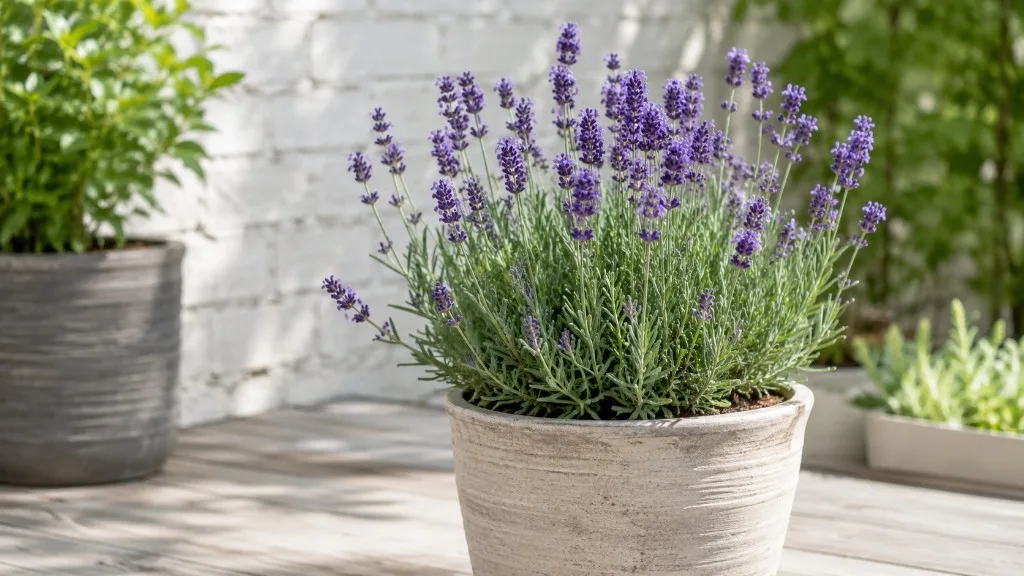
Lavender Repotting: When, How, and Mistakes to Avoid
Lavender Repotting: When, How, and Mistakes to Avoid
Lavender (Lavandula spp.) is one of the most forgiving herbs on a sunny patio - until you put it in the wrong pot with the wrong soil at the wrong time of year. The Royal Horticultural Society notes that lavender thrives in free-draining, moderately fertile soil and Lavender light guide, but suffers root rots when grown in wet or heavy compost. Container lavender amplifies that sensitivity because every drop of water stays confined to a small root zone. Repotting is the moment when most container lavender either gets a second lease on life or quietly begins to decline from excess moisture around disturbed roots.
The good news is that lavender repotting is straightforward when you respect three constraints that mirror its Mediterranean origins: move up only one pot size, use a gritty, fast-draining mix throughout the full depth of the container, and time the job during active growth whenever your climate allows. Most failures - persistent wilting, yellowing at the base, a sour smell from the soil, flowering collapse after the move - trace back to breaking one of those rules rather than to some mysterious lavender-specific curse. The sections below walk through when to repot, what container and soil to use, how to handle roots without unnecessary damage, and the seasonal and species nuances that separate a thriving potted shrub from one that limps through summer and dies overwinter.
Why Repotting Container Lavender Requires Mediterranean Thinking
Repotting lavender is not the same as repotting a moisture-loving houseplant like a peace lily or a calathea. Lavender evolved in dry, rocky hillsides across the Mediterranean - Spain, southern France, Italy - where summers are hot, winters are cool but not perpetually wet, and soil drains within minutes of a rain shower. Its root system is built for oxygen-rich, lean conditions. When roots fill a container, they circle the pot walls, compress the mix, and eventually reduce the air spaces that fine root hairs depend on. At that point, adding fertilizer or watering on the same schedule does not fix the problem - the plant needs fresh, airy mix and slightly more room.
Container plants depend entirely on a relatively small volume of growing medium, unlike garden-grown lavender whose roots can explore outward through gritty soil. For potted lavender, that small volume degrades quickly. Organic matter breaks down, perlite compresses, salts from hard tap water accumulate, and the mix that drained perfectly in year one may hold moisture dangerously long by year three. Repotting resets that environment. It also gives you a direct look at root health: healthy lavender roots are white to pale tan and firm. Dark, mushy tissue or a sour smell from the mix signals overwatering or poor drainage - issues that a bigger pot alone will not solve and may actually worsen.
What Repotting Resets in a Potted Lavender Plant
Most container-grown lavender benefits from repotting every one to three years, according to RHS container guidance and extension sources aligned with Utah State University container recommendations. Younger plants in small nursery pots fill their root zone faster and may need annual upgrades during the first two seasons. Established shrubs already sitting in a 16- to 20-inch (40–50 cm) finishing pot can often go two to three years between full repots if you refresh the top inch of gritty mix each spring.
Full repotting accomplishes four things at once. It replaces depleted, compacted growing medium with fresh structure that drains quickly. It gives circling roots room to grow outward instead of tightening into a strangling spiral. It lets you inspect and trim damaged tissue before rot spreads. And it resets your Lavender watering guide - fresh perlite-heavy mix dries faster than old, broken-down compost, which means your post-repot care must adjust accordingly. Skipping repotting past the point of severe root-binding does not make lavender low-maintenance; it makes the eventual rescue harder because the root mass is denser and the old mix is more degraded.
Top-dressing - scraping away the top inch of old mix and replacing it with fresh gritty soil each spring - extends the interval between full repots for mature plants. It is a useful maintenance step in fall when a full repot would add unnecessary stress, but it cannot substitute forever for a true upgrade when roots are circling the bottom or water runs straight through the pot without soaking in.
How Lavandula Species Affect Your Repot Strategy
Not every lavender sold under the same common name behaves identically in a pot. English lavender (Lavandula angustifolia) - including widely grown cultivars like ‘Hidcote’, ‘Munstead’, and ‘Thumbelina Leigh’ - is the most cold-hardy option and tends to be the longest-lived in containers across USDA Hardiness Zones 5–8. It forms a compact woody subshrub and is the default choice when you want a pot that survives winter on a sheltered patio. Spanish lavender (Lavandula stoechas) produces showier blooms with distinctive bracts but is less tolerant of cold; in zones colder than 8, treat it as a seasonal patio plant or plan to bring pots indoors before hard frost. French lavender (Lavandula dentata) and lavandin (Lavandula x intermedia) sit between those extremes in size and cold tolerance.
The repotting mechanics are the same across species - one size up, gritty mix, gentle root handling - but your timing and finishing pot size may differ. Dwarf English cultivars like ‘Thumbelina Leigh’ can finish in a 10-inch (25 cm) pot on a bright windowsill. Standard English lavender at maturity wants a 12- to 16-inch (30–40 cm) container, which the RHS cites as appropriate for large-container growing. French and Spanish types in warm climates may need more frequent watering checks in terracotta but the same strict drainage rules apply. If you are unsure which species you have, check the nursery tag for the botanical name; care based on “lavender” alone is approximate until you confirm whether you are growing a hardy English type or a frost-tender French one.
Signs Your Lavender Needs a Bigger or Fresher Pot
The right time to repot lavender is when the plant shows it has outgrown its container or the mix has failed - not when a calendar reminder pings. Lavender tolerates being slightly root-bound better than fast-growing herbs like basil, but there is a threshold past which flowering declines, foliage thins at the base, and watering becomes unpredictable. Plan the move during active growth whenever you can. A healthy lavender repotted in spring usually shows new growth at stem tips within two to four weeks. A stressed, flowering, or cold-damaged plant repotted at the wrong season can survive, but expect a slower bounce-back and accept that some lower leaf loss is normal.
Root-Bound and Drainage Warning Signals
Root-bound lavender gives off clear signals if you know what to watch for. The most obvious is roots emerging from drainage holes at the bottom of the pot. Less obvious but equally telling: water runs straight through the container seconds after you pour, because the root mass has become so dense that fresh water cannot penetrate the center of the ball. You may also notice the plant wilts quickly after watering even though the surface looks moist, because roots cannot access water trapped in the middle of a tight mat. Another sign is soil that dries out within 24 hours of a thorough watering in summer - a root mass so crowded that it cannot hold moisture evenly.
Gently slide the plant from its pot to confirm what you are seeing. A solid cylinder of roots with little visible soil - especially roots circling the bottom in a tight spiral - means it is time to pot up. Healthy roots should be light-colored and firm; dark, mushy roots with a sour smell indicate rot that requires trimming and fresh mix, not simply a larger pot. If the plant is wobbling in the container because the root ball is too small for the pot diameter, that is the opposite problem - excess soil staying wet around a underdeveloped root system - and the fix is not another upsize.
Growth and Flowering Clues That Point to Repotting
Above-ground symptoms often lag behind root congestion, so watch growth rhythm, not just roots. Stunted spring growth on a plant that previously pushed vigorous silver foliage is a common clue. Reduced flowering on a lavender that bloomed reliably in prior seasons - with no change in light or pruning - often points to exhausted, compacted mix or a root ball that has consumed available nutrients and air space. Yellowing or browning at the base of stems can indicate chronic moisture stress from poor drainage in degraded mix, though always rule out overwatering on the current schedule before you repot.
A lavender that becomes top-heavy and prone to tipping has likely outgrown its container’s stability as much as its soil volume. White salt crust on the soil surface or pot rim suggests accumulated minerals from repeated watering; repotting into fresh mix removes that buildup. If two or more of these signs appear together - circling roots plus fast dry-out plus reduced bloom - plan a repot in the next suitable active-growth window rather than waiting another full season.
Best Timing for Lavender Repotting by Season and Zone
Seasonal timing matters more for lavender than for many houseplants because its growth cycle is tied to daylight, temperature, and flowering. Repotting during peak bloom or deep winter dormancy adds stress without giving roots time to establish before the next demanding season. The goal is to repot when the plant can grow new roots in favorable conditions - cool to warm soil, increasing day length, and moderate temperatures - so it enters summer heat or winter cold with a functional root system.
Spring Repotting for Cool- and Temperate-Climate Growers
Early spring - after your last frost date but before summer heat builds - is the safest window for most growers in USDA Zones 5–8. At that point, lavender is waking from dormancy, new silver shoots are emerging at branch tips, and roots are entering their most active growth phase. Repotting in this window gives the root system eight to ten weeks to re-establish in cooler soil temperatures before the stress of midsummer heat and intense sun on a patio. The RHS recommends planting lavender in April or May as soil naturally warms - the same principle applies when upgrading an existing container.
Water the plant the day before repotting so the root ball holds together. Choose a mild day, work in the morning or late afternoon, and avoid repotting immediately before a forecast heat wave. If you missed spring, early summer is a workable backup for healthy, non-flowering plants in zones with moderate summers. Avoid repotting during the peak bloom period if you can - removing a flowering lavender from its pot interrupts the display and diverts energy away from root repair. If bloom is already underway and the plant is not in crisis, wait until flowers fade and you have completed your post-bloom prune.
Warm-Climate Exceptions and When to Delay the Move
In USDA Zones 9–10 - Southern California, the Gulf Coast, and similar warm regions - early fall can outperform spring for repotting. Utah State University Extension notes that fall planting can produce better lavender survival than spring planting in warm climates where summer heat is extreme. Mild autumn temperatures let roots recover without the added stress of peak summer. Aim to repot at least six weeks before your first frost date so roots settle before cold arrives.
Winter repotting should be reserved for emergencies: confirmed root rot on Lavender, a pot that will not drain, or a plant clearly failing in its current container. Lavender planted in cold, wet soil during winter is vulnerable to rotting at the crown, and the RHS explicitly warns against planting young lavender in winter when soils are cold and wet. If the plant is merely slow because of short days, wait until late winter or early spring. Fall top-dressing - refreshing only the upper inch of mix - is often smarter than a full winter repot for mature plants that are not severely root-bound.
Choosing Pots, Size, and Soil for Lavender
The right pot for lavender balances root space with drainage and breathability. Lavender does not benefit from a huge container “so it has room to grow.” Excess soil holds excess water, and a small or recently disturbed root system cannot use that water fast enough. The result is soggy mix, reduced oxygen around roots, and the root rot that kills more container lavender than any pest. Every lavender container needs drainage holes - multiple large ones, not a single pinhole. Saucers are fine as long as you empty them after watering so the pot never sits in standing water.
Terracotta, Drainage Holes, and the One-Size-Up Rule
Unglazed terracotta is the gold standard for container lavender. Its porous walls allow moisture to evaporate through the sides, not just through bottom holes, which keeps the root zone on the dry side that Mediterranean species expect. Unglazed ceramic and fabric grow bags offer similar breathability. Plastic and glazed ceramic retain moisture longer - workable if you are a disciplined, infrequent waterer, but far less forgiving when you tend to water on a schedule without checking soil dryness first.
Follow the one-size-up rule: choose a new pot only 2.5 to 5 cm (1 to 2 inches) wider in diameter than the current one. A lavender in a 12-inch pot moves to a 14-inch pot, not a 20-inch planter. The RHS repotting guide aligns with this: increasing one size at a time prevents a zone of excess wet soil surrounding a root ball the plant cannot yet access - the most common setup for post-repot root rot. For a first upgrade from a nursery pot, a minimum 12-inch (30 cm) diameter container is appropriate for a standard English lavender reaching maturity. Dwarf cultivars can finish smaller; large cultivars may ultimately need 14–16 inches.
Depth matters less than width and drainage for lavender, but the pot should be deep enough that the woody base sits firmly without toppling. When repotting only to refresh soil - not to upsize - you can return the plant to the same pot after trimming up to one-quarter of the outermost circling roots, as the RHS repotting guide recommends for congested container plants. Clean the pot, add fresh gritty mix, and replant at the same depth.
Grit-Heavy Soil Mixes and pH Considerations
Lavender needs a well-draining, low-fertility mix that mimics rocky Mediterranean slopes - not rich, moisture-retentive compost designed for vegetables or tropical houseplants. Standard multipurpose potting mix, even when labeled “well-draining,” often holds more water than lavender roots tolerate. Amend it heavily with inorganic grit.
A reliable formula used across commercial lavender production and extension-aligned guidance:
- 50% quality peat-free or standard potting mix
- 50% perlite, coarse horticultural sand, fine gravel, or grit
Some growers split the inorganic portion into 25% grit or coarse sand and 25% perlite for extra aeration. The mix should feel loose in your hand and crumble rather than form a tight ball when squeezed. When you water, excess should exit the drainage holes within seconds - not pool on the surface for minutes.
Lavender prefers a slightly alkaline pH between 6.5 and 8.0. Most peat-free multipurpose mixes sit close enough that precise adjustment is rarely necessary, but if your tap water and mix trend acidic over time, a tablespoon of dolomite lime blended into the repot batch can help. The RHS recommends mixing up to 25% coarse grit by volume into peat-free multipurpose or John Innes No. 2 compost for container lavender - a slightly less aggressive ratio than 50/50, but directionally the same principle. Never use heavy garden soil, moisture-retentive crystals, or pure peat without grit amendment.
Do not add a gravel layer at the bottom of the pot. A gravel base creates a perched water table - capillary tension keeps moisture suspended above the gravel layer, making the soil immediately above it wetter than it would be with well-draining mix throughout the full depth. Rely on drainage holes and gritty mix from bottom to top. This is one of the most persistent container gardening myths, and it is particularly damaging for a plant as drainage-sensitive as lavender.
Step-by-Step: How to Repot Lavender Without Shock
Repotting lavender is straightforward when you prepare materials first and disturb roots only as much as necessary. Rushing the process - yanking the plant, bare-rooting it aggressively, fertilizing the same day, or jumping two pot sizes - turns a twenty-minute job into a month of recovery or a dead plant. Transplant shock happens when a plant struggles to adjust after root disturbance and environmental change. Lavender typically shows new tip growth within two to four weeks when handled correctly in spring; summer heat and oversized pots extend that timeline sharply.
Preparing the Root Ball and Trimming Circling Roots
One day before repotting, water the lavender thoroughly so the root ball holds together and slides out of the old pot cleanly. Hydrated roots are flexible and less brittle than dry ones. Gather your supplies: the new pot (one size up, with drainage holes), pre-mixed gritty soil, a hand trowel, clean scissors, a chopstick or pencil for settling soil, and a watering can with a rose attachment. Wash reused pots with hot soapy water to remove salt deposits and algae.
Add a 2- to 3-inch layer of fresh mix to the bottom of the new pot - no gravel layer beneath it. Turn the potted lavender on its side and gently slide it out. For plastic nursery pots, squeeze the sides to loosen. Never yank the plant by the woody stems alone - older lavender wood is brittle and slow to recover from breakage. Examine the root ball. If roots are lightly circling at the bottom, use your fingers to tease the lowest roots outward - think of loosening the edge, not shredding the center. If the plant is severely root-bound, make two or three shallow vertical cuts along the sides of the root mass with clean scissors, then loosen the bottom.
Trim away any brown, mushy roots with sterile scissors. Healthy tissue after trimming should look white or cream-colored. Remove clearly dead lower foliage if it is dry and brittle, but keep as much healthy silver foliage as possible - leaves and green stems are the plant’s energy source during recovery. Do not bare-root the plant or rinse away all old soil unless you are treating confirmed root rot and accept a longer recovery. Fine root hairs that absorb water live in the soil interface; stripping them sets the plant back weeks.
Planting Depth, Settling, and the First Watering
Set the lavender in the new pot so the base of the woody stems sits at the same soil level as before - neither buried deeper nor exposed higher on the root crown. Planting too deep can rot the woody base in moist mix; planting too shallow exposes roots and dries the crown. Backfill with fresh gritty mix around the sides, working soil gently between roots with a chopstick. Firm the mix lightly with your fingers so the plant stands upright without wobbling, but do not pack it tightly. Compressed soil suffocates roots the same way an oversized wet pot does.
Water thoroughly immediately after repotting until excess drains from the bottom. This settles the mix around roots and eliminates large dry voids. Use a fine rose or gentle stream so you do not erode loose grit away from the crown. For the first week, let the top inch of mix dry before watering again - fresh perlite-heavy mix can look dry on top while staying damp below, so check with a finger rather than watering on autopilot. Place the repotted lavender in full sun if it was already acclimated to outdoor sun, or in bright light with protection from harsh midday rays for two to three days if the plant was recently moved from a shadier location.
Aftercare, Recovery, and Long-Term Maintenance
The two weeks after repotting decide whether lavender thrives or limps. Your old watering schedule is probably wrong for the new mix and pot volume. Fresh gritty soil dries faster than degraded compost. A slightly larger pot holds more mix but also more air. Adjust based on moisture checks, not habit.
Watering, Light, and Fertilizer After the Move
Expect mild transplant shock: slight wilting, a pause in new growth, or a few lower leaves browning in the first week. That is normal if the woody base stays firm and soil moisture is appropriate. Sustained wilting with wet soil - especially yellowing at the base - suggests overwatering in a pot that is too large or mix that is too dense. Sustained wilting with dry soil suggests underwatering on Lavender or root damage from aggressive bare-rooting.
Hold off on fertilizer for two to four weeks after repotting. Lavender is adapted to lean soil; fresh mix provides sufficient nutrients for short-term establishment, and feeding too soon can burn disturbed roots. Resume a light application - diluted balanced feed or a slow-release herb fertilizer at half the label rate - only after you see new silver growth at stem tips. Lavender in containers benefits from modest feeding during the growing season, but over-fertilizing produces soft, leggy growth that is more vulnerable to winter damage and less fragrant.
Lavender needs full sun - at least six hours of direct light daily - for compact growth and flowering. After repotting, do not park the plant in deep shade “to help it rest.” Shade after repotting is appropriate only for plants that were scorched or recently moved from indoor to outdoor conditions; even then, transition back to full sun within a week. Indoors, a south-facing window or supplemental grow light prevents the stretched, sparse growth that makes lavender susceptible to overwatering.
Full recovery - new growth at normal size, stable watering rhythm, resumed flowering the following season - typically takes four to six weeks for root establishment. You can assess success by gently tugging the stem after three weeks; slight resistance means roots are anchoring. Resume normal pruning schedules only after new growth is visible. If you repotted in spring, plan your annual post-bloom prune as usual once flowers fade; do not hard-prune into old bare wood immediately after repotting on a stressed plant.
Pet safety note: The ASPCA lists lavender (Lavandula species) as toxic to cats and dogs. Linalool and linalyl acetate can cause nausea, vomiting, and central nervous system depression. Lavender essential oil is especially concentrated and dangerous to cats. Keep repotted plants out of reach if pets chew foliage.
Common Lavender Repotting Mistakes
Even experienced gardeners repot lavender badly once in a while. The mistakes below cause most post-repot decline. Each is avoidable with a smaller pot, gentler hands, grittier mix, or more patience.
Jumping multiple pot sizes is the most damaging error. A lavender moved from a 6-inch nursery pot into a 16-inch decorative planter sits in a large volume of wet soil its roots cannot explore. Oxygen drops, roots rot, and the visible symptom is a plant that wilts whether you water or not. One size up, every time. If you already made this mistake, do not repot again immediately into yet another pot. Let the outer mix dry toward the pot walls, water lightly near the root ball only, ensure maximum sun and airflow, and plan a corrective same-pot refresh with fresh gritty mix once the plant stabilizes.
Using moisture-retentive mix without grit is the second most common killer. Rich compost, peat-heavy blends, and mixes with water-holding crystals stay wet too long for lavender roots. If your plant declines after repotting into “good” potting soil, the soil was almost certainly too dense. Adding a gravel drainage layer at the pot bottom worsens the problem by creating a perched water table - use gritty mix throughout instead.
Bare-rooting or washing all soil away strips fine root hairs that do most of the water absorption. Tease circling roots; do not rinse the ball clean unless treating confirmed rot. Repotting during peak bloom or deep winter adds stress without recovery time. Wait for post-bloom spring or early fall in warm zones. Fertilizing immediately after repotting burns tender regrowing root tips. Planting too deep buries the woody crown in moist mix and invites stem rot. Match the previous soil line on the stems. Choosing plastic pots without adjusting watering leads to chronic damp soil for growers who water on a calendar instead of checking dryness - switch to terracotta or water less.
Conclusion
Lavender repotting is less about following a rigid calendar and more about reading the root ball and the mix. When roots circle the pot, water runs through without soaking in, flowering declines, or soil dries out unnaturally fast, move the plant up one pot size into fresh 50/50 gritty mix - ideally in early spring for most climates, or early fall in zones 9–10. Choose unglazed terracotta when you can, skip the gravel layer, water the day before, handle roots gently, plant at the same depth, and hold fertilizer for a few weeks after the move.
Avoid the oversized pot, the moisture-retentive mix, and the post-repot feed - those three mistakes account for most container lavender failures. Top-dress the upper inch each spring to extend time between full repots on mature plants. Expect mild transplant shock for a week or two, then watch for new silver growth at the tips as your clearest signal of success. Get the drainage basics right and lavender forgives a lot; get them wrong and no amount of sun rescues a root zone that stays wet.
When to use this page vs other Lavender guides
- Lavender overview - Start here for whole-plant context before deep-diving this topic.
- Lavender problems hub - Jump to symptom-specific fix guides when this care topic does not resolve the issue.
- Repotting Stress on Lavender - Escalate here when repotting adjustments are not enough.
- Transplant Shock on Lavender - Escalate here when repotting adjustments are not enough.
- Root Rot on Lavender - Escalate here when repotting adjustments are not enough.
Related Lavender guides
- Lavender overview
- Lavender watering
- Lavender light
- Lavender soil
- Lavender propagation
- Lavender fertilizer
- Repotting Stress on Lavender
- Transplant Shock on Lavender
- Root Rot on Lavender
- Lavender problems
Related tool
Try the Pot Size Calculator with lavender pre-selected to estimate needs for your setup.