Small Flowers on Mogra: Causes, Checks & Fixes
Quick answer
Small flowers on Mogra usually mean too little direct sun, the wrong cultivar for your expectations, or nitrogen-heavy feeding-not a permanent defect. First step: confirm how many hours of direct sun the plant gets, then move it to the brightest spot available.
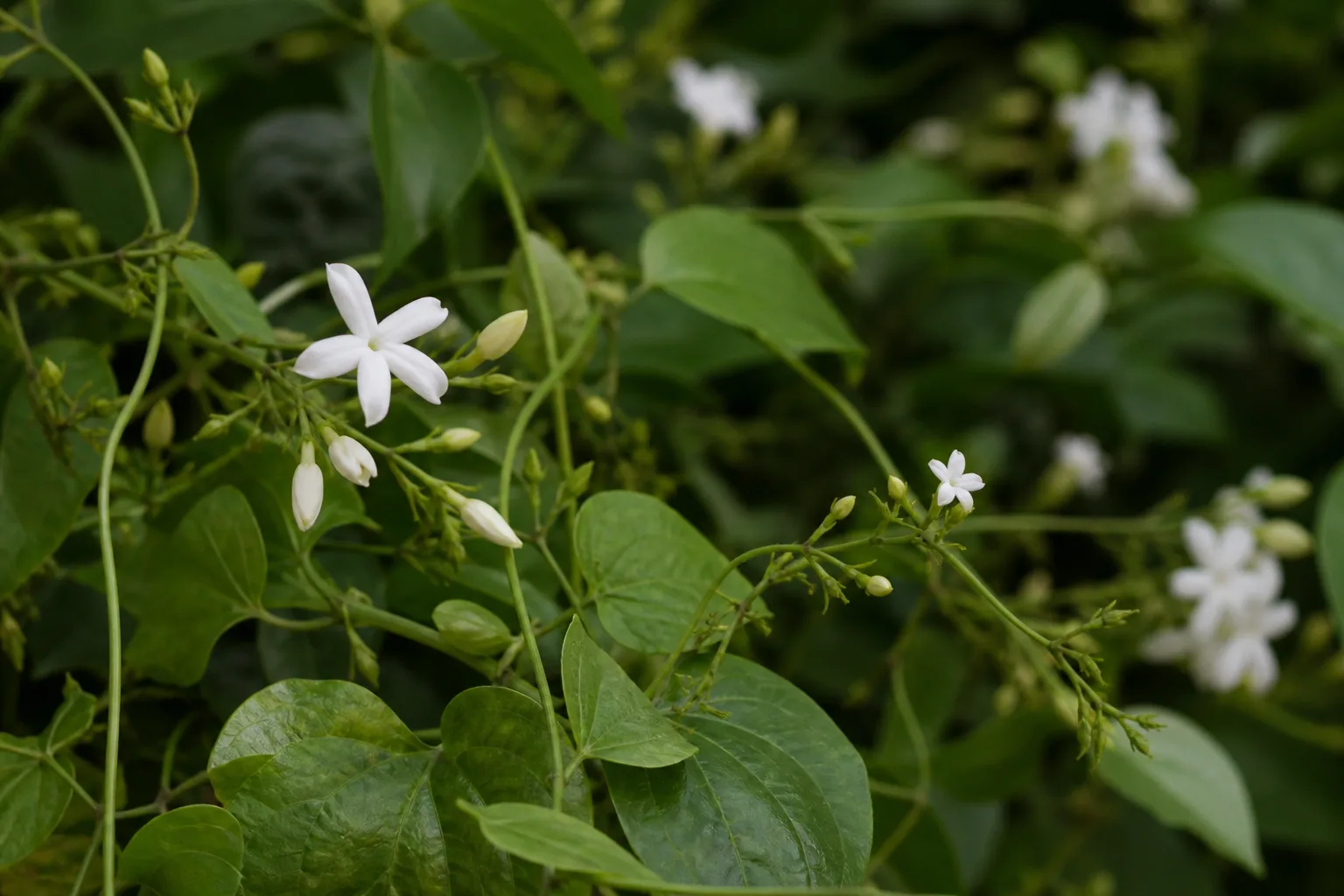
Small Flowers on Mogra: Causes, Checks & Fixes
This guide covers small flowers on Mogra. See also the general Small Flowers guide, watering, and light pages for this plant.
Small Flowers on Mogra: Causes, Checks & Fixes
Quick answer
Small flowers on Mogra (Jasminum sambac, Arabian jasmine) are almost always a culture signal, not a disease. The plant is opening buds, which means it has enough energy to bloom-but something limited how much energy reached each flower during bud swell.
First step: measure direct sun at the pot. Mogra needs roughly four to six hours of direct sun daily for prolific flowering; weak light produces fewer blooms and often smaller ones on the same cultivar. Move the plant to the brightest realistic spot-south or west balcony, sunniest window, or outdoors in warm weather-before changing fertilizer, Mogra repotting guide, or pruning.
If blooms have always been petite and single-petaled, you may simply have Maid of Orleans, a naturally smaller-flowered cultivar. That is normal genetics, not a fixable defect.
What small flowers look like on Mogra
On a healthy Mogra, you expect white, waxy, intensely fragrant blooms-often opening in the evening and spent by the next morning. “Small flowers” means buds open successfully but the corolla is noticeably smaller, thinner, or less full than:
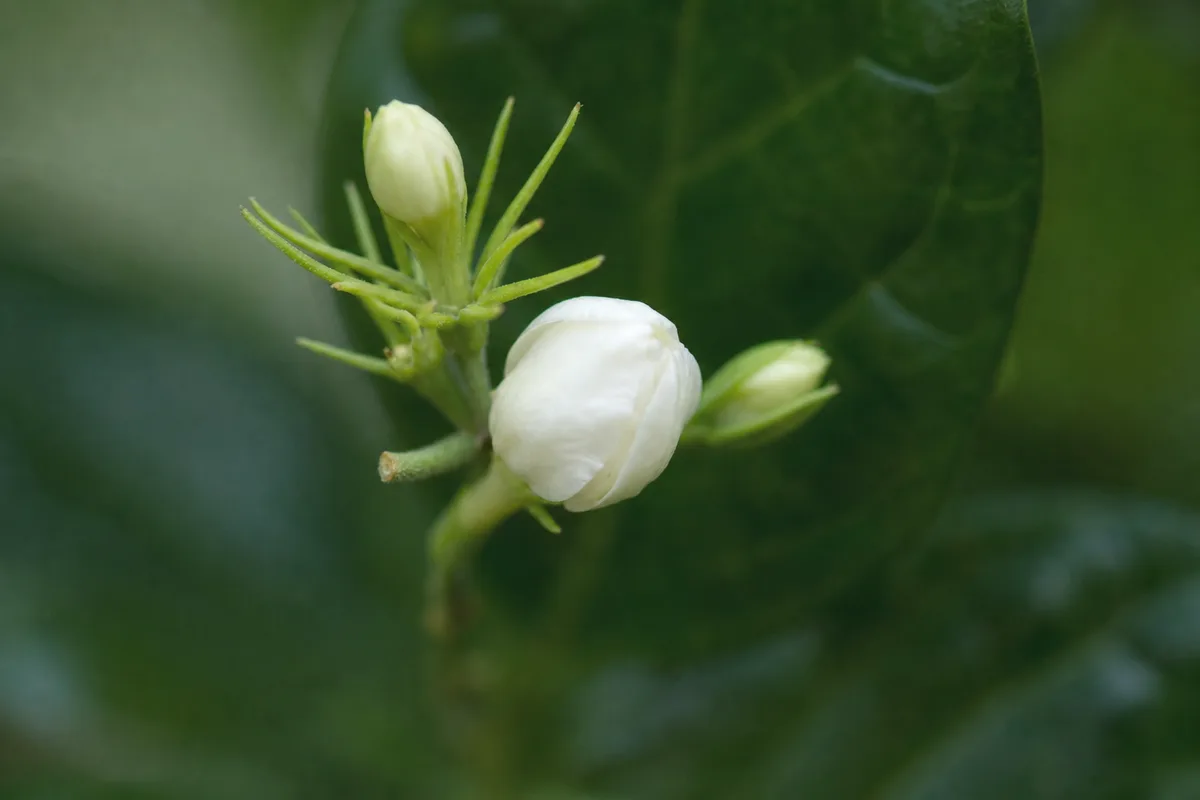
Small Flowers symptoms on Mogra - compare with healthy tissue on the same plant.
- Photos of the same cultivar in good conditions
- Previous flushes on your own plant
- A neighbor’s Mogra in Mogra light guide
Typical patterns:
- Single-petaled blooms about 1–2 cm across when you expected layered double flowers-often a cultivar mismatch, not poor care
- Fewer petals per flower with otherwise normal bud count
- Short flower stalks and tight clusters on weak, pale new growth
- Good fragrance but thin petals-common when light was marginal during bud formation
- Smaller flowers only on shaded side of the plant while the sun-facing side looks normal-strong evidence for light as the limiter
Small flowers differ from no flowers (no buds at all) and from bud drop (buds abort before opening). They also differ from faded flowers, where open blooms lose white color quickly. Here, buds complete development but undersize.
Why Mogra gets small flowers
Mogra is a tropical evergreen shrub that blooms on new wood after each growth push. Flower size reflects how much carbohydrate and mineral nutrition the plant could allocate while buds were forming-not just whether buds appeared.
Insufficient direct light
This is the most common fixable cause indoors and on shaded balconies. Mogra may stay green in bright indirect light, but flower size and count drop when photon supply is low. Leggy stems, wide leaf spacing, and blooms only near the window side all support a light diagnosis.
Cultivar genetics
Not all Jasminum sambac selections produce the same flower size. Maid of Orleans is valued for profuse, single white blooms on a bushy plant-naturally smaller than Grand Duke of Tuscany, which produces large, double, rose-like flowers on a slower habit. Comparing a Maid of Orleans to online photos of Grand Duke will always look like “small flowers” even when the plant is perfectly healthy.
Too much nitrogen fertilizer
High-nitrogen feeds push leafy, soft growth at the expense of flowers. Mogra fed heavily with lawn or foliage fertilizers during spring often produces lush stems and small or sparse blooms. Excess nitrogen during bud swell can also produce pale, weak flowers that feel underbuilt.
Young plant or first flush after hard pruning
Seedlings, rooted cuttings, and plants recovering from a heavy cut often put out a modest first flush while the root system catches up. Size usually improves on subsequent cycles once the plant has rebuilt leaf area in stronger light.
Water stress during bud formation
Inconsistent moisture-letting the pot go bone dry or staying too wet while buds swell-stresses reproductive tissue. Mogra is sensitive to dry spells during flowering; buds may open small, drop early, or both. This overlaps with bud-drop problems but can present as undersized open flowers when only part of the bud cluster survives.
Oversized pot or weak root uptake
Mogra often flowers best when slightly root-bound. A very large pot with a small root ball keeps excess soil wet and encourages root growth over blooms. Poor drainage, compacted mix, or iron chlorosis on alkaline water can also limit nutrient flow into developing buds, producing smaller flowers alongside pale or yellowing leaves.
Heat or recent relocation
Extreme afternoon heat can shorten bloom life and reduce petal expansion. Moving the plant while buds are swelling-common after purchase-can finish the current flush small even if long-term care is fine.
How to confirm the cause
Work through these checks in order. Stop when one cause clearly fits; you do not need every box checked.
- Identify your cultivar - Single-petaled, prolific blooms point to Maid of Orleans or similar; large doubles suggest Grand Duke of Tuscany. If genetics explain the size, stop chasing a “fix.”
- Log direct sun - Note hours of direct sun on the pot (not bright shade). Fewer than four hours strongly implicates light.
- Compare sides - If only the shaded side blooms small, light is confirmed.
- Review fertilizer - Check the last product used. First number much higher than the second (e.g., 24-8-16) during bud set implicates nitrogen.
- Soil moisture history - Did soil dry completely-or stay soggy-while buds were visible? Either pattern fits water stress.
- Pot size vs. plant size - Very large container, slow dry-down, and mostly leafy growth suggest oversized pot.
- Leaf color - Interveinal yellowing on new leaves with small blooms may indicate iron deficiency on alkaline water, not simple low light.
- Pest scan - Sticky leaves, fine webbing, or clustered insects on tender tips steal energy from buds; treat pests before feeding harder.
If light is adequate, cultivar matches your expectation, watering has been steady, and flowers are still shrinking cycle after cycle, inspect roots on a dry day: sour smell, mushy roots, or rock-hard dry ball each point to a different secondary fix.
First fix for Mogra
Move the plant to the brightest location that still protects it from cold and scorching midday heat in peak summer.
Outdoors in warm weather, a spot with morning sun and light afternoon shade works well in hot climates; in cooler regions, full sun through much of the day is ideal. Indoors, place the pot directly in a south- or west-facing window-within a few inches of the glass where legally safe-or add a full-spectrum grow light 30–45 cm above the canopy for 12–14 hours daily.
Do not fertilize, repot, or prune heavily the same week you move it. Let the plant finish acclimating while buds on the current flush open; judge size on the next flush formed on wood grown in the improved light.
Step-by-step recovery
After light improves, address remaining limits in this order:
- Stabilize watering - Water when the top 2–3 cm of mix is dry during active growth. Never let the pot go fully dry while buds are swelling; never leave the saucer full for days.
- Switch feed at the right time - Once new growth looks healthy in stronger light, apply a balanced or bloom-leaning fertilizer at half label strength every two weeks from spring through early fall. Skip feed in winter rest and on a stressed, newly moved plant.
- Prune after the flush - When the current flowers fade, trim long stems back by roughly one-third to one-half. Mogra flowers on fresh shoots; renewal pruning sets up larger blooms on the next cycle.
- Correct iron chlorosis if present - If new leaves are yellow between green veins, treat with iron chelate according to label directions and avoid alkaline tap water when possible.
- Right-size the pot only if needed - Repot in spring if roots circle heavily or water runs straight through dry mix-but step up one pot size, not a huge tub. Use well-draining mix with perlite and compost.
- Manage pests on tender tips - Rinse aphids or spider mites off with water; repeat before resorting to sprays on a blooming plant.
Recovery timeline
Open flowers will not enlarge after they unfurl. Judge recovery on the next bud cycle, not today’s blooms.
- Two to three weeks after a light increase: expect tighter internodes and greener new leaves if light was the main limiter
- Two to six weeks in warm active growth: next flush should show improved size if culture was corrected before bud set
- One full season for young plants or recently repotted specimens to reach their cultivar’s typical bloom size
- No change after two flushes in strong sun with balanced care: reconsider cultivar identity or inspect roots for chronic stress
Worsening signs-mass bud drop, leaf yellowing with wet soil, or shrinking bloom count-mean the problem is not solved by light alone.
Lookalike symptoms
- Normal Maid of Orleans blooms - Single, small, highly fragrant flowers on a bushy plant; not comparable to double cultivars
- First flush after propagation - Smaller flowers on a young cutting; improves as the plant matures
- Seasonal winter flush indoors - Low winter light produces smaller blooms until spring sun returns; supplemental lighting helps
- Heat-shortened blooms - Flowers may open smaller and brown faster in extreme afternoon heat; afternoon shade fixes this without more fertilizer
- No flowers - No buds at all usually means insufficient light or heavy nitrogen; different primary fix path
- Bud drop on Mogra - Buds fall before opening; prioritize stable moisture and humidity over sun moves during active swell
What not to do
Do not dose high-nitrogen fertilizer hoping to “push” bigger flowers-it usually enlarges leaves while shrinking bloom quality. Avoid repotting into a much larger pot during or just before flowering. Do not move the plant repeatedly while buds are swelling; pick one bright spot and leave it through the flush.
Do not assume every small bloom is a problem if you grow a single-petaled cultivar. Do not prune heavily while buds are visible-you remove the current and next cycle’s flowering wood.
How to prevent small flowers next time
Keep Mogra in four to six hours of direct sun through the main flowering season, with stable moderate moisture while buds form. Feed lightly and regularly during active growth with balanced or phosphorus-leaning fertilizer-not high nitrogen. Prune after each bloom flush to renew flowering shoots. Keep the plant slightly root-bound rather than overpotted, and avoid environmental shocks (moves, repots, drought) while buds are developing.
If you want consistently large double flowers, start with a Grand Duke of Tuscany or similar cultivar rather than expecting Maid of Orleans to match that form.
When to use this page vs other Mogra guides
- Mogra watering guide - Use for routine moisture checks before assuming small flowers is the main issue.
- Mogra problems hub - Browse all 20 common issues on this species.