Mogra Light Needs: Best Window, Sun & Warning Signs
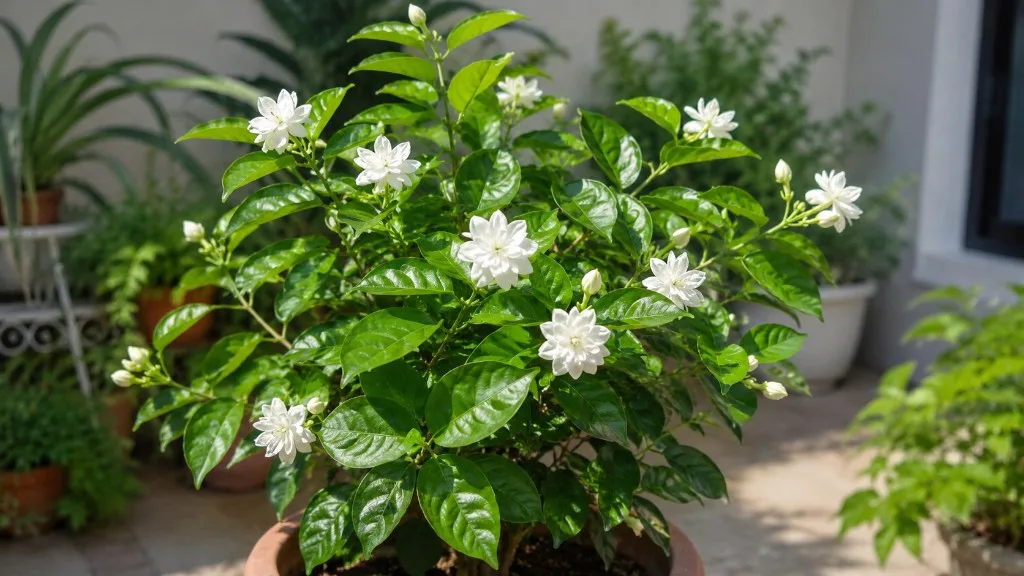
Mogra Light Needs: Best Window, Sun & Warning Signs
Mogra Light Needs: Best Window, Sun & Warning Signs
Mogra (Jasminum sambac-Arabian jasmine, sampaguita) is grown for fragrant white flowers, not foliage alone. Light is the primary switch between a leafy survivor and a plant that perfumes the room on summer evenings. Native to tropical Asia, mogra evolved in bright, warm conditions with strong daily light-indoor dim corners satisfy neither its growth habit nor its bloom chemistry.
Missouri Botanical Garden lists cultural requirements as full sun to part shade. That range is wider than “bright indirect houseplant” advice. For mogra, survival light and flowering light are different thresholds-and most indoor failures are flowering failures, not dead plants.
This guide covers how much light mogra needs, best window and balcony placement, direct sun tolerance, indoor limits, seasonal shifts, and warning signs tied to bud formation.
Quick Answer
Give mogra the brightest spot available-ideally four to six hours of direct sun daily outdoors or maximum indoor brightness at a south or west window with gradual acclimation. Bright indirect light alone often maintains leaves but reduces flowers. Watch new growth: compact stems and visible bud initials mean light is adequate; leggy vines with no buds mean move brighter or add a grow light.
How Much Light Mogra Actually Needs
Jasminum sambac is a sun-loving flowering shrub in its native range, commonly trained on sunny balconies and religious-garden displays across South and Southeast Asia. Photosynthesis fuels both growth and the energy-intensive bud formation that precedes bloom.
Indoors, target the highest practical foot-candles you can provide without scorching unacclimated leaves-often direct morning sun plus bright ambient light the rest of the day. Pure north-room indirect light rarely produces the bud load growers expect from outdoor mogra.
Flowering Light vs. Foliage Light
Mogra can maintain green leaves in medium indirect light longer than it can flower there. Bud differentiation needs stronger cumulative daily light than mere leaf retention. If your plant looks healthy but has not bloomed in a year, light-not fertilizer-is the first suspect.
Best Window Placement for Mogra
South-facing windows (northern hemisphere) deliver the strongest winter sun-place mogra within one to three feet, using sheer fabric if midday heat scorches leaves.
West windows provide intense afternoon sun; excellent for bloom in cool seasons, risky in hot summer without filtration.
East windows offer gentle morning direct sun-ideal for acclimating store-grown plants before pushing brighter.
North windows suit maintenance only; add grow lights for reliable flowering.
Rotate pots weekly so all sides receive similar exposure-mogra stems lean toward glass quickly.
Outdoor and Balcony Light
Outdoor summer placement often transforms indoor mogra. A sunny balcony or patio with morning-to-midday sun and afternoon protection matches tropical garden culture. Bring pots indoors before frost; re-acclimate when returning to windows in autumn.
Potted outdoor mogra dries faster in full sun-pair light increases with watering checks, not calendar guesses.
Can Mogra Take Direct Sun?
Established mogra tolerates full sun when roots stay evenly moist and humidity is reasonable. Indoor plants moved suddenly to harsh south glass may show bleached patches and crisp margins-acclimate over two to three weeks.
Midday wilting on hot days can be heat stress rather than drought; check soil moisture before adding water.
Low-Light Limits Indoors
Sustained dim conditions produce:
- Leggy stems reaching toward glass
- Dark green leaves larger than sun-grown tissue
- No flower buds across multiple bloom seasons
- Slower dry-down and elevated root-rot risk
- Increased susceptibility to pests in stagnant air
Mogra in a dim living room may live years without a single bloom-technically alive, practically disappointing.
Grow Lights for Indoor Mogra
Use a full-spectrum LED twelve to eighteen inches above foliage for 10–14 hours daily when windows are insufficient-especially October through March. Flowering shrubs need higher cumulative daily light than many foliage houseplants; a weak lamp across the room rarely suffices.
Seasonal Light Changes
Winter: Short days suppress blooming even beside south glass. Supplemental lighting often makes the difference between zero buds and winter flowers in warm rooms.
Summer: Move gradually to brighter outdoor positions; scorch risk peaks on unacclimated leaves.
Post-pruning: After hard pruning, brighter light helps regrowth stay compact-see pruning guide if published.
Signs Mogra Is Getting Too Little Light
- No buds despite good feeding and watering
- Internodes lengthen; plant looks “empty” in the pot
- Leaves dark green and soft, not firm and compact
- Soil wet more than ten days between waterings in moderate temperatures
First fix: Move to the brightest exposure or add grow lights before increasing fertilizer.
Signs Mogra Is Getting Too Much Light
- Bleached white-yellow patches on sun-facing leaves
- Crisp brown edges after a sudden move to south glass
- Midday leaf curl with moist soil-heat plus light stress
First fix: Sheer curtain, morning-only sun, or pull back a foot from glass.
Light and Watering Rhythm
Brighter light increases transpiration. Mogra in full summer sun may need water every one to two days in small pots; the same plant in dim winter rooms may need ten to fourteen days. Re-check watering whenever light changes sharply.
Light and Fertilizer
Do not push bloom with heavy feed in dim rooms-tender nitrogen-rich growth without adequate light invites pests and weak stems. Fix light first, then use fertilizer during active growth.
Common Mogra Light Mistakes
- Keeping a flowering shrub in “houseplant indirect” corners
- Expecting bloom from north-window placement without supplemental light
- Moving directly from shop shade to unfiltered south glass
- Ignoring seasonal day-length decline in winter
- overwatering on Mogra dim plants because leaves look soft
Measuring Light Before Moving Mogra
Use new leaf internode length as a light gauge: tight compact nodes mean adequate brightness; long gaps between leaves on the same stem mean move closer to glass or add supplemental light before expecting buds.
Indoor India and Tropical Climate Notes
In warm Indian apartments, bright balconies often outperform indoor shelves for mogra bloom. Indoors near AC vents, dry air plus marginal light produces leaf drop without flowers-pair humidity with brighter placement.
When to Worry
Chronic dim light plus wet soil risks root decline. Worry when stems stay bare at the base, leaves yellow on heavy wet mix, or pests appear on weak leggy growth. Improve light and dry-down together.
Conclusion
Mogra is a light-hungry flowering jasmine, not a low-light foliage filler. Give full sun to partial shade outdoors or the brightest acclimated indoor exposure you can manage, supplement in winter, and judge success by buds and fragrance, not leaf count alone.
When to use this page vs other Mogra guides
- Mogra overview - Start here for whole-plant context before deep-diving this topic.
- Mogra problems hub - Jump to symptom-specific fix guides when this care topic does not resolve the issue.
- Not Enough Light on Mogra - Escalate here when light adjustments are not enough.
- Leggy Growth on Mogra - Escalate here when light adjustments are not enough.