How to Prune Mogra (Arabian Jasmine): When, Where & What
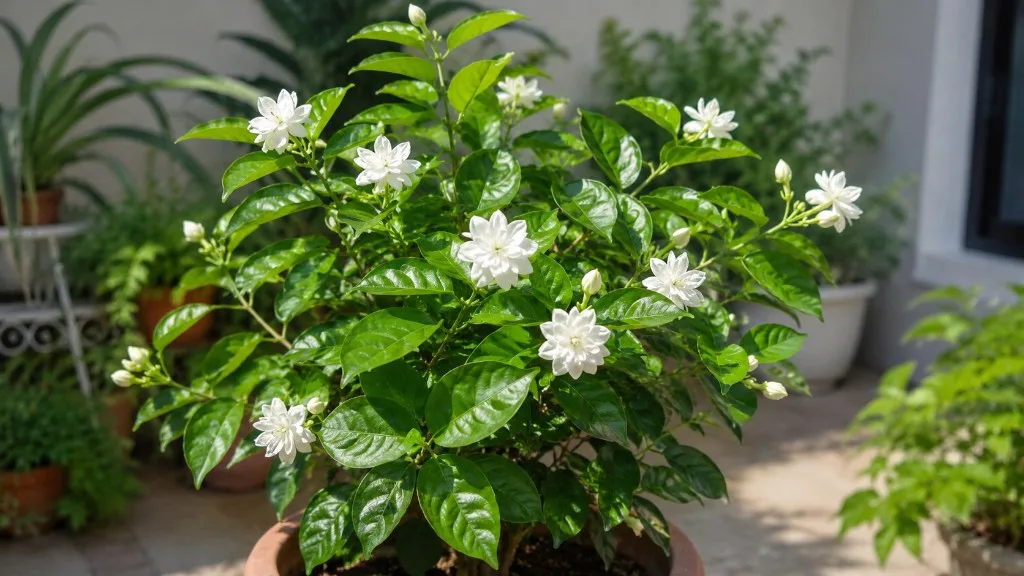
How to Prune Mogra (Arabian Jasmine): When, Where & What to Cut
How to Prune Mogra (Arabian Jasmine): When, Where & What to Cut
Quick Answer
First action: remove dead, damaged, or diseased stems back to healthy green tissue - before any shaping or bloom-focused cuts.
Mogra (Jasminum sambac) is a twining, shrubby evergreen that flowers in summer and sporadically at other times. The main shaping window is immediately after a bloom flush fades, when you shorten spent stems and tip-prune soft ends to force branching. Cut 5–10 mm above a healthy node, take no more than one-third of live growth in one session on a container plant, and skip heavy cuts when the plant is cold, drought-stressed, or sitting in poor light.
What Pruning Does for Mogra
Left unpruned, a vigorous mogra sends long whippy stems toward the brightest window or balcony edge. Flowers cluster at the tips while the interior turns into a leafy shell with fewer buds. That leggy pattern is common when the plant gets less than the 4–6 hours of direct sun it needs for prolific flowering, but even well-lit plants benefit from post-flush shortening.
Pruning redirects energy into lateral shoots - the fresh wood that carries the next white, highly fragrant clusters. The job splits into two rhythms. Post-flush maintenance removes faded flower stems and lightly shapes the plant so it branches instead of racing upward. Occasional rejuvenation on an older, woody specimen removes up to one-third of the oldest stems to reset sparse growth. Pruning cannot fix chronic shade, soggy roots, or heavy nitrogen feeding; those conditions produce leaves, not buds.
Flowers on Fresh Growth and Repeat Flushes
Mogra produces its main summer show on relatively young shoots made during warm active growth. In tropical and Indian climates it may bloom repeatedly through the warm season; in cooler containers it often peaks in late spring through summer with sporadic later flushes if light and moisture stay steady. Because new buds form on recent growth, cutting right after a flush finishes gives the plant time to branch and set up the next cycle. Waiting too long wastes warm weeks; cutting too early removes buds still preparing to open.
The Royal Horticultural Society jasmine guide recommends cutting back flowered stems to a strong side-shoot and thinning overcrowded or weak growth - the same logic applies to shrubby Arabian jasmine grown in pots, even though the species page lists it as a twining evergreen rather than a classic summer vine.
When to Prune Mogra
Timing falls into three categories: post-flush shaping, light tip work during active growth, and anytime emergency cleanup. Mixing them up is the most common scheduling mistake on balcony mogra.
After Each Bloom Flush
The best time for meaningful mogra pruning is immediately after a main bloom flush ends - when most white flowers have browned or dropped and the plant shifts into vegetative push. In North India that often aligns with late spring or early summer peaks; in warm coastal or tropical regions, repeat flushes may arrive through much of the warm season, so you prune after each wave rather than once on a calendar date.
Shorten stems that just finished flowering by about one-third, or tip-prune 2–5 cm of soft new growth, always cutting to a node with healthy leaves remaining below the cut. Remove spent flower clusters at their base so the plant does not pour energy into seed formation.
Light Shaping During Active Growth
Between major flushes, tip pinching keeps a container mogra compact. When a new shoot reaches 10–15 cm and feels soft at the tip, snip the terminal bud just above a leaf pair. That forces two lateral branches and multiplies future flowering sites without a hard cutback. Missouri Botanical Garden notes Arabian jasmine may be pruned as needed to maintain shape - for potted mogra, that usually means light tip work through the warm months, not one annual hack.
When Not to Prune
Avoid heavy pruning in late autumn through winter when growth slows and cold rooms or outdoor dips below 10°C (50°F) can damage tender new shoots pushed by a hard cut. Skip major reshaping when the plant is wilting from drought, recovering from root rot on Mogra, or freshly repotted - stabilize care first, then trim. Do not prune during peak bloom unless you accept losing open flowers. Emergency removal of dead, diseased, or pest-infested wood is the exception: take it out whenever you see it.
What to Check Before You Cut
Walk the plant in good light before touching shears. Look for spider mites on leaf undersides, mealybugs in leaf axils, and aphids on soft tips - jasmine relatives attract all three, especially in dry indoor air. Pruning through an active infestation spreads pests to every fresh cut; rinse or treat first if colonies are obvious.
Check stem color under a small bark scratch on woody sections: green or pale green means live tissue; brown or dry means dead. Feel whether the pot is waterlogged or bone dry - stressed roots make recovery slower after any cut. Plan which stems carry the next bloom potential and mark spent flush wood separately so you do not shorten the wrong shoots.
Sterilize blades with rubbing alcohol, have a bag ready for trimmings, and decide whether you are doing post-flush shaping (moderate) or tip pinching only (light). If the plant recently dropped buds or yellowed from overwatering on Mogra, limit yourself to deadwood removal until new growth looks stable.
The First Cut to Make
Start with dead, damaged, or diseased stems only. Trace a brown or shriveled shoot back to the first node with firm green tissue, or back to the main branch if the whole shoot is gone. Make one clean angled cut 5–10 mm above that node, not mid-stem through healthy wood.
Clearing dead material first reveals the live framework so you can judge post-flush shortening without hiding problems inside a fragrant canopy. On a healthy plant that just finished blooming, your second pass - not your first - is shortening spent flowering stems and tip-pruning for shape.
How to Prune Mogra Step by Step
Work in this order after deadwood is out:
- Remove spent flower clusters by snipping just below the faded cyme where it meets the stem.
- Shorten bloomed-out stems by up to one-third, cutting to a strong side-shoot or outward-facing node.
- Tip-pinching - on overly long soft shoots, remove the top 2–5 cm above a leaf pair to encourage branching.
- Thin the interior - take out weak, crossing, or rubbing stems that block air and light from the center.
- Step back between passes. Mogra looks sparse immediately after a post-flush trim; pause before a second round.
Hold the stem steady with one hand and cut with the other so you do not tear the bark. On twining sections tied to a support, cut back to a node that faces the direction you want the next shoot to grow.
Where to Place Each Cut
Mogra branches from nodes - the slightly swollen joints where leaves meet the stem. New shoots emerge from buds at or just below a clean cut above a node. Cuts made too far above a node leave a stub that dies back and invites decay. Cuts too far below remove the bud you needed and leave a bare stick.
Aim for an angled cut 5–10 mm (¼ inch) above a healthy node, sloping away from the bud so water runs off. On thin green stems, a sharp bypass pruner or clean scissors is enough; on older woody base stems, use sharp bypass shears and cut back to a visible side-shoot.
How Much You Can Safely Remove
On a healthy container mogra, one-third of live foliage and stem length in a single post-flush session is a safe upper limit. That keeps enough leaf surface to feed recovery without shocking a plant already managing heat, humidity swings, or a tight pot.
Older specimens that have turned woody and sparse can tolerate a harder rejuvenation every few years - removing up to one-third of the oldest stems at the base - but expect fewer flowers until new framework matures. If the plant needs more than one-third removed for size control, split the work across two post-flush windows several weeks apart rather than one scalping.
Pruning Leggy, Yellow, or Spent Growth
Leggy stems - long internodes, few leaves, flowers only at tips - usually mean insufficient sun or skipped post-flush trimming. Move the plant toward brighter exposure first, then shorten the longest whippy shoots by one-third after the next flush. Repeated tip pinching through the warm season prevents the same pattern from returning.
Yellow leaves from overwatering or iron deficiency are not fixed by mass pruning. Remove fully yellow or brown leaves by hand or with scissors, but investigate drainage and watering before cutting live green stems. Spent flowers should come off promptly; leaving dried clusters looks messy and slows the next bud push.
Brown crispy tips on otherwise green leaves often reflect underwatering on Mogra or low humidity during bud formation - trim the damaged tip if it is purely cosmetic, but correct moisture before a major cutback.
Using Pruning Cuttings
Healthy semi-hardwood stems removed during post-flush pruning can root as new plants. Choose firm green stems 10–15 cm long with at least two leaf nodes, strip the lower leaves, and insert the base into moist, well-draining mix under humidity cover. Roots often form in 4–6 weeks in warm conditions - the same propagation window noted in mogra care guides for stem cuttings. Only reuse material that is pest-free and not from diseased wood.
Aftercare and Recovery
After pruning, keep care boring for a few weeks. Mogra needs steady bright light, moderate moisture (allow the top 2–3 cm of mix to dry between waterings), and stable placement - moving a plant right after trimming often triggers bud drop on the next flush. Hold off on high-nitrogen fertilizer for 2–3 weeks after a moderate cut; resume a high-potassium or rose-type feed once you see 2–3 cm of fresh active growth if the plant is otherwise healthy.
Wipe pruned surfaces dry if you watered recently; jasmine in humid shade is prone to leaf spot. Increase airflow slightly if the interior was heavily thinned.
Recovery Timeline
During warm active growth, new shoots usually appear from cut nodes within 2–4 weeks. A bushier silhouette and the next serious flower flush often take 6–8 weeks on a well-lit container plant. Out-of-season or winter trimming can stall recovery for months - another reason to tie major work to post-flush windows in warm weather.
Signs Pruning Worked
Look for paired shoots emerging just below tip-pruned stems, tighter internodes on new growth compared with old leggy wood, and fresh bud clusters forming on lateral branches rather than only at the canopy tip. Cut ends should stay tan to light green and dry - not black, mushy, or weeping sap.
Signs You Cut Too Hard or Too Late
Sudden leaf drop, wilting on an otherwise watered plant, or no new growth after 4–6 weeks in warm weather suggest too much removed at once or pruning during stress. Few or no flowers on the next cycle can mean you cut too early - before a flush finished - or too late in the season for new wood to mature. Blackening cut ends point to dull tools, cuts in the wrong place, or disease already inside the stem before you trimmed.
Mistakes to Avoid
- Shearing mogra like a hedge - blunt across the outer shell removes flowering tips and leaves a dense green ball with scent only at the edges.
- Hard winter cutback in cold or dim rooms - tender regrowth stalls or cold-damages soft shoots.
- Pruning during peak bloom unless you deliberately sacrifice open flowers for shape.
- Removing more than one-third of live growth in one session on a stressed or recently repotted plant.
- Cutting mid-stem far from a node, leaving stubs that die back.
- Stacking pruning with Mogra repotting guide and heavy feed on the same week - pick one stress event at a time.
- Ignoring pests before cutting - mites and mealybugs ride fresh wounds through the plant.
Keeping Mogra Full Between Bloom Cycles
Between major post-flush sessions, pinch soft tips whenever a shoot outgrows the shape you want. Keep the plant in Mogra light guide to partial shade with at least 4–6 hours of direct sun for prolific flowering, and maintain even moisture during bud formation so trimmed stems do not drop new buds from drought shock.
Plan repotting for spring after the first flower flush, not the same week as a hard prune. Slightly root-bound mogra often flowers better, so reshape first on an established pot, then repot only when roots circle the drainage holes or the mix dries unnaturally fast.
Mogra (Jasminum sambac) is listed as non-toxic to cats and dogs by the ASPCA; trimmings are still worth keeping out of reach because large ingestions can cause mild stomach upset. Confirm you have true jasmine - not Carolina jasmine (Gelsemium), which is highly toxic and sometimes mislabeled.
When to use this page vs other Mogra guides
- Mogra overview - Start here for whole-plant context before deep-diving this topic.
- Mogra problems hub - Jump to symptom-specific fix guides when this care topic does not resolve the issue.
- Leggy Growth on Mogra - Escalate here when pruning adjustments are not enough.
- Slow Growth on Mogra - Escalate here when pruning adjustments are not enough.
- Brown Tips on Mogra - Escalate here when pruning adjustments are not enough.