Slow Growth on Mogra: Causes, Checks & Fixes
Quick answer
Slow growth on Mogra during warm weather usually means too little direct sun or inconsistent moisture-not a fertilizer shortage. First step: confirm it is not winter rest, then move the plant to a spot with four to six hours of direct sun and hold other changes steady for two weeks.
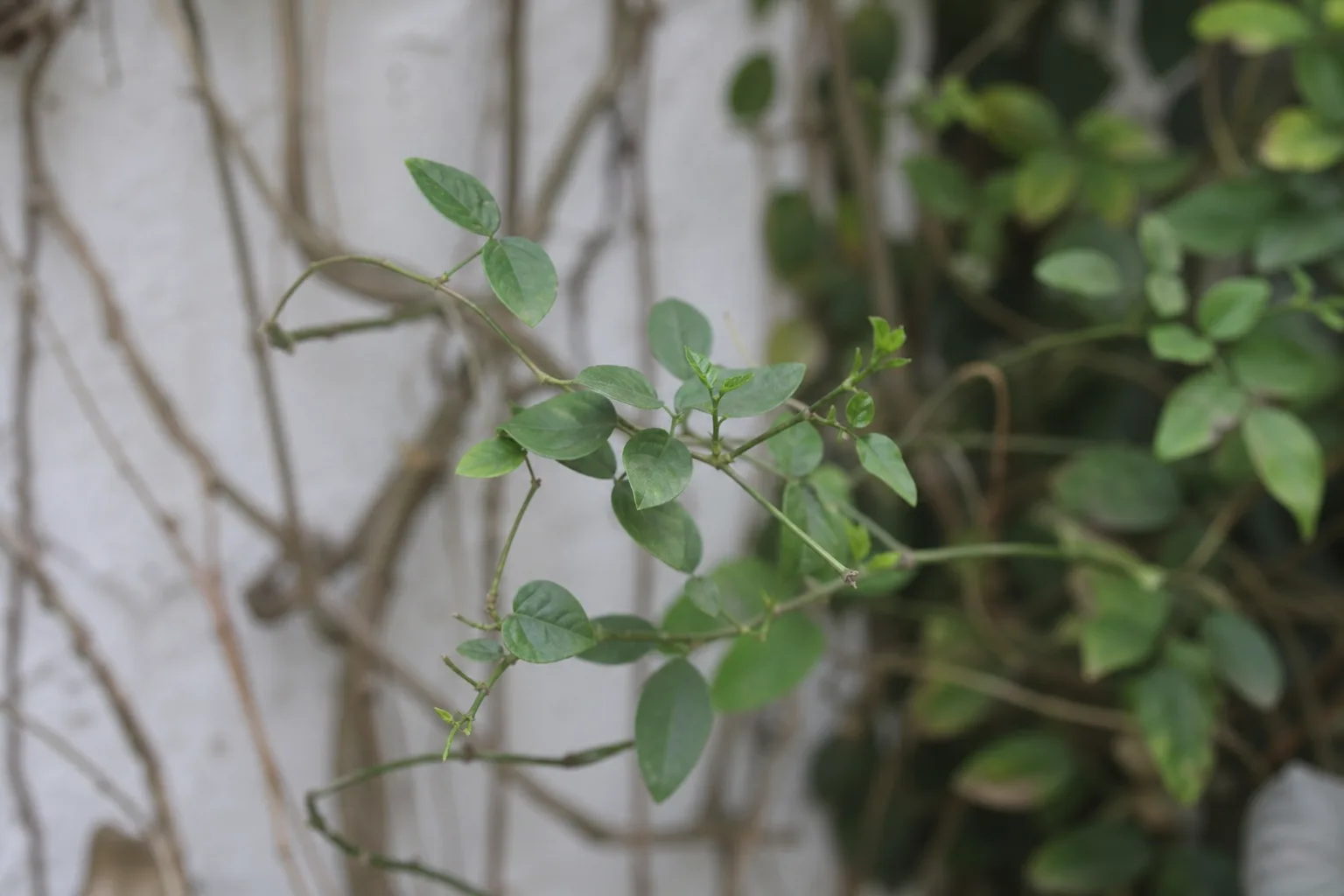
Slow Growth on Mogra: Causes, Checks & Fixes
This guide covers slow growth on Mogra. See also the general Slow Growth guide, watering, and light pages for this plant.
Slow Growth on Mogra: Causes, Checks & Fixes
Quick answer
Slow growth on Mogra (Jasminum sambac, Arabian jasmine) is not always a crisis. This tropical shrub naturally slows in cool months with reduced watering and little new stem extension. Concern starts when the plant stays static through warm weather-roughly March through October in most Indian homes-while temperatures sit in its comfort zone of 20–35°C.
During active season, the usual bottleneck is too little direct sun. Mogra is not a low-light foliage plant. It wants full sun to part shade and produces the most vigorous stems where it receives four to six hours of direct sun daily. A plant parked in a bright but sunless corner may keep old leaves yet add almost nothing new for months.
First step: rule out normal winter rest, then move Mogra to its brightest available position with four to six hours of direct sun-and change nothing else for two weeks. Do not repot, prune hard, or pile on fertilizer while you are still guessing. If new stem tips appear after the light move, you found the limiter. If the pot stays light, soil dust-dry, and new leaves emerge small and crisp, shift next to a steadier watering rhythm before touching feed or pot size.
Scope note: This page covers a flat, static canopy with little new tissue over weeks. If stems are stretching with wide gaps between leaves, see leggy growth on Mogra. If the plant survives but never receives direct sun, see not enough light on Mogra.
What slow growth looks like on Mogra
Slow growth here means little meaningful new tissue over weeks, not one paused week after repotting. On a healthy Mogra you should see fresh stem tips, leaf pairs, or flower buds during warm months. When growth stalls, the plant often looks deceptively fine from across the room.
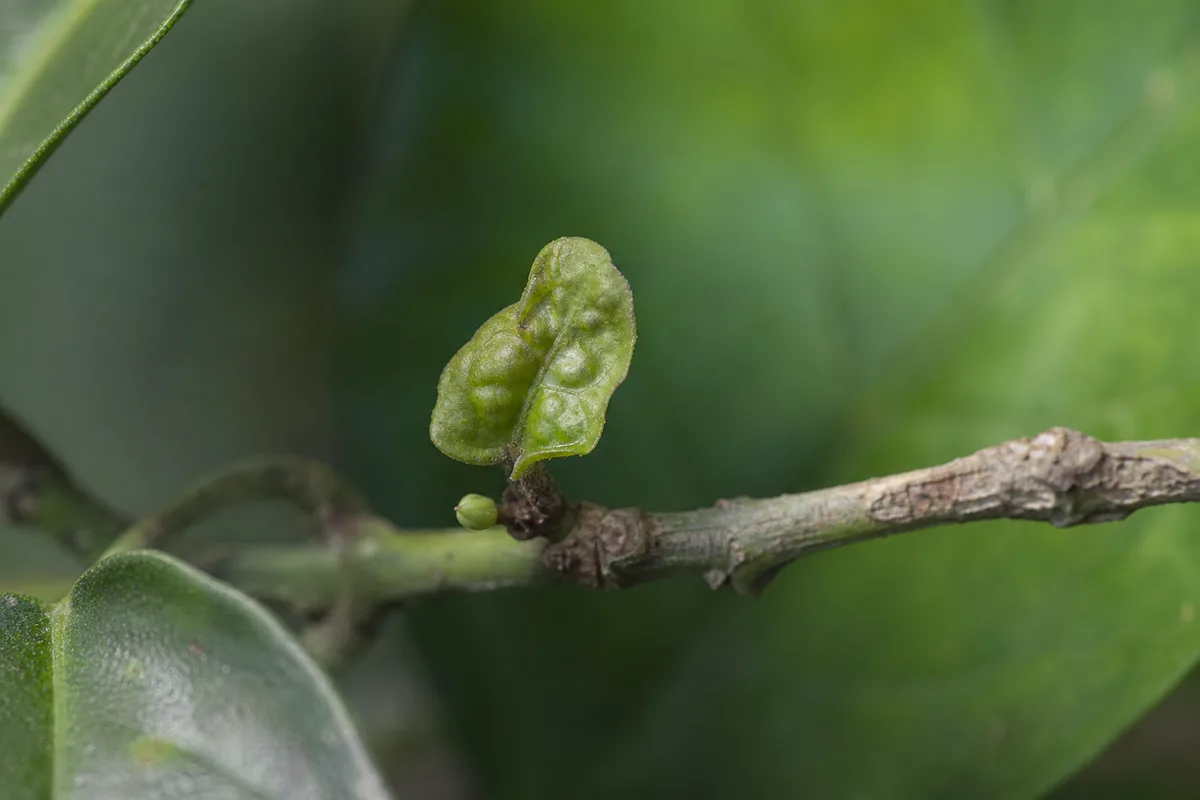
Slow Growth symptoms on Mogra - compare with healthy tissue on the same plant.
Typical signs:
- No new stem tips for six or more weeks during active season
- Smaller new leaves than the mature baseline foliage on the same branch
- Wide gaps between old leaf pairs on new shoots that do appear-often paired with leaning toward the brightest window
- Few or no flower buds even though the plant is old enough to bloom and weather is warm
- Static pot weight week after week-not the normal lightening that comes with active summer water use
- Overall green canopy without yellowing-distinguishes simple stall from root rot or severe nutrient stress
What slow growth is not: a single week without change after you moved the pot, pruned heavily, or brought it indoors for winter. Mogra needs a short reset after disruption. Judge trends across four to six weeks, not daily inspection.
Normal seasonal slowdown: From late autumn through winter, many Mogra plants rest with reduced watering and minimal new growth. That pattern is expected. Leaves may stay green; buds may be scarce. Resume aggressive troubleshooting only when warm weather returns and the plant still does not push new tips.
Why Mogra gets slow growth
Mogra grows at a moderate to fast pace in warm, bright conditions. When those conditions slip, carbohydrate production drops and the plant prioritizes survival over extension. Each cause below fits this species’ biology-not generic houseplant advice.
Too little direct light
This is the leading indoor cause. Arabian jasmine grows best in full sun to part shade. Indoors, “bright indirect” light across the room is often too weak. Without enough photons, Mogra cannot fuel new stems or flower buds, and poor growth follows. Stems may stay thin, internodes long, and growth nearly flat for months.
Winter rest and cool temperatures
Mogra is tropical. Exposure below about 10°C slows metabolism sharply. Cold drafts from AC vents, single-pane winter windows, or outdoor nights without protection suppress growth even when leaves look fine. Container plants overwintered indoors need bright sun and reduced watering-not the same summer schedule on a dark shelf.
Underwatering and drought stress
Mogra wants consistent moderate moisture: water when the top 2–3 cm of mix dries, not when the whole root ball turns brick-hard. Chronic underwatering limits cell expansion. New leaves emerge small; bud formation stalls; tips may crisp. This pairs with a very light pot and mix that pulls away from the pot walls.
Overwatering and poor drainage
Soggy mix is equally limiting. Overwatering causes stunted slow growth when soil stays wet. Damaged roots move less water and fewer nutrients upward, so top growth stalls even though you water often. Yellow older leaves and a heavy, never-drying pot point here-not a light problem.
Nutrient depletion in old soil
Mogra fed heavily through long summers can exhaust a small container mix. Nitrogen shortage shows as pale, small new leaves on an otherwise green plant. Alkaline or stale soil can also lock out iron where tap water is hard. Fertilizer helps only after light and watering are already reasonable-see the Mogra fertilizer guide for monthly half-strength timing, not emergency full-strength dumps.
Root congestion and stale mix
Mogra often flowers well when slightly root-bound, but severe circling roots in broken-down peat stop new root tips from forming. Growth stalls, water runs straight through, and the plant dries out faster than you expect. Roots visible at drainage holes and mix that smells flat or sour support this diagnosis.
Sap-sucking pests
Aphids and spider mites occur on jasmine. Low-level infestations drain vigor before leaves look obviously damaged. Check leaf undersides and new tips for specks, webbing, or sticky residue-see aphids on Mogra and spider mites on Mogra.
Cultivar temperament
Jasminum sambac ‘Grand Duke of Tuscany’ and other double-flowered forms are naturally slower and more compact than single-petal types. Compare your plant to its own past performance, not a neighbor’s Maid of Orleans.
How to confirm the cause
Work through these checks in order. Stop when one pattern fits clearly.
- Season and temperature - Is it winter rest or sub-10°C nights? If yes, expect slow growth; adjust watering down and wait for warmth before escalating fixes.
- Direct sun hours - At midday, does the plant receive sun on leaves for four to six hours? A sharp shadow on paper at the leaf surface means usable intensity; a faint blur means too dim.
- Soil moisture at 2–3 cm depth - Dry and dusty with a light pot suggests underwatering. Wet and heavy days after watering suggests overwatering or poor drainage.
- New leaf size - Compare the newest leaf pair to one from last season. Smaller and paler leaves point to nutrients or chronic stress; normal-sized leaves with no new nodes point to light.
- Root and drainage peek - Lift the pot. Are roots circling densely at holes? Does water drain within seconds or pool on the surface?
- Pest scan - Inspect undersides of newest leaves and stem tips with light behind them. Sticky shine or fine webbing confirms sap feeders.
- Recent disruption - Repotting, moving indoors, or hard pruning in the last three weeks can pause growth temporarily. Hold steady before stacking more interventions.
Confirmed light limitation: Warm season, green plant, no pests, acceptable watering, yet no new tips in a dim spot. New growth resumes within two to three weeks after a sun move.
Confirmed drought stress: Very light pot, dry top and mid mix, occasional crispy leaf edges, growth resumes after slow, thorough rewetting-not a single splash.
Confirmed root or rot stress: Yellowing lower leaves, sour smell, wet mix, or mushy roots on inspection. Slow growth here is a secondary alarm-address roots before fertilizer.
First fix for Mogra
After confirming it is not normal winter rest, move Mogra to the brightest location available with four to six hours of direct sun on the leaves.
Practical placement:
- Outdoors or on a balcony: morning to midday sun with light afternoon shade in peak summer heat above 35°C
- Indoors: within 30 cm of a south- or west-facing window where sun actually hits foliage
- If only a dim east window is available: add a full-spectrum grow light 20–30 cm above the canopy for 12–14 hours daily
Then hold watering, fertilizer, and repotting steady for two weeks so you can read the plant’s response. Mogra hates simultaneous changes-moving, repotting, and feeding in one weekend often aborts buds and adds another month of stall.
If direct sun is impossible in your home, grow lights are not optional for vigorous Mogra. Weak winter window light alone rarely sustains active growth.
Step-by-step recovery
Once light is addressed-or if light was already strong-work through the next bottleneck only if growth stays flat after four weeks.
Stabilize watering
Water when the top 2–3 cm of mix is dry, usually every two to four days in warm weather and roughly weekly in winter rest. Soak until excess drains freely; never leave the pot sitting in a full saucer. If mix dries within one day repeatedly, roots may be congested-see repotting below.
Feed lightly during active growth
After light and water look stable, apply a low-nitrogen liquid fertilizer at half label strength once per month from spring through autumn, following the Mogra fertilizer guide. Skip feed on stressed, newly repotted, or winter-resting plants. Heavy nitrogen alone can push leaves at the expense of flowers without fixing a true stall.
Repot only when roots justify it
Repot in spring after the first flower flush if roots circle thickly, water runs straight through, or mix is clearly degraded. Move one pot size up at most, using well-draining mix with perlite and compost per the Mogra soil guide. Mogra tolerates slight root binding for flowering-do not jump to an oversized pot “to encourage growth.” Extra wet soil around a small root ball slows growth further.
Clear sap-sucking pests
If pests are confirmed, rinse leaf undersides with plain water, isolate the plant, and treat with insecticidal soap or horticultural oil on a mild day. Repeat per label directions. Do not fertilize until new clean growth appears.
Prune after growth resumes
Once new tips are active, prune lightly after a bloom flush to branch stems and remove weak shoots per the Mogra pruning guide. Hard bare-stem pruning during a stall removes photosynthetic tissue the plant needs to recover.
Recovery timeline
Expect gradual improvement, not an overnight surge.
- After a successful light move: First visible new stem tips in two to four weeks during warm weather
- After watering correction: New leaves enlarge within three to five weeks; buds may follow one flush later
- After repotting: Two to six weeks of pause is normal before new growth; do not repot twice chasing speed
- After pest cleanup: New clean leaves in three to four weeks if infestation was mild
- Winter rest: Little growth until day length and temperatures rise in spring-plan for months, not days
Judge success by frequency and size of new tips, not by old leaves changing color.
Lookalike symptoms
| What you see | Likely issue | Why it differs from simple slow growth |
|---|---|---|
| Long stems, wide leaf spacing, lean toward window | Leggy growth from weak light | Plant is growing-just stretched and thin - see leggy growth |
| Yellow lower leaves + wet soil + stall | Root rot or overwatering | Acute decline, not a quiet green pause |
| Bud drop with otherwise fair growth | Moisture swing during flowering | Stems may extend; flowers fail, not all growth - see bud drop |
| Crispy tips, very light pot | Underwatering | Faster leaf symptom than slow growth alone - see underwatering |
| Winter, cool room, green leaves | Seasonal rest | Normal dormancy, not a care failure |
Mistakes to avoid
- Dumping fertilizer on a stalled plant before fixing light and watering-salt buildup in dry mix burns roots
- Repotting immediately because growth is slow-transplant shock adds another month of pause unless roots are clearly failing
- Chasing growth in winter with heat, feed, and extra water-disrupts the rest rhythm Mogra uses before spring flowering
- Assuming all jasmines behave identically-cultivar, pot size, and your climate change the pace
- Moving the plant during bud formation-even 48 hours in dimmer light can drop buds and look like stalled growth
- Oversized pots to “give roots room”-extra wet soil around a small root ball is a common hidden brake
Mogra care cross-check
Slow growth often means one core need is out of range. Compare your setup with this species’ baseline:
| Factor | Target for active growth |
|---|---|
| Light | Four to six hours direct sun; brightest window or grow light indoors - light guide |
| Temperature | 20–35°C active; protect below 10°C |
| Watering | When top 2–3 cm dries; reduce in winter rest - watering guide |
| Soil | Well-draining mix, pH 6.0–7.5, perlite and compost - soil guide |
| Feed | Monthly half-strength spring–autumn; pause in winter - fertilizer guide |
| Pot | Slight root binding acceptable; repot when mix fails or roots circle heavily |
When several rows are off, fix light first, then water, then nutrients, then pot size-in that order.
How to prevent slow growth next time
- Place Mogra where it receives direct sun on leaves, not just bright walls
- Track seasonal rhythm: less water and no feed push in winter; expect spring flush
- Water on pot dry-down, not a rigid calendar-summer drying is faster than monsoon humidity
- Prune lightly after bloom flushes to renew branching instead of letting bare woody stems dominate
- Refresh mix or repot every two years in spring before growth peaks
- Inspect leaf undersides monthly for aphids and spider mites before they drain vigor quietly
When to worry
Escalate beyond basic fixes if:
- Growth is flat and lower leaves yellow while soil stays wet for days
- Stems soften at the base or the pot smells sour-possible root rot
- New growth emerges distorted, sticky, or webbed despite good light
- The plant loses leaves rapidly during warm weather, not just a winter shed
- No new tips appear eight weeks after correcting light and watering in active season
At that point, unpot, inspect roots, and address decay or pests directly. A Mogra with firm roots, green upper stems, and improving light can recover over a season-but a plant with advanced root rot may not regain its former size even after rescue.
Related Mogra guides
- Mogra overview
- Mogra light
- Mogra watering
- Mogra fertilizer
- Leggy growth on Mogra
- Not enough light on Mogra
- No flowers on Mogra
Related tool
Use the Plant Problem Diagnosis Tool to narrow causes for slow growth on this plant before changing multiple variables at once.