Spider Mites on Mogra: Causes, Checks & Fixes
Quick answer
Spider mites on Mogra show as fine stippling on glossy leaves and tight white bud clusters, often after a balcony pot moves indoors beside a winter heat vent. First step: isolate the shrub and rinse every leaf underside with a firm lukewarm stream before any spray.
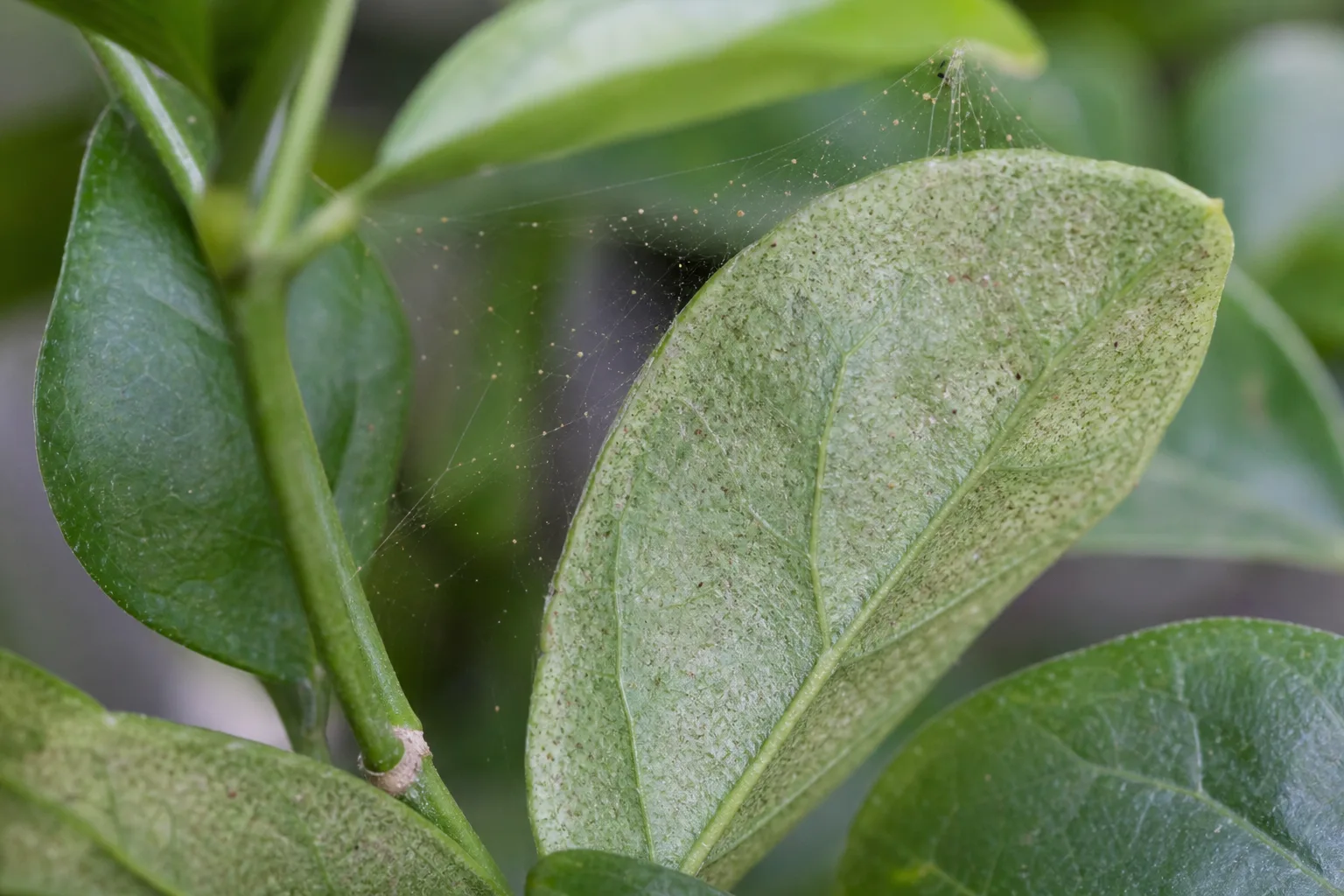
Spider Mites on Mogra: Causes, Checks & Fixes
This guide covers spider mites on Mogra. See also the general Spider Mites guide, watering, and light pages for this plant.
Spider Mites on Mogra: Causes, Checks & Fixes
Quick answer
Spider mites on Mogra (Jasminum sambac - Arabian jasmine, Mallige, Motia) show up as fine yellow or white stippling on glossy ovate leaves, dull bronzing over time, and delicate webbing at leaf bases and tight white bud clusters. The outbreak window is predictable on many terrace pots: a shrub that spent monsoon outdoors returns to a heated room with dry air beside a sunny window or radiator-exactly when spider mites prefer warm, dry environments with low humidity.
First step: isolate the pot and rinse every leaf underside with a firm lukewarm stream. That physical knockdown confirms live mites, protects neighboring plants, and removes adults before you decide on soap, oil, or miticide. Coat undersides and bud-cluster bases-not just the stippling visible on top.
Mogra needs steady moisture during bud swell and moderate humidity for fragrance, but dry foliage air above correctly drying soil is mite-friendly. Do not respond to stippled leaves by flooding the pot-see our watering guide for the top 2–3 cm dry check. Wet roots during winter semi-rest invite problems unrelated to mites.
What spider mites look like on Mogra - photo guide
Spider mites are tiny arachnids-often amber, green, or red-orange-that cluster on leaf undersides, tender shoot tips, and the protected folds where bud cymes meet stems. On Mogra’s glossy, almost stalkless leaves, feeding damage has a distinct pattern:
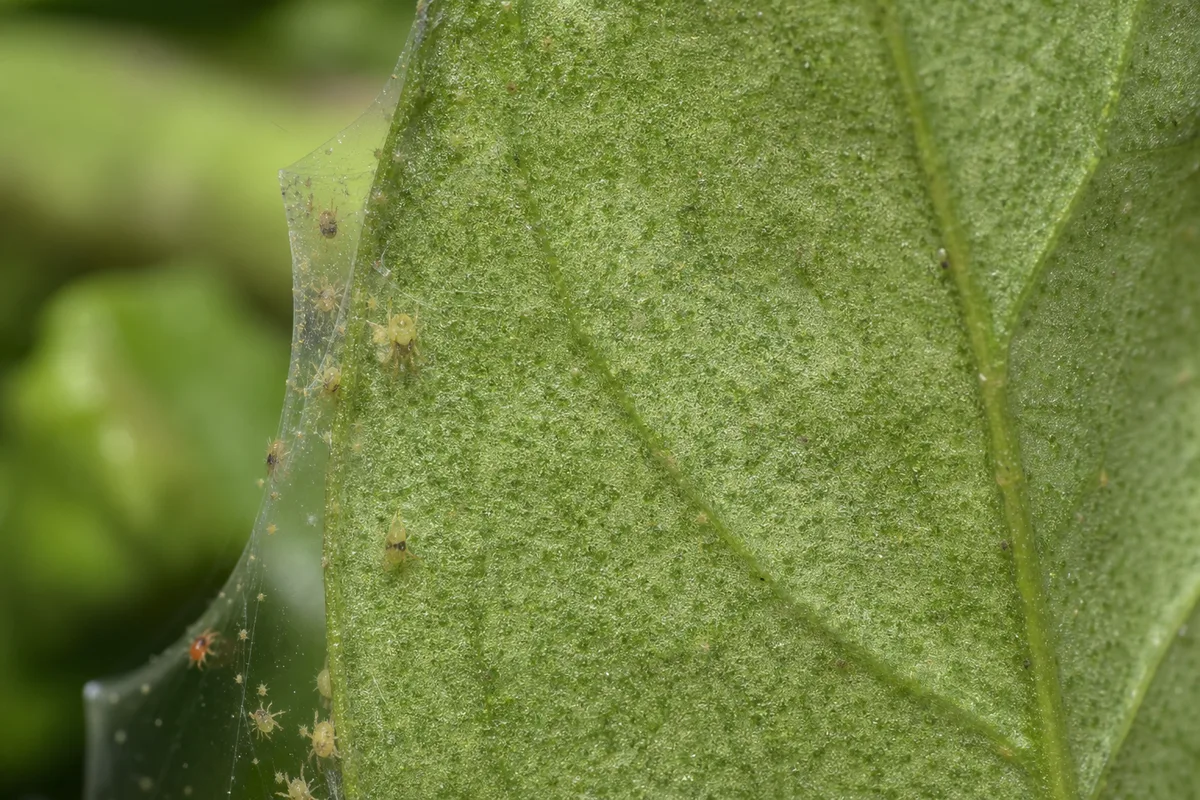
Spider Mites symptoms on Mogra - compare with healthy tissue on the same plant.
- Stippling: thousands of tiny yellow or white dots where sap was drained from individual cells on the upper surface
- Bronzed or dusty-looking leaves that still feel firm, not mushy like overwatering damage
- Fine webbing at leaf bases, stem joints, and unopened bud clusters-sometimes before stippling is obvious on every leaf
- Slow or distorted new growth on shoots that should be pushing the next evening-bloom flush
Because Mogra leaves are smaller than many houseplant blades but larger than jasmine vine leaflets, early stippling can look like sun stress or aging until you flip a leaf. Mites often colonize newest growth and swelling bud clusters first-the tissue that determines whether you smell fragrance tonight. Unlike aphids, there is no sticky honeydew or ant trails. Unlike powdery mildew, there is no white fungal coating-only silk threads and feeding dots.
Diagnostic photos: Compare fine yellow stippling scattered across a glossy Mogra upper leaf beside an unopened white bud cluster (mite feeding from below), delicate silk at a bud-cyme base where bracts meet the stem (not corner-spider webbing), and slow-moving specks on white paper from a tap test beneath a bronzed leaf. Original symptom photos will be added to this guide in a future update.
On the double-flower form J. sambac ‘Grand Duke of Tuscany’, bud clusters are denser and harder to rinse between stacked bracts-inspect the protected folds at each cyme base with a magnifier before assuming a rinse reached every colony.
Why Mogra gets spider mites
Mogra is a tropical flowering shrub that prefers moist but well-drained soil and moderate humidity while needing 4–6 hours of direct sun for prolific blooms. Spider mites exploit the opposite side of that equation: warm air with little moisture on leaf surfaces. The conflict is not about watering the pot on a calendar-it is about dry foliage air above roots that are correctly drying down at the top 2–3 cm.
Common triggers on container Mogra:
Winter balcony-to-indoor moves. Many Indian growers overwinter terrace pots in a bright room when nights drop below about 10°C. Central heat, AC, and radiator drafts drop humidity while the shrub sits in its sunniest window. Mites are common on houseplants stressed by low humidity and heat-especially near sunny glass where Mogra must sit for flowering.
Heating season beside vents. A Mogra moved from a humid monsoon balcony to a dry bedroom above a heat vent loses leaf-surface moisture faster than the pot dries. Soil appropriately dry plus bone-dry foliage air from forced heat is mite-friendly even when roots are healthy-extensions describe warm, dry conditions that favor mite outbreaks without tying risk to a single humidity percentage.
Bud-cluster microclimate. Tight white buds transpire heavily. Mites stipple these clusters before webbing is obvious-often overlapping with bud drop from dry air alone. Both problems share dry-air DNA; mites add undersurface colonies and silk.
Crowded plant shelves. Mites walk short distances between pots and spread on hands, pruning shears, or breeze during post-bloom pruning.
Stressed shoots after inconsistent watering. Mogra aborts buds when moisture swings during bud swell; stressed tender shoots that survive are easy mite targets. Stable watering rhythm does not prevent mites, but drought-stressed foliage recovers more slowly after treatment.
The twospotted spider mite infests hundreds of plant species and is a serious greenhouse pest-fragrant J. sambac is not exempt.
How to confirm the cause
Work through these checks before spraying anything:
- White-paper tap test. Hold a suspect leaf over white paper and flick the underside. Moving specks distinguish mites from dirt and debris.
- Magnifier scan. Inspect newest leaves, bud-cluster bases, and stem joints at 10× magnification. Look for dots, cast skins, and silk threads.
- Soil moisture check. Probe the top 2–3 cm of mix. Dry at that depth with firm stems is normal active-season rhythm-not proof against mites. Wet mix with stippling still means mites, but fix drainage before heavy indoor rinsing.
- Distribution pattern. Stippling on bud clusters and upper shoots after a winter indoor move strongly suggests mites. Uniform yellowing on older lower leaves alone may be reduced winter watering, not enough light, or natural turnover.
- Neighbor audit. Check other plants on the same shelf for early stippling-mites often arrive on one Mogra and spread before webbing is visible.
Five-step confirmation checklist
| Step | What to check | Mites likely if… |
|---|---|---|
| 1 | Tap test on stippled leaf | Moving dots fall onto paper |
| 2 | Underside with magnifier | Colonies, cast skins, or silk |
| 3 | Bud-cluster bases | Stippling or webbing on swelling buds |
| 4 | Soil at 2–3 cm depth | Firm roots; stippling not explained by soggy soil alone |
| 5 | Adjacent pots | Early dots on shared-shelf plants |
Confirmed mites show stippling with undersurface activity or webbing. Suspected mites with only a few yellow leaves dropping during winter rest and no silk may be seasonal leaf loss-recheck undersides before treating.
Symptom lookalike comparison
| Sign | Spider mites | Thrips | Aphids | Bud drop (culture) |
|---|---|---|---|---|
| Primary site | Leaf undersides, bud bases | Buds, petals | Tender shoots, bud tips | Whole bud clusters |
| Visual cue | Stippling + webbing | Silvery scars | Soft insect clusters | Buds fall, no dots |
| Residue | Fine silk | Scrape marks | Sticky honeydew | Clean abscission |
| Dry-air link | Strong | Moderate | Weak | Strong |
First fix for Mogra
Isolate and rinse the entire shrub. Move the pot away from other plants. In a shower, sink, or outdoors in mild morning weather, spray every leaf underside, stem joint, and bud-cluster base with a strong lukewarm stream for several minutes. Wrap the pot or tilt it so you do not waterlog soil that should stay on its normal dry-down schedule.
This single step:
- Removes a large fraction of adults and eggs through physical washing
- Confirms you are treating the right problem
- Avoids stacking pesticides on day one
Let glossy foliage dry in bright light the same day-rinse in morning so leaves are dry before strong afternoon sun on a terrace pot. Do not increase watering because leaves look stippled; match the 2–3 cm dry check instead. Avoid blasting swollen bud clusters with a hard jet right before evening bloom if you can target undersides without mechanically knocking buds off.
Step-by-step recovery
After the initial rinse, use this sequence over the next two to three weeks:
Day 1 (same day or next morning): If stippling persists or webbing remains, apply insecticidal soap or horticultural oil labeled for mites. Coat all leaf surfaces, especially undersides and bud bases, until the solution barely drips. Insecticidal soap and horticultural oil are effective against spider mites on ornamental plants when coverage is complete.
Every 5–7 days: Repeat soap or oil at least three times. Mite eggs hatch in cycles; most contact products miss eggs, so two or more applications at five-day summer intervals or seven-day winter intervals are required.
Between sprays: Raise ambient humidity modestly with a pebble tray or room humidifier-target moderate humidity during active growth without misting buds heavily or keeping soil soggy. Mogra benefits from moderate humidity for flowering; dry air suppresses mites less than it invites them back.
Prune only if needed. Snip one or two heavily webbed shoots and bag them. Do not strip the shrub bare unless most foliage is already lost-Mogra needs leaves to rebuild energy for the next flush.
Inspect neighbors weekly. Treat any adjacent pot showing early stippling before mites walk to your Mogra again.
Light, moderate, and heavy infestation tiers
| Severity | Signs | Action |
|---|---|---|
| Light | Stippling on one branch, few mites on tap test | Isolate, rinse, monitor one week |
| Moderate | Multiple shoots stippled, early webbing | Rinse plus three timed soap/oil cycles |
| Heavy | Webbing on bud clusters, widespread bronzing | Above plus miticide labeled for spider mites; consider discarding severely webbed specimens on crowded shelves |
Soap, oil, and miticide product selection
All three options are contact treatments-they kill only mites the spray touches and leave no residual activity. Coverage on undersides and bud bases matters more than product strength.
| Product type | Best for | Mogra notes | Repeat interval |
|---|---|---|---|
| Insecticidal soap (potassium salts of fatty acids) | Light to moderate infestations; indoor rooms with good ventilation | Gentler on glossy leaves; patch-test one leaf in direct terrace sun before full spray | Every 5–7 days, minimum 3 cycles |
| Horticultural oil (petroleum or plant-based) | Moderate infestations; webbing in leaf axils | Excellent underside coverage; avoid hot afternoon sun on wet leaves on terrace pots | Every 5–7 days, minimum 3 cycles |
| Labeled miticide (pyrethrin or permethrin products labeled for spider mites) | Heavy spread when three soap/oil cycles fail | Read label for ornamental shrubs; broad-spectrum insecticides can flare mite populations by killing predators-use only when contact products fail | Per label; typically 5–7 days |
Widely available soap and oil products include Safer Brand Insecticidal Soap and paraffinic horticultural oil sprays-both must be labeled for spider mites on ornamental plants. Neem oil works as a plant-oil extract when labeled for mites; treat it like horticultural oil for coverage and sun-burn cautions. Do not mix homemade soap solutions-formulated insecticidal soap is safer for foliage than dish soap.
For food-adjacent terrace pots, follow label pre-harvest or re-entry intervals and rinse edible petals only after the label allows. When in doubt, consult your local extension office before repeated pesticide use near kitchen herbs on the same rail.
Documented recovery case (editorial)
Winter terrace move, January 2026: A 14-inch clay Mogra in a south-facing bedroom beside a radiator showed stippling on three swelling bud clusters two weeks after moving indoors from a humid Bangalore terrace. RH beside the pot read bone-dry on a household hygrometer while the top 2–3 cm of mix dried normally. Day 1: isolate and firm underside rinse. Days 1, 8, and 15: insecticidal soap with complete bud-base coverage. A small room humidifier ran beside the pot between sprays-not misting buds directly. By day 21, new shoots emerged without fresh dots; two heavily stippled leaves were trimmed once webbing stayed gone for two weekly checks. The next evening bloom flush opened on clean clusters.
Recovery timeline
Days 1–3: Webbing loosens after the first rinse; live mite activity should drop on re-inspection.
Week 1–2: Stippling stops spreading to new leaves if treatment coverage reached bud bases and stem joints.
Weeks 2–4: After three timed spray cycles, new shoot growth should emerge without fresh dots. Old stippled leaves stay marked permanently-that is normal.
Bloom season: Clean new stems support the next evening fragrance flush. Mite-stressed buds may drop before opening if infestation ran into the warming period-cross-check bud drop triggers if loss continues after mites are gone.
If stippling spreads through three spray rounds, escalate to a miticide labeled for spider mites and follow label intervals. General insecticides often miss mites and can worsen outbreaks by killing predators.
Lookalike symptoms
Dry-air bud drop. Plump buds falling with dry soil swings, recent relocation, or draft exposure and no stippling or webbing points to cultural stress-not mites. See bud drop on Mogra.
Thrips. Silvery scars on petals and distorted buds rather than classic dot pattern plus webbing on undersides.
Aphids. Soft pear-shaped clusters on tender shoots with sticky honeydew-not mite stippling. See aphids on Mogra.
Mealybugs. White cottony wax in leaf axils and stem joints. See mealybugs on Mogra.
Powdery mildew. White fungal coating on leaf surfaces, not stippling with silk at stem joints.
Nutrient or light stress. Even pale green leaves across the whole plant without undersurface dots or silk-often paired with weak light and etiolated stems.
Mistakes to avoid
Watering more when leaves look stippled. Mite-damaged Mogra still needs its normal dry-down rhythm. Wet soil during winter rest invites root stress unrelated to pests.
One-and-done spraying. A single soap application leaves eggs to hatch. Plan three cycles minimum.
Treating only upper leaf surfaces. Mites live underneath glossy leaves and in bud-cluster crevices. Incomplete coverage guarantees return.
Heavy rinsing swollen bud clusters at midday. Mechanical bud loss and sun scorch on wet leaves are real on terrace pots-rinse in cool morning light and target undersides.
Using generic insecticides. Products aimed at aphids or beetles often miss mites; oils, soaps, or labeled miticides target the pest directly. Broad-spectrum sprays can flare mite populations by removing natural enemies.
Misting instead of raising ambient humidity. Brief mist raises humidity for minutes and wets bud clusters without solving dry winter air. A humidifier or pebble tray below the pot works better.
Fertilizing during active infestation. Hold excess nitrogen until new growth is clean; resume balanced feeding once the shrub is mite-free.
Assuming yellow leaves mean overwatering. Check for mites first-especially after moving a balcony pot indoors beside a heat vent.
Mogra care cross-check during treatment
Stable culture speeds recovery and protects the next bloom flush:
| Factor | Target during treatment | Why it matters |
|---|---|---|
| Watering | Top 2–3 cm dry between drinks | Even moisture supports buds; soggy soil slows rebound |
| Humidity | Moderate ambient, not wet crowns | Dry heated air invites mites back |
| Light | 4–6 hours direct sun | Firm growth recovers faster than etiolated shoots |
| Isolation | Separate shelf until two clean weekly checks | Prevents shelf-wide spread |
| Bud stage | Avoid repotting or hard pruning mid-flush | Mechanical and cultural stress aborts blooms |
| Fertilizer | Hold until two clean weekly checks after last spray | Excess nitrogen can favor mite outbreaks on tender new growth |
Full context: Mogra overview, watering, light, and fertilizer.
How to prevent spider mites next time
- Quarantine balcony pots for two weeks after moving them indoors for winter; rinse and inspect undersides before placing near other plants
- Scout weekly during heating season-bud bases and leaf undersides first, not just open flowers
- Raise ambient humidity modestly without keeping soil wet through winter semi-rest
- Rinse foliage monthly during indoor active growth-the same physical control that works in treatment
- Space terrace pots so you can inspect stem bases from all sides; dense grouping hides early stippling
- Match watering to dry-down, not calendar autopilot-see watering for the finger test at 2–3 cm
- Inspect when buying new nursery Mogra; jasmine-family plants attract spider mites indoors
Strong culture helps-bright light, correct seasonal watering, and post-bloom pruning-but dry heated air still requires inspection, not heavier watering.
When to worry
Treat as urgent when:
- Webbing spans multiple bud clusters and returns within days of rinsing
- Stippling reaches swelling buds before the next evening bloom flush
- New growth emerges already dotted despite two treatments
- Mites appear on several plants in the same room
- Widespread bronzing and leaf drop accelerate while the shrub should be pushing buds
Lower urgency when stippling is on one branch, roots are healthy, and the first rinse removes visible mites. Monitor for a week before adding sprays.
Spider mites rarely kill an established Mogra on their own if caught before severe defoliation-but they can weaken the shrub enough that bud drop and a missed fragrance window follow. Fix pests first; keep the watering rhythm disciplined.
For severe collection-wide spread or a specimen webbed stem-to-stem with no clean bud tips, consult your local extension office before repeated pesticide use on food-adjacent terrace pots.
Mogra vs. poet’s jasmine: mite context
Both are Jasminum species sharing rinse-then-soap protocol, but growth habit differs. Poet’s jasmine (J. officinale) is a cool-rest vine with thin leaflets-mites spike after the post-chill move indoors; see spider mites on jasmine. Mogra (J. sambac) is a bushy tropical shrub with glossy leaves and tight bud cymes that need careful rinsing between clustered bracts without knocking evening blooms. Mogra’s bud-stage stakes are higher because each flush is shorter and fragrance peaks overnight on fewer simultaneous blossoms.
Frequently asked questions
How can I confirm spider mites on Mogra?
Confirm when yellow or white stippling dots appear on glossy upper leaf surfaces plus tiny moving specks or fine silk at leaf bases and bud clusters-not dry leaf tips alone from low humidity. Tap a suspect leaf over white paper; crawling dots are definitive. Webbing at bud cymes distinguishes mites from thrips scars or aphid clusters on tender shoots.
Can spider mites strike Mogra right after monsoon terrace season ends?
Yes. A Mogra that spent humid monsoon months outdoors often moves indoors when nights cool, landing beside a heat vent or sunny winter glass where dry, warm air replaces terrace humidity. Stippling on swelling bud clusters within two weeks of that move is a classic mite pattern-inspect undersides before blaming the watering change alone.
Will damaged Mogra leaves recover from spider mites?
Heavily stippled glossy leaves stay marked permanently; recovery shows in clean new growth and unwebbed bud tips after two to three weekly treatment cycles. Old bronzed foliage can be trimmed once the shrub is mite-free. Judge success by fresh shoots without fresh dots, not by repaired older blades.
When is spider mites urgent on Mogra?
Treat immediately when webbing spreads across bud clusters before evening bloom, stippling reaches multiple shoots on a shared shelf, or new growth emerges already dotted despite one rinse. Mites multiply fast in heated dry rooms during winter-waiting costs the next fragrance flush and can spread to neighboring jasmine pots.
How do I prevent spider mites on Mogra next time?
Raise ambient humidity modestly without keeping soil soggy, inspect bud bases and leaf undersides weekly when heat is running, and quarantine balcony pots for two weeks after moving them indoors for winter. Match watering to the top 2–3 cm dry check so roots stay healthy while foliage air stays above bone-dry.
Where to go next
| If you see… | Start here |
|---|---|
| Buds falling with no stippling or webbing | Bud drop on Mogra |
| Sticky clusters on tender shoots | Aphids on Mogra |
| Cottony wax in leaf axils | Mealybugs on Mogra |
| Stippling after three failed spray cycles | Local extension office + miticide label review |
| General culture and bloom timing | Mogra overview |
Related Mogra guides
- Mogra overview - species ID, bloom cycles, and balcony culture
- Watering - even moisture during bud formation
- Light - direct sun requirements for firm growth
- Fertilizer - when to resume feeding after mites clear
- Bud drop - when mites and dry air both abort buds
- Aphids - sticky honeydew lookalike on tender shoots
- Mealybugs - cottony wax in leaf axils