Small Flowers on Jasmine: Causes, Checks & Fixes
Quick answer
Small flowers on common jasmine usually mean the vine lacked energy while buds were forming-often from too little direct sun, a warm winter without cool rest, or nitrogen-heavy feeding in a tired container. First step: count how many hours of direct sun the vine gets during active growth and move it to the brightest spot you can provide.
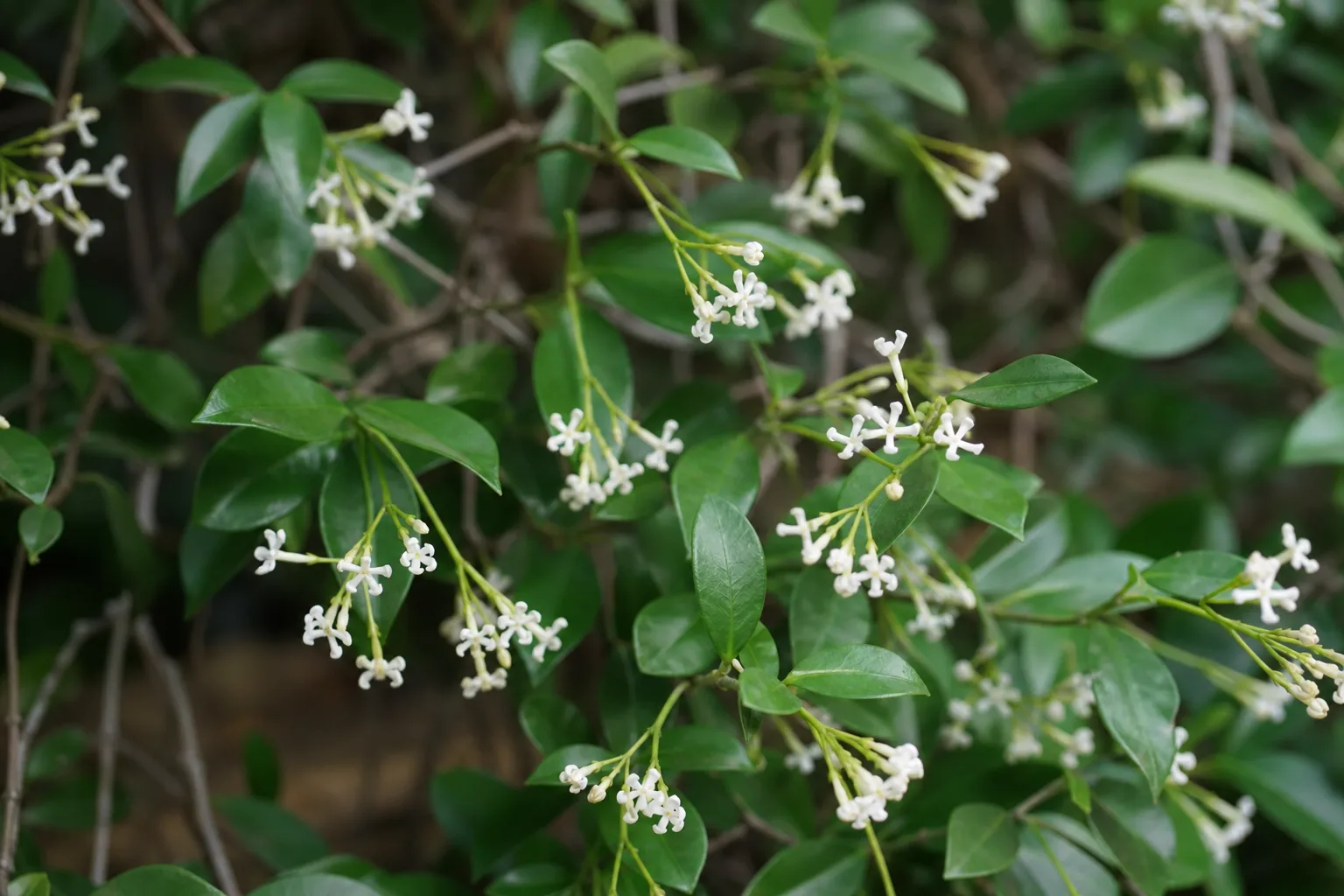
Small Flowers on Jasmine: Causes, Checks & Fixes
This guide covers small flowers on Jasmine. See also the general Small Flowers guide, watering, and light pages for this plant.
Small Flowers on Jasmine: Causes, Checks & Fixes
Quick answer
Small or sparse flowers on common jasmine (Jasminum officinale) usually mean the vine did not store enough energy while buds were forming-not that the plant is dying. Leaves may look fine in mediocre light, but bloom size and cluster fullness reveal whether culture matched what Jasmine overview needs.
First step: count how many hours of direct sun the vine receives during active growth, then move it to the brightest location you can provide. Common jasmine wants warm, sheltered sun for bud development; dim corners and north-facing rooms produce leggy vines with fewer, weaker blooms even when the plant stays green.
What small flowers look like on Jasmine
Healthy common jasmine naturally carries relatively small, star-shaped white flowers-about 2 cm across-in terminal clusters through summer and early autumn. That baseline size is normal for the species; the problem is when your vine produces blooms that are tinier than its own previous years, fewer flowers per cluster, or thin sprays with little fragrance.
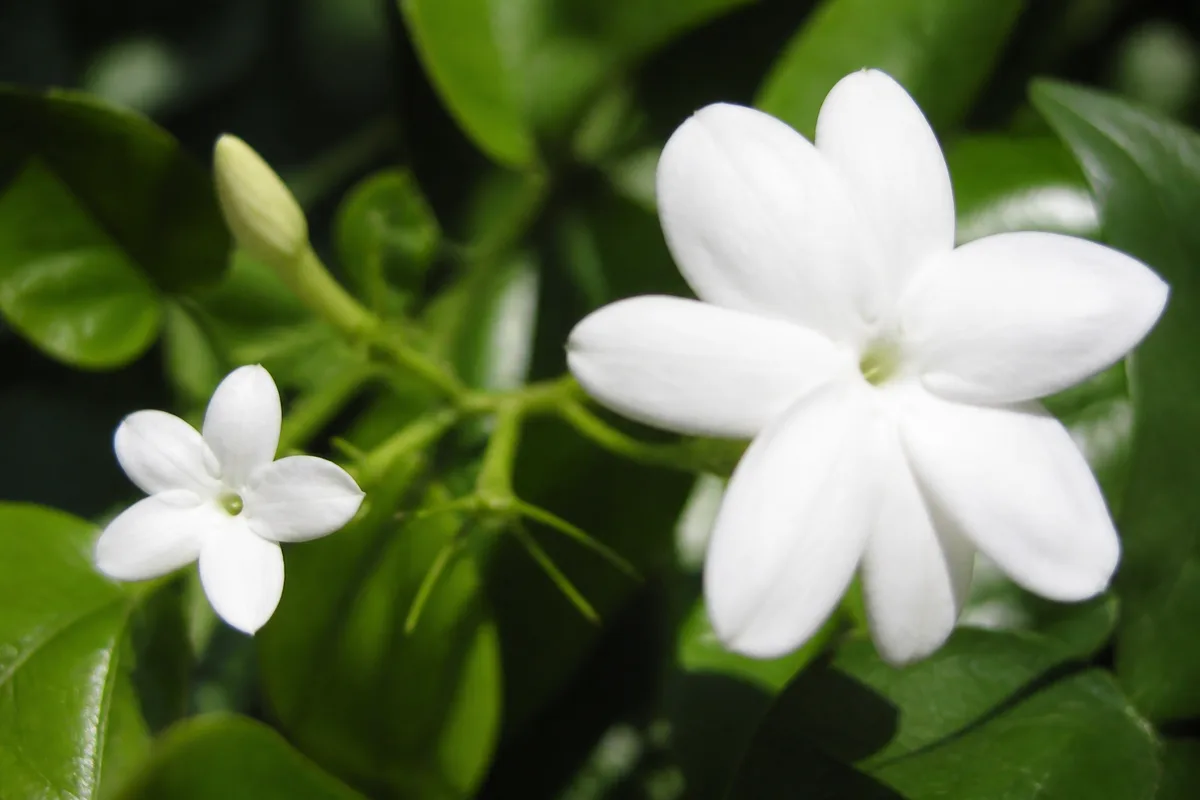
Small Flowers symptoms on Jasmine - compare with healthy tissue on the same plant.
Typical small-flower pattern on Jasminum officinale:
- Clusters open, but each star looks shrunken or closes quickly
- Only one to three flowers per cluster instead of a full spray
- Blooms smell faint compared with past seasons on the same plant
- Vine is long and leafy with blooms concentrated only at the very tips
- Container plant flowers after a warm, bright winter room but clusters stay sparse
Not the same problem:
- No flowers at all - usually missing winter chill or pruning at the wrong time
- Buds drop before opening - water stress, drafts, or sudden moves during bud swell
- Expecting star-jasmine size - Trachelospermum jasminoides is often confused with common jasmine but follows different bloom rules; common jasmine stars are smaller by nature
The cultivar ‘Affine’ is selected for slightly larger flowers on the same species. If your label says ‘Affine’ and blooms still look undersized, culture-not cultivar mismatch-is the likely issue.
Why Jasmine gets small flowers
Common jasmine flowers on old growth from spring into fall, with early flushes on the previous year’s growth. Bud quality depends on how the vine spent the prior winter and how much light and balanced nutrition it received while those buds developed.
Insufficient direct sun during bud formation is the most common indoor trigger. Jasminum officinale grows in full sun to partial shade outdoors, but container vines pushed into dim rooms build long stems with little carbohydrate reserve for full-sized blooms. Sun-lovers in shade are reluctant to flower well, and when they do, individual blooms and cluster counts often suffer.
Warm winter without cool rest hits container jasmine hard. Indoors, the species blooms from spring to fall and rests from October to March-it needs a cool, bright winter period, not a heated living room year-round. When nights stay above roughly 13°C all winter, bud initiation for the next flush can weaken even if some flowers still open. That pattern fits small clusters more often than total bloom failure.
Nitrogen-heavy feeding drives soft leafy extension at the expense of flower size. Excess nitrogen produces lush vines with disappointing bloom quality-a common mistake after a sparse year when owners feed aggressively hoping for more flowers.
Low potassium in leached container soil limits bloom size and stem strength. Container jasmine benefits from shifting to a high-potassium liquid feed as buds form; months of balanced or nitrogen-forward feeding in an old pot depletes potassium just when flowers need it.
Water stress during bud swell-alternating bone-dry mix with soggy recovery-reduces flower quality without always causing full bud drop. Jasmine wants regular moisture during flowering with good drainage; drought at bud stage produces smaller, shorter-lived stars.
Recent hard pruning resets bloom wood. Summer and winter jasmine can cope with renovation cuts, but the plant may take two to three years to return to heavy flowering after cutting back hard to within 60 cm of the base. Small, scattered blooms on a freshly shorn vine often reflect age of wood, not a new disease.
Pest pressure during the indoor rest period-especially spider mites in dry winter air-steals energy from buds forming on spring growth. Stippled leaves and fine webbing paired with weak blooms warrant pest checks before you change fertilizer again.
How to confirm the cause
Work through these checks in order:
- Sun-hour audit - During the last bud-forming months, did the vine get at least four to six hours of direct sun, ideally more? Partial shade may keep leaves alive but shrink clusters.
- Winter temperature log - Did the plant spend roughly eight to ten weeks between about 7°C and 13°C in a bright cool room, or did it sit in a warm bedroom all winter?
- Compare to last year - Same plant, smaller blooms than the previous season strongly implicates a change in light, winter rest, or feeding-not a permanent species trait.
- Fertilizer label - Was the last product high in nitrogen with little potassium? How many months since any feed in an older container?
- Pruning history - Hard renovation cut within the last two seasons? Expect reduced bloom size until new framework wood matures.
- Water pattern - Did soil go completely dry or stay waterlogged while buds were visible?
- Pest scan - Check leaf undersides and growing tips for stippling, webbing, or sticky residue during late winter and early spring.
- Species check - Confirm the tag reads Jasminum officinale or a listed cultivar, not star jasmine or winter jasmine, which follow different bloom rules and flower sizes.
If sun hours are low and winter was warm, you have enough evidence to fix culture without waiting for lab tests. Small flowers with firm stems, clean roots, and no pests rarely need chemical treatment.
First fix for Jasmine
Move the vine to the brightest location available for the rest of the growing season.
Outdoors from late spring through early autumn, place the container in full sun in a sheltered spot-warm wall, patio, or balcony with at least six hours of direct light. Indoors, choose the sunniest south- or west-facing window and rotate the pot weekly so buds along the length of the vine receive light, not just the front face.
Do not repot, hard-prune, or stack fertilizer on day one. Light is the single change that helps buds still forming on current-season wood without adding root stress. If the vine is already outdoors in full sun, skip the move and proceed to the confirmation checks for winter rest and feeding instead.
Step-by-step recovery
After improving light exposure:
- Stabilize watering through bloom - Allow the top inch of mix to dry between drinks; water more regularly while buds are visible, less during cool winter rest. Empty saucers within thirty minutes so roots stay aerated.
- Feed containers with potassium support - During active spring-to-summer growth, use balanced liquid fertilizer at half strength every three to four weeks, then switch to a higher-potassium liquid feed as flower buds swell. Stop feeding stressed or newly repotted vines until new growth looks firm.
- Plan next winter’s cool rest - Starting in autumn, transition the vine to a bright, cool room held roughly between 7°C and 13°C for eight to ten weeks before spring growth resumes. Avoid frost indoors; avoid central heating that keeps nights above 15°C all winter.
- Prune after flowering, not before - Cut flowered stems back to a strong side shoot lower down just after the main flush fades. Early flushes form on old wood; late-summer flowers can form on current-year tips. Fall pruning removes next season’s bud wood.
- Scout for spider mites weekly during the indoor rest period. Shower the foliage if stippling appears; dry winter air favors mites on jasmine brought inside for frost protection.
- Repot only if root-bound - Reduced flowering in a pot that dries within a day every summer may need fresh mix in early spring, not mid-bloom. Do not upsize dramatically; jasmine flowers better with roots slightly confined than in an oversized wet pot.
Recovery timeline
Flowers already open will not enlarge on the vine-they last only a few days each. Expect to judge recovery on the next flush: fuller clusters, stronger scent, and firmer stems supporting the spray.
After correcting light mid-season, later summer flushes on current-year wood may show modest improvement. The biggest gain usually follows one full cycle of cool winter rest plus a sunny growing season. Vines hard-pruned for renovation may need two to three years before cluster size matches pre-cut performance-patience is part of recovery, not failure.
Signs you are on track: shorter internodes on new growth, buds forming along older stems rather than only at tips, and fragrance noticeable from across the room again.
Lookalike symptoms to rule out
No flowers - Complete bloom failure points to missing chill, wrong pruning season, or deep shade. Small flowers mean buds formed but lacked resources-a lighter culture problem.
Faded or browning flowers - Heat, direct midday scorch on open blooms, or age after several days. Size at opening is normal; color loss happens later.
Potassium deficiency - Brown scorch on older leaf margins with weak stems fits low potassium better than small flowers alone. Read the fertilizer label and inspect lower leaves before blaming light only.
Leggy growth without any blooms - Pure insufficient light or excess nitrogen before any bud set. Small flowers confirm the plant bloomed; leggy no-bloom vines need a different diagnosis path.
Star jasmine confusion - Larger, thicker petals on Trachelospermum can make common jasmine look “small” by comparison even when culture is correct. Verify the scientific name on the label.
Mistakes to avoid
Do not feed high-nitrogen fertilizer hoping bigger leaves will produce bigger flowers-that often lengthens stems and shrinks bloom quality further.
Do not keep the vine in a warm room all winter because it still has leaves. Cool rest supports next season’s bud strength even when the plant is evergreen in a mild room.
Do not hard-prune in autumn to “refresh” the plant before winter. You remove flower wood for the following summer.
Do not compare common jasmine to photos of pink winter jasmine or star jasmine-the species differ in natural flower size.
Do not repot during visible bud swell unless roots are clearly failing. Transplant shock during flowering reduces size and causes drop.
How to prevent small flowers next time
Give container jasmine a bright cool winter rest each year, then move to full sun outdoors or the brightest window for the growing season. Match watering to the pot-terracotta dries faster than glazed ceramic-and feed with potassium-rich liquid as buds form.
Prune just after the main summer flush to renew bloom wood without stripping next year’s early flowers. Train young climbers so several stems receive light, not one long shaded strand against a wall indoors.
Repot every two years or when roots circle the pot, using well-draining mix near pH 6.0–7.5. Fresh soil replaces leached minerals that limit bloom size in old containers.
Scout for spider mites when humidity drops during indoor overwintering; healthy foliage through winter supports fuller spring clusters.
When to worry
Small flowers alone are not urgent for plant health-they reflect culture, not emergency rot. Treat as higher priority if buds abort en masse, stems soften at the soil line while mix stays wet, or pest webbing spreads despite rinsing.
Replace expectations, not the plant, when you confirm the vine is a young seedling or recently renovated-small blooms for a season or two may be normal until wood matures.
If clusters stay tiny after two full cycles of corrected sun, winter rest, and potassium feeding on a mature vine, reassess species identity and root health before assuming the plant will never recover.
Conclusion
Small flowers on common jasmine tell you the vine bloomed without enough stored energy-usually fixable through brighter sun, a proper cool rest, and bloom-appropriate feeding rather than disease sprays. Count your sun hours, plan next winter’s chill, and judge recovery on next season’s clusters and scent, not the flowers already fading on the counter today.
When to use this page vs other Jasmine guides
- Jasmine watering guide - Use for routine moisture checks before assuming small flowers is the main issue.
- Jasmine problems hub - Browse all 53 common issues on this species.