Best Soil for Jasmine: Mix, Drainage & Repotting
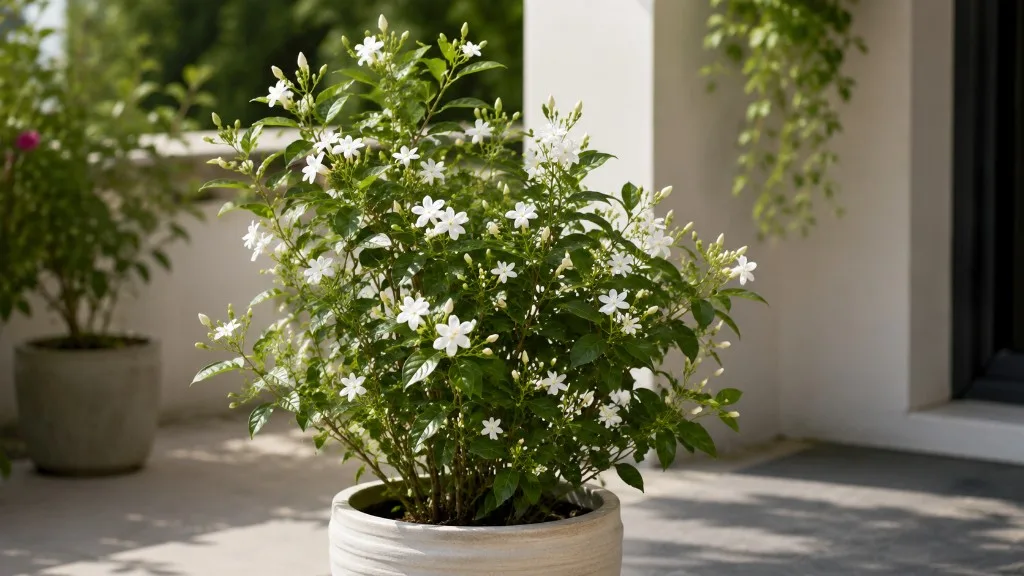
Best Soil for Jasmine: Mix, Drainage & Repotting
Best Soil for Jasmine: Mix, Drainage & Repotting
A jasmine plant can carry glossy green leaves and even open a few flowers while the root zone sits in dense, oxygen-starved mix at the bottom of the pot. The problem rarely announces itself on day one. Water moves more slowly through the container, the mix compacts after a few months of watering, and roots that evolved for open, loamy ground in temperate hillsides start suffocating in a soggy indoor substrate. By the time lower leaves yellow, buds drop before opening, or new growth stalls, the soil system has usually been failing quietly for weeks. Getting jasmine soil right is not about copying a single bag label from the garden center. It is about building a well-draining, fertile mix that holds enough moisture and nutrition for steady growth and flowering without trapping water around the roots.
Why Jasmine Soil Fertility and Drainage Must Work Together
Most jasmine failures get blamed on watering or light first, and both matter enormously. But the same watering routine that keeps a jasmine healthy in a loose, fertile, fast-draining mix will rot roots in a compacted peat-heavy blend sitting in an oversized decorative pot. Soil decides how fast water exits the container, how long moisture lingers near the roots, and how steadily nutrients become available between feedings. The Royal Horticultural Society describes cultivated jasmine as preferring fertile, well-drained soil - drainage protecting roots from rot, fertility supporting the energy demands of repeated flowering and fast summer growth. Your goal is a balanced root environment that dries on a rhythm matching how you water and where the plant lives.
What Jasmine Roots Need From Your Mix
True jasmine species in the genus Jasminum are not desert plants and not bog plants. Roots want access to moisture and nutrients between waterings, but they cannot tolerate sitting in saturated mix for days. In a pot, they depend entirely on the structure you provide - fine feeder roots need oxygen as much as water. A fertile mix gives roots slow-release nutrition and microbial activity, while drainage amendments keep that fertility from becoming a waterlogged sponge.
How Jasmine Grows in Its Native Range
Common jasmine (Jasminum officinale) is native from Turkey through the Trans-Caucasus to southern central China and has naturalized widely across warm temperate Asia. The Missouri Botanical Garden notes that it grows in regular garden soil with moderate levels of soil fertility and moisture and needs good drainage. In cultivation it reaches roughly 60–90 cm as a supported container shrub or 20–30 ft as a vigorous climber. Your container mix should echo that loamy, fertile, well-aerated texture rather than garden topsoil, which compacts rapidly in pots.
The Three Jobs Your Soil Must Perform
Every jasmine soil mix needs to do three things at once, and weak performance in any one area creates problems that fertilizer or brighter light cannot fully correct. Drainage means excess water leaves the pot within minutes of a full watering rather than pooling around the lower roots; this is the primary defense against root rot, the most common killer of container jasmine. Aeration means enough air remains in the pore spaces for roots to respire even when the mix is moist; compacted wet soil and waterlogged soil are not identical, but both starve roots of oxygen. Fertility and moisture retention means the mix holds enough water and nutrient-holding organic matter that roots do not swing between drought and flood every few days, because jasmine dislikes both extremes when trying to build the wood and bud wood that flowering depends on.
A mix can drain quickly through the top inch while the bottom half stays saturated - a perched water table that kills roots even when the surface looks dry. Perlite, pumice, and pine bark fines create stable pore spaces; quality potting base and modest compost provide nutrient-holding fertility. The recipe and container work together as a system.
Best Soil Mix for Jasmine
The best soil for jasmine is a well-draining, fertile mix - loose enough for air to reach the roots, stable enough to hold moisture for several days in a typical indoor or patio pot, and chemically suited to slightly acidic to neutral pH between 6.0 and 7.5. NC State Extension lists jasmine for high organic matter loam with good drainage and moist to occasionally dry conditions. A reliable starting ratio is 50% quality potting soil, 30% compost or worm castings, and 20% coarse perlite, pumice, or horticultural sand, though you may shift toward more drainage material if your home runs cool and dim, your pots are large, or you tend to water before the top inch fully dries. Many experienced growers use a close variant of 60% peat- or coco-based potting soil, 20–25% perlite, and 15–20% compost or aged pine bark fines, which achieves similar goals with slightly more emphasis on long-term structure from bark.
A Reliable Well-Draining, Fertile Recipe You Can Mix at Home
You do not need exotic ingredients to build an excellent jasmine mix. Start with a large bucket or tarp so you can blend thoroughly - uneven mixing creates wet pockets that cause localized root rot even when the rest of the pot drains fine.
Base recipe (one container’s worth):
- 50% high-quality indoor or outdoor potting mix - Choose a soilless blend based on peat or coco coir rather than field soil. Look for a mix labeled for containers, flowering plants, or general potting. Avoid moisture-control formulas with water-absorbing gel crystals, which stay wet too long for jasmine roots in average indoor conditions.
- 30% compost or worm castings - This is the fertility fraction. Compost adds slow-release nutrients, beneficial microbial activity, and improved cation exchange capacity. Worm castings are gentler and less likely to retain excess moisture than heavy, wet compost. Either works; do not substitute fresh manure or unfinished compost, which can burn roots and harbor pathogens.
- 20% coarse perlite, pumice, or horticultural sand - This is the drainage and aeration fraction. Perlite is the most accessible choice. Pumice performs similarly with slightly more weight, which can stabilize top-heavy climbers on trellises. Sand works if it is coarse horticultural grade, not fine play sand that compacts.
Optional amendments for specific situations:
- 10–15% pine bark fines (¼–⅜ inch pieces) - Adds long-term structure, improves drainage, and slowly contributes mild acidity as it breaks down. Particularly useful for Arabian jasmine (Jasminum sambac) and other species that prefer slightly richer, more structured mixes.
- A small handful of slow-release granular fertilizer - Mixed into the blend at Jasmine repotting guide only, at half the label rate, if your compost fraction is modest. Hold additional feeding for four to six weeks after repotting.
For a fast-draining variant in cool or low-light rooms, shift to 40% potting soil, 20% compost, and 40% perlite or bark. For a moisture-retentive variant in hot outdoor sun, use 55% potting soil, 30% compost, and 15% perlite - only if you allow the top inch to dry before watering.
Ready-Made Mixes That Work Without Overthinking
Not everyone wants to batch-mix soil. A quality commercial potting mix works for jasmine if you amend it - add one part perlite or pine bark fines to every two parts commercial mix. Mixes labeled for roses, vegetables, or container flowering plants are better starting points than seed-starting mix. Avoid topsoil, garden soil, pure peat moss, and moisture-control blends with water-absorbing polymers. Cactus mix alone is too lean; blend it 1:2 with standard potting soil and a scoop of compost if that is what you have on hand.
Drainage, Aeration, and Root-Rot Prevention
Drainage is the non-negotiable property of jasmine soil. Root rot in containers almost always traces to a mix that does not drain quickly enough, a container without an exit path for water, or watering that does not account for how fast the mix actually dries in your room. Aeration and fertility are the tuning knobs: you want enough air in the mix that roots breathe between waterings, and enough organic matter that the plant is not living on fertilizer alone, but not so much heavy compost that the bottom of the pot stays damp for a week after every drink.
Waterlogging is the specific failure mode to design against. Saturated mix displaces oxygen from pore spaces and damages the fine feeder roots jasmine depends on for water and nutrient uptake. The goal is a mix that accepts a full watering, releases excess within minutes, and dries evenly enough that you can use the top-inch dry test with confidence. If only the surface dries while the core stays wet, your drainage fraction is too low, your pot is too large, or both.
The relationship between drainage and your watering habit is direct. Jasmine typically prefers watering when the top inch of mix has dried, with deeper dry-back in winter when growth slows. That preference only works safely if the lower half of the pot is not still saturated from the last watering. A fertile mix that holds moisture is an advantage only when structure keeps that moisture available without becoming standing water around the roots.
How to Test Container Drainage After Watering
Run this one-minute check after every repot and whenever you suspect soil problems. Water the pot thoroughly until water runs freely from the drainage holes, then watch three things.
First, water should not sit on the surface for more than a few seconds. If it pools on top and runs down the sides of the root ball without soaking in, the mix has become hydrophobic or compacted - water is taking the path of least resistance rather than reaching the roots evenly. Second, water should exit the drainage holes within two to three minutes of a full watering in a typical eight-to-ten-inch pot. Larger pots take slightly longer, but water should not drip for twenty minutes from a properly structured mix. Third, pick up the pot after thirty minutes. It should feel heavier than before watering but not so saturated that water collects in the saucer when you set it down.
If the pot is still dripping after thirty minutes, or the saucer fills repeatedly, your mix is too dense, the container is too large for the root system, or both. Fix the soil before adjusting light or fertilizer - those changes will not rescue roots sitting in waterlogged mix. Repeat this test seasonally; a mix that passed last spring may fail after a year of decomposition, salt buildup, and root pressure compacting the center of the pot.
pH, Organic Matter, and Nutrient Balance
Jasmine prefers a slightly acidic to neutral soil pH between 6.0 and 7.5, with many sources narrowing the ideal range to 6.0–7.0 for optimal nutrient availability. Most quality peat- or coco-based potting mixes fall within or near this range without adjustment, which means hobbyist growers rarely need to test pH unless the plant shows chronic interveinal chlorosis, stalled growth despite good care, or white crust buildup suggesting alkaline salt accumulation. NC State Extension recommends high organic matter loam with good drainage for cultivated jasmine. Alkaline conditions above pH 7.5 can lock up iron and manganese, producing yellowing between leaf veins even when fertilizer is present.
Organic matter is how a container mix delivers fertility without turning into mud. Aim for roughly 15–30% of the total blend as compost, worm castings, or well-aged bark that contributes humus over time. That range supports microbial activity and slow nutrient release without making the mix behave like wet garden loam in a pot. Jasmine is a moderate feeder during active growth, not a heavy feeder like a hungry rose in Jasmine light guide, so the soil should provide a baseline and let you supplement with diluted liquid fertilizer during flowering season rather than trying to pack all nutrition into the mix at once.
Salt accumulation is worth watching in long-lived container jasmine. Fertilizer salts, hard-water minerals, and even municipal water additives build up in potting mix over months. When leaf edges brown despite appropriate watering, flushing the soil - running water through the pot until it flows freely from the bottom for several minutes - can leach salts before you repot into fresh blend. If crust forms on the soil surface, that is a visible sign the root zone chemistry needs resetting, not just more feeding.
Why Fertility Should Come From Structure, Not Heavy Compost
The word fertile tempts growers to add more and more compost, assuming jasmine will reward generosity. It often punishes that impulse instead. Heavy, wet compost retains water, compacts as it decomposes, and can create anaerobic zones at the bottom of the pot where roots need air most. Fertility in container jasmine works best when it is distributed through a structured mix - modest compost, bark fines, worm castings, and occasional top-dressing - rather than concentrated in a dense organic core.
Think of compost as a seasoning, not the main ingredient. The potting base and drainage amendments define how the mix behaves physically. The organic fraction defines how it behaves chemically. When those roles blur and compost dominates volume, you get a mix that looks dark and rich on repot day and becomes sour, slow-draining, and root-hostile within a year. A well-draining, fertile jasmine soil should smell earthy and fresh when you probe near the bottom, not swampy or fermented.
Choosing the Right Container for Your Mix
Soil and container choice are a matched set. The best well-draining, fertile mix in a pot without drainage holes will fail. A drainage hole is not optional for long-term jasmine care - it is the exit path that makes your watering decisions recoverable. Without it, even a perfect mix eventually saturates from the bottom up, and no amount of careful surface dry-checking prevents root damage in the lower half of the container.
Pot size matters as much as hole placement. When repotting, go up only one size - roughly 2 to 5 cm (1 to 2 inches) wider than the current container. Jasmine can bloom well when slightly root-bound, so resist jumping to a dramatically larger pot. Terracotta dries faster than plastic; plastic retains moisture longer. Climbing jasmine becomes top-heavy, so heavier pots add stability - but only with a mix that drains well inside.
Skip the gravel drainage layer at the bottom. Water does not move from fine potting mix into coarse gravel until the upper layer is saturated, creating a perched water table where roots sit. Fill the entire pot with blended mix. If you use a decorative cachepot, water the nursery pot in a sink, let runoff drain completely, then return it to the cover pot.
Soil Adjustments for Common Jasmine Species
Common jasmine (J. officinale) and pink jasmine (J. polyanthum) suit the base recipe in this guide. Arabian jasmine (J. sambac) often prefers slightly richer mix with more bark fines and worm castings, still within the same drainage rules - and is more sensitive to waterlogging in cool indoor winters. Winter jasmine (J. nudiflorum) needs the same container drainage discipline. Star jasmine (Trachelospermum jasminoides) is not true Jasminum; verify your plant tag before copying species-specific advice.
When to Refresh or Replace the Mix
Jasmine soil is not permanent. Organic components decompose, fine roots die and break down, and repeated watering compacts the structure until drainage slows even though the mix looks fine on the surface. Most container jasmine benefits from a full repot with fresh mix every two to three years, with fast-growing climbers sometimes needing attention sooner if roots circle the pot bottom or water runs straight through without absorbing.
Signs the mix needs replacing:
- Water runs through the pot without absorbing, or sits on the surface while running down the sides
- The pot takes noticeably longer to dry than it did six months ago
- Roots circle the bottom of the pot or emerge from drainage holes
- The mix smells sour, musty, or stagnant when you probe near the bottom
- New growth has stalled, buds drop before opening, or flowering declines despite good light
- White crust covers the soil surface, suggesting salt buildup
Top-dressing - scraping off the top inch or two of old mix and replacing it with fresh compost and potting blend - is useful mid-cycle maintenance in spring if a full repot is not yet necessary. It refreshes the upper root zone where salts accumulate and improves surface infiltration without the stress of a full transplant. Do not top-dress as a substitute for repotting a root-bound climber; circling roots at the bottom will not be fixed by fresh soil on top.
Timing matters. Spring, just as new growth begins, is the safest window for full repotting, when the plant can rebuild root hairs quickly. Avoid repotting in winter unless the plant shows clear root distress - severe waterlogging, sour smell, or a container that will not drain. A stressed jasmine in a cool, dim winter room has limited energy to recover from transplant shock.
Step-by-Step Repotting Into Fresh Soil
Repotting is the moment when soil theory becomes practice. Done carefully, it resets the root environment for years of healthy growth and flowering. Done carelessly - wrong pot size, wrong season, or excessive root disturbance on a blooming plant - it can set a stable jasmine back for weeks.
Before you start: Water the plant one day before repotting so the root ball holds together. Prepare your fresh well-draining, fertile mix, choose a pot one size up with a drainage hole, and have clean scissors ready for trimming dead roots. If the plant is in heavy bud, waiting until after the main flush often reduces bud drop, though root emergencies should not wait for flowers.
Step 1 - Remove the plant. Tip the pot gently and slide the root ball out. If it sticks, run a knife around the inside edge rather than yanking the vine, which can snap stems or damage the crown.
Step 2 - Inspect the roots. Healthy jasmine roots are firm and white to tan. Mushy, brown, or foul-smelling roots indicate rot - trim them back to healthy tissue with sterilized scissors and shift toward a faster-draining mix than before, with more perlite or bark and slightly less compost.
Step 3 - Prepare the new pot. Add enough fresh mix to the bottom so the top of the root ball will sit about 2 cm below the pot rim. Do not add a gravel layer.
Step 4 - Position and fill. Set the root ball centered in the pot and fill around it with fresh mix, working soil gently between roots with a chopstick or your fingers. The plant should sit at the same depth it was in the old pot - burying the crown or graft union deeper invites stem rot and delayed flowering.
Step 5 - Water and settle. Water lightly until it runs from the drainage holes, then empty the saucer. Keep the plant in bright light appropriate to its species but out of harsh midday sun for one to two weeks if it was stressed. Hold fertilizer for at least four to six weeks while new root hairs establish.
Loosening the Root Ball on a Climbing Jasmine
Jasmine recovers faster when you preserve some of the old root ball rather than bare-rooting completely. Gently tease circling roots at the bottom and sides, loosening the outer quarter while leaving the center intact. For severely root-bound plants, trim the bottom inch of matted roots before repotting. If you removed rotted root mass, prune back leggy stems so remaining roots are not supporting excessive top growth during recovery.
Common Soil Mistakes to Avoid
The same errors appear repeatedly in jasmine soil discussions, and most are preventable once you know what to watch for. Using garden soil or topsoil in containers is the most damaging choice - it compacts, holds water unevenly, and introduces pathogens. Never substitute outdoor dirt for container mix, even if it looks dark and fertile in the garden bed.
Overpotting ranks second. A jasmine moved from a six-inch pot into a twelve-inch decorative container will sit in waterlogged mix for weeks after every watering. Leaves may stay green while roots rot in the unused outer soil. One size up, every time.
Treating gravel at the pot bottom as a drainage fix makes saturation worse, not better, by creating a perched water table where roots sit. Fill the entire pot with your blended mix.
Loading the mix with heavy compost in the name of fertility produces a wet, anaerobic root zone that jasmine cannot bloom through. Fertility should be moderate and structural, not dense and soggy.
Watering on a calendar instead of checking the mix turns mediocre soil into dangerous soil. Even a good blend will fail if you water every Sunday regardless of moisture level. The top-inch dry test exists because jasmine roots need predictable dry-back - but it only works when the mix dries evenly, which requires proper structure and appropriate pot size.
Ignoring drainage holes or using decorative cachepots without draining traps runoff at the bottom. Lift the nursery pot out to water, let it drain completely, and only then return it to the decorative shell.
Repotting into fresh mix and immediately fertilizing heavily combines two stressors. Wait four to six weeks before resuming diluted liquid fertilizer during active growth.
Confusing soil problems with light problems delays the real fix. A jasmine in low light may stay wet too long even in a decent mix; moving it to brighter conditions or adjusting the drainage fraction is often more effective than repotting repeatedly into slightly different blends without changing the environment.
Troubleshooting Soil-Related Problems
Yellow leaves with wet mix usually point to overwatering in slow-draining substrate or low light slowing evaporation. Bud drop often traces to inconsistent moisture or cachepot standing water. No flowers despite healthy foliage is frequently light-related, but dense compacted mix can also prevent blooming - audit light first, then run the drainage test. White crust signals salt buildup; flush or repot. Wilting with wet soil indicates advanced root rot - emergency repot, trim rotted tissue, and prune top growth proportionally.
Conclusion
The best soil for jasmine is not a single magic ingredient. It is a well-draining, fertile system - roughly half quality potting base, a meaningful but not excessive compost fraction, and enough perlite, pumice, bark, or coarse sand to keep air moving through the root zone after every watering. Target pH 6.0–7.5, match pot size to the root ball rather than your ambitions for future growth, and treat the drainage hole as essential equipment rather than a suggestion. Run the one-minute drainage test after repotting and whenever growth or flowering slips for no obvious reason.
Jasmine rewards growers who think in systems. Light drives blooming. Watering follows how the mix dries. Soil connects both by deciding whether roots breathe, drink, and feed on a steady rhythm or struggle in alternating flood and stagnation. Mix your blend once with intention, refresh it every two to three years before compaction wins, and adjust the drainage fraction to your room - more perlite and bark in cool, dim, slow-drying spaces; slightly more compost and potting base in hot outdoor sun where pots dry fast. Get that balance right and the plant stops merely surviving in the pot. It has what it needs to build the wood, set the buds, and fill the room with the fragrance you brought it home for in the first place.
When to use this page vs other Jasmine guides
- Jasmine overview - Start here for whole-plant context before deep-diving this topic.
- Jasmine problems hub - Jump to symptom-specific fix guides when this care topic does not resolve the issue.
- Wrong Soil Mix on Jasmine - Escalate here when soil adjustments are not enough.
Related Jasmine guides
- Jasmine overview
- Jasmine watering
- Jasmine light
- Jasmine propagation
- Jasmine fertilizer
- Jasmine repotting
- Wrong Soil Mix on Jasmine
- Jasmine problems
Related tool
Try the Soil Mix Calculator with jasmine pre-selected to estimate needs for your setup.