Watering Jasmine: Schedule, Soil Checks, and Mistakes
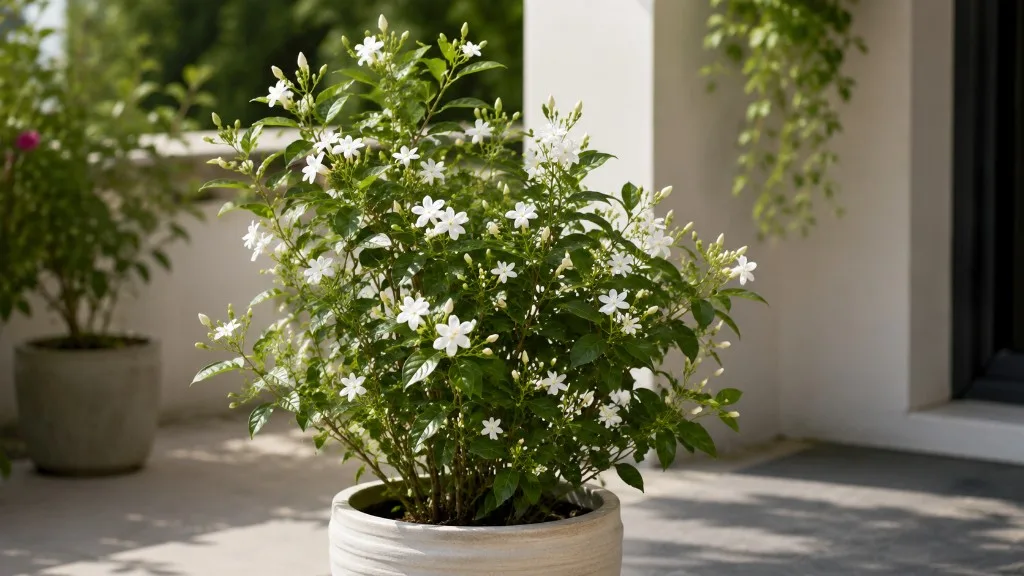
Watering Jasmine: Schedule, Soil Checks, and Mistakes
Watering Jasmine: Schedule, Soil Checks, and Mistakes
Jasmine looks straightforward until you treat it like a succulent or a bog plant. The fragrant flowers want consistent moisture, the roots want air, and the plant will punish both extremes with wilting, yellow leaves, or buds that drop before they open. The fix is not a calendar that says “water every Tuesday.” The fix is a short routine: check the soil, water deeply when the root zone is ready, let the pot drain, and adjust for season, pot size, species, and light. Jasmine (Jasminum spp.) is a climbing or scrambling plant from warm temperate and subtropical regions, with Jasminum officinale - common jasmine - native from Turkey through the Trans-Caucasus to southern central China. It uses water aggressively when temperatures and light support active growth, which is exactly when you want those white, scented blooms to set and hold. This guide gives you the checks, the realistic schedules, and the mistakes that turn a vigorous, fragrant jasmine into a limp, budless disappointment.
If symptoms persist, see the Ants on Plant on Jasmine guide.
Why Jasmine Watering Looks Simple Until It Is Not
Jasmine sends mixed signals. Leaves droop in afternoon heat when the soil is fine, or when roots are drowning. Yellow lower leaves can mean too much water, aging, low light, or nutrient stress. Bud drop follows dry spells and soggy soil alike. That overlap is why beginners either water on autopilot or underwater until stems go brittle.
The core confusion comes from treating jasmine like a drought-tolerant succulent or a moisture-loving fern. It is neither. Jasmine needs consistently moist, well-drained soil - a pairing that reputable growing guides repeat because the two ideas must stay together. Moist means the root zone should not swing from dust to mud. Well-drained means excess water leaves the pot or bed instead of pooling around the stem. NC State Extension notes that jasmine prefers a moist, well-drained, light soil enriched with organic matter and is drought tolerant once established. The Royal Horticultural Society adds that plants in containers need regular watering throughout the growing season because they have little access to water beyond what you provide. (RHS Growing Guide) That single pairing - moist but well-drained - already explains why your decorative cachepot and your neighbour’s established trellis vine follow different rules.
Jasmine also changes its water appetite as it grows and as the season shifts. A newly rooted cutting with shallow roots cannot tolerate the dry-down cycle a mature, established climber handles for a few days. A plant in Jasmine light guide on a warm south-facing wall transpires far more water than the same species sitting in partial shade indoors. The Missouri Botanical Garden recommends generous moisture during the growing season with good drainage, and letting the plant rest from October through March with reduced watering indoors. Watering jasmine well means reading the plant’s current stage, species, and environment - not memorizing one interval.
How Much Water Jasmine Actually Needs
A useful starting principle for all jasmine is consistently moist, well-drained soil across the active root zone - not a fixed volume per week. In practice, that means a slow, thorough soak that wets the soil several inches down rather than a daily sprinkle that only dampens the surface. The RHS advises checking soil moisture at one to two inches below the surface before watering, and watering deeply enough to reach the root zone rather than wetting only the top layer. For most jasmine during active growth, water when the top one to two inches of soil are dry; in winter, wait until the top two to three inches approach dry before adding more. (RHS Growing Guide)
Container jasmine breaks simple weekly math on purpose. A pot - especially a small plastic or terracotta pot on a sunny balcony - exposes soil to heat and wind on all sides. In hot weather, potted jasmine may need water every one to two days, while the same species in the ground might go a week between sessions during a dry spell. In pots, you become the rain, the mulch, and the drainage system. The amount of water per session matters less than how thoroughly you rewet the root ball. A half-cup dribbled on the surface every morning often keeps the top wet while the center stays dry - then the plant wilts, you add more sips, and the roots never get a coherent drink. Water until moisture moves through the full depth of the mix and exits the drainage holes. Then stop until the top one to two inches approach dry again. That cycle - full drink, partial dry-down, full drink - is the rhythm jasmine prefers.
For in-ground jasmine, established plants often need little supplemental water beyond rainfall except during dry summer stretches. The RHS states that after the first year, plants in the ground should not need additional watering except during dry spells in summer. (RHS Growing Guide) Newly planted jasmines are the exception: they need regular watering for at least their first year until well rooted. During that establishment phase, keep the root zone evenly moist - not saturated - and check more frequently than you would for a mature vine.
How Often to Water Jasmine Indoors
Indoor jasmine usually needs watering every two to four days during active growth in warm conditions, but the honest answer is always “when the top one to two inches of soil feel dry.” A bright conservatory or south-facing window in summer may push you toward every one to two days. A cooler east-facing room in spring may stretch toward four or five days. A small pot in dry, air-conditioned air can surprise you by drying overnight. The schedule is a guess until you confirm it against your room, your species, and your pot.
Check indoor jasmine at least every other day during the growing season. Do not water by default. Run the moisture checks first, then water or walk away. After two weeks in the same spot, you will know whether your plant behaves like a two-day jasmine or a four-day jasmine. That personal baseline is more accurate than any blog chart because it accounts for your pot material, your mix, and your light. For tender species like Chinese jasmine (Jasminum polyanthum), which is commonly grown as a houseplant for its late-winter and spring fragrance, the RHS recommends keeping it consistently warm above 13–15°C (55–59°F) and watering regularly while in growth, with only very light watering in winter. (RHS Growing Guide)
Indoor humidity changes the interval more than beginners expect. Jasmine tolerates moderate humidity - roughly forty to sixty percent - but heated winter rooms with humidity below thirty percent pull moisture from leaves and soil faster. Do not compensate by leaving the soil constantly wet - high humidity plus soggy mix invites fungal problems when airflow is weak. Instead, maintain the same check-first rhythm and consider grouping plants or using a humidity tray if leaf edges crisp despite correct watering.
Finger Test, Skewer Probe, and Pot Weight
The finger test is the fastest daily check. Press your finger into the mix one to two inches deep near the pot edge, not against the stem. If the soil feels cool and clings slightly, wait. If it feels dry and crumbly at that depth, water. If only the surface is dry but your finger comes out with damp particles at depth, wait - surface colour lies, especially on peat-based mixes that turn pale when the top half-inch dries while the center stays wet.
The pot weight test is the most reliable signal for repeat growers. Lift the pot right after a thorough watering and notice the weight. Lift it daily. A pot that feels dramatically lighter has lost much of its available moisture. Combine weight with the finger test when you are unsure: light pot plus dry top inch equals water; heavy pot plus wilted leaves equals trouble, not thirst.
A wooden skewer works as a low-tech backup. Insert it to mid-pot depth, wait sixty seconds, pull it out. Damp means wait; dry with a light pot means water. For climbing jasmine trained on a support indoors, check moisture at several points around the pot rim because dense root growth can create uneven drying patterns.
Jasmine has one dramatic signal that confuses beginners: temporary wilting. When the plant is genuinely dry, leaves may soften and droop - then perk up within an hour or two after a thorough watering. That quick recovery is a hallmark of thirst, not root failure. If wilting persists into the next morning despite wet soil, the problem is not underwatering.
How Often to Water Jasmine Outdoors
Outdoor jasmine in garden beds with good drainage typically needs attention during dry summer spells once established. The RHS frames this as supplemental watering only when rainfall is insufficient - not as a weekly ritual regardless of weather. (RHS Growing Guide) Mulch two to three inches deep with compost or shredded bark slows evaporation and keeps the root zone steadier between sessions. After a deep watering, the bed should not go bone dry in twenty-four hours, but it should not stay shiny-wet on the surface for days either.
Outdoor container jasmine is a different animal. In full summer sun, many pots need water daily or every one to two days, especially for vigorous climbers like J. officinale on a hot wall. Wind, reflected heat from paving, and the limited soil volume all accelerate drying. A twelve-inch patio pot with a mature jasmine can lose usable moisture in a single hot afternoon. If the plant sits in partial shade on a sheltered terrace, the interval stretches - but still check rather than assume.
Rain does not replace soil checks - heavy rain can run off the pot surface while the center stays dry. Newly planted outdoor jasmine needs regular watering for the first year until well rooted; check frequently and never let fresh roots crash into severe wilt during their first hot summer.
In-Ground vs Container Jasmine on the Patio
In-ground jasmine benefits from the soil’s natural buffer. Roots can spread outward and downward, accessing moisture reserves a pot cannot offer. Clay soil holds water longer; sandy soil dries faster and may need more frequent irrigation during heat waves. Either way, the goal is even moisture in the active root zone, not a flooded surface after every pass with the hose. A slow soak over twenty to thirty minutes reaches deeper roots than a quick spray across the surface.
Container jasmine limits root spread to the pot walls. That constraint is why container plants need more frequent checks even when the weather looks mild. A decorative outer pot without drainage, or a saucer that never gets emptied, is the most common reason outdoor container jasmine dies despite “regular watering.” Jasmine in containers is also more susceptible to both drought between sessions and root rot when drainage fails - the same pot that dries in a day can stay waterlogged for a week if the saucer holds runoff.
Seasonal Watering Schedule for Jasmine
Jasmine is a warm-season flowering plant for most species. Its water use tracks temperature, day length, and growth speed more closely than the day of the week. A seasonal framework helps you anticipate change without locking into bad habits.
In spring, newly planted or recently repotted jasmine is establishing roots and pushing new growth. Keep the mix evenly moist - not saturated - for the first several weeks. Water when the top one to two inches dry, which may mean every two to three days in an outdoor pot and every three to four days indoors. As soil temperatures climb and new shoots appear, increase watering gradually rather than jumping from winter caution to summer frequency overnight.
In summer, peak warmth and long days maximize water demand. Outdoor container jasmine in hot climates - including much of India - often needs water every one to three days. In-ground beds with mulch may stay on a weekly rhythm if rain is absent and shade is adequate. Indoor jasmine on a warm windowsill behaves more like a container plant than a garden plant. This is the season when flowering jasmine needs the steadiest moisture - bud formation is sensitive to swings between drought and flood.
In fall, cooler nights and shorter days slow growth. Stretch the interval between waterings and verify with soil checks. Overwatering becomes the bigger risk as evaporation drops and pots stay wet longer. Reduce frequency before you reduce thoroughness - when you do water, water fully.
In winter, indoor jasmine in cool, dim rooms may need water only every seven to fourteen days, sometimes longer for semi-dormant plants. The RHS advises that houseplants and glasshouse plants need only very light watering in winter. (RHS Growing Guide) Growth slows, but dry heating air can still pull moisture quickly from small pots. Reduce frequency, not thoroughness - when you do water, water fully. Outdoor hardy jasmine in frost-free zones may need little supplemental water; tender species brought indoors follow the winter houseplant rhythm.
Summer Growth and Winter Dormancy
Summer mistakes cluster around two extremes: forgetting the afternoon pot on a hot balcony, and watering every morning out of habit even when the mix is still wet from yesterday. Heat increases evaporation and transpiration; it does not suspend the need for drainage. If jasmine wilts at midday and perks up by evening without your intervention, that may be heat stress alone - still check soil before assuming.
Winter dormancy does not mean neglect. Jasmine dislikes cold wet feet. A pot that took two days to dry in July may take ten in January. Adjust by check, not by memory of summer frequency. Tender J. polyanthum kept above 13–15°C for winter flowering still needs regular moisture during its bloom period - the reduced winter schedule applies to growth-resting plants, not actively flowering specimens pushing buds in a warm conservatory.
Watering Jasmine by Species and Growth Stage
Not all jasmines share identical water appetites, and treating them as one plant causes predictable failures. Common jasmine (J. officinale) is a vigorous summer-flowering climber that prefers moist but well-drained conditions and tolerates brief dry spells once established in the ground, but potted specimens need consistent vigilance. Chinese jasmine (J. polyanthum) is a tender houseplant that flowers in late winter and spring; it needs regular watering during active growth and is highly sensitive to overwatering in cool, cloudy weather below about 15°C (60°F), when intervals should stretch to seven to ten days.
Winter jasmine (J. nudiflorum) is a hardy, scrambling shrub with yellow flowers on bare stems - not the fragrant white climber most people picture. It is more drought-tolerant once established and may need only one deep soak per week in summer heat, but newly planted specimens still need regular attention. Arabian jasmine (J. sambac), popular in warm climates for intensely fragrant flowers, may need daily light watering in full summer sun when container-grown, but always verify with the finger test first.
Fresh cuttings need gentle, even moisture; mature flowering climbers transpire heavily and need daily checks in warm weather; recently repotted jasmine dries more slowly until roots fill the new volume. Pot size changes the schedule immediately - a small nursery pot may need water every one to two days in summer sun, while a gallon container may go three to four days in the same spot.
The Right Way to Water Jasmine Without Root Problems
Technique matters because jasmine is susceptible to root rot when drainage fails, and bud drop when moisture swings wildly during flowering. The RHS and multiple growing guides steer growers toward base-level watering - a narrow-spout can aimed at soil, not a overhead drench that splashes the crown. (RHS Growing Guide) Overhead sprinkling is convenient but wets foliage, splashes soil-borne pathogens upward, and wastes water on paving.
Water slowly enough for the mix to absorb rather than shed water down the inside wall of the pot. Dry peat sometimes hydrophobes - water runs around the root ball and out the bottom while the center stays dry. If that happens, water in two passes five minutes apart, or bottom-water the pot in a tray until the surface darkens, then drain completely.
Always empty the saucer within thirty minutes of watering. Standing water re-saturates the bottom root zone, blocks oxygen, and causes the classic paradox: wilting plant, wet soil. If you use a decorative cachepot, lift the inner pot to water, drain fully, then return it. NC State Extension emphasizes good drainage and a moist but not waterlogged root zone - overwatering in poorly drained containers is the fastest route to root rot.
For in-ground jasmine, a deep morning soak sets the plant up for the day’s heat and lets foliage dry before night. Avoid splashing the crown - dense twining growth traps moisture where rot begins.
Signs You Are Overwatering Jasmine
Overwatering is the silent killer because the plant looks thirsty while the roots are failing. Watch for these patterns together, not in isolation:
Wilting despite wet soil is the hallmark. Roots damaged by low oxygen cannot transport water, so leaves droop even though moisture is present. If you respond by adding more water, you accelerate the decline. This is the single most misread signal in jasmine care.
Yellow lower leaves often appear when the root zone stays wet too long. Older leaves yellow first; new growth may look pale or stunted. Overwatering in containers without excellent drainage is a common cause of root decline on jasmine, which NC State Extension lists as requiring good drainage and moist but not saturated soil.
Bud drop before opening can follow chronic overwatering, especially when paired with cool temperatures and low light. The plant aborts flowers rather than invest energy in blooms it cannot sustain.
Soft stems at the base, a sour smell from the mix, and soil that stays dark and wet for days suggest advanced trouble - root rot. If several signs align, stop watering, improve airflow, confirm drainage holes are open, and inspect roots if the plant keeps declining. Mushy brown roots need a trim, fresh well-draining mix, and a smaller pot if the root mass is reduced.
Signs Jasmine Is Thirsty or Underwatered
Underwatered jasmine is usually more straightforward. The plant tells you earlier, and recovery is faster if you act before leaves crisp and buds abort.
Wilting with dry soil - especially when the pot feels light and the top one to two inches are crumbly - is classic drought stress. Water thoroughly and watch for recovery within one to two hours. If wilting happens at the same time every hot afternoon but the plant recovers by evening without watering, suspect heat alone - still check soil before assuming.
Dry, crumbly soil pulling away from the pot edge means the root ball went too dry. Rewater in stages if water runs straight through cracks along the wall: water until drainage appears, wait ten minutes, water again, then drain completely.
Leaf drop, brittle stems, and no new buds forming follow repeated drought cycles. Jasmine wants steady access during growth and flowering, not boom-and-bust cycles. The Missouri Botanical Garden recommends generous moisture during the growing season with good drainage - allowing the root zone to go bone dry for long stretches stresses flowering vines.
Soil Mix and Drainage as Hidden Watering Factors
Your watering skill cannot overcome a bad mix. Jasmine wants well-draining standard potting mix with enough organic content to hold moisture without compacting - targeting a pH between 6.0 and 7.5. Dense, aged indoor mix that has collapsed into a brick will stay wet on top and repel water in the center - the perfect trap for well-meaning daily watering.
A practical home blend for container jasmine might use a quality peat- or coco-based potting mix amended with perlite or coarse sand at roughly ten to twenty percent by volume. For in-ground planting, the RHS recommends fertile, well-drained soil in sun or partial shade. (RHS Growing Guide) “Well-drained” in a pot means holes, elevation from saucer water, and a mix that does not smear when squeezed.
Drainage holes are non-negotiable in containers. Decorative pots without holes, or holes blocked by roots or debris, are the fastest path to overwatering symptoms despite careful attention. If your jasmine came in a nursery pot inside a cachepot, always remove it to water and drain.
Mulch helps in-ground jasmine retain moisture - apply two inches of composted bark in autumn, leaving a three-inch gap around the stem base to prevent rot.
Water Quality, Temperature, and Timing
Jasmine is not as sensitive to tap water as some tropical houseplants, but cold water shock can stress roots in winter. Room-temperature water is safer, especially for indoor specimens. If your tap water is very hard or heavily chlorinated, letting it sit overnight or using filtered water may help in borderline cases, though most jasmine tolerates normal municipal water without drama.
Morning watering is the practical default. It gives the plant moisture for the day’s transpiration, allows any incidental splashing on foliage to dry, and reduces the risk of fungal issues compared to evening soaking. If morning watering is not possible, still prioritize base-level application and confirm drainage rather than delaying until the soil has been dry for days.
Temperature interacts with watering frequency directly. Jasmine prefers a comfort zone roughly between 15°C and 32°C (60–90°F). Below that range, evaporation slows and overwatering risk rises. Above it, pots dry faster and flowering plants need steadier attention. Do not increase water volume to compensate for heat without checking whether the soil is actually dry - volume and frequency are separate decisions.
Jasmine Watering During Flowering
Flowering is when jasmine is least forgiving of moisture inconsistency. Bud formation and bud opening both depend on steady root-zone moisture paired with adequate light. Allowing the top inch to dry between waterings remains the general rule, but during active bloom, do not push into deep drought before watering - the plant may drop buds rather than open them.
Water regularly during flowering without keeping the soil permanently wet. Think of it as narrowing the dry-down window: check daily, water when the top inch is dry, and avoid letting the entire root ball go crisp. A flowering jasmine in a warm conservatory may need water every one to two days; the same plant after flowers finish may stretch to every three or four days in identical conditions.
If buds drop despite correct moisture, check light and temperature before rewriting the watering schedule. Pair consistent watering with full sun to partial shade - roughly four to six hours of direct sun for outdoor climbers.
Common Jasmine Watering Mistakes and Quick Fixes
The most common failures are boring, which makes them easy to fix once you recognize the pattern.
Watering on a calendar without checking soil is mistake number one. A weekly schedule can remind you to check jasmine, but the actual decision should come from soil moisture, pot weight, season, and light. Fix: adopt a check-first habit every other day during growth season.
Daily sips instead of deep watering keeps the surface moist while the center starves, then the plant wilts and receives more sips. Fix: water until drainage appears, wait ten minutes, confirm the pot weight increased, and do not water again until the top one to two inches dry.
Leaving runoff in the saucer creates a standing-water reservoir that re-wets the bottom roots continuously. Fix: empty saucers within thirty minutes, every time, without exception.
Ignoring Jasmine repotting guide effects leads growers to overwater a freshly potted jasmine on the old fast-drying schedule. Fix: after repotting, expect slower dry-down for four to eight weeks and adjust checks accordingly.
Treating all jasmines identically causes tender J. polyanthum to rot in cool, wet soil while hardy J. nudiflorum gets overwatered on a summer schedule meant for a flowering conservatory plant. Fix: identify your species and adjust for its hardiness and growth rhythm.
Bud Drop, Root Rot, and Standing Saucer Water
These three problems often share a root cause: moisture that does not match what the plant can use. Bud drop during flowering usually follows either a dry crash or a wet stagnation - both stress the plant into aborting blooms. Stabilize moisture with daily checks during bloom and avoid moving the plant or changing multiple care variables at once.
Root rot develops when soil stays wet and oxygen-poor. Early signs mimic thirst. Inspect roots - healthy ones are firm and white or tan; rotted roots are brown, mushy, and sour-smelling. Trim damage, repot into fresh well-draining mix, and reduce frequency while the plant recovers. Standing saucer water is the most preventable cause - empty saucers within thirty minutes, every time.
Building a Simple Weekly Watering Routine
Every other day during active growth, run the finger test and lift the pot - water only when dry at one to two inches depth and the pot feels lighter. Every session, soak until drainage appears and empty the saucer. Once a week, inspect for yellowing leaves and blocked drainage holes. Each season change, reset expectations: summer means more frequent checks; winter means longer dry-down windows. If problems repeat, check light and soil before changing several conditions at once.
Conclusion
Watering jasmine well comes down to one disciplined habit: check the soil before you check the calendar. Jasmine wants consistently moist, well-drained soil - not a rigid weekly pour and not daily sips that never reach the root ball. Use the finger test, the pot weight, and the skewer probe to decide when to water; use deep, base-level soaking with full drainage to decide how. Adjust for season, species, pot size, and whether the plant is flowering or resting. Overwatering shows up as wilting in wet soil, yellow leaves, and bud drop; underwatering shows up as light pots, dry soil, and crisp wilting that resolves after a thorough drink. Build a simple every-other-day check routine during growth season, empty the saucer every time, and let your plant teach you its interval within two weeks. Get that rhythm steady and the fragrance takes care of itself.
When to use this page vs other Jasmine guides
- Jasmine overview - Start here for whole-plant context before deep-diving this topic.
- Jasmine problems hub - Jump to symptom-specific fix guides when this care topic does not resolve the issue.
Related Jasmine guides
- Jasmine overview
- Jasmine light
- Jasmine soil
- Jasmine propagation
- Jasmine fertilizer
- Jasmine repotting
- Jasmine problems
Related tool
Try the Plant Watering Calculator with jasmine pre-selected to estimate needs for your setup.