Stunted Growth on Lemongrass: Causes, Checks & Fixes
Quick answer
Stunted lemongrass in warm active weather usually means root-bound pots, poor drainage limiting uptake, nutrient shortage after heavy harvest, or pests on new shoots-not normal cool-season pause. First step: confirm the season, then tip the clump out and inspect the root mass before changing water or feed.
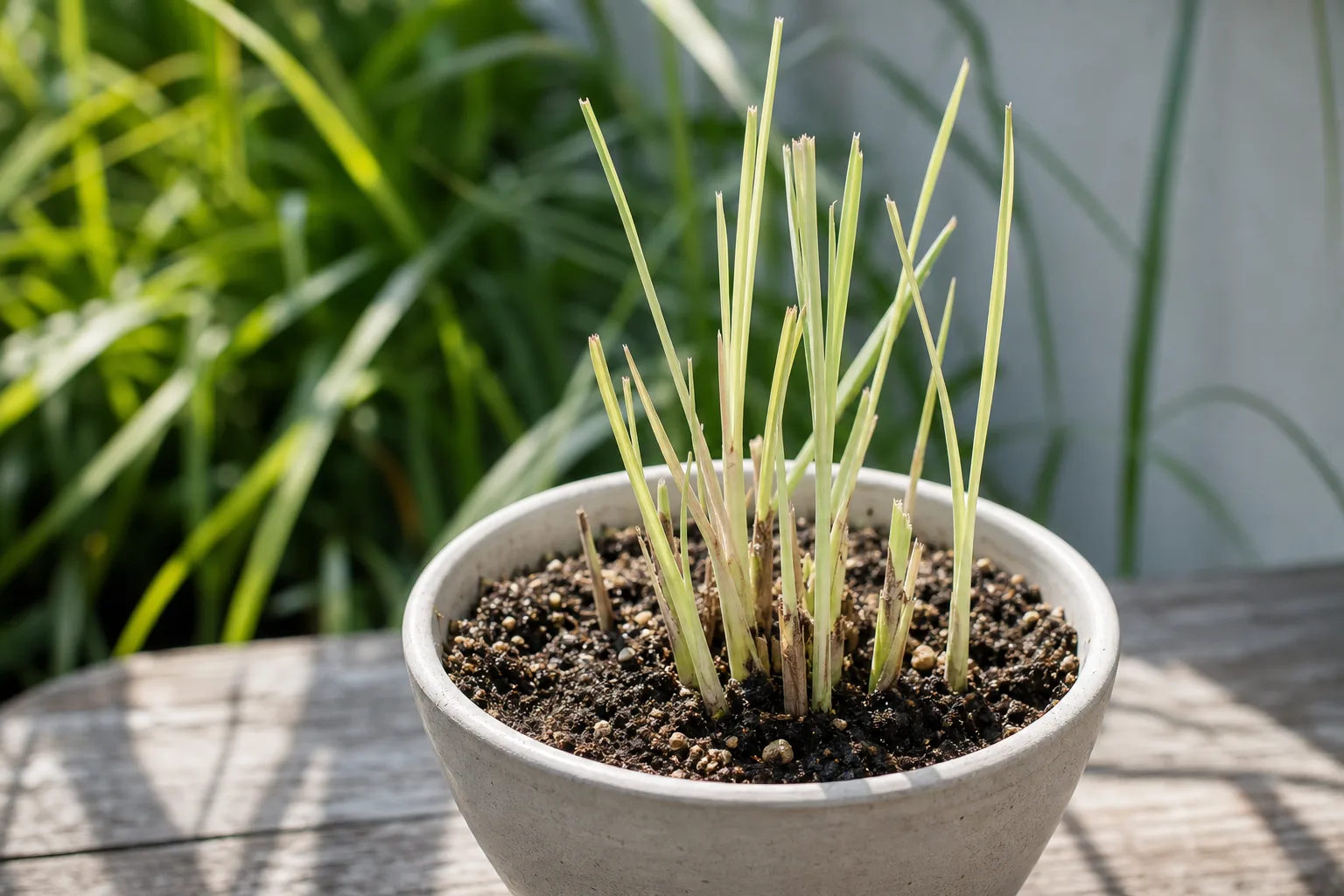
Stunted Growth on Lemongrass: Causes, Checks & Fixes
This guide covers stunted growth on Lemongrass. See also the general Stunted Growth guide, watering, and light pages for this plant.
Stunted Growth on Lemongrass: Causes, Checks & Fixes
Quick answer
Stunted lemongrass in warm active weather usually means root-bound pots, poor drainage limiting uptake, nutrient shortage after heavy harvest, or pests on new shoots-not normal cool-season pause. First step: confirm the season, then tip the clump out and inspect the root mass before changing water or feed.
Lemongrass is a fast-growing tropical grass that should regrow vigorously when supplied with sufficient water, fertilizer, sunlight, and humidity. After a harvest cut in summer, thick new tillers normally appear within days outdoors. Weeks of thin, stalled regrowth in heat points to a limiter you can fix-not a plant that simply needs patience.
What stunted growth looks like on Lemongrass
Stunting on lemongrass is more than a slow pace-it is arrested development despite otherwise reasonable care.
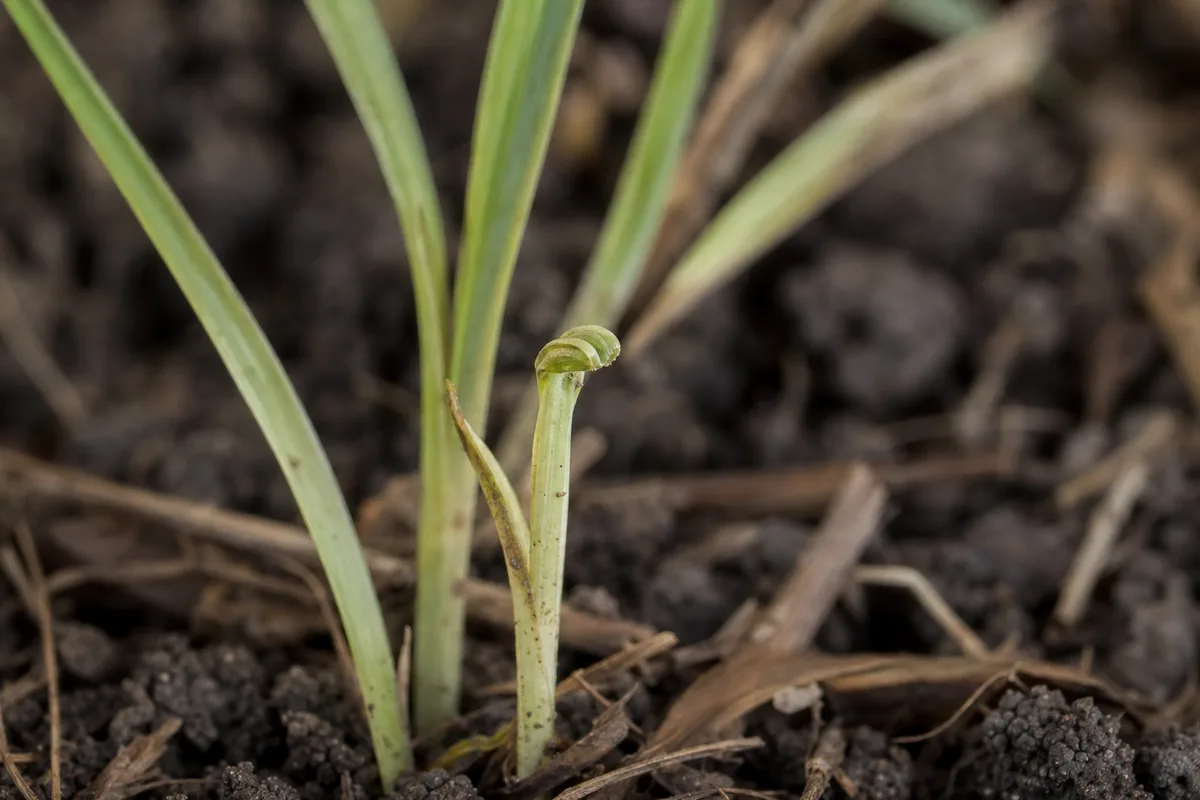
Stunted Growth symptoms on Lemongrass - compare with healthy tissue on the same plant.
Typical stunting signs:
- New tillers stay thin and short for weeks after harvest cuts, while older stalks look unchanged
- Pale or washed-out blades in warm weather, not just winter indoor fade
- Pot dries within hours of watering yet growth does not accelerate
- Roots visible at drainage holes or a dense root pancake when tipped out
- New shoot tips curl, distort, or stay undersized compared with earlier harvest flushes
- Weak lemon scent and woody center with little fresh base growth
Normal contrast-not stunting:
- Indoor winter pause with firm stalk bases and no sour soil smell
- Brief stall right after Lemongrass repotting guide while roots re-establish
- Cool spring weeks before heat kicks in-lemongrass grows slowly until summer heat arrives, then size increases dramatically
Judge stunting against season and sun. A clump in full summer sun that will not thicken after harvest is stalled. A dim indoor clump in January that holds steady is often just resting.
Why Lemongrass gets stunted growth
Lemongrass grows as a dense clumping grass. When one growing condition caps uptake or photosynthesis, the whole clump stops adding mass even if you keep watering on schedule.
Root-bound or exhausted clump - Vigorous lemongrass fills pots within one to two years. When roots circle tightly with little soil left, new tillers lack room and nutrients. Productivity improves by dividing older plants, and harvest-first on outer stalks promotes fresh base growth. Woody congested centers produce fewer usable shoots even when the pot looks full of leaves.
Poor drainage or chronic wet soil - Lemongrass wants moist, rich, well-drained loam and tolerates poor soils only with good drainage. Waterlogged mix displaces oxygen, limits nutrient uptake, and can rot fibrous roots. Stunting with yellow bases on heavy wet soil often traces to roots, not nitrogen alone.
Nutrient depletion after heavy harvest - Like other grasses, lemongrass needs lots of nitrogen during summer. Repeated cutting without feeding in active months leaves the clump unable to rebuild thick tillers. Container lemongrass exhausts compost faster than in-ground plantings.
Insufficient light despite watering - Lemongrass grown indoors produces fewer stalks due to low light. Shade or dim winter windows stall regrowth even when soil stays moist. This overlaps with slow growth, but stunting here means the clump stays undersized and thin for months-not a modest seasonal slowdown.
Pests on tender regrowth - Spider mites indoors cause tiny yellow or white speckling that weakens photosynthesis. Aphids on new shoots drain sap from soft tissue and can curl young blades. Lemongrass is generally pest-free when grown correctly, so pest-linked stunting usually follows stress-dry indoor air, weak light, or overcrowding.
Disease on rare occasions - UF/IFAS notes Little Leaf or Grassy Shoot as stunted growth of normal inflorescence on lemongrass. Mottled yellow mosaic patterns on blades may indicate viral issues in commercial plantings. These are uncommon in home pots but worth ruling out when care checks out and stunting persists outdoors in Lemongrass light guide.
How to confirm the cause
Work through these checks in order so you do not stack unnecessary fixes:
- Season and temperature - Is the clump in active warm growth (roughly above 20°C / 68°F with lengthening days)? Cool indoor months naturally limit size. Stunting diagnosis applies mainly during warm active season or under bright supplemental light.
- Sun hours - Log direct sun at the pot for three days. Lemongrass needs full sunlight for best productivity. Fewer than six hours of direct light indoors often explains thin tillers without any other problem.
- Root mass inspection - Tip the clump out carefully. A solid root pancake filling the pot, roots circling the surface, or roots escaping drainage holes confirms root-bound stunting. Mushy brown roots and sour smell point to rot from wet soil-not a nutrient fix alone.
- Soil moisture pattern - Does the pot stay wet for days in cool weather, or dry in hours despite thin growth? Chronic wetness in dim cool conditions stalls uptake. Rapid drying with thin shoots suggests root congestion.
- Post-repot timing - Did stunting begin within two weeks of division or repotting? Transplant shock can pause growth briefly while roots settle. Persistent thin tillers past three to four warm weeks mean another limiter is active.
- Feed history - Have you harvested heavily through summer without weekly half-strength balanced feed June through September on container plants? Nitrogen shortage is plausible only after light and roots check out.
- Pest scan - Inspect new shoot tips and leaf undersides with a hand lens. Speckling, webbing, or soft aphid clusters on regrowth explain weak new tillers even when older blades look fine.
- Disease pattern - Look for mottled yellow mosaic, distorted inflorescences, or reddish-brown leaf blight margins. If positively identified, disease protocols apply; otherwise focus on cultural limits first.
Match one primary cause before acting. Root pancake plus rapid drying usually beats a fertilizer guess. Wet sour soil beats a sun move.
First fix for Lemongrass
Tip the clump out of its pot and inspect the root mass-firm and circling, mushy, or healthy and sparse-before you change water, feed, or repot.
This single diagnostic step prevents the most common mistake on stunted lemongrass: piling fertilizer or extra water onto a root-bound or rotting clump. You cannot choose the right fix until you see whether roots are congested, damaged, or sound.
After inspection:
- Dense circling roots with firm white tissue → divide and repot (next section)
- Mushy roots on wet soil → reduce watering, improve drainage, trim rot-do not fertilize until mix dries properly and new growth stabilizes
- Healthy roots in a roomy pot with good sun → resume half-strength summer feed and scout pests on new shoots
- Healthy roots but dim placement → move to the sunniest location or outdoors after frost danger
Do not fertilize heavily on day one. Do not repot into an oversized pot hoping for a growth surge-excess wet soil around sparse roots after division invites rot.
Step-by-step recovery
Once you have confirmed the primary limiter:
Root-bound clump
- Divide in warm active weather-spring through early fall after frost danger has passed.
- Trim foliage to roughly 15–25 cm so the division is easier to handle.
- Slice the clump into sections with at least three to five firm stalks and attached roots each.
- Repot each division into fresh, rich, well-drained mix in a container sized to the rootball-not dramatically larger.
- Water thoroughly once, then keep evenly moist while new tillers emerge in sun.
- Resume half-strength balanced soluble feed every week to ten days June through September on outdoor container plants.
Poor drainage or root rot on Lemongrass
- Stop watering until the top few centimeters of mix dry; never let the clump sit in a saucer of standing water.
- Confirm drainage holes are open. Replace heavy, compacted mix if water pools on the surface.
- Trim soft brown roots with clean shears; keep firm white roots.
- Repot into fresh mix with compost and coarse sand or perlite for aeration.
- Hold fertilizer until the plant pushes new growth without further yellowing at the base.
Nutrient-limited regrowth after harvest
- Confirm adequate sun and sound roots first.
- Apply half-strength balanced water-soluble fertilizer during warm active months-not in cool dormant indoor periods.
- Harvest outer woody stalks first to promote new stalk growth from the center.
- Top-dress with compost when repotting is not yet needed.
Pests on regrowth
- Rinse shoot tips and undersides with a firm water jet to dislodge spider mites or aphids.
- Repeat every two to three days until inspection shows clean new growth.
- If colonies persist indoors, use insecticidal soap on tender shoots following label directions for herbs.
- Improve air circulation and light-mite problems cluster on stressed indoor clumps.
Low light stunting
- Move outdoors to full sun after last frost, or place in the brightest available window.
- Lemongrass comes back quickly when returned to the garden the following spring if overwintered indoors dimly.
- Add supplemental grow light if outdoor placement is impossible during active months.
Recovery timeline
Outdoor clumps corrected for root congestion or summer feeding often show thicker new tillers within two to three weeks in warm weather. Division recovery may include a brief one-week pause while roots settle-normal if stalk bases stay firm.
Indoor winter stunting may not fully reverse until spring return outdoors. Judge success by new shoot thickness and harvest regrowth speed, not by old woody outer stalks.
Rot recovery takes longer-three to six weeks minimum once watering is corrected and firm new blades emerge without further base yellowing.
Lookalike symptoms to rule out
Slow growth from cool temperatures alone - Thin pale shoots in a chilly room with sound roots and no pest signs. Warmer bright conditions restart growth without division.
Leggy stretching toward a window - Elongated weak blades reaching for light. That is etiolation from shade, not a congested root stall. Fix placement before repotting.
Wilting from drought - Collapsed blades on bone-dry mix. Rehydrate first; stunting from chronic underwatering on Lemongrass shows thin shoots plus chronic dryness, not a firm clump on moist soil.
overwatering on Lemongrass without rot yet - Yellow bases on wet soil may precede full stunting. Correct moisture before assuming nutrient deficiency.
Post-harvest normal pause - A few days without visible new shoots right after a deep cut is normal in cool weather. Stunting means weeks without thick replacement tillers in heat.
Mistakes to avoid
Do not pour full-strength fertilizer on a shaded, waterlogged, or freshly rotting clump.
Do not repot into a pot much larger than the division-extra wet soil around sparse roots slows recovery.
Do not ignore a root pancake because the plant still looks green on top. Stunting often starts underground while old blades mask the problem.
Do not keep harvesting from a woody exhausted center without dividing. Outer cuts cannot revive a congested core indefinitely.
Do not assume indoor winter thinness means failure-reduce water, maximize light, and wait for outdoor warmth before major surgery.
Do not spray pesticides before confirming pests. Lemongrass is usually pest-free; unnecessary chemicals stress regrowth further.
Lemongrass care cross-check
Stunting often appears when several baseline needs drift at once. Cross-check against normal lemongrass expectations:
- Sun - Full sun outdoors; brightest window or supplemental light indoors during active growth
- Water - Consistently moist mix in heat; reduced frequency in cool months without keeping soggy soil
- Soil - Rich, organic, well-drained; avoid waterlogged containers
- Feed - Regular nitrogen-rich feeding during warm active months on container plants, not during stress or dormancy
- Space - Divide every one to two years before clumps choke the pot
- Harvest rhythm - Cut outer stalks first to stimulate fresh base tillers
When these align and stunting persists in full summer sun, inspect for disease or rare viral patterns before repeating fertilizer.
How to prevent stunted growth next time
Divide clumps every one to two years or when roots escape drainage holes and new tillers thin out. Fresh divisions in appropriately sized pots reset vigor better than endlessly upsizing one exhausted container.
Plant or move pots to full sun after frost danger. Productivity drops sharply in dim indoor overwintering-plan for a bright holding spot or accept modest winter size.
Water and feed regularly from June through September on outdoor container plants to maximize growth during peak season.
Use well-drained rich mix and open drainage holes. Flush salt buildup occasionally in long-held containers.
Scout new shoots after each harvest for aphids and mite stippling when growing indoors.
Replace or restart woody tired centers from division or fresh grocery-store stalks rather than nursing stalled clumps indefinitely.
When to worry
Treat as urgent when stunting pairs with spreading base yellowing on wet soil, sour anaerobic mix smell, or collapsing stalks-that is rot or severe root failure, not a growth pause.
Worry when mottled mosaic blades or severely distorted new growth persist after cultural fixes in full outdoor sun-disease or virus may limit recovery.
Replace clumps that show no new tillers through an entire warm outdoor season despite division, sun, feed, and sound drainage. At that point restarting from clean division stock is often faster than repeated guessing.
Cool-season indoor thinness without rot is not urgent. Hold water, improve light, and reassess in spring.
Conclusion
Stunted lemongrass in warm weather is a solvable limiter problem-roots, drainage, nutrients, light, or pests-not a mysterious failure of the plant. Tip the pot, read the roots, and apply one matched fix before stacking changes. Thick new tillers after harvest cuts are the scorecard; when those return, the clump is back on track.
When to use this page vs other Lemongrass guides
- Lemongrass watering guide - Use for routine moisture checks before assuming stunted growth is the main issue.
- Lemongrass problems hub - Browse all 52 common issues on this species.