Red Leaves on Portulaca: Causes, Checks & Fixes
Quick answer
Red leaves on Portulaca are often normal sun color or anthocyanin buildup-not a crisis. First step: Check stem firmness and soil moisture before changing water or light.
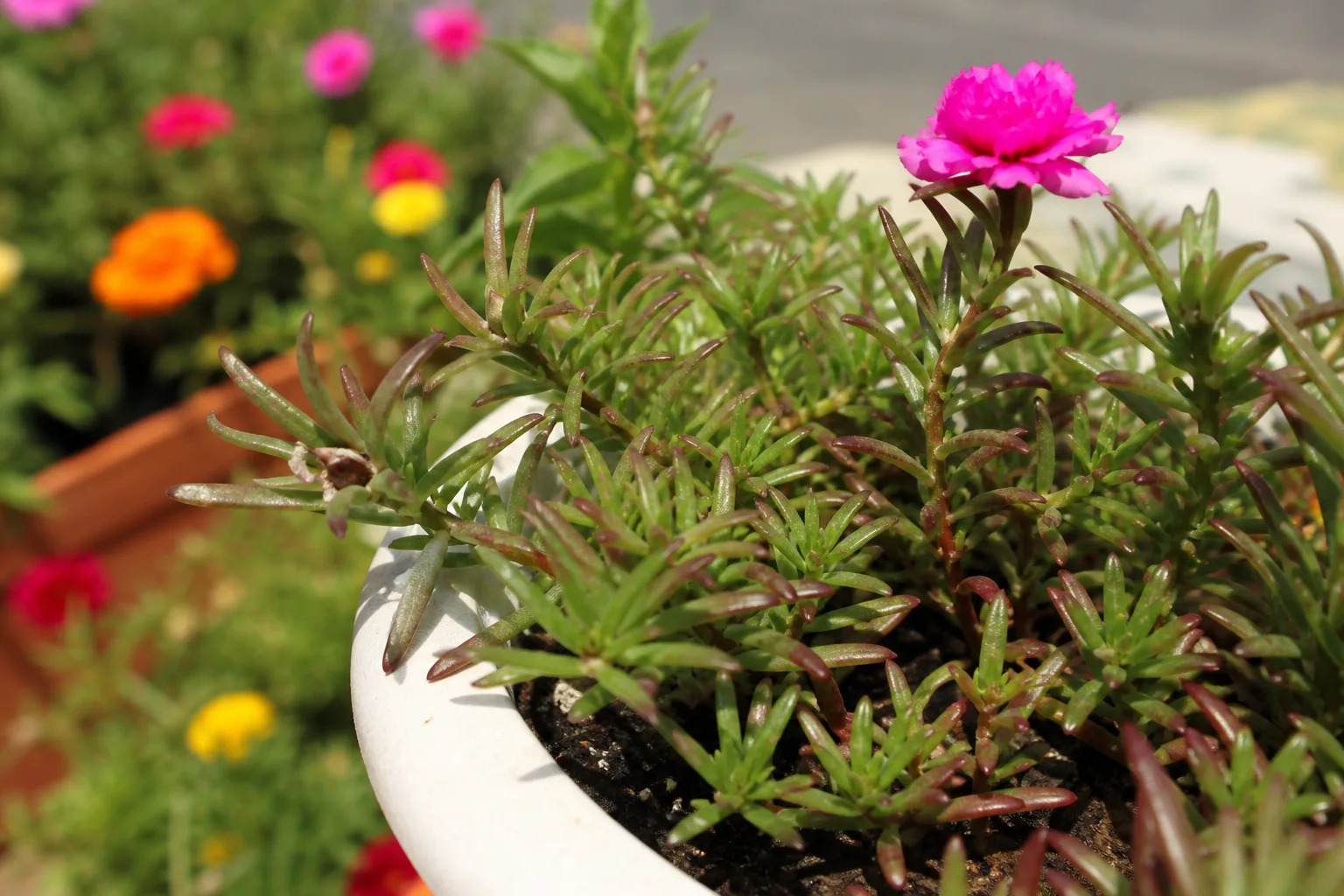
Red Leaves on Portulaca: Causes, Checks & Fixes
This guide covers red leaves on Portulaca. See also the general Red Leaves guide, watering, and light pages for this plant.
Red Leaves on Portulaca: Causes, Checks & Fixes
Quick answer
Red leaves on Portulaca (Portulaca grandiflora, Moss Rose) are often normal sun color or anthocyanin buildup-not a crisis. First step: Check stem firmness and soil moisture before changing water or light.
Many Moss Rose cultivars carry red or burgundy foliage by design, and needle-like leaves commonly develop a reddish margin in direct sun. That is different from rot, cold damage, or scorch-and the fix depends on which pattern you see.
What red leaves look like on Portulaca
On Moss Rose, red color appears in several distinct ways. Normal sun color shows as red or burgundy leaf margins, sometimes a blush across the whole needle-like leaf, on firm, upright stems in Portulaca light guide. Flowers still open on bright days. Cultivar color means entire plants stay red-purple through the season-that is the variety, not stress.
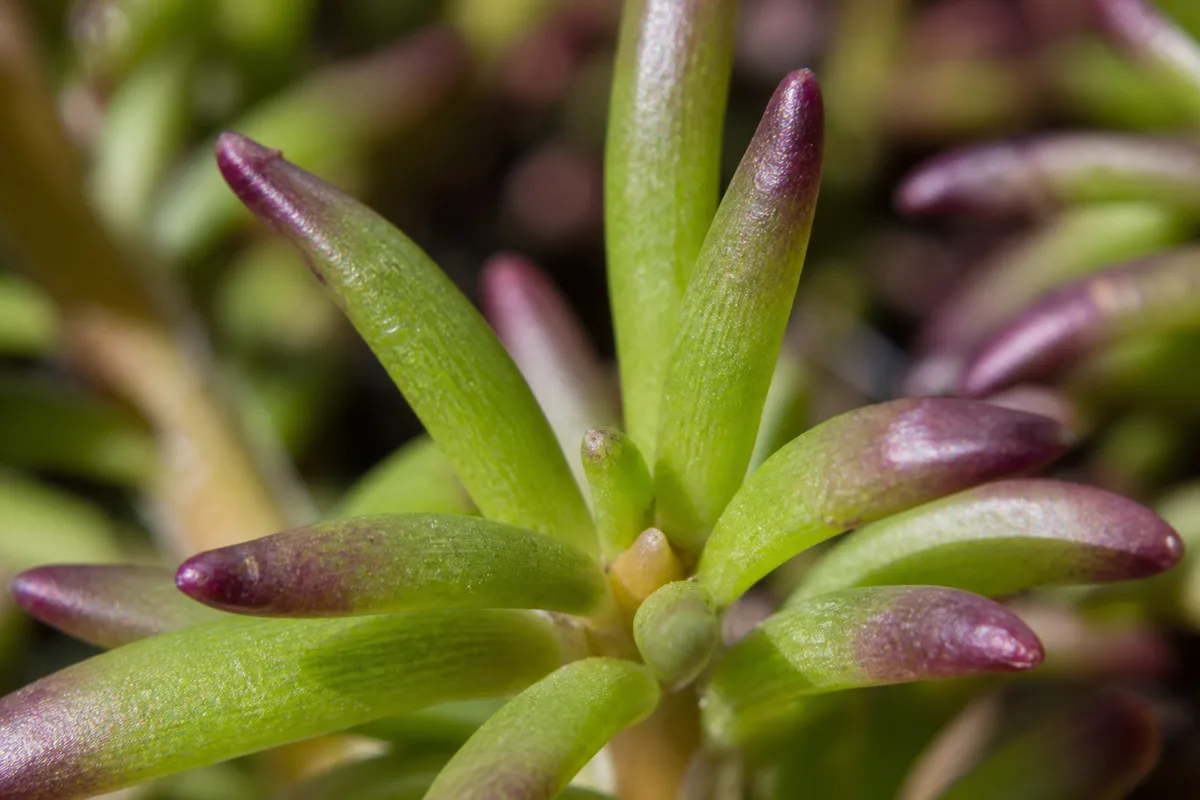
Red Leaves symptoms on Portulaca - compare with healthy tissue on the same plant.
Problem red looks different. Rot-related reddening may accompany darkening or purpling stems at the base while soil stays wet; tissue feels soft or water-soaked and flowers stop opening. Cold damage after nights below about 10°C can turn shoots reddish-purple overnight; severely damaged sections later brown or go mushy. Sun scorch on dry foliage in extreme heat may start as bleached or whitish tips before crisping brown-not the same as healthy anthocyanin red.
Compare new tips with old runners: red margins on firm stems in a sunny pot are usually fine; red climbing from wet soil with softness is not.
Why Portulaca gets red leaves
The most common cause is intense sunlight triggering anthocyanin pigments. Portulaca is built for hot, dry, sunny sites. Extension references note that leaf margins may take on a reddish tinge in direct sunlight, and many cultivars list green-red or red-burgundy as normal leaf colors. Anthocyanins act as a natural sunscreen under bright light, cool nights, or mild drought-accumulation is a protective response, not automatically a deficiency.
Cultivar genetics explain all-red Moss Rose mixes sold as ornamental color-not every red leaf needs a fix.
overwatering on Portulaca in slow-draining mix is the main harmful cause. Saturated roots stress the plant; lower stems may darken or redden before turning yellow or brown. Portulaca roots need oxygen and crown rot may occur in poorly-drained soils.
Cool temperatures near the frost threshold can intensify red-purple pigments. Brief cool nights on otherwise healthy plants often deepen color without harm. Hard frost damages tissue-Portulaca is sensitive to frost and grown as an annual in most regions.
Severe drought in shallow pots during heat waves can also deepen red tones as the plant conserves water. Moss Rose tolerates dryness well; persistent wilting with crispy tips points toward scorch or extreme dehydration rather than healthy color.
Less often, phosphorus stress in very depleted container mix can redden some succulents-but on Moss Rose in lean soil, sun and cultivar color are far more likely than fertilizer shortage.
How to confirm the cause
Work through these checks before Portulaca repotting guide or fertilizing:
- Stem base firmness - Firm reddish stems on dry-to-moderately dry soil with open flowers suggest normal sun color or cultivar pigment.
- Soil moisture and smell - Wet, sour-smelling soil plus soft dark stems is rot until proven otherwise.
- Pattern of red - Margins only on sun-facing leaves favors anthocyanin; whole-plant wash on wet soil favors root stress.
- Weather - Recent nights below 10°C or frost after warm weeks points to cold injury if tissue later browns.
- Flower behavior - Blooms still opening in full sun support a healthy plant; closed flowers on wet soft stems signal decline.
- Variety label - Red-foliage Moss Rose mixes are supposed to look red; do not chase a fix on a color-bred plant.
First fix for Portulaca
If stems are firm, soil is dry or appropriately dry, and red is mainly on sun-exposed margins: do nothing drastic. Moss Rose is performing as designed in full sun. Keep watering only when soil is completely dry at depth and maintain at least six hours of direct sun daily for flowering.
If soil is wet or stems feel soft: stop all watering immediately. Lift the pot, confirm drainage holes are clear, and do not add moisture until you assess roots. If softness persists after several dry days, unpot, trim mushy roots, and repot into dry sandy mix-then wait 5–7 days before the next drink in full sun.
If cold damage is suspected after frost: move to warm full sun, protect from further cold, and trim only tissue that dries clearly dead-do not strip partially firm shoots.
If you moved a shaded plant into harsh afternoon sun and see bleached tips: provide gradual sun exposure or light afternoon shade until new growth hardens off.
One primary fix at a time-do not repot, fertilize, and relocate on the same day.
Step-by-step recovery
- Classify the pattern: margin red on firm dry stems (normal), whole-plant red on wet soil (rot), or post-frost red-purple (cold).
- Stop watering if mix is wet; empty saucers; confirm drainage.
- Hold fertilizer until growth looks stable-Moss Rose is not a heavy feeder.
- Repot into dry sandy mix only if roots are mushy or smell sour.
- Keep the sunniest well-drained spot; avoid humid, shaded corners that keep soil wet.
- Monitor new tips weekly; firm green or red new growth means recovery is working.
Recovery timeline
Healthy anthocyanin red needs no recovery timeline-blooms continue through the warm season. Rot-related reddening stabilizes in one to two weeks if enough healthy roots remain. Cold-damaged red shoots may not recover until warm weather returns; severe frost can kill the plant. Sun-scorched tips are replaced by new growth over two to four weeks once stress eases.
Judge success by firm new tips and stopped spread of soft tissue-not by old red margins re-greening in full sun.
Lookalike symptoms
Brown leaves often follow harmful red-purple cold or rot stages on Moss Rose-check brown-leaves guidance if tissue turns necrotic. Yellow leaves frequently precede rot when soil stays wet. Pale, stretched growth with faded green-not red-usually means insufficient light, not anthocyanin color. Flowers turning brown can be spent blooms; focus on stem firmness at the base for real stress signals.
What not to do
Do not move a healthy red-margin Moss Rose into shade to force greener leaves-you will lose flowers and encourage weak growth. Do not water because colorful leaves look “stressed” when soil is already wet. Do not fertilize red Moss Rose in soggy mix hoping color changes-that worsens root stress. Do not assume every red leaf is a phosphorus problem; sun and cultivar color are the usual answers. Wear gloves when handling cuttings-Portulaca is toxic to pets.
How to prevent problem red leaves on Portulaca
Water when completely dry at depth. Use sandy, rocky, fast-draining mix in full sun. Avoid cool, shaded overwatering in spring. Protect from frost below 10°C. Choose cultivars knowingly-red foliage varieties stay red by design. Water early in the day so foliage and soil surface dry before humid evenings.
Practical checks
Urgency check
Urgent if stems soften on wet soil or red tissue turns water-soaked after frost.
Best inspection order
Stem base firmness, soil moisture, sun exposure, variety color, weather history, then roots if needed.
Portulaca care cross-check
Red Moss Rose in hot, dry, sunny sites with firm stems and opening flowers is usually healthy pigment-not a call for more water or shade.
When to use this page vs other Portulaca guides
- Portulaca watering guide - Use for routine moisture checks before assuming red leaves is the main issue.
- Portulaca problems hub - Browse all 50 common issues on this species.