How to Propagate Portulaca: Seeds & Cuttings Guide
How to Propagate Portulaca: Seeds & Cuttings Guide
How to Propagate Portulaca: Seeds & Cuttings Guide
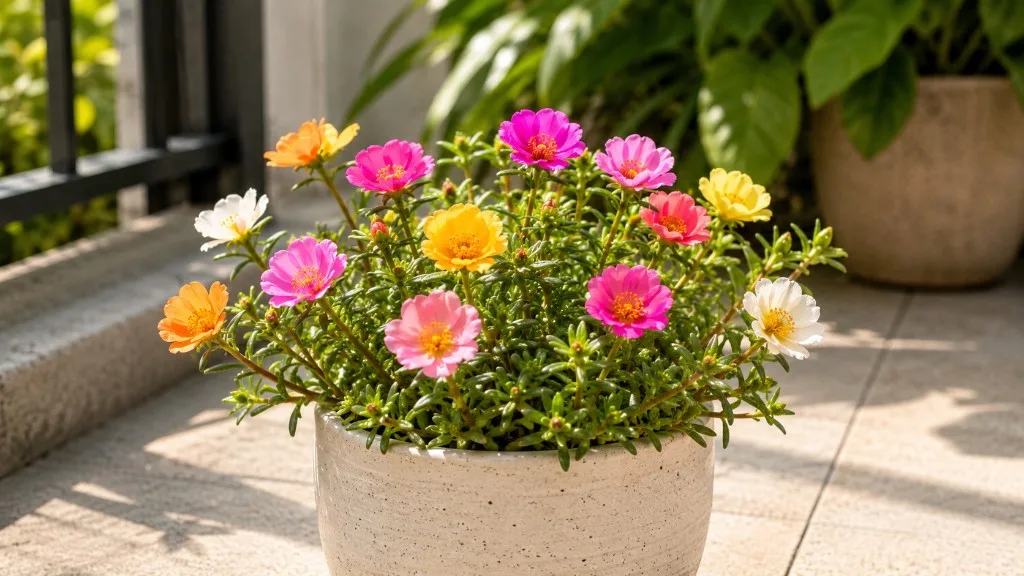
Portulaca propagation is one of the easiest summer projects on a hot terrace - and one of the easiest to ruin with houseplant habits. Portulaca grandiflora, sold as moss rose, sun rose, and the ten o’clock plant, is a low, trailing succulent annual from South America built for blazing sun, gritty soil, and long dry spells between drinks. It is not a pothos in a water jar and not a shade-loving indoor trailer. You multiply moss rose by surface-sown seed or stem cuttings pressed into sandy mix, both in full direct sun and warm soil. The North Carolina Extension Plant Toolbox lists propagation by seeds and stem cuttings; this guide turns that short line into numbered workflows, realistic timelines, and the moisture discipline that keeps fleshy stems from rotting before they root.
Whether you want a single terracotta bowl to overflow from one nursery pack or a whole railing of matched color, the decision starts with method. Seeds give the fastest fill for empty pots and the least handling of delicate roots. Cuttings clone the parent’s color and often produce bushier mats because every buried leaf scar can branch. Both paths share the same non-negotiables: bright light, exceptional drainage, and patience measured in days to two weeks, not hours. This page covers when to start, how to sow and stick cuttings step by step, why water propagation usually fails on moss rose, what aftercare looks like through the first month, and how to read failure before you waste another tray of mix.
Why Moss Rose Propagation Is Different
Most propagation articles assume soft-stemmed houseplants that root in water on a windowsill. Moss rose breaks that template because its needle-like leaves and fleshy reddish stems store water like a miniature succulent, and its root system stays shallow in fast-draining, low-fertility soil. The North Carolina Extension classifies P. grandiflora as a ground cover succulent with high drought and heat tolerance. That physiology means cuttings tolerate brief dryness on the stem surface but collapse quickly in saturated, airless mix - the same failure mode that kills established plants and that our root rot guide documents for mature specimens.
Succulent stems, shallow roots, and transplant sensitivity
A second moss-rose-specific wrinkle is transplant sensitivity. NC State warns that plants “don’t take well to transplanting and care should be given when handling seedlings.” Seedlings started in cramped cells and moved mid-bloom often stall while cuttings rooted directly in the display pot skip an extra shock event. That does not forbid all transplanting - it means you plan fewer moves, keep root plugs intact, and favor direct-sow in the final bowl when your goal is one-season terrace color. Flowers open only in bright sunlight and close at night; stressed propagations on dim shelves push soft growth that roots slowly and may never bloom well even after they survive.
Do not confuse moss rose with edible common purslane (Portulaca oleracea). Both belong to Portulacaceae, but P. grandiflora is the ornamental with large papery blooms; our overview explains the distinction. Propagation technique overlaps, yet moss rose demands more sun and sharper drainage than purslane and is grown for display, not the plate.
Best Propagation Method: Seeds vs Stem Cuttings
Neither method wins every scenario. Seeds are usually the easiest path when you want maximum plants per rupee, need to fill a large bowl from scratch, or are starting before the parent plant exists. Tiny moss rose seed is cheap, stores well, and surface-sows without rooting hormone or cutting skills. Cornell Home Gardening describes portulaca as an annual propagated from seed with straightforward germination in warm, bright conditions.
Stem cuttings are the better choice when you must clone a specific cultivar color, recover from a leggy midseason mat, or multiply plants you already love on the rail. Iowa State Extension lists moss rose among annuals propagated from stem cuttings; moss rose roots easily without rooting hormone in warm, bright conditions. Cuttings often look bushier than single seedlings because every buried node can branch. Wisconsin Extension adds that broken stem pieces will root when soil is moist enough - useful after midseason pruning trimmings.
| Factor | Seeds | Stem cuttings |
|---|---|---|
| Speed to rooted plant | 7–21 days to germinate; blooms ~45 days after sow | Roots in 7–14 days; flowers follow on schedule for season |
| Color matching | Mixed unless you buy single-color seed | Clones parent exactly |
| Transplant risk | Higher if moved from cells | Lower if rooted in final pot |
| Best for | Empty bowls, large beds, budget fills | Salvage, color match, midseason refresh |
| Supplies | Seed, fine mix, bright warmth | Sharp shears, sandy mix, sun |
When to Propagate Portulaca
Timing is about warm soil and active growth, not a decorative calendar. Moss rose is frost-tender; Cornell notes it dies at frost. Start seeds indoors 6–8 weeks before last frost in temperate climates, or direct-sow outdoors after frost danger passes and soil warms. Germination is most successful at 70–85°F (21–29°C) soil temperature per Cornell. For cuttings, take material when the parent pushes firm, non-flowering tip growth in full sun - typically late spring through summer on terraces.
Avoid propagation during heat collapse, active rot, or immediately after a stressed move from shade-grown nursery packs. Stabilize the parent under full sun (six or more hours daily) and let soil dry between waterings before you cut.
Seasonal timing for terraces and balconies
On Indian terraces and rooftops, sow or root when nights stay consistently above 15–18°C (60–65°F) and days are regularly above 25°C - for most regions that means March onward as soil and air warm. Monsoon weeks can still work for cuttings on open rails if mix drains instantly, but cloudy, cool stretches slow rooting and invite rot; reduce watering and accept slower timelines. In the US and other temperate zones, align outdoor sowing with soil at least 65°F and no frost forecast. Established cuttings handle reflected heat from concrete better than most annuals, which is why propagation on a sun-baked rail often outperforms the same cuttings on a dim kitchen sill.
Propagate Portulaca from Seed (Step by Step)
Seed propagation rewards precision on three variables: do not bury seed, keep soil warm and bright, and keep moisture light until seedlings toughen.
- Choose a container with drainage holes - a seed tray, small cells, or the final terracotta bowl if you want zero transplanting later.
- Fill with sandy, well-draining mix - not rich peat-heavy potting soil. See our soil guide for a succulent-leaning recipe (coarse sand, perlite, and minimal organic matter).
- Moisten the surface evenly; it should feel like a wrung sponge, not mud.
- Surface-sow tiny moss rose seeds; do not cover them because light aids germination. Press lightly so seed contacts moist mix.
- Maintain 70–85°F (21–29°C) and bright light - a sunny window or greenhouse bench. Cornell lists germination in 10 to 14 days under good conditions, with a broader 7–21 day range possible.
- Mist lightly if the surface dries; avoid flooding the tray.
- At two true leaves, thin to one strong seedling per cell or about 8 cm apart, later to 30 cm in beds per Cornell spacing guidance.
- Harden off gradually into full terrace sun over one to two weeks before leaving trays on an exposed rail.
Direct-sow in the display pot when your goal is one-season color in a single bowl: surface-sow evenly across the rim, thin aggressively, and never move the mat mid-bloom if you can avoid it. Blooms often appear about 45 days after sowing in warm sun.
Surface sowing, light, and warm soil
The most common seed failure is burying seed too deep or keeping trays cool and dim. Moss rose behaves like many small-seeded annuals: it needs light on the seed coat to trigger germination. A dark closet or north window produces leggy, slow seedlings that damp off in wet mix. If you start indoors, supplemental warmth under the tray - not a heat mat on maximum - helps hit Cornell’s 70–85°F target. Once seedlings emerge, treat them like sun plants immediately; etiolated babies transplant poorly and match NC State’s transplant-warning profile.
Propagate Portulaca from Stem Cuttings (Step by Step)
Cuttings turn midseason pruning scraps and leggy stems into fresh mats. The workflow is short but unforgiving about wet feet.
- Select healthy perimeter stems in early morning when turgid.
- Cut 5–8 cm (2–3 inch) sections from non-flowering tips - Iowa State’s practical length for moss rose stem cuttings.
- Pinch off flowers and buds; they drain energy from rooting.
- Strip leaves from the lower half so buried nodes contact mix without rotting foliage underwater.
- Let cuts air-dry 30–60 minutes on a dry tray in shade if stems were wet from recent watering.
- Insert stems into moist sandy mix so at least one node sits below the surface. Firm gently; do not compact into concrete.
- Water once lightly to settle, then keep barely moist - one light soak when the top centimeter dries, not daily dribbles.
- Place in full sun on a warm rail or south-facing bench. Rooted cuttings need the same six or more hours of direct light as mature plants.
- Expect new firm growth in 7–14 days in warm, bright conditions without rooting hormone, per Iowa State and field experience on terrace bowls.
- Pot up or leave in place once roots resist a gentle upward tug and tips show fresh color.
Wisconsin Extension notes that broken pieces from accidental snaps can root if pressed into moist, well-draining soil - handy when children or pets knock stems off a bowl. Discard any piece that was mushy before you stuck it.
Choosing 5–8 cm non-flowering stems
Length matters less than stem quality. Choose firm, green-red stems with tight internodes - a sign of adequate light. Stretched pale stems from shade root slowly and stay weak. Non-flowering tips root faster because the plant is still in vegetative mode; if only flowering stems are available, remove blooms and the top bud, accept a slower timeline, and do not expect instant coverage. Every leaf scar along the buried stem can become a branch point, which is why a single 6 cm cutting often out-competes one seedling for bushiness by August.
Rooting Setup: Sandy Mix, Bright Light, and Why Water Jars Fail
Rooting setup for moss rose is closer to cactus propagation than to pothos-in-a-glass. Use clean pots with drainage holes, fresh gritty mix, and maximum sun from day one. A workable cutting mix mirrors mature portulaca soil: roughly 40% structure, 40% coarse sand or perlite, 20% fine gravel, with low fertility. Proven Winners recommends potting mix with added perlite for container portulaca - the same drainage logic applies to propagation pots.
Water jars rarely work well for moss rose. Fleshy succulent stems sitting in stagnant water absorb too much moisture through the cut, then rot or turn translucent before adventitious roots form. That is the opposite of pothos, whose soft stems tolerate hydroponic rooting. For moss rose, moist sandy mix in full sun matches Iowa State’s stem-cutting approach and avoids the sour-water failures common in terrace experiments. If you must test water rooting, change water daily, keep only the base submerged, and move to mix the moment white roots appear - but expect lower success than dry insertion.
Seed trays need bright light and warmth, not humidity domes that fog all day. Domes plus heat plus small cells recreate damping-off conditions. Ventilate daily; let surfaces dry slightly between mists.
Aftercare for New Seedlings and Cuttings
New moss rose propagations need steadier sun and leaner water than your intuition suggests. Keep full direct sun; shading “to reduce stress” produces stretch that never catches up. Hold fertilizer until roots work and new tips color up - rich nitrogen on fresh roots burns and pushes leaves over flowers. A single quarter-strength balanced feed after three weeks in the final pot is plenty for seasonal color.
Moisture discipline: seedlings want lightly moist, never wet mix for the first ten days. Cuttings want one light soak, then dry-down until you see growth. Mature watering rules - soak, then let soil dry fully - apply once roots are active. Do not repot the day roots appear; moss rose hates unnecessary moves. If you started in cells, transplant on a cool morning with intact plugs and water once, then back off.
Watch flower closure as a health signal. Closed buds on a sunny afternoon mean stress - usually too much water or too little light - not a propagation timeline you should ignore. Firm new leaves at the tip are the green light to treat the plant as established.
Signs Propagation Is Failing
Catch failure early; rotting moss rose tissue rarely recovers.
- Mushy, translucent stems at the base - setup too wet, mix too heavy, or cutting taken from an already-rotting parent. Discard and restart in drier mix.
- Sour smell from tray or jar - bacterial breakdown. Dump mix, sterilize pots, fresh material only.
- Blackened nodes under the soil line - classic overwatering on Portulaca on succulent stems. See root rot for the same pattern on mature plants.
- Seedlings collapsing at soil level - damping-off in cool, wet, dim trays. Improve light and airflow; surface-dry between mists.
- Cuttings shriveling on bone-dry mix - one light soak may rescue; if stems are crisp-brown, they are dead.
- No roots after three weeks in cool weather - may be slow, not dead; check firmness. If firm but idle, increase warmth and sun before adding water.
Shrivel on dry mix vs mushy rot on wet mix
Succulent stems send two opposite signals. Shrivel on dry mix means the cutting is using stored water while roots form - a single gentle soak often corrects it without keeping mix wet 24/7. Mush on wet mix means tissue is dissolving - more water accelerates death. That paradox is why moss rose propagation fails when growers treat it like a tropical cutting that “needs constant moisture.” Read the stem: firm shrinkage gets one drink; soft squeeze gets the compost bin.
When Not to Propagate
Do not propagate as a rescue reflex for every sick plant. Active root rot, aphid-heavy tips, or heat-collapsed mush should be fixed or discarded before you multiply trouble. Take cuttings only from clean perimeter growth after you have corrected watering and light. Skip propagation during cool, cloudy weeks if you lack a warm bright bench - waiting two weeks beats losing ten cuttings to rot.
Because moss rose is toxic to cats, dogs, and horses with soluble calcium oxalates, do not propagate fallen stems into floor-level pots pets can reach. Our overview covers toxicity in depth.
If the parent is healthy but flowering beautifully in a perfect bowl, you also do not need propagation - enjoy the display and sow next season. Propagation pays off when you need more pots, fresher color, or a midseason reset - not when a single planting already works.
Portulaca Propagation on Indian Terraces and Rooftops
Indian terrace growers have a natural advantage: heat and sun that moss rose loves. Start March onward when nights hold above 15–18°C and afternoon highs climb past 25°C. Surface-sow in terracotta bowls on the sunniest rail; clay breathes and dries evenly during pre-monsoon heat. During monsoon, cut back misting frequency - cloudy days slow evaporation and rot follows generous hand-watering out of habit.
A worked terrace pattern: direct-sow three colors in a 30 cm bowl in early April, thin to five plants, and skip transplanting entirely. Alternatively, root 5–8 cm cuttings from a neighbor’s pot in dry cactus mix on an open rail - one light soak, new tips in ten days, full bloom by June. Reflected heat from concrete is acceptable; moss rose tolerates it better than impatiens or begonias. The failure mode on Indian balconies is almost always shade plus overwatering, not lack of humidity.
Seed vs Cutting: Quick Comparison
Use seeds when you want volume and simplicity; use cuttings when you want matched color and midseason recovery. Seeds demand patience through germination but avoid cutting rot anxiety. Cuttings demand moisture discipline but return a genetic copy in two weeks. Both need full sun, sandy mix, and warm nights. Neither needs rooting hormone for moss rose under Iowa State’s herbaceous annual list. Plan one move maximum for seedlings; plan zero moves for cuttings rooted in the display pot whenever possible.
When to use this page vs other Portulaca guides
- Portulaca overview - Start here for whole-plant context before deep-diving this topic.
- Portulaca problems hub - Jump to symptom-specific fix guides when this care topic does not resolve the issue.
Related Portulaca guides
- Portulaca overview
- Portulaca watering
- Portulaca light
- Portulaca soil
- Portulaca fertilizer
- Portulaca repotting
- Portulaca problems
Conclusion
Portulaca propagation succeeds when you treat moss rose as the sun-loving succulent annual it is: surface-sow seed in warm bright trays or bowls, stick 5–8 cm non-flowering cuttings into sandy mix, and root in roughly 7–14 days without water jars or heavy peat. Seeds fill pots fastest with the least equipment; cuttings clone color and refresh leggy mats. Both fail the same way - too much water, too little sun, and too many transplant moves - and both recover the same way - drier mix, full terrace sun, and patience through one dry cycle at a time.
Match method to goal, start warm in March onward on Indian terraces or after frost abroad, and keep seedlings and cuttings in the final sunny pot when you can. Link propagation to the rest of your moss rose routine - water dry, soil gritty, prune for cuttings - and you will rarely need a second search to finish the job.