Drooping Leaves on Houseplants: Causes and Fixes
Drooping leaves look dramatic, but they are often a fast signal rather than a final diagnosis. Leaves lose rigidity when cells lack internal water pressure, called turgor. That can happen from underwatering, overwatering-related root failure, heat stress, or sudden environmental changes. Because the visual symptom is similar across causes, context is crucial: dry soil suggests dehydration, while wet soil with droop suggests compromised roots. Most houseplants recover from temporary droop if the root zone is corrected quickly. Start with a moisture check at depth, then review light, temperature, and recent location changes. Plants moved from stable to harsh conditions can droop even with acceptable watering. When droop is paired with yellowing, mushy stems, or sour soil smell, treat root problems first. The recovery timeline varies by cause, but true improvement is seen when leaves regain firmness and new growth resumes without repeated collapse.
Drooping Leaves on Houseplants
Still unsure?Match your symptoms to the most likely problems in under a minute.Run diagnosis →Understand and fix drooping leaves
Sudden limp, hanging foliage with soft petioles usually points to water stress first; check soil moisture and root condition before assuming pests or disease.
Overview
Drooping leaves look dramatic, but they are often a fast signal rather than a final diagnosis. Leaves lose rigidity when cells lack internal water pressure, called turgor. That can happen from underwatering, overwatering-related root failure, heat stress, or sudden environmental changes. Because the visual symptom is similar across causes, context is crucial: dry soil suggests dehydration, while wet soil with droop suggests compromised roots.
Most houseplants recover from temporary droop if the root zone is corrected quickly. Start with a moisture check at depth, then review light, temperature, and recent location changes. Plants moved from stable to harsh conditions can droop even with acceptable watering. When droop is paired with yellowing, mushy stems, or sour soil smell, treat root problems first. The recovery timeline varies by cause, but true improvement is seen when leaves regain firmness and new growth resumes without repeated collapse.
Drooping Leaves patterns: what you see vs. likely cause
Match your plant to the closest pattern, then start with the first step before trying other fixes.
| What you see | Likely cause | First step |
|---|---|---|
| Droop with bone-dry soil and light pot | Underwatering / dehydration | Water thoroughly until runoff; bottom-soak if severely dry |
| Droop with wet soil for days | Overwatering or root damage | Pause watering; check roots for mushy tissue |
| Droop after moving to a brighter window | Light or heat shock | Gradually acclimate; filter harsh midday sun |
| Droop within hours, perks up after water | Temporary thirst (common in peace lilies) | Water when top inch dries; avoid letting soil go fully desert-dry |
How to identify it
- Leaves and petioles hang downward with reduced firmness.
- Droop may affect whole plant or one side exposed to heat/light.
- Soil is either extremely dry or persistently wet.
- Leaf color can remain green in early stages.
- Plant may perk up temporarily after watering in mild dehydration cases.
- No major chewing damage or pest clusters visible.
When to worry
Urgent action is needed if drooping persists for more than 48 hours after proper watering or appears with stem softening, odor, or black patches.
Common causes
Underwatering
Dry media prevents roots from supplying enough water pressure to leaves. Turgor drops and foliage collapses.
Overwatering with root stress
Saturated soil damages roots and blocks oxygen. Leaves droop despite wet soil because uptake is impaired.
Heat or direct sun overload
Excess heat increases transpiration beyond root supply. Plants droop to reduce surface exposure and water loss.
Transplant shock
Recent repotting can disturb fine roots. Temporary droop is common until roots re-establish.
Cold drafts
Low temperatures slow root function abruptly, causing temporary wilting-like droop even when moisture is adequate.
Step-by-step fix
Check moisture profile first
Probe the root zone, not just the surface. This immediately separates dehydration from saturation-related stress.
Rehydrate dry plants thoroughly
Water until full runoff and recheck within a few hours. Severe dryness may need bottom soaking for even absorption.
Address waterlogged roots
If soil is soggy and odor present, improve drainage or inspect roots for rot before watering again.
Stabilize environment
Move plant away from harsh midday sun, AC blasts, and heaters. Keep temperature shifts gradual.
Delay heavy pruning or feeding
Let the plant recover baseline turgor first. Extra stress during acute droop can slow rebound.
Observe rebound window
Mild dehydration improves within 6-24 hours; persistent droop beyond 48 hours needs deeper root diagnosis.
Prevention tips
- Water based on root-zone dryness, not fixed dates.
- Use appropriately sized pots with consistent drainage.
- Protect plants from rapid temperature and light shifts.
- Repot during active growth for faster recovery.
- Maintain steady humidity for tropical species.
Common mistakes
- Adding more water immediately without checking existing moisture.
- Assuming droop always means underwatering.
- Moving the plant repeatedly between locations.
- Fertilizing during acute wilting stress.
Related care topics
These care guides help prevent repeat issues once you have treated the immediate problem.
Drooping leaves are a plant’s posture change, not a watering instruction. A thirsty peace lily may collapse when its mix dries, but a peace lily with damaged roots can look remarkably similar while sitting in wet soil. Heat, cold, rootbinding, repotting, pests, and a broken stem can all reduce the water pressure that keeps leaves held up.
That overlap makes reflex watering risky. Before adding anything to the pot, inspect the leaf texture, moisture at root depth, pot weight, drainage, and timing. The goal is to find the explanation that fits the whole plant—not just the silhouette—and make the smallest correction that restores normal function.
Quick diagnosis: why houseplant leaves droop
Houseplant leaves droop when their cells no longer maintain enough internal water pressure to hold the leaves and petioles in their usual position. Most often, the root system is either too dry to replace water lost by the foliage or too impaired to absorb and move water even though moisture is present. Environmental stress, root damage, stem injury, and sap-feeding pests can create the same visible result.
Use this quick distinction:
- Dry mix and a very light pot: underwatering or incomplete rewetting is likely.
- Wet mix and a heavy pot: poor root function, low oxygen, or root disease becomes more likely.
- Droop during hot, bright hours that resolves in cooler conditions: temporary water loss may be outrunning uptake.
- One stem or one side affected: inspect for a crease, break, localized rot, pest cluster, or heat source.
- Droop soon after repotting or moving: root disturbance or environmental shock may be involved.
Iowa State University Extension lists improper watering as the usual cause of houseplant wilt and explicitly includes both under- and overwatering. That is the central diagnostic lesson: opposite root-zone conditions can produce the same symptom.
Do not rely on the soil surface alone. The top layer can feel dry while the lower half remains saturated, or it can look damp after a small splash while the central root ball remains dry. Push a finger or wooden skewer farther into the mix when the plant and pot size allow, lift the container, and look through the drainage holes. Those observations are more useful than the number of days since the last watering.
The RHS houseplant guide likewise recommends checking whether a pot needs water instead of watering routinely and notes that a dry pot feels lighter than a wet one. Pot weight is not a universal measurement—pot material and plant size change the baseline—but it becomes a useful comparison when you learn the same container over time.
What drooping actually means inside a plant
Roots absorb water, and water moves upward through the plant’s conducting tissue. Leaves simultaneously lose water vapor through stomata in a process called transpiration. The Royal Horticultural Society explains that root hairs take up most water and that water moves through xylem to the rest of the plant. When uptake and transport cannot keep pace with loss, cell pressure falls and soft tissues lose firmness.
Drooping can therefore be reversible. Leaves that are merely short of water may regain posture once the root zone is evenly moist and transport resumes. Tissue that has turned translucent, black, brittle, or mushy is damaged, however, and will not become healthy again just because the plant stands up.
Plant structure matters too. Fittonias, peace lilies, many ferns, and other thin-leaved tropical plants can show water imbalance quickly. Succulents and snake plants store more water and may soften, wrinkle, or fold rather than collapse dramatically. A woody ficus may drop leaves instead of displaying the theatrical whole-plant wilt seen in a peace lily. Compare the plant with its own normal posture, not with a different species.
Time of day adds context. A plant beside hot glass may sag in the afternoon and recover overnight when temperature and water loss fall. Persistent morning wilt is more concerning because the plant had cooler hours in which to rebalance. Repeated daily collapse still deserves correction; temporary recovery does not mean the stress is harmless.
Read four clues before changing plant care
Treat the symptom as a four-part evidence problem:
- Texture: Are leaves flexible and green, thin and papery, yellow and soft, or marked by spots and stippling?
- Root zone: Is the mix dry, evenly moist, or saturated at depth? Does the pot feel unusually light or heavy?
- Distribution: Is the whole plant affected, only old leaves, new growth, one stem, or the side facing a window or vent?
- Timing: Did the change follow watering, repotting, fertilizing, a cold night, a heatwave, relocation, or several days away?
Record the answers before intervening. A dated photograph and a short care note are especially valuable when the plant changes slowly. If you alter water, light, fertilizer, humidity, and potting mix on the same day, you create extra stress and lose the chance to learn which factor mattered.
| What you observe | What it supports | What it does not prove | Lowest-risk next step |
|---|---|---|---|
| Dry mix at depth, light pot, widespread flexible droop | The root ball is short of available water | That every root is healthy or that one splash will rewet the center | Water the full root ball slowly, drain it, and reassess posture |
| Wet mix at depth, heavy pot, yellowing or soft tissue | Uptake may be impaired by low oxygen, damaged roots, or disease | That every wet pot has root rot | Stop adding water, empty runoff, check drainage, and inspect roots if decline continues |
| Afternoon droop near hot glass that resolves overnight | Water loss may temporarily exceed uptake | That heat is harmless or soil moisture is adequate | Reduce the acute heat load and check moisture before watering |
| One stem or one side droops | Local damage, a pest cluster, or uneven exposure is more likely | That the whole root system is failing | Inspect the affected pathway and nearby environment |
| Droop begins soon after repotting | Disturbed roots or a changed moisture pattern may be involved | That fertilizer or another immediate repot is needed | Stabilize light and moisture, then watch for continued decline |
No single row is a diagnosis. Use the table to choose what to inspect next, then look for two or three clues that agree. For example, wet mix plus a heavy pot plus mushy, sloughing roots is much stronger evidence of root trouble than drooping plus wet mix alone.
Dry soil, a light pot, and limp but flexible leaves
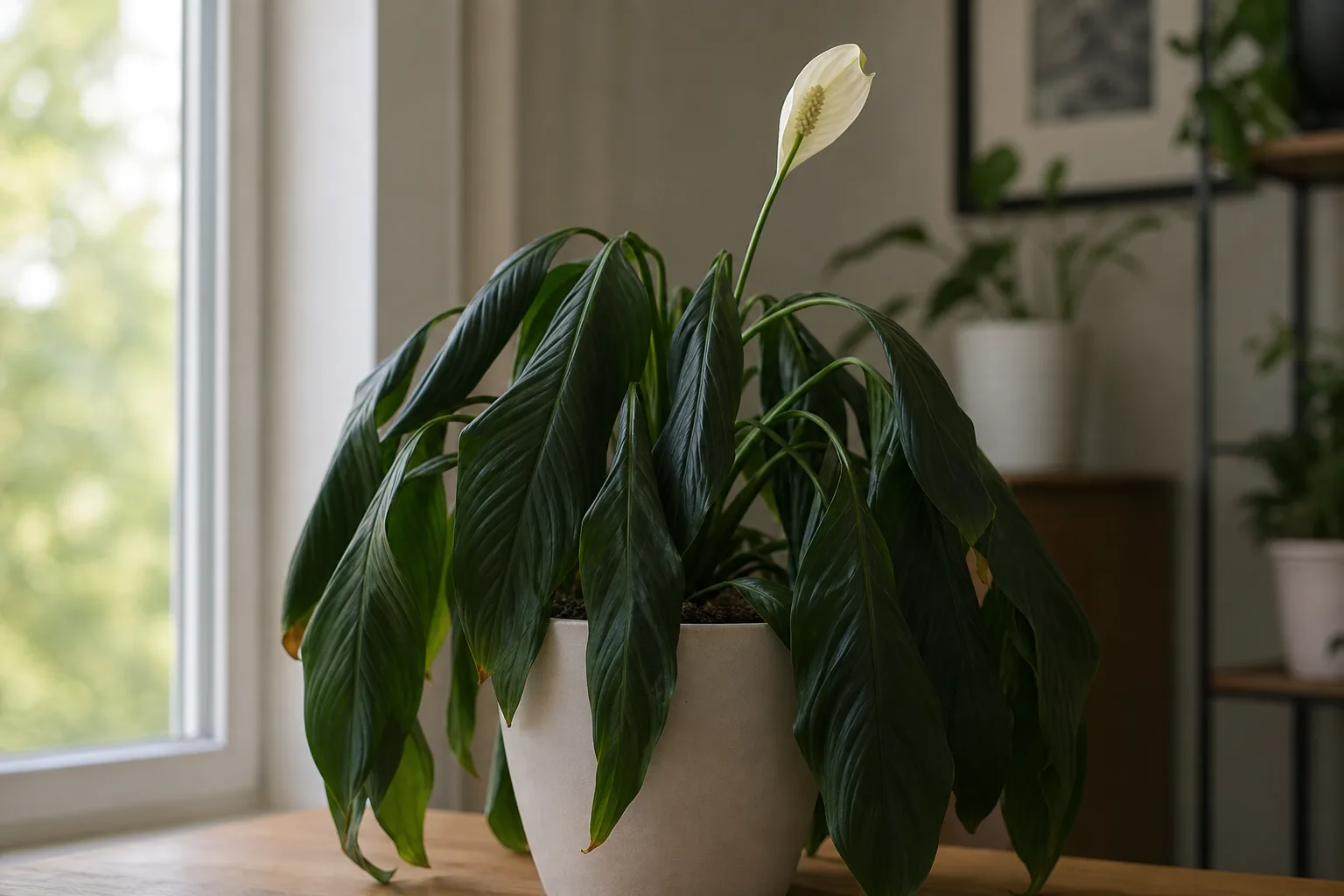
A dry, light root ball plus widespread flexible droop strongly supports thirst. Peace lilies make a useful visual example because their broad blades and long petioles can visibly lose posture.
In this whole-plant view, many petioles hang at once, so the pattern is consistent with a plant-wide water-balance problem rather than one broken stem. The photograph does not show pot weight, moisture at depth, recent heat, or root condition. It is therefore a prompt to check the root zone, not proof that the plant needs water.
Confirm the mix is dry at root depth before watering. Then irrigate slowly and thoroughly until the entire root ball is moist and excess water leaves the drainage hole. Empty the saucer or cover pot. If water shoots down the sides immediately, wait a few minutes and repeat in smaller passes; extremely dry peat-based mix can pull from the pot wall and resist wetting.
Do not promise a fixed recovery time. A mildly thirsty, healthy plant may begin lifting within hours, while severe dehydration, fine-root death, cold conditions, or a partially dry root ball can delay or limit recovery. If the pot is evenly moist but the plant remains collapsed after an appropriate observation period, return to diagnosis rather than adding water again.
NC State Extension describes peace lily potting soil as moist and well drained, not permanently saturated. That distinction applies broadly: a plant can prefer consistent moisture and still need air-filled pores around its roots.
Wet soil, a heavy pot, and yellow or soft growth
Wilt in wet mix is the pattern most likely to be made worse by well-intentioned watering. Look for lower yellow leaves, a pot that stays heavy far longer than usual, standing runoff inside a decorative container, a sour smell, soft tissue near the soil, or roots that are brown-black and easy to strip apart.
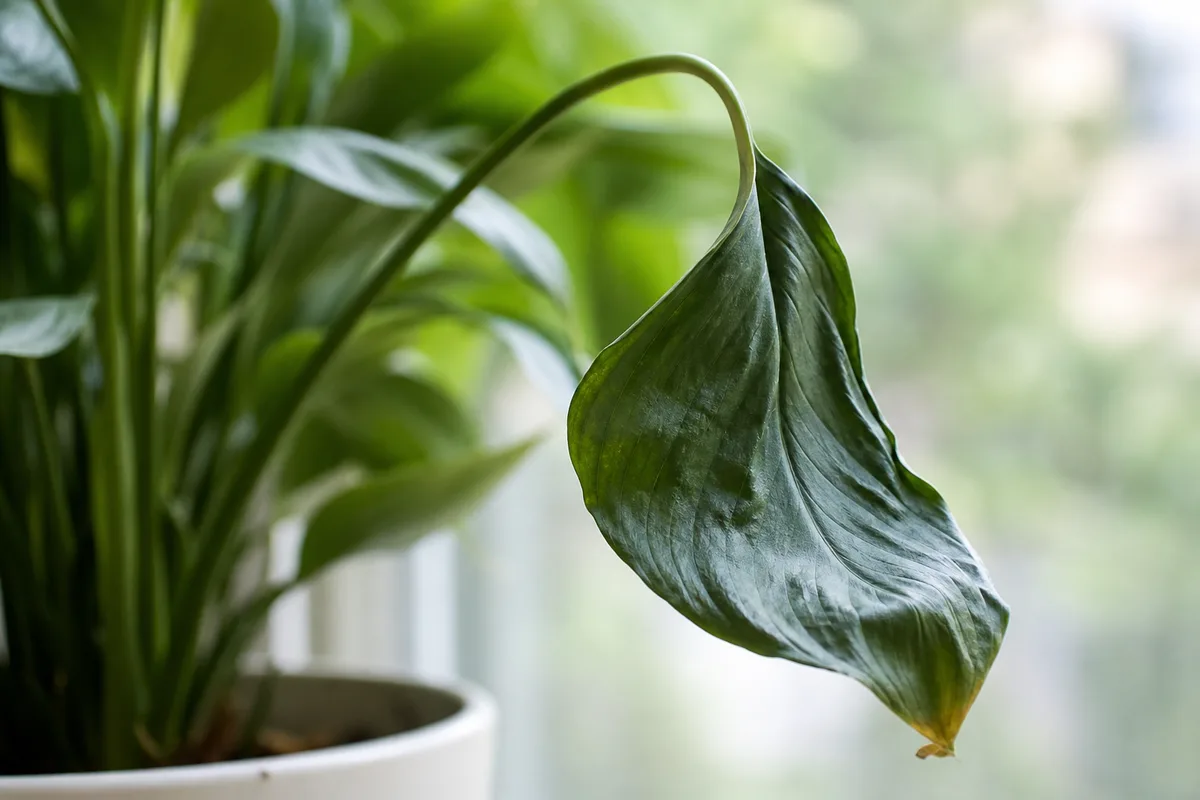
This close view makes the curved petiole and intact green blade easy to see. It does not show yellowing, mushy tissue, stippling, or a crease, but absence from one frame is not evidence that those signs are absent elsewhere on the plant. The image shows posture, not cause; a photograph cannot reveal whether the center of the pot is dry or saturated.
Roots need oxygen as well as moisture. Clemson Cooperative Extension notes that overwatering reduces oxygen available for root growth and favors root disease. When roots are injured, they may fail to supply the foliage even while surrounded by water, which explains the seemingly contradictory combination of wet soil and wilted leaves.
Stop adding water until the mix approaches the appropriate moisture point for that species. Open blocked drainage and remove standing runoff immediately. If decline is rapid or the root zone smells foul, slide the plant out carefully and inspect. Firm roots may be white, cream, tan, or naturally darker depending on the species; rot is better identified by softness, collapse, sloughing outer tissue, and odor than by color alone.
One drooping stem, one-sided wilt, or damaged patches
Whole-plant moisture problems tend to affect many leaves, although the oldest or thinnest may respond first. A single collapsed stem points elsewhere. Check for a crease, petiole split, stem-base lesion, pressure against furniture, pet damage, or a tie cutting into tissue. Water cannot bypass a crushed conducting pathway simply because the pot is moist.
One-sided droop can map to the environment. Leaves against hot window glass, above a radiator, below an air-conditioning outlet, or beside a frequently opened winter door receive a different stress than the sheltered half. Move the plant out of the direct hazard, but preserve suitable overall light.
Look closely at leaf undersides when droop comes with pale stippling, dusty-looking foliage, or fine webbing. The University of Minnesota Extension identifies stippling and webbing as spider-mite signs; heavy feeding can reduce vigor and contribute to leaf decline. Sticky residue, cottony clusters, bumps, distorted growth, or visible insects point toward other pest groups. Isolate the plant until you identify the organism, because watering will not correct feeding damage.
The most common causes of drooping leaves
The best diagnosis is usually the cause that explains the plant’s condition, care history, and timing with the fewest assumptions. Rank likely causes before treating them. A bone-dry pot after a hot weekend is stronger evidence for underwatering than a generic statement that the species “likes humidity.” A heavy pot, blocked drainage, and mushy roots outweigh the fact that the leaves look thirsty.
Multiple factors can overlap. Low light slows water use; an oversized pot retains moisture; compacted mix loses air space; cool temperatures slow drying further. The person watering may be following a normal schedule, yet the root zone remains wet enough to fail. Think in systems rather than blaming one isolated action.
Underwatering and a root ball that did not rewet
Underwatering includes more than forgetting the plant. A watering can may wet only the outer mix while a dense root core stays dry. Water may pass through a channel between shrunken mix and the pot wall. A severely rootbound plant may contain so little mix that it dries again within a day. Warm air, stronger seasonal light, and active new growth can also shorten the interval that worked last month.
Check the whole root ball. If the mix has become water-repellent, apply water slowly in several rounds. A nursery pot with sound roots can be soaked briefly to rehydrate the mix, then removed and drained fully; do not leave it standing in water. If roots form a dense, healthy mass with little usable substrate, plan a modest pot-size increase rather than compensating with increasingly frequent emergency watering.
Avoid swinging from severe drought to constant saturation. After rewetting, learn the pot’s weight and recheck moisture before the next irrigation. The appropriate drying point depends on species: a fern and a succulent should not be put on the same schedule.
Overwatering, poor drainage, and root disease
“Overwatering” describes a root zone staying too wet for too long, not simply the volume poured at one sitting. Watering thoroughly can be correct when a suitable mix and open drainage let excess escape. Trouble arises when irrigation is too frequent for the plant’s use rate or when dense mix, a large pot, blocked holes, standing runoff, low light, or cool conditions prevents aeration.
Root rot is not synonymous with every wet pot. It involves root decay and may include pathogens favored by wet conditions. Penn State Extension explains that fungal root rots can produce stunted, wilted, or discolored plants, while roots may become soft, brown, and decayed. Confirm root symptoms before performing surgery.
For substantial rot, remove clearly dead roots with clean tools, discard badly degraded mix, and repot into a container with drainage and a medium suited to the species. Do not move a small remaining root system into a much larger pot. Aftercare should keep the mix appropriately moist, not soaked, while the reduced roots recover. Severe stem-base rot or extensive root loss may make propagation of healthy material safer than trying to preserve the original root ball.
Heat, harsh light, cold, and low humidity
Hot, bright conditions increase water loss. A plant newly moved into direct sun may droop before its roots can match the demand and may later develop bleached or brown scorch. Pull it back from intense glass-filtered sun or diffuse the light, then acclimate gradually if the species can tolerate brighter exposure.
Low humidity can accelerate drying in thin-leaved plants, especially near forced-air heat, but it is rarely diagnosed from wilt alone. Measure with a hygrometer and inspect soil moisture. A humidifier can create a steadier change than occasional misting; droplets do not repair a dry root ball, and keeping foliage wet may be unhelpful where disease is present.
Cold can disrupt function and physically injure tropical foliage. Keep leaves off cold panes and away from exterior-door drafts and air-conditioning jets. Iowa State’s environmental diagnostic guidance lists temperature, humidity, and light among cultural sources of houseplant symptoms. Use location and timing to distinguish these from root-zone trouble.
Rootbinding, compacted mix, and container problems
A rootbound plant may droop because its small volume of mix cannot hold enough available water. Signs include roots circling densely, emerging from holes, lifting the plant from the pot, and a moisture cycle that has become extremely short. A modestly larger container can help, but visible roots alone do not prove an emergency; many healthy plants circle a nursery pot before needing immediate repotting.
The RHS repotting guide recommends lifting a plant from its container to assess congestion and notes that degraded potting media can lose air space, drainage, and useful water retention. Old mix can collapse into fine particles and lose the balance between moisture-holding pores and air spaces. Conversely, a mix that is far too coarse for a moisture-loving plant may dry faster than the root system can tolerate.
Containers change the diagnosis. An unglazed clay pot loses water faster than a similarly sized plastic pot. A cachepot can conceal runoff. A container without a drainage outlet leaves no reliable way to irrigate thoroughly while removing excess. A pot much larger than the roots holds a larger wet reservoir. Correct these structural issues when evidence points to them, but avoid repotting a plant whose real problem is a single missed watering.
Repotting shock, fertilizer injury, and pests
Droop after repotting often reflects disturbed fine roots, a changed moisture pattern, or an abrupt move in light and humidity. Keep conditions stable, provide appropriate moisture, and allow time. Do not add fertilizer as a “tonic”; damaged roots cannot be forced into recovery with extra salts.
Fertilizer injury becomes more plausible when collapse follows a strong application, granules were added to dry mix, or a crust is present on the surface. Clemson lists fertilizer and salt buildup among causes of root damage and wilting and recommends periodic leaching only where water can drain. Pause feeding. If roots are sound, drainage is open, and the plant is not already waterlogged, thorough irrigation can move some soluble salts out of the mix. Never attempt to flush a pot that cannot drain.
Pests are less common than water problems but should remain in the differential diagnosis. Spider mites thrive in warm, dry indoor conditions and can cause stippling, webbing, discoloration, and eventual leaf loss. Scale insects, mealybugs, and aphids have different visible clues. Identify first, isolate when appropriate, and use a treatment labeled for the plant and pest. A pesticide chosen for the wrong organism adds stress without solving the cause.
A recovery plan that does not create a second problem
Recovery should follow evidence, not urgency. The safest sequence is observation, removal of active hazards, correction of the root-zone condition, and then patience. Repotting, pruning, feeding, and relocating simultaneously may leave a stressed plant with fewer roots, fewer leaves, and another abrupt environment to manage.
Do not judge success only by whether every leaf stands perfectly upright. Some petioles remain stretched or bent after stress, and damaged leaves may stay marked. Better indicators are stable tissue, a normal moisture cycle, firm stems, roots that stop declining, and new growth with the plant’s usual posture.
What to do in the first 10 minutes
- Photograph the plant. Capture the whole canopy, soil surface, pot, and any affected stems.
- Check moisture at depth and lift the pot. Do not water based on wilt or a dry-looking surface alone.
- Inspect drainage. Empty standing runoff and confirm that the outlet is open.
- Remove an obvious exposure. Shift the plant away from scorching glass, a heater, cold pane, or direct draft while keeping suitable light.
- Inspect leaves and stems. Look underneath for pests, webbing, sticky residue, lesions, and physical breaks.
- Choose one root-zone response. Thoroughly rewet a genuinely dry root ball, or stop watering and inspect further when the mix is persistently wet.
Do not fertilize, heavily prune, or automatically repot during this first pass. Those actions may become appropriate after inspection, but none is a universal wilt treatment. If the plant has a soft stem base, extensive mushy roots, foul odor, rapidly spreading lesions, or severe infestation, move from routine observation to prompt species-specific intervention.
What to watch over the next seven days
After correcting simple thirst, watch for improving posture over the next several hours without repeatedly adding water. The pot should then resume a plausible drying cycle. A plant that remains limp in evenly moist mix requires reassessment for root damage, temperature stress, or a dry central core.
After excess moisture, recovery is slower and less predictable because damaged roots must be replaced. Watch for the spread of yellowing, new soft tissue, odor, and continued collapse. Do not use a rigid countdown to water again; check the mix at depth and follow the species’ needs. If decline continues, inspect the roots rather than extending passive waiting indefinitely.
Keep light bright enough for the species but avoid abrupt intense exposure. Hold fertilizer until active, healthy growth resumes. Remove a leaf only when it is mostly dead, diseased, or collapsing; green tissue still contributes energy. Recompare dated photographs at consistent times of day so normal daily posture does not look like progressive decline.
Ask a local cooperative extension office or a qualified plant-health professional for help when collapse continues despite a verified moisture correction, most roots are soft or missing, lesions spread quickly, or the plant is valuable enough that an uncertain diagnosis matters. Take clear photographs of the whole plant, both leaf surfaces, stem base, roots, pot, and potting mix, and include a short care timeline. Better evidence produces a more useful remote assessment.
Preventing drooping leaves from returning
Build watering around the plant and pot, not a calendar. Learn how the container feels after a complete watering and near the species’ appropriate drying point. Check more often during hot weather or active growth and expect slower drying in lower winter light. A reminder should prompt inspection, not automatic irrigation.
Use a container with effective drainage and never let runoff remain hidden inside a cover pot. Choose a potting mix that holds enough moisture for the species while regaining air after drainage. Increase pot size gradually, and refresh mix when it has collapsed, become difficult to wet evenly, or no longer supports a workable moisture cycle.
Match placement to the plant. Protect tropical foliage from cold glass and forced-air blasts, acclimate plants gradually to stronger light, and avoid using a dim corner as a cure for scorch. Quarantine new plants and inspect leaf undersides regularly so pests are found before an infestation reduces vigor.
Finally, keep a simple log when drooping repeats: watering dates, pot weight, fertilizer, location changes, repotting, weather, and photographs. Recurring wilt often makes sense once seasonal drying, a concealed cachepot, a hydrophobic root core, or an overly large container becomes visible in the record.
Conclusion
Drooping leaves on houseplants tell you that the foliage is not maintaining its normal water pressure; they do not tell you why. Dry roots are common, but wet, oxygen-poor, diseased, damaged, overheated, chilled, or pest-stressed plants can all lose posture.
Check texture, root-zone moisture, distribution, drainage, and timing before you act. Rewet a truly dry root ball thoroughly, stop adding water to persistently wet mix, remove active environmental hazards, and inspect roots or pests when the evidence warrants it. Then judge recovery by stable damage, a normal drying cycle, and healthy new growth—not by how many emergency treatments you can apply in one day.
Plants commonly affected
These houseplants often struggle with drooping leaves. Open a care guide or plant-specific troubleshooting page for tailored fixes.
 Medium
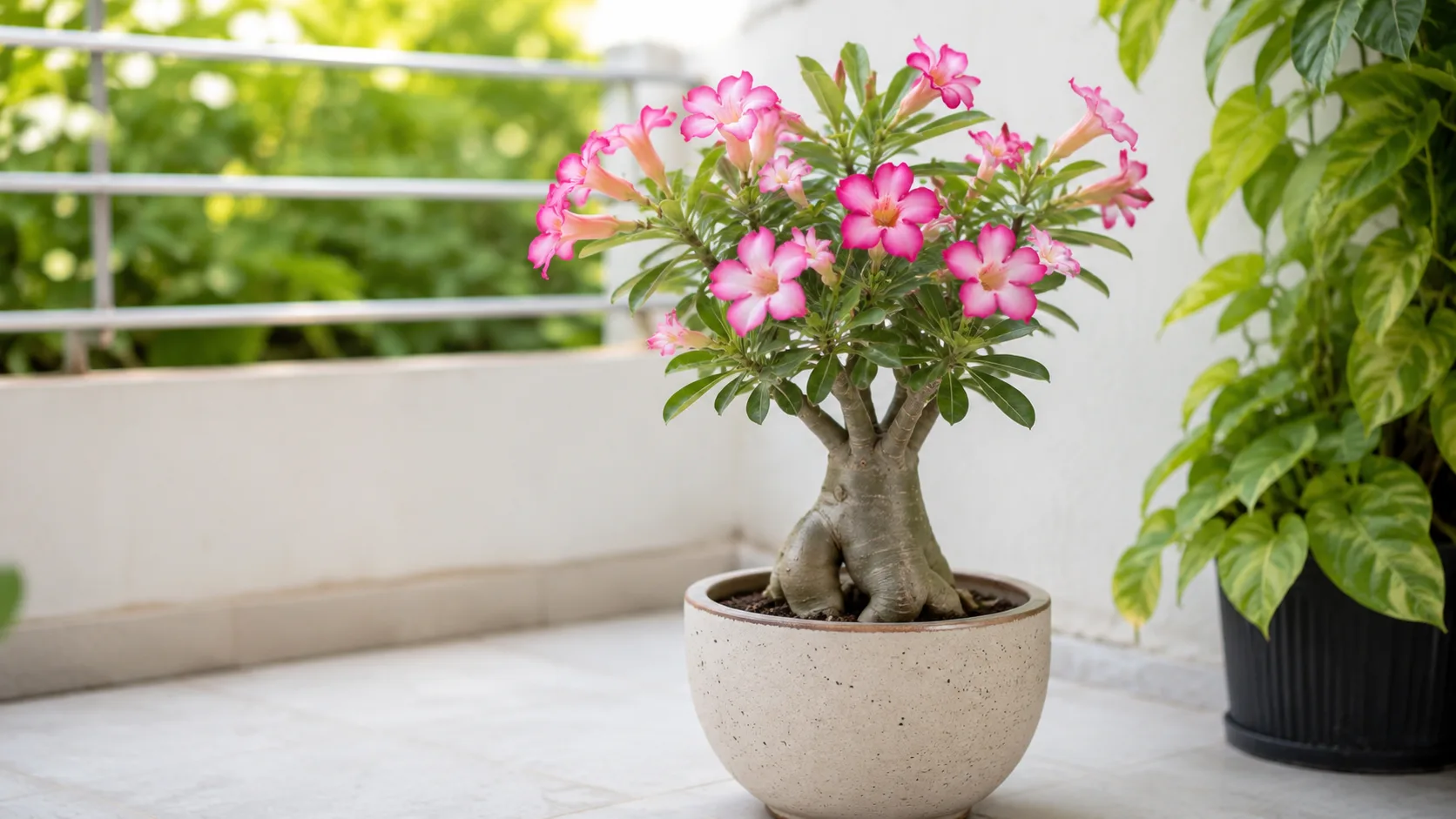
Adenium
Likely causeLimp foliage usually signals root stress—either rot from wet soil or drought stress on a firm caudex.
Quick fixFeel the caudex and check soil depth; adjust watering and inspect roots if the base is soft.
 Medium
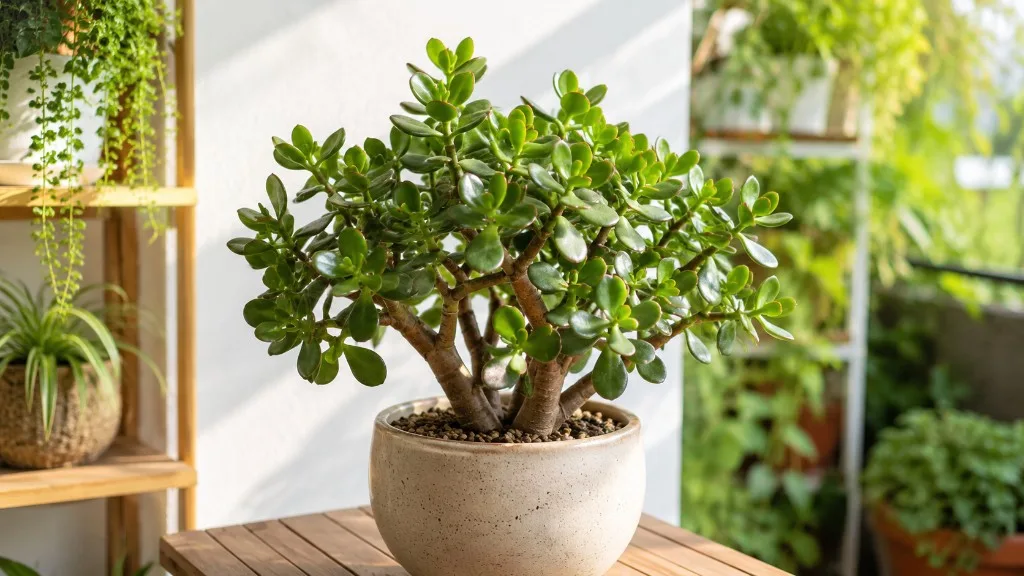
African Milk Tree
Likely causeCommon on this plant type; confirm with recent watering, light, and root checks.
Quick fixInspect the plant and correct the most likely care stressor before stacking treatments.
 Medium
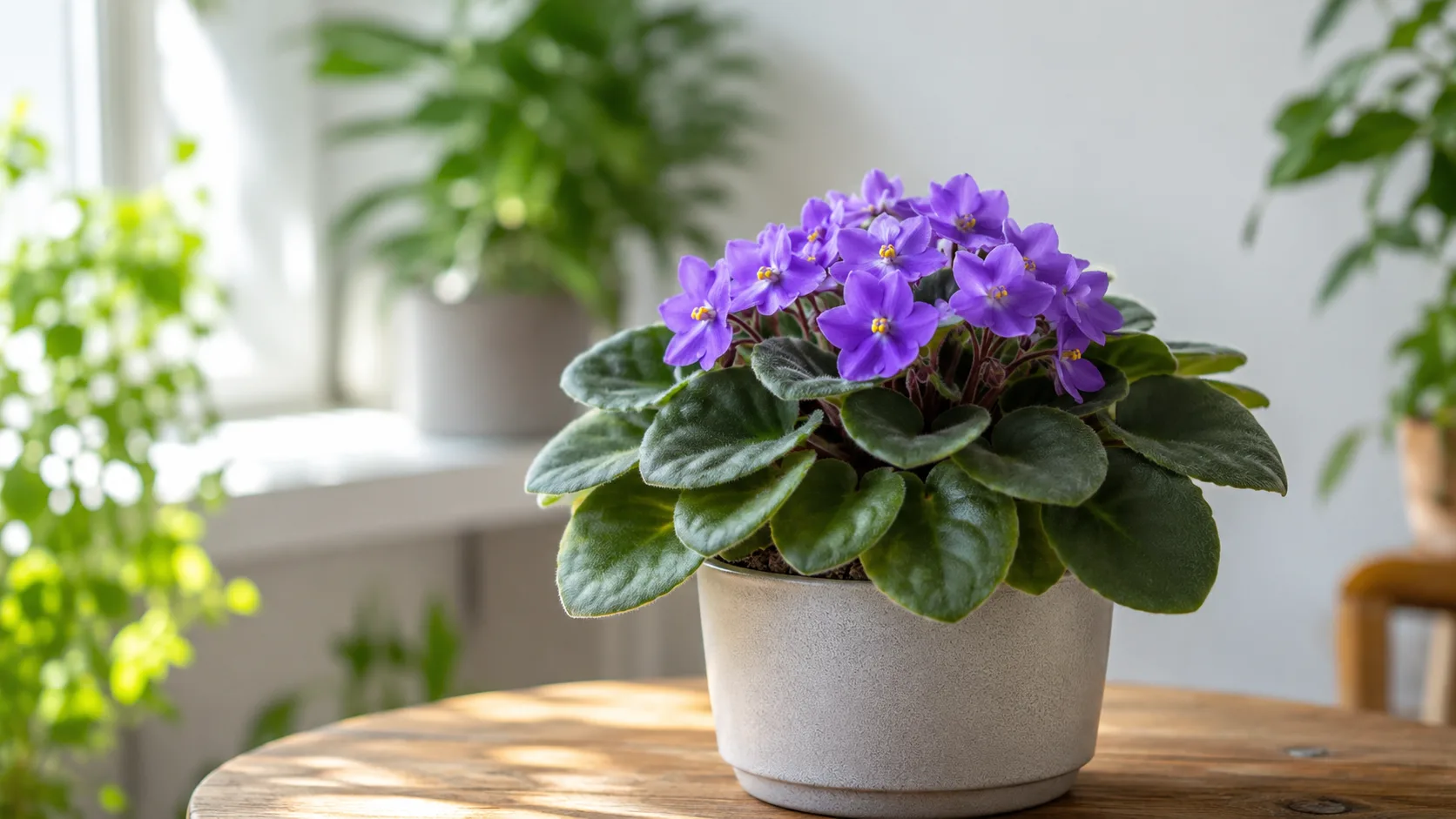
African Violet
Likely causeDrooping Leaves on African Violet: This post unpacks three common culprits and cures and for an African violet with droopy leaves. Let's dive in!
Quick fixInspect African Violet, confirm drooping leaves matches your symptoms, then adjust care or treat per authoritative guides.
 Medium
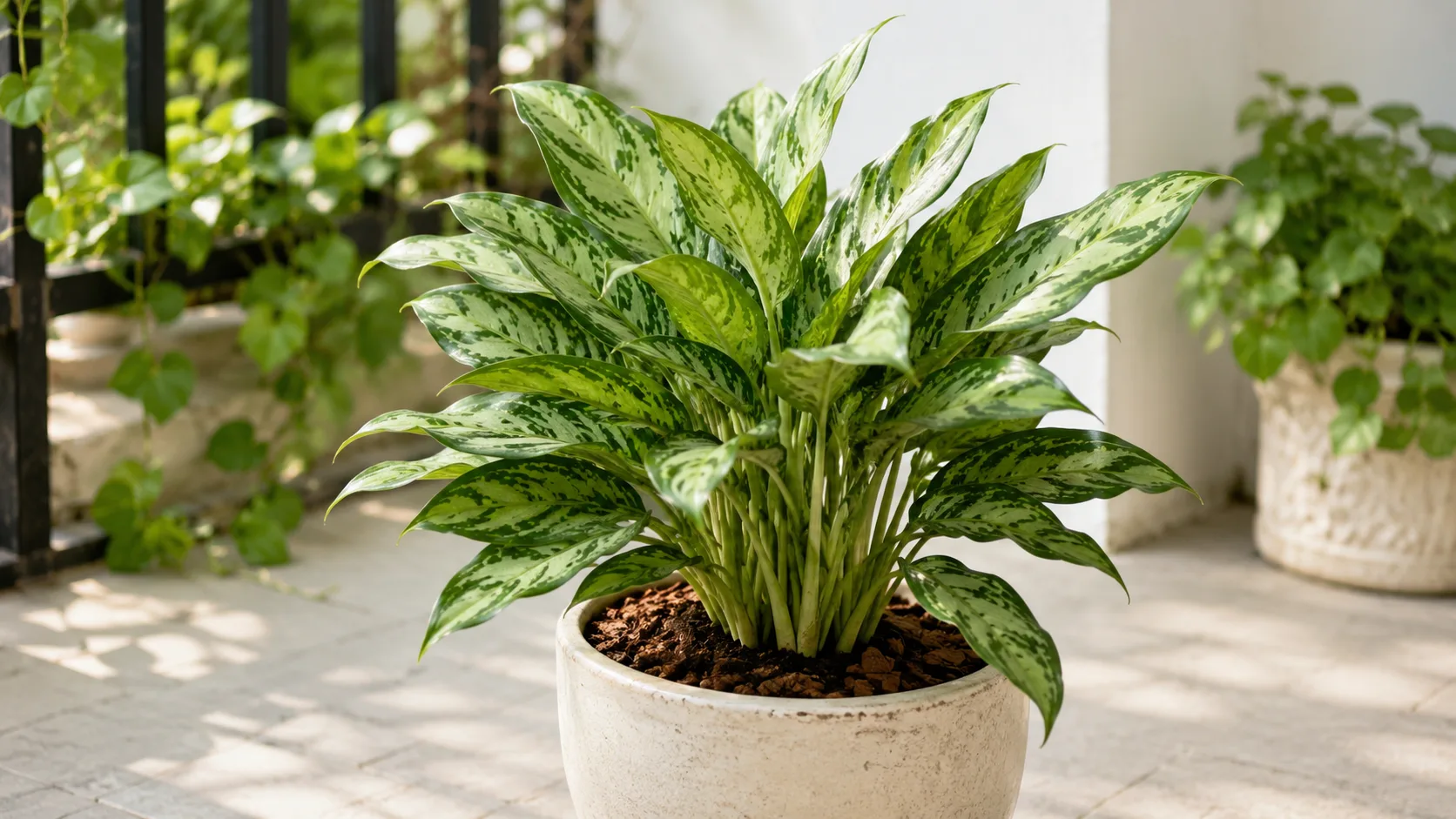
Aglaonema
Likely causeCommon on this plant type; confirm with recent watering, light, and root checks.
Quick fixInspect the plant and correct the most likely care stressor before stacking treatments.
 Medium
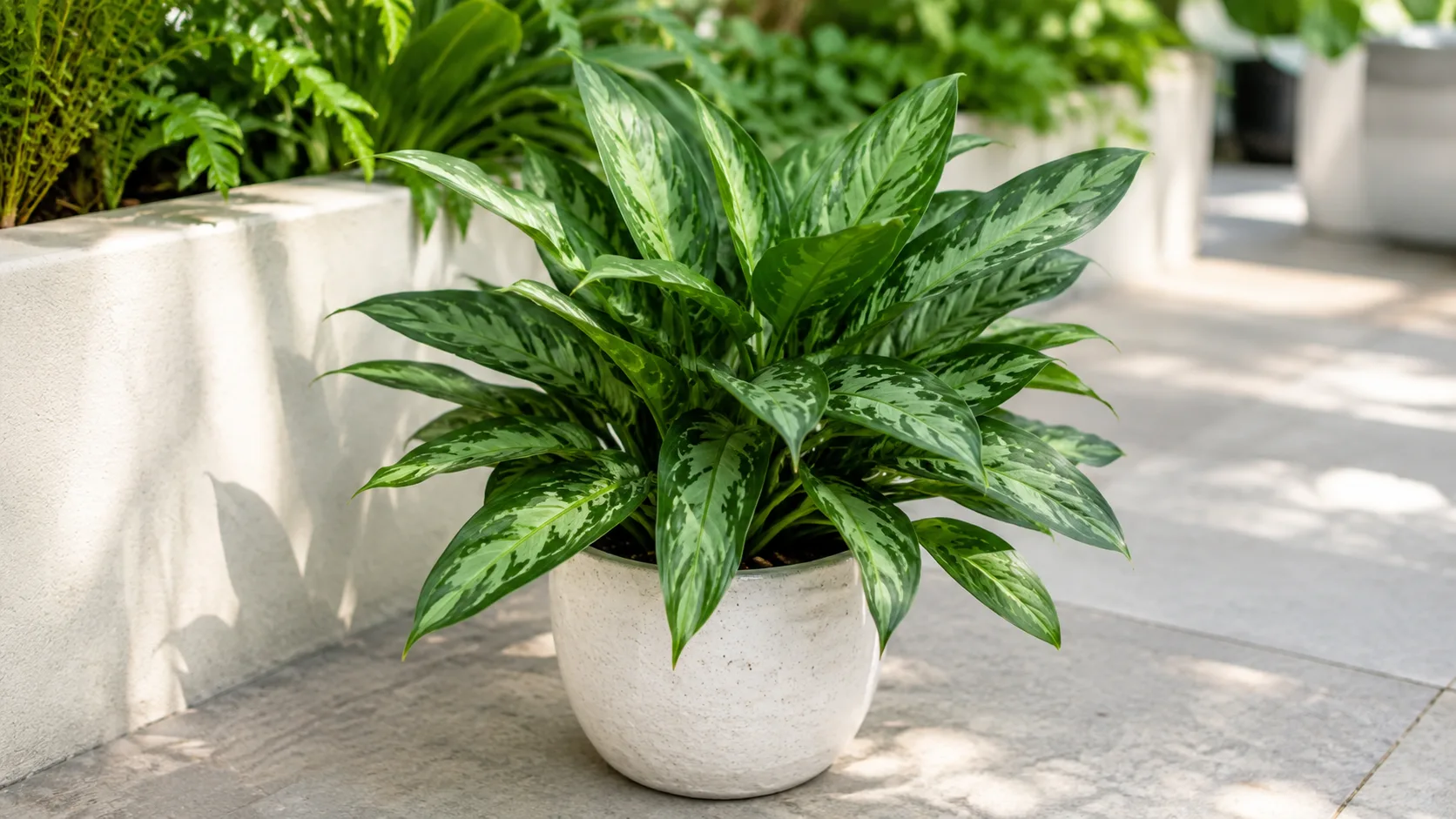
Aglaonema Cutlass
Likely causeCommon on this plant type; confirm with recent watering, light, and root checks.
Quick fixInspect the plant and correct the most likely care stressor before stacking treatments.
- Medium
Aglaonema Lady Valentine
Likely causeCommon on this plant type; confirm with recent watering, light, and root checks.
Quick fixInspect the plant and correct the most likely care stressor before stacking treatments.
- Medium
Aglaonema Maria
Likely causeCommon on this plant type; confirm with recent watering, light, and root checks.
Quick fixInspect the plant and correct the most likely care stressor before stacking treatments.
- Medium
Aglaonema Pictum Tricolor
Likely causeCommon on this plant type; confirm with recent watering, light, and root checks.
Quick fixInspect the plant and correct the most likely care stressor before stacking treatments.
 Medium
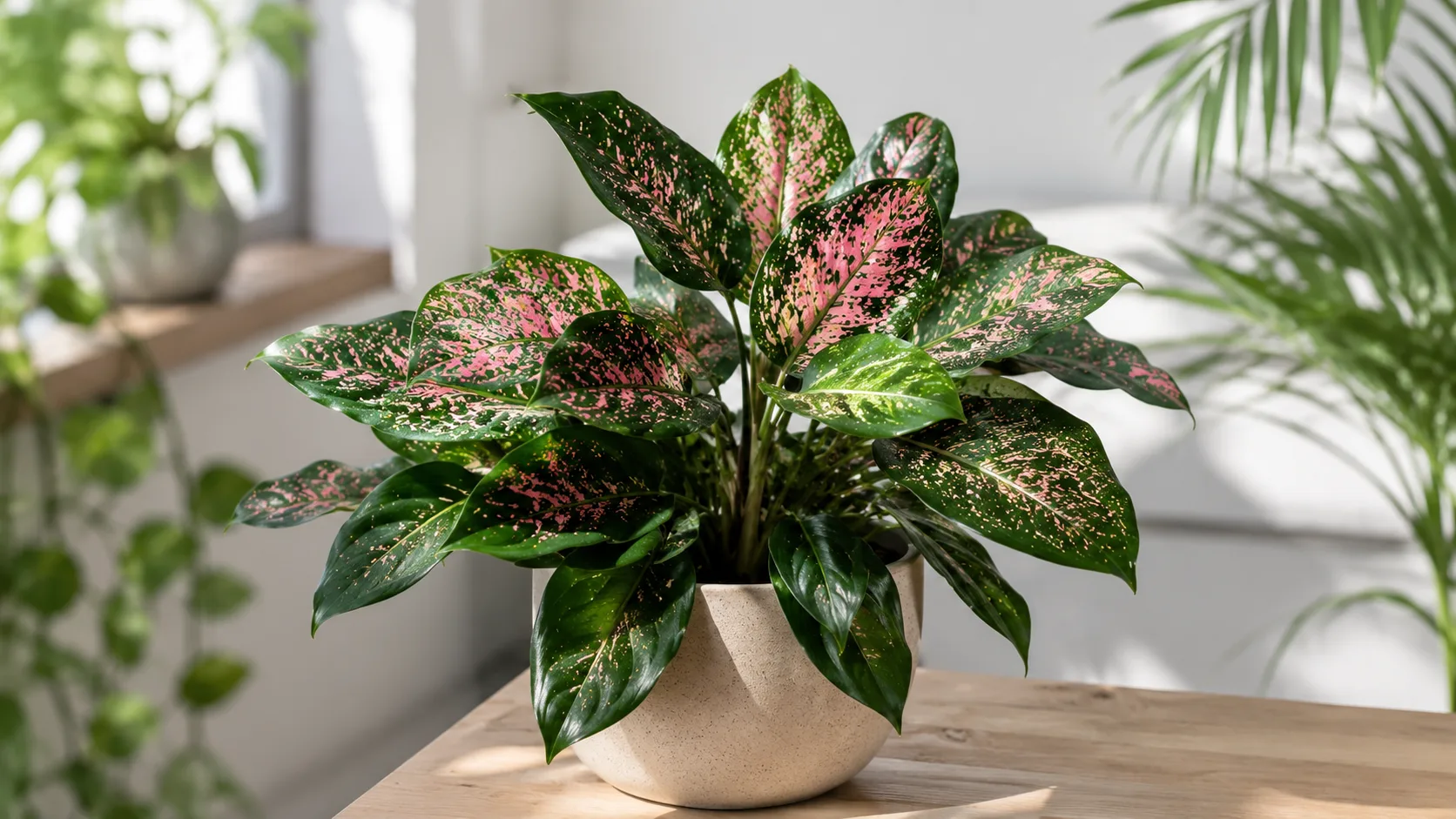
Aglaonema Pink Dalmatian
Likely causeCommon on this plant type; confirm with recent watering, light, and root checks.
Quick fixInspect the plant and correct the most likely care stressor before stacking treatments.
- Medium
Aglaonema Red Siam
Likely causeCommon on this plant type; confirm with recent watering, light, and root checks.
Quick fixInspect the plant and correct the most likely care stressor before stacking treatments.
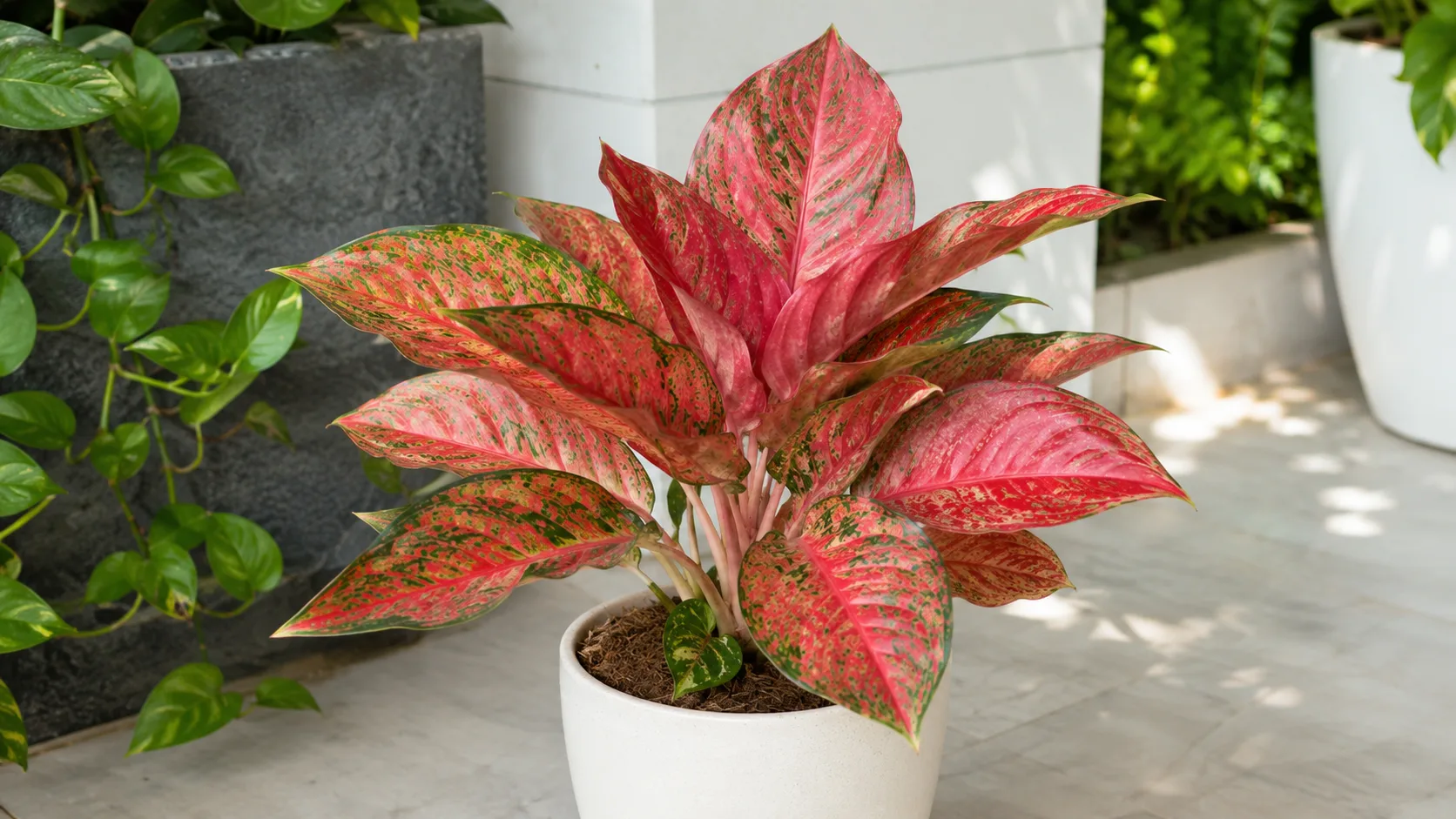 Medium
Aglaonema Red Valentine
Likely causeCommon on this plant type; confirm with recent watering, light, and root checks.
Quick fixInspect the plant and correct the most likely care stressor before stacking treatments.
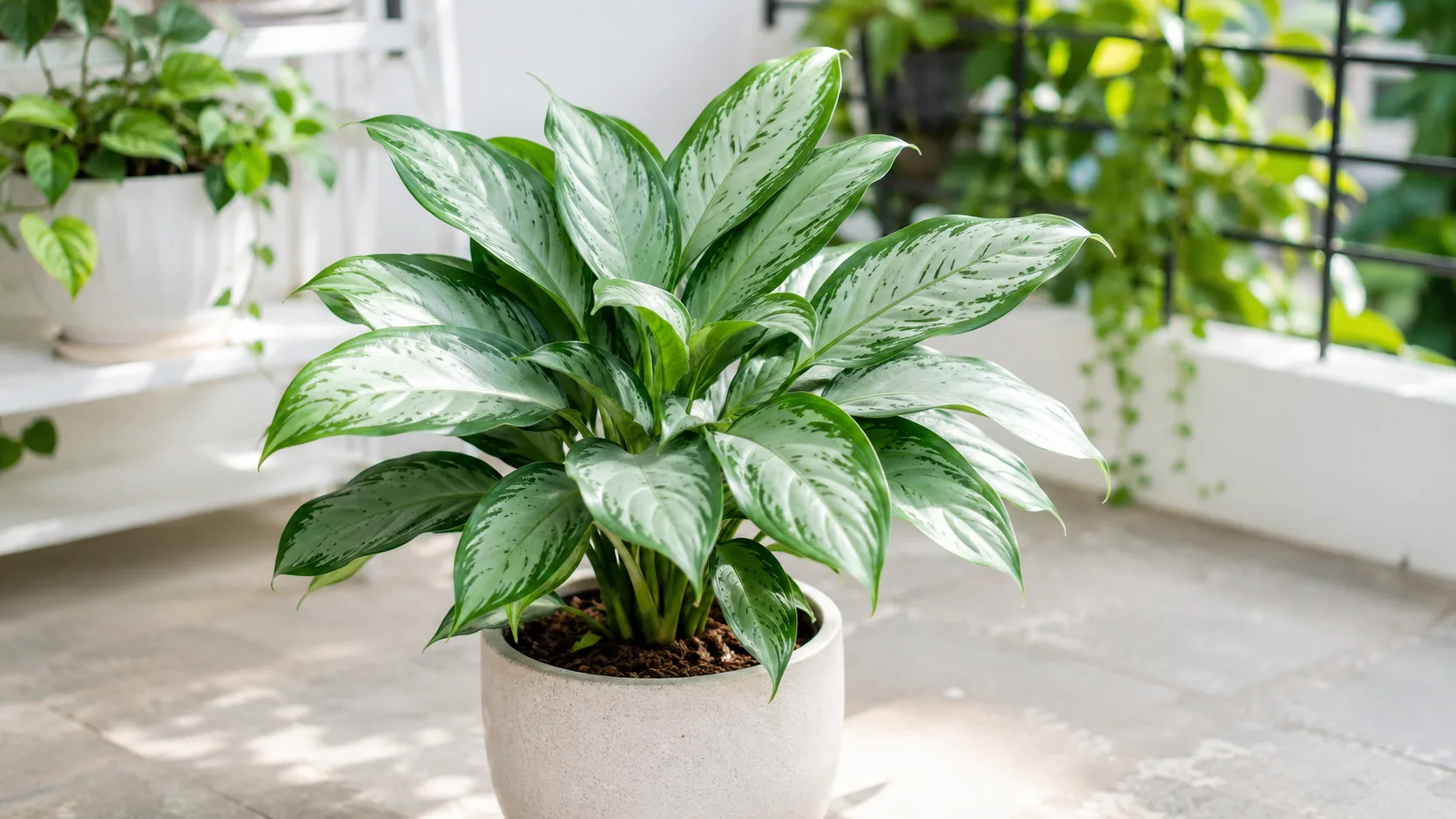 Medium
Aglaonema Silver Bay
Likely causeCommon on this plant type; confirm with recent watering, light, and root checks.
Quick fixInspect the plant and correct the most likely care stressor before stacking treatments.