Distorted Leaves on Houseplants: Causes and Diagnosis
'Leaf problems are often the first sign something is off with a houseplant. Distorted Leaves can look alarming, but the fix depends on where symptoms start, how fast they spread, and what the soil and roots are doing. This guide walks through how to identify New leaves grow twisted, wrinkled, curled, or misshapen, rule out look-alikes, and treat the underlying cause. Track weekly progress after you change care, and note watering, light, and repotting dates so you can tell whether the symptom is improving or returning.'. Compare upper versus lower leaves, new versus old growth, and soil moisture at root depth before you treat, because the same visible symptom can come from watering, light, pests, or normal aging on different plants.
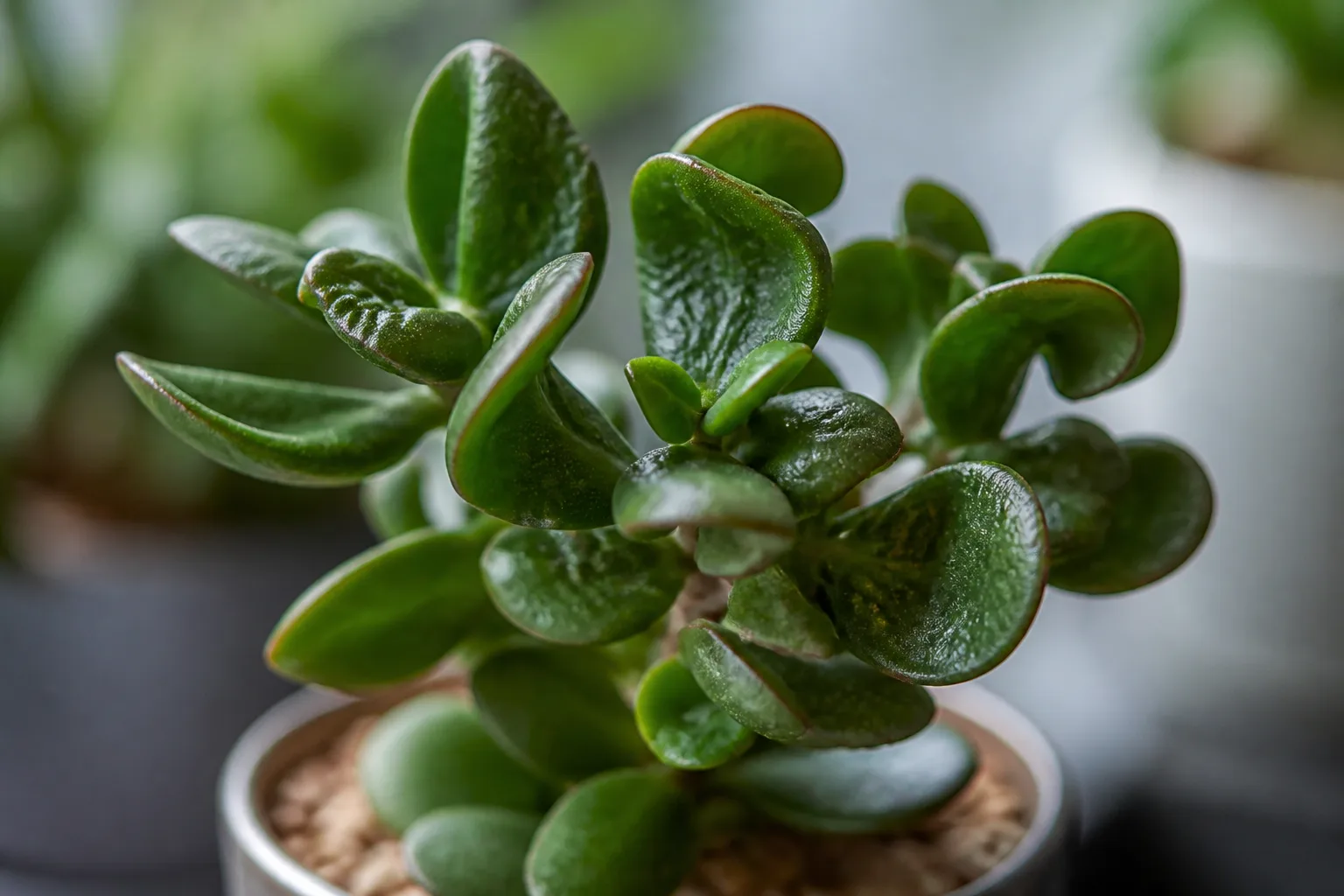
Distorted Leaves on Houseplants
Still unsure?Match your symptoms to the most likely problems in under a minute.Run diagnosis →Understand and fix distorted leaves
'Leaf problems are often the first sign something is off with a houseplant. Distorted Leaves can look alarming, but the fix depends on where symptoms start, how fast they spread, and what the soil and roots are doing. This guide walks through how to identify New leaves grow twisted, wrinkled, curled, or misshapen, rule out look-alikes, and treat the underlying cause. Track weekly progress after you change care, and note watering, light, and repotting dates so you can tell whether the symptom is improving or returning.'. Compare upper versus lower leaves, new versus old growth, and soil moisture at root depth before you treat, because the same visible symptom can come from watering, light, pests, or normal aging on different plants.
Overview
'Leaf problems are often the first sign something is off with a houseplant. Distorted Leaves can look alarming, but the fix depends on where symptoms start, how fast they spread, and what the soil and roots are doing. This guide walks through how to identify New leaves grow twisted, wrinkled, curled, or misshapen, rule out look-alikes, and treat the underlying cause. Track weekly progress after you change care, and note watering, light, and repotting dates so you can tell whether the symptom is improving or returning.'. Compare upper versus lower leaves, new versus old growth, and soil moisture at root depth before you treat, because the same visible symptom can come from watering, light, pests, or normal aging on different plants.
How to identify it
- Note which leaves are affected-oldest lower leaves vs newest growth
- Check whether spots are dry and crispy or soft and spreading
- Inspect leaf undersides for pests, webbing, or sticky residue
- Compare light exposure-did the plant move or get direct sun recently?
- Feel soil moisture before assuming the issue is only on the leaves
When to worry
Soft brown patches spreading fast, black stems, or more than a third of leaves declining in a week warrants urgent inspection for rot or disease.
Common causes
Watering stress
Both over- and underwatering show up on leaves first. Yellowing, browning, and drop often trace back to roots sitting too wet or too dry.
Low humidity or harsh tap water
Dry indoor air and mineral buildup cause brown tips and edges on sensitive plants like calatheas and peace lilies.
Incorrect light
Too little light weakens leaves; too much direct sun scorches them. New leaves grow twisted, wrinkled, curled, or misshapen after a window move often points to light.
Pests or fungal disease
Stippling, webbing, spots with halos, or powdery patches mean the leaf damage may be infectious or insect-related-not just care stress.
Step-by-step fix
Document the pattern
Photograph affected leaves and note whether damage is on old growth, new growth, or one side of the plant.
Check soil, roots, and drainage
Confirm moisture at root level and that the pot drains. Many leaf issues resolve once watering stabilizes.
Adjust light and humidity
Move to bright indirect light if leggy or faded; pull back from harsh sun if scorched. Group plants or use a humidifier for crispy edges.
Treat pests or fungus if present
Isolate affected plants. Wipe leaves, use insecticidal soap for pests, and improve airflow for fungal spots.
Remove damaged tissue
Trim fully yellow or brown leaves at the base. Partial brown tips can be trimmed for appearance; they will not turn green again.
Prevention tips
- Water based on soil dryness, not leaf appearance alone
- Keep plants in appropriate light for their species
- Inspect leaves monthly for early pest signs
- Use filtered water on sensitive foliage plants
Common mistakes
- Removing all yellow leaves before fixing the root cause
- Fertilizing a stressed plant hoping leaves green up faster
- Spraying leaves at night, which encourages fungal spots
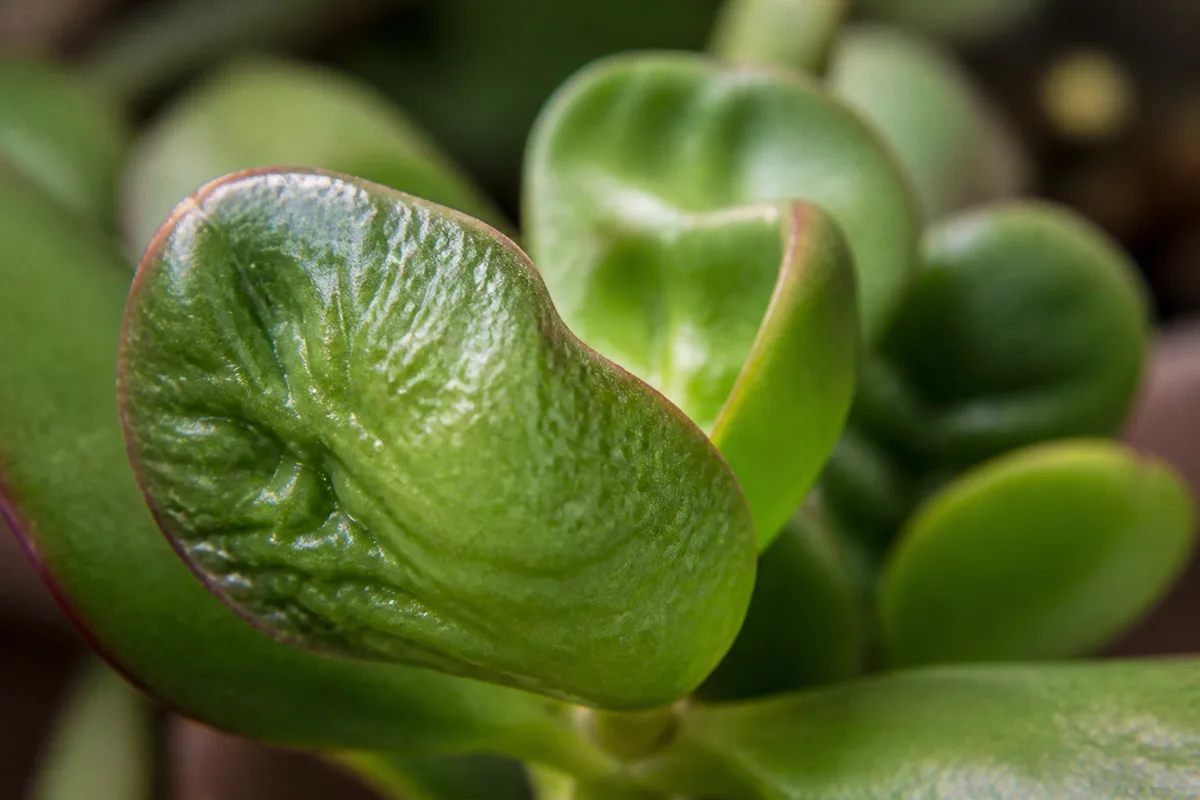
Quick Diagnosis
Distorted leaves on houseplants are new or mature leaves that curl, cup, pucker, blister, narrow, twist, or fail to unfold in the plant’s normal shape. Close inspection of the newest growth, folds, buds, stems, and leaf joints often reveals useful evidence, but appearance alone may not identify one cause.
First step: look at the top two or three new leaves under bright light. White cottony clusters with inward-curled new leaves point to mealybugs. Corky raised bumps on leaf undersides after wet soil in a dim room point to edema. Mottled puckering across several branches without pests may indicate mosaic virus-isolate before you propagate. Sticky clustered tips suggest aphids. Uniform brown curled margins after a spray or heavy feed suggest chemical damage. Long stretched stems with small pale leaves in low light are etiolation, not disease.
Do not start with repotting, pruning, fertilizer, and pesticide on the same day. Pick the branch that fits your inspection, make one targeted fix, and judge the next flush of growth.
What distorted leaves look like on houseplants
Healthy leaf shape varies greatly by species and cultivar. Distortion means a new leaf differs from the plant’s established pattern: it may cup, twist, pucker, blister, narrow, or fail to unfold. Compare new growth with mature healthy foliage on the same plant.
Compare both photographs with healthy tissue on the same plant. They illustrate possible distortion, not a confirmed pest or disease.
Inward-curling newest pairs with white axil fluff (mealybugs)
- Cupped, crinkled, or twisted newest new leaves while older leaves still look normal
- White cottony masses tucked in leaf joints and stem joints-the classic mealybug sign
- Waxy or dull new growth that never fully expands
- Damage concentrated at growing tips, not random old leaves
Mealybugs are common indoor pests, and colonies feeding around tender growth can contribute to deformation. Their cottony wax is a stronger clue than leaf shape alone.
Corky raised bumps on leaf undersides (edema)
- Small water-soaked blisters that harden into corky, raised patches-often on lower or older leaves
- Surface looks rough or bumpy, not smoothly curled
- Often follows overwatering in cool, dim conditions when roots take up water faster than leaves transpire
- Edema may appear as tiny blisters that later become corky bumps, often on leaf undersides
Edema scars are permanent on affected tissue; recovery shows up on new clean pairs, not by flattening old bumps. Full detail lives on the edema page.
Mottled puckering across branches (possible virus)
- Irregular light-and-dark green mottling with puckered or narrowed leaf surfaces
- Symptoms on multiple branches, not isolated to one tip
- No cottony pests and no corky edema blisters when you rule out lookalikes
- Viral infections can cause leaf distortion, mottling, and stunted growth; there is no cure-only isolation and discarding infected stock
Do not discard a valuable plant from a photo diagnosis alone. Isolate it, rule out pests and environmental injury, avoid propagation, and seek plant-clinic or extension help when a virus-like pattern persists.
Sticky clustered tips (aphids)
- Small soft-bodied insects clustered on tender new shoots
- Sticky honeydew or dark sooty mold on leaves below the infestation
- Twisted or stunted tip growth from sap feeding
- Aphids can curl or distort new growth while producing sticky honeydew
Uniform edge curl after spray or heavy feed (chemical burn)
- Brown or tan curled margins that appear soon after foliar insecticide, horticultural oil, insecticidal soap, or a heavy fertilizer dose
- Damage often matches spray contact pattern on exposed leaf faces
- Pesticide injury can follow a rate, temperature, plant-sensitivity, or site mismatch; read the full label and test sensitive foliage when directed
See chemical damage when burn timing matches a treatment day.
Stretched abnormal new leaves in low light (etiolation)
- Small pale leaves spaced far apart on long floppy stems
- Distortion is whole-plant stretch, not localized cupping at one tip
- Soil may stay wet too long because the plant uses less water in dim corners-increasing edema risk on the same plant
Fix light before you blame pests. The the species care guide covers placement and acclimation.
Distorted leaves vs. deformed new growth vs. edema
These URLs overlap on purpose-but each emphasizes a different entry point:
| If you see… | Start here |
|---|---|
| Any misshapen leaf-curl, puckering, blisters, virus-like mottling | This page (distorted leaves) |
| Only the newest tips look wrong while the rest of the plant is compact | Deformed new growth |
| Corky bumps on undersides after wet soil in dim light | Edema |
| Mottled multi-branch pattern, no pests | Mosaic virus |
| Soft downward leaves without shape change | Drooping leaves |
Diagnostic rule: distortion limited to the top one to three new leaves with axil fluff → pests first. Bumps on older leaf undersides → edema first. Pattern across the whole plant → virus or light stress.
Why houseplant leaves distort
Leaf structure and growth rate vary among houseplants, but distortion usually begins while cells are expanding. That timing makes the newest leaves, buds, and growing points the most informative places to inspect.
Pests target soft new tissue. Mealybugs and aphids feed where cells are easiest to pierce, so cupping appears on the youngest pairs before lower leaves change. Hiding in leaf joints matches folded or crowded new growth, where pests can remain hidden.
Edema follows uptake–transpiration mismatch. When roots absorb water quickly but leaves cannot release it-common with wet soil plus cool dim weather-cells burst and heal as corky bumps. Fleshy-leaved houseplants including many succulents are prone to edema under favorable conditions.
Viruses distort through systemic infection. Sap-borne viruses interfere with normal leaf development, producing mottling and puckering that does not wash off and does not respond to watering fixes.
Chemical burn is iatrogenic. Panic spraying after spotting curl often burns plant leaves and adds margin distortion on top of the original pest or culture problem.
Low light warps architecture. Etiolated growth produces thin leaves on weak internodes-abnormal shape from energy deficit, not infection.
Lookalike symptoms to rule out
Before treating, exclude these common misreads:
- Normal lower leaf drop - old leaves shrivel and fall; that is senescence, not distortion of attached leaves
- Underwatering wrinkles - leaves look deflated and lengthwise wrinkled but stay symmetrically oval; see underwatering
- Overwatering mush - soft translucent leaves and stem-base rot-not cupping; see overwatering and root rot
- Sun scald - crisp brown patches on sun-facing sides after a sudden window move, not axil cotton
- Species or cultivar shape - naturally curled, rippled, fenestrated, narrow, or tubular leaves are not symptoms; compare with a reliable reference for the exact plant
How to confirm the cause
Work through this checklist in order. Stop when one row clearly fits.
- Newest growth first - cupping isolated to top pairs vs. whole-plant pattern
- Axil inspection - separate leaves gently; shine a phone light into joints for mealybug cotton
- Underside blisters - run a finger along lower leaf surfaces for corky edema bumps
- Pot weight and moisture - heavy wet pot in a dim room supports edema; not virus
- Sticky tips - aphids and honeydew on tender shoots
- Treatment history - margin burn within days of spray or heavy feed → chemical
- Light check - long pale stems with wide spacing → etiolation; move toward brighter exposure
- Multi-branch mottling - no pests, no edema blisters → suspect virus; isolate
Confirmed mealybugs: white cottony colonies plus deformed newest pairs. Confirmed edema: corky bumps on undersides after wet-dry swings in low transpiration conditions. Suspected virus: mottled puckering on multiple branches with sanitation and propagation risk-escalate on the mosaic-virus page.
First fix for houseplants
Make one primary action matched to your best-fit row-do not stack repot, prune, feed, and spray the same afternoon.
If mealybugs in leaf joints
Isolate the plant and physically remove visible colonies where practical. A cotton swab lightly moistened with alcohol is sometimes used for individual mealybugs, but plant sensitivity varies; test a hidden spot first and avoid saturating tissue or the potting mix. Reinspect folds, joints, and neighboring plants repeatedly because eggs or hidden insects may remain.
If a pesticide is needed, use only a product whose label includes the pest, plant or ornamental category, and indoor site. Oils and soaps work by contact and can injure sensitive foliage under unsuitable conditions, so follow test, temperature, light, dilution, ventilation, and repeat-treatment directions on the label.
If edema blisters after wet-dry swings
Let the mix dry thoroughly and improve light so the plant transpires normally. Remove only leaves that are mushy or rotting-not every corky bump. Hold fertilizer until new pairs look firm. Detail: edema guide.
If mosaic virus suspected
Isolate immediately. Do not take cuttings for propagation-sap transfers virus. There is no cure; management is removal of affected plants or living with cosmetic damage on a quarantined specimen. Confirm on mosaic-virus before discarding.
If aphids on tips
Rinse tips with a steady stream of lukewarm water to knock off soft-bodied aphids. Repeat every few days. Avoid oil or soap whole-plant sprays until you test one leaf-phytotoxicity risk on plants.
If chemical burn after treatment
Stop all foliar sprays and hold fertilizer. Move to stable bright indirect light. Trim only fully dead margins if you need to; living curled edge tissue may stay cosmetically damaged.
If low-light etiolation only
Increase light gradually over one to two weeks-east window, closer south exposure, or supplemental grow light. Reduce watering frequency to match slower transpiration in the brighter spot.
Step-by-step recovery by cause
After the first fix, expect this sequence:
Mealybugs: alcohol swabs → recheck leaf joints on a calendar → optional systemic only after reading pesticide cautions → judge next two leaf flushes for straight pairs.
Edema: dry-down → brighter light → wait for new pairs without new blisters → accept permanent cork on old leaves.
Aphids: repeat rinses → monitor neighbors → test any spray on one leaf first.
Chemical burn: pause inputs → stable culture → new growth emerges normal-shaped even if old margins stay tan.
Etiolation: light upgrade → optional light prune of weakest stretch stems after acclimation → compact new growth at tips.
Virus: isolation → decision to discard or keep quarantined → never propagate from infected stock.
Recovery timeline
| Cause | What improves first | Realistic window |
|---|---|---|
| Mealybugs | New pairs stop cupping; cotton colonies shrink | 2–6 weeks with repeated alcohol passes |
| Edema | No new blisters; next pairs smooth | 1–3 dry-down cycles; old bumps remain |
| Aphids | Sticky tips clean after rinses | Days to 2 weeks if reinfestation controlled |
| Chemical burn | New growth emerges normal | 2–4 weeks; old margins may stay scarred |
| Etiolation | Tighter internodes on new stems | Several weeks after light increase |
| Virus | No cure-only stable or worsening mottling | Permanent on affected tissue |
Old distorted leaves rarely flatten into perfect ovals. Recovery means firm clean new pairs and stopped spread.
What not to do
- Do not fertilize solely to “push through” distortion; excess salts can add injury while pests or environmental stress remain
- Do not repot on day one unless roots are mushy from rot; repot stress hides which fix worked
- Do not spray insecticidal soap or horticultural oil on the whole plant without a one-leaf test-plant leaves burn easily
- Do not propagate from virus-suspected plants
- Do not assume all curl is underwatering-water-deficit symptoms vary by species and usually come with a dry root ball, not axil cupping with cotton
How to prevent distorted leaves
- Inspect leaf joints weekly during routine care-mealybugs are easiest to stop when colonies are small
- Water on dry-down, not a calendar, especially in winter dim light when edema risk rises
- Provide species-appropriate light and adjust watering to the observed dry-down rate
- Quarantine new plants two to three weeks before placing beside established houseplant
- Test pesticides on one leaf before whole-plant treatment
- Use fast-draining plant mix in a pot with drainage-wet cores invite edema and rot together
When to worry
Treat as urgent when:
- Stem bases soften while soil stays wet-distortion may coexist with root rot; rot kills faster than cosmetic curl
- Mealybugs spread to multiple plants on the same shelf-isolate the whole collection and inspect leaf joints on every plant
- Virus-like mottling advances on new flushes after isolation-propagation risks contaminating clean stock
- A pet chews the plant—identify the species and contact a veterinarian or appropriate animal poison service, because toxicity differs among houseplants
Cosmetic edema bumps or old chemical-scorched margins on an otherwise firm, growing plant are not emergencies.
Practical checks
Urgency check
Soft stem bases + sour wet soil → rot branch first. Multi-plant mealybug spread → isolate collection. Advancing mottling without pests → virus protocol.
Best inspection order
Newest new leaves → leaf joints with bright light → leaf undersides for blisters → sticky tips → pot weight → recent spray or feed history → whole-plant light stretch.
Whole-plant care cross-check
If distortion appeared after bringing a patio plant indoors for winter, combine pest axil check with reduced watering in the dimmer room. If only one branch is affected, pests or local spray burn are more likely than whole-plant virus-compare both sides of the plant before escalating.
Use related guides according to evidence: cottony colonies point toward mealybugs; corky blisters toward edema; honeydew and clustered insects toward aphids; silvery scars and black fecal specks toward thrips; soft stems and wet mix toward root stress; and persistent mosaic or ringspot patterns toward a disease-diagnosis pathway. Compare all advice with the exact species’ normal leaf form and care requirements.
A Whole-Plant Decision Check
Distortion limited to one leaf after it was trapped, rubbed, or unfolded poorly is often mechanical. Distortion repeated at several active tips is more consistent with an ongoing pest or environmental cause. Compare new and old growth, check the undersides and folds under magnification, and review the timing of watering, temperature changes, sprays, and fertilizer.
The UC IPM houseplant guide notes that aphids can curl and distort leaves and that thrips can scar and deform growth. Colorado State Extension likewise describes distortion from aphids and thrips in its current houseplant pest guidance. Those clues justify isolation and repeated inspection before treatment.
Use distribution as a cross-check. The Colorado State diagnostic guide explains that a pattern across plants, leaves, or one side of a specimen can help separate living agents from environmental injury. That principle is more dependable than naming a pest from curl alone.
Treatment Limits and Escalation
Use physical removal or water rinsing where appropriate, then select only products labeled for the pest and plant. Oils and soaps require thorough contact and may injure sensitive foliage, so follow label restrictions and test when directed. Viral symptoms cannot be confirmed from distortion alone; mosaic, ringspots, vein clearing, and plant-wide stunting raise concern, and the RHS virus guide recommends preventing sap transfer and controlling potential vectors.
Seek diagnostic help when distortion advances despite stable care, affects multiple plants, comes with unexplained mosaic or necrosis, or damages every new growing point. Do not propagate a plant suspected of systemic disease until the cause is clarified.
Documenting New Growth
Take a close photograph as each new leaf begins to unfold, then another after it expands. Record the date, affected growing point, pot moisture, room conditions, and any treatment. This simple sequence distinguishes old permanent deformity from continuing damage. It also reveals whether only one branch is affected or whether every active tip responds similarly.
Avoid judging recovery by old leaves. Physical injury and feeding damage that occurred during expansion usually remain visible. A successful response produces a later sequence of normally shaped leaves, declining pest evidence, and no new blisters, scars, or mosaic pattern.
The position of the symptom provides another useful clue. Damage that appears only after a leaf opens may have occurred while it was folded, so inspect protected crevices where thrips or mites can feed. Distortion accompanied by honeydew points toward sap-feeding insects; distortion with corky bumps supports edema; distortion plus mosaic or ringspots deserves stricter isolation. None of these clues is conclusive alone, but together they guide the next safest action.
When the evidence remains mixed, pause treatment and collect another week of observations unless the plant is collapsing rapidly. Stable conditions protect diagnostic value and reduce the risk of creating a second symptom through unnecessary fertilizer, repotting, or pesticide exposure.
Conclusion
Distorted leaves preserve a record of what happened while they expanded. Inspect the newest growth closely, look for pests and residue, review watering and temperature swings, and separate one damaged leaf from an active plant-wide pattern. Remove or treat a confirmed cause, keep conditions stable, and use later growth—not the shape of old leaves—as the main measure of recovery.
Plants commonly affected
These houseplants often struggle with distorted leaves. Open a care guide or plant-specific troubleshooting page for tailored fixes.
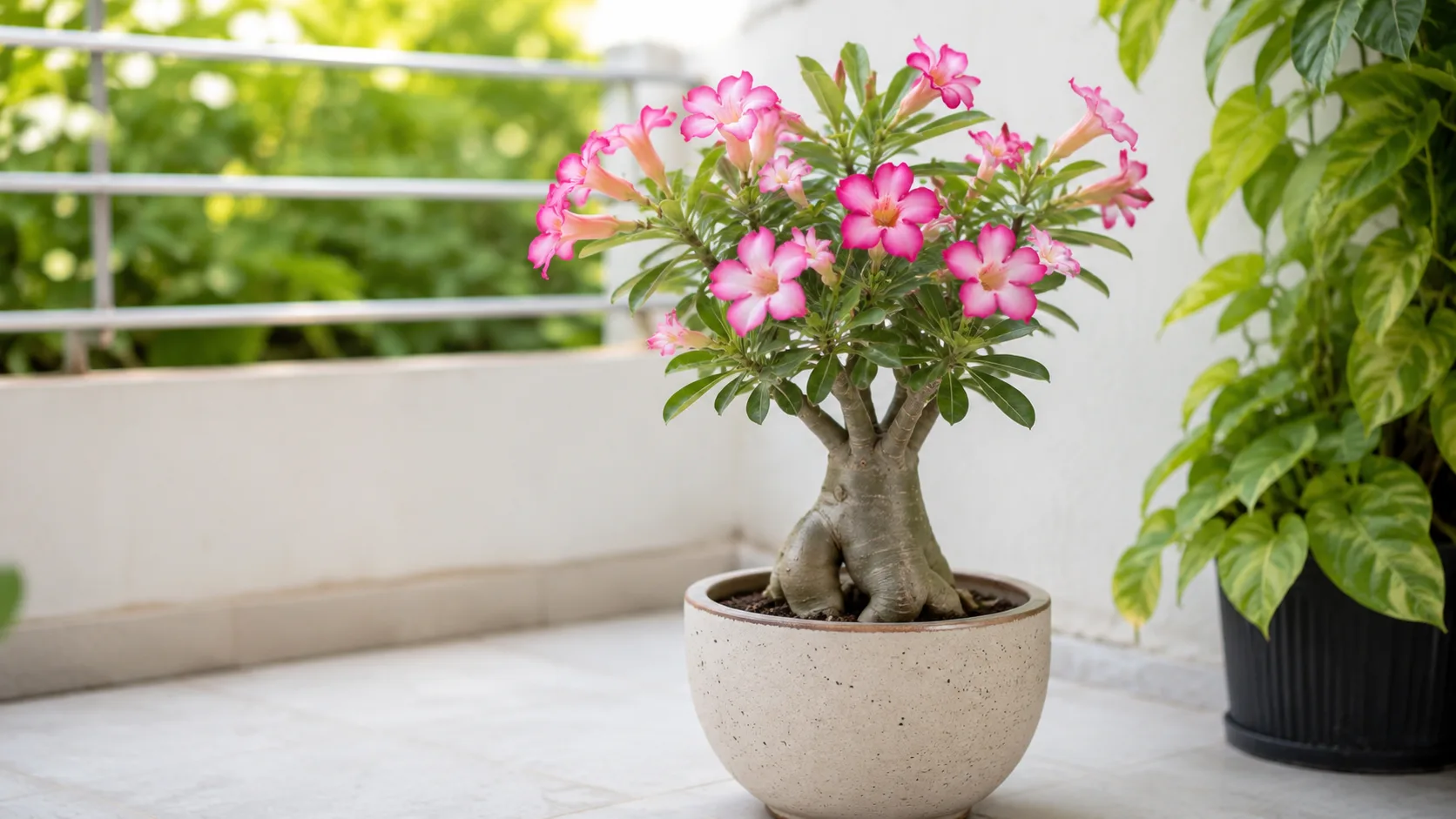 Medium
Adenium
Likely causeCommon distorted leaves pattern on Adenium under indoor care stress.
Quick fixInspect roots, watering, light, and pests; adjust one variable and monitor new growth.
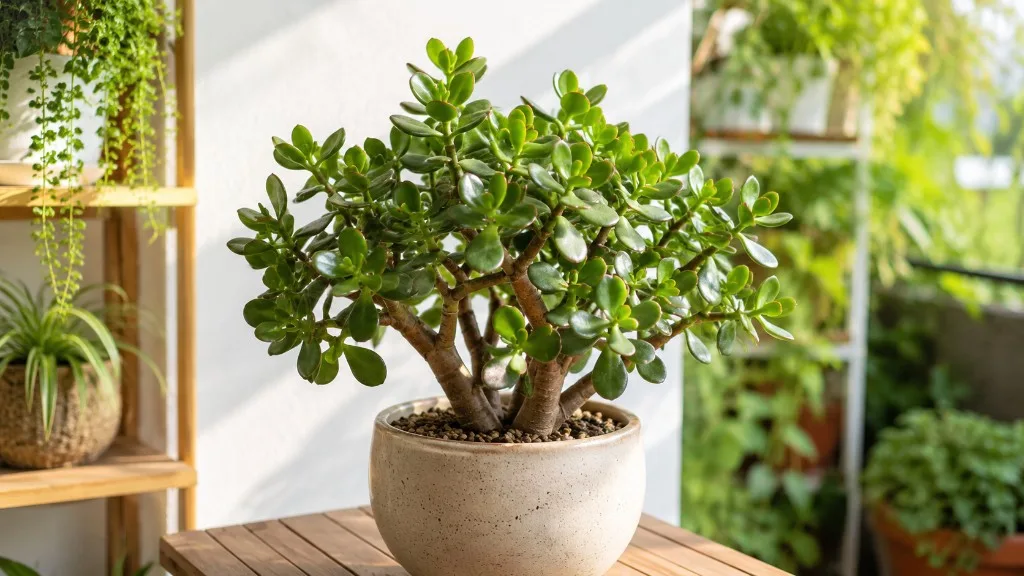 Medium
African Milk Tree
Likely causeCommon distorted leaves pattern on African Milk Tree under indoor care stress.
Quick fixInspect roots, watering, light, and pests; adjust one variable and monitor new growth.
 Medium
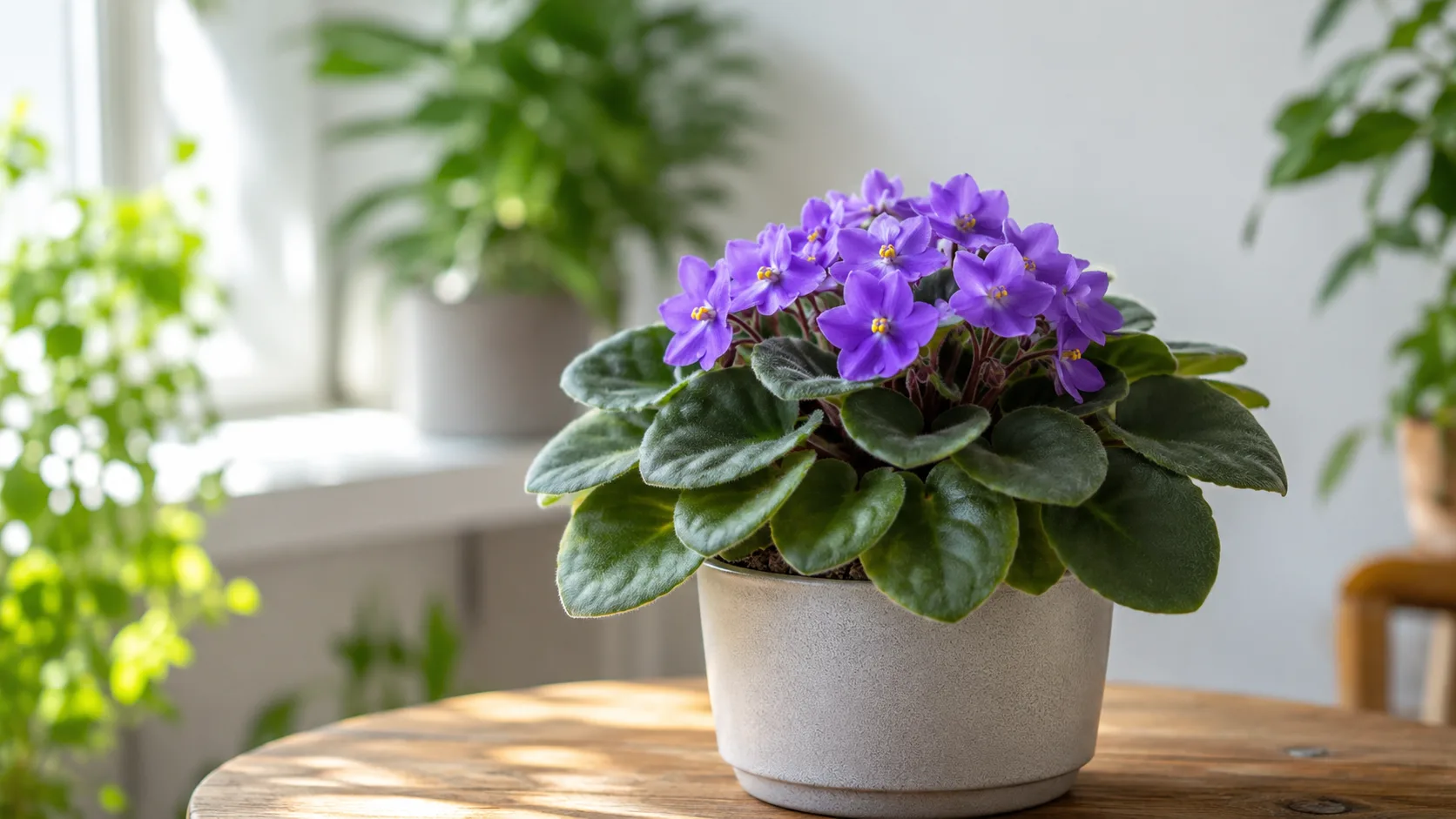
African Violet
Likely causeCommon distorted leaves pattern on African Violet under indoor care stress.
Quick fixInspect roots, watering, light, and pests; adjust one variable and monitor new growth.
 Medium
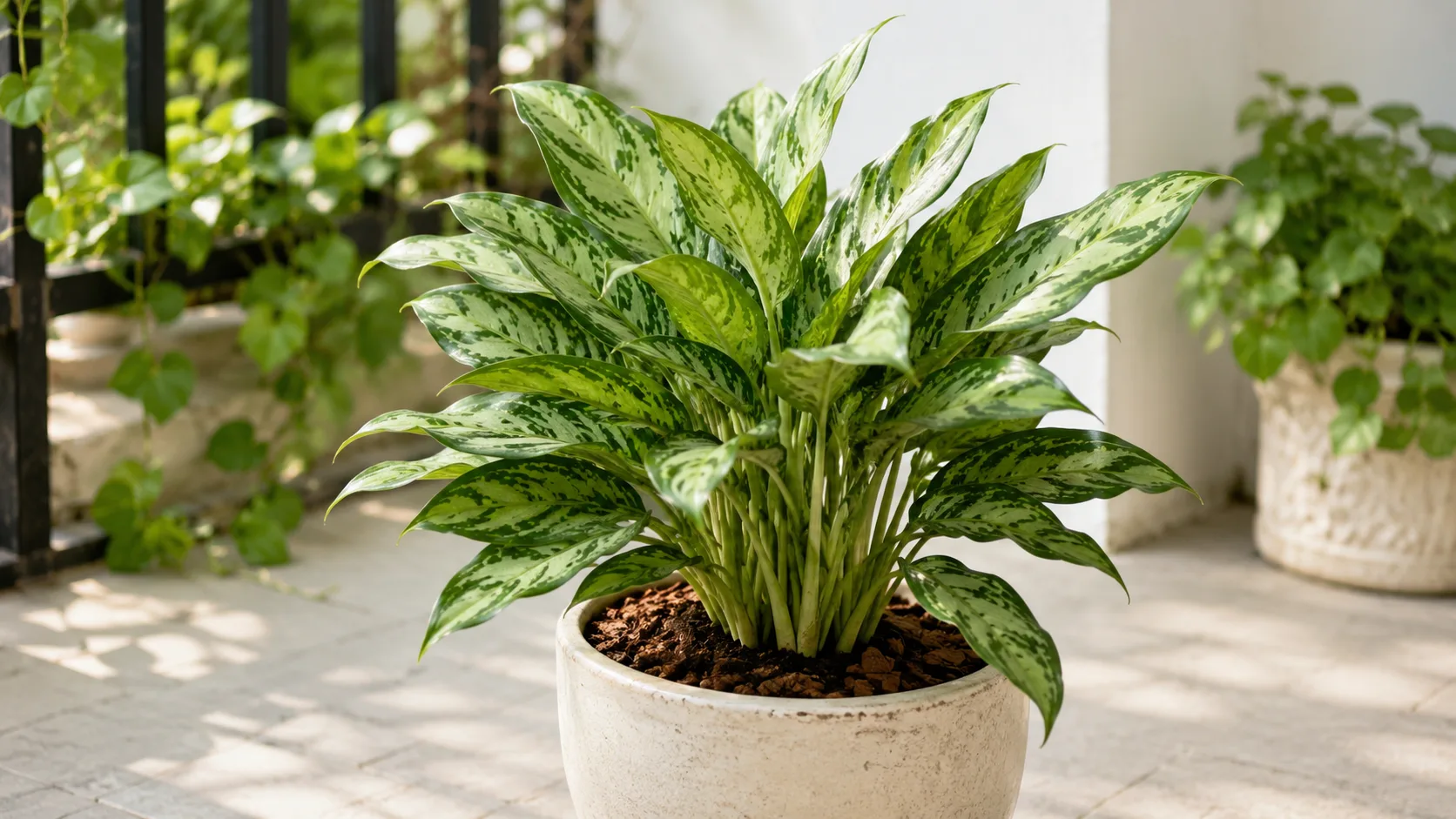
Aglaonema
Likely causeCommon distorted leaves pattern on Aglaonema under indoor care stress.
Quick fixInspect roots, watering, light, and pests; adjust one variable and monitor new growth.
 Medium
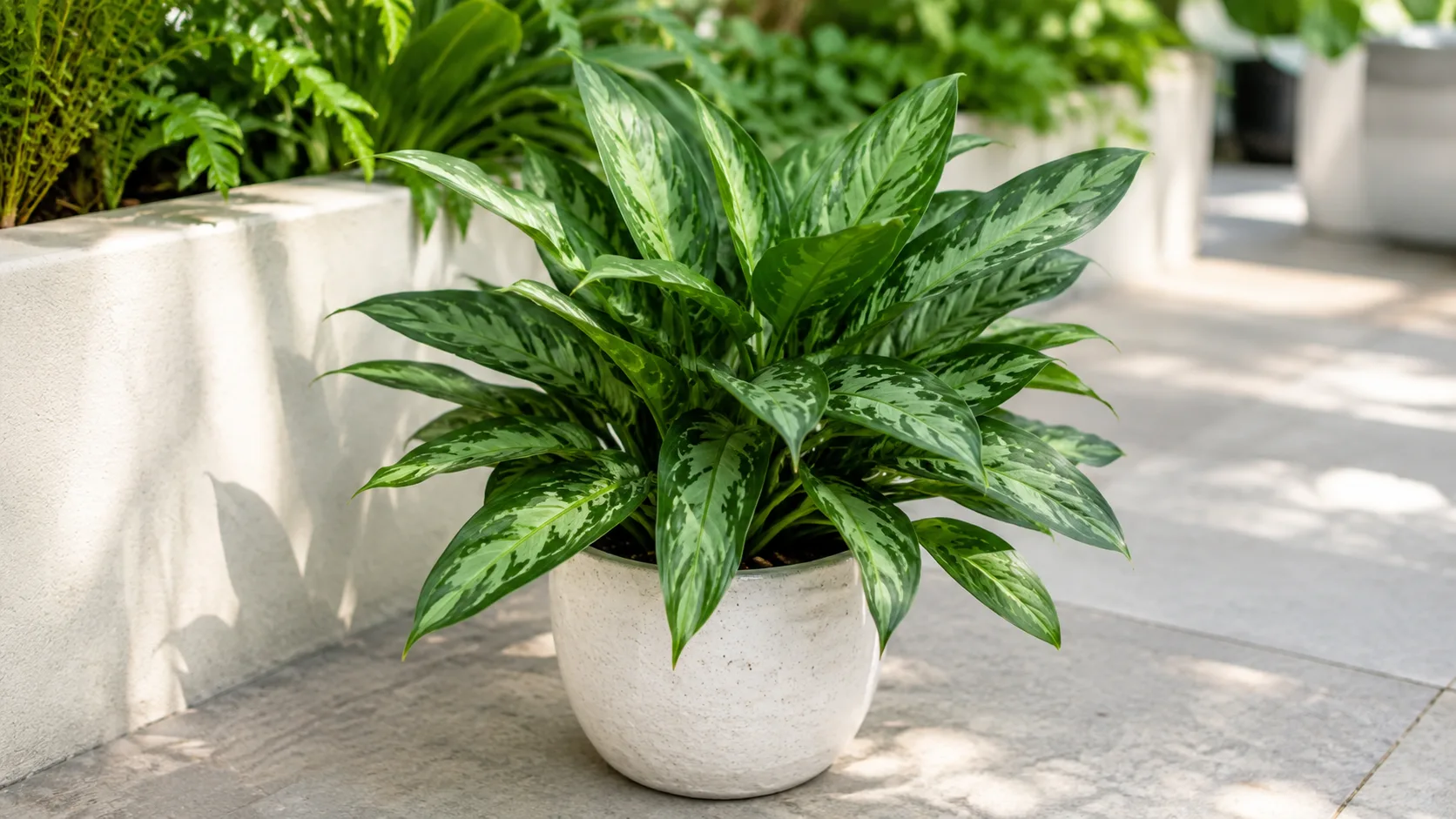
Aglaonema Cutlass
Likely causeCommon distorted leaves pattern on Aglaonema Cutlass under indoor care stress.
Quick fixInspect roots, watering, light, and pests; adjust one variable and monitor new growth.
- Medium
Aglaonema Lady Valentine
Likely causeCommon distorted leaves pattern on Aglaonema Lady Valentine under indoor care stress.
Quick fixInspect roots, watering, light, and pests; adjust one variable and monitor new growth.
- Medium
Aglaonema Maria
Likely causeCommon distorted leaves pattern on Aglaonema Maria under indoor care stress.
Quick fixInspect roots, watering, light, and pests; adjust one variable and monitor new growth.
- Medium
Aglaonema Pictum Tricolor
Likely causeCommon distorted leaves pattern on Aglaonema Pictum Tricolor under indoor care stress.
Quick fixInspect roots, watering, light, and pests; adjust one variable and monitor new growth.
 Medium
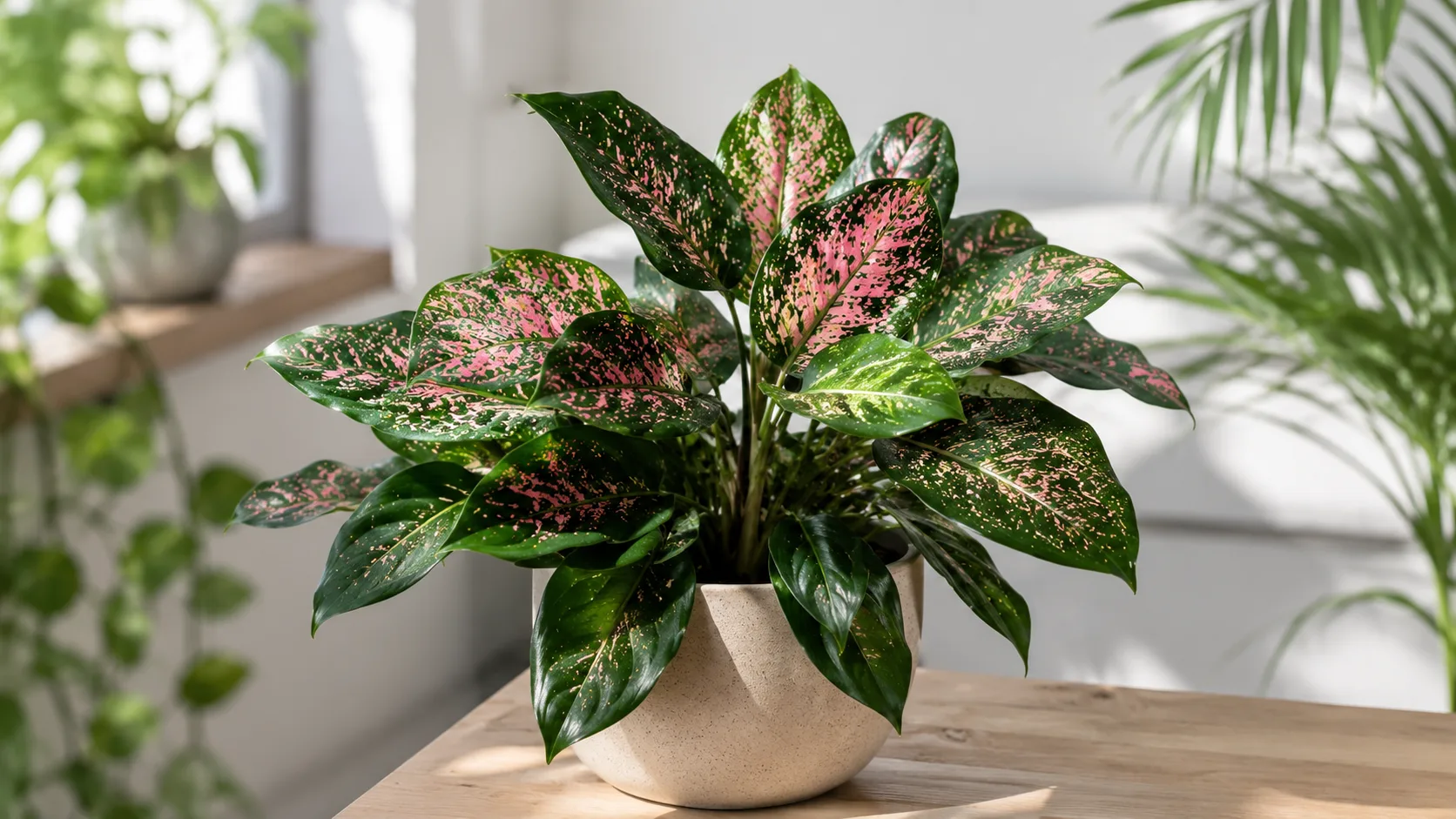
Aglaonema Pink Dalmatian
Likely causeCommon distorted leaves pattern on Aglaonema Pink Dalmatian under indoor care stress.
Quick fixInspect roots, watering, light, and pests; adjust one variable and monitor new growth.
- Medium
Aglaonema Red Siam
Likely causeCommon distorted leaves pattern on Aglaonema Red Siam under indoor care stress.
Quick fixInspect roots, watering, light, and pests; adjust one variable and monitor new growth.
 Medium
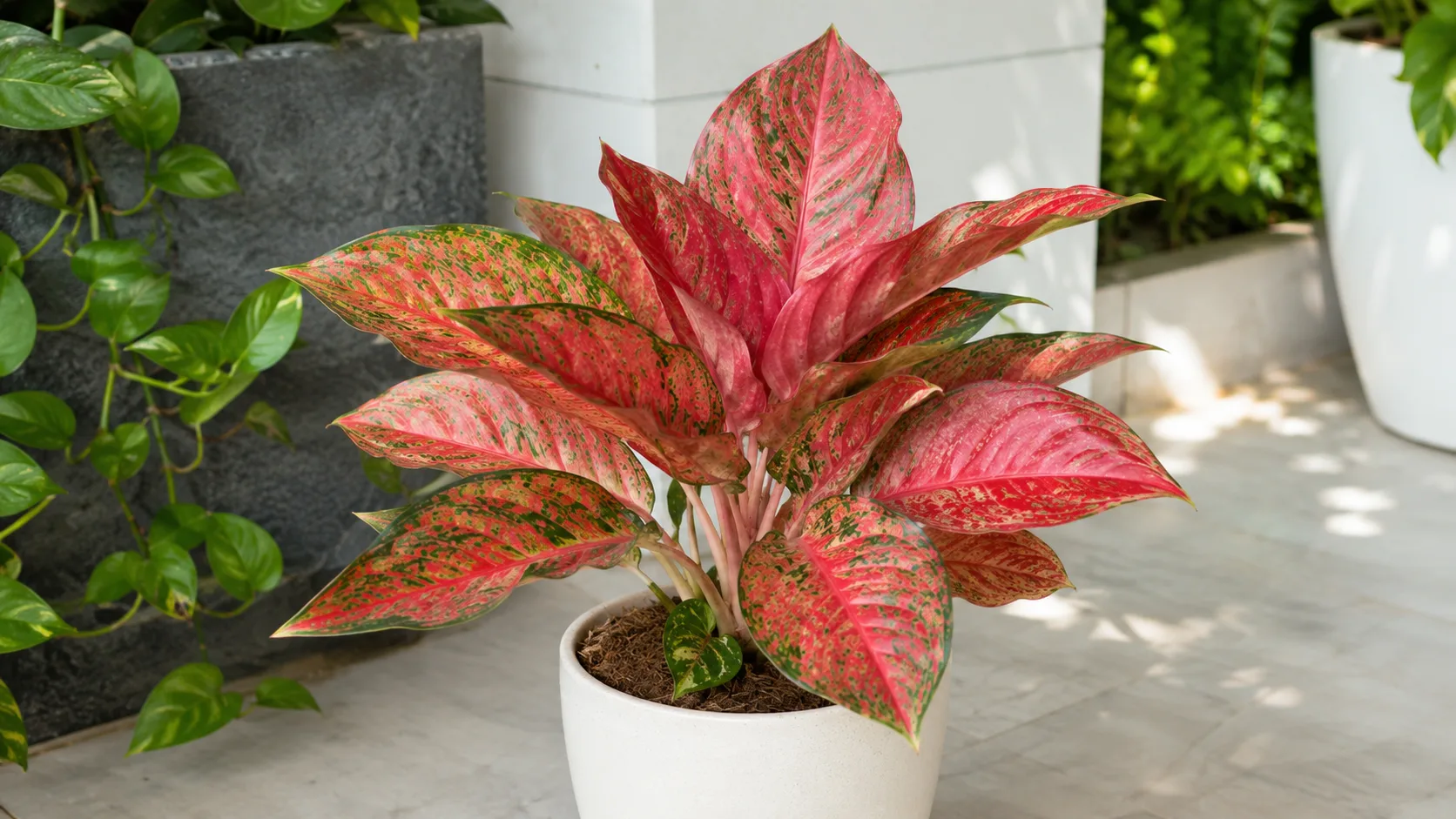
Aglaonema Red Valentine
Likely causeCommon distorted leaves pattern on Aglaonema Red Valentine under indoor care stress.
Quick fixInspect roots, watering, light, and pests; adjust one variable and monitor new growth.
 Medium
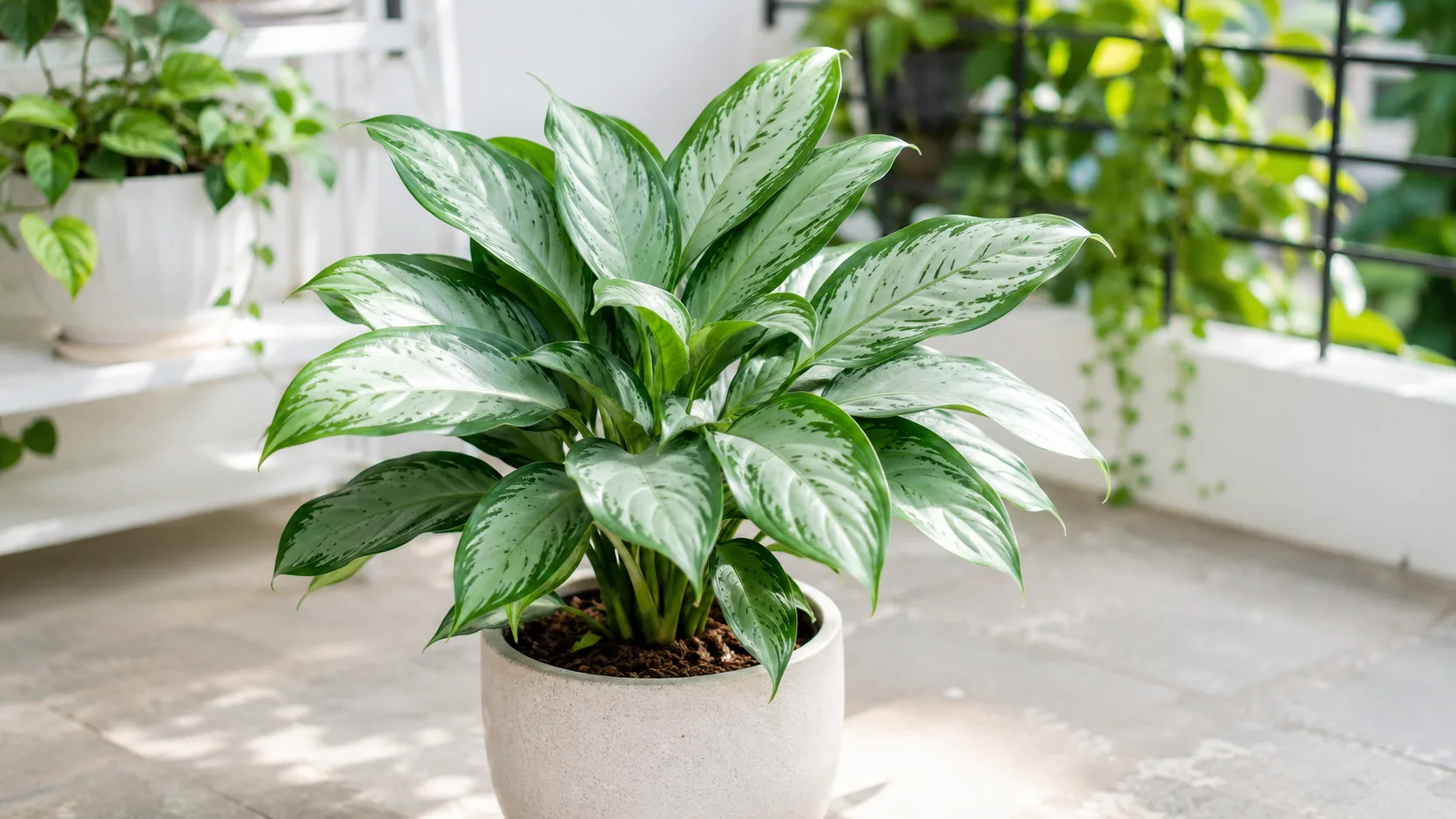
Aglaonema Silver Bay
Likely causeCommon distorted leaves pattern on Aglaonema Silver Bay under indoor care stress.
Quick fixInspect roots, watering, light, and pests; adjust one variable and monitor new growth.