Pale Plant Leaves: Causes, Diagnosis, and Fixes
'Leaf problems are often the first sign something is off with a houseplant. Pale Leaves can look alarming, but the fix depends on where symptoms start, how fast they spread, and what the soil and roots are doing. This guide walks through how to identify Leaves become light green, yellowish, or faded, rule out look-alikes, and treat the underlying cause. Track weekly progress after you change care, and note watering, light, and repotting dates so you can tell whether the symptom is improving or returning.'. Compare upper versus lower leaves, new versus old growth, and soil moisture at root depth before you treat, because the same visible symptom can come from watering, light, pests, or normal aging on different plants.
Pale Leaves on Houseplants
Still unsure?Match your symptoms to the most likely problems in under a minute.Run diagnosis →Understand and fix pale leaves
'Leaf problems are often the first sign something is off with a houseplant. Pale Leaves can look alarming, but the fix depends on where symptoms start, how fast they spread, and what the soil and roots are doing. This guide walks through how to identify Leaves become light green, yellowish, or faded, rule out look-alikes, and treat the underlying cause. Track weekly progress after you change care, and note watering, light, and repotting dates so you can tell whether the symptom is improving or returning.'. Compare upper versus lower leaves, new versus old growth, and soil moisture at root depth before you treat, because the same visible symptom can come from watering, light, pests, or normal aging on different plants.
Overview
'Leaf problems are often the first sign something is off with a houseplant. Pale Leaves can look alarming, but the fix depends on where symptoms start, how fast they spread, and what the soil and roots are doing. This guide walks through how to identify Leaves become light green, yellowish, or faded, rule out look-alikes, and treat the underlying cause. Track weekly progress after you change care, and note watering, light, and repotting dates so you can tell whether the symptom is improving or returning.'. Compare upper versus lower leaves, new versus old growth, and soil moisture at root depth before you treat, because the same visible symptom can come from watering, light, pests, or normal aging on different plants.
How to identify it
- Note which leaves are affected-oldest lower leaves vs newest growth
- Check whether spots are dry and crispy or soft and spreading
- Inspect leaf undersides for pests, webbing, or sticky residue
- Compare light exposure-did the plant move or get direct sun recently?
- Feel soil moisture before assuming the issue is only on the leaves
When to worry
Soft brown patches spreading fast, black stems, or more than a third of leaves declining in a week warrants urgent inspection for rot or disease.
Common causes
Watering stress
Both over- and underwatering show up on leaves first. Yellowing, browning, and drop often trace back to roots sitting too wet or too dry.
Low humidity or harsh tap water
Dry indoor air and mineral buildup cause brown tips and edges on sensitive plants like calatheas and peace lilies.
Incorrect light
Too little light weakens leaves; too much direct sun scorches them. Leaves become light green, yellowish, or faded after a window move often points to light.
Pests or fungal disease
Stippling, webbing, spots with halos, or powdery patches mean the leaf damage may be infectious or insect-related-not just care stress.
Step-by-step fix
Document the pattern
Photograph affected leaves and note whether damage is on old growth, new growth, or one side of the plant.
Check soil, roots, and drainage
Confirm moisture at root level and that the pot drains. Many leaf issues resolve once watering stabilizes.
Adjust light and humidity
Move to bright indirect light if leggy or faded; pull back from harsh sun if scorched. Group plants or use a humidifier for crispy edges.
Treat pests or fungus if present
Isolate affected plants. Wipe leaves, use insecticidal soap for pests, and improve airflow for fungal spots.
Remove damaged tissue
Trim fully yellow or brown leaves at the base. Partial brown tips can be trimmed for appearance; they will not turn green again.
Prevention tips
- Water based on soil dryness, not leaf appearance alone
- Keep plants in appropriate light for their species
- Inspect leaves monthly for early pest signs
- Use filtered water on sensitive foliage plants
Common mistakes
- Removing all yellow leaves before fixing the root cause
- Fertilizing a stressed plant hoping leaves green up faster
- Spraying leaves at night, which encourages fungal spots
A pale leaf tells you that its normal green appearance has changed. It does not tell you whether the plant lacks fertilizer. Low or excessive light, unhealthy roots, unsuitable pH, drought, persistent wetness, pests, chemical injury, natural genetics, and genuine nutrient shortage can all create light-green, yellowish, or washed-out foliage.
That overlap makes “feed it” a risky first response. If roots are oxygen-starved or salts have accumulated, more fertilizer may worsen the condition. If the plant is naturally variegated or a new leaf simply has not matured, treatment may be unnecessary.
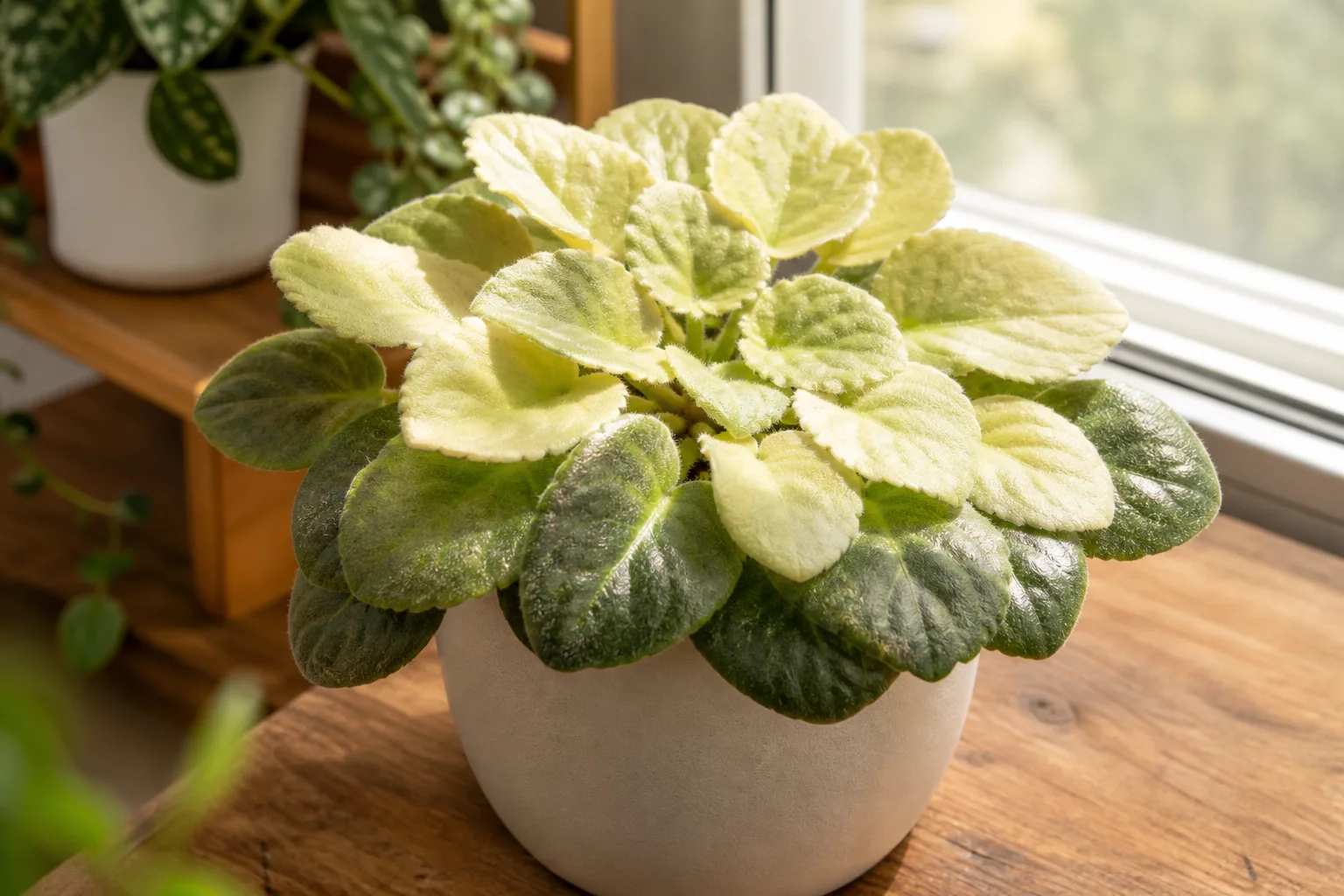
This guide uses a conservative pattern-and-history method synthesized from university extension and integrated pest-management guidance reviewed in July 2026. The two African violet images are visual comparison aids, not confirmed diagnoses or proof of the author’s firsthand case work. A reliable conclusion combines the plant’s identity, leaf age, vein pattern, root-zone condition, light, pests, and recent care.
Quick Diagnosis: What Pale Leaves Mean
Pale plant leaves may represent chlorosis—a loss or failure of normal green pigmentation—or a look-alike such as variegation, bleaching, stippling, dust, or immature new growth. The Penn State Extension diagnostic guide stresses that plant symptoms can have many causes, including fertility, soil texture, weather, light, insects, and disease.
Begin with four questions:
- Did paling start on the newest leaves, the oldest leaves, or everywhere?
- Are veins green while tissue between them is pale, or is the entire leaf uniformly light?
- Is the surface evenly faded, finely speckled, scorched in one exposure zone, or patterned consistently like variegation?
- What changed in the previous two to six weeks?
Use this map as a shortlist:
| Pattern | Possible explanations | What it cannot prove | Next check |
|---|---|---|---|
| Whole plant gradually light green | Inadequate light, nitrogen limitation, root stress | A nitrogen shortage by itself | Growth habit, light change, roots, feeding history |
| Older leaves pale first | Nutrient limitation, prolonged stress, aging | Which nutrient is limiting | Vein pattern, overall growth, substrate test |
| New leaves pale with green veins | Iron or manganese availability, root dysfunction | That fertilizer is absent | pH, roots, water, species sensitivity |
| Window-facing tissue bleached | Excess light or heat after a move | The exact light dose | Exposure boundary and timeline |
| Fine pale stippling or silvering | Mites or thrips | Pest identity without inspection | Undersides, webbing, black specks |
| Pale plant plus wet mix and damaged roots | Excess moisture or root injury | A particular pathogen | Drainage, root texture, odor |
| Stable repeated cream pattern | Natural variegation | That every pale patch is healthy | Species identity and progression |
Patterns narrow possibilities; they do not prove a nutrient deficiency. Root disease and unsuitable pH can create deficiency-like symptoms even when nutrients are physically present. If the “what it cannot prove” column describes the treatment you are considering, gather the next evidence or test first.
Map Leaf Age, Veins, Distribution, and Timing
Leaf age matters because plants can redistribute some nutrients from old tissue more readily than others. General diagnostic keys therefore associate shortages of mobile nutrients with older foliage and some less-mobile nutrient problems with new growth. Real plants do not always follow textbook diagrams, especially when roots, light, species, substrate, and multiple nutrients are involved, so this location pattern is a screening clue rather than a fertilizer prescription.
Veins add another clue. Interveinal chlorosis means tissue between veins becomes pale while veins remain greener. The University of Maryland Extension identifies iron chlorosis as a common indoor-plant nutrient symptom, but a green-vein pattern alone still does not establish why iron is unavailable.
Distribution helps separate localized exposure from systemic stress. One bleached side facing a bright window suggests a different path from uniform fading across old and new leaves. A patchwork confined to one cultivar may be genetic.
Finally, reconstruct timing. A new grow light, repot, fertilizer dose, water-source change, pest treatment, heat wave, cold window, or seasonal light decline often provides the strongest clue.
Rule Out Normal Color, Variegation, and Surface Dust
Identify the species and cultivar before diagnosing. Some plants naturally carry chartreuse leaves, silver overlays, pale veins, juvenile coloration, or cream variegation. Consistent, symmetrical patterns repeated across healthy leaves are more compatible with genetics than rapidly advancing chlorosis.
New leaves may emerge lighter and darken as they mature. Compare leaves of the same age rather than holding a tender new leaf against the oldest canopy. Concern rises when new leaves remain unusually pale, become smaller, distort, or show necrotic edges.
Dust and mineral residue can make leaves look dull. Wipe one leaf gently with plain water and a soft cloth, following species-specific handling—African violet foliage, for example, should not be scrubbed aggressively. If color returns only where residue was removed, the issue is on the surface rather than inside the tissue.
Do not use leaf-shine products as a diagnostic test. They can mask pests, leave residues, or injure sensitive plants.
Light Problems: Too Little, Too Much, or Too Sudden
Insufficient light reduces photosynthetic capacity and often produces stretched growth, wider spacing between leaves, smaller or thinner foliage, and loss of older leaves along with fading. The University of Minnesota Extension indoor-light guide describes elongated internodes and older-leaf drop among low-light responses.
Increase light within the plant’s tolerance, not by jumping straight into intense sun. Move gradually closer to a suitable window or use a properly placed grow light. Clean glass and rotate only when the plant benefits; frequent major repositioning can make response harder to interpret.
Excess light can bleach exposed tissue, especially after an abrupt move. Bleaching often affects the window-facing side and may progress to dry tan scorch. Pull the plant back, diffuse strong light, and acclimate gradually. Damaged patches may not regain their original color.
Light and watering interact. A plant moved into dimmer winter conditions uses water more slowly, so an unchanged watering schedule can create a wet-root problem that also pales leaves.
Use this wider image to compare whether fading is uniform or localized. Camera exposure and screen settings alter color, so visual similarity is not laboratory evidence of a particular deficiency.
Root Stress and Watering Problems
Roots acquire water and mineral nutrients, so root dysfunction can imitate fertilizer deficiency. Check moisture below the surface, drainage, cachepot runoff, root density, and any sour odor. Healthy root colors differ among species and substrates, but soft, dark, sloughing tissue is concerning.
Avoid diagnosing from a single top-inch reading. Large pots can stay wet in the center while appearing dry above; compact root balls can remain dry even when fresh mix around them is moist. Pot weight and a wooden skewer provide useful supporting evidence.
Correct the root environment before adding nutrients. Fertilizer cannot restore oxygen to saturated mix or repair decayed roots, and additional salts increase the burden on compromised tissue.
Wet Roots, Poor Drainage, and Impaired Uptake
Persistent saturation fills air spaces and can injure roots or favor pathogens. Aboveground symptoms can include pale or yellow leaves, slow growth, edema, wilt despite wet soil, and leaf drop. The University of Maryland’s yellow-leaf guidance identifies excess water, drought, light extremes, and poor planting media as abiotic causes of indoor-plant stress.
Empty standing water and verify that the pot drains freely. If roots remain firm and the plant is stable, allow the mix to approach the species’ appropriate watering point. If roots are clearly rotten or the stem base is soft, remove dead tissue with clean tools and repot into fresh suitable mix.
Do not move a small compromised root system into a much larger pot. Excess mix around limited roots often dries slowly, recreating the condition you are trying to correct.
Drought, Compacted Mix, and Uneven Rewetting
Severe or repeated drought can damage fine roots and reduce nutrient transport. Clues include a feather-light pot, mix pulled from the wall, wilting, crisp edges, and water racing down channels without wetting the root ball.
Rehydrate evenly. Apply water slowly across the surface until excess drains; a hydrophobic nursery pot may need a short soak followed by complete drainage. Return to a moisture-based routine rather than keeping the mix saturated afterward.
Compacted or degraded substrate can create both dry pockets and wet zones. Repot when physical structure has clearly failed, but avoid unnecessary root disturbance in a plant that is already stabilizing.
Nutrient Patterns Without Shortcut Diagnosis
Plants require mineral nutrients in different quantities, but symptoms alone are imperfect. Nutrient deficiency may reflect inadequate supply, unsuitable pH, damaged roots, excess of another element, or salt conditions that limit uptake. The correct remedy depends on the mechanism.
Review the full feeding history. A plant in fresh fertilized mix may be less likely to have a simple lack than a plant growing for years in exhausted medium, but that is not proof. Conversely, regular feeding does not exclude unavailable nutrients or root disease.
Where possible, test irrigation water and substrate pH; for valuable plants, a substrate or tissue analysis is stronger evidence than an online color chart. Apply any fertilizer according to its label and the plant’s active growth, never by doubling a dose to chase color.
Nitrogen, Magnesium, Iron, and Manganese Clues
General diagnostic keys often associate nitrogen limitation with generalized paling that begins in older foliage and magnesium limitation with older-leaf interveinal chlorosis. Iron and manganese problems are more often mapped to younger tissue, but these are provisional clues rather than proof. Species, mixed deficiencies, root damage, and substrate chemistry can blur or reverse a textbook presentation.
These clues are useful only in context. Penn State’s poor plant health key groups old-leaf yellowing with nitrogen, magnesium, or potassium deficiency, but also with overwatering, natural aging, pot binding, and root rot—an excellent reminder that the visible pattern is not exclusive.
Do not apply iron merely because veins appear green. First examine pH, roots, water, and plant identity. Excess or repeated micronutrient applications can create toxicity or imbalance.
Soil pH, Water Quality, and Soluble Salts
Root-zone pH influences nutrient solubility and uptake. A pH outside the suitable range for a species can make a nutrient less available even when fertilizer contains it. Because recommended ranges vary by plant and medium, use species-specific horticultural guidance rather than a universal target, and do not let a consumer probe reading trigger a targeted amendment unless the method is appropriate to that substrate.
Irrigation water and fertilizer contribute dissolved salts. Repeated light watering may leave residues behind, and visible crust on the mix or pot can support—but not prove—salt accumulation. Roots exposed to high soluble salts may be injured and unable to support normal foliage.
When the plant, pot, and water quality allow, occasional thorough leaching can move excess salts through the drainage holes. Do not leach a waterlogged or root-rotted plant, and do not use softened water containing added sodium as a casual solution. Testing is preferable to adding acids, sulfur, or buffers blindly.
Pests, Disease, and Chemical Injury
Spider mites can create fine pale stippling that eventually produces a washed-out or bronzed appearance. Thrips often leave silvering, black fecal specks, and distorted new growth. Scale, mealybugs, and whiteflies may reduce vigor and discolor foliage.
Inspect both leaf surfaces, veins, petioles, stems, and growing points with a hand lens. The UC IPM houseplant pest guide recommends correct pest identification before control. Isolate a confirmed or plausible infestation and use only products labeled for the pest, plant, and indoor site.
Disease is more likely when paling accompanies expanding lesions, mosaic-like distortion, wilt, stem damage, or decline that does not track care. Chemical injury may follow excessive fertilizer, concentrated pesticide, cleaning products, or oil applied under unsuitable conditions. Keep product names, rates, and dates for diagnosis.
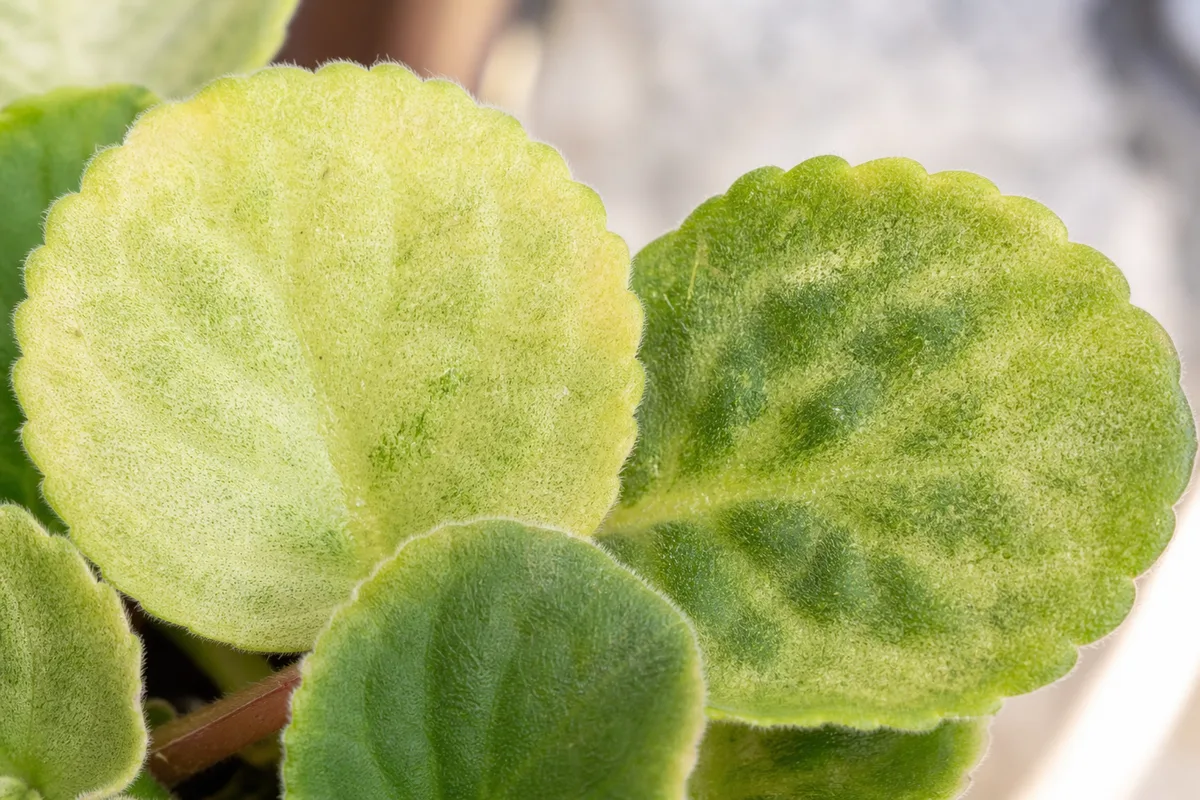
The macro view supports closer pattern comparison, but lighting can exaggerate contrast. Confirm apparent interveinal chlorosis or stippling on the actual plant under neutral light.
A First-Week Correction Plan
On day one, identify the plant and map which leaf ages are affected. Photograph the canopy and a representative leaf under neutral light. Inspect roots indirectly through moisture, pot weight, drainage, and odor before deciding whether unpotting is justified.
On days one through three, correct immediate hazards: drain standing water, rehydrate a genuinely dry root ball, pull scorched foliage from harsh exposure, or move the plant out of a cold or hot draft. Isolate if pest evidence exists.
During the rest of the week, keep conditions stable and continue observation. Do not stack fertilizer, repotting, pesticide, pH adjustment, and a light move. One controlled correction makes the response more informative and limits additional stress.
Write down a working hypothesis and the evidence against it. For example, “low light is plausible because internodes lengthened after a move, but wet roots may also contribute because the pot now dries slowly.” This discipline prevents a familiar symptom chart from becoming false certainty.
Compare the plant with a healthy specimen of the same cultivar only when growing conditions and leaf age are comparable. A nursery plant photographed under bright production lighting may look different from a mature home specimen without either being unhealthy. Use the comparison to generate questions, not to prescribe a dose.
Do not remove every pale leaf during diagnosis. Leaves that remain firm and substantially green still contribute to the plant, and keeping representative symptoms helps track whether the pattern progresses. Remove tissue that is dead, collapsing, heavily pest-infested, or required for a diagnostic sample.
When Fertilizer Is Appropriate
Fertilizer becomes reasonable when roots are healthy, moisture and light are appropriate, active growth is expected, and feeding history or testing supports insufficient supply. Use a complete product suitable for the plant and medium at the labeled rate.
If a specific deficiency is supported by pH and plant pattern, use the recommended nutrient form and label directions. The goal is to correct availability, not create an excess reservoir. More is not faster.
Wait when roots are compromised, the plant is waterlogged, salts are suspected, or it is not actively growing. Correcting environment and root function comes first.
If you do fertilize, measure rather than estimate and apply to an appropriately moist root zone unless the product label says otherwise. Record the product analysis, concentration, date, and plant response. Stop escalating if new tip burn, crusting, wilt, or faster decline appears.
Micronutrient products deserve particular caution because the gap between insufficient and excessive supply can be smaller than gardeners assume. A complete fertilizer and corrected root-zone conditions are often more rational than assembling several single-element remedies from a visual diagnosis.
How to Judge Whether Color Is Recovering
Some mildly chlorotic tissue may green after the cause is corrected, but fully bleached, scorched, necrotic, or genetically pale tissue may not. The most reliable recovery sign is normal-color new growth of appropriate size and shape.
Take weekly photographs under the same light and compare leaves of the same age. Monitor growth rate, stem firmness, new symptoms, and root-zone drying. Do not use screen photos taken under different exposure as a colorimeter.
Give the plant time. New leaf production varies by species, season, temperature, and light. Stability and cessation of new paling can precede visible replacement.
Measure structure as well as color. Shorter internodes after a light correction, appropriately sized new leaves, stronger petioles, and predictable water use can show improvement before the canopy looks dramatically greener. Conversely, darker color paired with stalled, distorted growth is not necessarily recovery.
If old foliage remains pale but every new leaf develops normally, the intervention may have succeeded. Avoid chasing the appearance of damaged historical tissue with repeated treatments; preserve it when useful and let normal turnover replace it.
When comparing photographs, include a neutral white or gray reference and avoid automatic enhancement. Morning and evening light can make the same foliage appear dramatically different, which can trigger unnecessary treatment. A consistent record is more useful than a visually striking image.
Continue checking leaf undersides even after color improves. Mite or thrips populations can fluctuate, and a temporary decline in visible stippling does not prove eradication. Use the pest’s confirmed biology and the treatment label to decide how long monitoring should continue.
Prevent Pale Leaves From Returning
Match light to the species and acclimate gradually after moves. Water according to root-zone conditions, maintain functional drainage, and use an appropriately structured medium and pot size.
Feed during active growth according to the product and plant, periodically review pH or water quality when sensitive species repeatedly show chlorosis, and leach only when the root system and water source make it appropriate. Quarantine new plants and inspect regularly for fine stippling and hidden pests.
Keep records. A simple log of light changes, watering, feeding, repotting, products, and photos makes a future color change far easier to interpret.
When Testing or Expert Diagnosis Is Worthwhile
Testing is worthwhile when the plant is valuable, the symptom persists after obvious environmental issues are corrected, several plants share the pattern, or repeated micronutrient treatment has failed. Substrate pH and soluble-salt testing can reveal conditions that visual inspection cannot.
Seek a local extension diagnostic service for rapid decline, mosaic or distortion suggestive of systemic disease, extensive root damage, or uncertainty before a consequential pesticide or nutrient treatment. Submit the plant identity, full-canopy photos, close images, root information, and a care timeline.
When multiple species fade at once, investigate shared light, water, temperature, and chemical exposure. A contagious cause is possible, but a uniform cross-species pattern often justifies checking the environment first.
Conclusion
Pale plant leaves are a clue, not an instruction to fertilize. Map leaf age, veins, distribution, surface pattern, roots, light, pests, and recent changes, then choose the smallest correction supported by that evidence.
Protect root function, avoid blind pH or nutrient adjustments, and judge success through stable symptoms and healthy new growth. A careful diagnosis is slower than a guess, but far less likely to replace one manageable problem with several.
Plants commonly affected
These houseplants often struggle with pale leaves. Open a care guide or plant-specific troubleshooting page for tailored fixes.
 Medium
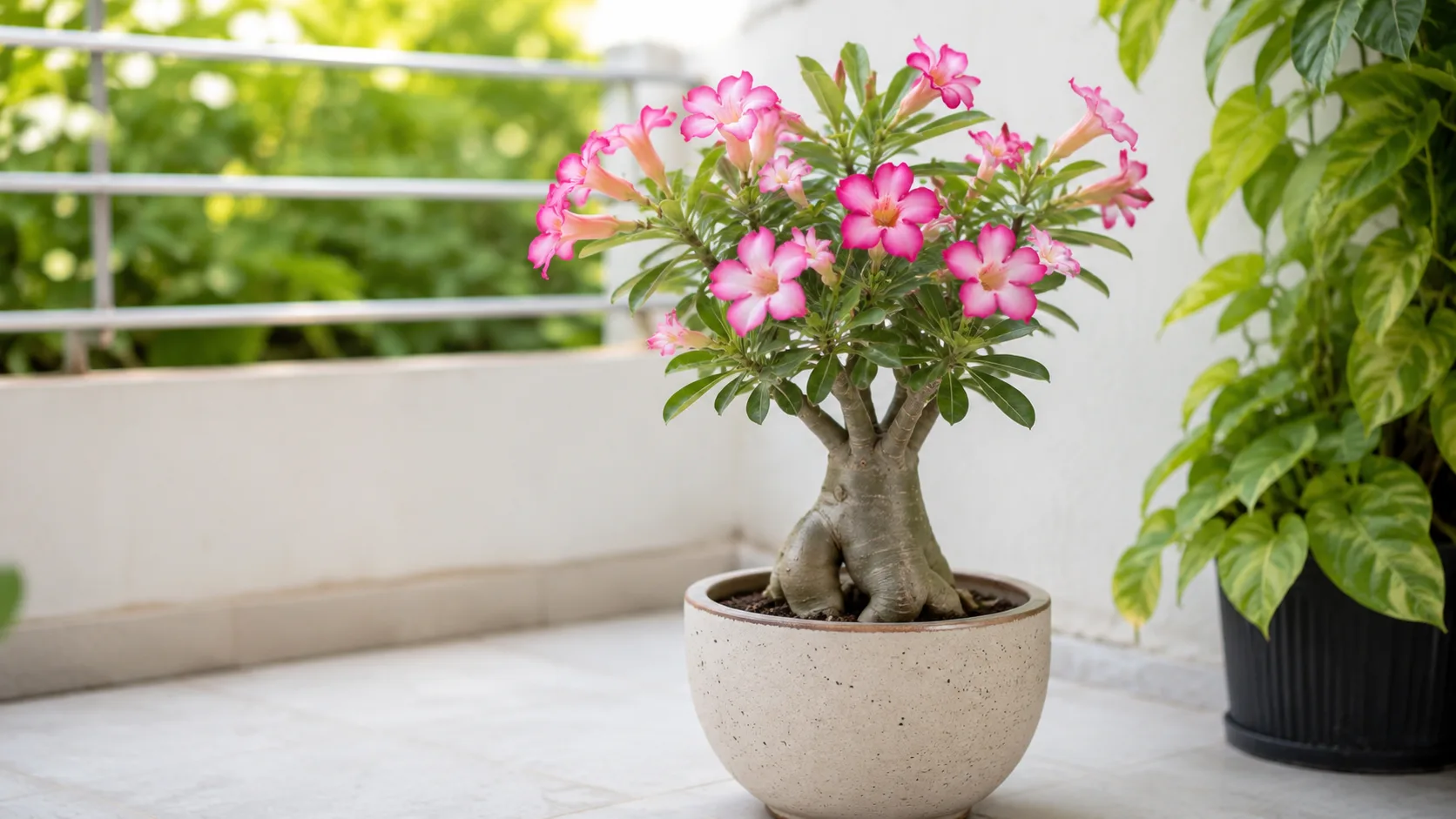
Adenium
Likely causeCommon pale leaves pattern on Adenium under indoor care stress.
Quick fixInspect roots, watering, light, and pests; adjust one variable and monitor new growth.
 Medium
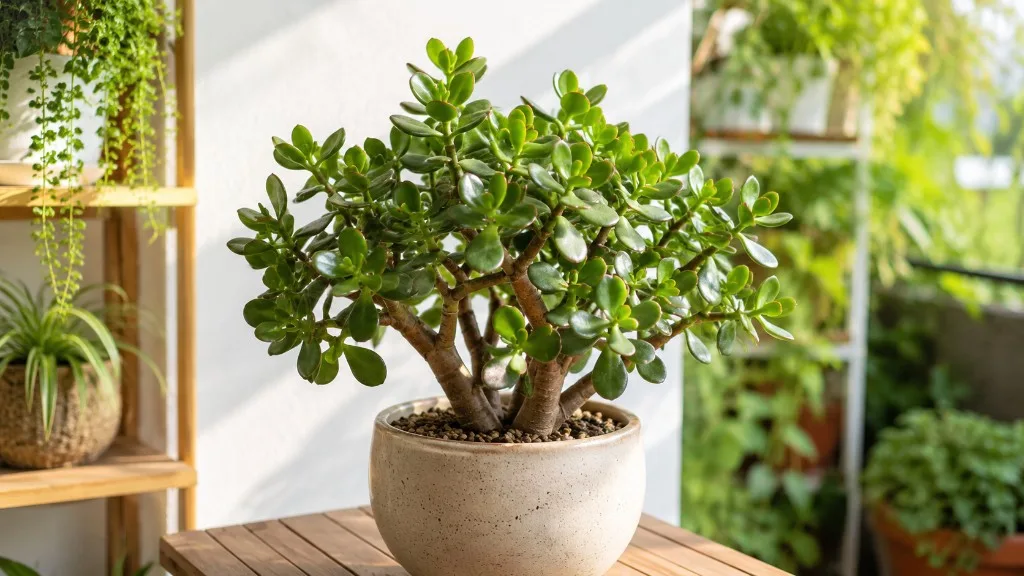
African Milk Tree
Likely causeCommon pale leaves pattern on African Milk Tree under indoor care stress.
Quick fixInspect roots, watering, light, and pests; adjust one variable and monitor new growth.
 Medium
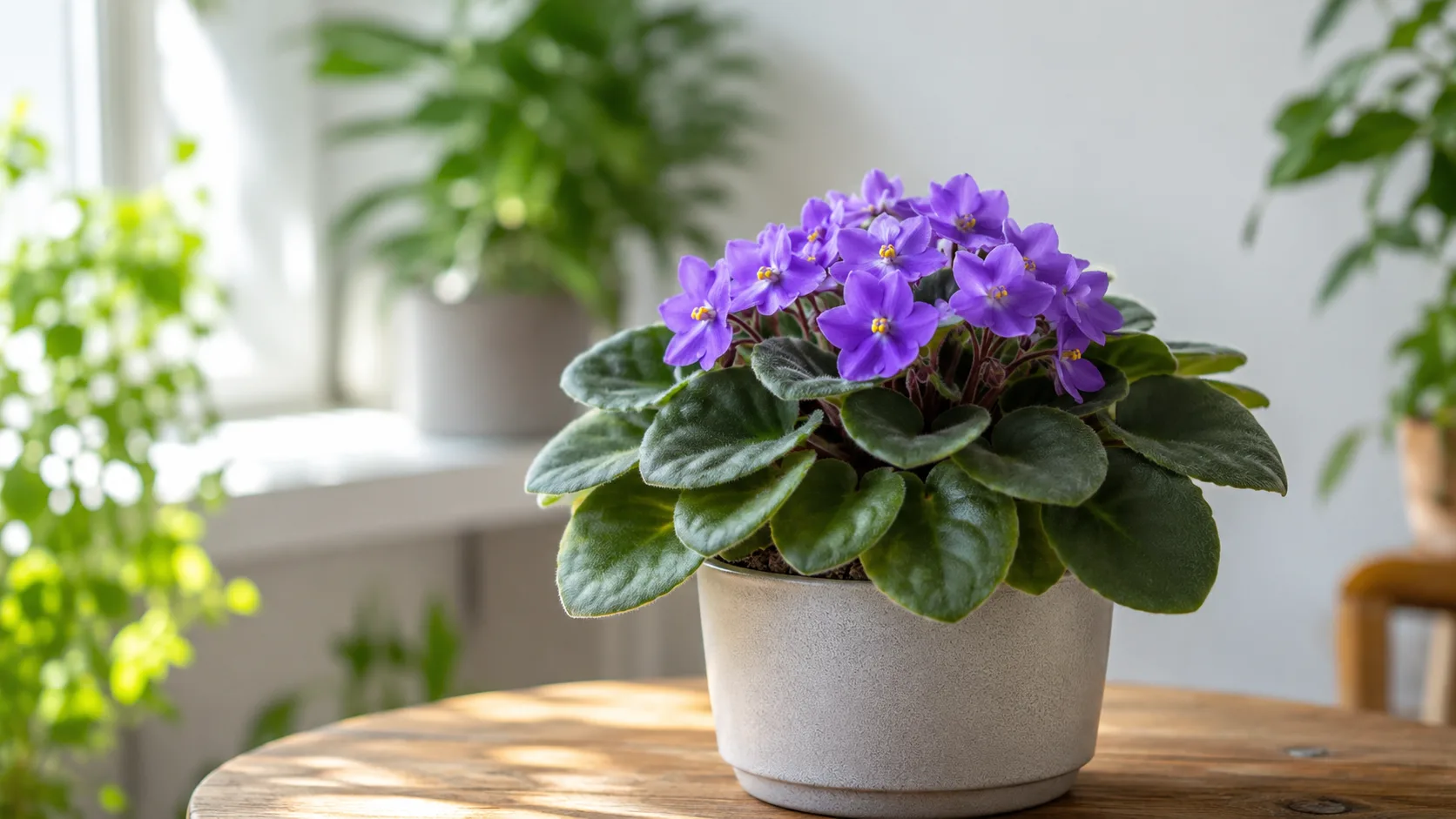
African Violet
Likely causePale Leaves on African Violet: This beginner-friendly guide will walk you through some common african violet leaf problems, and what you need to do next.
Quick fixInspect African Violet, confirm pale leaves matches your symptoms, then adjust care or treat per authoritative guides.
 Medium
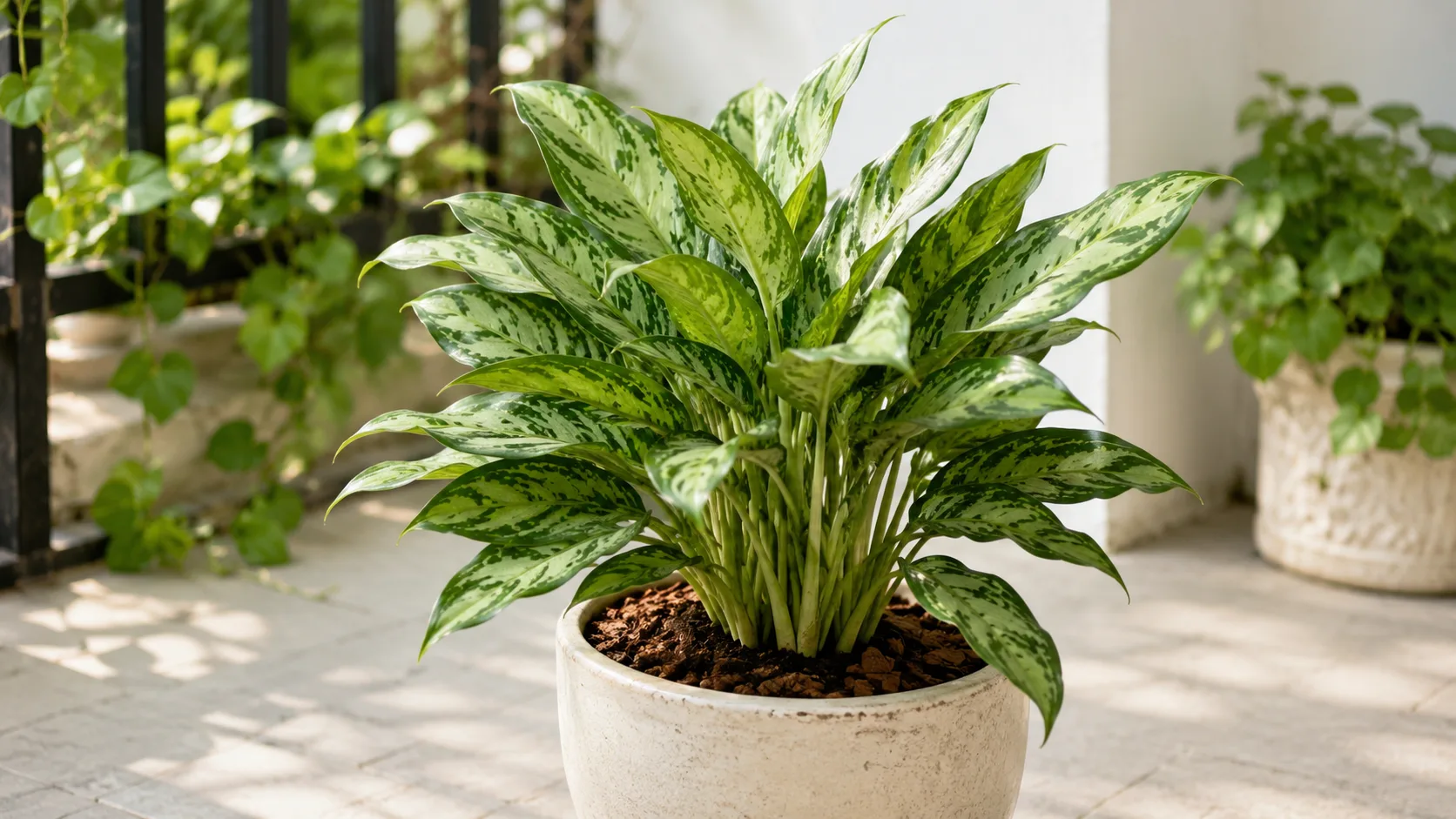
Aglaonema
Likely causeCommon pale leaves pattern on Aglaonema under indoor care stress.
Quick fixInspect roots, watering, light, and pests; adjust one variable and monitor new growth.
 Medium
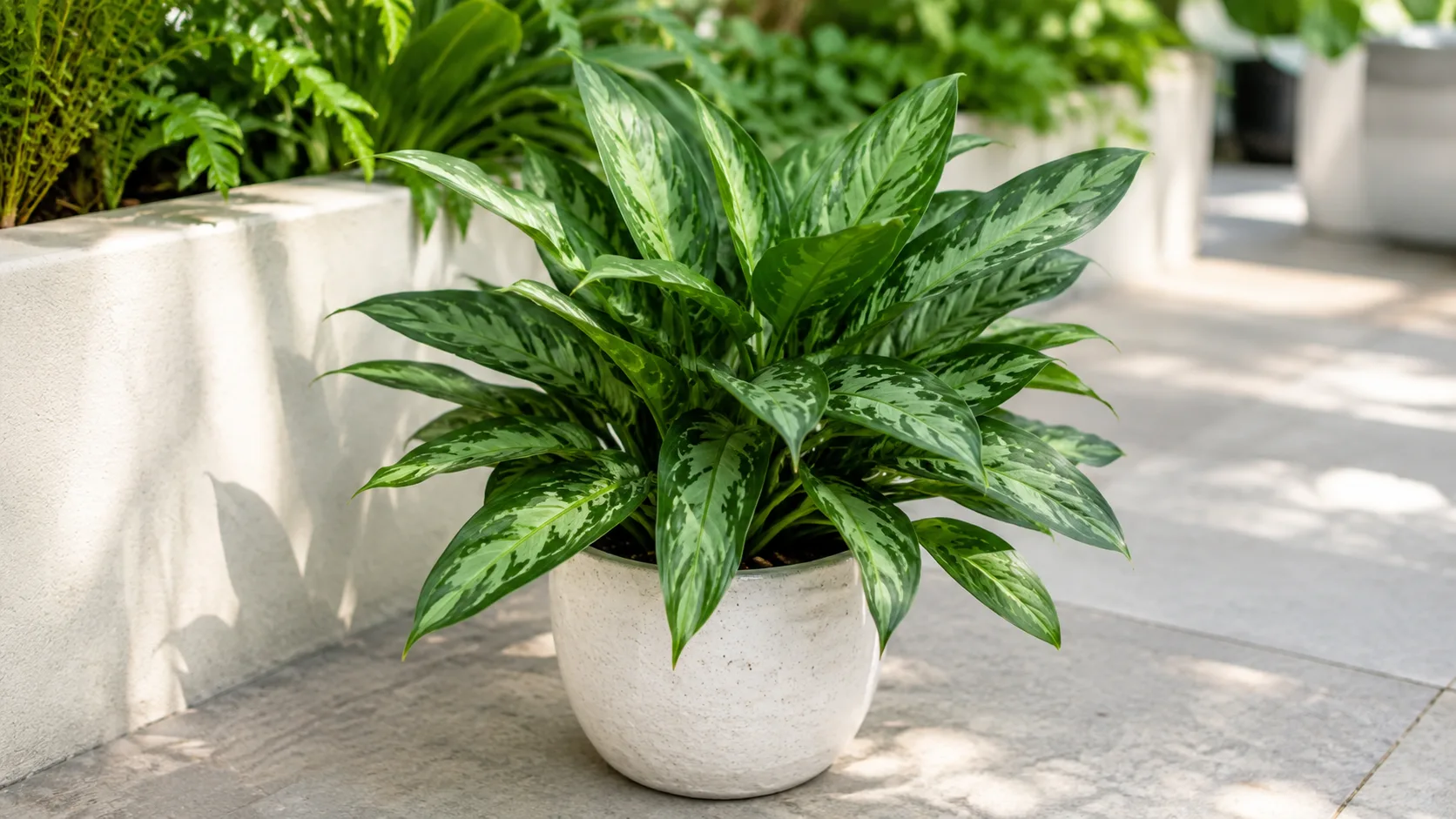
Aglaonema Cutlass
Likely causeCommon pale leaves pattern on Aglaonema Cutlass under indoor care stress.
Quick fixInspect roots, watering, light, and pests; adjust one variable and monitor new growth.
- Medium
Aglaonema Lady Valentine
Likely causeCommon pale leaves pattern on Aglaonema Lady Valentine under indoor care stress.
Quick fixInspect roots, watering, light, and pests; adjust one variable and monitor new growth.
- Medium
Aglaonema Maria
Likely causeCommon pale leaves pattern on Aglaonema Maria under indoor care stress.
Quick fixInspect roots, watering, light, and pests; adjust one variable and monitor new growth.
- Medium
Aglaonema Pictum Tricolor
Likely causeCommon pale leaves pattern on Aglaonema Pictum Tricolor under indoor care stress.
Quick fixInspect roots, watering, light, and pests; adjust one variable and monitor new growth.
 Medium
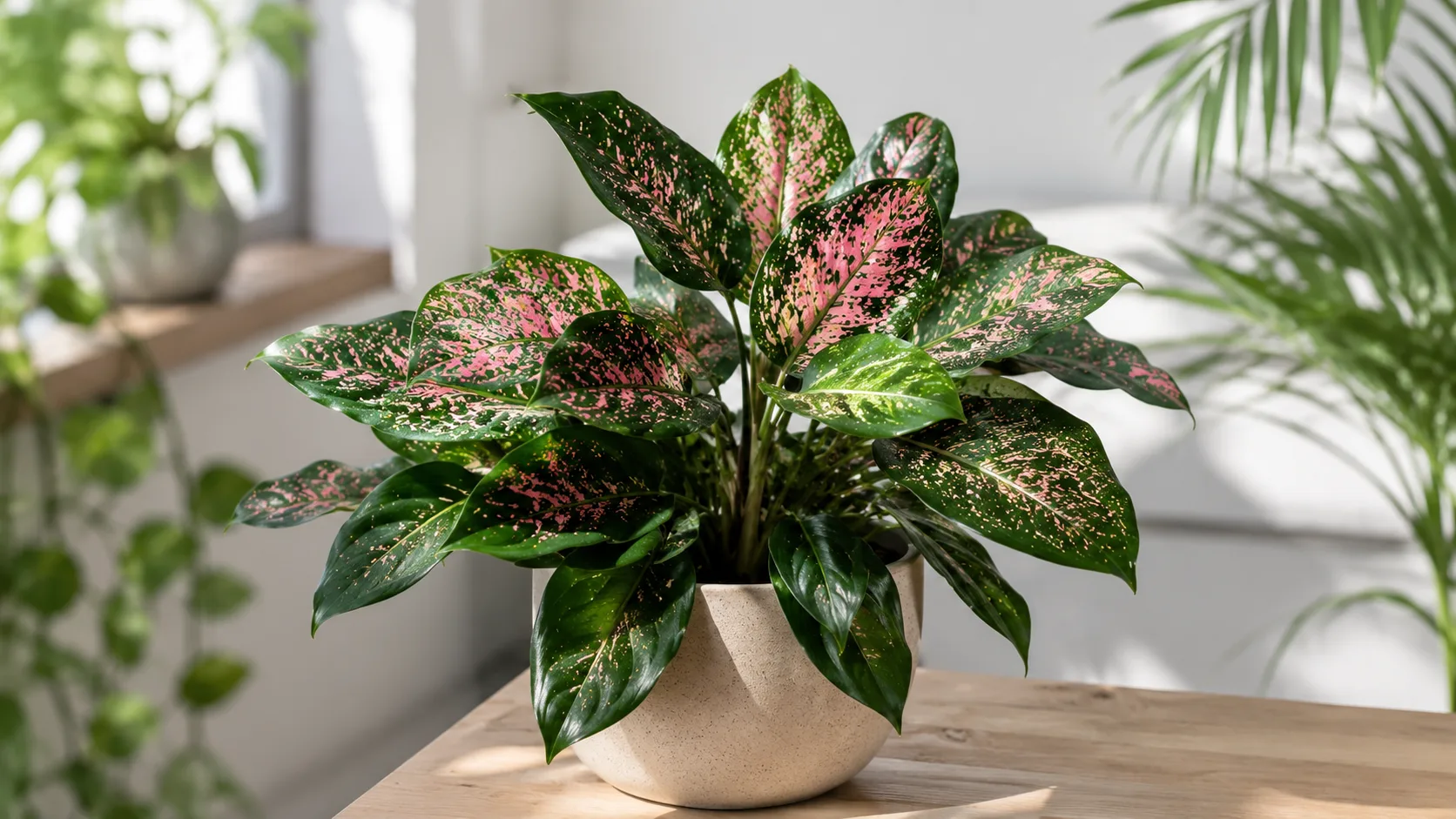
Aglaonema Pink Dalmatian
Likely causeCommon pale leaves pattern on Aglaonema Pink Dalmatian under indoor care stress.
Quick fixInspect roots, watering, light, and pests; adjust one variable and monitor new growth.
- Medium
Aglaonema Red Siam
Likely causeCommon pale leaves pattern on Aglaonema Red Siam under indoor care stress.
Quick fixInspect roots, watering, light, and pests; adjust one variable and monitor new growth.
 Medium
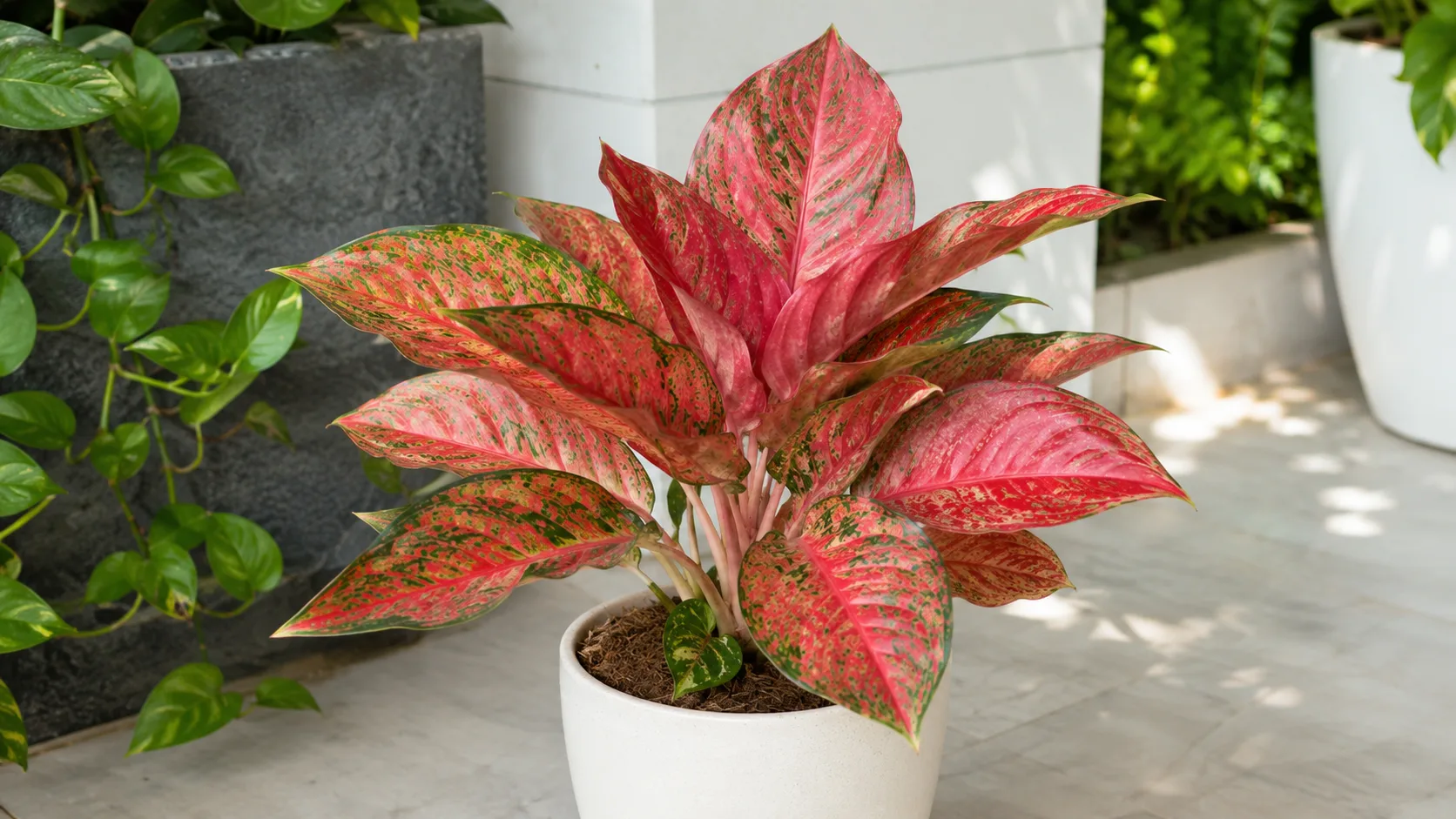
Aglaonema Red Valentine
Likely causeCommon pale leaves pattern on Aglaonema Red Valentine under indoor care stress.
Quick fixInspect roots, watering, light, and pests; adjust one variable and monitor new growth.
 Medium
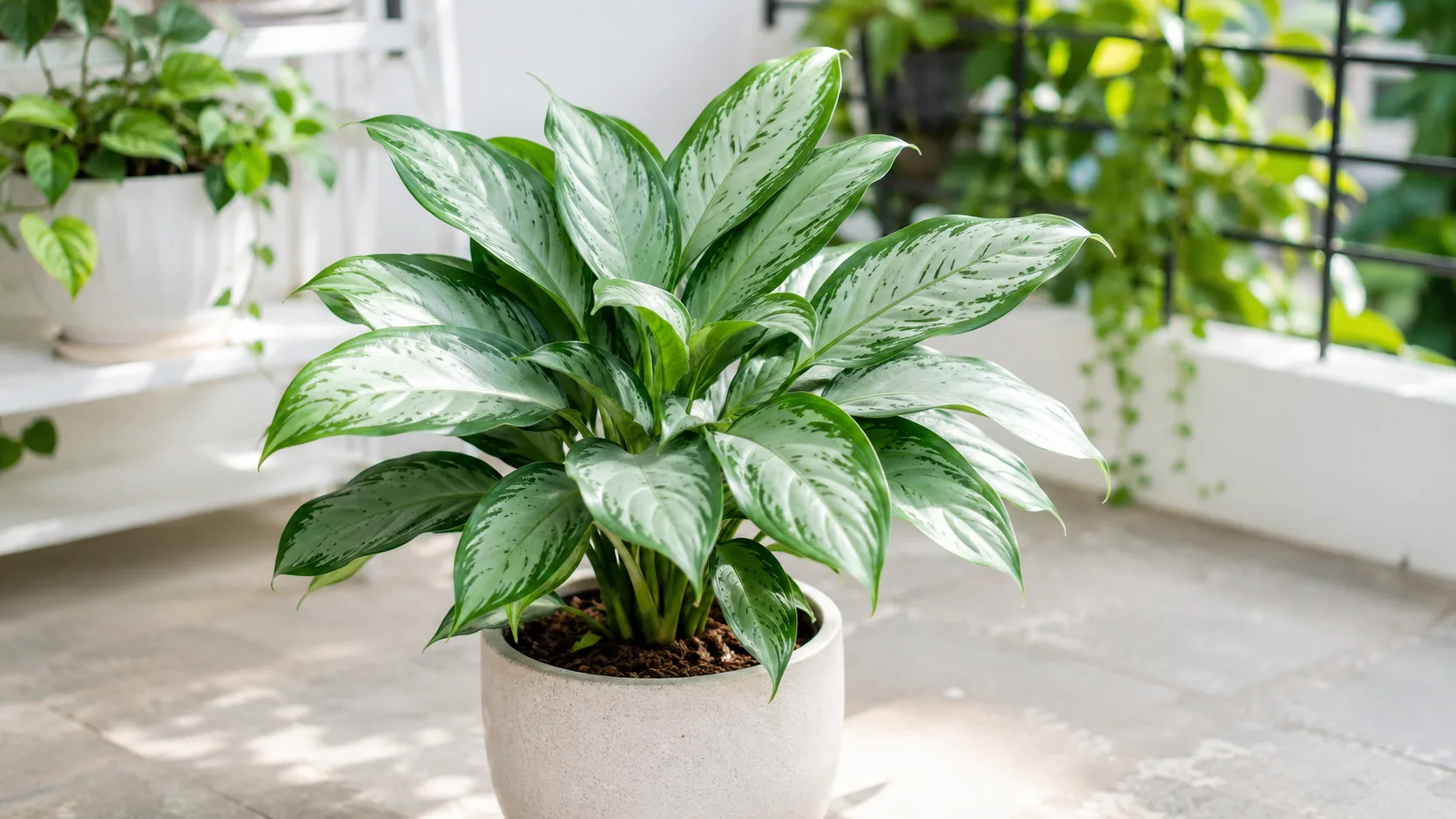
Aglaonema Silver Bay
Likely causeCommon pale leaves pattern on Aglaonema Silver Bay under indoor care stress.
Quick fixInspect roots, watering, light, and pests; adjust one variable and monitor new growth.